Best Time of Day to Book a Charter for Tarpon
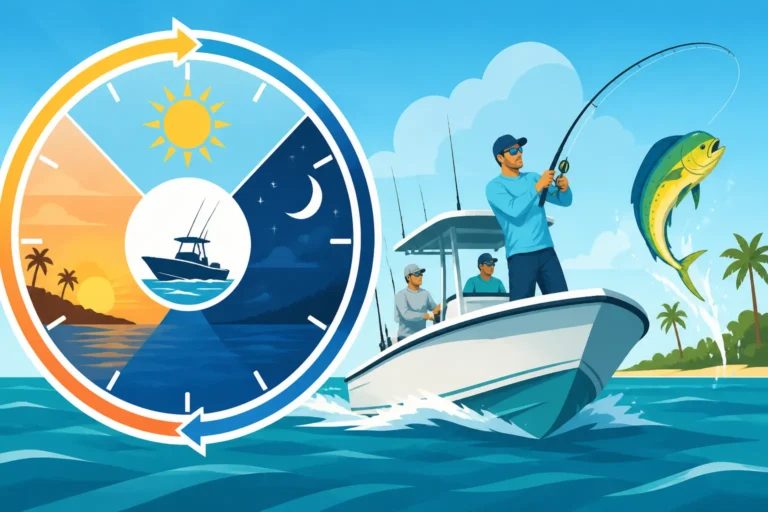
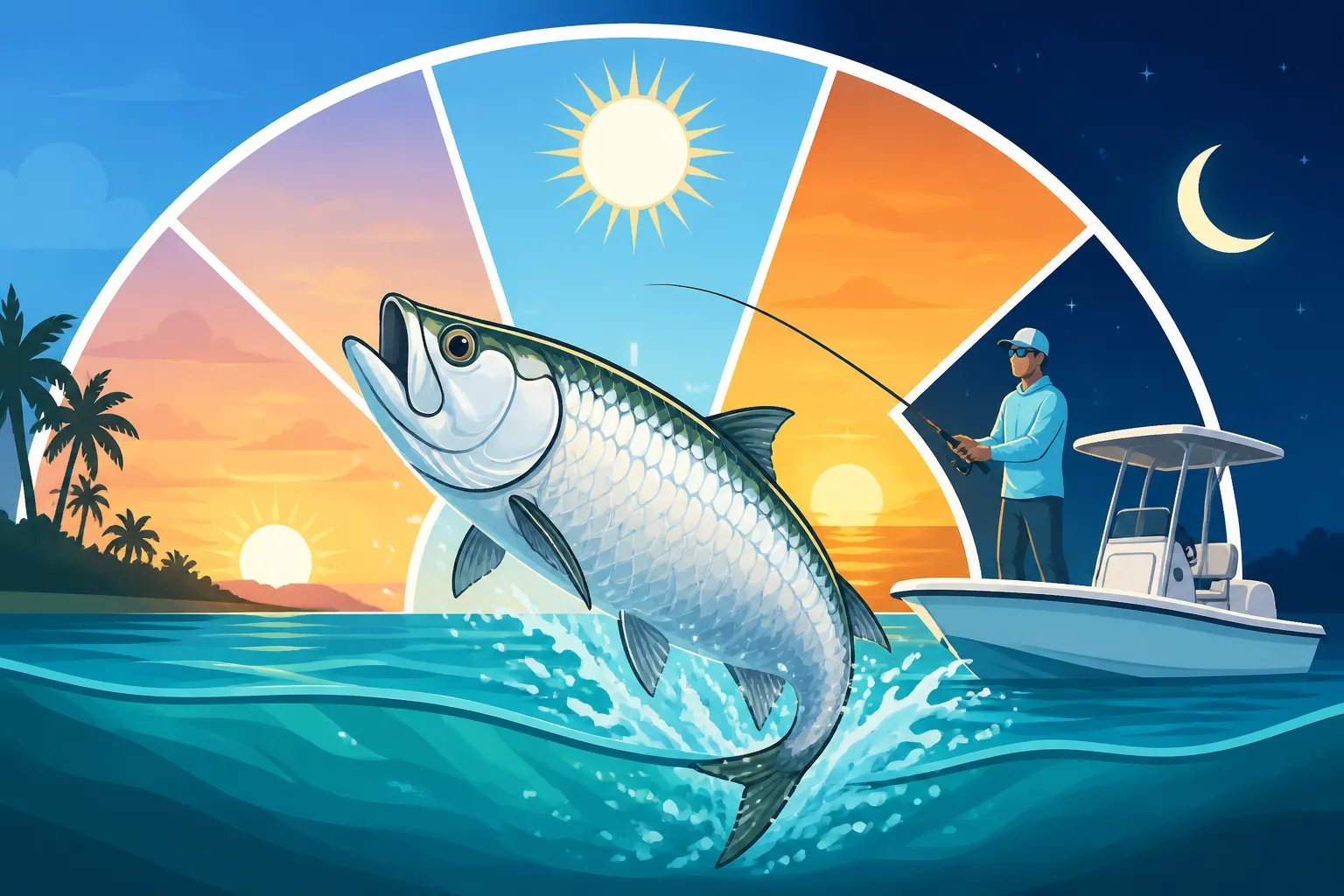
Oh, the elusive Silver King! Trying to figure out the absolute "best" time of day to book a tarpon charter in Florida can feel like trying to catch a shadow. Anglers dream of that epic battle with a leaping tarpon, but knowing when to hit the water can make all the difference between a memorable trip and a quiet boat ride. There's no one-size-fits-all answer, as tarpon behavior is influenced by so many factors, but we're going to break down the science and seasoned angler wisdom to help you plan your perfect encounter.
Understanding Tarpon Behavior and Daily Patterns
Before we even talk about booking a charter, it’s crucial to understand a bit about why tarpon prefer certain times of the day. These magnificent fish aren't just swimming around aimlessly; they're incredibly attuned to their environment, and factors like light, tide, and temperature dictate their movements and feeding habits. Knowing these patterns will empower you to make an informed decision when planning your trip.
The Influence of Light on Tarpon Activity
Tarpon are sight feeders, which means light plays a monumental role in their ability to hunt. However, too much direct, harsh light can also make them skittish and harder to approach, especially in shallow, clear flats. This creates a delicate balance that often shifts throughout the day.
At dawn, as the sun barely cracks the horizon, the light is soft and diffused. This low-light condition is often ideal for tarpon as it gives them enough visibility to spot prey, but also provides a bit of cover from predators (and anglers!). They might be more willing to move into shallower areas to feed during this time. As the sun climbs higher, the light becomes more intense. In extremely clear water, this can make tarpon incredibly wary, prompting them to move to deeper channels, under structure like bridges, or into areas with more current and turbidity where the light isn't as penetrating.
Tidal Flow and Tarpon Feeding Windows
If you've spent any time fishing in Florida's saltwater, you know that tides are king. For tarpon, moving water is a dinner bell. A strong current brings baitfish, crabs, and shrimp past their waiting mouths, and it also helps oxygenate the water, making them more active. This is why experienced captains often consult tide charts more religiously than a clock.
Whether it's an incoming or outgoing tide, the key is the movement of water. Tarpon will often position themselves in ambush points where the current concentrates bait – think channel edges, passes, or around mangrove islands. The exact timing of these strong tidal flows changes daily, so a "best time of day" for tarpon isn't just a static morning or afternoon slot; it's intricately linked to the rhythm of the ocean. This is why discussing tide forecasts with your captain well in advance is paramount. For a deeper dive into how these forces play out, you might find Best Tides for Inshore Fishing in Florida particularly useful.
Temperature Swings and Their Impact
Florida is known for its sunshine, but even here, water temperature fluctuations can influence tarpon behavior. Tarpon are a warm-water species, preferring temperatures generally above 70 degrees Fahrenheit. While they can tolerate cooler temps, they become noticeably less active and less likely to feed when the water chills down.
In the height of summer, early mornings might offer slightly cooler water temperatures, making tarpon more comfortable and active before the midday sun heats everything up. Conversely, during cooler transitional seasons, later mornings or early afternoons, once the sun has had a chance to warm the shallows, might be more productive. The captain's knowledge of local water temperatures and how recent weather fronts have affected them is invaluable here.
Morning Charters: The Classic Choice for Tarpon
For many, the image of tarpon fishing conjures up thoughts of pre-dawn starts and glorious sunrises over the water. There's a good reason why morning charters are often the first choice for anglers targeting the Silver King. The advantages are plentiful, but it's not without its potential drawbacks.
Advantages of Early Departures
One of the most significant benefits of an early morning start is often the sheer comfort factor, especially during the sweltering Florida summers. Getting out on the water before the sun really starts baking means cooler air temperatures, which are more pleasant for both you and the fish. Lower temperatures can mean more active fish, as they haven't yet retreated to deeper, cooler water or become lethargic from the heat. This is especially true for Florida Tarpon Fishing Season Guide when the mercury is high.
Beyond comfort, early mornings often offer the best light conditions for sight fishing, particularly on the shallow flats where tarpon often cruise. The diffused, golden light of dawn penetrates the water just enough for you to spot their dark shapes or tell-tale "rolls" on the surface, without spooking them with harsh overhead glare. This is the prime time for delicate presentations with flies or artificial lures. Furthermore, boat traffic tends to be lighter earlier in the day, providing a more serene and less disturbed fishing environment, which can certainly impact wary tarpon.
Potential Drawbacks of Morning Trips
While the allure of a morning bite is strong, there are a few downsides to consider. The most obvious is the early alarm clock. For those not accustomed to rolling out of bed before the sun, a pre-dawn wake-up can feel a bit brutal on vacation! You'll often be meeting your captain an hour or more before sunrise to get to the fishing grounds at first light.
Another potential issue, especially during certain times of the year or in specific locations, is fog. Thick morning fog can delay departures, reduce visibility, and make sight fishing impossible until it burns off. This can eat into your valuable charter time. Lastly, sometimes the fish just aren't as active right at first light, requiring a bit of patience until the sun gets a little higher and warms the water or triggers a specific bait movement. Your captain's local knowledge is key to navigating these variables.
Afternoon Charters: Underestimated Opportunities for Tarpon
While morning charters grab a lot of the spotlight, don't write off the afternoon. Many anglers, especially those with experienced guides, find incredible success targeting tarpon later in the day. It's often an overlooked window that can provide unique advantages.
Advantages of Later Departures
One major perk of an afternoon charter is the more relaxed start to your day. No rushing out the door before coffee – you can enjoy a leisurely breakfast and still be on the water with plenty of daylight ahead. This can significantly improve the overall enjoyment of your trip, especially if you're not a morning person or are traveling with family.
From a fishing perspective, the afternoon can offer fantastic opportunities. As the day progresses and the sun warms the water, baitfish often become more active, which in turn can trigger a tarpon feeding frenzy. Stronger afternoon tides, especially around inlets and passes, can also create prime ambush points for tarpon. Furthermore, as the sun starts to descend, the light again becomes softer and more diffused, similar to the morning, creating excellent conditions for sight fishing as the "golden hour" approaches. Sometimes, the fish that were lock-jawed in the morning become aggressive as the day winds down. For those chasing big fish, you might find some useful insights in Best Time of Year to Catch a Trophy Tarpon.
Potential Drawbacks of Afternoon Trips
Just like morning trips, afternoon charters come with their own set of considerations. During summer, the afternoon can bring scorching temperatures and intense sun, making it physically more demanding for anglers. Staying hydrated and protected from the sun becomes even more critical.
Florida is also famous for its afternoon thunderstorms, especially from late spring through early fall. While these storms often pass quickly, they can lead to delays, require you to seek shelter, or even cut a trip short if conditions become unsafe. Reputable captains will always prioritize safety, but it's a factor to be aware of. Lastly, as the day winds down, boat traffic can sometimes pick up with recreational boaters heading out for evening cruises, which might impact fishing in busy areas.
Special Considerations for Tarpon Charter Timing
Beyond the general morning versus afternoon debate, several other environmental and practical factors play a significant role in determining the true "best" time to chase tarpon. An experienced captain will be juggling all of these variables to maximize your chances of success. When considering a guide, looking at their availability on platforms like FishingBooker can give you an idea of what prime slots they typically offer and how quickly they book up.
The Role of Moon Phases and Solunar Tables
Ask any seasoned tarpon guide, and they'll likely tell you that the moon's influence on tides and fish behavior is profound. New and full moon phases, in particular, create the strongest tidal pulls, often leading to more intense current and, consequently, more active feeding windows for tarpon. These "spring tides" can be absolute game-changers, concentrating bait and drawing tarpon into predictable patterns.
Solunar tables, which predict periods of increased animal activity based on moon and sun positions, are often consulted by guides. While not foolproof, they can provide a general guideline for when major and minor feeding times might occur. Booking your charter around a favorable moon phase, especially during the peak Florida Tarpon Migration Timing, can give you a distinct advantage, regardless of whether it's a morning or afternoon trip.
Weather Conditions and Their Effect on Timing
Florida's weather is famously dynamic, and it's a huge factor in tarpon fishing. A sudden cold front can shut down a bite for days, while stable, warm weather often gets them revved up. Wind speed and direction are also critical. Light winds are generally preferred for sight fishing on the flats, as they keep the water calm and allow for easier spotting of fish. However, a moderate chop can sometimes make tarpon less wary.
Rain can be a mixed bag. A light, warm rain can sometimes improve fishing by breaking up the water's surface and washing bait into the system, but heavy downpours or accompanying thunderstorms are obviously not conducive to fishing. Your captain will always be monitoring the forecast closely, and it’s important to trust their judgment if they suggest adjusting your timing or even rescheduling due to unsafe or unproductive conditions.
Location-Specific Timing Nuances
Florida is a huge state, and what works for tarpon fishing in the Florida Keys might be entirely different from the patterns in Tampa Bay or along the Gulf Coast. Tarpon in Boca Grande Pass, for instance, are heavily influenced by specific tidal stages during their migration, often leading to very precise fishing windows that could be in the morning or afternoon.
| Location Feature | Preferred Timing Considerations | Example Species/Behavior (Tarpon) |
|---|---|---|
| Shallow Flats | Early morning (low light, cooler), late afternoon (golden hour) | Sight fishing, cruising tarpon more relaxed in diffused light. |
| Inlets/Passes | Strong tidal flow (incoming/outgoing), often dictated by moon phase | Tarpon ambush points, feeding on concentrated baitfish. |
| Bridges/Docks | Low light (dawn/dusk, night), strong current | Tarpon holding in shadows, feeding on bait under lights/structure. |
| Nearshore Gulf | Often midday to late afternoon with stable weather | Schooling fish offshore, sometimes following bait Pods. |
| Everglades | Depends heavily on water levels and accessibility | Specific creeks and bays can be hot during certain tides/times of day. |
In the Everglades, where tarpon inhabit brackish waters and intricate mangrove systems, the timing might be more about navigating specific creeks on a rising or falling tide, rather than a fixed time of day. When choosing your guide, particularly through platforms like FishingBooker, make sure they specialize in the area you intend to fish, as their intimate knowledge of local patterns is your greatest asset. Discussing your expectations and the captain's recommended timing for their specific fishing grounds is always a smart move.
So, What's the "Best" Time?
After considering all the variables, you might be thinking, "Just tell me when to go!" The truth is, there's rarely a single, universally "best" time to book a tarpon charter that applies every single day of the season across all of Florida. It’s far more accurate to say there are optimal windows determined by a confluence of factors, with light, tide, and temperature being the big three.
Often, the early morning bite (from pre-dawn to mid-morning) is considered prime, especially for sight fishing on the flats, due to softer light, cooler temperatures, and typically less boat traffic. However, late afternoon to sunset can also be incredibly productive, mirroring some of the low-light advantages of dawn, often with the added benefit of warmer water and active bait after the sun has been up for a while. It’s also important to remember that some guides offer Night Fishing Charter Options in the Florida Keys, which can also be incredibly effective for tarpon around lit bridges or deep channels.
The most crucial step you can take is to communicate openly with your chosen tarpon guide. They are the local experts, on the water day in and day out, and they understand the current conditions better than anyone. Tell them your preferences, but be open to their recommendations. They might suggest a morning trip one day and an afternoon trip the next, based on the specific tide charts, recent fish activity, and expected weather. Leveraging resources like FishingBooker to find a highly-rated guide with extensive local knowledge is a fantastic starting point for planning your adventure.
Ultimately, flexibility and trust in your captain's expertise will lead to the most successful tarpon charter experience. There's magic to be found at all times of the day when you're targeting the incredible Silver King in Florida's waters.
Disclaimer
This article is for general informational purposes only and does not constitute professional advice. Laws, prices and regulations vary by location and change over time. Consult a qualified professional for guidance on your specific situation.