Florida Backcountry Fishing Guide
It can feel overwhelming trying to navigate the incredible, sprawling waterways of Florida, especially when you're dreaming of fishing those legendary, untouched spots that seem to exist only in magazines. You want that pure, unpressured fishing experience, but the sheer vastness of the backcountry, with its winding mangroves and hidden flats, can make it seem impossible to approach. This guide is here to demystify Florida backcountry fishing, offering you a comprehensive look at what makes these waters so special, how to prepare, and what to expect when you finally venture into this angler's paradise.
What Exactly Is Florida Backcountry Fishing?
When we talk about "backcountry fishing" in Florida, we're not just throwing around a fancy term. We're talking about a distinct and incredibly rich fishing environment that offers a unique challenge and immense rewards for those willing to explore it. It's an experience that contrasts sharply with the deep-sea adventures offshore or even the bustling, open bay fishing closer to developed areas. For many, it represents the purest form of angling Florida has to offer.
Defining the Backcountry Landscape
Imagine a maze of shallow, interconnected waterways, often winding through dense mangrove forests, dotted with oyster bars, seagrass flats, and secluded coves. This is the Florida backcountry. These areas are typically characterized by their shallow depths, often ranging from just inches to a few feet, making them inaccessible to larger, deep-draft boats. The bottom composition varies from soft mud to hard sand or shell, often blanketed by expansive beds of turtle grass and other submerged vegetation. The water itself can be anything from crystal clear on a calm, sunny day to tannic, tea-stained, or even a bit murky depending on runoff and tides.
This intricate ecosystem is largely protected from the open ocean's heavy swells, offering calmer, more sheltered conditions. However, it's also highly susceptible to wind and tide fluctuations, which can drastically change fishing conditions and accessibility. You might find yourself poling a flats boat silently across an ankle-deep flat, or carefully navigating a narrow channel, the mangroves forming a cathedral-like arch overhead. It's a world where wildlife thrives, from wading birds like herons and spoonbills to resident manatees and playful dolphins.
Why the Backcountry is So Special for Anglers
The allure of the backcountry lies in its pristine nature and the incredible abundance of highly sought-after game fish. Unlike the hustle and bustle of popular fishing piers or crowded offshore spots, the backcountry offers a sense of solitude and immersion in nature. It's a place where you can truly "hunt" for fish, relying on stealth, keen eyesight, and an understanding of fish behavior. Many anglers consider it the ultimate challenge, demanding precision casting, quiet approaches, and a deep knowledge of the local environment.
The shallow, clear waters often provide exceptional sight-fishing opportunities. This means you're not just blindly casting; you're actively spotting fish—whether it's the tell-tale wake of a cruising redfish, the subtle flash of a snook tucked under a mangrove root, or the giant shadow of a tarpon rolling in the distance. This visual aspect adds an entirely new dimension to the fishing experience, turning it into a dynamic game of cat and mouse. It’s a truly engaging and often humbling experience, connecting you directly with the natural rhythms of the ecosystem.
The Unique Challenges of Backcountry Waters
While incredibly rewarding, backcountry fishing isn't without its challenges. The shallow water, while excellent for sight fishing, can also be a double-edged sword. Getting stuck on a low tide flat or in an oyster bed is a rite of passage for many who venture into these areas without proper knowledge or equipment. The intricate network of channels can be disorienting, and even experienced captains can find themselves navigating carefully using detailed charts and local markers. Wind can turn calm flats into choppy messes, making sight fishing difficult and casting a challenge.
Furthermore, the fish themselves are often more wary. Being in such shallow, clear water means they are highly sensitive to noise, shadows, and sloppy presentations. You'll need to refine your casting skills, learn to lead fish effectively, and master the art of a quiet approach. Heat and insects, especially during the warmer months, can also be significant factors, requiring preparation like plenty of water, sunscreen, and insect repellent. But honestly, for many of us, overcoming these challenges is part of what makes the eventual catch so much sweeter.
Common Fish Species You'll Target in the Backcountry
Florida's backcountry is a veritable smorgasbord for anglers, boasting a fantastic array of inshore game fish. These species thrive in the protected, food-rich environment of the mangroves and flats, making them prime targets for a memorable day on the water. While many fish call these waters home, a few stand out as the primary targets for dedicated backcountry anglers.
The Elusive Snook
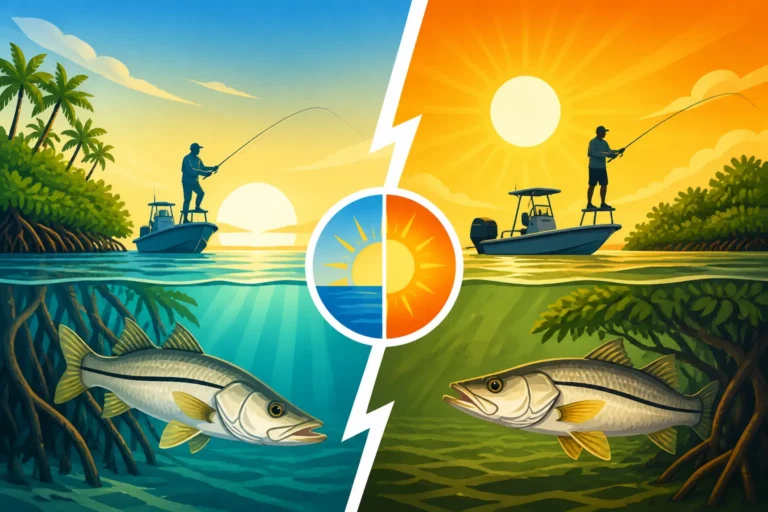
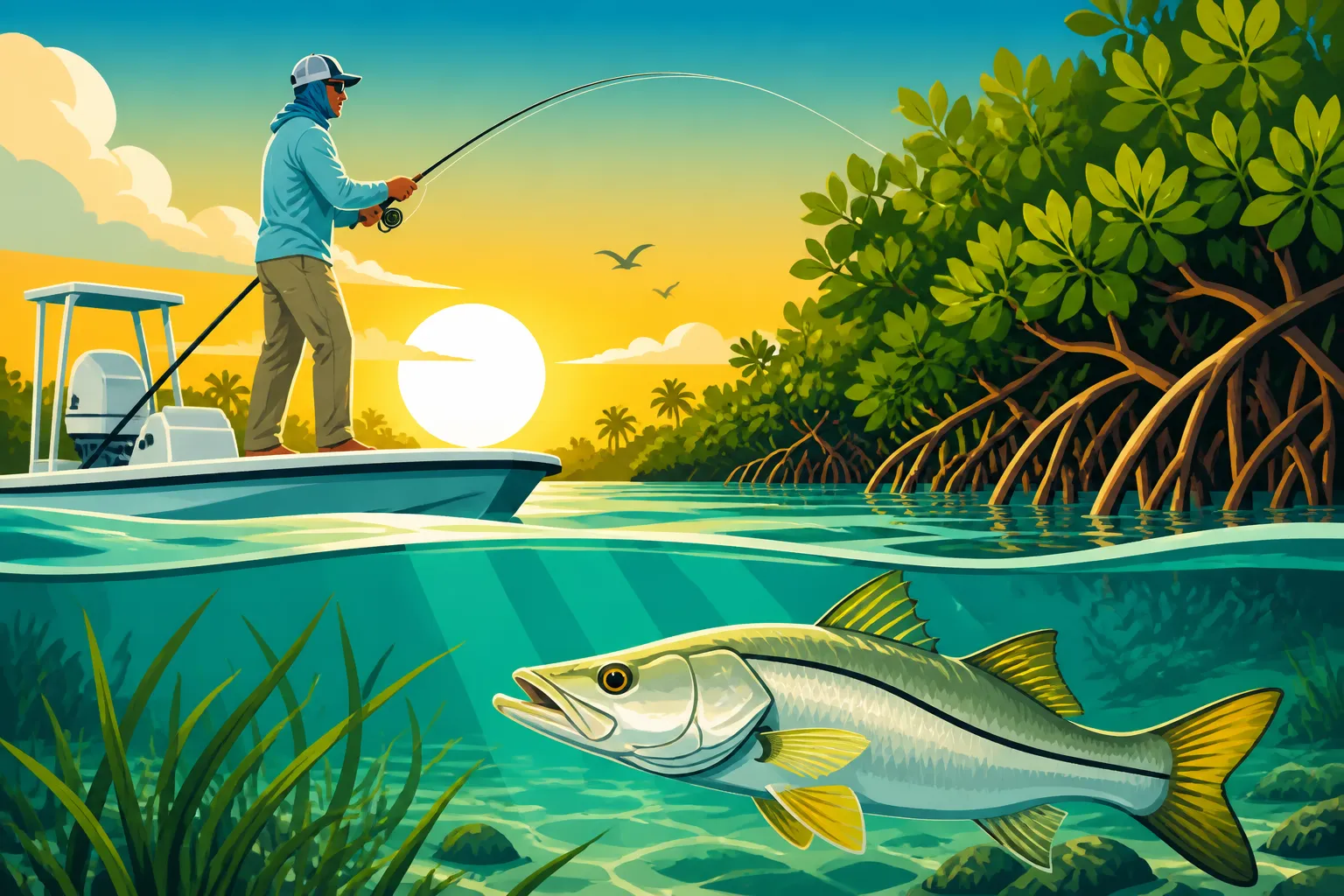
Ah, the snook! If there's one fish that epitomizes the thrill of Florida's backcountry, it's the snook. Known for their explosive strikes, incredible fighting ability, and acrobatic jumps, snook are a favorite among both residents and visitors. They absolutely love structure, which is why you'll often find them lurking deep within the mangrove roots, under fallen trees, or around oyster bars, patiently waiting to ambush unsuspecting baitfish. Their preference for these tight, often overhead-laden spots makes them a challenge to cast to and even more challenging to extract once hooked.
Snook are a tropical species, sensitive to cold, so they tend to move into deeper, warmer waters or canals during winter months. However, during the spring, summer, and fall, they are a dominant force in the backcountry. When targeting snook, precision casting is key. You'll often need to place your lure or bait literally inches from the mangroves to entice a strike. Live pilchards, pinfish, or shrimp are excellent choices, as are a variety of artificial lures like soft plastics, topwater plugs, and jerkbaits. If you're looking for an inshore brawler, the snook is your fish. To learn more about this incredible species, check out our Florida Snook Fishing Guide.
Hard-Fighting Redfish
Next up, the redfish, or red drum, is another backcountry superstar. Recognizable by the distinctive spot (or sometimes multiple spots) on its tail, the redfish is a powerful, hard-fighting species that loves to cruise the shallow flats. They're often found "tailing" in very shallow water, their tails breaking the surface as they nose down to forage for crabs, shrimp, and small fish in the seagrass or mud. This behavior makes them a prime target for sight fishing, creating an incredibly exciting visual fishing experience.
Redfish are less sensitive to cold than snook and can be targeted year-round, though their patterns will change with the seasons. In the backcountry, you'll often find them in schools, especially the smaller "rat reds," while larger "bull reds" might patrol deeper channels or isolated pockets. They respond well to both live bait, such as cut mullet, shrimp, and crabs, and artificial lures like spoons, soft plastic jigs, and topwater plugs. Their powerful runs and stubborn determination make them a joy to catch on light tackle. Dive deeper into catching these beauties with our Florida Redfish Fishing Guide.
The Legendary Tarpon
For many, the ultimate backcountry prize is the tarpon, often called the "Silver King." These magnificent fish can grow to immense sizes, and their aerial acrobatics and relentless battles are legendary. While known for their presence in passes and along beaches, juvenile tarpon and even some larger adults will venture deep into the backcountry, utilizing the quiet, food-rich channels and shallow bays. Catching a tarpon in the tight confines of the mangroves is an experience you won't soon forget, as they'll test your tackle, your knots, and your resolve.
Tarpon are migratory and primarily targeted during the warmer months, typically from spring through fall, though some resident fish can be found year-round in certain areas. They're primarily sight-fished in the backcountry, either by spotting them rolling on the surface to gulp air or by seeing their dark shapes cruising the channels. Live mullet, threadfins, or crabs are top bait choices, and large flies or artificial plugs can also be effective. Be prepared for a long fight and remember that tarpon are almost exclusively a catch-and-release species, handled with extreme care to ensure their survival. Want to learn more about chasing these giants? Our Florida Tarpon Fishing Guide has you covered.
Spotted Seatrout and Other Feisty Fighters
While snook, redfish, and tarpon often steal the spotlight, the spotted seatrout is another incredibly popular and abundant species found throughout Florida's backcountry. They might not jump like a snook or pull as hard as a redfish, but trout offer consistent action and are excellent table fare. They prefer grassy flats, ambushing baitfish and shrimp from underneath the cover of the seagrass. They are often caught incidentally while targeting other species, but dedicated trout anglers can have banner days.
Trout respond well to a variety of tactics, from live shrimp under a popping cork to soft plastic jigs and topwater lures. They are a great species for beginners and seasoned anglers alike. Beyond the "big three" and trout, the backcountry also holds other exciting fish. You might encounter flounder buried in the sand, sheepshead nibbling on barnacles around structure, or even mangrove snapper, particularly around oyster bars and deeper mangrove cuts. All these species contribute to the incredible diversity and constant excitement of a backcountry fishing trip. For more on seatrout, check out Florida Spotted Seatrout Fishing Guide.
| Species | Preferred Habitat | Common Bait/Lures | Fight Style | Notes |
|---|---|---|---|---|
| Snook | Mangrove lines, oyster bars, creek mouths | Live pilchards, pinfish, shrimp; Soft plastics, topwater | Explosive strikes, acrobatic jumps, strong runs | Highly sought after, sensitive to cold. Catch & release often. |
| Redfish | Shallow flats, oyster beds, grass beds | Live crabs, shrimp, cut mullet; Spoons, jigs, topwater | Powerful runs, stubborn tugs, "tailing" in shallows | Distinctive tail spot, excellent sight-fishing target. |
| Tarpon | Deep channels, bays, creek mouths | Live mullet, threadfins, crabs; Large flies, plugs | Legendary aerial acrobatics, long, grueling fights | "Silver King," strictly catch & release, migratory. |
| Spotted Seatrout | Grass flats, sandy potholes | Live shrimp, pinfish; Soft plastic jigs, popping corks | Head shakes, short runs, good action | Abundant, great for beginners, good eating. |
Essential Gear for Your Backcountry Adventure
Venturing into the Florida backcountry requires more than just a rod and reel; it demands specialized gear tailored to the unique environment. The shallow water, dense vegetation, and wary fish mean your equipment needs to be up to the task. Having the right tools won't just increase your chances of success, it'll also make your experience far more enjoyable and safe.
Rods, Reels, and Line Selection
For most backcountry applications, you'll want light to medium-light spinning gear. A 7-foot to 7-foot 6-inch rod with a fast action is ideal, allowing for accurate casts under mangrove overhangs and sufficient backbone to turn a strong fish away from structure. Pair this with a reliable 2500-4000 series spinning reel. Look for reels with a smooth drag system, as even a seemingly small snook can put up a tremendous fight in tight quarters. Brands like Daiwa or Shimano are popular choices for their durability and performance in saltwater environments.
When it comes to line, braided line is almost universally preferred for backcountry fishing. Its minimal stretch provides excellent sensitivity, allowing you to feel the most subtle bites, and its superior strength-to-diameter ratio means you can use a lighter, thinner line while still having the power to battle fish. A 10-20 lb braided main line is common. You'll need to tie on a fluorocarbon leader, typically 20-40 lb test, depending on the species and the amount of abrasion you expect from oysters or mangroves. Fluorocarbon is less visible to fish in clear water and more abrasion-resistant than mono.
Live Bait vs. Artificial Lures
This is one of the age-old debates among anglers, and in the backcountry, both have their place. Live bait is often the most effective, especially when fish are finicky or during certain times of the year. Live shrimp, pilchards, whitebait, pinfish, and even small crabs are all incredible offerings for snook, redfish, and tarpon. The challenge with live bait is catching or buying it, and then keeping it alive throughout your trip. A good livewell on your boat is essential for this. Many guides will spend time cast-netting bait before the trip, which is part of what you're paying for. You can learn more about finding the right bait in our guide, Best Live Bait for Florida Inshore Fishing.
Artificial lures, on the other hand, offer versatility and can cover a lot of water quickly. Soft plastic paddle tails and jerkbaits rigged on jig heads are incredibly effective for nearly all backcountry species. Topwater plugs create explosive strikes and are a blast to fish, especially in low light conditions. Spoons, suspending twitchbaits, and even some shallow-diving crankbaits can also produce. The key with artificials is matching the hatch – using lures that mimic the size and color of the baitfish or crustaceans the fish are feeding on. Carrying a variety of options allows you to adapt to changing conditions and fish preferences.
Navigational Tools and Safety Essentials
Beyond your fishing tackle, having the right navigational tools and safety gear is paramount for backcountry adventures. A reliable GPS unit, whether it's part of your boat's electronics or a handheld device, is crucial. Florida's backcountry can be a labyrinth, and getting lost or disoriented is a real possibility, especially on cloudy days or when navigating through dense mangrove tunnels. Chart plotters with detailed mapping, highlighting shallow areas and channels, are invaluable. For those chartering a guide, they'll have all this covered, but it's still smart to understand the importance.
Safety essentials include a first-aid kit, a whistle or air horn, a throwable flotation device, and working bilge pumps. Always tell someone your float plan – where you're going and when you expect to return. Sun protection is a must: wide-brimmed hats, polarized sunglasses (essential for sight fishing!), long-sleeve shirts, and plenty of sunscreen. Don't forget bug spray, especially if you plan to fish around dawn or dusk, or in areas with less breeze. And, of course, a well-stocked cooler with plenty of water and snacks will make your long day on the water much more comfortable. Remember, a Florida Fishing License Guide is your first piece of essential gear, and specifically for the saltwater areas, you'll need to know about Florida Saltwater Fishing License Rules.
Mastering Backcountry Fishing Techniques
Backcountry fishing isn't just about showing up with gear; it's about understanding the subtle nuances of the environment and employing techniques that give you an edge. The fish in these shallow, clear waters are often acutely aware of their surroundings, demanding a stealthy approach and precise execution. Mastering these techniques will elevate your success from occasional bites to consistently productive days.
Sight Fishing the Shallow Flats
If there's one technique synonymous with Florida backcountry fishing, it's sight fishing. This method involves actively looking for fish, rather than just casting blindly. It's a visual hunt, and it requires keen eyesight, polarized sunglasses, and often an elevated platform (like a poling platform on a flats boat) to give you a better vantage point. You're looking for subtle signs: a dark shadow moving across a light bottom, the distinctive "push" or wake of a cruising fish, a tail sticking out of the water, or the flash of a fish turning.
Once you spot a fish, the real challenge begins. You need to make a quiet, accurate cast that leads the fish without spooking it. This means casting ahead of its path, allowing your lure or bait to settle naturally before the fish approaches. Too close, and you'll send it scattering; too far, and it might not see your offering. The retrieve needs to be natural and enticing, mimicking the movements of its prey. It's a game of patience, precision, and quick reflexes, and when it all comes together, the visual thrill of seeing a fish track and eat your bait is unmatched. For a deeper dive into this art, check out Sight Fishing Technique for Shallow Flats.
Poling and Trolling Motor Tactics
To successfully sight fish in the shallow backcountry, stealth is absolutely non-negotiable. This is where poling and electric trolling motors come into play. Many dedicated flats boats are equipped with poling platforms at the stern, allowing a guide to stand up high and use a long, specialized pole to silently push the boat across shallow flats. This method generates virtually no noise or disturbance, allowing the angler in the bow to approach fish undetected. It's an ancient technique, but still the most effective for truly stealthy approaches.
Electric trolling motors, particularly those with GPS anchoring capabilities, also play a vital role. These motors are incredibly quiet and allow for precise boat positioning, especially when moving into a light headwind or holding a spot. The "spot lock" feature, common on brands like Minn Kota or MotorGuide, is a game-changer, allowing you to stay precisely on a productive spot without dropping anchor or constantly adjusting. Learning to use these tools effectively, whether you're the one operating them or simply an angler on board, is crucial for maximizing your chances in the backcountry.
Reading the Tides and Water Conditions
Unlike offshore fishing where tide might be less of a factor, in the backcountry, understanding and "reading" the tides is absolutely critical. The movement of water in and out of the mangrove estuaries dictates where fish will be, what they'll be feeding on, and how accessible certain areas are. An incoming tide often pushes baitfish into the shallower flats, bringing the predators with them. An outgoing tide can draw fish out of the mangroves, concentrating them in channels or around the mouths of creeks.
Low tide can expose vast mudflats, limiting access but also sometimes concentrating fish in deeper potholes or channels. High tide can allow fish to push far back into the mangroves, making them harder to find but offering unique opportunities for casting deep into the roots. Beyond tides, water clarity, temperature, and even current speed all play a role. A local guide, often found through resources like FishingBooker, will have an intimate understanding of these patterns, knowing exactly where to be and when to maximize your chances. Paying attention to these natural cues is a skill that develops over time, and it's what separates good anglers from truly great ones.
Choosing the Right Backcountry Fishing Guide
While you can certainly explore some backcountry areas on your own, especially if you have a suitable boat and local knowledge, hiring a professional guide is often the best investment you can make for a truly successful and enjoyable backcountry fishing experience. The complexities of these waters make expert guidance invaluable, especially for newcomers to the area.
Why a Guide is Crucial in the Backcountry
Navigating the labyrinthine channels, understanding ever-changing regulations, and consistently finding fish in the vast Florida backcountry is a formidable challenge for anyone without extensive local experience. A professional backcountry guide isn't just someone who drives a boat; they are a seasoned expert with years, often decades, of experience in their specific fishing grounds. They know the subtle nuances of the tides, the seasonal movements of the fish, and the exact spots where fish are likely to be holding based on current conditions.
Think about it: they spend hundreds of days a year on the water, observing patterns, marking new spots, and adapting to environmental changes. They know how to pole quietly, make precise casts, and identify the faint signs of fish that an untrained eye would easily miss. Furthermore, they provide all the specialized equipment, including the perfect rods, reels, and fresh bait or effective lures. They also handle all the necessary permits and licenses for their vessel and clients, so you don't have to worry about the specific Florida Charter Boat Fishing License Rules. This frees you up to simply focus on fishing and enjoying the stunning environment.
Key Questions to Ask Before Booking
Before you book a guide, it's smart to ask a few key questions to ensure they are the right fit for your trip. First, inquire about their specific experience in the backcountry. Do they primarily fish the flats and mangroves, or do they also do bay or nearshore trips? What species do they typically target in the backcountry, and what are their preferred methods (live bait, artificials, fly fishing)? This helps set expectations. You can use platforms like FishingBooker to read reviews and filter guides based on their specialty and location, giving you confidence in your choice.
It's also important to discuss what's included in the trip price. Does it cover bait, tackle, and licenses for everyone on board? What about drinks and snacks? Understand their cancellation policy, especially regarding weather, as Florida's weather can be unpredictable. Finally, ask about their approach to catch and release, particularly for sensitive species like tarpon and snook, to ensure their practices align with your own ethical standards. Asking these questions upfront will help you avoid any surprises and ensure a smooth, enjoyable trip. Our How to Choose a Florida Fishing Guide article offers even more guidance.
Understanding Guide Rates and What's Included
Backcountry fishing guide rates can vary based on location, the duration of the trip (half-day versus full-day), the type of fishing, and the guide's reputation. Generally, you can expect to pay a certain amount for a half-day trip and more for a full-day. These rates typically cover the guide's time, expertise, boat, fuel, tackle, and usually bait. Some guides might also include a cooler stocked with ice and bottled water.
However, things like lunch, alcoholic beverages, and most importantly, gratuity for the guide, are usually extra. Tipping is customary and greatly appreciated, typically around 15-20% of the trip cost for good service. While the upfront cost might seem substantial, remember you're paying for unparalleled access to prime fishing grounds, specialized equipment, and the knowledge of a local expert who will put you on fish and ensure your safety. When you break it down, it's often a much more cost-effective and productive way to experience the backcountry compared to trying to acquire all the necessary gear and knowledge yourself. Checking out resources like Key West Fishing Charter Rates can give you a ballpark idea for specific areas.
Top Florida Backcountry Fishing Destinations
Florida's expansive coastline and numerous freshwater systems offer an incredible array of backcountry fishing opportunities. While the core experience of shallow-water sight fishing remains similar, each region boasts its own unique character, target species, and stunning scenery. From the tip of the Keys to the Panhandle, there's a backcountry adventure waiting.
The Enchanting Florida Keys Backcountry
Without a doubt, the Florida Keys offer some of the most famous and diverse backcountry fishing in the world. The vast expanse of the "backside" of the Keys, facing the Gulf of Mexico, is a shallow-water paradise. Here, you'll find endless acres of turtle grass flats, clear sandy potholes, and intricate mangrove islands that stretch for miles. The water clarity is often exceptional, making it a prime destination for sight fishing.
The Keys backcountry is legendary for its "Grand Slam" potential, offering opportunities to catch a snook, redfish, and tarpon all in one day. Beyond these, the elusive bonefish and permit also frequent these clear, shallow flats, presenting an even greater challenge for fly anglers and light tackle enthusiasts. Destinations like Islamorada, Marathon, and Key West are hubs for backcountry guides who specialize in these waters. The sheer beauty of the Keys backcountry, with its vibrant marine life and stunning sunsets, makes every trip an unforgettable experience.
The Vast Wilderness of the Everglades
Southwest Florida, particularly the Everglades and the Ten Thousand Islands region, boasts an incredibly unique and wild backcountry. This is a vast, undeveloped wilderness characterized by dense mangrove forests, interconnected rivers, and shallow estuaries that stretch from Flamingo in Everglades National Park up past Everglades City. It's a place where you truly feel off the grid, surrounded by nature.
Fishing here is often about navigating narrow, winding creeks and targeting snook and redfish tucked deep within the mangrove roots. Tarpon are also prevalent in the deeper channels and bays. The water can be more tannic in certain areas, but the sheer abundance of fish and the raw beauty of the Everglades make it a top-tier backcountry destination. Guides operating out of Everglades City or Flamingo are specialists in this unique environment, often running technical poling skiffs or bay boats designed for these skinny waters. Exploring this area is an immersion in wild Florida. Learn more about fishing here with our Everglades Fishing Guide.
Central and North Florida's Hidden Backcountry Gems
While the Keys and Everglades often get the most attention, central and north Florida also offer fantastic backcountry fishing, albeit with a slightly different character. Areas like the Indian River Lagoon and Mosquito Lagoon on the Atlantic coast are renowned for their massive redfish, earning Mosquito Lagoon the nickname "Redfish Capital of the World." These lagoons feature expansive grass flats and oyster bars, providing prime habitat for redfish and spotted seatrout. While mangroves are present, they are often less dense and extensive than in south Florida.
On the Gulf Coast, areas like Charlotte Harbor, Tampa Bay, and further north around Crystal River and Homosassa, offer rich backcountry opportunities. These regions feature vast grass flats, oyster reefs, and numerous tidal creeks and rivers that wind through marshlands and mangrove islands. Snook, redfish, and seatrout are the main targets, and you might also encounter species like flounder, snappers, and even cobia in certain areas. These northern backcountry zones often provide a slightly different flavor of fishing, sometimes with more emphasis on fishing larger, open flats rather than tight mangrove tunnels, but always with the same underlying thrill of the shallow-water hunt.
Conservation and Ethical Angling in the Backcountry
The beauty and abundance of Florida's backcountry are not infinite. This delicate ecosystem is highly susceptible to environmental pressures, and as anglers, we have a profound responsibility to protect it. Ethical angling practices and a commitment to conservation are paramount to ensuring these pristine waters remain vibrant for generations to come.
Catch and Release Best Practices
Many of the prized species caught in the backcountry, especially snook and tarpon, are often subject to strict bag limits or are entirely catch-and-release by regulation or choice. Therefore, understanding and implementing proper catch and release techniques is crucial. The goal is to minimize stress and injury to the fish, giving it the best possible chance of survival after being released.
Key practices include using appropriate tackle for the size of the fish to avoid overly long fights, which can exhaust the fish. Use barbless hooks or crimp down barbs to facilitate easy removal. If possible, avoid removing the fish from the water entirely, especially larger species like tarpon. If you must handle a fish, do so gently with wet hands, supporting its full weight horizontally, and never by the gills or jaw alone. Use de-hooking tools to quickly remove hooks. For tarpon, never remove them from the water, and always revive them until they can swim away strongly. Educate yourself on these practices before you go; our Catch and Release Best Practices for Snook provides an excellent overview.
Respecting the Fragile Ecosystem
The backcountry ecosystem is a complex web of life, and every element plays a vital role. Anglers must strive to minimize their impact on this fragile environment. This means being mindful of your boat's wake, especially in narrow channels or near nesting bird colonies. Avoid running aground on seagrass beds, which are critical nurseries for countless species. If you do accidentally ground your boat, pole or push it off rather than trying to power off with the motor, which can cause significant prop scarring.
Dispose of all trash, fishing line, and other debris properly. Never discard hooks, lures, or monofilament line in the water or on the shore, as these can harm wildlife. Many backcountry guides are fierce advocates for conservation and can offer insights into how to be a responsible visitor. Remember that you are a guest in the fish's home, and treating it with respect ensures that its beauty and productivity will endure.
Understanding Regulations and Limits
Florida has a comprehensive set of fishing regulations designed to protect its marine resources. These regulations vary by species, region, and season, and they can change, so staying informed is critical. Before every trip, check the latest rules for size limits, bag limits, and closed seasons for the specific species you plan to target. The Florida Fish and Wildlife Conservation Commission (FWC) website is the official source for this information.
Some species, like snook and redfish, have slot limits, meaning you can only keep fish within a certain size range, while smaller or larger fish must be released. Other species, like tarpon, are strictly catch-and-release with specific permit requirements if you intend to harvest one (which is extremely rare and usually only for state records). Failing to adhere to these regulations can result in hefty fines and penalties, and more importantly, it undermines conservation efforts. Even if you're with a guide, it's a good idea to familiarize yourself with the basic rules; ultimately, personal responsibility lies with each angler.
Disclaimer
This article is for general informational purposes only and does not constitute professional advice. Laws, prices and regulations vary by location and change over time. Consult a qualified professional for guidance on your specific situation.