Florida Fishing License Refund If You Cancel a Trip
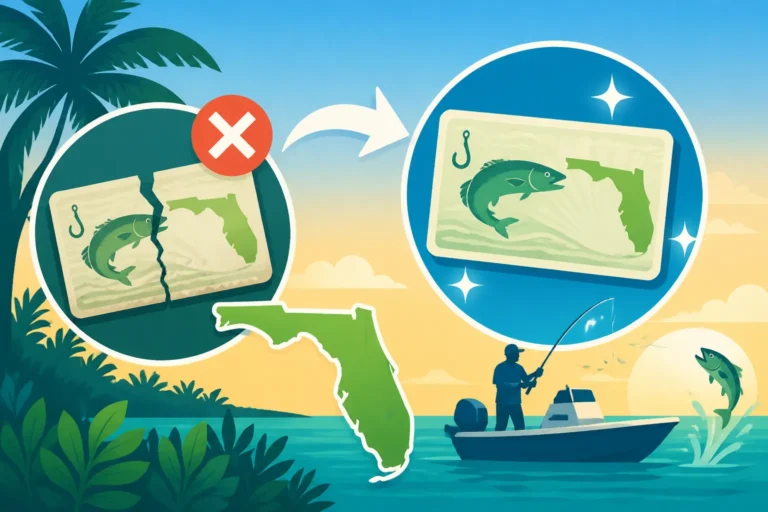
We've all been there: you've planned that dream Florida fishing trip, maybe even bought your license online, and then something unexpected happens. A last-minute family emergency, an uncooperative hurricane, or even a sudden illness can throw a wrench into your carefully laid plans. When your trip gets canceled, one of the first questions that pops into your head (after the initial disappointment, of course!) is usually, "Can I get my money back for that fishing license?" This guide is here to walk you through the realistic expectations and official policies regarding Florida fishing license refunds.
The Reality of Florida Fishing License Refunds
It's a common misconception that if you don't use your fishing license, you should be able to get a refund. Unfortunately, when it comes to Florida fishing licenses, the reality is often quite different from what many anglers hope for. The Florida Fish and Wildlife Conservation Commission (FWC) has very specific policies, and generally, these licenses are non-refundable once purchased.
General Policy: Are Refunds Even Possible?
Let's get straight to the point: in most circumstances, Florida fishing licenses are considered a final sale. Once you've completed the transaction, whether it's online, at a retail location, or through the GoOutdoors Florida app, that license is active and valid for the term you purchased. It's not like returning an item to a store because you changed your mind or it didn't fit. The money collected from these licenses plays a vital role in funding critical conservation efforts, fish management programs, and enforcement activities across the state. This means that from the FWC's perspective, the revenue is allocated the moment the purchase is made.
Many states operate under similar principles. The fees you pay aren't just for a piece of paper or a digital record; they're a contribution to the ongoing health and sustainability of Florida's incredible freshwater and saltwater fisheries. While it can be frustrating to lose out on that money if your plans change, understanding that it supports a larger ecological goal can sometimes ease the sting a little. For a full breakdown of what you might expect to pay, check out our guide on the Florida Fishing License Costs and Fees.
Understanding the FWC's Stance
The FWC's regulations are quite clear on the non-refundable nature of most licenses. They are issued for a specific period (e.g., 3-day, 7-day, annual, 5-year) and become valid immediately upon purchase, or on a specified future date if you select that option during the buying process. The act of buying the license confirms your intent to fish during that period. Whether you cast a line or not, the license holds its validity for the duration it was purchased for.
Imagine purchasing a ticket to a concert or a sporting event. If you can't make it because you get sick or your car breaks down, the venue typically doesn't offer you a refund. Fishing licenses are treated in a similar vein. They are a privilege granted for a set time, and the administrative costs and conservation contributions are accounted for at the point of sale. This is why if you're planning a trip and weighing your options, understanding Who Needs a Fishing License in Florida and what type you might need is crucial to avoid unnecessary expenses.
Common Scenarios and Why Refunds Are Unlikely
It's easy to think of a dozen reasons why a refund might seem fair. Life throws curveballs, and sometimes those curveballs land right in the middle of our fishing plans. However, the FWC's policy doesn't typically distinguish between the reason for your trip cancellation.
Trip Cancellations Due to Weather or Personal Reasons
Picture this: you've been eagerly anticipating a week-long fishing expedition to the Florida Keys. You bought your annual saltwater license a month in advance, packed all your gear, and even ordered a new fishing shirt from Amazon. Then, a named storm heads straight for the coast, forcing you to cancel your entire trip. Or perhaps, a sudden family emergency means you can no longer travel. These are genuinely frustrating situations, and it's completely understandable to feel like you deserve a refund.
However, from a regulatory standpoint, these personal circumstances, while completely valid and unfortunate, do not typically qualify you for a fishing license refund. The FWC cannot be responsible for individual travel plans, health issues, or unforeseen acts of nature. Their system is set up to issue licenses, collect the necessary funds for conservation, and ensure compliance. If they were to process refunds for every personal setback, the administrative burden would be immense, and the critical funding for Florida's natural resources could be jeopardized. This applies to both residents and non-residents, so if you're an out-of-state angler, familiarize yourself with the Florida Nonresident Fishing License Rules before you commit.
The Digital Purchase Dilemma
The convenience of buying a Florida fishing license online is unparalleled. You can grab one through the FWC's GoOutdoors Florida website or app from anywhere, anytime. This has revolutionized how quickly and easily anglers can get on the water. But does this digital convenience change the refund policy? The short answer is no.
Whether you purchase your license at a local bait and tackle shop, through a county tax collector, or with a few taps on your smartphone, the refund policy remains consistent. The digital platforms simply facilitate the purchase; they don't alter the terms and conditions of the license itself. You'll often see a clear statement during the online purchase process that all sales are final. So, while it's fantastic to be able to How to Buy a Fishing License Online quickly, remember that the same non-refundable rules apply as if you stood in line at a physical vendor. Make sure you understand the different durations available, like the Florida 3-Day Nonresident Fishing License Cost or the Florida 7-Day Nonresident Fishing License Cost, to best suit your trip length.
Exceptions and Alternatives (If Any)
While the general rule is "no refunds," are there any scenarios where a refund might be considered? It's a question that often comes up, and it's worth exploring, though the possibilities are extremely limited.
Situations Where a Refund Might Be Considered
Let's be clear: we're talking about rare, specific circumstances here, not general trip cancellations. The FWC might consider a refund in cases of clear administrative error or a duplicate purchase. For example:
- Duplicate Purchase: If, through a system glitch or accidental double-click, you somehow end up purchasing the exact same license twice for the exact same person and exact same period, you might have a case for a refund on the duplicate. This would require immediate contact with the FWC to rectify.
- System Error: If there was a demonstrable error on the FWC's end during the transaction process that resulted in an incorrect license being issued, or a charge for a service you didn't intend to buy.
- Mis-purchased License Type (very limited): In extremely rare instances, if you immediately realize you bought the wrong type of license (e.g., freshwater instead of saltwater) and have not yet used it, you might be able to get it corrected or refunded if you contact them within minutes or hours. This is typically handled on a case-by-case basis and is not guaranteed, especially if any time has passed.
These are not "trip cancellation" scenarios. They are errors in the purchasing process itself. For typical trip cancellations due to personal plans or weather, a refund is simply not part of the policy.
What to Do If You Believe You Have a Valid Case
If you genuinely believe you fall into one of those very rare categories of administrative error or duplicate purchase, your best course of action is to directly contact the Florida Fish and Wildlife Conservation Commission. Don't delay! The sooner you reach out, the better your chances, however slim, of having the issue resolved.
You'll need to be prepared with all your purchase details: transaction IDs, dates, the type of license purchased, and a clear explanation of what happened. You can find contact information and support channels on the FWC's official website or by calling their customer service. Our guide on the Florida Fishing License Customer Service Number has all the details you'll need. Remember, always approach them with politeness and patience, as they handle a large volume of inquiries. Set realistic expectations, as these cases are typically exceptions, not the rule.
Transferring or Donating Your License
Many people wonder if they can transfer their unused license to a friend or family member if their trip falls through. Unfortunately, Florida fishing licenses are explicitly non-transferable. They are issued to a specific individual and are tied to their identity. This is a crucial measure for enforcement and ensuring that each angler on the water is properly licensed. Trying to use someone else's license, or letting someone use yours, would be a violation and could result in significant penalties, including fines for What Happens If You Fish Without a License.
As for donating your license, there isn't typically an official mechanism to "donate" an unused recreational fishing license back to the FWC or a conservation group. Once it's purchased in your name, it's considered your property for its valid term. While your funds already contributed to conservation at the point of sale, you can't re-allocate the physical license itself.
Planning Ahead to Minimize Financial Risk
Since refunds are largely off the table, the smartest move for any angler is to plan strategically to minimize potential financial loss. A little foresight can save you a lot of headache and disappointment later.
Short-Term License Options
For many visitors or those with uncertain plans, the various short-term fishing license options are your best friend. Florida offers non-resident licenses for 3 days or 7 days, which are significantly less expensive than an annual license. If you're only planning a quick weekend trip or a week-long vacation, these shorter-duration licenses make much more sense.
Consider this table comparing costs and refund possibilities:
| License Type | Duration | Typical Cost (Non-Resident) | Refund Possibility (FWC) | Risk if Trip Canceled |
|---|---|---|---|---|
| 3-Day Non-Resident | 3 Days | ~$17.00 | Extremely Low (No) | Minimal |
| 7-Day Non-Resident | 7 Days | ~$30.00 | Extremely Low (No) | Low |
| Annual Non-Resident | 1 Year | ~$47.00 | Extremely Low (No) | Moderate |
| Annual Resident | 1 Year | ~$17.00 | Extremely Low (No) | Low |
| 5-Year Resident | 5 Years | ~$79.00 | Extremely Low (No) | Moderate |
Costs are approximate and subject to change by FWC. Always check current FWC official pricing.
As you can see, opting for a shorter-term license, like the Florida 3-Day Nonresident Fishing License Cost or the Florida 7-Day Nonresident Fishing License Cost, means that if your trip is unexpectedly canceled, your financial loss is considerably smaller than if you had purchased a full annual license. It's a practical way to manage the risk.
Considering Trip Insurance
For those planning an expensive fishing vacation, especially one involving charter boats, specialized guides, or extensive travel and accommodation bookings, standard trip insurance might be a wise investment. While the FWC won't refund your fishing license directly, a comprehensive travel insurance policy could potentially cover the cost of your non-refundable license as part of your overall covered trip expenses, depending on the specific terms of the policy.
These policies are offered by third-party insurance providers, not the state of Florida. When researching trip insurance, carefully read the fine print to understand what events are covered (e.g., medical emergencies, severe weather preventing travel, airline cancellations) and what is excluded. If fishing is the primary purpose of your trip, some specialized "adventure travel" insurance might even cater more specifically to those types of activities.
Timing Your Purchase
Another smart strategy is to simply wait to purchase your fishing license until closer to your actual trip date. While it's tempting to cross it off your checklist weeks or months in advance, especially when organizing all your gear on Amazon, there's no real benefit to buying it far ahead of time if your plans are still somewhat fluid.
Most licenses become active immediately or on a chosen start date. If you buy an annual license in January but your trip isn't until July, and then something happens in June, you've potentially wasted several months of its validity. For non-residents, especially, waiting until a week or even a few days before your departure ensures your money is spent only when your trip is confirmed. Remember that generally, How Long Is a Florida Fishing License Good For? is one year from the date of purchase (or chosen start date), not a calendar year. This flexibility allows you to align your purchase precisely with your travel window, minimizing the chance of an unused license. Also, familiarize yourself with Florida Fishing License Renewal and Expiration details so you're never caught off guard.
Disclaimer
Please note that the information provided in this guide is for general informational purposes only and is subject to change. While we strive to offer the most accurate and up-to-date details based on Florida Fish and Wildlife Conservation Commission (FWC) regulations, it is always recommended to check the official FWC website or contact them directly for the latest rules, fees, and policies before making any license purchases.