Do Florida Residents Over 65 Need a Fishing License?
Navigating the ins and outs of fishing regulations in Florida can feel like trying to untangle a knotted fishing line, especially when you’re a long-time resident looking to enjoy the Sunshine State’s incredible waters. A common point of confusion for many seasoned anglers is whether they still need a fishing license once they hit a certain age. This comprehensive guide will cast away that confusion, detailing everything Florida residents over 65 need to know about fishing licenses, exemptions, and what's required to keep enjoying your time on the water legally and stress-free.
The Clear Answer: No License Needed for Most Florida Seniors
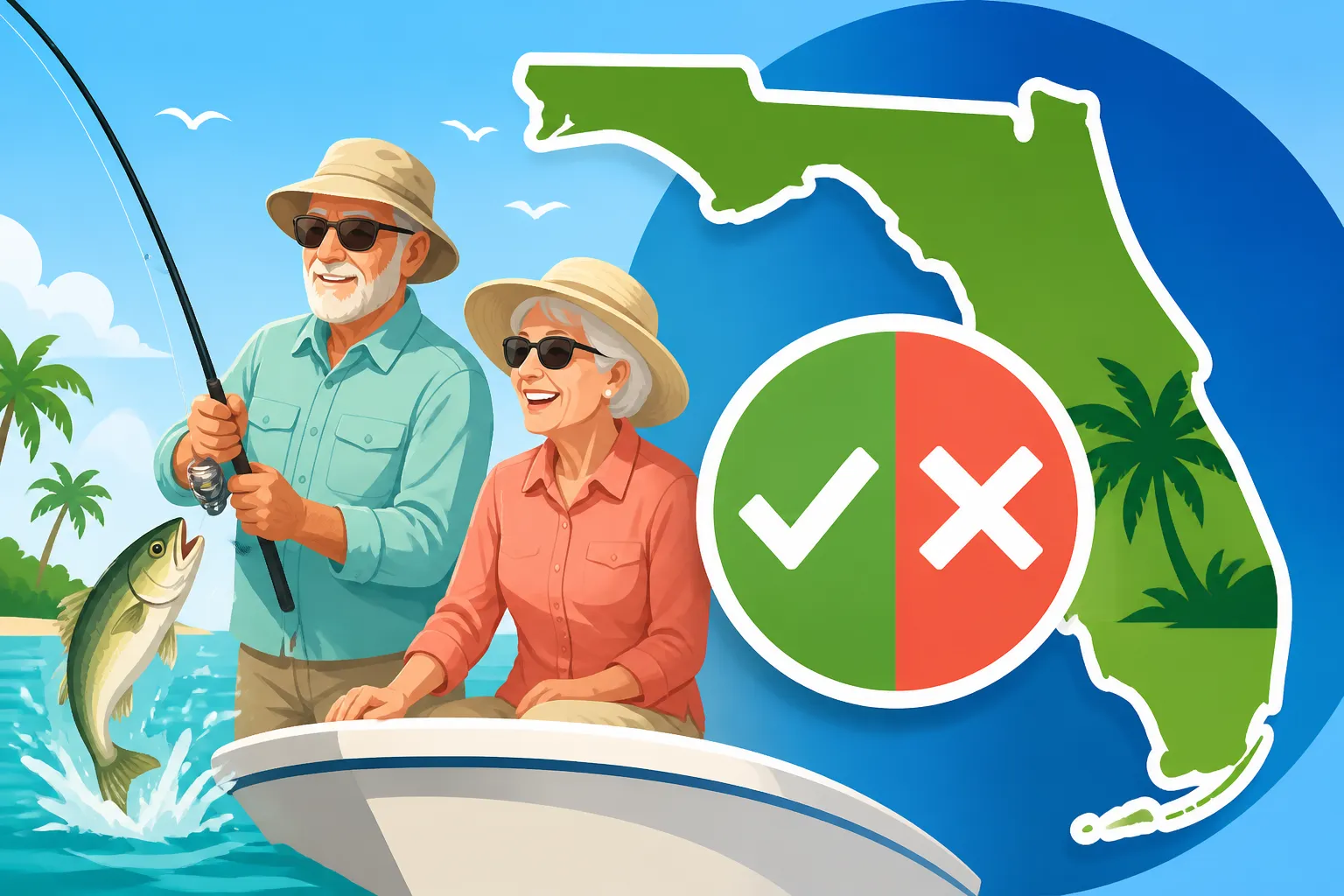
Let's cut right to the chase because, frankly, you've earned it after all these years. If you are a Florida resident and are 65 years of age or older, you do not need a recreational freshwater or saltwater fishing license. That's right, for most typical fishing activities, you can enjoy Florida's bountiful waters without having to purchase a license. This exemption is a fantastic perk for our senior residents, acknowledging their contributions to the state and making it easier to enjoy one of Florida's most cherished pastimes.
This means you can grab your rod and reel and head out to your favorite fishing hole, whether it's a tranquil lake, a bustling pier, or a quiet stretch of coastline, without the bureaucratic hurdle of buying a yearly or multi-year license. However, like most things in life, there are a few important nuances and exceptions that are absolutely critical to understand to avoid any unwelcome surprises from Florida Fish and Wildlife Conservation Commission (FWC) officers.
Understanding the Florida Resident Senior Citizen Hunting and Fishing Certificate
While you don't need a license, per se, for general recreational fishing, Florida offers a specific certificate for senior residents that can be quite beneficial, especially if you also enjoy hunting or want official documentation of your exemption. This is known as the Florida Resident Senior Citizen Hunting and Fishing Certificate.
What Exactly Is This Certificate?
Think of it less as a mandatory requirement and more as a convenient, official document that confirms your exempt status. It's a permanent certificate that verifies you are a Florida resident age 65 or older, and thus exempt from purchasing certain recreational hunting and fishing licenses. It's not strictly necessary for fishing if you have a valid Florida driver's license or identification card, but it can be a nice-to-have, particularly if you travel frequently or prefer a dedicated document for your outdoor pursuits. For more on this, check out our guide on the Florida Resident Senior Citizen Hunting and Fishing Certificate Requirements.
Who Is Eligible and How Do You Get It?
Eligibility is straightforward: you must be a bona fide Florida resident and 65 years of age or older.
Obtaining the certificate is also relatively simple. You can usually apply for it through the FWC's GoOutdoorsFlorida.com website, at a local county tax collector's office, or at many licensed agents like sporting goods stores (think Bass Pro Shops or even some smaller tackle shops). You'll typically need to provide proof of age and residency, such as your Florida driver's license or state ID card. There might be a small processing fee for the certificate itself, but it's a one-time charge, unlike annual licenses.
Benefits and Limitations
The primary benefit is official documentation of your exemption, which can be handy during a field inspection. It eliminates any potential ambiguity about your age or residency status. It also grants you the same privileges as the annual hunting and fishing licenses, including all the general recreational freshwater and saltwater fishing.
However, it's crucial to understand its limitations. This certificate does not cover federal permits or federal fishing for certain species, nor does it cover special permits like those for snook or lobster. These special permits often have separate requirements and fees, even for exempt individuals. This distinction between general licenses and special permits is where many senior anglers can get tripped up, so pay close attention to the next section.
Beyond the Certificate: What Else Seniors Need to Know
Even with the age exemption, there are still a few areas where specific licenses or permits might be required, or where different rules apply. It's about staying informed and avoiding those "I wish I had known" moments.
Federal Waters Versus State Waters
This is a big one. Florida's state waters extend 3 nautical miles into the Atlantic Ocean and 9 nautical miles into the Gulf of Mexico. Within these state waters, your 65+ exemption generally applies. However, once you venture beyond these boundaries into federal waters, federal regulations kick in. Federal waters fishing often requires a State Reef Fish Angler designation or other federal permits, regardless of your age or state license status. So, if you're planning a deep-sea offshore trip targeting species like snapper or grouper far from shore, make sure your charter captain or private vessel has the appropriate federal permits, and understand if you need any individual federal endorsements. This is a complex area, and it's always best to verify before heading out. Our Florida Fishing Regulations and Bag Limits guide provides more insight into this.
Special Permits for Specific Species
This is perhaps the most common pitfall for exempt anglers. While you don't need a general fishing license, specific permits are still required for certain highly regulated species, even if you're 65 or older.
- Snook Permit: If you plan to harvest snook, you'll need a Florida Snook Permit. This is an additional stamp or endorsement, and it applies to all anglers, regardless of age or general license exemption. Snook are a prized game fish, and their populations are carefully managed, leading to these extra requirements. Learn more about the Florida Snook Permit Requirements.
- Lobster Permit: Similarly, if you're going after spiny lobster (whether during the mini-season or regular season), you'll need a Florida Lobster Permit. This is another endorsement required by all, ensuring sustainable harvesting practices. Our guide on Florida Lobster Permit Requirements can help clarify.
- Tarpon Tag: If you intend to harvest a tarpon (which is highly restricted and almost exclusively catch-and-release), you would need a special tarpon tag. However, most tarpon fishing is done purely for sport, with immediate release, in which case no tag is needed.
These special permits exist to manage species that are particularly vulnerable or highly sought after, ensuring their populations remain healthy for future generations of anglers.
Fishing from Public Piers
Many public fishing piers along Florida's coastline operate under a blanket pier license, meaning individuals fishing from these specific piers do not need an individual saltwater fishing license. This is a wonderful amenity, especially for seniors who enjoy the accessibility and camaraderie of pier fishing.
However, this isn't universally true for all piers or bridges. Some private piers, or those that don't participate in the statewide pier license program, might still require individuals to hold their own license. Always check signage at the pier or ask the pier management if you're unsure. The rule of thumb is: if you're a Florida resident over 65, and the pier has a blanket license, you're usually covered. If not, your age exemption still covers you for saltwater fishing from the shore or other public access points.
Charter Boat Fishing
This is another area of common misunderstanding. If you're fishing on a licensed for-hire charter boat, the vessel's license typically covers all anglers on board for general recreational fishing. This means if you're on a guided trip, you generally won't need to purchase an individual fishing license, regardless of your age. The charter captain's commercial license handles the base requirement. However, this still doesn't exempt you from those special permits like snook or lobster. If you plan to target those species on a charter, confirm with your captain what permits are needed and if they are covered by the charter, or if you need to purchase them separately. Our article on Florida Charter Boat Fishing License Rules can offer more clarity.
Proof of Age and Residency: Always Carry Your ID
Even though you're exempt, you still need to be able to prove that you qualify for the exemption. This is where your Florida driver's license or state identification card becomes invaluable.
What Documents Are Accepted?
The FWC accepts a current Florida driver's license or a Florida identification card as valid proof of age and residency. These documents clearly state your birth date and demonstrate that you are a legal resident of the state. It's really that simple. There's no secret handshake or special card required beyond what you already carry daily. For those just moving to the state, our guide on Proof of Residency Needed for a Florida Fishing License explains what you'll need.
Why It's Important to Carry Them
Imagine this scenario: You're enjoying a peaceful morning fishing from a dock, and an FWC officer approaches to conduct a routine check. If you're a Florida resident over 65, you can confidently state that you're exempt from the general license requirement. However, that officer needs to verify your claim. Without your ID, you might find yourself in a sticky situation, potentially facing a citation until your status can be confirmed. It's always best to have your valid Florida ID readily available while fishing. It’s a small step that can save you a lot of hassle.
Comparing Exemptions: A Broader Look
Florida is quite generous with its fishing license exemptions, not just for seniors. Understanding how your exemption fits into the larger picture can provide useful context.
Disabled Residents
Florida offers specific fishing license discounts for disabled residents, and in some cases, full exemptions. For instance, disabled veterans who are Florida residents and meet specific criteria might be exempt from certain license requirements. Similarly, other disabled residents may qualify for a Florida Resident Persons with Disabilities Hunting and Fishing License, which is often free or significantly reduced in cost. These programs are designed to ensure that all residents, regardless of physical ability, can enjoy Florida's natural resources. You can explore more about Florida Fishing License Discounts for Disabled Residents for comprehensive details.
Military Exemptions
Active duty military personnel who are Florida residents or non-residents stationed in Florida, and even some veterans, can also qualify for various exemptions or special considerations regarding hunting and fishing licenses. For example, active-duty members on leave might be able to fish without a license for a certain period. Details can vary, so it's always wise for military personnel to check the latest FWC regulations. Our article on Florida Military Fishing License Exemptions elaborates on these rules.
Youth Fishing Rules
While this guide focuses on residents over 65, it's worth noting that young anglers also enjoy exemptions. Children under 16 years of age are generally exempt from needing a Florida fishing license, whether they are residents or non-residents. This encourages families to get out on the water together and introduces the next generation to the joys of fishing without an initial financial barrier. Understanding Florida Fishing License Age Requirements can provide more context on how these age-based rules are structured.
Here's a quick summary table of common exemptions:
| Exemption Category | General Fishing License Required? | Special Permits (Snook, Lobster)? | Proof Required? |
|---|---|---|---|
| Florida Resident 65+ | No | Yes (if harvesting) | FL Driver's License or State ID |
| Children Under 16 | No | Yes (if harvesting) | Age verification (e.g., birth certificate, school ID) |
| Disabled Residents (Qualified) | No (or discounted) | Yes (if harvesting) | FWC-issued Disability License/Certificate |
| Active Duty Military (FL resident/stationed) | No (or discounted/temporary) | Yes (if harvesting) | Military ID, Leave papers |
| Fishing from licensed Pier | No (for general saltwater) | Yes (if harvesting) | N/A (pier license covers) |
| Fishing on Charter Boat | No (for general fishing) | Yes (if harvesting, check with captain) | N/A (vessel license covers) |
| Fishing a private pond (with owner's permission) | No | N/A (usually not applicable) | N/A (owner permission implied) |
The "Why" Behind the Rules: Conservation and Community
These exemptions and specific regulations aren't just arbitrary rules; they serve important purposes, often rooted in conservation and community benefit.
Funding Conservation Efforts
For individuals who do need a license, the fees they pay go directly towards funding vital conservation efforts by the FWC. This includes habitat restoration, fish stocking programs, scientific research, enforcement of regulations, and public access improvements. These funds are crucial for maintaining the healthy ecosystems that make Florida such a world-class fishing destination. While seniors are exempt from paying these fees directly, their lifetime of contributions and continued participation in the sport are valued.
Encouraging Outdoor Recreation for Seniors
The specific exemption for Florida residents over 65 is a clear policy choice to encourage seniors to remain active and engaged with Florida's natural environment. Fishing is a fantastic way to enjoy the outdoors, stay active, and connect with nature. Removing the financial and administrative barrier of a license makes it easier for retirees and older residents to enjoy these benefits without added stress. It's a way to say "thank you" for their years as residents and ensure they can continue to pursue hobbies that contribute to their well-being. This aligns with the broader goal of making Florida’s natural resources accessible.
Final Thoughts on Senior Fishing in Florida
So, to reiterate, if you're a Florida resident aged 65 or older, you typically don't need a general recreational fishing license for freshwater or saltwater fishing in state waters. Just be sure to carry your Florida driver's license or state ID card to prove your age and residency. Always remember to check if you need any special permits for species like snook or lobster, and be aware of regulations when fishing in federal waters or from specific piers.
Florida offers unparalleled fishing opportunities, and these exemptions are designed to make it even easier for you to enjoy them. Before your next outing, it's always a good idea to quickly check the latest FWC regulations, which are easily accessible on their website or via the FWC's Fish and Wildlife Rulings app. You can even find helpful gear or current FWC guides available for purchase on platforms like Amazon to ensure you're fully equipped and informed. Tight lines, and happy fishing!
Disclaimer
The information provided in this guide is for general informational purposes only and does not constitute legal advice. Fishing regulations can change, and it is the angler's responsibility to verify current laws with the Florida Fish and Wildlife Conservation Commission (FWC) before engaging in any fishing activities. Always consult the official FWC website or contact them directly for the most up-to-date and accurate information.