Florida Fishing License Renewal and Expiration
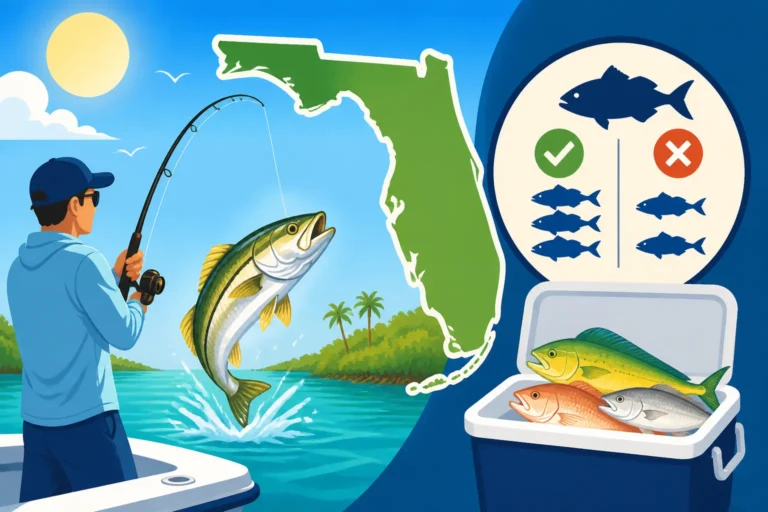
It’s a scenario no angler wants to face: you’re packed, geared up, and at your favorite fishing spot, only to realize with a sinking feeling that your Florida fishing license expired last month. The excitement drains away, replaced by frustration and the very real possibility of a costly fine. This guide is here to ensure that never happens to you, walking you through everything you need to know about keeping your Florida fishing license current, how to renew it, and what to expect if you let it lapse.
Why Keeping Your Fishing License Current is Absolutely Essential
For many of us, fishing is a passion, a way to relax and reconnect with nature. The last thing we want to think about is paperwork or legalities. However, overlooking the expiration date on your Florida fishing license can turn a peaceful day on the water into a real headache. It's not just about avoiding trouble; it's about being a responsible angler and contributing to the health of Florida's incredible aquatic ecosystems.
Avoiding Legal Headaches and Unwanted Fines
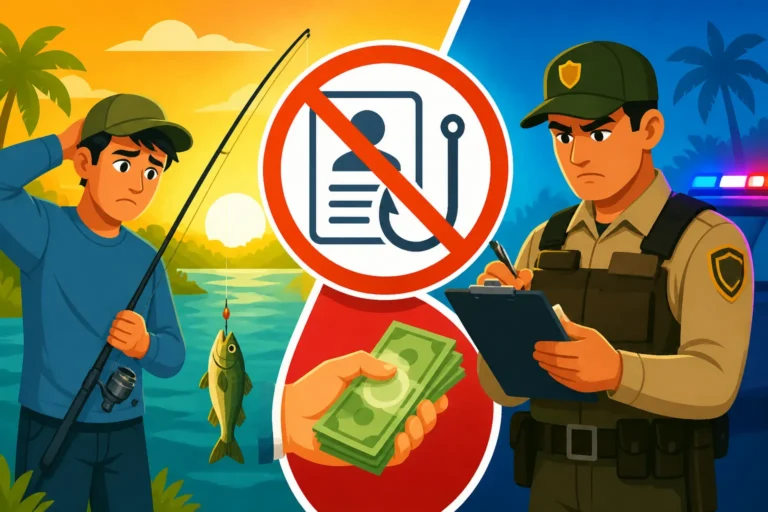
Let's be honest, getting stopped by a Florida Fish and Wildlife Conservation Commission (FWC) officer and being cited for fishing without a valid license is a total buzzkill. It ruins your day, your trip, and potentially your budget. Florida takes its fishing regulations seriously, and for good reason. Those rules protect our fish populations and ensure sustainable angling for everyone. If you’re caught without a current license, the immediate consequence is usually a citation and a fine, which can easily be hundreds of dollars – far more than the cost of a license itself. In some cases, depending on the severity or if it's a repeat offense, there can be even harsher penalties. Understanding the Penalty for Fishing Without a License in Florida is crucial, as is knowing How Much Is a Fishing Without a License Fine in Florida?. It's a small fee to pay for peace of mind compared to the alternative.
Supporting Florida's Priceless Fisheries and Conservation Efforts
Every dollar collected from fishing license sales in Florida goes directly back into managing and conserving the state's diverse fish and wildlife resources. When you renew your license, you're not just buying a piece of paper; you're investing in the future of fishing. These funds support crucial programs like fish stocking, habitat restoration, scientific research, and law enforcement efforts that keep our waters healthy and abundant. Without these contributions, the incredible fishing opportunities we enjoy in Florida simply wouldn't exist. It's a powerful reminder that our individual responsibility plays a huge role in the collective good, ensuring that future generations can also experience the joy of fishing here.
Preventing Interruption to Your Planned Fishing Adventures
Imagine booking that dream trip to the Florida Keys, or planning a weekend bass fishing excursion on Lake Okeechobee, only to discover at the last minute that your license has expired. The scramble to renew it, especially if you're already out the door or in a remote area, can be incredibly stressful. Depending on how you planned to renew, there might be delays, meaning lost fishing time. For non-residents, this can be particularly frustrating, as they might not be familiar with local renewal options. Checking your license status beforehand and renewing proactively ensures that your carefully planned adventures go off without a hitch, allowing you to focus on what really matters: catching fish.
How to Check Your Current Florida Fishing License Status
Before you even think about renewing, it’s a good idea to know exactly when your current license expires. Florida makes this pretty straightforward, offering a few convenient ways to look up your information. Don’t rely on memory alone; a quick check can save you a world of trouble and ensure your next fishing trip isn't unexpectedly cut short.
The FWC GoOutdoors Florida Website for Quick Lookup
The absolute easiest way to check your Florida fishing license status is by visiting the official FWC GoOutdoors Florida website. This online portal is a treasure trove for all your licensing needs. Once you're on the site, look for options like "Customer Account Login" or "License Look-up." You'll typically need to enter some personal information, such as your date of birth, last name, and possibly your FWC customer ID number (if you have one). The system will then display all your active licenses, their purchase dates, and most importantly, their expiration dates. It’s a seamless process, available 24/7, making it incredibly convenient to verify your details anytime, anywhere. This is also where you can find comprehensive information about the Florida Fishing License Guide and the various Florida Fishing License Costs and Fees.
Utilizing the GoOutdoors Florida App for Mobile Convenience
For those who prefer managing things on the go, the FWC GoOutdoors Florida app is an indispensable tool. Available for both iOS and Android devices, this app brings all the functionality of the website right to your smartphone or tablet. After downloading and setting up your account (or logging in with existing credentials), you can easily view your current licenses, check their expiration dates, and even carry a digital version of your license with you. This digital license is fully recognized by law enforcement and is perfect for showing to an FWC officer on the water. It’s a fantastic way to keep your license info handy, especially if you're heading out spontaneously and want to double-check everything before casting your line. You can even find helpful info on bag limits and seasons through the app, which is a great bonus.
Other Verification Methods: Phone and Physical License Check
While online and app methods are the most convenient, they're not the only ways to confirm your license status. You can always check your physical license itself. If you received a hard card or printed license, the expiration date is clearly printed on it. Keep in mind that older, faded cards might be difficult to read, so it's always a good idea to cross-reference with the online system if you have any doubts. Alternatively, if you're having trouble with the online system or prefer speaking to someone, you can contact the FWC directly by phone. Their customer service representatives can assist you in looking up your license information and answering any specific questions you might have about your Florida Resident Fishing License Rules or Florida Nonresident Fishing License Rules. They're there to help you navigate the system and ensure you're fishing legally.
The Straightforward Process of Renewing Your Florida Fishing License
Renewing your Florida fishing license doesn't have to be a chore. The FWC has streamlined the process over the years, making it incredibly accessible for everyone, whether you're a tech-savvy angler or someone who prefers the traditional route. No matter your preference, getting that fresh license in hand is simpler than you might think.
Renewing Your License Online Through the FWC Website
The internet has truly revolutionized how we handle administrative tasks, and renewing your Florida fishing license is no exception. The FWC GoOutdoors Florida website is your go-to hub for this. Here's how it generally works:
- Log In or Create an Account: If you already have an FWC customer account from a previous purchase, simply log in. If you're new to the online system, you'll need to create an account, which usually involves providing some personal details and a valid email address.
- Access Your Profile: Once logged in, navigate to your customer profile. You'll typically see an option to "Purchase a License" or "Renew Licenses."
- Select Your Licenses: The system will show you eligible licenses for renewal based on your profile and current residence. You can select single licenses (like just a freshwater or saltwater license), or opt for combination licenses if you fish both. Don't forget any necessary endorsements like the Florida Snook Permit Requirements or lobster permits if you need them.
- Review and Pay: Double-check your selection, confirm your personal details, and proceed to the payment section. The website accepts major credit cards, making the transaction quick and secure.
- Print or Save: After successful payment, you'll receive a confirmation email. You can often print a temporary license immediately, or save a digital copy to your phone. If you ordered a hard card, it will be mailed to you, but your temporary license is valid immediately. This convenience means you can often renew right before heading out the door, though it’s always best to do it ahead of time.
In-Person Renewal Options at Local Vendors and Tax Collectors
For those who prefer a face-to-face transaction or need a physical license card on the spot, numerous in-person renewal options are available throughout Florida. These locations are equipped to handle new purchases and renewals, often providing instant gratification with a printed license card.
- County Tax Collector's Offices: Many county tax collector offices across Florida are authorized to issue and renew fishing licenses. These offices are typically well-staffed and can often answer specific questions about license types and requirements. It’s a reliable option if you're in the area.
- Licensed Sport Gear Vendors: Big-box retailers and dedicated fishing stores like Walmart and Bass Pro Shops are key partners with the FWC. You can walk into almost any Walmart with a sporting goods section or a Bass Pro Shops location in Florida and renew your license at the customer service desk or the sporting goods counter. These vendors are often conveniently located and have extended hours, making it easy to renew even outside of typical business hours. While you're there, you might even find a great deal on new fishing gear or bait for your upcoming trip! Many anglers also use online retailers like Amazon to stock up on tackle and gear before heading to a physical store to renew their license.
- Independent Bait & Tackle Shops: Don't forget your local bait and tackle shops! Many smaller, independent shops are also licensed agents for the FWC. Not only can you renew your license there, but you also get the added benefit of local expertise, fresh bait, and unique gear you might not find anywhere else. Supporting these local businesses is a win-win for the angling community.
Phone and Mail Renewal for Traditional Approaches
While online and in-person options offer speed and convenience, the FWC still provides methods for those who prefer to renew by phone or mail. These options might take a bit longer to process, so plan accordingly if you choose one of these routes.
- Telephone Renewal: You can usually renew your license over the phone by calling the FWC's licensing customer service number. You'll need to have your personal information and payment details ready, and a customer service representative will guide you through the process. They'll then provide you with a temporary license number, and your official license will be mailed to you.
- Mail-In Renewal: For those who truly prefer traditional mail, you can often request a renewal form from the FWC or find one online to print. You'll fill out the form, include a check or money order for the appropriate fee, and mail it to the FWC licensing division. Be aware that this method has the longest processing time, so ensure you send it well in advance of your current license's expiration date. It's not ideal for last-minute renewals but is a viable option for forward planners.
Understanding Different Florida Fishing License Validity Periods
Florida offers a variety of fishing licenses, each with its own validity period, designed to suit different needs and circumstances, whether you're a long-term resident, a frequent visitor, or just popping down for a quick trip. Knowing these options can help you choose the most cost-effective and convenient license for your angling style.
Annual Licenses for Residents and Non-Residents
The most common types of fishing licenses in Florida are annual licenses. These are valid for 12 months from the date of purchase.
- Resident Annual Licenses: For Florida residents, annual licenses are typically the most popular choice. You can purchase an annual freshwater, saltwater, or a combination license that covers both. These licenses are generally more affordable than non-resident options, reflecting your ongoing contribution to the state's economy and tax base. Many residents find the annual combo license to be the best value, giving them flexibility to fish wherever the bite takes them. You can learn more about specific requirements and pricing in the Florida Resident Fishing License Types and Costs article.
- Non-Resident Annual Licenses: If you're an out-of-state visitor who plans to fish in Florida frequently throughout the year, an annual non-resident license might be your best bet. While more expensive than resident licenses, they offer unlimited fishing for a full year from the purchase date. This is particularly beneficial for "snowbirds" or those who visit Florida multiple times for extended fishing trips. Details on these can be found in Florida Nonresident Fishing License Types and Costs.
Multi-Year and Lifetime Options for Long-Term Value
For dedicated anglers who know Florida is their long-term fishing haven, multi-year and lifetime licenses offer significant advantages in terms of convenience and potential cost savings.
- Five-Year Licenses: Florida offers a 5-year resident fishing license. This is a fantastic option for residents who want to avoid the annual renewal process and lock in a price for half a decade. It's often seen as a better value over time than purchasing five individual annual licenses. Many consider it a one-and-done solution for several years, reducing the risk of accidental expiration. You can check the Florida 5-Year Resident Fishing License Cost for current pricing.
- Lifetime Licenses: For the ultimate commitment to Florida fishing, lifetime licenses are available for residents. These licenses, once purchased, never expire. They cover you for freshwater and saltwater fishing for your entire life. While the upfront cost is higher, it completely eliminates the need for future renewals and is often purchased for children or grandchildren, ensuring they can enjoy Florida's waters for decades to come without worrying about paperwork. This truly embodies the spirit of long-term conservation and passion for fishing. The Florida Lifetime Fishing License Cost might seem significant initially, but for a lifelong angler, it's an unmatched investment.
Short-Term Non-Resident Licenses for Visitors
Florida understands that many visitors only come for short stays, so it offers specific short-term licenses tailored to non-residents who aren't looking for an annual commitment.
- 3-Day Non-Resident Licenses: Perfect for a quick weekend getaway or a short vacation, the 3-day non-resident fishing license allows you to fish for three consecutive days. This is a popular choice for tourists coming down for a specific event or just a brief taste of Florida's angling opportunities. The cost is significantly less than an annual license, making it very accessible. Check out the current Florida 3-Day Nonresident Fishing License Cost before your trip.
- 7-Day Non-Resident Licenses: For slightly longer vacations, the 7-day non-resident license provides a full week of fishing. This option is ideal for those who plan a week-long trip, perhaps exploring different fishing spots from the Gulf Coast to the Atlantic. Both the 3-day and 7-day options offer great flexibility for visitors and ensure they comply with regulations without overspending on a longer-term license they won't fully utilize. You can find the latest Florida 7-Day Nonresident Fishing License Cost to plan your angling budget.
What Happens If Your Florida Fishing License Expires
Letting your fishing license expire in Florida isn't just an inconvenience; it can lead to serious legal and financial repercussions. It's important to understand the gravity of fishing without a valid license, not just to avoid penalties but to maintain the integrity of Florida's conservation efforts.
Penalties and Fines for Unlicensed Fishing
The most immediate consequence of fishing with an expired or absent license is a citation from an FWC officer. These citations are not just a slap on the wrist.
- Monetary Fines: Expect a fine that typically ranges from around $50 to several hundred dollars, depending on the specific violation and the county where it occurred. For example, a basic "failure to possess" a valid license might be on the lower end, but combining it with other infractions, like exceeding bag limits or fishing during a closed season, can escalate the fine significantly. It's far more expensive than simply renewing your license. You can quickly see that How Much Is a Fishing Without a License Fine in Florida? makes it a costly mistake.
- Court Appearances: In some cases, particularly for repeat offenders or more serious violations, you might be required to appear in court. This means taking time off work, possibly hiring legal counsel, and facing potential court fees in addition to the fine itself. What was supposed to be a relaxing day fishing can quickly become a legal and logistical nightmare.
- Additional Costs: Beyond the direct fine, you might incur court costs, administrative fees, and even the cost of purchasing the necessary license after the fact. All these add up, making the initial oversight much more burdensome.
Enforcement and Potential Consequences Beyond Fines
FWC officers are highly trained and dedicated to protecting Florida's natural resources. They patrol waters, boat ramps, and fishing piers regularly, and they will check for licenses.
- Gear Seizure: In certain situations, if you are found to be in egregious violation of fishing laws, particularly repeated offenses or major infractions, FWC officers have the authority to seize your fishing gear, including rods, reels, and even your boat. While this is less common for a simple expired license, it's a possibility if the situation is compounded by other violations.
- Loss of Fishing Privileges: Severe or repeated violations can lead to the suspension or revocation of your fishing privileges for a period of time. This means you would be legally prohibited from fishing in Florida waters, even if you tried to purchase a new license. This is a particularly harsh consequence for passionate anglers. The thought of not being able to participate in your favorite pastime because of an administrative oversight is truly disheartening. Can You Go to Jail for Fishing Without a License in Florida? is a question often asked, and while rare for a first offense of expired license, it can happen if combined with other serious violations, or if you fail to comply with court orders.
The Myth of a "Grace Period"
One common misconception among anglers is the idea of a "grace period" after a license expires. Unfortunately, for most Florida fishing licenses, there isn't one. The moment your license officially expires, it is no longer valid, and you are subject to the same penalties as someone who never purchased a license in the first place.
- Instant Invalidity: If your license expires on October 31st, as of November 1st, it's invalid. There's no additional week or month of leniency. FWC officers enforce the regulations based on the exact expiration date.
- Confusion with New Purchases: This misconception often stems from rules surrounding new license purchases, where sometimes there can be a brief waiting period for certain specialized permits to become fully active, or for new residents to establish Proof of Residency Needed for a Florida Fishing License. However, for an expired general fishing license, there's no such grace. It's critical to check your expiration date and renew before it lapses. Planning ahead is the only grace period you can truly rely on.
Planning Ahead for Seamless Florida Fishing
Nobody wants their fishing trip ruined by an expired license. A little bit of proactive planning can save you a ton of hassle, money, and stress, ensuring that you’re always ready to hit the water whenever the mood strikes. Building good habits around your license management is key to uninterrupted angling enjoyment.
Setting Up Reminders for Timely Renewal
In our busy lives, it's easy for an important date like a license expiration to slip through the cracks. But with today's technology, there's no excuse!
- Digital Calendar Alerts: The simplest and most effective method is to set a recurring reminder in your smartphone or computer's calendar. Set it for at least a month before your license expires, giving you ample time to renew without feeling rushed. You can even set a second reminder a week out as a final nudge.
- FWC Email Notifications: When you create an FWC customer account online, make sure your email address is up-to-date and opt-in for notifications. The FWC often sends out email reminders to anglers whose licenses are nearing expiration. This is a fantastic, free service that provides a direct prompt to renew. Don't forget to check your spam folder occasionally, just in case!
- Physical Notes and Alarms: For those who prefer analog methods, a sticky note on the fridge or a reminder on your physical calendar can work wonders. If you have a tackle box you regularly use, perhaps tape a small note inside with your expiration date. The goal is to put the information where you'll see it regularly.
Exploring Multi-Year and Automatic Renewal Features
Beyond annual renewals, Florida offers options designed to reduce the frequency of this task, which can be a huge convenience.
- The 5-Year Resident Fishing License: As mentioned earlier, if you're a Florida resident, consider purchasing the 5-year fishing license. This takes the annual renewal worry off your plate for half a decade. It's often more economical in the long run and provides greater peace of mind. While the upfront cost is higher, the sheer convenience and consistent validity are well worth it for many dedicated anglers. It’s also a great way to avoid the headache of remembering to renew every single year.
- Lifetime Licenses: For the ultimate set-it-and-forget-it solution, a Florida lifetime fishing license is unmatched. Purchased once, it covers you for all future freshwater and saltwater recreational fishing in Florida. It's an incredible gift for young anglers, ensuring they’re always covered as they grow up, or for yourself if you’re committed to Florida fishing for the long haul. Think of all the future fishing gear you could buy instead of worrying about renewals!
- Automatic Renewal (If Available): While Florida's FWC system doesn't universally offer a fully automatic credit-card-charged renewal like some subscription services, it's worth checking the GoOutdoors Florida website for any new features or pilot programs. Sometimes, when renewing online, you might be given an option to save your payment information or set up a recurring purchase for future years. Always verify these details carefully to ensure they align with your expectations.
Gifting Licenses and Endorsements for Fellow Anglers
A thoughtful way to help fellow anglers stay compliant and enjoy their passion is by gifting them a license or endorsement. This is especially popular during holidays or birthdays.
- Gift Certificates for Licenses: The FWC GoOutdoors Florida website often provides options to purchase gift certificates that can be redeemed for fishing licenses and permits. This allows the recipient to choose the exact type of license they need (e.g., freshwater, saltwater, combo, or even specific permits like the Florida Lobster Permit Requirements). It's a fantastic gift that ensures your loved ones are always ready to hit the water legally.
- Helping New Residents: If you have friends or family moving to Florida, a fishing license can be a wonderful housewarming gift. New residents often have a lot on their plate, and navigating new state regulations can be daunting. Gifting them a Florida Resident Fishing License Rules or even a Florida Fishing License Cost Compared to Georgia can smooth their transition and get them out on the water faster. While they might still need to establish their Proof of Residency Needed for a Florida Fishing License, a gift certificate makes the process easier. And while you're at it, maybe throw in a gift card for Bass Pro Shops or even an Amazon gift card for some new lures to go with their shiny new license!
Key Dates and Important Reminders for Florida Fishing Licenses
Staying on top of your Florida fishing license's expiration date is crucial for uninterrupted angling. While the general rule is "12 months from purchase," there are nuances and additional permits to consider that have their own specific lifecycles.
Understanding the Annual Renewal Cycle
For most recreational anglers, the annual license is the bread and butter. It's simple, but requires a yearly check-in.
- Purchase Date to Expiration Date: The vast majority of annual Florida fishing licenses are valid for one year (365 days) from the date of purchase. So, if you buy your license on April 15th, 2024, it will expire on April 14th, 2025. This "rolling" expiration date means everyone's license might expire on a different day of the year, making it essential to check your specific date rather than assuming a universal calendar year expiration. This is why tools like the GoOutdoors Florida app or website are so handy.
- Proactive Renewal is Key: Don't wait until the last minute. Renewing a week or two before your expiration date is ideal. This gives you a buffer in case of any technical glitches with online renewals or if you choose an in-person method and need to travel to a vendor. It’s better to have a new license overlap your old one by a few days than to face a single hour of being unlicensed.
Special Considerations for Seasonal Permits and Endorsements
Beyond the basic freshwater and saltwater licenses, many popular Florida species require additional permits or have specific seasons that might not align with your general license.
- Snook Permit: If you plan on targeting snook, you'll need a snook permit in addition to your regular saltwater fishing license. The Florida Snook Permit Requirements detail that this permit also typically needs to be renewed annually. It’s a separate item you purchase, and its validity period may or may not perfectly align with your main license. Always check both! Snook fishing is highly regulated, and without this permit, even with a valid saltwater license, you could face fines.
- Lobster Permit: Similar to snook, if you're planning on diving or trapping for spiny lobster, you'll need a lobster permit. This is also an annual endorsement, and like the snook permit, it has its own renewal cycle. These specialized permits are critical for conservation efforts of these specific species, so ensuring they are current is just as important as your general fishing license.
- Federal Permits: For certain offshore species, especially those managed by federal regulations like red snapper (covered by the Gulf Reef Fish Survey, for example), you might need to register or obtain specific federal permits or endorsements in addition to your Florida state license. These often have their own specific reporting requirements and renewal schedules. Always confirm all necessary permits for your target species, especially if you plan to fish in federal waters, which extend beyond 9 nautical miles in the Gulf and 3 nautical miles in the Atlantic.
The Importance of Valid Proof of Residency
For Florida residents, maintaining valid proof of residency is crucial, not just for the initial purchase of a resident license but also for renewals.
- Resident vs. Non-Resident Pricing: Resident licenses are significantly cheaper than non-resident licenses. To qualify for resident rates, you must demonstrate that you are a permanent resident of Florida.
- Documents for Proof: When renewing, especially if there's any change in your information or if you're asked to re-verify, you may need to provide documentation like a Florida driver's license or ID card, voter registration, or a utility bill in your name. For college students or new residents, specific rules apply to establish residency. This is clearly explained in Proof of Residency Needed for a Florida Fishing License. Without proper proof, you might be required to purchase a non-resident license, which costs more. Even if you've been a resident for years, keeping your documentation updated is essential to ensure a smooth and continuous renewal process at resident rates.
Florida Fishing License Information Table
To help you keep track of the different options and what to expect, here's a quick overview of Florida fishing license types and their general validity. Always check the FWC website for the most current pricing and specific requirements.
| License Type | Eligibility | Validity Period | Key Features | Renewal Frequency |
|---|---|---|---|---|
| Annual Resident Freshwater | Florida Residents | 12 months from purchase date | Fish in all freshwater bodies. | Yearly |
| Annual Resident Saltwater | Florida Residents | 12 months from purchase date | Fish in all saltwater bodies (shoreline, piers, boats). | Yearly |
| Annual Resident Combination | Florida Residents | 12 months from purchase date | Covers both freshwater and saltwater. Best value for diverse anglers. | Yearly |
| 5-Year Resident Combination | Florida Residents | 60 months from purchase date | Covers both freshwater and saltwater. Significant long-term convenience. | Every 5 Years |
| Lifetime Resident | Florida Residents (various age tiers) | For life | Covers both freshwater and saltwater. One-time purchase, never expires. | Never |
| Annual Non-Resident Freshwater | Non-Residents | 12 months from purchase date | Fish in all freshwater bodies. | Yearly |
| Annual Non-Resident Saltwater | Non-Residents | 12 months from purchase date | Fish in all saltwater bodies. | Yearly |
| 3-Day Non-Resident Freshwater | Non-Residents | 3 consecutive days from start | Short-term option for quick freshwater trips. | Per Trip |
| 3-Day Non-Resident Saltwater | Non-Residents | 3 consecutive days from start | Short-term option for quick saltwater trips. | Per Trip |
| 7-Day Non-Resident Freshwater | Non-Residents | 7 consecutive days from start | Week-long option for freshwater fishing. | Per Trip |
| 7-Day Non-Resident Saltwater | Non-Residents | 7 consecutive days from start | Week-long option for saltwater fishing. | Per Trip |
| Snook Permit | All Anglers (with saltwater license) | Annual, linked to saltwater license | Required to harvest snook during open seasons. | Yearly |
| Lobster Permit | All Anglers (with saltwater license) | Annual, linked to saltwater license | Required to harvest spiny lobster during open seasons. | Yearly |
Disclaimer
The information provided in this guide is intended for general informational purposes only and does not constitute legal advice. Fishing regulations in Florida can change frequently. Always consult the most current regulations published by the Florida Fish and Wildlife Conservation Commission (FWC) or contact them directly before engaging in any fishing activities. Ensure your licenses and permits are valid for the specific species and waters you plan to fish.