Do Florida Fishing License Rules Change During Red Tide Events?
It's incredibly frustrating when you've planned a fishing trip to Florida, maybe even bought your Florida Fishing License Guide and permits, only for news of a Red Tide bloom to pop up. You start wondering, "Is my license still even valid? Can I still go fishing?" It's a completely natural worry, and the short answer is that while your fishing license itself remains valid, Red Tide events can absolutely trigger significant changes to fishing regulations and impact where and what you can legally and safely catch. This guide will help clear up the confusion, explain the nuances, and offer practical advice for navigating fishing during these challenging times.
The Core Question: Do Licenses Change During Red Tide?
Let's get right to the heart of the matter because this is often where the biggest misunderstanding lies. You might assume that if there's a Red Tide, everything related to fishing just stops, including your license. But that's not quite how it works.
Fishing License Validity During Red Tide Events
When a Red Tide event occurs, your existing Florida fishing license, whether it's your Florida Saltwater Fishing License Rules or your freshwater equivalent, remains entirely valid. The validity of your license is tied to its purchase date and expiration, not to environmental conditions like Red Tide. Think of it this way: your driver's license doesn't become invalid if there's heavy fog; you just have to drive more carefully or avoid driving altogether. Similarly, your fishing license is still good, but you might need to adjust how and where you fish, or even if you fish at all.
This means if you've purchased your annual license or a short-term nonresident license, it's still active. Law enforcement officers, like those from the Florida Fish and Wildlife Conservation Commission (FWC), will still expect you to produce a valid license if you are fishing in an area not explicitly closed, even if Red Tide is present nearby. The core requirement for holding a license to fish in Florida doesn't disappear just because the environment is temporarily compromised. This is a critical point to understand to avoid potential penalties like a Penalty for Fishing Without a License in Florida.
The Distinction Between Licenses and Regulations
Here's the crucial clarification: your license is permission to participate in recreational fishing. Regulations, on the other hand, dictate the specifics of what you can catch, where you can catch it, how much you can keep, and when you can do it. Red Tide primarily affects the regulations and the health advisories, not the fundamental requirement for a license.
During a Red Tide bloom, especially a severe one, the FWC has the authority to implement emergency rule changes. These changes are designed to protect fish populations that are being heavily impacted by the Red Tide, or to ensure public safety by preventing the consumption of potentially contaminated seafood. These aren't changes to the licensing system itself, but rather temporary modifications to bag limits, size limits, or even complete harvest prohibitions for certain species in affected areas. For instance, they might temporarily close a specific area to all fishing, or implement a catch-and-release-only rule for species like snook or redfish if those populations are experiencing significant mortality. This falls under the broader umbrella of Florida Fishing Regulations and Bag Limits.
So, while your license stays the same, the rules of the game for a specific time and place can definitely shift. It's vital for anglers to stay informed about these dynamic changes, as ignorance is no excuse for violating an emergency order.
Understanding Red Tide and Its Impacts on Marine Life
Before we dive deeper into specific regulatory changes, it's helpful to understand what Red Tide truly is and why it has such a profound impact on Florida's cherished marine environment and, by extension, our fishing opportunities. It's more than just discolored water; it's a complex natural phenomenon with serious implications.
What Exactly is Florida's Red Tide (Karenia brevis)?
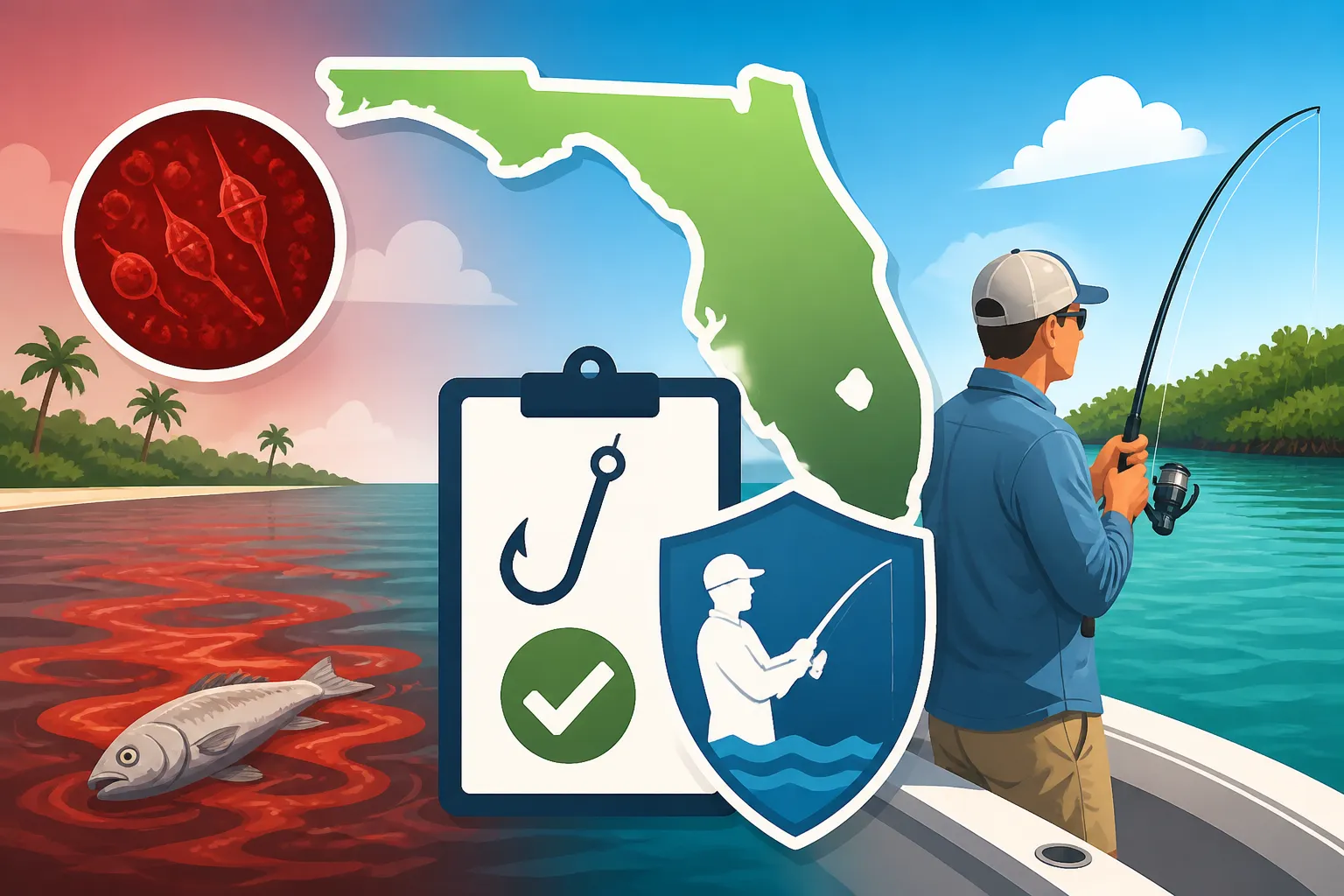
When we talk about "Red Tide" in Florida, we're primarily referring to blooms of a microscopic algae called Karenia brevis. These single-celled organisms, naturally found in the Gulf of Mexico, can multiply rapidly under certain conditions, leading to dense concentrations that can discolor the water – often reddish-brown, but sometimes green or even clear. This isn't just a visual nuisance; Karenia brevis produces potent neurotoxins called brevetoxins.
These brevetoxins are the real troublemakers. They can become airborne when waves break, irritating the respiratory systems of humans and causing coughing, sneezing, and watery eyes. For those with asthma or other respiratory conditions, it can be much more severe, often requiring a quick trip to the doctor. But the impact on marine life is even more devastating. The toxins accumulate in filter-feeding shellfish, making them unsafe for human consumption, and directly affect fish by attacking their central nervous systems, leading to paralysis and eventual death. The sheer scale of fish kills during severe Red Tide events is heartbreaking to witness, often leaving beaches strewn with thousands of dead fish. It's a natural phenomenon, but one that can be exacerbated by nutrient pollution from land, a topic of ongoing scientific study and public concern.
Direct Effects on Fish and the Ecosystem
The direct effects of Karenia brevis on fish and the broader marine ecosystem are widespread and often catastrophic. Fish exposed to high concentrations of brevetoxins in the water suffer from respiratory distress because the toxins essentially paralyze their gills, preventing them from extracting oxygen. This leads to them swimming erratically, gasping for air at the surface, and ultimately dying. We've all seen the news reports or even witnessed firsthand the disheartening sight of dead fish floating on the surface or washing ashore during a bad bloom.
Beyond the immediate fish kills, Red Tide can have longer-term ecosystem impacts. Shellfish beds (like oysters and clams) become contaminated with toxins, rendering them unsafe for harvest for extended periods. This impacts not only recreational scalloping and clamming but also commercial fisheries. Other marine animals, such as manatees, sea turtles, and even birds, can be affected if they consume contaminated fish or shellfish. The food web is interconnected, and a disruption at one level can ripple throughout. For popular sport fish like snook, redfish, and trout, mass mortality events can significantly reduce local populations, sometimes taking years to recover. This is why resource managers, like the FWC, are so diligent in monitoring and implementing protective measures when a Red Tide is present. When populations are low, even incidental mortality can be devastating, highlighting the importance of understanding specific species regulations, like Florida Snook Permit Requirements, which usually remain in effect.
How Fishing Regulations Do Shift During Red Tide
While your license stays put, the regulations around fishing are the real battleground during a Red Tide. The state moves quickly to protect both fish populations and human health, which means you, as an angler, need to be vigilant.
Emergency Executive Orders and Harvest Suspensions
The most direct and impactful way Red Tide affects fishing rules is through emergency executive orders issued by the FWC. These orders are not uncommon during severe blooms and can swiftly change the game. For example, in areas heavily impacted by Red Tide, the FWC might issue an executive order to:
- Suspend Harvest: This means certain species, like redfish or snook, might be entirely off-limits for harvest in specific counties or regions, regardless of size or bag limits. It essentially becomes a mandatory catch-and-release fishery, if fishing is even allowed at all. The goal is to allow the stressed fish populations to recover without additional pressure from recreational or commercial harvest. You might wonder, Is Snook Fishing Catch and Release Only Right Now? – and during a Red Tide, it very well could be!
- Modify Bag and Size Limits: In less severe cases, or in areas bordering heavily affected zones, the FWC might temporarily reduce bag limits or adjust minimum/maximum size limits to further protect vulnerable fish. This could mean you can only keep one fish of a certain species instead of the usual two, or that the slot limit changes significantly.
- Area Closures: In extreme circumstances, specific bodies of water, estuaries, or stretches of coastline might be completely closed to all fishing activity until conditions improve. This is less common for broad recreational fishing but can occur for specific shellfish harvesting areas.
These emergency orders supersede standard regulations and are legally binding. Ignoring them can lead to citations, fines, and even confiscation of your catch and gear. It’s not just a suggestion; it's the law. The best practice is always to check the FWC website or use their GoOutdoors Florida app for the most current information, especially if you're planning a trip to a potentially affected area.
Public Health Advisories and Consumption Warnings
Beyond FWC's fishing regulations, the Florida Department of Health (DOH) plays a critical role during Red Tide events by issuing public health advisories. These advisories primarily focus on human safety, particularly regarding swimming and the consumption of seafood. While not directly "fishing license rules," they are paramount for any angler considering keeping and eating their catch.
Health advisories typically include:
- Shellfish Bans: This is almost a given during any significant Red Tide. Filter-feeding shellfish like oysters, clams, and mussels accumulate brevetoxins rapidly. Consuming contaminated shellfish can lead to Neurotoxic Shellfish Poisoning (NSP) in humans, which can cause gastrointestinal and neurological symptoms. Therefore, commercial and recreational harvest of shellfish is almost always immediately prohibited in affected areas. Even stone crab season or lobster mini-season regulations, like Florida Spiny Lobster Mini-Season License Requirements, can be impacted by these health advisories, making harvest unsafe or illegal.
- Respiratory Irritation Warnings: DOH issues warnings about airborne toxins, advising people with respiratory conditions to avoid affected beaches and coastal areas. This isn't about fishing rules, but it certainly impacts your ability to comfortably fish from shore, piers, or even a boat if the winds are blowing toxins inland.
- Fish Consumption Guidelines: This is a tricky one. While finfish generally don't retain toxins in their edible muscle tissue to the same degree as shellfish, gutting fish immediately and avoiding eating organs (especially the liver) is always recommended. During a Red Tide, DOH might issue specific warnings if there's any concern about toxins in certain species, or advise against consuming fish that appear sick or lethargic. It’s always better to err on the side of caution. Even if a species is legally within bag and size limits, if the DOH says it's unsafe, it's best to respect that advice for your own health.
Remember, these health advisories are for your safety. Even if fishing for a particular species is technically legal under FWC regulations, if DOH advises against consuming it, you should listen.
Here's a quick reference guide to essential Red Tide information sources:
| Official Source | Primary Information Provided | How to Access | Key Advice for Anglers |
|---|---|---|---|
| FWC Red Tide Status Map | Current bloom locations, severity, fish kill reports, respiratory irritation | Online map (www.myfwc.com/research/saltwater/health/red-tide/state/), GoOutdoors Florida app | Check daily for bloom status in your target fishing area; identify areas with active fish kills or severe conditions. |
| FWC Executive Orders | Emergency closures, harvest suspensions, temporary bag/size limit changes | FWC website (myfwc.com/fishing/saltwater/recreational/regulations/emergency-orders/), local news alerts | Always verify current fishing regulations, especially for snook, redfish, and other sensitive species, before you leave. |
| Florida Dept. of Health (DOH) | Public health advisories, shellfish harvesting closures, swimming warnings | DOH county health department websites, local news, DOH Red Tide page | Prioritize personal health: avoid areas with strong respiratory irritation; never consume shellfish from affected areas. |
| Local County Beaches & Parks | Specific beach closures, water quality testing results, local advisory updates | County government websites, social media, on-site signage at parks and beaches | Check if your chosen fishing spot or launch point is open and what local conditions are like. |
Navigating Red Tide: Practical Advice for Anglers
Red Tide is undeniably a challenge, but it doesn't always mean your fishing plans are completely sunk. With the right information and a proactive approach, you can still have a safe and responsible angling experience in Florida.
Staying Informed About Current Red Tide Conditions
The absolute best defense against Red Tide disruptions is staying informed. This isn't a "check once a week" kind of situation; Red Tide conditions can change daily, sometimes even hourly, depending on currents, winds, and bloom dynamics.
Here's how to stay on top of the situation:
- Bookmark Official FWC Resources: The FWC Red Tide Status Map is your go-to source for bloom locations, severity, and reported fish kills. They update this map regularly, and it's invaluable for determining if your planned fishing spot is affected. You can also get updates through their GoOutdoors Florida app, which is super handy right on your phone.
- Consult Local County Health Departments: For more hyper-local information, especially regarding swimming advisories and specific beach conditions, check the websites of the county health department where you plan to fish. They often have real-time updates for their specific coastal areas.
- Follow Reliable Local News and Social Media: Many local news outlets and reputable fishing charter captains (who are often the first to see changes) provide excellent, timely updates. Be discerning, though; stick to trusted sources rather than rumors.
- Call Local Bait and Tackle Shops: These folks are on the water, or at least talking to people who are, every single day. They often have the most up-to-the-minute, anecdotal information about local conditions, where the fish are (or aren't), and if it's even worth launching a boat. If you're wondering Where to Buy a Florida Fishing License Near You, these shops are also a great place to pick one up!
- Consider "How to Check Red Tide Conditions Before a Trip": It's imperative to make this part of your pre-trip routine, much like checking the weather or tides.
By integrating these checks into your pre-fishing routine, you can make informed decisions about where to go, what to target, and whether to postpone your trip altogether. You might even decide to shift gears and explore Best Freshwater Fishing Lakes in Florida if saltwater conditions are too challenging.
Safe and Responsible Fishing Practices During an Event
Even if an area isn't completely closed, fishing during a Red Tide event requires a heightened sense of awareness and responsibility. It's not just about what's legal; it's about what's ethical and safe for you, other anglers, and the struggling marine life.
- Prioritize Catch and Release: If you encounter Red Tide conditions—even if not severe enough for official closures—consider practicing strict catch and release. Fish that have been exposed to brevetoxins might already be stressed, making them more vulnerable. Minimizing handling time and using appropriate Catch and Release Best Practices for Snook is even more crucial. Some anglers will even use circle hooks to minimize harm to the fish they intend to release. You can find quality circle hooks and other fishing gear on platforms like Amazon.
- Avoid Areas with Visible Fish Kills: It goes without saying, but if you see dead fish, avoid fishing in that immediate vicinity. Not only is it unpleasant, but it indicates high toxin levels, and any surviving fish are likely compromised. Fishing in these areas is unproductive and potentially harmful.
- Protect Yourself from Airborne Toxins: If you're in an area with noticeable respiratory irritation (coughing, sneezing, burning eyes), consider wearing a mask, especially if you have asthma or other sensitivities. Staying upwind of the breaking waves can also help. Some anglers keep simple face coverings or buffs, often found on Amazon, in their tackle bags for such occasions.
- Clean Your Gear Thoroughly: After fishing in an area affected by Red Tide, thoroughly rinse all your gear—rods, reels, tackle, and boat—with fresh water. This helps prevent corrosion and removes any lingering toxins that could be harmful to you or your equipment.
- Consider Alternative Species or Locations: If your primary saltwater target is impacted, why not explore other options? Florida offers incredible Florida Freshwater Fishing License Rules and opportunities. Lakes like Okeechobee or the St. Johns River might be thriving with bass and crappie while the coasts are struggling. Even a simple change in location to a less-affected saltwater area can make a huge difference. Sometimes, shifting from inshore to offshore can also lead to clearer waters and healthier fish, although offshore conditions also need to be checked.
By being mindful and proactive, you can navigate Red Tide events responsibly. It might mean adjusting your expectations, changing your plans, or even deciding to hold off on fishing for a short period. Ultimately, the health of Florida's marine environment is paramount, and responsible anglers play a key role in its protection and recovery.
Disclaimer
The information provided in this guide is for general informational purposes only and does not constitute legal advice. Fishing regulations and Red Tide advisories in Florida can change rapidly. Always consult the official websites of the Florida Fish and Wildlife Conservation Commission (FWC) and the Florida Department of Health (DOH), or local authorities, for the most current and accurate information before engaging in any fishing activities.