Is Snook Fishing Catch and Release Only Right Now?
It's incredibly frustrating, isn't it? You get all geared up for a day of fishing, dreaming of that powerful snook bite, only to wonder if you're even allowed to keep one. The rules around snook fishing in Florida can feel like they change with the tide, leaving many anglers scratching their heads about whether it's currently catch and release only. This guide is here to cut through that confusion, explain why these regulations exist, and show you exactly how to stay informed so you can fish with confidence and respect for these incredible fish.
The Ever-Changing World of Snook Regulations in Florida
Snook are one of Florida's most iconic and highly sought-after game fish, known for their powerful strikes and acrobatic fights. But their popularity also means they're closely monitored, and their populations are sensitive to environmental shifts. This sensitivity is precisely why their regulations can seem like a moving target.
Why Snook Regulations Fluctuate
Imagine you're a snook, living your life in the warm, brackish waters of Florida. Then, suddenly, a severe cold snap hits, dropping water temperatures dramatically. Or perhaps a prolonged red tide event rolls through your habitat. These environmental stressors can severely impact snook populations, sometimes leading to significant fish kills. When this happens, the Florida Fish and Wildlife Conservation Commission (FWC), which is tasked with managing the state's fish and wildlife resources, steps in. Their goal is always to ensure the long-term health and sustainability of the species.
These fluctuations aren't arbitrary; they are usually a direct response to scientific data, population assessments, and observed environmental impacts. A cold snap, for instance, can render snook vulnerable, making them sluggish and easy targets, or worse, causing them to die outright. In such cases, the FWC might implement emergency closures or declare snook catch and release only for a specific period or region to give the population a chance to recover. It's all part of a larger conservation strategy designed to protect this precious resource for future generations of anglers.
General Snook Season vs. Special Closures
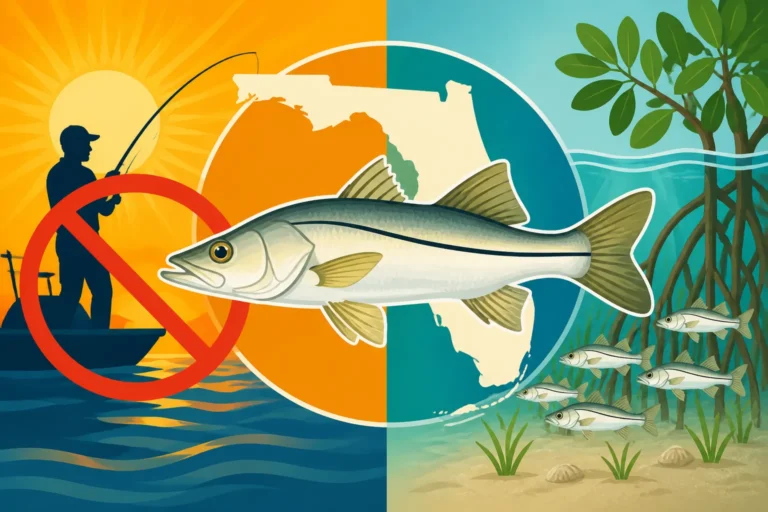
Typically, Florida has established open and closed seasons for snook. These seasons are designed to protect snook during their most vulnerable times, primarily their spawning periods, when they congregate in large numbers, making them susceptible to overfishing. For example, snook generally have a closed season during parts of the summer and winter. During these periods, all snook fishing is usually catch and release, regardless of size. These regular closures are well-publicized and generally consistent year after year, though specific dates can shift slightly. You can find more general information in our Florida Snook Season Guide.
However, what often causes confusion are the special closures or emergency regulations. These are deviations from the standard season structure, enacted when unexpected events threaten snook populations. Think severe red tide blooms that deplete oxygen in the water, or exceptionally harsh winter cold fronts that cause widespread fish kills. In these scenarios, the FWC can issue temporary orders, making snook strictly catch and release, or even prohibiting targeting them altogether in affected areas. It's a proactive measure to prevent further stress on already struggling fish. These emergency declarations are why it's crucial to check the latest rules before every trip, because what was open yesterday might be closed today due to unforeseen circumstances.
Understanding Current Snook Catch and Release Status
The biggest hurdle for many anglers is simply knowing what the rules are right now. It's easy to get caught up in the excitement of planning a trip, only to realize you're unsure if you can even keep the fish you're hoping to catch. This uncertainty can take some of the fun out of the experience, and nobody wants to inadvertently break the rules.
How to Verify Current Regulations (The #1 Angler Frustration!)
Let's be honest, trying to keep up with every regulation change can feel like a full-time job. You hear whispers at the bait shop, see conflicting posts online, and suddenly you're second-guessing everything. This is a common frustration, and it's why having a reliable, up-to-date source is absolutely paramount. The best and most accurate source for all Florida fishing regulations, including the current status of snook, is the official Florida Fish and Wildlife Conservation Commission (FWC) website or their "GoOutdoors Florida" mobile app. These resources are updated in real-time as regulations change, providing you with the most current and legally binding information.
Before you even tie on a line, make it a habit to quickly check the FWC's current regulations page or launch the app. It's like checking the weather forecast – a quick, essential step for a successful and legal fishing trip. The app is particularly handy, as it allows you to access regulations even when you're out on the water, assuming you have cell service. Don't rely solely on word-of-mouth or old fishing forums, as regulations can change without much notice, especially for species as closely managed as snook. A few moments of checking can save you a lot of headache, and potentially a hefty fine. For a broader overview, you might also want to consult our Florida Fishing License Guide and Florida Fishing Regulations and Bag Limits.
Identifying Snook: Slot Limits and Regional Differences
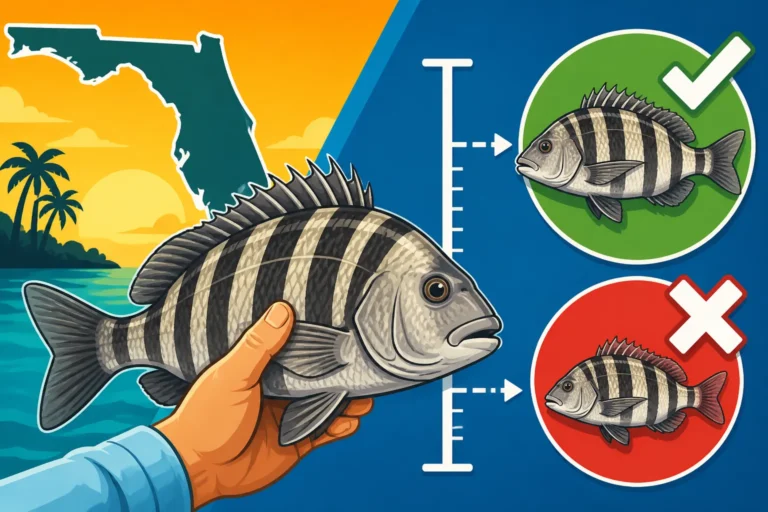
Even when snook season is open, it's not a free-for-all. Florida employs a "slot limit" system for snook, meaning there's a specific size range within which you can legally keep the fish. Snook that are too small or too large must be released. This slot limit protects juvenile fish, allowing them to mature and reproduce, and safeguards the largest, most productive breeding fish, often referred to as "brood stock." Knowing the exact slot limit is crucial because keeping an undersized or oversized snook is just as illegal as keeping one out of season. You can learn all about these specific measurements in our Florida Snook Size and Slot Limits article.
Adding another layer of complexity, Florida is divided into different management zones for snook, specifically along the Gulf and Atlantic coasts. The regulations, including open seasons and slot limits, can sometimes differ between these regions. For instance, a snook season might be open on the Atlantic coast but closed on the Gulf coast, or vice versa, due to different population dynamics or localized environmental issues. This is particularly important for anglers who fish across the state or near the boundaries of these regions. Always double-check which specific zone you are fishing in and refer to the corresponding FWC regulations. Our guide on Florida Snook Season Closures by Region delves into these regional nuances in more detail.
Catch and Release Best Practices for Snook
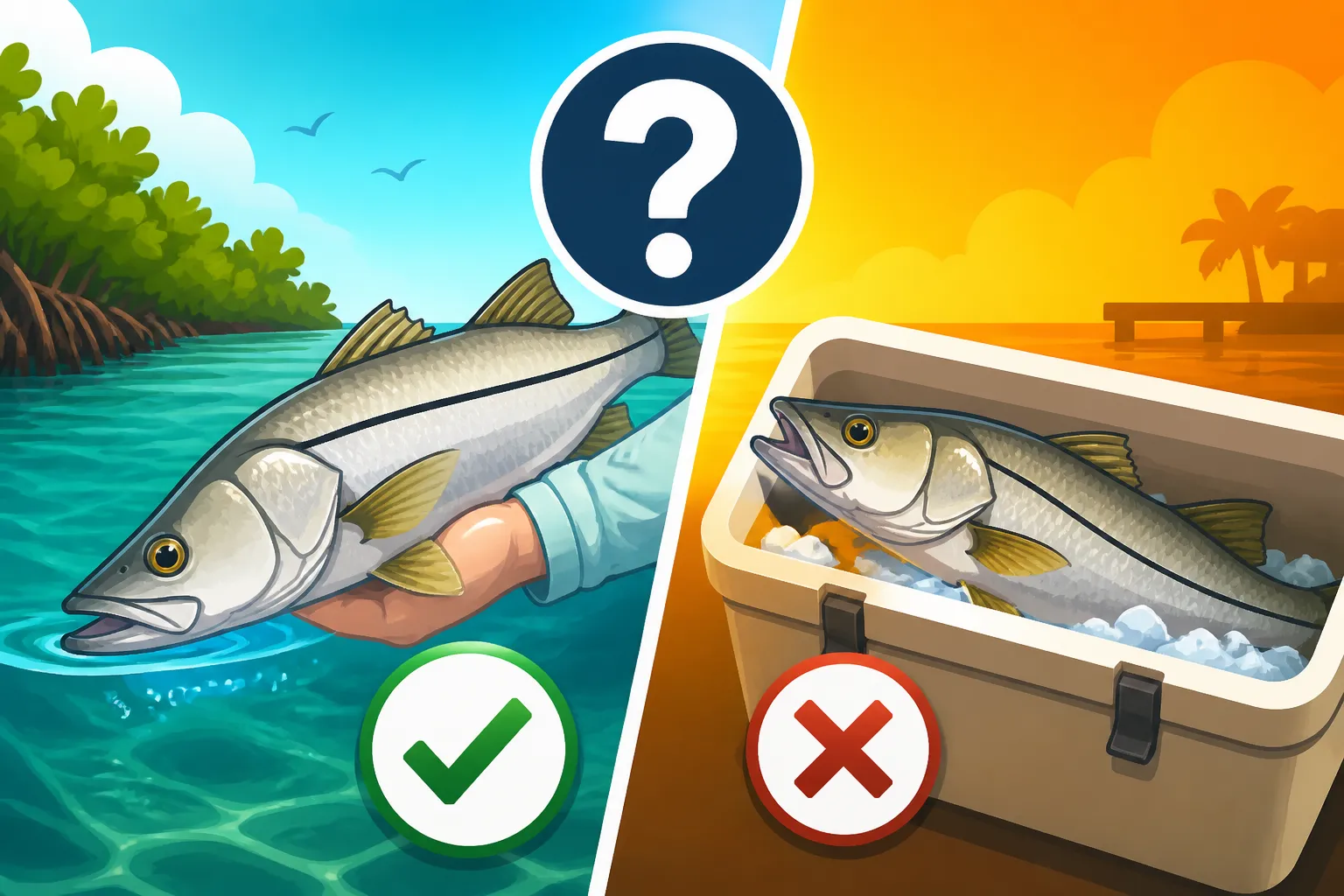
When snook are designated catch and release only, or if you're simply choosing to release them (which many ethical anglers do, regardless of the rules), it's vital to do so in a way that gives the fish the best chance of survival. A poorly handled release can be just as detrimental as keeping the fish.
Handling Snook with Care
Snook are powerful, but they're also delicate, especially after a strenuous fight. The goal of catch and release is to minimize stress and physical harm. First and foremost, try to land the fish as quickly as possible without "horsing" it in, but also without prolonging the fight unnecessarily. Once landed, avoid dragging the fish through sand or gravel, which can remove its protective slime layer. If possible, keep the fish in the water while you remove the hook. If you must bring it aboard, handle it gently with wet hands, supporting its full body weight, especially under the belly. Never hold a large snook vertically by its jaw, as this can dislocate its spine or damage its internal organs.
A good pair of de-hooking pliers or a specialized de-hooker can be invaluable, allowing you to quickly and safely remove hooks with minimal contact. Many anglers keep these tools handy, often sourced from reliable brands on platforms like Amazon, so they're ready for an efficient release. Cut your line if the hook is too deep to remove easily; studies show that leaving a stainless steel hook in place often causes less harm than an aggressive attempt to extract it. Get a photo if you want one, but do it fast and with the fish partly submerged. The quicker you can release the snook, the better its chances of swimming away strong. We have a dedicated article, Catch and Release Best Practices for Snook, that goes into even more detail on this critical topic.
Gear Considerations for Responsible Catch and Release
Your fishing gear plays a significant role in successful catch and release. Using tackle that is too light can prolong the fight, exhausting the snook to the point of no return. While challenging a fish on light tackle can be fun, it's not always responsible when catch and release is the objective or if you plan to release a fish known for its fighting prowess. Ensure your rod and reel setup is appropriate for the size of snook you expect to encounter, allowing you to land them efficiently. This means a strong enough rod and line that won't break prematurely.
Another crucial gear consideration is your hook choice. Circle hooks are highly recommended for snook and many other species, especially when using live or cut bait. Unlike J-hooks, circle hooks are designed to hook fish in the corner of the mouth, significantly reducing the chance of gut-hooking. This makes for a much easier and safer release. You can find a wide variety of quality circle hooks from reputable brands on platforms like Amazon, making it easy to stock up before your next trip. Always crimp down your barbs if you're solely focused on catch and release; it makes hook removal far less traumatic for the fish.
Consequences of Not Following Snook Regulations
It's not just about avoiding a ticket; it's about respecting the resource and understanding the bigger picture. The rules are in place for a reason, and ignoring them can have both personal and environmental repercussions.
Penalties for Illegally Keeping Snook
Ignoring snook regulations, whether intentionally or accidentally, can lead to serious consequences. The FWC takes these rules very seriously because snook are such a prized species and a vital part of Florida's ecosystem. If you are caught illegally possessing a snook—meaning it's out of season, outside the slot limit, or you don't have the proper Florida Saltwater Fishing License Rules and snook permit—you could face significant penalties. These typically start with substantial fines, which can range from hundreds to thousands of dollars depending on the severity of the offense and whether it's a first-time or repeat violation. In some cases, especially for repeat offenders or egregious violations, you could even face misdemeanor charges, potential jail time, and the forfeiture of your fishing gear.
Beyond the immediate legal trouble, a citation can also mean losing your fishing privileges for a period, which is a harsh blow for any avid angler. It's a sobering reminder that ignorance of the law is generally not a valid defense. That's why taking a few minutes to confirm current regulations is so important. Compare it to the potential fines outlined in Penalty for Fishing Without a License in Florida—the costs can quickly add up, turning a relaxing day on the water into a very expensive regret. Don't risk it; know before you go.
Why Snook Conservation Matters
The reason behind all these regulations, the slot limits, the closed seasons, and the emergency catch and release periods, boils down to one critical thing: conservation. Snook are an integral part of Florida's coastal and estuarine ecosystems. They are predators that help maintain a healthy balance in their habitats, and their presence is an indicator of a thriving environment. From an economic perspective, snook are also a huge draw for recreational anglers, supporting a massive tourism and fishing industry that provides jobs and revenue across the state. Without healthy snook populations, both the ecosystem and the economy would suffer.
Every regulation, every catch and release mandate, is a carefully calculated effort to ensure that snook populations remain robust and resilient. They face threats from habitat loss, pollution, red tide, and cold weather events. By adhering to the rules, we, as anglers, play a direct and crucial role in safeguarding their future. When you practice responsible catch and release, or when you respect a closed season, you're not just following a rule; you're actively contributing to the health of Florida's fisheries for your children, your grandchildren, and for the generations of anglers yet to come. It’s a vital investment in the future of what we all love. It's also worth noting that the fees from your fishing license contribute directly to these conservation efforts, as explained in How Florida Fishing License Fees Fund Conservation.
Disclaimer
This article is for general informational purposes only and does not constitute professional advice. Laws, prices and regulations vary by location and change over time. Consult a qualified professional for guidance on your specific situation.