Suwannee River Fishing Guide in North Florida
For anglers venturing into North Florida, the sprawling Suwannee River presents both immense opportunity and unique challenges, often leaving newcomers wondering where to start, what to use, and how to navigate its distinctive dark waters. This comprehensive guide is designed to cut through the confusion, offering seasoned advice and practical tips to help you conquer the Suwannee and create unforgettable fishing memories.
Understanding the Unique Ecosystem of the Suwannee River
The Suwannee River isn't just another waterway; it's a living, breathing natural wonder that flows from the Okefenokee Swamp in Georgia, winds through the heart of North Florida, and eventually empties into the Gulf of Mexico. Its unique characteristics, from its "blackwater" appearance to its fluctuating levels and diverse habitats, play a huge role in how and where fish thrive, and how you should approach your fishing strategy.
The Blackwater Phenomenon and Its Impact
When you first lay eyes on the Suwannee, you'll immediately notice its dark, tea-stained water. This isn't pollution; it's a natural phenomenon resulting from tannins leached from decaying vegetation in the swamps and forests through which the river flows. This "blackwater" effect has several significant implications for fishing. Firstly, it limits light penetration, meaning fish often rely more on their other senses – vibrations, smell, and lateral lines – to hunt. This can influence your lure choices; baits with strong profiles, rattling features, or scent attractants can be particularly effective. Secondly, the dark water provides excellent camouflage for predatory fish, allowing them to ambush prey more easily. This means presenting your bait effectively and quietly is often more important than color selection in many scenarios. Understanding this unique aspect is key to unlocking the river's secrets.
Habitats from Freshwater Springs to Brackish Estuaries
The Suwannee River boasts an incredible diversity of habitats as it journeys across the state. In its upper and middle reaches, you'll find classic freshwater environments, characterized by sandy bottoms, cypress knees, submerged logs, and numerous crystal-clear freshwater springs that feed into the main river. These springs, like Fanning Springs or Manatee Springs, are not only beautiful but also provide cool, oxygenated refuges for fish, especially during the warmer months. As the river nears the Gulf, it transitions into a vast estuary system, where freshwater gradually mixes with saltwater, creating brackish conditions. Here, the landscape changes, with marsh grass, oyster bars, and tidal creeks becoming dominant features. This transition zone is a biological melting pot, attracting both freshwater and saltwater species, offering truly unique fishing opportunities. Knowing which section of the river you're fishing will dictate the species you'll encounter and the techniques you'll need to employ.
Top Fish Species to Target in the Suwannee River
The Suwannee River is a veritable smorgasbord for anglers, offering a fantastic array of fish species that cater to different preferences, whether you're chasing hard-fighting gamefish or simply looking to fill a cooler with delicious table fare.
Largemouth Bass and Suwannee Bass
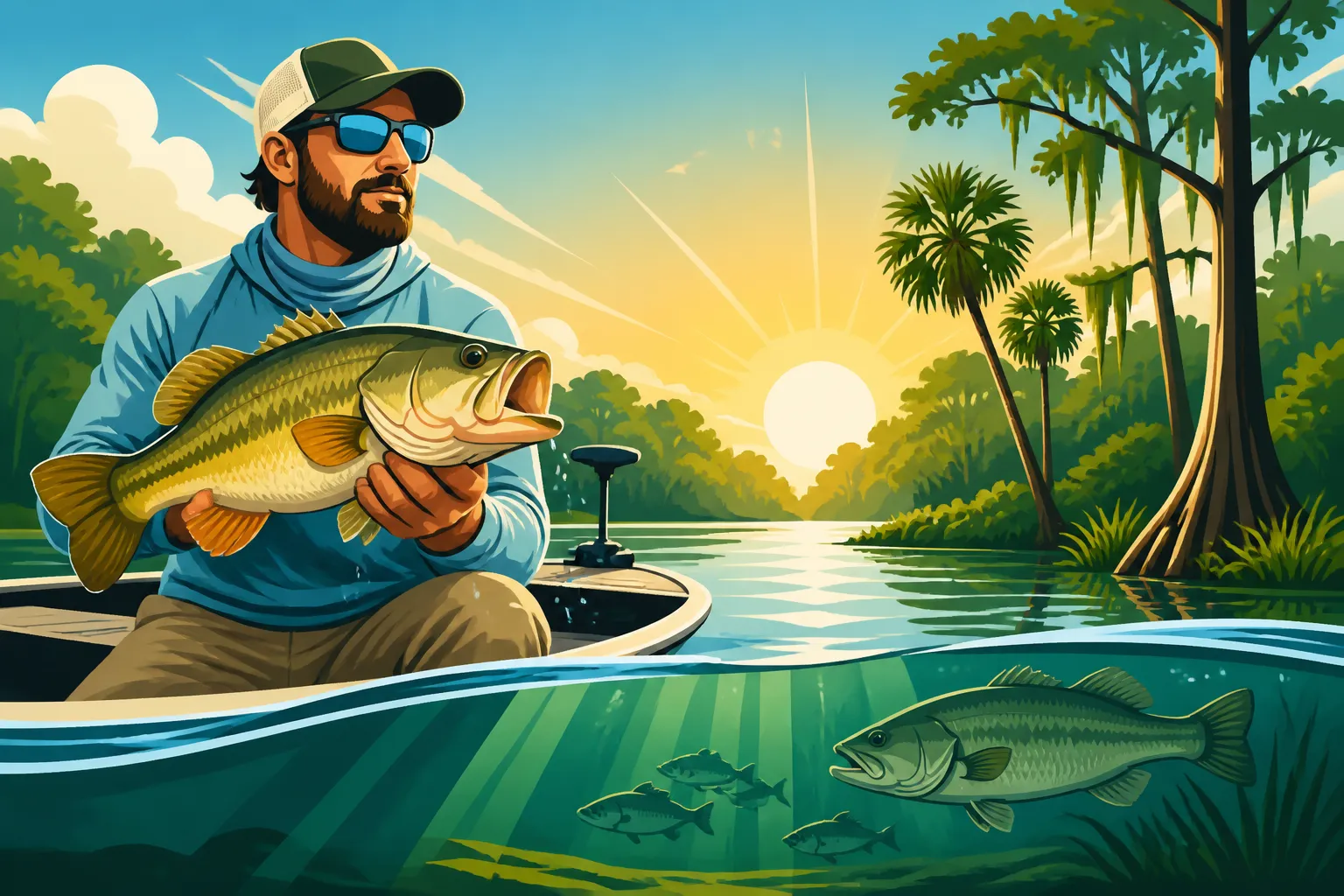
The Suwannee River is synonymous with bass fishing, but it's not just about the standard largemouth. While you'll find plenty of respectable largemouth bass, the river is famously home to the feisty Suwannee bass, a smaller but incredibly aggressive species unique to the Suwannee River system and a few other North Florida drainages. Suwannee bass are known for their powerful strikes and tenacious fights, often punching above their weight class. They typically prefer areas with current, rocky bottoms, and submerged timber, making them a thrilling target for anglers who enjoy a challenge. When targeting either species, remember that the dark water can influence their feeding patterns; sometimes, a slower retrieve or a noisy bait can make all the difference in getting a strike. For more specific details on targeting these fish, check out our Florida Largemouth Bass Fishing Guide.
Catfish and Panfish Opportunities
Beyond bass, the Suwannee River is a renowned destination for catfish and an assortment of panfish. Channel catfish, flathead catfish, and blue catfish can grow to impressive sizes in these fertile waters, offering heavy pulls and excellent eating. Bottom fishing with cut bait, live worms, or stink baits in deeper holes, especially near bends or logjams, is a proven tactic for these whiskered warriors.
For those who enjoy steady action and a tasty meal, the river's panfish population is abundant. Expect to find healthy populations of bluegill, redbreast sunfish, and warmouth. These smaller species are often found in slower-moving pockets, around lily pads, cypress knees, and submerged brush. Light tackle, a small hook, and live worms or crickets are usually all it takes to have a banner day catching panfish. It's a fantastic option for families or anglers looking for consistent bites. If you're keen on panfish, our Florida Bluegill and Bream Fishing Guide offers even more specialized tips.
Migratory Saltwater Species in the Lower River
As the Suwannee approaches the Gulf of Mexico, the brackish estuary opens up a whole new world of angling possibilities. Here, you can encounter a fascinating mix of freshwater and saltwater species, sometimes even on the same trip. Redfish, spotted seatrout, and even snook (during warmer months) will push up into the lower river and its tidal creeks, especially when salinity levels are favorable. These areas offer thrilling sight-fishing opportunities for redfish on the shallow flats or targeting trout and snook around oyster bars and marsh edges. Tarpon are also known to frequent the lower Suwannee during their seasonal migrations, providing a truly epic challenge. This makes the lower Suwannee a unique spot where you might catch a bass and a redfish within casting distance of each other. Knowing how to adapt your tackle and bait to these varied conditions is crucial for success in this transitional zone.
Prime Fishing Spots and Access Points Along the Suwannee
The sheer length and winding nature of the Suwannee River mean there are countless fishing spots, from secluded backwaters to easily accessible boat ramps. Knowing where to launch and what areas generally hold fish can save you a lot of time and boost your success.
Upper and Middle River Hotspots
In the upper and middle sections of the Suwannee, above where the river significantly widens, you'll find excellent freshwater fishing. These areas are characterized by narrower channels, more pronounced current, and abundant natural structure. Look for deep bends, submerged logjams, cypress tree clusters, and the mouths of feeder creeks. These spots provide ambush points and cover for bass, catfish, and panfish. Many of the famous freshwater springs like Fanning Springs State Park, Manatee Springs State Park, and Hart Springs County Park offer public boat ramps and often have good fishing immediately upstream or downstream, particularly where the cooler spring water mixes with the river. Fishing near these spring runs can be especially productive when river temperatures are high. Don't overlook the smaller tributaries and oxbow lakes that branch off the main river; these can be bass havens, especially during periods of high water.
Lower River and Estuary Exploration
As you venture further downstream towards the coast, the river widens, and the influence of the tides becomes much more significant. The lower Suwannee River and its extensive estuary system, particularly around the towns of Suwannee and Cedar Key, are prime targets for those seeking saltwater species. Here, focus your efforts around the intricate network of tidal creeks, expansive grass flats, oyster reefs, and the main river channel itself. The area around the Suwannee River National Wildlife Refuge offers vast stretches of pristine habitat, though access might be more limited to kayaks or smaller boats.
Key areas include the mouth of the river where it meets the Gulf, and the many small islands and bars that dot the estuary. Fishing the outgoing tide can be particularly effective, as baitfish are flushed out of the creeks and into the main channels, creating feeding opportunities for predators. Several public boat ramps and fishing camps are available in the lower river towns, making access relatively easy. If you're looking for an experienced local to show you the ropes, you can often find reputable guides through platforms like FishingBooker that specialize in the lower Suwannee's unique brackish environment.
Navigating the River and Spring Runs
Navigating the Suwannee River requires a bit of local knowledge and caution, especially if you're not familiar with its ever-changing conditions. The river can fluctuate significantly in depth, particularly after heavy rains, leading to submerged hazards like logs and stumps. Always pay close attention to navigation markers and be mindful of your depth finder, especially when exploring new areas or running in shallower water. The spring runs, while often beautiful and clear, can also have very strong currents and rocky bottoms, so approach them with care. When you’re fishing, consider using a trolling motor to quietly work the banks and structure, rather than relying solely on your outboard, which can spook fish. It's always a good idea to consult local charts or talk to bait shop owners for the most current information on river levels and potential hazards before heading out.
Effective Fishing Techniques and Gear for Suwannee Waters
Successfully fishing the Suwannee River demands a versatile approach to techniques and a thoughtful selection of gear. Given the diverse habitats and species, what works in one section might not be ideal in another.
Bass Techniques: Lures, Baits, and Presentation
For largemouth and Suwannee bass, a variety of techniques can be effective. In the darker, tannic waters, baits that create a strong visual profile or vibrations often perform well. Spinnerbaits with large thumping blades, chatterbaits, and dark-colored soft plastics like worms and creature baits rigged Texas-style are excellent choices for working submerged timber, brush piles, and weed lines. Topwater lures, especially frog imitations or buzzbaits, can be incredibly exciting during low light conditions or over matted vegetation.
When targeting Suwannee bass, consider smaller profile crankbaits, jigs, or even ultralight spinning gear with small finesse worms, as they often key in on smaller forage. The key to presentation is often a slow, deliberate retrieve that allows the fish time to locate the bait in the stained water. Remember, bass often hug structure tightly, so accurate casting is paramount. For a deeper dive into bass fishing strategies, check out our Best Lures for Florida Bass Fishing and Best Bait for Bass Fishing in Florida guides.
Catfish and Panfish Strategies
Catfish fishing on the Suwannee is typically a stationary affair. The most common and effective technique is bottom fishing. Use a stout rod and reel combo, a heavy sinker to hold your bait in the current, and a circle hook loaded with cut bait (shad or mullet work well), chicken liver, or live worms. Focus on deeper holes, river bends, and areas with slower currents downstream from logjams. Setting multiple lines (where legal) can increase your chances.
For panfish, light spinning gear or even a simple cane pole will provide plenty of fun. Small hooks (size 6-10) tipped with live worms, crickets, or tiny artificial jigs under a bobber are deadly. Target areas with minimal current, especially around vegetation, cypress knees, and lily pads. These fish are often schooling, so once you find one, you're likely to find more. A gentle presentation and patience are key.
Saltwater Transition Zone Tactics
In the lower, brackish sections of the Suwannee, your techniques will shift to align with saltwater species. For redfish and spotted seatrout, live shrimp, mud minnows, or finger mullet fished under a popping cork or on a simple jig head are highly effective. Soft plastic jerkbaits and paddletails, especially in natural baitfish colors, also excel. When targeting snook, consider larger live baits like mullet or pinfish, or artificial lures that mimic these forage fish, such as lipless crankbaits or larger swimbaits, particularly around structure and current breaks. Fly fishing can also be incredibly productive for redfish and trout on the expansive grass flats. Always be aware of the tides, as they dictate where fish will be positioned and how they feed in the estuary. Many anglers find hiring a local guide through services like FishingBooker invaluable for navigating the tides and knowing the prime spots in this complex ecosystem.
Best Times to Fish the Suwannee River
Timing is everything when it comes to fishing the Suwannee River, with seasonal changes, water levels, and even daily factors like weather and tides playing a crucial role in your success.
Seasonal Fishing Opportunities
The Suwannee River offers year-round fishing, but certain seasons are definitely more productive for specific species.
- Spring (March-May): This is often considered one of the best times to fish the Suwannee. As water temperatures rise, bass become very active, moving to shallower areas to spawn. Panfish also become more aggressive. Migratory saltwater species begin to push further up into the estuary. The weather is generally pleasant, making for comfortable fishing days.
- Summer (June-August): While hot, summer can still be productive, especially during early mornings and late evenings. Bass will retreat to deeper, cooler holes or seek refuge in the spring runs. Catfish thrive in the warmer water and can be caught throughout the day. The lower river saltwater bite remains strong, particularly for redfish and trout. Thunderstorms are common in the afternoons, so plan your trips accordingly.
- Fall (September-November): Another prime season for the Suwannee. As temperatures cool, fish become very active, feeding heavily in preparation for winter. Bass fishing can be phenomenal, and panfish remain cooperative. The saltwater species in the lower river also get very aggressive as they prepare to move out of the river system. This is a favorite time for many local anglers.
- Winter (December-February): Winter fishing can be a bit slower but can produce some of the biggest fish. Bass will hold in deeper, more stable water, and a slow presentation is often key. Catfish remain a viable target. In the lower river, cold fronts can push saltwater species out, but warmer days can still yield good catches in deeper pockets or around structure that retains heat.
For a comprehensive look at the broader fishing calendar in Florida, you might want to consult our Florida Fishing Seasons Explained article.
Water Levels and River Conditions
The Suwannee River's water levels are heavily influenced by rainfall, particularly in its upper basin and the Okefenokee Swamp. Monitoring these levels is critical, as they dictate fish behavior and access.
- High Water: During periods of heavy rain, the river can rise significantly and become very swift and muddy. While challenging, high water can push fish into floodplains, oxbows, and smaller creeks, opening up new fishing grounds. Bass and panfish often move into the newly flooded vegetation. Catfish can also be very active, scavenging for food stirred up by the current. However, navigation can be more difficult due to submerged hazards.
- Normal to Low Water: Stable or lower water levels generally mean clearer water (for the Suwannee) and more predictable fish locations. Fish will concentrate in the main river channel, around prominent structure, and in deeper holes. This is often the best time for sight fishing in clearer spring runs. Access to some smaller tributaries might become restricted, but the main river generally fishes well. Always check local river gauges before heading out for the most up-to-date conditions.
Tides in the Lower Suwannee
For anglers focusing on the lower, brackish section of the Suwannee River, understanding the tides is just as important as knowing the seasonal patterns. The tides push saltwater in and out of the estuary, creating current and influencing fish feeding habits.
- Incoming Tide: As the tide pushes in, it brings cooler, cleaner (or at least less tannic) saltwater into the estuary. This can trigger a bite, particularly for redfish and trout, as baitfish are carried into shallow feeding areas and over oyster bars. Fishing points and creek mouths where the incoming current creates eddies can be very productive.
- Outgoing Tide: The outgoing tide can also be excellent, especially as it drains baitfish out of the shallow marsh grass and into deeper channels. Predators will often stack up at the mouths of creeks and along deeper edges, waiting for an easy meal. This is a classic time to target redfish and trout as they ambush prey.
- Slack Tide: The period around the peak high or low tide, when the water movement is minimal, is often considered the slowest time for fishing in tidal areas. Fish tend to disperse and become less active. However, it can be a good time to work very specific pieces of structure slowly.
Keeping an eye on local tide charts, easily found online or via fishing apps, is non-negotiable for successful fishing in the lower Suwannee.
Regulations and Conservation Efforts
Fishing on the Suwannee River, like all Florida waters, is governed by specific regulations designed to ensure sustainable fish populations for future generations. It’s imperative to be familiar with these rules before you cast a line.
Understanding Florida's Fishing License Requirements
Before you even think about putting a line in the water, you need to make sure you have the correct Florida fishing license. For the majority of the Suwannee River, which is primarily a freshwater system, you'll need a Florida Freshwater Fishing License. However, if you plan to fish in the lower, brackish reaches where saltwater species like redfish and snook are prevalent, you might also need a Florida Saltwater Fishing License, or a combination license that covers both. Children under 16, Florida residents over 65, and certain disabled individuals are often exempt from license requirements, but it's always best to verify your specific situation.
Many people find it easiest to purchase their license online through the Florida Fish and Wildlife Conservation Commission (FWC) GoOutdoorsFlorida website, or in person at bait and tackle shops, Walmart, or county tax collector's offices. Ignorance of the law is no excuse, and wardens patrol these waters to ensure compliance. Not having the proper license can result in fines and a disruption to your fishing trip. You can learn more about who needs a license in our Who Needs a Fishing License in Florida guide.
Species-Specific Bag and Size Limits
Beyond the general license, the FWC sets specific bag limits and size restrictions for various fish species to manage their populations. These regulations can vary for freshwater species like largemouth bass, Suwannee bass, crappie (speckled perch), and panfish, as well as for saltwater species that may be present in the lower river, such as redfish, snook, and spotted seatrout. For instance, bass often have a specific slot limit, meaning fish within a certain size range must be released, while those outside can be kept up to a certain bag limit. Similarly, species like crappie and panfish will have daily bag limits.
It’s crucial to know these rules for the specific species you are targeting. Carrying a copy of the current FWC regulations (available online or in print) or having the Fish Rules app on your phone is highly recommended. These regulations are subject to change, so always check the most current information. Adhering to these limits is vital for maintaining the health of the Suwannee River's diverse fish populations. Our Florida Fishing Regulations and Bag Limits article provides a comprehensive overview.
Conservation and Responsible Angling
The Suwannee River is a precious natural resource, and responsible angling practices are essential for its long-term health. Practice catch-and-release, especially for larger breeding fish, if you don't intend to eat them. Handle fish gently, minimize their time out of water, and use proper de-hooking tools. Always dispose of trash properly; never leave discarded fishing line, plastic bait packaging, or other litter along the banks or in the water.
Participating in conservation goes beyond just following the rules. Many local organizations are dedicated to protecting the Suwannee River's unique ecosystem. Supporting these efforts, reporting poaching or environmental violations to FWC, and educating fellow anglers about responsible practices all contribute to preserving this incredible fishery for generations to come. Your fishing license fees also play a direct role in conservation, helping to fund FWC's efforts to manage and protect Florida's aquatic resources, as highlighted in our guide on How Florida Fishing License Fees Fund Conservation.
Suwannee River Fishing Cheat Sheet
Here's a quick reference table to help you plan your next Suwannee River fishing adventure:
| Section of River | Primary Species Targeted | Best Time of Year | Recommended Baits/Lures | Key Considerations |
|---|---|---|---|---|
| Upper/Middle | Largemouth Bass, Suwannee Bass, Catfish, Panfish | Spring, Fall, Summer (early/late) | Spinnerbaits, Jigs, Worms, Crickets, Cut Bait | Dark water, current, cypress, logjams, spring runs |
| Lower/Estuary | Redfish, Spotted Seatrout, Snook, Tarpon, Catfish | Spring, Fall, Summer | Live Shrimp, Mud Minnows, Soft Plastics, Popping Corks | Tides are crucial, oyster bars, grass flats, marsh |
Disclaimer
Please remember that fishing conditions, regulations, and fish behavior can change rapidly. Always consult the latest Florida Fish and Wildlife Conservation Commission (FWC) regulations before your trip. The information provided in this guide is for general informational purposes only and should not be considered legal advice. Stay safe and enjoy your time on the water!