Why Boca Grande Is Called the Tarpon Capital
Many anglers dream of battling a "Silver King," but few places on earth hold the same legendary status for tarpon fishing as Boca Grande. It's not just a fishing spot; it's a pilgrimage site for those seeking to tangle with these magnificent, acrobatic giants. If you’ve ever wondered what makes this little slice of Southwest Florida the undisputed "Tarpon Capital of the World," you're not alone. It's a reputation earned through a unique combination of geography, history, and the sheer abundance of these incredible fish that converge here, creating an angling experience unlike any other. This guide will take a deep dive into the reasons behind Boca Grande's legendary status and help you understand why it truly lives up to its name.
The Historical Significance and Legacy of Boca Grande Tarpon Fishing
The story of Boca Grande and its tarpon is deeply intertwined, a narrative passed down through generations of anglers and guides. This isn't a new phenomenon; the allure of the Silver King has drawn people to this pristine corner of Florida for well over a century, cementing its place in fishing lore.
Early Angling and the Rise of Tarpon Fishing
Long before high-tech fishing gear and GPS, the abundant tarpon in Boca Grande Pass captivated early sport fishermen. Imagine the scene: wealthy industrialists and adventurous anglers from across the country, arriving by train or boat in the late 19th and early 20th centuries, drawn by whispers of colossal, leaping fish. These were the days when tarpon were often caught and killed, mounted as trophies, a testament to the sheer power and size of these creatures. The town itself grew around the phosphate industry, but the reputation for tarpon fishing quickly became a significant draw, turning it into a seasonal mecca for serious anglers.
Guides, many of them local pioneers with intimate knowledge of the Pass, began to refine techniques, using heavy tackle and strong boats to subdue these formidable fish. Boca Grande became a proving ground for both anglers and equipment, pushing the boundaries of what was thought possible in sportfishing. This rich history, steeped in tales of epic battles and record-breaking catches, laid the foundation for the Pass's enduring fame. Every season brings new stories, but they all echo the grand traditions started by those early pioneers.
Conservation Efforts and Sustaining the Legacy
While early fishing practices often involved keeping tarpon, the sheer numbers and the growing understanding of their importance led to a crucial shift towards conservation. Anglers and local communities recognized that to preserve the "Tarpon Capital" for future generations, the fish needed protection. Today, tarpon in Florida, especially in Boca Grande, are primarily a catch-and-release fishery. This commitment is enshrined in Florida fishing regulations, which mandate that tarpon over 40 inches cannot be removed from the water unless you possess a valid tarpon tag – and even then, it’s highly discouraged and limited to a very small number of fish for state records.
This focus on conservation ensures that the spectacular annual tarpon run continues to thrive. It's a delicate balance, allowing anglers to experience the thrill of the catch while safeguarding the species. Local guides, many of whom have fished the Pass their entire lives, are often the strongest proponents of responsible angling, educating their clients on proper handling and release techniques. This collective effort, from individual anglers to government agencies like the Florida Fish and Wildlife Conservation Commission (FWC), is vital to maintaining Boca Grande's legacy as the world's premier tarpon destination. It's a testament to how a community can come together to protect a natural resource that defines its identity.
The Unique Geography and Conditions Attracting Tarpon
Boca Grande isn't just a pretty spot; its geographical features are tailor-made for attracting and concentrating tarpon, particularly during their spectacular annual migration. The unique underwater landscape acts like a natural magnet, drawing in thousands of fish.
Boca Grande Pass: A Natural Funnel
The undeniable heart of Boca Grande's tarpon phenomenon is Boca Grande Pass itself. This deep, narrow channel serves as the primary gateway between Charlotte Harbor and the Gulf of Mexico. It's the deepest natural pass on Florida's southwest coast, plunging to depths of over 80 feet in some areas. During the spring and early summer, as tarpon migrate northward along Florida's coastline, this Pass becomes a critical bottleneck. Thousands upon thousands of these massive fish, often referred to as the "Florida Tarpon Migration Timing," funnel through this specific choke point, making it incredibly easy for anglers to intercept them.
The strong tidal currents that surge through the Pass are another key factor. These powerful currents create a dynamic environment where baitfish are swept through, attracting hungry tarpon. The swirling water also brings up "hill tides" – periods where dense concentrations of crab larvae (pass crabs) emerge from the depths. When these crabs are present, tarpon gorge themselves, becoming highly active and providing unparalleled fishing opportunities. This natural funneling effect, combined with the rich food source, creates a feeding frenzy that makes the Pass an unrivaled tarpon hotspot.
Ideal Habitat and Food Abundance
Beyond the Pass itself, the surrounding waters of Charlotte Harbor and the Gulf of Mexico offer ideal conditions for tarpon. Charlotte Harbor, one of Florida's largest estuaries, provides vast expanses of shallow flats, mangrove shorelines, and grass beds that serve as crucial nursery grounds and feeding areas for juvenile tarpon and a multitude of baitfish. These areas are brimming with mullet, pilchards, pinfish, and other forage that adult tarpon feast on as they stage for their spawning migrations.
The Gulf waters just offshore also provide diverse habitats, from nearshore reefs to open water, where tarpon can find ample food sources and suitable conditions. This rich ecosystem, a complex web of marine life, ensures that the tarpon arriving at Boca Grande Pass are healthy, numerous, and ready to feed. The combination of a natural migratory highway, abundant food, and varied habitats creates a perfect storm for tarpon, making Boca Grande an ecological marvel and an angler's paradise. Understanding these elements is key to appreciating Boca Grande Pass Tarpon Fishing in Southwest Florida to its fullest.
The Thrill of the Fight: Why Anglers Flock to Boca Grande
It's one thing to have a lot of fish; it's another entirely to have fish that provide such an exhilarating challenge. The tarpon in Boca Grande are not just plentiful; they are legendary for their athleticism, making every hook-up a memory etched in an angler's mind forever.
The Silver King's Legendary Battle
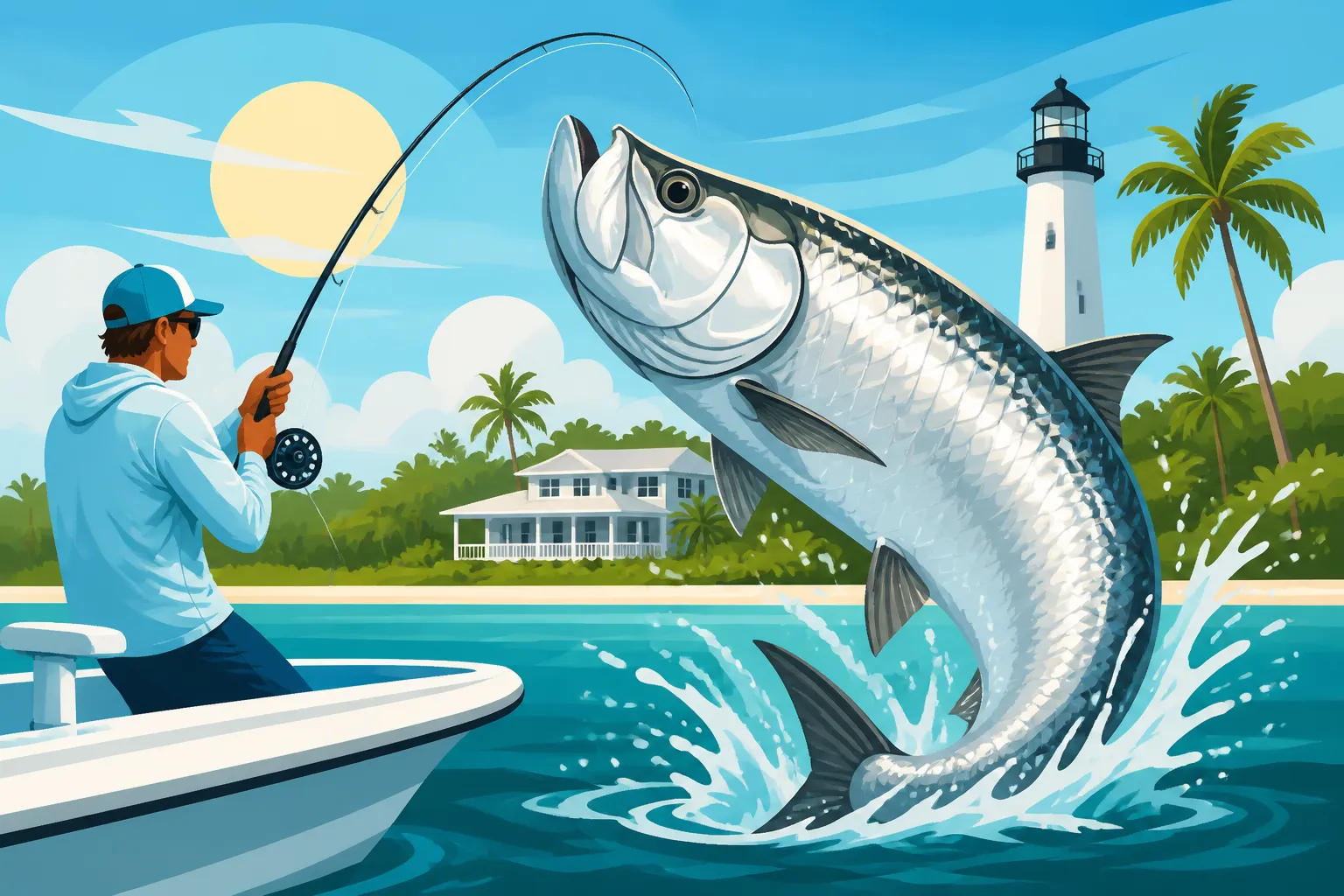
There’s a reason tarpon are called the "Silver King." It’s not just their magnificent, shimmering scales, but their regal demeanor and, most notably, their incredible fighting prowess. When you hook a tarpon in Boca Grande Pass, you’re not just reeling in a fish; you’re entering a gladiatorial contest. These fish are known for their spectacular aerial displays, leaping high out of the water, head-shaking violently in an attempt to throw the hook. It’s an electrifying sight that can leave even the most seasoned angler with trembling hands and a racing heart.
The power of a tarpon is immense. They make blistering runs, stripping line off your reel at an alarming rate, and can dive deep, using the strong currents of the Pass to their advantage. A battle with a large tarpon can last anywhere from 30 minutes to over an hour, testing your endurance, tackle, and resolve. It's this unparalleled challenge, the sheer raw power and acrobatic skill of the fish, that keeps anglers coming back year after year, desperate for another chance to experience the legendary battle. It’s an experience that truly defines Florida Tarpon Fishing Guide.
World-Class Guides and Charter Experiences
Given the unique and often demanding conditions of Boca Grande Pass, having an experienced guide is not just helpful, it's almost essential for a successful tarpon trip. The Pass can be tricky to navigate, with shifting depths and strong currents, and knowing where and when the tarpon are moving is crucial. Boca Grande is home to a cadre of some of the most knowledgeable and professional tarpon guides in the world. Many of these captains have spent decades, even generations, perfecting their craft in these waters.
These guides aren't just boat operators; they are experts in tarpon behavior, tides, bait selection, and the intricate dance of positioning a boat in the Pass. They provide top-of-the-line gear, often rigged specifically for the brute strength of these fish, and share invaluable insights on how to fight a tarpon effectively. Whether you’re looking for a half-day trip or a full-day adventure, securing a spot with a reputable guide through platforms like FishingBooker can make all the difference between a frustrating day and an unforgettable encounter with the Silver King. They understand the nuances of things like What Pound Test Line for Tarpon Fishing? and how to best approach the fish without spooking them.
Here's a quick look at why a guide is so valuable:
| Aspect | DIY Angler (Without Guide) | Guided Trip (With Guide) |
|---|---|---|
| Local Knowledge | Relies on online research, trial, and error | Intimate understanding of tides, fish patterns, spots |
| Boat & Equipment | Must provide own boat, specialized heavy tackle | Guide provides purpose-built boat, high-quality gear |
| Safety in Pass | Navigating strong currents can be dangerous | Expert navigation, safety protocols |
| Tarpon Techniques | Learning curve, potential lost opportunities | Decades of experience, proven methods, coaching |
| Bait Sourcing | Often time-consuming, challenging to find live bait | Guide typically sources fresh, live bait daily |
| Success Rate | Lower, especially for first-timers | Significantly higher due to expertise |
| Conservation | May lack proper catch-and-release techniques | Emphasizes proper fish handling, ethical angling |
Planning Your Boca Grande Tarpon Expedition
Dreaming of a Boca Grande tarpon? Making that dream a reality requires a bit of planning, but the rewards are immeasurable. Knowing when to go and what to expect will set you up for success.
Best Time to Experience the Tarpon Run
The legendary Boca Grande tarpon run typically kicks off in April and can last well into July, with May and June generally considered the peak months. This is when the largest concentrations of migratory tarpon flood into the Pass, eager to feed before moving offshore to spawn. During these months, the Pass becomes a vibrant scene, with dozens of boats expertly drifting and anchoring, all in pursuit of the Silver King.
However, "best" can be subjective. Early in the season (April-early May), the fish might be a bit more scattered, but often larger individuals are present, and boat traffic is slightly less intense. As the season progresses into late May and June, the numbers swell dramatically, leading to the famed "combat fishing" in the Pass, which some anglers absolutely adore for its intense action. Even into July, good fishing can be found, particularly on the deeper edges of the Pass or just outside in the Gulf. Keeping an eye on a "Florida Tarpon Fishing Season Guide" or local reports will help you pinpoint the prime windows. Remember that the Best Month to Catch Tarpon in Florida can vary slightly year to year based on weather and water temperatures.
Essential Gear and Techniques for Success
When targeting Boca Grande tarpon, you need serious tackle. These fish are not to be trifled with, and undergunned equipment will almost certainly lead to heartbreak. A heavy-action spinning rod or conventional setup, spooled with 50-80 pound braided line and a strong fluorocarbon leader (80-100 lb), is standard. The key is durability and power, as you'll be putting immense pressure on your gear. Think big hooks, strong swivels, and a reel with a smooth, powerful drag system.
Techniques in the Pass primarily involve drift fishing with live bait like pass crabs, threadfin herring, or mullet. Anglers often free-line baits or use minimal weight to allow the bait to drift naturally with the current. When the "hill tide" is on, pass crabs are king, and knowing how to present them effectively is critical. Patience is a virtue, as is quick reaction time when a tarpon strikes. Beyond the Pass, sight fishing on the flats with artificial lures or flies can also be productive, but requires a different skill set and specialized gear. Regardless of your chosen method, remember that Catch and Release Best Practices for Snook (which also apply to tarpon) are paramount for the health of these magnificent fish. If you plan to hire a charter, they'll have all the necessary gear, but it's always good to be prepared and knowledgeable. Using services like FishingBooker can help you find guides who specialize in these specific techniques and can provide the best gear.
Disclaimer
The information provided in this guide is for general informational purposes only and should not be considered legal advice regarding fishing regulations. Florida fishing regulations, bag limits, and licensing requirements can change frequently. Always consult the latest rules and regulations published by the Florida Fish and Wildlife Conservation Commission (FWC) or other relevant authorities before engaging in any fishing activities. Fishing responsibly and adhering to all laws is the angler's responsibility.