Best Lures for Florida Bass Fishing
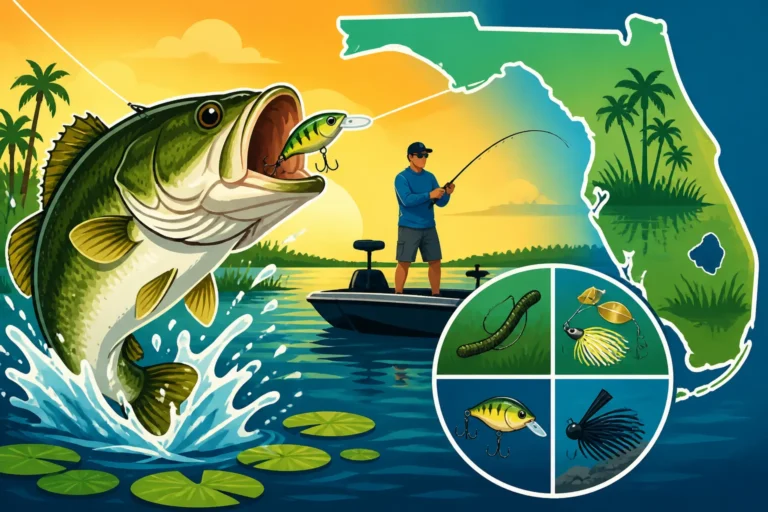
There’s nothing quite like the thrill of a Florida largemouth bass absolutely crushing a topwater lure, or the satisfying thud when a big fish inhales your soft plastic down deep. But let's be real, figuring out the best lures for Florida bass fishing can feel like trying to solve a puzzle in a swamp, especially with our unique habitats and ever-changing weather. This guide is here to cut through the confusion, helping you understand which lures truly shine in the Sunshine State and why, so you can spend less time guessing and more time reeling in those trophy bass.
Understanding Florida Bass Behavior and Habitats
Florida bass are a special breed, often a bit more finicky than their northern cousins due to our distinct environment. They're constantly adapting to our warm waters, abundant vegetation, and frequent weather shifts. To consistently catch them, you really need to get inside their heads and understand what makes them tick in our specific conditions.
Seasonal Patterns and Their Impact on Lure Choice
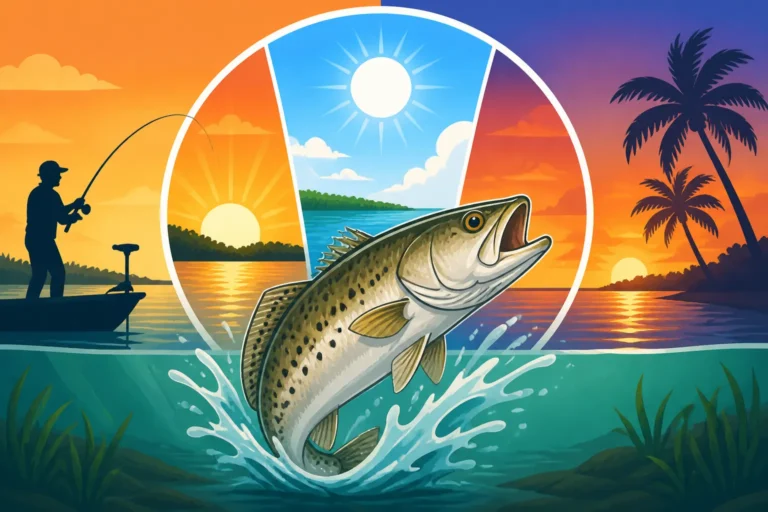
Florida doesn't have the drastic four-season swings of up north, but our bass still follow predictable patterns influenced by water temperature and their spawning cycle. These subtle shifts dictate where the bass will be holding and what they're most likely to strike.
During the cooler months, generally from late fall through early spring, bass often move into shallower areas to feed more actively. The water is clearer, and they're less stressed by heat, making them more receptive to a wider variety of lures. This is prime time for bigger swimbaits, jerkbaits, and even crankbaits fished slowly around grass lines and structure. As temperatures drop further, bass might seek refuge in slightly deeper pockets or dense cover, where a subtle jig or a slowly worked worm can be incredibly effective. Understanding the nuances of Florida's fishing seasons explained is crucial for year-round success.
Then comes the spawn, usually peaking from late winter into early spring, depending on the region and water temps. Bass are shallow, focused on bedding, and can be notoriously difficult to coax into biting. Sometimes, a subtle soft plastic, like a Senko or a creature bait, pitched directly onto a bed, is the only thing that will get a reaction strike. Once the post-spawn hits, bass disperse and are often lethargic, recovering from the rigors of spawning. They might hold on offshore structure or suspend in deeper water, making reaction baits like deep-diving crankbaits or even slower-moving spinnerbaits more effective as they regain their energy.
Florida's Unique Water Conditions and Vegetation
Our waters are often a mosaic of tannic stained areas, clear spring-fed lakes, and heavily vegetated systems. Each of these presents its own set of challenges and opportunities when it comes to lure selection. You'll find yourself fishing everything from thick hydrilla mats and expansive lily pad fields to open water with scattered submerged timber.
In those dense, almost impenetrable mats of hydrilla, primrose, or hyacinths, traditional open-water lures simply won't cut it. This is where weedless presentations truly shine. Think about heavy-duty punching jigs, Texas-rigged creature baits, or weedless frogs. The idea is to get through the cover and into the dark, cool water where big bass often ambush their prey. Conversely, if you're fishing a clearer, less vegetated lake, like some of the pristine spring-fed waters in Central Florida, bass become much more visually oriented. Finesse techniques, natural colors, and subtle presentations with soft plastics or small crankbaits often outperform flashier options. The Florida Largemouth Bass Fishing Guide can give you even more insight into these specific environments.
Even the water clarity itself plays a huge role. Tannic stained water, common in many of our central and north Florida lakes, reduces visibility, forcing bass to rely more on their lateral line and other senses. In these conditions, lures that create vibration or have a bold profile, coupled with brighter or darker contrasting colors, tend to stand out. Think chartreuse, black and blue, or junebug. On the flip side, crystal-clear water demands natural hues like green pumpkin, watermelon red, or even transparent baits, often with less flash or vibration to avoid spooking the fish.
Topwater Lures for Explosive Strikes
There’s absolutely nothing quite as exhilarating as a bass exploding on a topwater lure. It’s a heart-stopping moment that keeps us coming back for more. In Florida, with our often-shallow, vegetated waters, topwater fishing isn’t just a thrill; it’s one of the most effective ways to target aggressive bass.
Frogs and Toads: Navigating Heavy Cover
When you look out at a seemingly impenetrable mat of lily pads, hydrilla, or duckweed, it might seem impossible to fish. But for Florida bass, these dense surfaces are their living rooms, offering shade, ambush points, and protection. This is where weedless frogs and toads become your absolute best friend. They are specifically designed to be worked directly over and through the heaviest cover imaginable without snagging.
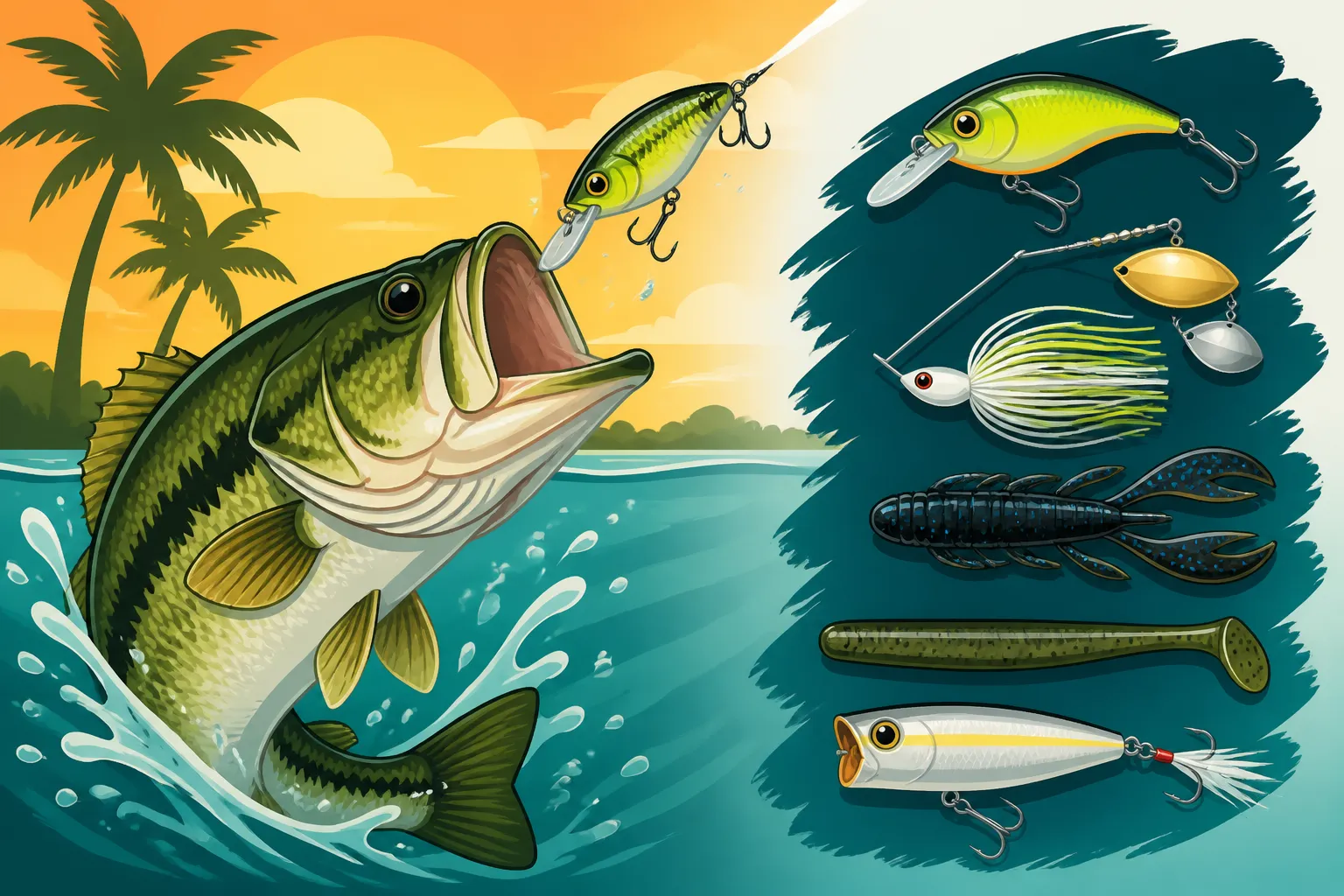
Hollow-body frogs, like the popular Spro Bronzeye Frog or Booyah Pad Crasher, glide across the vegetation, mimicking a frog or small rodent that has fallen into the water. The key is to let them sit after the cast, then twitch and walk them, creating subtle disturbances. When a bass blows up on it, resist the urge to set the hook immediately! Wait until you feel the weight of the fish, often a split second after the initial explosion, or you'll likely pull the lure right out of its mouth. Soft plastic toads, like the Zoom Horny Toad, are also fantastic. They have paddle feet that create a buzzing surface commotion as you retrieve them steadily, making them irresistible to bass hiding beneath the canopy. You can find a huge selection of these on Amazon, often with great deals.
Poppers and Walkers: Open Water and Schooling Bass
While frogs dominate the heavy stuff, poppers and walking baits are the kings of more open water, especially around sparse grass, docks, or when bass are schooling on baitfish. These lures create different types of commotion that draw fish from a distance.
Poppers, with their cupped faces, make a loud "bloop" or "pop" sound when you twitch your rod tip, spitting water and creating a disturbance that mimics a struggling baitfish or insect. They’re excellent for drawing strikes in calm conditions or when bass are feeding aggressively near the surface. The Rebel Pop-R has been a classic for decades, and for good reason. Walkers, on the other hand, require a specific retrieve, a "walk-the-dog" action that makes the lure sashay back and forth across the surface. This rhythmic, gliding motion is incredibly lifelike, mimicking a dying baitfish or even a snake. The Heddon Super Spook or Zara Spook are legendary for this, and when you get that retrieve down, the strikes are absolutely vicious. These are especially effective during the early morning and late evening hours, or on overcast days, when bass are more comfortable feeding on top. For more nuanced advice, check out Topwater Lure Fishing for Snook (even though it's snook, the principles of topwater presentation are similar).
Subsurface Lures for All Depths
Sometimes, bass just aren't looking up. Whether it's bright sun, cold fronts, or simply their mood, you need something that gets down into their strike zone. Subsurface lures are incredibly versatile, allowing you to cover water and probe different depths where bass might be holding.
Spinnerbaits and Chatterbaits: Versatility in Stained Water
In Florida, we often encounter stained or murky water, especially after heavy rains or in some of our larger, more tannic lakes. This is where spinnerbaits and chatterbaits really shine. They're designed to create a ton of flash and vibration, helping bass find them even when visibility is low.
Spinnerbaits, with their rotating blades (Colorado, Willow Leaf, or Indiana styles), send out strong vibrations and flash as they move through the water. This combination is a powerful attractant for bass. They're incredibly versatile; you can burn them just under the surface, slow roll them along the bottom, or even "yo-yo" them around structure. The War Eagle Finesse Spinnerbait or Strike King KVD Spinnerbait are popular choices. Combine them with a soft plastic trailer for added bulk and action. When fishing around emergent vegetation, a compact spinnerbait can often be worked through effectively. This is a great lure for covering water quickly, searching for active fish, and is a staple in any serious bass angler's tackle box. If you're looking for How to Fish a Spinnerbait for Bass, it's all about varying your retrieve until you find what the fish want.
Chatterbaits, or bladed jigs, are a relatively newer but equally effective lure, especially in those stained water conditions. They feature a unique hex-shaped blade attached to the jig head that causes the bait to violently shake and vibrate, creating a truly irresistible action. This erratic movement mimics a fleeing baitfish and can trigger aggressive reaction strikes. Brands like Z-Man's Original ChatterBait have become synonymous with this lure type. They excel when retrieved steadily along grass lines, over submerged hydrilla, or around docks. A soft plastic swimbait or grub as a trailer adds to the profile and action. The constant vibration makes them easy for bass to locate, even in low light or turbid water, often out-producing spinnerbaits when bass are aggressive but not willing to chase a fast-moving bait.
Crankbaits: Covering Water and Reaching Depth
Crankbaits are fantastic for covering a lot of water quickly and targeting bass at specific depths. They come in a dizzying array of shapes, sizes, and diving capabilities, each designed for a particular scenario. Florida bass often relate to depth changes, submerged vegetation, or hard bottom, making crankbaits an essential tool.
Shallow-diving crankbaits, with their smaller bills, run just a few feet deep and are perfect for fishing over grass flats, around docks, or near sparse cover. Medium-diving crankbaits are your workhorses for targeting depths from 5 to 12 feet, excellent for ledges, humps, or scattered hydrilla. Then you have the deep-diving monsters, designed to get down to 20 feet or more, perfect for probing offshore structure or deep holes in lakes like Lake Okeechobee or Lake Toho Fishing Guide in Central Florida. The key with crankbaits is to "deflect" them off cover – bumping them into logs, rocks, or grass often triggers a reaction strike as the lure suddenly changes direction. Brands like Strike King, Rapala, and Norman Lures offer a wide range of crankbaits for various depths and conditions. Choosing the right crankbait for the depth you’re fishing is critical, as is matching the color to the local forage and water clarity.
Jerkbaits: Mimicking Wounded Baitfish
Jerkbaits are phenomenal for mimicking a wounded or dying baitfish, a meal that no opportunistic bass can resist. They are especially effective in cooler water or when bass are suspended and a slower, more deliberate presentation is needed.
The action of a jerkbait is imparted by the angler through a series of sharp jerks of the rod tip, followed by pauses. During these pauses, the lure suspends or slowly floats/sinks, giving bass ample time to eye it up before committing. The erratic darting motion during the jerks looks exactly like a panicked baitfish. In clearer Florida waters, especially around sparse grass or transition areas, jerkbaits can be deadly. The Lucky Craft Pointer and Megabass Vision Oneten are highly regarded, though many more affordable options from brands like Rapala are also very effective. Experiment with the length of your pauses; sometimes a longer pause is what it takes to trigger a strike from a hesitant bass. These lures can be particularly potent when fishing around submerged hydrilla edges or over deeper humps where bass are holding.
Soft Plastics: The Unsung Heroes of Bass Fishing
If there's one category of lure that consistently produces bass in Florida, it's soft plastics. Their versatility, lifelike action, and ability to be presented in countless ways make them indispensable. From finesse techniques to heavy cover punching, soft plastics cover all the bases.
Worms and Senkos: Finesse and Subtle Presentations
Plastic worms have been catching bass for decades, and their effectiveness hasn't waned. From straight-tail worms to ribbon-tail varieties, they offer a subtle, natural presentation that bass find hard to resist, especially when they're lethargic or pressured. Texas-rigging a worm, with the hook point embedded in the plastic to make it weedless, is a classic Florida technique for fishing around grass, stumps, and brush piles. The Zoom Trick Worm and Culprit Original Worm are timeless choices.
The Senko-style worm, originally popularized by Gary Yamamoto, revolutionized bass fishing with its unique fall rate and subtle action. When wacky-rigged (hooked through the middle) or Texas-rigged, a Senko slowly sinks with a captivating shimmy, often drawing strikes on the fall. There’s something about that slow, tantalizing descent that bass just can’t ignore. This lure is incredibly effective in open pockets of hydrilla, around docks, or when bass are cruising sparse cover. The key is to let the lure do the work; often, less angler input means more bites. Many anglers swear by the natural colors like green pumpkin, watermelon, or black and blue for our Florida waters. If you're struggling to get bites, a slowly worked soft plastic worm is often the answer.
Creature Baits and Flukes: Imitating Forage
Florida bass feed on a wide variety of prey, from crawfish and lizards to small fish and even frogs. Creature baits and flukes are designed to mimic this diverse forage, offering unique profiles and actions that can entice strikes when more traditional baits fail.
Creature baits, like the Zoom Brush Hog or Reaction Innovations Sweet Beaver, have multiple appendages that flap and undulate as they move through the water, creating a lifelike, crawfish-like or bug-like appearance. They're excellent for Texas-rigging, Carolina-rigging, or even pitching into heavy cover as a jig trailer. Their bulk and erratic action can trigger aggressive strikes from larger bass looking for a substantial meal. They're particularly good when bass are feeding on crawfish around rocky areas or dense vegetation edges. You can often find multi-packs of these versatile baits on Amazon.
Flukes, like the Zoom Super Fluke, are soft plastic jerkbaits without the hard body and treble hooks. They have a split tail that gives them an incredibly realistic darting and gliding action when twitched on a weightless hook. They perfectly imitate a dying or panicked baitfish, making them deadly in clear water, over grass, or when bass are schooling. They're also highly versatile; you can fish them weightless for a slow, erratic fall, or add a small weighted hook to get them deeper. The "flash" and subtle shimmer of a fluke as it darts through the water can be irresistible. They excel when bass are keying in on small shad or shiners.
Swimbaits: Realistic Imitations for Larger Bass
When bass are looking for a bigger meal, especially in clearer water or when targeting trophy fish, soft plastic swimbaits are a phenomenal choice. These lures are designed to be incredibly lifelike, mimicking baitfish with their realistic profiles and swimming actions.
Paddle-tail swimbaits, like the Keitech Swing Impact FAT or Strike King Rage Swimmer, have a thumping tail that creates strong vibration and a realistic swimming motion. They can be rigged on a jig head for open water, a weighted swimbait hook for weedless presentations over grass, or even used as a trailer on a spinnerbait or chatterbait. Their versatility makes them a staple. Larger, jointed swimbaits offer an even more realistic profile and seductive S-curve swimming action, often reserved for targeting true giants. These can be expensive but are worth it when you're specifically hunting for a personal best. Swimbait fishing requires patience and confidence, as it's often a "big bait, big fish" approach. The beauty of them is that their action is so natural, even a slow, steady retrieve can be incredibly effective.
Specialty Lures for Challenging Scenarios
Sometimes, the standard lures just don't cut it. When you're faced with extremely dense cover, deep structure, or highly pressured fish, you need to pull out the specialty baits designed for those tough situations.
Jigs: Punching Through Mats and Targeting Structure
Jigs are arguably one of the most versatile and effective bass lures ever created, and they are absolutely deadly in Florida. They can imitate a crawfish, a baitfish, or even a bluegill, making them a consistent producer.
Flipping and punching jigs are built to penetrate the thickest vegetation Florida has to offer. With heavy heads (often 3/4 oz to 1.5 oz), stout weed guards, and compact profiles, they literally "punch" through dense mats of hydrilla, hyacinths, or pennywort, getting down into the dark, cool water where big bass often hide. Once through, they fall quickly, and a small hop or twitch is often all it takes to trigger a strike. A soft plastic craw or creature bait trailer adds bulk and action. This technique is physically demanding but incredibly rewarding, often producing some of the biggest bass in the lake. The Best Bass Fishing Hot Spots on Lake Okeechobee, Florida are prime territory for this technique.
Football jigs and swim jigs are for different scenarios. Football jigs, with their wide heads, are designed to crawl and bounce over rocky bottoms, mimicking a crawfish. They’re excellent for deeper structure or hard-bottom areas. Swim jigs, on the other hand, are designed to be retrieved through the water, often over sparse grass or around docks, with a swimming action that mimics a baitfish. They typically have a more streamlined head and are often paired with a paddle-tail swimbait trailer. Both are incredibly effective, allowing you to adapt to the specific type of structure or cover you're fishing. Choosing the right weight and color is crucial, often based on water depth, clarity, and the type of forage present.
Bladed Jigs: The Chatterbait's Edgier Cousin
While we touched on chatterbaits earlier, it's worth diving a little deeper into bladed jigs as a distinct, specialized category. While the original ChatterBait by Z-Man is a classic, the innovation in bladed jigs has exploded, offering subtle differences that can be key on a tough day. These are not just for stained water; they can be incredibly effective in a variety of conditions, especially when bass are aggressive and feeding.
The unique metal blade attached to the jig head creates an intense, erratic vibration and shimmy that bass absolutely key in on. It's often described as having the flash of a spinnerbait, the vibration of a crankbait, and the weedless nature of a jig. This combination is a powerful fish attractor. Brands like Jackhammer Chatterbaits have taken the bladed jig to new levels of refinement, offering superior components and actions. They excel when ripped through submerged grass, paralleled along seawalls, or fished around brush piles. The beauty of a bladed jig is its ability to imitate a fleeing baitfish so effectively that bass often strike purely out of aggression. Experiment with different retrieve speeds and pauses; sometimes a sudden change in speed is all it takes to provoke a strike. Don't forget to pair it with a good soft plastic trailer – a paddle-tail swimbait or a craw can significantly enhance its action and profile.
Matching Lures to Conditions and Locations
Choosing the right lure isn’t just about having a tackle box full of options; it’s about knowing when and where to use each one. Florida’s diverse fishing environments demand a thoughtful approach to lure selection, as what works in a clear spring-fed river likely won’t be as effective in a mucky retention pond.
Clear Water vs. Stained Water Strategies
Water clarity is one of the biggest factors in determining lure choice. In crystal-clear water, bass are more visually oriented, meaning they can see your lure from a distance and are more likely to inspect it closely. This calls for lures with natural colors, realistic profiles, and subtle actions.
For clear water, think about finesse. Weightless Senkos in green pumpkin or watermelon red, natural-colored jerkbaits, small crankbaits that mimic local baitfish, or clear/translucent swimbaits are often the ticket. Less flash, more realism. If you're fishing a clear-water lake like those around the St. Johns River system, you might also find success with light line and smaller diameter baits. On the other hand, stained or murky water, common in many areas, means bass rely more on vibration and sound to locate their prey. This is where you want to use lures that create a lot of commotion. Bladed jigs, spinnerbaits with large Colorado blades, noisy topwater poppers, and dark-colored soft plastics (like black and blue or junebug) are excellent choices. Brighter colors like chartreuse or fire tiger can also stand out well. The principle here is to make your lure easy for the bass to find in low visibility. The Best Lure Color for Murky Water in Florida is definitely something to deep dive into.
Shallow Grass vs. Deep Structure Approaches
Florida is famous for its extensive shallow grass flats, whether they're hydrilla, eelgrass, or lily pads. These areas are bass magnets, but they require specific lure choices to navigate effectively.
For shallow grass, weedless lures are paramount. Topwater frogs and toads fished directly over the mats, Texas-rigged worms and creature baits pitched into pockets, or bladed jigs ripped through submerged hydrilla are all prime options. You want lures that either float over the top, or that can be pulled through without snagging. Often, a weedless jig with a heavy weight is necessary to punch through the thickest stuff. When bass are actively feeding in these areas, don't be afraid to make some noise; a walking bait or popping frog can call them in.
However, bass don't always stay shallow. They'll relate to deeper structure like ledges, humps, timber, or shell beds, especially during periods of high sun, cold fronts, or post-spawn. This is where deep-diving crankbaits, football jigs, Carolina-rigged worms, or heavy spoons come into play. You need to get your lure down to where the fish are holding and present it effectively. Using electronics to locate these deeper structures is incredibly helpful. For instance, on a big lake like Lake Okeechobee Fishing Guide, knowing how to fish those offshore humps and channels can make all the difference. When dealing with How Hot Weather Affects Summer Fishing in Florida, bass often move to deeper, cooler water, making these deeper presentations crucial.
Here's a quick reference table to help guide your choices:
| Condition/Location | Recommended Lure Types | Example Baits | Why it Works |
|---|---|---|---|
| Heavy Matted Vegetation | Hollow-Body Frogs, Soft Plastic Toads, Flipping Jigs, Texas-Rigged Creature Baits | Spro Bronzeye, Zoom Horny Toad, Strike King Tour Grade Jig | Weedless design prevents snagging; penetrates cover; creates commotion on top. |
| Open Water / Schooling | Walking Baits, Poppers, Jerkbaits, Swimbaits | Heddon Super Spook, Rebel Pop-R, Lucky Craft Pointer | Mimics baitfish; draws attention from a distance; erratic action triggers strikes. |
| Stained / Murky Water | Spinnerbaits, Bladed Jigs, Dark/Bright Soft Plastics, Noisy Topwater | War Eagle Spinnerbait, Z-Man ChatterBait, Zoom Super Hog | High vibration & flash for visibility; bold profile; strong colors stand out. |
| Clear Water / Finesse | Weightless Senkos, Flukes, Small Crankbaits, Natural Soft Plastics | Gary Yamamoto Senko, Zoom Super Fluke, Rapala Shad Rap | Natural presentation; subtle action; realistic colors for visually oriented bass. |
| Shallow Grass Lines | Bladed Jigs, Swim Jigs, Shallow Crankbaits, Texas-Rigged Worms | Jackhammer Chatterbait, Strike King Swim Jig, Rapala DT6 | Moves through grass effectively; creates vibration; triggers reaction strikes along edges. |
| Deep Structure / Offshore | Deep-Diving Crankbaits, Football Jigs, Carolina-Rigged Worms, Heavy Spoons | Strike King 6XD, Jewel Bait Company Football Jig, Zoom Ol' Monster | Reaches desired depth; mimics crawfish/baitfish on bottom; effective for suspended fish. |
| Cooler Water | Jerkbaits (suspending), Slow-Rolled Spinnerbaits, Jigs, Wacky-Rigged Senkos | Megabass Vision Oneten, Z-Man ChatterBait, V&M Pacemaker Jig | Slower presentation; suspends in strike zone; subtle action entices less active fish. |
Essential Tips for Lure Presentation and Retrieval
Having the right lures is only half the battle. How you present them, and how you work them through the water, often makes the difference between a great day and a frustrating one. Bass are finicky, and their mood can change by the hour, so being adaptable is key.
Reading the Water and Adjusting Your Approach
One of the biggest mistakes anglers make is sticking to one retrieve or one lure when the fish aren't biting. Florida bass are masters of adaptation, and you need to be too. Start by "reading the water" – observe factors like water clarity, temperature, wind, current, and the presence of baitfish or cover. Is the sun high and bright? Bass might be tucked deep in shade or heavy cover. Overcast and breezy? They might be more active and chasing bait.
If you’re not getting bites, don't be afraid to change things up. Vary your retrieve speed: sometimes a slow, steady pull is best, other times a fast, erratic retrieve is needed to trigger a reaction. Experiment with pauses; a short pause can be enough, but sometimes a longer, more dramatic pause is what it takes for a bass to commit. If a certain depth isn't producing, try going shallower or deeper. If a bright color isn't working in stained water, maybe switch to a darker, more silhouetted option. Even subtle changes, like adding a scent to your soft plastics or changing the size of your jig trailer, can make a significant impact. This constant observation and adjustment are at the heart of effective bass fishing. This skill is critical for Florida Bass Fishing Techniques of all kinds.
Experimentation and Confidence in Your Lure Choice
While there are tried-and-true lures and techniques, bass fishing is also about experimentation. Don't be afraid to try something unconventional, especially on tough days. Maybe a topwater on a windy day, or a brightly colored worm in clear water. Sometimes, a completely unexpected presentation is what it takes to crack the code.
Crucially, you need to have confidence in the lure you're throwing. If you're constantly second-guessing your choice, you won't fish it effectively. When you believe in your bait, you'll naturally give it better action, maintain better focus, and be more alert for subtle bites. This confidence comes from understanding why you've chosen that particular lure for the conditions, and from experience. Don't be afraid to spend time practicing your retrieve with a new lure until you feel proficient. Watching how the lure behaves in the water next to your boat can be incredibly helpful. And remember, sometimes the "best lure" is simply the one you have the most faith in. If you're looking for best bait for bass fishing in Florida, always consider soft plastics, as they offer endless possibilities for confident presentations.
Disclaimer
Fishing conditions and regulations in Florida can change frequently. Always consult the latest Florida Fish and Wildlife Conservation Commission (FWC) guidelines before heading out on the water. This article is intended for informational purposes only and does not constitute official legal advice or endorsement of specific products. Always prioritize safety and responsible angling practices.