Florida Largemouth Bass Fishing Guide
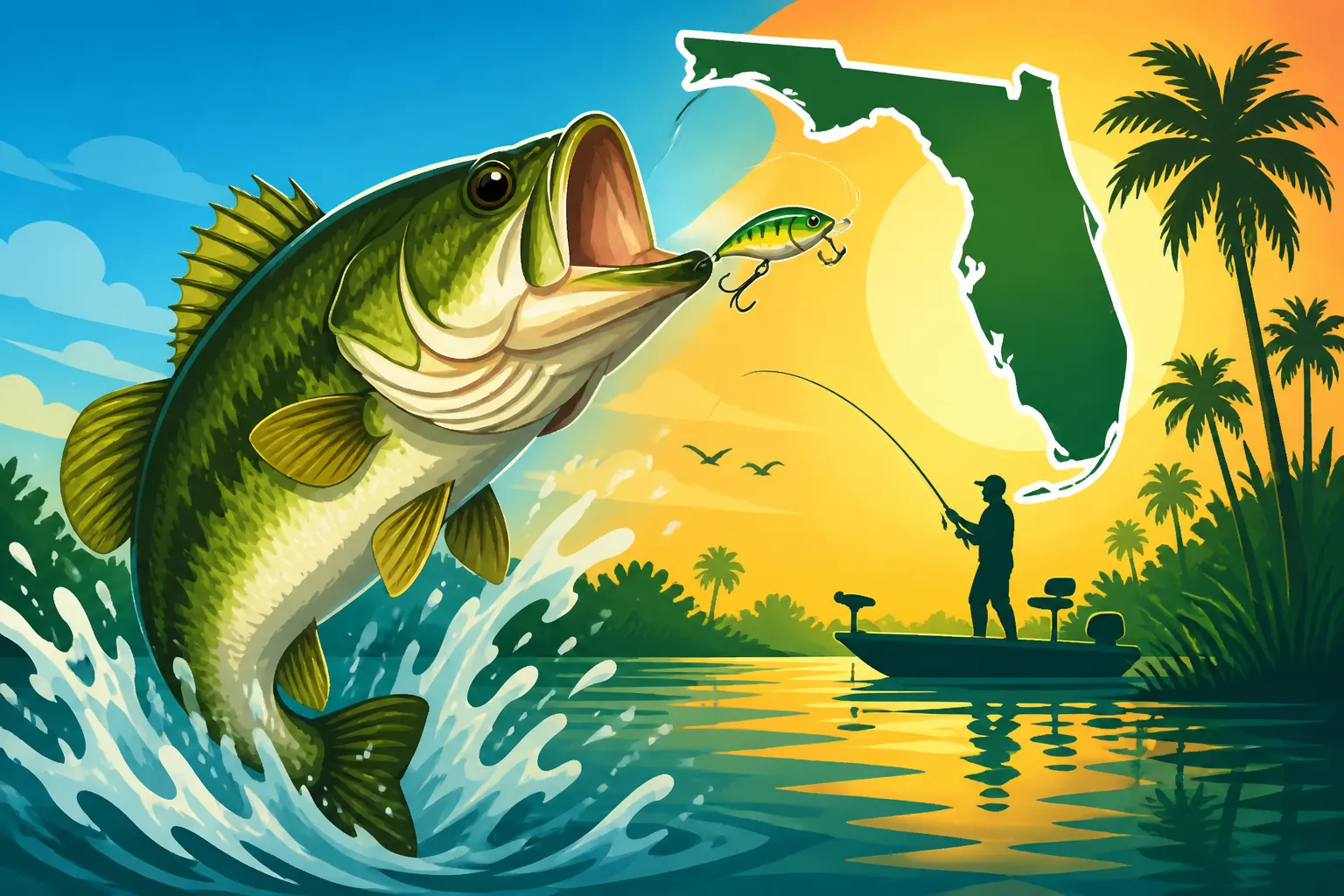
Ah, Florida largemouth bass! There’s just something about that explosive strike and the fight of a trophy bass in the Sunshine State that hooks anglers for life. But let’s be real, it’s not always a walk in the park. Frustration can quickly set in when the bite isn’t on, or you’re unsure where to even begin in our vast and diverse waters. This comprehensive guide is here to unravel the mysteries of Florida largemouth bass fishing, helping you understand their unique behaviors, master effective techniques, and pinpoint the best spots to find them.
Understanding Florida's Largemouth Bass
When we talk about largemouth bass in Florida, we're not just talking about any bass. We're talking about a special subspecies, often revered by anglers worldwide for its incredible growth potential and aggressive nature. They are truly an iconic part of Florida's freshwater ecosystem, drawing countless fishing enthusiasts to our lakes, rivers, and even canals. Understanding what sets them apart and how they behave is the first step to consistent success.
What Makes Florida Bass Unique?
Florida largemouth bass, scientifically known as Micropterus salmoides floridanus, are a distinct subspecies of largemouth bass. What truly distinguishes them is their genetic predisposition for larger size and faster growth rates compared to their Northern counterparts. This isn't just angler folklore; it's a scientific fact that makes Florida a bucket-list destination for anyone dreaming of catching a true giant. Imagine the thrill of hooking into a bass that could potentially be a personal best, or even a state record! This genetic advantage, combined with Florida’s year-round warm climate and abundant forage, creates an environment where these fish can thrive and reach impressive dimensions.
Their longer growing season means they put on weight and length much more consistently throughout the year. While Northern bass might have a shorter feeding window before winter sets in, Florida bass are practically always in prime growing conditions, only slowing down during the coolest parts of our mild winters. This translates to more opportunities for them to bulk up on shiners, shad, and other baitfish, leading to those legendary heavy weights that make headlines in fishing magazines. The sheer excitement of battling a powerful, thick-bodied Florida bass is an experience every freshwater angler should have.
Furthermore, Florida bass tend to be a bit more elusive and strategic in their feeding patterns. They've adapted to a diverse range of habitats, from gin-clear spring-fed rivers to tannin-stained marshlands, developing acute senses and cunning hunting strategies. They can be found hiding deep within thick hydrilla beds, lurking under lily pads, or cruising open water, always on the lookout for an easy meal. Their adaptability is remarkable, making them a fascinating target that constantly challenges even the most experienced anglers to think outside the box.
Common Habitats and Behaviors
Florida's largemouth bass are incredibly adaptable creatures, which means you can find them in a variety of freshwater environments across the state. From vast, shallow lakes like Okeechobee to slow-moving rivers such as the St. Johns, and even the extensive network of urban canals, bass have made themselves at home. They prefer areas with plenty of cover, which provides both ambush points for hunting prey and protection from predators. Think dense submerged vegetation like hydrilla, coontail, and eelgrass, fallen trees, brush piles, lily pads, and docks. These structures offer a diverse menu of smaller fish, crawfish, and insects, while also shielding bass from the intense Florida sun.
Their behavior, much like any other fish, is heavily influenced by factors like water temperature, time of year, and availability of food. During the spring spawning season, typically from late winter through early spring when water temperatures range from the mid-60s to low 70s Fahrenheit, bass move into shallower waters to build and guard their nests. This is often a highly anticipated time for anglers, as the fish are more visible and aggressive. Post-spawn, they might move to slightly deeper edges or transition areas, recovering from the arduous spawning process before resuming their more typical feeding patterns.
In the warmer months of summer, when water temperatures can soar, bass often seek refuge in deeper, cooler water or dense, shaded cover during the hottest parts of the day. They might become more active during the cooler hours of dawn and dusk, or even at night. During these periods, they’re still feeding, but perhaps with less frenetic energy, making slow presentations crucial. As fall arrives and water temperatures begin to drop, bass become incredibly active, feeding aggressively to build up reserves for the cooler winter months. This can be an amazing time for topwater action and chasing schools of baitfish. During the mild Florida winter, their metabolism slows, and they tend to congregate in deeper pockets, canals, or areas with warmer water, requiring a more subtle approach from anglers. Understanding these seasonal shifts is key to consistently locating and catching these magnificent fish.
Essential Gear for Florida Bass Fishing
Alright, let's talk gear! You wouldn't try to build a house with a butter knife, right? The same goes for bass fishing in Florida. Having the right tools for the job can make all the difference between a frustrating day of missed bites and a triumphant outing with a cooler full of memories (or at least some epic catch-and-release stories!). Florida bass fishing can be demanding, from thick vegetation to open water, so your tackle needs to be up to the task.
Rods, Reels, and Line Choices
When it comes to selecting your rod and reel setup for Florida largemouth bass, versatility and power are key. Many serious bass anglers carry multiple setups, each tailored for specific techniques. For general-purpose bass fishing, a medium-heavy to heavy power rod, typically 6'6" to 7'6" in length, is a great starting point. The longer rods (7' to 7'6") excel at longer casts, handling bigger baits, and leverage for pulling fish out of thick cover, while shorter rods offer more precision for pitching and flipping in tight spots.
For reels, you'll generally choose between baitcasting and spinning setups. Baitcasting reels are favored by many experienced bass anglers for their precision casting with heavier lures and superior power when fighting big fish, especially around heavy vegetation. A gear ratio around 7.1:1 or 8.1:1 is excellent for quickly retrieving lines and getting fish out of cover. Match your baitcasting reel with a medium-heavy to heavy power baitcasting rod. Spinning reels, on the other hand, are fantastic for lighter lures, finesse techniques, and are often more user-friendly for beginners. A 2500-4000 series spinning reel paired with a medium to medium-heavy power spinning rod (usually 6'6" to 7'2") provides a sensitive setup perfect for detecting subtle bites.
Now, let's talk line. This is where many anglers make crucial mistakes. For heavy cover fishing with baitcasters, braided line is often the top choice due to its incredible strength, zero stretch, and abrasion resistance. A 30 to 65-pound test braided line can cut through hydrilla like butter, giving you the upper hand when a big bass tries to bury itself. Many anglers will tie a fluorocarbon leader (15-25 pound test) to their braid, as fluorocarbon is nearly invisible underwater and offers good abrasion resistance. For spinning setups and finesse techniques, 6 to 12-pound test fluorocarbon or monofilament is common. Fluorocarbon offers excellent sensitivity and low visibility, while monofilament provides good knot strength and a bit of stretch, which can be forgiving. Remember, the type of line you choose dramatically impacts your presentation and ability to land a fish, so select wisely based on your target environment and chosen lure.
Tackle Box Staples
A well-stocked tackle box is an angler's treasure chest, and for Florida largemouth bass, you'll want some specific gems. Beyond just lures, consider the foundational elements that make your fishing trip successful. Hooks, for instance, are paramount. You’ll need a variety of sizes and styles: worm hooks (EWG, straight shank) from 3/0 to 5/0 for soft plastics, treble hooks for crankbaits, and stout, weedless hooks for frogs and flipping jigs. Don’t skimp on quality here; sharp, strong hooks are non-negotiable for penetrating a bass’s bony mouth.
Weights are another critical component. Bullet weights (lead or tungsten) from 1/8 oz to 1 oz are essential for Texas rigging soft plastics, helping your bait penetrate cover and sink quickly. Tungsten weights are more expensive but offer superior sensitivity, allowing you to feel every bump and scrape on the bottom. Split shots and drop shot weights are also handy for finesse techniques. Don't forget swivels to prevent line twist, and snaps if you're frequently changing lures (though many prefer a direct knot to a lure for better action and strength).
Finally, a few accessories can save your day. A good pair of pliers or braid scissors is crucial for cutting line and removing hooks safely. A small first-aid kit, especially for hook accidents, is a smart addition. You might also want a scale and measuring tape to document your catches, especially if you’re into trophy hunting. And for those moments when you realize you're missing something crucial, a quick stop at an outdoor retailer or even a browse on Amazon can get you geared up. Sometimes, just having a few extra packs of your favorite soft plastic or a spare spool of line can turn a potential disaster into a minor hiccup.
Top Techniques for Catching Florida Largemouth Bass
Fishing for Florida largemouth bass isn't a one-size-fits-all endeavor. The diverse habitats and ever-changing conditions demand a variety of techniques in your angling arsenal. What works brilliantly in a clear, open lake might be completely useless in a dense, lily-pad choked canal. Mastering a range of approaches not only makes you a more versatile angler but significantly increases your chances of success, no matter what the bass are doing or where they're hiding.
Finesse Fishing in Clear Waters
When you're fishing clear waters, especially those with less vegetation or when bass are pressured and wary, finesse techniques are your best friend. These methods involve lighter lines, smaller baits, and subtle presentations designed to mimic natural forage without spooking cautious fish. One of the most popular finesse baits is the Senko or similar stick bait, often fished weightless or with a small bullet weight (Wacky or Texas rigged). The slow, wobbly fall of a Senko is irresistible to bass, and its simplicity makes it effective even for beginners. Cast it near cover, let it sink slowly on a slack line, and watch for any twitch or jump in your line – that's often a bite.
Another incredibly effective finesse technique is the drop shot. This involves tying a hook directly to your main line (often with a Palomar knot), leaving a tag end that you then attach a weight to. This setup keeps your soft plastic bait suspended off the bottom, making it highly visible to bass and allowing you to impart subtle action with rod tip twitches without moving the weight. Small worms, creature baits, or minnow imitations are excellent on a drop shot. It’s particularly deadly when bass are suspended over structure or holding tight to bottom contours.
Shaky head jigs are another finesse staple. These are small jig heads with a worm hook, often paired with a straight-tail worm. The jig head allows the worm to stand up off the bottom, mimicking a feeding baitfish or a crawfish. Cast it out, let it sink, and slowly "shake" your rod tip to make the worm quiver enticingly. This technique is fantastic for probing rocky bottoms, points, and even sparse vegetation. The key to all finesse fishing is patience, observation, and trusting your feel for the subtle movements of your line and rod tip. These methods require a lighter touch and a keen eye, but the reward of outsmarting a wary bass is incredibly satisfying.
Power Fishing in Heavy Cover
Now, let's talk about the exact opposite approach: power fishing. This is where you bring out the big guns to extract bass from the densest, nastiest cover Florida waters have to offer. We’re talking about thick hydrilla, dense lily pad fields, matted grass, and submerged timber. When bass bury themselves in these areas, you need a heavy-duty setup to get your bait in and, more importantly, get the fish out. Flipping and pitching are the cornerstone techniques here, allowing for precise, quiet presentations into tight spots without spooking the fish.
Flipping involves a short, underhand swing, using the rod tip to propel the bait a short distance, usually within 20 feet of the boat. Pitching is similar but with a slightly longer cast, often achieved by swinging the bait like a pendulum. Both require a heavy-action baitcasting rod (7'6" to 8'0"), a fast retrieve baitcasting reel (8.1:1 or higher), and heavy braided line (50-65 lb test). The goal is to drop your bait vertically into small pockets in the cover or right up against a snag. Jigs, creature baits, and big worms with heavy tungsten weights are the go-to choices for these presentations. The heavy weight helps the bait penetrate the thick cover quickly, reaching the bass hiding below.
Once your bait is in the water, let it sink to the bottom, then gently lift and drop it, feeling for any subtle resistance or "thump." When a bass bites in this heavy cover, it’s often an immediate, aggressive strike. You need to react quickly with a powerful hookset and then immediately start reeling, pulling the fish out of the cover before it can wrap your line around a snag. This aggressive approach is not for the faint of heart, but the adrenaline rush of yanking a trophy bass from a seemingly impenetrable jungle of vegetation is unparalleled. It truly embodies the raw power and excitement of Florida bass fishing.
Topwater Action
Ah, topwater! Is there anything more exhilarating in bass fishing than watching a largemouth blow up on your lure? Topwater fishing is all about mimicking distressed baitfish, frogs, or insects struggling on the surface, enticing aggressive strikes that are often visual and heart-stopping. This technique is particularly effective during low-light conditions – early mornings, late evenings, and overcast days – or when bass are actively feeding on surface prey. The warmer months, especially spring and fall, often provide the best topwater bite in Florida.
There's a wide array of topwater lures, each designed to create a different commotion and appeal. Hollow-body frogs are absolute staples for fishing over heavy vegetation like lily pads and matted grass. They’re virtually weedless, allowing you to cast them right into the thickest cover where other lures would snag. Twitch them, pause them, walk them across the pads, and be ready for an explosive strike from below. The key with frog fishing is often patience; wait until you feel the fish or your line moving before setting the hook, as bass frequently just "eat" the bait rather than immediately swallowing it.
Poppers and chuggers, characterized by their cupped faces, create a "pop" and splash when twitched, mimicking a struggling baitfish. They are excellent for open water, around docks, or along sparse weed lines. Walking baits, like Heddon Super Spooks or similar designs, require a rhythmic "walk-the-dog" retrieve, making the lure zigzag enticingly across the surface. This retrieve imitates a wounded baitfish darting frantically. Other options include prop baits, which churn water with small propellers, and buzzbaits, which create a noisy, gurgling commotion. The beauty of topwater is not just the visual thrill but also the incredible effectiveness of these lures in coaxing a reaction strike from even finicky bass. It's a truly iconic way to fish for bass in Florida.
Best Baits and Lures for Florida Bass
Having the right bait or lure is like speaking the bass's language. Florida bass can be finicky one day and aggressive the next, and what they prefer can change with the season, water clarity, or even time of day. A well-rounded approach means understanding when to reach for live bait versus when to tie on an artificial lure, and having a good selection of both.
Live Bait Advantages
While artificial lures offer the thrill of matching wits with a fish, there’s no denying the raw effectiveness of live bait, especially for those seeking trophy-sized Florida largemouth bass. Live bait appeals to a bass’s primal instincts through natural scent, movement, and vibration, making it incredibly hard for them to resist. For many local anglers, wild shiners are the undisputed king of live baits for big bass. Their size, natural habitat, and frantic swimming action are a perfect match for what large bass are looking for.
Fishing with live shiners typically involves a fairly simple setup: a large shiner hooked through the nose or back, suspended under a bobber or free-lined near cover. The key is to let the shiner do the work, swimming naturally and enticing bass to strike. This method requires patience, as you're waiting for a fish to find your bait, but the bites are often ferocious. You can present shiners around lily pads, along hydrilla edges, near fallen trees, or over deeper humps and ledges. The beauty of shiner fishing is that it often weeds out smaller fish, directly targeting those bigger, more cautious bass.
Other live baits can also be effective. Large nightcrawlers or jumbo redworms can tempt bass, especially in cooler water or when fish are less aggressive. Smaller minnows or shad can be good for quantity over size, attracting a wider range of bass. Regardless of the type, the advantage of live bait lies in its natural appeal – it smells, moves, and feels like real food. This can be particularly useful on tough fishing days or when you’re specifically targeting that once-in-a-lifetime lunker. Just be sure to check local regulations on bait collection and use.
Artificial Lure Arsenal
For most dedicated bass anglers, the artificial lure arsenal is where the true artistry and strategy of fishing shine. The sheer variety of lures available means you can imitate virtually any type of prey item and provoke a strike in any condition. Developing a go-to selection of artificials is crucial for consistent success. Soft plastics are undoubtedly a cornerstone of any Florida bass angler's tackle box. Worms, creature baits, flukes, and Senko-style baits can be rigged in countless ways (Texas rig, Carolina rig, Wacky rig, shaky head) to fish different depths and types of cover. Their versatility and natural feel make them incredibly effective year-round. Brands like Strike King and Zoom offer a wide range of colors and styles perfect for Florida's waters, and you can often find great bulk deals on Amazon for these essential baits.
Crankbaits are another must-have. These hard-bodied lures come in various shapes and sizes, designed to dive to specific depths. Square bill crankbaits excel at deflecting off shallow cover like stumps and rocks, often triggering violent reaction strikes. Medium and deep-diving crankbaits are perfect for targeting bass holding on offshore structure or along deep weed lines. The vibrating, wobbling action of a crankbait can cover a lot of water quickly and provoke aggressive fish. Picking the right color to match the local baitfish (shad, bream, crawfish) is often key to success.
Spinnerbaits and chatterbaits (bladed jigs) are excellent search baits, especially in stained water or around sparse vegetation. Their flash, vibration, and erratic action are great for calling bass from a distance. Spinnerbaits feature one or more spinning blades that create flash and thumping vibration, while chatterbaits combine a jig with a vibrating metal blade that produces a unique, high-frequency wobble. Both are fantastic for covering water, especially when bass are actively feeding or scattered. Having a selection of these artificial lures, ready to deploy depending on the conditions, allows you to adapt to whatever the Florida bass are telling you they want. Finding reputable tackle from brands like Z-Man or Booyah can often involve checking reviews and deals online, with Amazon often being a convenient source for a vast selection.
Prime Fishing Seasons and Conditions
Florida's unique climate means that bass fishing can be a year-round affair, but the peak seasons and best conditions for catching them definitely shift. Understanding these patterns is like having a secret roadmap to where the bass are and what they're willing to bite. It's not just about showing up with a rod and reel; it's about anticipating their movements and moods.
Spring Spawning Excitement
Spring is arguably the most anticipated and exciting season for Florida largemouth bass fishing. This is the spawning period, typically kicking off in late winter and extending through early spring, generally when water temperatures consistently hold in the mid-60s to low 70s Fahrenheit. The exact timing can vary regionally and depend on specific weather patterns, but as soon as those first consistent warm fronts roll through, you can bet the bass are thinking about procreation. This period is often divided into three key phases: pre-spawn, spawn, and post-spawn.
During the pre-spawn, bass are actively feeding to bulk up for the energy-intensive process of spawning. They move from deeper wintering grounds to staging areas near shallower spawning flats, often congregating along creek channels, points, and grass lines. This is a fantastic time for throwing reaction baits like crankbaits, spinnerbaits, and even larger swimbaits, as bass are aggressive and looking for substantial meals. They’re fat, feisty, and willing to chase. Locating these staging areas is crucial, as you can often find multiple big fish grouped together.
When the water temperatures hit the prime range, bass move onto the actual spawning beds, usually in shallow, hard-bottomed areas protected from strong currents and wind. This is when sight fishing becomes a popular and effective technique. Anglers search for circular depressions (beds) on the bottom, often surrounded by sparse vegetation. You can spot both male and female bass on or near these beds, and they become highly territorial, aggressively protecting their eggs. Flipping and pitching soft plastics like creature baits, worms, or jigs directly onto the bed can often provoke a defensive strike. Remember, while sight fishing can be thrilling, ethical angling dictates minimizing disturbance to ensure successful spawning. Finally, during the post-spawn, bass are recuperating from spawning, often moving to nearby deeper cover or transition areas. They might be a bit lethargic initially but will soon resume feeding, though perhaps less aggressively than pre-spawn. Slower presentations with soft plastics or small crankbaits can be very effective during this recovery period.
Summer Heat and Deep Water Tactics
Florida summers are famous for their intense heat, and largemouth bass react accordingly. As water temperatures climb into the upper 80s and even low 90s, bass metabolism slows down, and they seek refuge from the scorching sun and warmer surface waters. This doesn't mean fishing shuts down, but it does require a significant adjustment in your approach. Early mornings and late evenings, or even night fishing, become prime time as water temperatures are at their coolest and bass are more comfortable moving and feeding.
During the daytime, bass will generally retreat to deeper, cooler water. This means focusing your efforts on offshore structures like humps, ledges, creek channels, and submerged timber. Deep-diving crankbaits, heavy jigs, and Carolina-rigged soft plastics are excellent choices for probing these deeper zones. Look for areas where there’s a thermocline (a distinct temperature layer) or abundant oxygen, as bass will often stack up there. Another key strategy is to target the densest, shadiest cover imaginable in shallower waters. Think thick, matted hydrilla, dense lily pad fields, or the deep shade under docks and overhanging trees. Bass will seek sanctuary in these spots, and you’ll need to employ heavy flipping and pitching setups to get your bait into their living rooms.
Fishing during summer often means slowing down your retrieve and focusing on precise presentations. Bass might not be as willing to chase a fast-moving bait, but a tempting jig or a slow-falling worm dropped right on their nose can still trigger a strike. Keep an eye on your electronics for schools of baitfish, as bass will often be nearby, following their food source into deeper, cooler havens. Hydration is also incredibly important for anglers in the summer heat, so be sure to bring plenty of water!
Fall Feeding Frenzy
Fall in Florida brings a welcome reprieve from the summer heat and, for bass anglers, it signals one of the most exciting times to be on the water. As water temperatures begin to cool, bass become incredibly active, sensing the approach of cooler weather and entering a major feeding phase. This is often referred to as the "fall feeding frenzy," as bass aggressively pursue baitfish to build up fat reserves for the winter. This means they are often easier to locate and more willing to strike a wider variety of lures.
During the fall, bass will frequently be found chasing schools of baitfish, such as shad or shiners, in open water, along main lake points, or near creek channel bends. Keep an eye out for schooling activity on the surface, where bass can be seen crashing bait, creating a visible commotion. This is a fantastic time for throwing topwater lures, spinnerbaits, crankbaits, and swimbaits that imitate the size and profile of the baitfish in the area. The bass are often less finicky and more focused on quantity.
As the season progresses and temperatures continue to drop, bass may move into shallower bays and pockets that hold baitfish, or they might relate more to secondary points and structure leading into deeper areas. Don’t overlook areas with healthy vegetation, as these still provide excellent ambush points. The key takeaway for fall is aggression – bass are eating, and they're looking for an easy, substantial meal. This is a prime time to experiment with faster retrieves and cover a lot of water to find those active schools of fish.
Winter Slow Down and Cold Fronts
While Florida's winters are mild compared to many other states, they still bring cooler temperatures and, occasionally, sharp cold fronts. These conditions significantly impact largemouth bass behavior, often leading to a "slow down" in their activity. When a strong cold front passes through, bringing with it dropping temperatures and clear, high-pressure skies, bass can become sluggish and reluctant to bite. They'll often move from shallow feeding areas to deeper, more stable environments where water temperatures are less volatile.
During winter, focus on deeper areas such as creek channels, deep bends in rivers, ledges, and drop-offs. Bass will congregate in these deeper holes, often stacking up tightly together. Slow, subtle presentations are key. Think jigs, shaky heads, or slow-dragged Carolina rigs with soft plastics. You’ll want to work your bait extremely slowly, almost painstakingly, allowing the bass plenty of time to inspect and eventually commit to a strike. Sometimes, simply letting your bait sit motionless on the bottom for an extended period can be the trigger.
Another important winter strategy is to identify areas that warm up quickly during sunny days, even if only by a few degrees. North-facing banks, dark bottom areas, or sheltered coves can absorb more sunlight and offer slightly warmer water, drawing in bass for short feeding windows. On these days, a slow-rolled spinnerbait or a suspended jerkbait can sometimes elicit a reaction strike. Understanding that bass are conserving energy in winter means you need to present your bait right in front of them, make it easy to eat, and be incredibly patient. The bites will often be light, feeling more like a subtle "tick" or added weight on your line rather than a violent strike, so pay close attention.
Top Fishing Spots for Largemouth Bass in Florida
Florida is a bass fishing paradise, truly, with an embarrassment of riches when it comes to freshwater opportunities. From world-famous trophy lakes to quiet neighborhood ponds, there’s a spot for every angler. Knowing where to go is half the battle, especially when you're dreaming of that giant Florida largemouth.
Famous Lakes and Rivers
When you think of trophy largemouth bass fishing in Florida, certain names immediately come to mind. These are the legendary waters that have produced countless giants and continue to draw anglers from around the globe. Topping the list is undoubtedly Lake Okeechobee Fishing Guide. Known affectionately as "The Big O," this massive, shallow lake in south-central Florida is a vast ecosystem teeming with bass. Its extensive hydrilla beds, cattail lines, and numerous points and islands provide endless cover. Anglers often target the grass lines, flipping and pitching jigs and soft plastics, or throwing spinnerbaits and crankbaits across open water. Early mornings often yield incredible topwater action in the calmer areas.
Another powerhouse is the Kissimmee Chain of Lakes, including Lake Kissimmee Fishing Guide in Central Florida and Lake Toho Fishing Guide in Central Florida. These lakes are celebrated for their incredible bass populations and potential for true trophy fish. Lake Toho, in particular, has hosted numerous professional bass tournaments and is known for its healthy hydrilla, lily pads, and cypress trees. Fishing here often involves a mix of flipping heavy cover, throwing crankbaits along grass edges, and working topwater lures over sparse vegetation. The St. Johns River, a unique north-flowing river system, also offers exceptional bass fishing, especially in its various lakes and oxbows like Lake George and Lake Monroe. Its rich tannin-stained waters hold plenty of largemouth, often targeted with spinnerbaits, worms, and jigs along structure and bends.
These major water bodies offer diverse fishing experiences, from wide-open runs to tight, secluded pockets. They are well-equipped with public boat ramps and often have guide services readily available for those looking for local expertise. The sheer size and productivity of these lakes mean that while they can be challenging due to their vastness, the reward of a truly enormous Florida bass makes every cast worth it. Understanding the seasonal patterns on these specific lakes, which can be found in more detail in resources like Best Time of Year to Fish Lake Okeechobee or Best Bass Spots on the Kissimmee River, is crucial for maximizing your chances.
Lesser-Known Gems and Local Ponds
While the big, famous lakes often steal the spotlight, Florida is absolutely dotted with countless lesser-known gems and local ponds that offer fantastic largemouth bass fishing, often with less pressure. These can range from smaller public lakes managed by the Florida Fish and Wildlife Conservation Commission (FWC) to community retention ponds, golf course ponds, and even roadside canals. Don't underestimate these spots; they can hold surprisingly large bass, especially those that receive consistent forage and minimal pressure.
Many cities and counties across Florida have public access ponds and small lakes that are stocked and maintained. These often feature easy bank access, making them perfect for anglers without boats, or for those looking for a quick, convenient fishing trip. You can often find productive fishing using simpler techniques like Texas-rigged worms, wacky-rigged Senkos, or small spinnerbaits. These smaller bodies of water often warm up faster in spring and cool down slower in fall, influencing bass activity. A good resource for finding these local spots is the FWC's "Fish Local" program or simply exploring local parks.
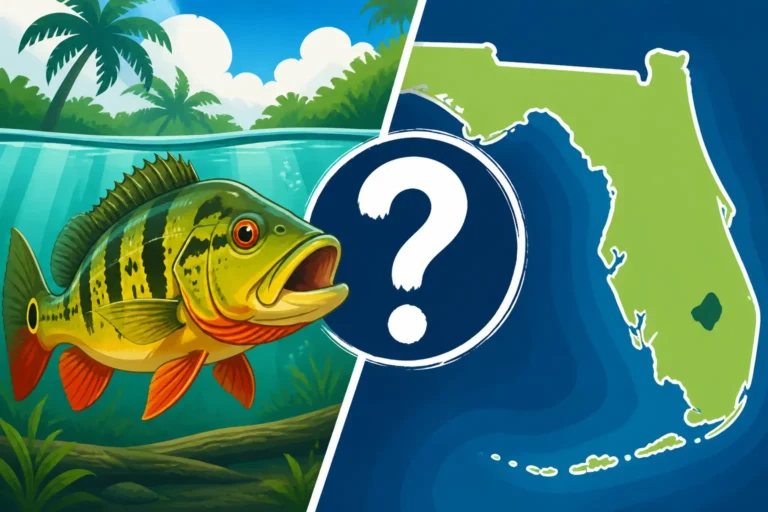
The extensive canal systems, particularly in South Florida, are another fantastic "hidden" resource. These canals, often connected to larger lakes or rivers, provide miles of accessible bank fishing and excellent opportunities for bass, including the invasive but incredibly fun-to-catch peacock bass. Flipping jigs, throwing soft plastics, or even small crankbaits along seawalls, culverts, and bridge pilings can be very productive. Remember that even in these smaller, more accessible spots, bass still relate to cover. Look for docks, fallen trees, brush, or any irregularities that break up the uniform bottom or bank. Don't be afraid to pull over and check out a promising-looking canal or pond; you might just discover your new favorite honey hole, proving that you don't always need a guide or a fancy boat to find great fishing. Best Canals for Fishing in South Florida can be a great starting point for exploring these often-overlooked fishing grounds.
Conservation and Responsible Angling
Florida's incredible bass fisheries are a precious resource, and it’s up to all of us, as anglers, to ensure they remain healthy and vibrant for future generations. Responsible angling isn't just about following the rules; it's about adopting practices that minimize our impact and contribute positively to the ecosystem. Every time we head out, we have the opportunity to be stewards of these amazing waters.
Catch and Release Best Practices
While keeping a few bass for the dinner table is perfectly fine within legal limits, many dedicated bass anglers practice catch and release, especially for larger, trophy-sized fish. These larger fish are often the most prolific breeders and contribute significantly to the health of the population. Proper catch and release techniques are vital to ensure the fish you release have the best chance of survival.
First and foremost, minimize the time the fish spends out of the water. Bass cannot breathe air, and prolonged exposure can cause severe stress and damage. Have your camera ready if you plan to take a photo, and get that shot quickly. When handling the fish, wet your hands before touching it. Dry hands can remove the protective slime coat, leaving the fish vulnerable to disease. Support the fish horizontally, especially larger bass, by holding the lower lip with a thumb grip and supporting the belly with your other hand. Avoid holding a heavy fish vertically by the lip alone, as this can damage its jaw and internal organs.
Use appropriate tools for hook removal. Long-nosed pliers or a de-hooking tool can help you quickly and safely remove hooks, especially treble hooks that might be deeply embedded. If a fish is deeply hooked and removing the hook would cause excessive damage, it's often better to cut the line as close to the hook as possible; the hook will usually rust out over time. Finally, when releasing the fish, gently place it back into the water, head first, and hold it upright until it regains its strength and can swim away on its own. Sometimes gently moving it back and forth to force water over its gills can help. These simple practices, similar to Catch and Release Best Practices for Snook, make a huge difference in the survival rate of released fish and help maintain a thriving bass fishery.
Understanding Regulations and Contributing to Conservation
Being a responsible angler means being knowledgeable about and adhering to all fishing regulations. These rules are put in place by the Florida Fish and Wildlife Conservation Commission (FWC) to manage fish populations, prevent overfishing, and ensure sustainable angling opportunities. For largemouth bass, this includes understanding daily bag limits, which specify the maximum number of fish you can keep in a 24-hour period, and minimum size limits. Sometimes, there are even slot limits, where only fish within a certain size range can be kept, protecting both juvenile and trophy-sized breeding fish. Always consult the most current FWC regulations booklet or their website before heading out, as rules can change. For instance, knowing specific rules for your species and region is just as important as knowing about the general Florida Fishing License Guide.
Beyond just following the rules, anglers can actively contribute to conservation efforts. One of the most direct ways is through the purchase of a Florida fishing license. The fees collected from fishing licenses directly fund crucial conservation programs, habitat restoration projects, fish stocking initiatives, and research that benefits the very fish we love to catch. It's a small investment that yields massive returns for the environment and future fishing opportunities. How Florida Fishing License Fees Fund Conservation explains this in more detail.
Additionally, consider participating in citizen science programs, such as reporting tagged fish, or taking part in local conservation initiatives like lake clean-ups or habitat improvement projects. Spreading awareness about responsible angling practices among fellow fishermen and women is also a powerful way to foster a culture of conservation. Every action, big or small, helps ensure that Florida's largemouth bass population continues to thrive, providing endless enjoyment for anglers and a healthy ecosystem for all. Remember, the future of our incredible bass fishing truly lies in our collective hands.
Disclaimer
This article is for general informational purposes only and does not constitute professional advice. Laws, prices and regulations vary by location and change over time. Consult a qualified professional for guidance on your specific situation.