Best Spots Near St. Augustine for Seatrout
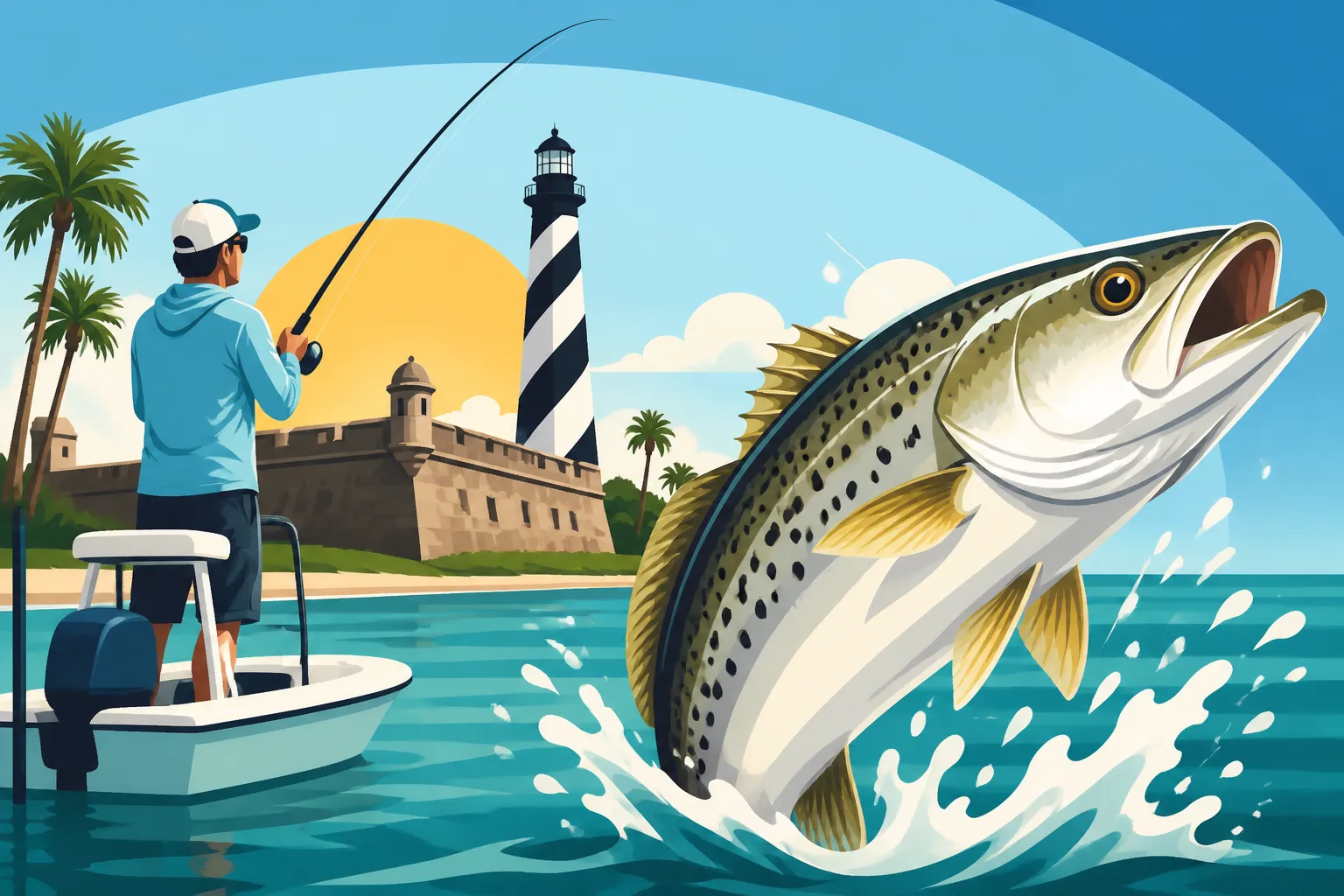
Ah, the quest for spotted seatrout near St. Augustine! It's a journey many of us have embarked on, often starting with the hopeful cast into seemingly perfect waters, only to be met with… nothing. It can be incredibly frustrating to know these beautiful, tasty fish are out there, schooling in the lush grass flats and estuaries of Florida's northeast coast, yet remain elusive. This guide is here to unravel the secrets of targeting seatrout in and around the historic city, giving you the insider knowledge to turn those hopeful casts into successful catches.
The Allure of St. Augustine for Spotted Seatrout Fishing
St. Augustine isn't just known for its historical charm; it's a bonafide paradise for inshore anglers, especially those chasing spotted seatrout. The unique combination of diverse habitats, abundant baitfish, and a relatively mild climate creates an ideal environment for these speckled beauties to thrive year-round. But knowing why it's good is only the first step; understanding the specifics is key.
Why St. Augustine's Ecosystem is Perfect for Trout
The waters around St. Augustine, nestled between the Atlantic Ocean and a complex network of estuaries, rivers, and tidal creeks, are a mosaic of productive fishing grounds. The area boasts vast expanses of healthy seagrass beds, which are essentially the nurseries and feeding grounds for seatrout and their prey. These grass beds, particularly prominent in the shallow, clear waters of the Intracoastal Waterway (ICW) and its tributaries, provide both cover from predators and a smorgasbord of shrimp, crabs, and smaller fish.
Beyond the grass, you'll find countless oyster bars and shell rakes. These structures act like underwater cities, attracting a multitude of invertebrates and baitfish, which in turn draw in hungry seatrout. The rich nutrient flow from the surrounding marshlands and rivers further enriches this ecosystem, ensuring a steady food supply. When you factor in the intricate tidal creeks that snake through the salt marsh, providing ambush points and migratory routes, it's easy to see why St. Augustine is a top-tier destination for spotted seatrout. The sheer variety of micro-habitats means that no matter the tide or time of year, there's always a spot where trout are likely to be lurking.
Understanding Seatrout Behavior in North Florida Waters
Spotted seatrout are fascinating creatures, and understanding their habits is crucial for consistent success. In North Florida, their behavior is heavily influenced by water temperature and tide. During the cooler months, from late fall through early spring, seatrout tend to seek out deeper, more stable waters. This might mean concentrating in the deeper bends of the ICW, protected canals, or the deeper pockets of tidal creeks where water temperatures fluctuate less dramatically. They'll often school up during these times, making it possible to have incredible days once you locate a school.
As the water warms up in late spring and summer, seatrout become much more active and spread out across the shallower grass flats. This is when sight fishing can be fantastic, as you might spot them cruising over the grass or ambushing bait. Their feeding habits are also influenced by light levels. They are often most active during low-light conditions – think dawn and dusk – when they can ambush prey more effectively. On overcast days, or during strong incoming or outgoing tides, they might feed aggressively throughout the day. It’s important to remember that Florida Fishing Regulations and Bag Limits apply, and understanding their feeding patterns also helps with responsible catch and release, ensuring the sustainability of this fantastic fishery.
Top-Tier Locations for Targeting Seatrout in the Ancient City
St. Augustine's geography offers a bounty of spots, each with its own quirks and prime conditions. Whether you're a seasoned angler with a flats boat or someone looking to fish from shore or a kayak, there's a productive spot waiting for you.
The Expansive Waters of the Tolomato and Guana Rivers
When people talk about seatrout fishing in St. Augustine, the Tolomato River, which is essentially the northern part of the Intracoastal Waterway, and the Guana River often come up first. These vast bodies of water offer incredible opportunities. The Tolomato is a wide, tidal river system characterized by expansive grass flats, deep channels, and numerous feeder creeks. It’s a fantastic place to drift or pole across the flats, casting soft plastics or live bait into potholes and along grass edges.
One particular gem within this system is Guana Lake, part of the Guana Tolomato Matanzas National Estuarine Research Reserve (GTMNERR). While access can be limited to specific points and some areas might require non-motorized vessels, the fishing can be phenomenal. The vast, unspoiled grass beds here are a magnet for large schools of trout. Look for areas with good current flow and visible baitfish activity. Popular access points along the ICW near the Tolomato often include public boat ramps and kayak launches. You can find detailed charts and local knowledge to pinpoint these spots, and even consider a local guide through platforms like FishingBooker to help navigate these waters effectively. Remember to always be mindful of other boaters and kayakers, and respect private property when accessing these spots.
Fishing the St. Augustine Inlet and Surrounding Estuaries
The St. Augustine Inlet is a powerful artery, connecting the ICW and its estuaries directly to the Atlantic. This constant influx and outflow of tidal water create dynamic conditions that attract a wide variety of fish, including large, hungry seatrout. The strong currents around the inlet concentrate baitfish, making it an excellent ambush point for predators.
The jetties on either side of the inlet, the St. Augustine Light, and the deeper channels are all prime areas. Anglers often target the eddies and calmer water just inside the inlet on both incoming and outgoing tides. Vilano Beach Bridge, spanning the ICW just inside the inlet, also provides excellent structure, often holding seatrout around its pilings and shadows. Nearby, Salt Run, a large tidal basin on the southern side of the inlet, offers protected waters with healthy grass beds and oyster bars, making it another fantastic spot, particularly for kayak anglers or those with smaller boats. Fishing here often involves casting into the current and letting your bait or lure drift naturally. Knowing the Best Tides for Inshore Fishing in Florida is particularly crucial when fishing such a dynamic area.
Exploring Shallow Water Flats and Oyster Bars
For many seatrout enthusiasts, nothing beats the thrill of sight fishing on shallow water flats. The St. Augustine area is blessed with numerous shallow expanses, particularly along the eastern side of the ICW and within smaller tidal creeks, that are teeming with seagrass and oyster beds. These are the classic "skinny water" haunts where trout love to feed, especially during higher tides when they can comfortably move over the grass.
Look for areas with distinct grass edges, sandy potholes, or subtle depth changes – these are often where trout will lie in wait for unsuspecting bait. A good pair of polarized sunglasses is indispensable here, allowing you to spot cruising fish or subtle changes in bottom contour. Popular flats can be found in the areas surrounding Bird Island, near the bends in the ICW, and within the numerous smaller basins and creeks that branch off the main channels. Stealth is paramount when fishing these areas; poling or using a trolling motor quietly is key to not spooking the fish. If you don't have a boat, many of these flats can be accessed by wading during lower tides, offering a unique and immersive fishing experience. However, always be cautious of stingrays and shuffle your feet when wading.
Mastering the Techniques for St. Augustine Seatrout
Catching spotted seatrout consistently isn't just about finding the right spot; it's about presenting your bait or lure in a way that triggers their predatory instincts. A little knowledge about their preferred menu and how they like it served can make all the difference.
Preferred Baits and Lures for Local Trout
Spotted seatrout are opportunistic feeders, but they do have their favorites. For live bait enthusiasts, nothing beats a lively shrimp. They are practically irresistible to trout and can be fished under a popping cork or free-lined. Pilchards, threadfin herring, and mud minnows are also excellent choices, especially for targeting larger trout. When using live bait, focus on presenting it as naturally as possible, letting the current do most of the work. For details on how to rig your bait, check out guides like How to Rig a Live Shrimp for Trout.
If artificials are more your style, you're in luck, as seatrout readily strike a variety of lures. Soft plastic jerkbaits or paddle tails, rigged on a lightweight jig head, are incredibly effective. Colors like white, chartreuse, or natural baitfish patterns often produce well. Topwater lures, particularly at dawn and dusk, can provide some of the most exciting strikes you'll ever experience. MirrOlure, a classic brand, offers excellent hard plastic lures that imitate baitfish, and suspending twitchbaits are also deadly, especially in cooler water. The key with artificials is to experiment with retrieve speeds and actions until you find what the fish are responding to that day. Sometimes a slow, methodical retrieve is best, while other times a more aggressive twitch-pause action will get the bite. When choosing between Live Bait vs Artificial Lures for Florida Inshore Fishing, consider the conditions and your preference; both can be highly successful.
Optimal Tides and Times for Trout Success
Understanding the tides is arguably the most critical factor for seatrout fishing in St. Augustine. Trout are highly sensitive to current, as it helps them ambush bait and brings food to them. Generally, the last two hours of an incoming tide and the first two hours of an outgoing tide are considered prime times. During these periods, the moving water concentrates baitfish and encourages trout to feed aggressively. Slack tide, when the water movement is minimal, can often be the slowest fishing.
Beyond the tides, timing your trips with low-light conditions can significantly increase your success. As mentioned earlier, dawn and dusk are consistently productive. Overcast days, when the sun's glare is reduced, can also extend the feeding window throughout the day. Conversely, bright, sunny days with no cloud cover can push trout into deeper water or shaded areas, making them harder to find. Always consult a local tide chart before heading out, and pay attention to moon phases; new and full moons typically bring stronger tides, which can lead to more active feeding.
Gear Up: Rods, Reels, and Line for Inshore Action
Having the right tackle can make your St. Augustine seatrout fishing experience much more enjoyable and successful. For inshore seatrout, a light to medium-light action spinning rod, typically 7 to 7.5 feet in length, is ideal. This length provides excellent casting distance for reaching those distant grass edges and offers enough backbone to handle larger trout, while still being sensitive enough to detect subtle bites.
Pair this with a 2500 or 3000 series spinning reel, spooled with 10-15 pound braided line. Braid offers superior casting distance, sensitivity, and strength for its diameter. Crucially, you'll want to add a 2-3 foot section of 15-20 pound fluorocarbon leader. Fluorocarbon is nearly invisible underwater, which is a huge advantage for wary trout, and its abrasion resistance protects your main line from oyster shells and rough structures. A good quality leader material is non-negotiable. For a comprehensive overview, check out our guide on Best Rod and Reel Setup for Florida Inshore Fishing. This setup is versatile enough for both live bait and artificials and will serve you well for the typical size of spotted seatrout you'll encounter in St. Augustine.
Maximizing Your St. Augustine Seatrout Experience
Beyond the specific spots and techniques, there are broader considerations that can really enhance your St. Augustine fishing trip, from understanding regulations to deciding whether to hire a guide.
Essential Regulations and Conservation
Before you even think about casting a line, it's absolutely vital to be familiar with Florida's fishing regulations. The Florida Fish and Wildlife Conservation Commission (FWC) sets strict rules to ensure the sustainability of our fisheries. For spotted seatrout, this includes specific size and bag limits, which can sometimes vary by region. For instance, in Northeast Florida, where St. Augustine is located, there are specific harvest regulations to follow. Always check the most current FWC regulations online or through their app before you go fishing.
Ignorance of the law is no excuse, and wardens do patrol. Understanding the Florida Spotted Seatrout Fishing Guide and specifically the Spotted Seatrout Size and Bag Limits will help you avoid penalties and contribute to conservation efforts. If you're practicing catch and release, which is highly encouraged for larger "gator" trout, handle the fish gently, minimize its time out of water, and use proper dehooking tools. A healthy release ensures these fish can continue to spawn and grow, benefiting the fishery for everyone.
Hiring a Local Guide or Planning a DIY Trip
Deciding whether to hire a local guide or venture out on your own is a common dilemma. A local guide, particularly one who specializes in seatrout, offers an unparalleled advantage. They live and breathe these waters, intimately knowing the best spots, current patterns, and bait movements. They provide all the necessary gear, bait, and most importantly, the expertise to put you on fish, especially if you're unfamiliar with the area or time is limited. Many guides are listed on services like FishingBooker, making it easy to find reputable captains in St. Augustine. If you're interested in learning more, our guide on How to Choose a Florida Fishing Guide offers great tips.
On the other hand, a DIY trip offers the freedom to explore at your own pace and the immense satisfaction of figuring things out for yourself. This is where researching local ramps, reading charts, and gathering intelligence from tackle shops becomes your guide. Kayak fishing is an excellent DIY option for accessing many of St. Augustine's shallower seatrout grounds without the need for a large boat. Both approaches have their merits, and your choice will likely depend on your experience level, budget, and how much time you have to dedicate to scouting. Many anglers will do a guided trip first to gain knowledge, then follow up with DIY trips to practice what they've learned.
| Fishing Spot Category | Characteristics | Best Conditions | Common Techniques |
|---|---|---|---|
| Tolomato/Guana Rivers | Expansive grass flats, deep channels, feeder creeks | High tide over flats, moving tide in channels | Drifting with live bait, soft plastics, popping cork |
| St. Augustine Inlet | Strong currents, jetties, deeper channels | Incoming/outgoing tides, eddies | Live bait, heavier jig heads, twitchbaits |
| Shallow Water Flats | Healthy seagrass, sandy potholes, oyster bars | High tide (for boat/kayak), low tide (for wading) | Sight fishing with soft plastics, topwater, fly fishing |
| Salt Run | Protected tidal basin, grass beds, oyster bars | Mid to high tide, low wind | Kayak fishing, wading, light tackle |
| Vilano Bridge | Structure, current breaks, deep water access | Moving tides, low light | Live shrimp, MirrOlures, jigging |
Disclaimer
The information provided in this guide is for general informational purposes only and is not intended as legal or professional advice. Fishing regulations in Florida can change frequently. Always consult the latest rules and regulations published by the Florida Fish and Wildlife Conservation Commission (FWC) before engaging in any fishing activities. Adherence to all local, state, and federal laws is the sole responsibility of the angler.