Best Spots Near Fernandina Beach for Inshore Fishing
Trying to figure out where to cast your line when you're visiting or even living near Fernandina Beach can feel like a bit of a maze. With so many creeks, marshes, and the Intracoastal Waterway winding through, it's easy to get overwhelmed and not know where the real honey holes are. This comprehensive guide is here to cut through the confusion, pinpointing the best inshore fishing spots around Fernandina Beach and Amelia Island, so you can spend less time guessing and more time reeling in that next big catch.
Understanding Fernandina Beach's Inshore Fishery
Fernandina Beach, nestled on Amelia Island in Northeast Florida, offers a truly unique inshore fishing experience. Unlike the clear, shallow flats you might find further south, this area is characterized by a dynamic, nutrient-rich estuarine system. This means diverse habitats and a vibrant ecosystem supporting a wide array of popular sportfish. It's a place where freshwater runoff meets saltwater tides, creating a fantastic nursery for baitfish and, consequently, a feeding ground for predators.
The Estuary System and Key Species
The heart of Fernandina Beach's inshore fishery lies within the vast network of the Amelia River, Cumberland Sound, and the countless tidal creeks that snake through the salt marsh. This complex environment, with its varying salinity levels, provides ideal conditions for a robust food chain. You'll find extensive oyster beds, lush Spartina grass flats, and deep channels, all contributing to prime fishing habitats. This isn't just a pretty backdrop; it's a living, breathing ecosystem that constantly shifts and changes with the tides and seasons, making every trip a new adventure.
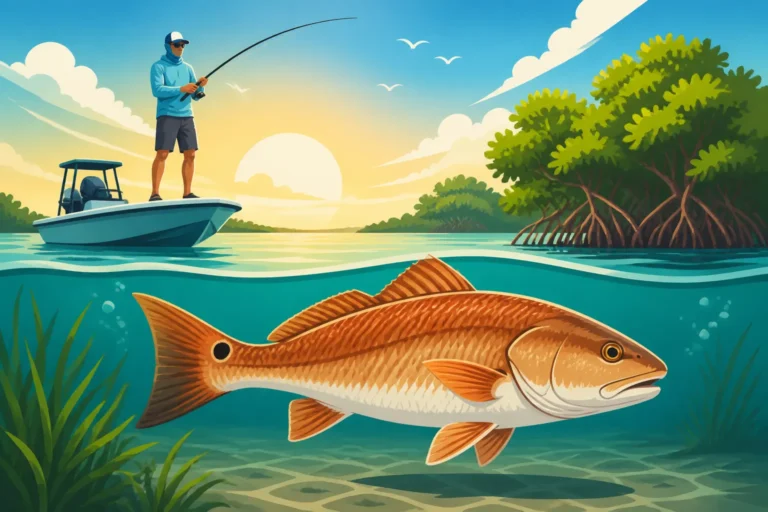
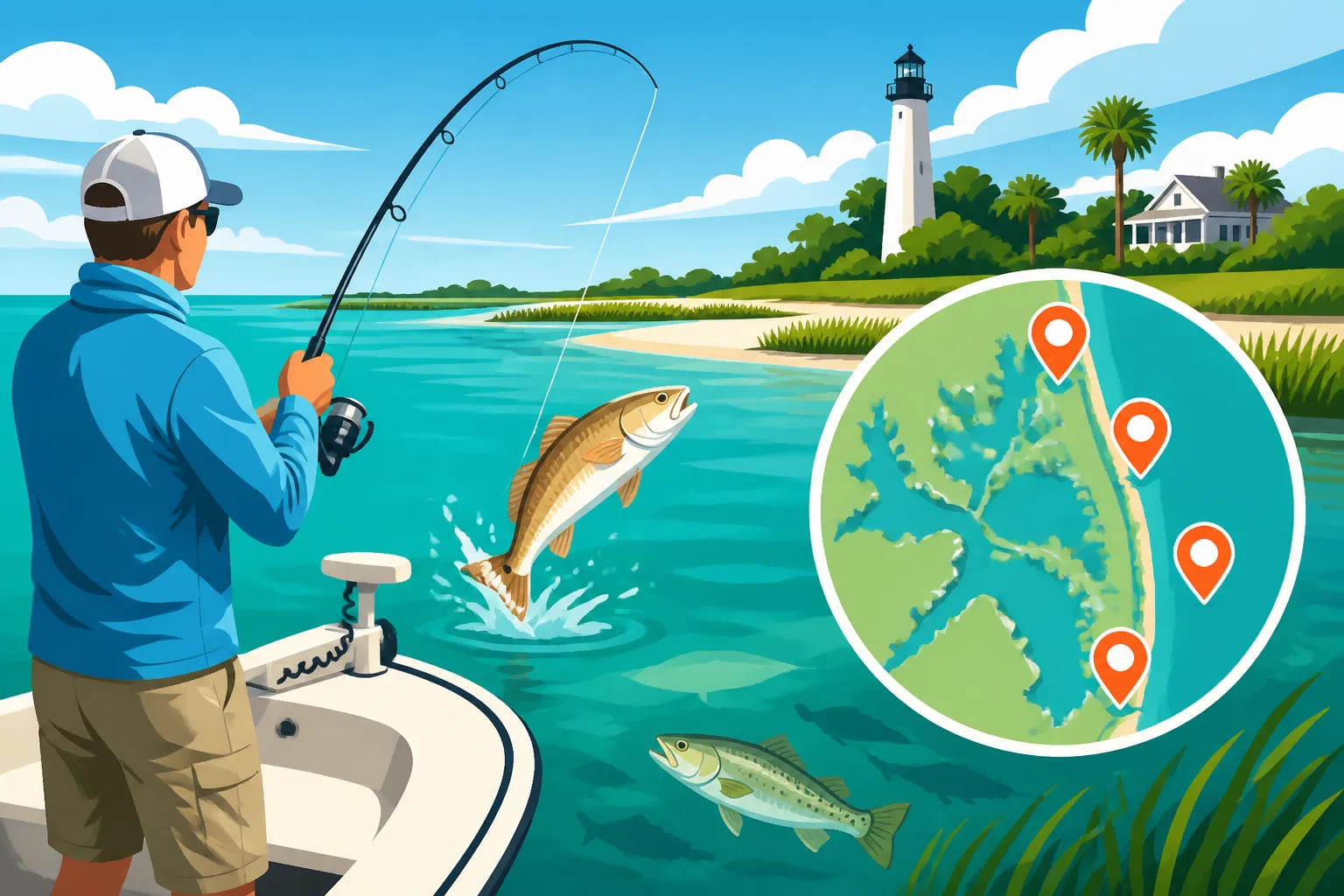
The primary targets for inshore anglers here are largely the "Big Three" of Florida inshore fishing: Redfish, Spotted Seatrout, and Flounder. Redfish, with their distinctive tail spots, are abundant and can be found tailing in shallow grass, cruising oyster bars, or schooling in deeper channels. Spotted Seatrout are often ambushing baitfish along grass edges and oyster beds, particularly during cooler months. Flounder, masters of camouflage, lie in wait on sandy or muddy bottoms, especially around structure or where current creates natural ambush points. Beyond these, you might also encounter Black Drum, Sheepshead, and even juvenile Snook pushing up into the brackish waters during warmer periods. Knowing what fish you're after helps you tailor your approach to the specific characteristics of these fishing grounds. Remember to always check the latest Florida Fishing Regulations and Bag Limits before heading out, as they can change seasonally to protect these valuable species.
Tidal Influences and Why They Matter
If there's one thing you absolutely must understand about inshore fishing around Fernandina Beach, it's the tide. The tidal range here is significant, often several feet, and it dictates everything from bait movement to fish location. Ignoring the tides is like trying to navigate a maze blindfolded – you're just not going to have much success. The Amelia River, in particular, experiences strong tidal currents that push vast amounts of water in and out of the marsh system, triggering feeding frenzies and concentrating fish.
An outgoing tide will often draw baitfish out of the shallow marshes and into deeper creeks and channels, where predatory fish wait. Conversely, an incoming tide floods the grass flats and oyster bars, allowing fish like Redfish to move into these shallower areas to forage for crabs and shrimp. Understanding these patterns and how to read a tide chart is paramount. For example, fishing the last two hours of an outgoing tide or the first two hours of an incoming tide can be incredibly productive, especially around creek mouths or points. The slack tide, when the water movement is minimal, can often be the slowest period for bites. Knowing the Best Tides for Inshore Fishing in Florida is key to planning a successful outing. This constant ebb and flow creates dynamic feeding windows that savvy anglers learn to anticipate and exploit.
Top Public Access Inshore Fishing Locations
One of the great things about Fernandina Beach is the accessibility. You don't always need a fancy boat to get on the fish. There are several fantastic public access points that offer incredible opportunities for shore anglers, kayakers, and those with small boats alike. These spots are popular for a reason – they consistently hold fish and provide a chance for everyone to experience the thrill of inshore fishing.
Fort Clinch State Park Pier and Shoreline
Fort Clinch State Park is a jewel on Amelia Island, and not just for its historical fort. It boasts a fantastic 0.75-mile-long fishing pier that juts out into the mouth of the St. Marys River, offering access to both the Cumberland Sound and the Atlantic Ocean. This means you have a shot at a huge variety of species, from the usual inshore suspects to nearshore species like Spanish Mackerel and Whiting, depending on the season. The pier itself is well-maintained and has amenities like cleaning stations, making it very angler-friendly. You'll often see families enjoying a relaxed day, but serious anglers know this pier can produce some impressive catches. The currents around the pier can be strong, so be prepared with heavier tackle if needed.
Beyond the pier, the park's extensive shoreline and marsh areas also provide excellent opportunities for wade fishing or kayak launches. Near the fort itself, the current can be swift, but the numerous eddies and deeper pockets around submerged structures can hold large Redfish and Flounder. Kayakers can launch from various points within the park and explore the calmer waters of Egan's Creek as it nears the sound. It's a truly versatile spot that caters to many fishing styles. Just be aware of park hours and any fees associated with entry. Remember that while fishing from a pier often means no individual license is required (as the pier itself may hold a blanket license), you should still confirm this or possess a valid Florida Saltwater Fishing License Rules to be safe, especially if you venture off the pier to the shoreline.
The Amelia River and ICW Access Points
The Amelia River is the lifeblood of Fernandina Beach's inshore fishery, serving as a major artery for the Intracoastal Waterway (ICW) and connecting to countless tidal creeks and marsh systems. While much of the river is best accessed by boat, there are several public points that offer good fishing. The waterfront downtown, though busy, can sometimes offer surprisingly good action, especially for anglers targeting Sheepshead around dock pilings or the occasional Redfish cruising the shallower edges. Just be mindful of boat traffic and respect private property.
For those with kayaks or small boats, numerous public boat ramps and kayak launches along the Amelia River provide direct access to some incredible fishing grounds. Areas near Crane Island or along the western side of Amelia Island offer a maze of productive creeks and grass flats. These labyrinthine waterways are perfect for sight-fishing Redfish on higher tides or soaking baits in deeper holes for Spotted Seatrout and Flounder during lower tides. Popular access points include the public boat ramp at the Fernandina Beach Marina or the less crowded ramp at Peters Point Beachfront Park, which offers access to more sheltered waters ideal for kayak anglers. Always be aware of no-wake zones and channel markers when navigating the ICW, as it's a heavily trafficked waterway. Exploring the calmer, less accessible nooks and crannies of the river can often lead to some of the best fishing experiences.
Egan's Creek Greenway
Egan's Creek Greenway is a fantastic option for a different kind of inshore experience, particularly for kayakers, canoers, or those looking for peaceful bank fishing. This protected area, a vital part of the island's natural landscape, encompasses a vast tidal marsh and creek system that eventually flows into the Amelia River. It's a sanctuary for wildlife and, critically for us, a superb nursery and feeding ground for juvenile fish and their predators. The creek itself is narrower and shallower in many parts compared to the main river, making it ideal for a stealthy approach.
Anglers can launch kayaks or canoes from designated points, such as the Egan's Creek Greenway kayak launch on the western side of the island. Once on the water, you can paddle through winding mangrove-lined channels, casting to grass edges, oyster mounds, and deeper bends. This is a prime spot for Redfish, especially when they're foraging in the shallows on an incoming tide. You'll also find plenty of Spotted Seatrout and some Flounder hiding along the creek banks. The calm, protected waters make it an excellent choice for beginners or those looking for a more serene fishing environment. Since the water here can be quite clear on calm days, stealth and quiet presentation are key. Light tackle and natural baits like live shrimp or mud minnows often work wonders. Consider exploring this area during the early morning or late evening for the most productive bites, as the fish tend to be less spooky in low light. It's also a great spot to practice your Best Spots to Fish From a Kayak in Florida skills.
Strategies for Successful Inshore Fishing in Fernandina Beach
Catching fish consistently in Fernandina Beach's inshore waters isn't just about showing up; it's about understanding the nuances of the environment and applying smart strategies. The ever-changing tides, varied bottom structures, and specific feeding habits of the local species all play a role. A bit of planning and local knowledge can dramatically increase your success rate.
Best Baits and Lures for Local Species
When it comes to inshore fishing in Fernandina Beach, having the right bait or lure can make all the difference. While the local fish aren't always picky, presenting something they recognize and desire will undoubtedly boost your chances. For live bait, shrimp are almost universally effective. They're a natural food source for nearly every inshore species, from Redfish and Spotted Seatrout to Flounder and Sheepshead. You can fish them under a popping cork, on a jig head, or even free-lined depending on the depth and current. Mud minnows and finger mullet are also excellent choices, especially for targeting larger Redfish and Flounder. These baits are robust and often stay lively on the hook longer, which is a big plus when you're waiting for that ambush predator.
For those who prefer artificials, the options are plentiful and effective. Soft plastic swimbaits or jerkbaits, rigged on a jig head, are incredibly versatile and can mimic both baitfish and shrimp. Colors like 'new penny' (a copper sparkle), 'chartreuse,' and 'pearl white' are perennial favorites here. Topwater lures, particularly during dawn and dusk, can entice explosive strikes from aggressive Redfish and Spotted Seatrout patrolling the grass flats. MirrOlure and D.O.A. Lures are popular brands that consistently produce results. For Flounder, a Gulp! Shrimp or a bucktail jig bounced slowly along the bottom is often irresistible. Don't be afraid to experiment with different presentations until you find what the fish are keying in on that day. If you're specifically targeting certain species, checking out guides like Best Baits for Redfish Fishing in Florida or Best Baits for Snook Fishing in Florida can provide even more tailored advice.
Reading the Water and Tides
Beyond knowing where to fish, understanding how to read the water and interpret tidal movements is a superpower for any inshore angler in Fernandina Beach. The water here is often tannin-stained from the freshwater runoff, which can make sight-fishing more challenging than in crystal-clear southern flats. However, observant anglers can still pick up on subtle cues. Look for nervous baitfish skipping across the surface, diving birds, or even the tell-tale "push" of a redfish's back as it cruises just under the surface. Eddies behind points or oyster bars, where the current slows down, are classic ambush points for predators.
The tides, as mentioned earlier, are your most important tool. Strong outgoing tides flush bait from the marsh, concentrating fish at creek mouths or along channel edges. On an incoming tide, fish move with the rising water into the newly flooded grass flats and around oyster beds. Learn to identify the subtle differences in current speed and direction, as these changes often indicate where fish are holding. Using local tide charts is non-negotiable, and fishing around predicted tide changes will significantly improve your chances. It's not just about high or low tide; it's about the movement of the water. This is an art form that takes practice, but the rewards are well worth the effort.
Hiring a Local Guide or Charter
While there are plenty of public access spots and DIY opportunities, sometimes the best way to experience the incredible inshore fishing around Fernandina Beach is with an experienced local guide. Especially if you're new to the area, short on time, or simply want to maximize your chances of a trophy catch, a charter can be an invaluable investment. Plus, it's a fantastic way to learn the local intricacies of the fishery from a true expert.
Benefits of a Guided Trip
Think of a fishing guide as your personal, highly knowledgeable shortcut to success. They spend hundreds of days a year on these waters, meaning they know the constantly shifting patterns of fish, the secret honey holes, and the most effective techniques for the current conditions. For a visitor, this instantly removes the guesswork and the frustration of learning a new environment. You don't have to worry about where to launch, what bait to use, or even if you have the right Florida Fishing License Guide because most charters cover their passengers under a blanket license. This convenience alone makes a guided trip a stress-free and enjoyable experience.
Beyond the immediate goal of catching fish, a good guide acts as a mentor, offering insights into the ecosystem, teaching casting techniques, and explaining why fish are in certain areas. You'll gain valuable knowledge that you can then apply to your future fishing endeavors, even if you decide to go it alone next time. It's an educational experience wrapped in an exciting adventure. Many guides are also equipped with specialized boats and gear perfectly suited for navigating the shallow creeks and flats that might be inaccessible to larger vessels or difficult for novice kayakers. If you're unsure about booking, platforms like FishingBooker make it easy to find and compare reputable local guides and read reviews from other anglers, ensuring you pick the perfect fit for your trip.
Choosing the Right Charter for Your Needs
With a variety of fishing charters available in the Fernandina Beach area, choosing the right one depends entirely on your specific goals and preferences. Do you dream of stalking Redfish with a fly rod on the shallow flats, or are you hoping to fill a cooler with Spotted Seatrout and Flounder for dinner? Are you a seasoned angler looking for a challenge, or are you bringing the kids along for their first fishing adventure? These questions will help narrow down your options.
First, consider the type of fishing. "Flats fishing" charters often use shallow-draft boats to pursue Redfish and Trout in skinny water. "Inshore light tackle" charters might focus on a broader range of species in slightly deeper creeks or along the ICW. If you're bringing a family, look for guides that specialize in kid-friendly trips, as they often have a more patient approach and prioritize action over trophy hunting. Platforms like FishingBooker allow you to filter guides by the species they target, their boat size, and whether they cater to families or specific fishing styles (e.g., fly fishing). Always check reviews and don't hesitate to call the captain directly to discuss your expectations. A good captain will be transparent about what they offer, what species are biting, and what you can realistically expect. It's worth researching options like a Florida Fishing Charter Guide to understand the different offerings and price points. Make sure to ask what's included in the price – bait, tackle, and fish cleaning are usually standard, but it's always good to confirm everything before you book.
| Fishing Spot | Primary Target Species | Best Fishing Method(s) | Key Features / Tips |
|---|---|---|---|
| Fort Clinch State Park Pier | Redfish, Trout, Flounder, Whiting, Mackerel | Pier Fishing, Live/Cut Bait, Lures | Long pier, diverse species, strong currents, amenities. |
| Fort Clinch Shoreline/Marshes | Redfish, Flounder, Trout | Wade Fishing, Kayak, Live Bait, Lures | Accessible at lower tides, stealth important. |
| Amelia River (Downtown) | Sheepshead, Redfish, Drum | Dock Fishing, Live Shrimp, Crabs | Urban fishing, target structure, busy boat traffic. |
| Amelia River (Creeks/Flats) | Redfish, Trout, Flounder, Drum | Kayak, Small Boat, Live Bait, Lures | Extensive marsh system, explore tidal creeks and oyster bars. |
| Egan's Creek Greenway | Redfish, Trout, Flounder | Kayak, Canoe, Bank Fishing, Light Tackle | Peaceful, clear water (sometimes), stealth, shallow draft. |
Disclaimer
Please remember that fishing regulations, bag limits, and seasons are subject to change by the Florida Fish and Wildlife Conservation Commission (FWC). Always consult the latest FWC guidelines before your fishing trip to ensure compliance. This guide is for informational purposes only and does not constitute legal advice.