Best Fishing Spots in Florida
Trying to figure out where to cast your line in Florida can feel like searching for a needle in a haystack—a really big, beautiful, fish-filled haystack. With thousands of miles of coastline, countless lakes, rivers, and hidden canals, the sheer number of incredible fishing spots is overwhelming, making it tough to know where to start or how to maximize your precious fishing time. This guide is here to cut through the noise, offering a comprehensive tour of Florida's best fishing locales, what makes them special, and what you can expect to catch.
The Iconic Florida Keys
When you think of fishing in Florida, the Keys often spring to mind, and for good reason. This chain of islands stretching from the southern tip of Florida into the Gulf of Mexico and Atlantic Ocean is a world-renowned fishing destination, offering unparalleled diversity from shallow flats to deep blue waters. The distinct ecosystem here, with its clear, warm waters and abundant marine life, creates a truly unique angling experience. It's not just about catching fish; it's about the adventure, the scenery, and the rich history of sportfishing that permeates every corner of these islands.
Islamorada: The Sportfishing Capital of the World
Islamorada truly lives up to its name as the "Sportfishing Capital of the World." Nestled in the Middle Keys, this slice of paradise offers an incredible range of fishing opportunities, from shallow water sight-fishing for elusive bonefish and permit to exhilarating offshore battles with marlin and sailfish. The clear, turquoise flats here are legendary for their challenging, visual fishing, where anglers stalk their prey with fly rods or light tackle, often poling silently across expansive grass beds. The thrill of spotting a cruising permit or a tailing bonefish and then executing a perfect cast is an experience that keeps anglers coming back year after year.
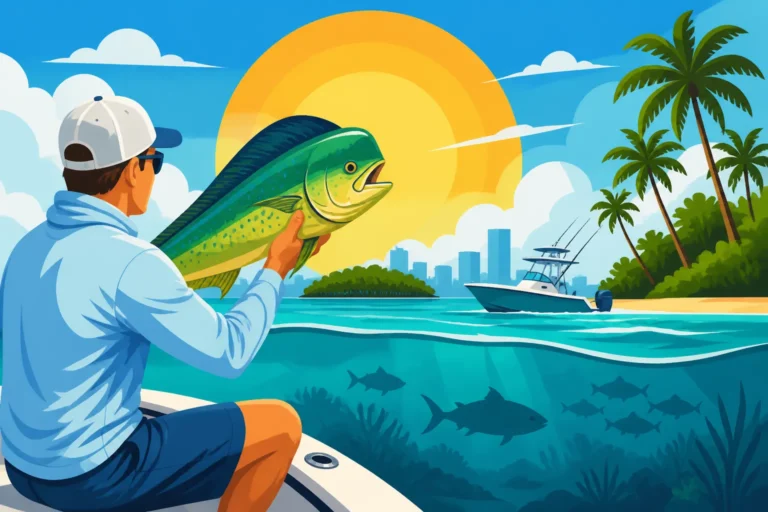
Beyond the flats, the backcountry of Florida Bay, accessible from Islamorada, provides calmer waters and a different set of targets. Here, you can find snook, redfish, and even tarpon in mangrove-lined creeks and potholes. Further offshore, the deep blue waters of the Atlantic drop off dramatically, hosting a vibrant ecosystem of pelagic species. Blackfin tuna, mahi-mahi, wahoo, and various species of snapper and grouper are common catches. Whether you're a seasoned angler seeking a grand slam or a beginner looking for a memorable family outing, Islamorada's diverse offerings mean there's an adventure waiting for everyone. Many anglers rely on experienced guides found on platforms like FishingBooker to navigate these complex waters and put them on the fish.
Key West: Beyond the Southernmost Point
At the very end of the Overseas Highway, Key West offers a vibrant fishing scene that's as colorful and eclectic as the town itself. While perhaps best known for its lively atmosphere and sunsets, its fishing opportunities are equally spectacular. The waters surrounding Key West are a melting pot of habitats, providing fantastic action for various species. Just a short boat ride from the historic harbor, you can be fishing the shallow flats for permit and tarpon, or heading out to the patch reefs for snapper and grouper. The Gulf side offers calmer waters and productive fishing for cobia, tripletail, and king mackerel, especially during their migrations.
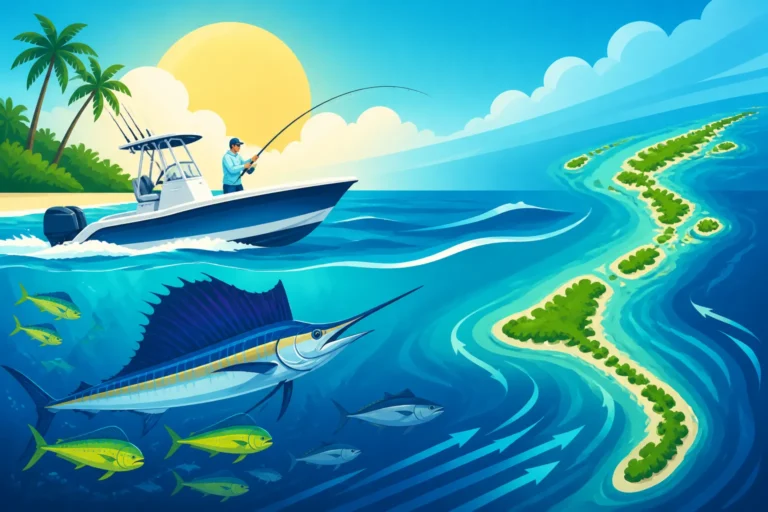
For those craving offshore excitement, the Gulf Stream isn't far, bringing with it a parade of pelagic species. Expect to tangle with feisty mahi-mahi, powerful wahoo, and the acrobatic sailfish. Key West also serves as a gateway to the Marquesas Keys and the Dry Tortugas, remote fishing grounds that promise incredible, often untouched, fishing for a wide variety of species. These trips are typically multi-day excursions due to the distance, but the rewards can be truly exceptional. The options are vast, whether you're hopping on a party boat for bottom fishing or chartering a private vessel for a tailored offshore experience.
Marathon and the Middle Keys: Bridges and Reefs
The Middle Keys, with Marathon at its heart, present a slightly different flavor of Keys fishing, characterized by its iconic bridges and proximity to both the Gulf and Atlantic. The Old Seven Mile Bridge, now partially repurposed as a pedestrian and fishing pier, along with the numerous other bridge structures throughout the area, acts as a magnet for a huge array of fish. These structures provide shelter, ambush points, and a rich food source, making them prime spots for snapper, grouper, barracuda, and even tarpon during their seasonal migrations. Fishing from these bridges or nearby channels can be incredibly productive, especially during tidal changes when baitfish are swept through.
Just offshore, the famous Florida Reef Tract comes alive with snapper, grouper, hogfish, and triggerfish. These patch reefs and wrecks offer fantastic opportunities for bottom fishing and spearfishing. You can easily access these spots from Marathon, making it a favorite for those who enjoy reef and wreck fishing. The calmer Gulf waters north of Marathon also provide excellent shallow-water fishing for spotted seatrout and various species of Jacks. Marathon truly offers the best of both worlds – the excitement of bridge fishing, the bounty of the reefs, and the serene beauty of the flats, all within easy reach. Understanding the intricacies of Florida Saltwater Fishing License Rules is crucial when planning your trip to these diverse waters.
Southwest Florida's Rich Estuaries and Gulf Access
Southwest Florida, stretching from Charlotte Harbor down to the Everglades, boasts a truly unique fishing landscape. This region is defined by its expansive estuaries, intricate mangrove shorelines, and direct access to the abundant waters of the Gulf of Mexico. The warm, nutrient-rich waters create a haven for a multitude of inshore species, while the Gulf offers fantastic offshore action. It's a place where the pristine wilderness meets bustling coastal towns, offering a diverse range of fishing experiences from remote backcountry adventures to easily accessible urban fishing.
Charlotte Harbor and Boca Grande: Tarpon Central
Charlotte Harbor is one of Florida's largest estuarine systems, a sprawling network of bays, rivers, and creeks that serves as a nursery for countless fish species. This immense ecosystem makes it an incredibly productive fishery, especially for inshore species like redfish, snook, and spotted seatrout. Anglers can spend days exploring the endless mangrove tunnels, oyster bars, and grass flats, finding new honey holes around every bend. The fishing here is often about stealth and precision, casting artificial lures or live bait into prime ambush points for hungry predators. The "Backcountry Fishing Guide" for Florida can offer some fantastic insights for this area.
However, Charlotte Harbor truly shines when it comes to the silver king. Boca Grande Pass, the mouth of Charlotte Harbor, is world-renowned as a premier tarpon fishing destination. During the spring and early summer, thousands of tarpon migrate into and through the pass, creating an epic spectacle and challenging fishery. Anglers from around the globe descend upon Boca Grande to test their skills against these powerful, acrobatic giants. The intense battles, often lasting an hour or more, make landing a tarpon an unforgettable achievement. Whether you're targeting juvenile tarpon in the backcountry or battling the behemoths in the pass, Boca Grande offers an unparalleled tarpon experience.
Naples and Fort Myers: Estuarine Gems
Further south, the Naples and Fort Myers area offers a blend of pristine natural beauty and excellent fishing, particularly known for its diverse inshore and nearshore opportunities. The Caloosahatchee River, which flows into San Carlos Bay and then the Gulf, creates a rich estuarine environment perfect for snook, redfish, and trout. The intricate canal systems throughout the residential areas of Naples and Fort Myers also provide surprisingly good fishing, especially for snook, which often seek refuge in these protected waters. The fishing here is accessible, with numerous public boat ramps and kayak launch points.
The nearshore waters of the Gulf are also highly productive. Just a few miles offshore, you can find artificial reefs, wrecks, and natural hard bottom areas teeming with snapper, grouper, cobia, and king mackerel. These spots are easily reached by smaller boats or even kayaks on calm days. For those without a boat, fishing from the Naples Pier or various public beaches can yield pompano, whiting, and Spanish mackerel, especially during cooler months. The warm, clear waters are also excellent for wade fishing the grass flats, a serene way to connect with nature and target trout and redfish.
Ten Thousand Islands: Untamed Backcountry
South of Naples lies the vast, wild expanse of the Ten Thousand Islands, a labyrinthine estuarine system forming the northern part of the Everglades National Park. This remote and untouched wilderness is a bucket-list destination for anglers seeking a true backcountry adventure. Imagine miles of intricate mangrove islands, narrow channels, and shallow bays, where the only sounds are the rustling of the mangroves and the splash of a leaping fish. This is prime habitat for snook, redfish, and tarpon, which thrive in these protected, nutrient-rich waters.
Fishing here often involves navigating skinny water, making poling skiffs or kayaks ideal. The challenge lies in reading the water, spotting subtle signs of fish, and making precise casts into tight spots within the mangroves. It’s a sight-fishing paradise, where patience and keen observation are key. The sheer abundance of baitfish, from mullet to pilchards, fuels the predatory instinct of the game fish. While demanding, the rewards are immense: pristine surroundings, abundant wildlife (including alligators, wading birds, and dolphins), and the chance to catch trophy-sized fish in an unspoiled setting. Many anglers choose to hire an experienced "Florida Backcountry Fishing Guide" for these remote excursions to maximize their chances and ensure safety.
Central Florida's Legendary Freshwater Bass Fisheries
When many people think of Florida fishing, saltwater might be the first thing that comes to mind. However, Central Florida is home to some of the most famous and productive freshwater fisheries in the entire world, particularly for trophy largemouth bass. These vast lakes and intricate river systems offer a completely different, yet equally thrilling, angling experience. If you're looking to tangle with a monster bass, Central Florida is undoubtedly where you want to be.
Lake Okeechobee: The Big O for Big Bass
Lake Okeechobee, affectionately known as "The Big O," is the largest freshwater lake in Florida and the second-largest in the contiguous United States. Spanning over 730 square miles, it's a true inland sea that dominates Central Florida's fishing scene. This massive lake is legendary for its largemouth bass fishing, consistently producing some of the biggest bass in the country. The shallow, fertile waters, rich with vegetation, provide an ideal habitat for forage fish and, consequently, trophy bass.
Anglers targeting bass on Okeechobee often employ techniques like flipping and pitching heavy jigs or soft plastics into dense hydrilla mats and cattail edges. Topwater lures are also incredibly effective during dawn and dusk, eliciting explosive strikes that will get any angler's heart pumping. Beyond bass, the lake offers excellent fishing for black crappie (speckled perch), bluegill, and catfish. Navigating the Big O can be challenging due to its size and varying depths, so many anglers opt for a local guide who knows the intricate network of cuts, channels, and productive weed lines. If you're serious about trophy bass, Lake Okeechobee should be at the very top of your list.
Kissimmee Chain of Lakes: Trophy Largemouth Heaven
Just north of Lake Okeechobee, the Kissimmee Chain of Lakes offers another incredible freshwater fishing experience, particularly for largemouth bass. This chain includes several major lakes like Toho, Kissimmee, Cypress, and Hatchineha, all interconnected by canals and rivers. Each lake has its own unique character, but collectively, they are a powerhouse for trophy bass. Lake Toho, in particular, is famous for producing numerous bass exceeding 10 pounds, often hosting major professional bass fishing tournaments.
The fishing techniques here are similar to Okeechobee, with a strong emphasis on working through thick vegetation, both emergent and submerged. Anglers frequently use Carolina rigs, Texas rigs, and ChatterBaits to probe the edges of hydrilla and maidencane. During the cooler months, especially from December to March, bass move into shallower waters for spawning, making them more accessible and aggressive. This is often considered the "Best Time of Year to Fish in Florida" for trophy bass. The Kissimmee Chain is also a fantastic destination for crappie, bluegill, and shellcracker, providing excellent panfish action for those looking for a different challenge or a family-friendly outing.
St. Johns River: A Unique North-Flowing Fishery
The St. Johns River is Florida's longest river, flowing over 300 miles from its marshy headwaters near Vero Beach northward to Jacksonville and the Atlantic Ocean. This unique north-flowing river offers a diverse range of fishing opportunities, from its freshwater upper reaches to its brackish lower sections. In its freshwater stretches, particularly around lakes like Monroe and George, the St. Johns is renowned for its excellent largemouth bass fishing. The river's abundant cover, including lily pads, cypress trees, and submerged vegetation, provides ideal ambush points for bass.
Beyond bass, the St. Johns River is a fantastic destination for various panfish, including bluegill, redear sunfish (shellcracker), and black crappie. Catfish, particularly channel and flathead catfish, also grow to impressive sizes in the river's deeper bends and holes. As the river flows north and approaches the coast, it gradually becomes brackish, introducing species like striped bass (especially during cooler months), redfish, and even occasional snook. This transition zone offers a truly unique mixed-bag fishery. Exploring the St. Johns River is an adventure in itself, with its rich history, abundant wildlife, and serene natural beauty, making it a must-visit for any freshwater angler.
Florida's Diverse Gulf Coast Shores and Bays
Florida's Gulf Coast is a long stretch of beautiful, often calm, waters characterized by white sandy beaches, expansive grass flats, and countless bays and estuaries. From the bustling metropolitan areas of Tampa Bay to the pristine, emerald waters of the Panhandle, this coast offers an incredible variety of saltwater fishing experiences. The shallower, warmer waters of the Gulf are teeming with life, making it a consistently productive fishing destination for both inshore and offshore species.
Tampa Bay: Urban Angling Paradise
Tampa Bay is Florida's largest open-water estuary, a truly massive body of water surrounded by urban development yet teeming with marine life. This unique combination makes it an accessible yet incredibly productive fishing spot. The bay's vast grass flats are prime habitat for spotted seatrout, often found in impressive numbers. Redfish patrol the mangrove edges, oyster bars, and shallow flats, while snook lurk in the countless creeks, residential canals, and around docks and bridge pilings. The sheer size and diversity of habitat within Tampa Bay mean that anglers can always find a productive spot, regardless of conditions.
Beyond the inshore action, the bay's numerous bridges, such as the Sunshine Skyway, act as artificial reefs, attracting a wide array of species including snapper, grouper, mackerel, and even tarpon during their migration. Nearshore reefs and wrecks just outside the bay offer excellent opportunities for gag grouper, red grouper, and various snapper species. For those without a boat, many public piers and shorelines offer great access to species like Spanish mackerel, pompano, and whiting. The "Tampa Bay Fishing Guide" goes into much more detail about how to navigate these rich waters.
Clearwater and St. Petersburg: Beaches and Reefs
Just west of Tampa Bay, the communities of Clearwater and St. Petersburg offer a different flavor of Gulf Coast fishing, focusing heavily on nearshore and offshore opportunities, alongside superb beach access. The pristine white sand beaches here are not just for sunbathing; they offer excellent surf fishing for pompano, whiting, and often provide action for larger species like Spanish mackerel and even snook close to the passes. The calm, clear waters make it an ideal spot for families or beginners to enjoy some relaxing shoreline fishing.
A short boat ride from Clearwater Pass or John's Pass puts you in prime position for some fantastic nearshore reef fishing. Numerous artificial reefs, ledges, and wrecks are scattered within a few miles of the coast, holding a bounty of snapper, grouper, hogfish, and triggerfish. These structures are easily accessible for smaller boats and are popular targets for both recreational anglers and dive charters. Further offshore, the deeper waters hold larger gag grouper, red grouper, amberjack, and migrating pelagic species like king mackerel and mahi-mahi. The blend of beautiful beaches and productive offshore grounds makes Clearwater and St. Petersburg a highly appealing fishing destination.
Panhandle Powerhouses: Destin, Panama City Beach, and Pensacola
The Florida Panhandle, with its emerald green waters and sugar-white sands, offers some of the most celebrated fishing experiences on the Gulf Coast. Cities like Destin, Panama City Beach, and Pensacola are renowned for their abundant fisheries, particularly for offshore species. Destin proudly holds the title of "World's Luckiest Fishing Village" due to its remarkably close proximity to the 100-fathom curve, where the continental shelf drops off dramatically into deep water. This means anglers can access deep-sea species much faster than from other Gulf ports.
Offshore charters from these Panhandle towns consistently bring in impressive catches of red snapper (during its limited but highly anticipated season), gag grouper, amberjack, triggerfish, and various species of snapper. The deeper waters also hold pelagic giants like mahi-mahi, wahoo, tuna, and marlin. For those who prefer inshore fishing, the expansive bays and bayous behind these barrier islands, such as Choctawhatchee Bay near Destin and St. Andrew Bay near Panama City Beach, offer fantastic opportunities for spotted seatrout, redfish, and flounder. Numerous fishing piers, like the Navarre Pier or the Pensacola Beach Gulf Pier, also provide excellent public access for catching Spanish mackerel, king mackerel, and a variety of other species without needing a boat. These areas truly combine stunning natural beauty with world-class fishing.
Florida's Atlantic Coast: Inlets, Lagoons, and Offshore Giants
Florida's Atlantic Coast is a dynamic and diverse fishing frontier, offering everything from vast, calm estuaries to the deep, powerful currents of the Gulf Stream. This side of the state is characterized by its significant inlets, extensive lagoon systems, and the steady migration of pelagic species offshore. Whether you're chasing redfish in skinny water or battling sailfish in the blue, the Atlantic Coast presents unique and exciting angling challenges.
Indian River Lagoon and Mosquito Lagoon: Redfish and Trout Mecca
The Indian River Lagoon (IRL) system, including its northern extension, Mosquito Lagoon, is one of the most biodiverse estuaries in North America and a truly iconic fishing destination. Spanning over 150 miles along Florida's east coast, from the Ponce de Leon Inlet down to Jupiter Inlet, this shallow, brackish water body is a sprawling habitat of seagrass flats, oyster reefs, and mangrove islands. It is particularly famous for its trophy redfish and spotted seatrout, attracting fly anglers and light tackle enthusiasts from around the world. The clear, shallow waters of Mosquito Lagoon, in particular, are legendary for sight-fishing giant "bull" redfish, often exceeding 30 pounds.
Anglers here often pole silently across the flats, searching for tailing redfish or subtle disturbances in the water that indicate feeding fish. The challenge and reward of sight-fishing in these pristine waters are unmatched. Besides redfish and trout, the IRL also holds impressive numbers of snook, black drum, flounder, and even tarpon in certain areas. It's an ecosystem that thrives on the intricate balance of fresh and saltwater, creating a nursery for countless species. The future of this delicate ecosystem relies heavily on conservation efforts, making it critical for anglers to practice responsible catch and release, especially for larger breeding fish. Learning about the "Florida Fishing Regulations and Bag Limits" for these areas is essential.
Sebastian Inlet: Snook and More
Sebastian Inlet, located on Florida's central Atlantic coast, is often hailed as one of the state's most productive fishing spots, a true mecca for anglers seeking a diverse and often challenging experience. This man-made cut through the barrier island connects the Indian River Lagoon to the Atlantic Ocean, creating a powerful current that funnels baitfish and game fish through a relatively narrow channel. The turbulent waters around the jetties and bridges are a prime ambush point for predatory species, making it a hotspot for snook, redfish, and flounder. Snook, in particular, are a dominant species here, with anglers often targeting them with live bait, artificial lures, or even flies, especially during the peak of their migration.
Beyond the inshore species, the inlet's proximity to the nearshore reefs and the deeper offshore waters means a wide variety of fish can be caught. During certain times of the year, Spanish mackerel, king mackerel, bluefish, and pompano can be found just outside the inlet or even within the channel. The fishing from the jetties is popular, offering access to strong currents and deep holes without needing a boat. However, the strong currents and rocky bottom demand heavy tackle and careful technique. Offshore, charter boats from nearby marinas target mahi-mahi, sailfish, and various snapper and grouper species. Sebastian Inlet is truly an angler's playground, known for its consistent action and the chance to land a fish of a lifetime.
Miami and Fort Lauderdale: Sailfish Alley and Urban Canals
South Florida, encompassing Miami and Fort Lauderdale, offers a truly unique contrast in fishing opportunities: world-class offshore angling right alongside an extensive network of productive urban canals. This region is famously known as "Sailfish Alley," particularly during the cooler winter months when these majestic billfish migrate close to shore, creating spectacular sight-fishing and trolling opportunities just a few miles offshore. Charter boats regularly depart from marinas in Miami Beach, Fort Lauderdale, and Pompano Beach, heading out to target sailfish, mahi-mahi, wahoo, and tuna in the rich Gulf Stream currents. Deep dropping for swordfish is also a popular pursuit for dedicated offshore anglers.
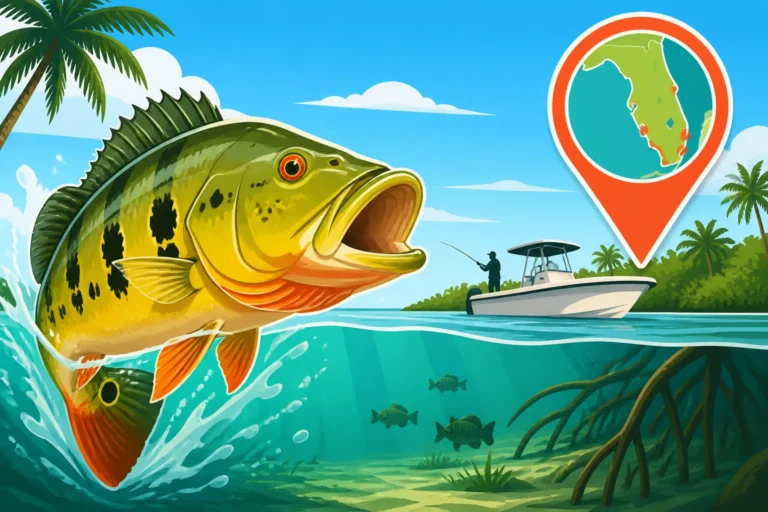
Closer to shore, the extensive canal systems that crisscross Miami-Dade and Broward counties offer an entirely different, yet equally exciting, freshwater fishing experience. These canals are home to non-native but firmly established and highly sought-after species like peacock bass and clown knifefish, alongside native largemouth bass. These colorful, aggressive fish provide fantastic light tackle action and are a favorite among local anglers and visitors alike. Additionally, the brackish estuaries of Biscayne Bay and the interconnected mangrove systems offer excellent inshore fishing for snook, tarpon, and mangrove snapper, often just minutes from the bustling cityscape. Miami and Fort Lauderdale truly offer a blend of exotic freshwater angling and premier offshore sportfishing, making them incredibly versatile destinations. You might even find yourself looking for a "Florida Fishing Charter Guide" to navigate these diverse waters.
Unlocking Florida's Public Access: Pier, Bridge, and Shoreline Fishing
Not everyone has a boat, and that's perfectly fine in Florida! The state offers an abundance of incredible fishing spots that are easily accessible to the public, requiring nothing more than a rod, reel, and a keen sense of adventure. From iconic fishing piers to strategic bridge locations and miles of sandy beaches, you can find fantastic fishing without ever stepping foot on a vessel. This accessibility is a huge part of Florida's charm, making angling a pastime available to everyone.
Popular Fishing Piers Across Florida
Florida's coastline is dotted with an impressive array of fishing piers, each offering unique opportunities and access to diverse marine life. These piers often extend hundreds, sometimes thousands, of feet into the ocean or bay, allowing anglers to reach waters typically only accessible by boat. Many piers are equipped with bait shops, restrooms, and cleaning stations, making them incredibly convenient for a day of fishing. On the Gulf Coast, piers like the St. Pete Beach Pier or the Navarre Beach Pier offer access to species like Spanish mackerel, king mackerel, pompano, whiting, and various snapper and grouper species. The deeper sections can even yield sharks or tarpon during migratory periods.
On the Atlantic side, piers such as the Jacksonville Beach Pier or the Cocoa Beach Pier provide similar action, with strong currents often bringing baitfish and predators close to the structure. Fishing from a pier is a fantastic way to experience saltwater fishing, often providing consistent action and the chance to catch a wide variety of fish. It's also an excellent option for families and beginners, as the stable platform and amenities make for a comfortable and enjoyable outing. Do You Need a License to Fish From a Florida Pier? Generally, if a pier has a valid pier fishing license, individual anglers may not need their own state license, but it's always wise to check with the specific pier beforehand or review the Florida Fishing License Exemptions for details.
| Pier Name | Location | Primary Species Targeted | Unique Feature |
|---|---|---|---|
| Navarre Beach Pier | Navarre Beach (Panhandle) | King Mackerel, Spanish Mackerel, Pompano, Redfish, Cobia | Longest pier in Florida, offers deep water access. |
| Skyway Fishing Pier | St. Petersburg (Gulf) | Snapper, Grouper, Mackerel, Tarpon, Sharks, Trout, Redfish | World's longest fishing pier (remnants of old bridge). |
| Juno Beach Pier | Juno Beach (Atlantic) | Spanish Mackerel, Pompano, Bluefish, Snook, Tarpon | Popular for snook and tarpon, close to Gulf Stream. |
| Jacksonville Beach Pier | Jacksonville Beach (Atlantic) | Pompano, Whiting, Flounder, Bluefish, Spanish Mackerel, Redfish | Recently reopened, great structure fishing. |
| Naples Pier | Naples (Gulf) | Snook, Mackerel, Permit, Pompano, Tarpon, Sharks | Iconic landmark, often hosts large schools of baitfish. |
Bridge Fishing Hotspots
Bridges in Florida are more than just crossings; they are vibrant ecosystems that attract an incredible diversity of fish. The structures themselves, with their pilings, fenders, and shaded areas, provide shelter and ambush points for predatory fish, while offering a habitat for baitfish and crustaceans. Tidal currents funnel bait and nutrients around these structures, making them prime feeding grounds. The Sunshine Skyway Bridge in Tampa Bay, as mentioned earlier, is a monumental fishing destination, with its old bridge sections converted into massive fishing piers. But beyond that, countless smaller bridges throughout the state offer fantastic opportunities.
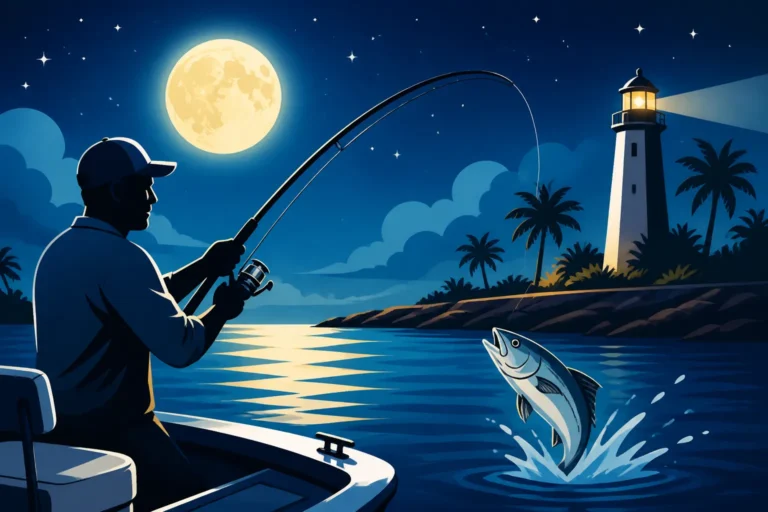
From the Florida Keys, where almost every bridge offers action for snapper, grouper, and barracuda, to the Intracoastal Waterway bridges along both coasts, these spots can be incredibly productive. Anglers often target snook and redfish around bridge pilings, especially during strong tidal flows. Tarpon also use bridges as migratory pathways and feeding stations. Night fishing under bridge lights can be particularly effective, as the lights attract baitfish, which in turn attract game fish like snook and trout. It's important to be aware of safety regulations and traffic when fishing from bridges and to ensure you have the appropriate "Florida Fishing License Guide" in hand.
Beach and Surf Fishing Excellence
There's something incredibly therapeutic about casting a line directly into the waves from a sandy beach, feeling the sand between your toes, and watching the sunrise or sunset. Florida's miles of beautiful beaches offer fantastic surf fishing opportunities for anglers of all skill levels. On the Gulf Coast, the calmer waters and gentle slopes are ideal for pompano, whiting, and often yield good numbers of Spanish mackerel and even redfish, especially around passes and inlets. Many anglers use pyramid sinkers and Pompano Rigs with sand fleas, shrimp, or small pieces of fish bait.
On the Atlantic side, the surf can be more dynamic, with stronger waves and currents. This environment is perfect for targeting larger species like snook, especially around structure and during certain seasons. Bluefish, large jack crevalle, and even sharks are common catches for surf anglers on the Atlantic. During the spring and fall migrations, vast schools of baitfish move along the coast, attracting predators right into the surf zone. Simple setups, often a rod holder, a decent surf rod, and basic bait, can lead to a surprisingly rewarding day on the beach. Checking local tide charts and understanding how to read the beach for troughs and sandbars can significantly improve your success in "Surf Fishing Excellence" anywhere in Florida.
Disclaimer
The information provided in this guide is for general informational purposes only and does not constitute legal advice or guarantee fishing success. Fishing regulations, seasons, and licensing requirements in Florida are subject to change by the Florida Fish and Wildlife Conservation Commission (FWC). Always check the latest FWC regulations before planning any fishing trip. Fishing carries inherent risks; please exercise caution and prioritize safety while on the water or at fishing locations.