Best Piers in the Florida Panhandle for Fishing
There's nothing quite like the salty air, the rhythmic sound of waves, and the anticipation of a tug on your line, but for many anglers, the thought of needing a boat, specialized gear, or deep pockets to enjoy Florida's incredible fishing can be a real barrier. Finding accessible, productive spots where you can just walk out and cast a line without all the fuss is a dream. This comprehensive guide is here to unravel the mystery, showing you exactly why the fishing piers of the Florida Panhandle are an angler's paradise and how to make the most of your time on them.
Why Florida Panhandle Fishing Piers are an Angler's Paradise
The Florida Panhandle, with its sugar-white sands and emerald green waters, isn't just a postcard-perfect vacation destination; it's a fishing hotspot. And for countless locals and visitors alike, the piers are the unsung heroes of this vibrant fishing scene. They offer an experience that’s both incredibly rewarding and remarkably approachable, setting them apart from other forms of fishing.
Unmatched Accessibility and Diverse Opportunities
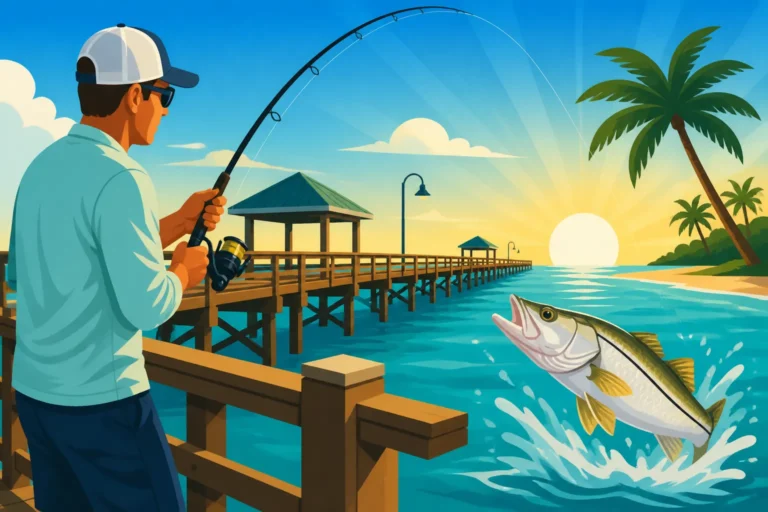
One of the biggest frustrations for aspiring anglers is often the sheer logistics of getting out on the water. Boats require maintenance, launching, and a good bit of expense. But piers? They're quite literally built for public access. You just show up, often pay a small fee, and walk out over the fish. This ease makes them perfect for everyone from seasoned pros looking for a quick session to families introducing their kids to fishing for the very first time. You don't need to worry about tides stranding your boat, or navigating tricky channels. The pier takes you right where the action is.
Moreover, piers in the Panhandle offer a unique blend of experiences. You can fish the surf zone from the beginning of the pier, targeting species typically found closer to shore, or walk hundreds, even thousands, of feet out to access deeper waters where larger, more pelagic species roam. It's like having multiple fishing environments rolled into one convenient location. For those wondering, the question of Do You Need a License to Fish From a Florida Pier? is often simplified, as many of the larger piers operate under a blanket fishing license, covering all patrons for a nominal daily fee, which is a huge convenience. This makes them a fantastic, low-stress option compared to needing your own individual Florida Saltwater Fishing License Rules.
A Cornucopia of Marine Life at Your Fingertips
You might think that fishing from a fixed structure limits your catch, but the opposite is often true in the Panhandle. These piers act as artificial reefs, attracting baitfish, crustaceans, and, consequently, a vast array of predatory game fish. From the planks of these piers, you can target a stunning variety of species throughout the year.
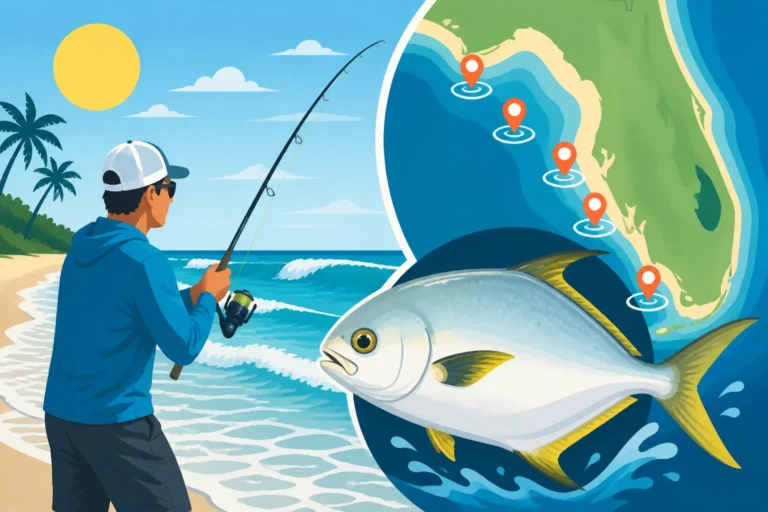
Closer to shore, especially around the pilings and in the shallower sections, you're likely to find common inshore species like spotted seatrout, redfish, flounder, and sheepshead. These are excellent targets for light tackle and offer consistent action. As you venture further out, the depth increases, and with it, the potential for larger, more exciting catches. King mackerel, Spanish mackerel, cobia, pompano, bluefish, and even sharks are all frequent visitors. During certain migrations, tarpon and even red snapper (during specific seasons) can be caught from the end of these extended structures. Understanding the Florida Fishing Regulations and Bag Limits for each species is crucial, as these rules are strictly enforced to protect fish populations. Whether you're chasing dinner or just the thrill of the fight, a Panhandle pier offers a legitimate chance at a trophy fish.
A Deep Dive into the Panhandle's Premier Fishing Piers
The Florida Panhandle boasts several impressive fishing piers, each with its own character, length, and local charm. These structures aren't just for fishing; many offer amenities like bait shops, restaurants, and viewing platforms, making them full-fledged attractions. Knowing what to expect at each can greatly enhance your fishing adventure.
Navarre Beach Fishing Pier: Stretching into the Gulf
Often touted as the longest pier in Florida, the Navarre Beach Fishing Pier is an absolute marvel, extending an incredible 1,545 feet into the Gulf of Mexico. Located in Navarre, just east of Pensacola, this concrete behemoth provides access to incredibly productive waters. The sheer length means you can reach depths that are often only accessible by boat, making it a hotspot for a wide variety of species.
When you fish the Navarre Beach Pier, you'll find a well-stocked bait and tackle shop right at the entrance, offering everything from live shrimp and frozen squid to the latest lures. They also rent rods and reels, making it incredibly convenient for spontaneous trips. Throughout the year, anglers here can expect to catch Spanish mackerel, king mackerel, pompano, flounder, redfish, and various snapper species. During the spring and fall migrations, the pier becomes a prime location for casting at schools of baitfish, which often attract large predatory fish like king mackerel and even tarpon. The pier often has a small fee for fishing, which covers your fishing license for the day, a fantastic deal for visitors and locals alike, removing the hassle of individual licenses for Who Needs a Fishing License in Florida.
Pensacola Beach Pier: A Local Legend
The Pensacola Beach Pier is another iconic landmark on the Gulf Coast. Stretching 1,471 feet into the shimmering waters, it’s a vibrant hub of activity. Situated in the heart of Pensacola Beach, it's easily accessible and surrounded by restaurants and shops, making it a great family outing even if not everyone in your group is fishing.
This pier is known for its consistent action and diverse catches. From speckled trout and redfish in the shallower sections to king mackerel, Spanish mackerel, cobia, and even barracuda further out, there's always something biting. During the colder months, sheepshead and pompano become primary targets, while the warmer seasons bring in the pelagics. Many anglers bring multiple setups: one for bottom fishing with live or cut bait (like dead shrimp or squid) and another for casting spoons or jigs for Spanish mackerel. There's usually a pier staff on hand who can offer advice on current conditions and what's biting. If you're looking for a great spot to try for Best Time of Year to Fish in Florida, this pier offers year-round opportunities with different species becoming active in different seasons.
Okaloosa Island Fishing Pier: Where the Fun Never Stops
Heading east towards Fort Walton Beach, you'll find the Okaloosa Island Fishing Pier, a slightly shorter but no less productive pier that measures about 1,262 feet. This pier is particularly popular with families due to its location near several attractions, restaurants, and hotels. It’s a lively spot with a friendly atmosphere, perfect for a casual day of fishing.
The Okaloosa Island Pier offers excellent opportunities for various species. Inshore fish like pompano, whiting, and redfish are common closer to shore, while Spanish mackerel, king mackerel, bluefish, and even small sharks are caught further out. The pier has a well-stocked tackle and bait shop, and like many large Florida piers, a daily fishing fee covers your fishing license. It's a great place to try different techniques; you'll see people casting live baits, chunking cut bait on the bottom, or rapidly retrieving artificial lures. Many anglers swear by using Sabiki rigs to catch baitfish right off the pier, then using that fresh bait to target larger game. If you're considering Best Piers for Fishing Without a Boat, Okaloosa Island Pier is certainly a contender, providing direct access to prime Gulf waters.
The Panama City Beach Piers: Russell-Fields and Dan Russell
Panama City Beach is unique in that it boasts two impressive, nearly identical piers: the Russell-Fields City Pier and the M.B. Miller County Pier (often called the Dan Russell Pier). These twin piers, both stretching approximately 1,500 feet into the Gulf, offer anglers ample space and double the opportunity to land a big one. They are managed by different entities but provide very similar fishing experiences and amenities.
Both Russell-Fields and Dan Russell piers are renowned for their incredible king mackerel runs, particularly in the spring and fall. Anglers often come equipped with specific setups for these powerful fish, using heavy-duty Best Rod and Reel Setup for Florida Inshore Fishing and various live or artificial baits. Beyond kings, you'll find Spanish mackerel, cobia, pompano, flounder, and various bottom fish. Each pier has a bait and tackle shop, offers rod rentals, and requires a daily fishing fee that includes your fishing license. For those interested in offshore species without a boat, these piers truly deliver. If you're having trouble finding exact details or want to see what local guides are reporting near these spots, fishing charter platforms like FishingBooker can sometimes offer insights into recent catches and conditions from nearby areas, even if you're planning a pier trip.
Essential Strategies and Gear for Successful Pier Fishing
Stepping onto a fishing pier can feel a bit overwhelming, especially with so many people and different approaches. But with a bit of planning and the right knowledge, you can significantly increase your chances of success and ensure a pleasant experience for everyone.
Outfitting Your Tackle for the Panhandle Piers
You don't need a boatload of gear, but having a few essential items will make a world of difference. For general pier fishing, a medium-heavy spinning rod (7-9 feet in length) paired with a 4000-6000 series reel spooled with 20-30 lb braided line is a versatile setup. This will allow you to cast far enough to reach deeper water while still having the power to handle larger fish.
For leaders, fluorocarbon in the 30-50 lb range is often preferred for its abrasion resistance and low visibility, particularly when targeting toothy fish. For king mackerel, a wire leader is absolutely essential to prevent cut-offs. As for hooks, circle hooks are highly recommended for their effectiveness and ability to reduce gut-hooking, promoting better catch-and-release practices. Always carry a variety of weights (pyramid or Sputnik sinkers are good for holding bottom in current) and swivels. And don't forget pliers, a knife, a towel, and a cooler for your catch and drinks! If you ever think about Best Rigs for Surf Fishing, many of those rigs can be adapted for pier use, especially for pompano and whiting in the shallower sections.
Mastering Techniques, Bait Selection, and Pier Manners
Successful pier fishing often comes down to understanding the nuances of bait presentation and respecting your fellow anglers.
- Bait Selection: Live bait is almost always king. Shrimp, fiddler crabs, pilchards, and mullet are excellent choices for nearly all species. You can often catch your own baitfish like pinfish or cigar minnows right from the pier using a Sabiki rig. For dead bait, cut squid, shrimp, or mullet strips work well for bottom feeders. Artificial lures like casting spoons (for Spanish mackerel), bucktail jigs, and soft plastics can also be incredibly effective, especially for species like pompano and flounder. Researching Best Bait for Snook Fishing in Florida can also give you ideas, as snook occasionally cruise the pier pilings in certain areas.
- Techniques:
- Bottom Fishing: This is a staple. Use a fish-finder rig or a Pompano rig with pyramid sinkers. Cast out, let it settle, and wait for a bite. This works for flounder, redfish, whiting, pompano, and various snappers.
- Casting and Retrieving: For Spanish mackerel, cast spoons (like a Clarkspoon) or small jigs and retrieve quickly. For king mackerel, a live baitfish fished under a float or slow-trolled (if allowed, check pier rules) can be deadly.
- Sight Fishing: From the elevated vantage point of a pier, you can sometimes spot schools of fish or even larger predators cruising. Be ready to cast quickly to these visible targets.
- Pier Etiquette: This is critical for an enjoyable experience. Be mindful of casting lines near others, especially when there are many people. Don't crowd other anglers. Clean up after yourself, and dispose of all trash, including discarded fishing line, properly. A little common courtesy goes a long way. And remember, be patient! Fishing is called fishing, not catching, for a reason.
Navigating Regulations and Seasonal Opportunities
Even on a pier, understanding the Florida Fishing Seasons Explained and specific regulations for each species is paramount. The Florida Fish and Wildlife Conservation Commission (FWC) updates these rules regularly, so a quick check before you head out is always a good idea. This includes bag limits, minimum/maximum sizes (slot limits), and open/closed seasons for various fish. For example, popular species like red snapper have very specific and often short open seasons, even for recreational pier anglers. The Florida Red Snapper Season Guide is a must-read if you hope to target them.
Seasonality plays a huge role in what you'll catch. Spring and fall often bring migratory species like king and Spanish mackerel, bluefish, and cobia as they move along the coast. Summer means warmer water and a wider array of species, but also more crowds. Winter, while sometimes slower, can be excellent for pompano, sheepshead, and flounder. Learning about Florida Fishing Seasons Explained will help you plan your trips around your target species. Also, bear in mind that sometimes certain environmental factors like red tide can affect fishing, so it's always good to check local conditions before you go.
If you find yourself on the pier wanting to expand your horizons or simply have a more targeted experience than pier fishing can sometimes offer, consider looking into a local fishing charter. Platforms like FishingBooker allow you to browse reputable captains in the Panhandle, such as those operating out of Destin or Panama City Beach, who can take you to specific offshore spots or inshore flats. This can be a great way to learn new techniques and target different species if pier fishing isn't yielding the results you hoped for, or if you prefer a guided Florida Fishing Charter Guide experience.
Maximizing Your Catch: Advanced Strategies for Florida Panhandle Piers
While pier fishing is accessible, becoming truly successful often means going beyond the basics. It involves understanding the environment, being adaptable, and sometimes, knowing when to switch up your approach entirely.
The Rhythms of Nature: Tides, Seasons, and Weather
Fish are creatures of habit, heavily influenced by their environment. Understanding these natural rhythms will drastically improve your success.
- Tides: Tidal flow is arguably the most critical factor in saltwater fishing. Moving water often means feeding fish. An incoming or outgoing tide typically pushes baitfish, creating feeding opportunities for predators. Slack tide, when the water isn't moving much, can sometimes be slower. Pay attention to how the current moves around the pier pilings; fish often hold in eddies or behind structure to ambush prey. You'll notice better bites on different stages depending on the species you're targeting.
- Seasons: As mentioned, seasons dictate species availability. Learning the migrations and seasonal patterns specific to the Panhandle will make you a much more effective angler. For instance, the Florida Fishing Seasons Explained delves into when various fish species are most active and accessible.
- Weather: Overcast days or periods just before a storm can often trigger a strong bite, as fish sense changes in pressure or light. Conversely, bright, sunny, calm days can sometimes make fish more skittish. Always check the forecast, and while a little rain won't typically hurt, be prepared for sudden Florida thunderstorms. Safety should always be your top priority.
Beyond the Pier: When a Charter Calls
Sometimes, despite all your best efforts, the fish just aren't biting from the pier. Or perhaps you've exhausted the pier's potential and want to try something different. This is where a charter boat truly shines. While piers offer incredible access and diverse catches, they can't take you to all the secret spots or far offshore reefs.
If you're dreaming of deep-sea fishing for grouper and snapper, or exploring the shallow grass flats for trophy redfish and snook, a charter captain has the vessel, knowledge, and gear to make it happen. Captains spend countless hours on the water, tracking fish movements and understanding local conditions in ways a pier angler simply cannot. They also provide all the necessary licenses, bait, and tackle, making it a truly turnkey experience. For instance, searching on platforms like FishingBooker for charters in Destin or Panama City Beach can reveal options for offshore trips, inshore excursions, or even specialized shark fishing adventures. It's a fantastic way to broaden your angling horizons and experience a different side of Florida's fishing prowess.
Here's a quick overview of some of the Panhandle's top fishing piers:
| Pier Name | Location | Approx. Length (Feet) | Common Target Species | Key Features / Amenities | License Requirement |
|---|---|---|---|---|---|
| Navarre Beach Fishing Pier | Navarre Beach | 1,545 | King Mackerel, Spanish Mackerel, Pompano, Flounder, Redfish | Bait & Tackle Shop, Restrooms, Rentals, Observation Deck | Covered by daily pier fee |
| Pensacola Beach Pier | Pensacola Beach | 1,471 | King Mackerel, Spanish Mackerel, Cobia, Trout, Redfish | Bait & Tackle Shop, Restaurants nearby, Restrooms, Rentals | Covered by daily pier fee |
| Okaloosa Island Fishing Pier | Fort Walton Beach | 1,262 | Spanish Mackerel, Pompano, Redfish, Bluefish, Sharks | Bait & Tackle Shop, Restrooms, Rentals, Nearby Attractions | Covered by daily pier fee |
| Russell-Fields City Pier | Panama City Beach | 1,500 | King Mackerel, Spanish Mackerel, Cobia, Tarpon, Sharks | Bait & Tackle Shop, Restrooms, Rentals, Snack Bar | Covered by daily pier fee |
| M.B. Miller (Dan Russell) Pier | Panama City Beach | 1,500 | King Mackerel, Spanish Mackerel, Cobia, Tarpon, Sharks | Bait & Tackle Shop, Restrooms, Rentals, Snack Bar | Covered by daily pier fee |
Disclaimer
Fishing regulations, seasons, and pier rules can change. Always consult the latest Florida Fish and Wildlife Conservation Commission (FWC) guidelines and check with the specific pier for current information before your trip. This guide is for informational purposes only and should not replace official sources.