Best Month to Catch Mahi Mahi Offshore Florida
There's nothing quite like the electrifying flash of a mahi-mahi leaping across the clear blue waters of the Gulf Stream, especially when you're the one holding the rod. But if you've ever spent a day offshore without even a whisper of a bite, you know the frustration. Timing is everything with these incredible fish, and pinning down the "best month" can feel like a moving target. This guide is all about cutting through the guesswork, helping you understand precisely when and why Florida's offshore waters light up with mahi-mahi action, so your next trip is filled with unforgettable pulls.
The Prime Time for Mahi Mahi Offshore in Florida
When it comes to targeting mahi-mahi, often called dolphin fish (but don't confuse them with the marine mammals!), Florida offers incredible opportunities. However, there's definitely a sweet spot in the calendar when these vibrant, aggressive fighters are most abundant offshore.
Peak Mahi Mahi Season Explained
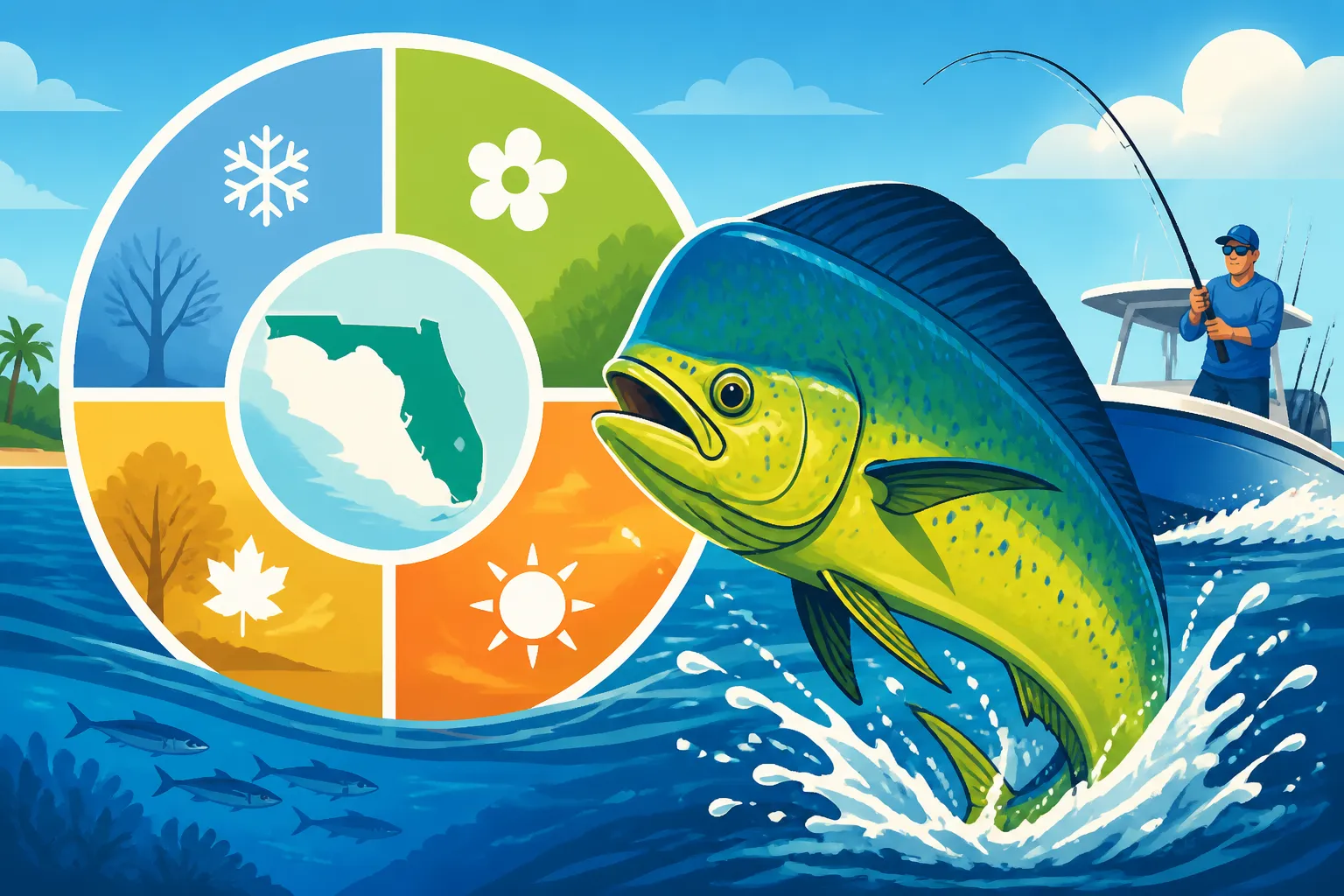
Hands down, the absolute best month to catch mahi-mahi offshore in Florida is May. While the action can start ramping up in April and often extends strongly into June, May typically represents the zenith of the mahi migration. During this time, the ocean conditions are usually ideal, with warming waters bringing in massive schools of baitfish, which the mahi follow eagerly.
During May, you'll find mahi-mahi in larger numbers and often larger sizes, particularly along the eastern coast of Florida, from the Florida Keys all the way up to Jacksonville. This is when the Gulf Stream is typically running strong and close to shore, acting like a superhighway for these pelagic predators. Days are longer, seas are often calmer, and the overall experience of being offshore is just fantastic. It’s not uncommon for boats to find consistent action, with multiple hookups at once, creating a chaotic and thrilling scene on deck.
Shoulder Seasons and What to Expect
While May is peak, don't dismiss the shoulder months! April and June are incredibly productive as well.
- April: This is often the precursor to the main event. Water temperatures are steadily rising, and the first waves of migratory mahi start appearing. While numbers might not be as high as in May, you can often find some real bruisers, the larger "bull" mahi, leading the charge. The weather can be a bit more unpredictable than May, but skilled captains know how to make the most of those transitional conditions. This is a great time if you prefer slightly fewer boats on the water and don't mind putting in a bit more search time.
- June: Following May's peak, June continues to offer excellent mahi-mahi fishing. The fish are still abundant, though you might start to see a higher percentage of smaller "schoolie" mahi as the season progresses. The heat of summer really starts to set in, meaning earlier departures might be necessary to beat the afternoon thunderstorms. However, the consistent presence of bait and the lingering effect of the Gulf Stream keep the bite strong. For many, June offers a fantastic balance of good fishing and summer vacation opportunities.
Beyond June, mahi-mahi can still be caught throughout the summer and even into the fall, but typically in smaller, more scattered numbers. They tend to follow bait and current lines, so while you might stumble upon a great bite, it's less predictable than the spring run. If you're planning your trip, consider aiming for that April-June window, with May being the prime target. It's often discussed in detail in any comprehensive guide to Florida Fishing Seasons Explained.
Regional Variations Across Florida
Florida's long coastline means that while the general peak season holds true, there are subtle regional differences that can impact your specific trip.
- Southeast Florida (Miami, Fort Lauderdale, Palm Beach): This region is arguably the epicenter for mahi-mahi fishing due to its proximity to the Gulf Stream. Here, the current runs closest to shore, often just a few miles out, making it easier and quicker to access prime fishing grounds. The season here is very consistent from April through June, with May being outstanding. This area is known for its prolific "weed lines" – sargassum weed mats that congregate baitfish and, consequently, mahi.
- Florida Keys (Key West, Marathon, Islamorada): The Keys also experience a fantastic mahi run, often paralleling the Southeast coast. Anglers here benefit from the constant flow of the Gulf Stream, and the numerous humps, wrecks, and reefs act as additional attractors for bait and predators alike. The fishing remains strong through summer, with smaller schoolie mahi often abundant closer to shore in the warmer months.
- Southwest Florida (Naples, Fort Myers, Sarasota): On the Gulf side, mahi-mahi are less consistently found as close to shore as on the Atlantic. While they are still caught, particularly further offshore in deep water, the influence of the Gulf Stream is not as direct. Anglers here might need to travel further out, often 40-60 miles or more, to find the consistent blue water and temperature breaks where mahi congregate. The peak here might feel slightly later, extending more into June and July, as the Gulf waters warm up.
- Panhandle (Destin, Panama City Beach): Similar to Southwest Florida, the Panhandle sees mahi-mahi further offshore. You'll typically need to head out to the edge of the continental shelf, often 40-100 miles, to find the deep-water structures and temperature breaks they prefer. Their presence here is usually strongest in late spring and summer, particularly when the loop current pushes warm, blue water into the northern Gulf. Charters from Destin, for example, will spend a good amount of time traveling to get to the productive mahi grounds.
Factors Influencing Mahi Mahi Seasonality
Understanding why mahi-mahi are so prevalent during certain months isn't just academic; it helps you predict their movements and locate them more effectively. These aren't static fish; they're constantly on the move, chasing their next meal and seeking optimal conditions.
Water Temperature's Crucial Role
Mahi-mahi are warm-water pelagic fish, meaning they prefer tropical and subtropical waters. Their ideal temperature range is generally between 72°F and 88°F (22°C to 31°C). In Florida, our offshore waters typically hit this sweet spot in spring and early summer. As the winter chill fades, the ocean warms up, signaling to these migratory fish that it's time to move north from their overwintering grounds in the Caribbean and further south.
The warmer waters also lead to a bloom in plankton, which kickstarts the entire food chain, attracting baitfish. If you see a sustained period of ideal water temperatures, it's a strong indicator that mahi-mahi will be in the area. Savvy anglers constantly monitor sea surface temperature charts provided by various marine weather services, looking for those crucial temperature breaks where different water masses meet, as these are often prime feeding zones.
Baitfish Movements Drive the Bite
Think of mahi-mahi as opportunistic predators with a massive appetite. They follow their food. The spring months see huge migrations of baitfish along Florida's coasts, including ballyhoo, flying fish, sardines, and small squid. These bait schools are the lifeblood of the offshore ecosystem, and where they go, the mahi-mahi will follow.
One of the most exciting aspects of offshore fishing is encountering a massive school of bait being terrorized by mahi. You might see birds diving, fish crashing the surface, or even mahi leaping clean out of the water in pursuit of a meal. These feeding frenzies are truly spectacular, and if you can get your bait into the chaos, you're almost guaranteed a hookup. Having a keen eye for these signs is often a bigger determinant of success than any specific lure.
The Undeniable Influence of the Gulf Stream
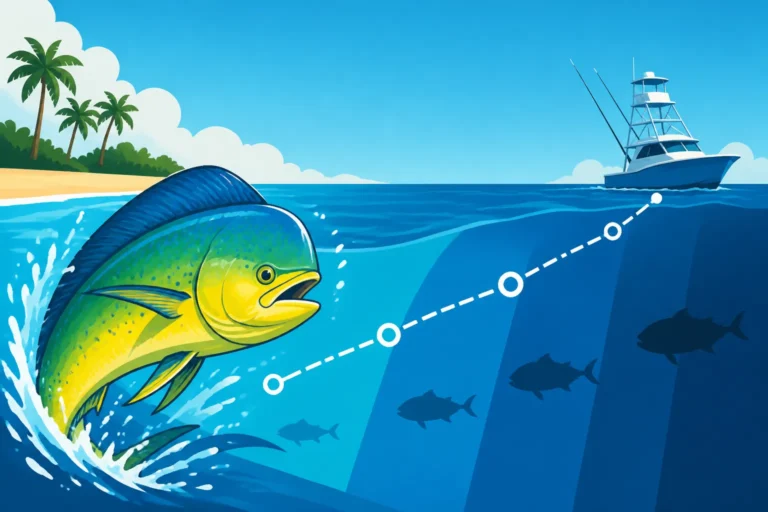
For East Coast Florida, the Gulf Stream is the single most important factor for mahi-mahi fishing. This powerful, warm ocean current acts as a giant conveyor belt, pushing warm water, bait, and floating debris (like sargassum weed lines) up the coast. Mahi-mahi actively use the Gulf Stream's currents for migration and feeding. They often lurk along the edges and color changes of the stream, where nutrient-rich cooler water meets the warmer, clearer Gulf Stream water, creating an ideal ambush point for baitfish.
The proximity and strength of the Gulf Stream can vary from day to day and even hour to hour. On a good day, it might be just a few miles offshore, easily accessible to smaller boats. On other days, it might push further out, requiring a longer run. Understanding its dynamics is key to finding the fish. Many captains, particularly those running a Florida Deep Sea Fishing Charter Guide, live and breathe by the Gulf Stream charts, knowing that it's the highway for these pelagic species. You can often see the distinct color change in the water when you hit the edge of the stream, from green coastal water to deep, sapphire blue.
Weather and Ocean Conditions
While not a direct factor in seasonality, weather and ocean conditions play a massive role in the success of any offshore trip. Stable weather patterns, with light winds and calm seas, are ideal. Strong fronts, heavy winds, or significant wave action can make it difficult to get offshore, locate fish, and present baits effectively.
Even more importantly, a good offshore bite can be affected by prolonged periods of bad weather that scatter bait or push the Gulf Stream further offshore. Conversely, a few days of calm, warm weather after a cold front can often lead to a fantastic bite as conditions stabilize and fish get active again. When planning your trip, always keep an eye on the marine forecast, not just for safety, but for how it might impact the fish. It's also important to consider things like How Hot Weather Affects Summer Fishing in Florida, especially if you're fishing later in the mahi season.
Gear and Techniques for Offshore Mahi Mahi
Okay, so you know when and why they're around. Now let's talk about the how. Catching mahi-mahi offshore requires specific tackle and proven techniques to maximize your chances of success.
Essential Tackle for Mahi Mahi
Mahi-mahi are strong, acrobatic fighters, so your gear needs to be up to the task. You'll want a versatile setup that can handle both trolling and casting to schooling fish.
- Rods: Look for medium-heavy to heavy conventional or spinning rods, typically 6 to 7 feet in length. The rods should have a fast action to handle quick hook sets and enough backbone to muscle a strong fish. Brands like Penn, Shimano, and Daiwa offer excellent options that are readily available on platforms like Amazon.
- Reels: For conventional setups, a 30-pound class lever drag reel is very popular. For spinning, a 6000-8000 size reel with a strong drag system is perfect. These reels need to hold a good amount of line, as mahi can make blistering runs.
- Line: Most anglers opt for 30-50 lb monofilament or braided mainline. Braided line offers increased sensitivity and strength in a smaller diameter, but a monofilament top shot is often used for its stretch and abrasion resistance. A 60-80 lb fluorocarbon leader is usually tied to the main line, as mahi have good eyesight. Thinking about the fight, you might want to consider similar line strengths as discussed in What Pound Test Line for Tarpon Fishing?
- Hooks: Circle hooks are highly recommended, especially when using live bait, as they tend to hook fish in the corner of the mouth, reducing gut-hooking and improving survival rates for released fish. Sizes typically range from 7/0 to 9/0, depending on the bait size.
- Lures & Baits:
- Live Bait: Ballyhoo are king for mahi. Pilchards, sardines, and even small blue runners can also be deadly.
- Artificial Lures: Skirted trolling lures, often rigged over a ballyhoo, are incredibly effective. Surface poppers, diving plugs, and soft plastics can also be excellent when casting to visible schools. Bright colors like pink, green, yellow, and blue are perennial favorites.
Effective Fishing Techniques
There are a few go-to methods for targeting mahi-mahi offshore, each with its own advantages. These are core components of Florida Offshore Fishing Techniques.
- Trolling: This is perhaps the most common and effective way to cover ground and find mahi-mahi. Boats typically deploy a spread of lures, often skirted ballyhoo, at varying distances behind the boat. The idea is to mimic a school of baitfish or a struggling fish. Trolling speeds usually range from 5 to 9 knots, depending on the lures and conditions. When trolling, keep an eye out for birds, weed lines, and floating debris – these are all indicators of potential mahi habitat. This is a fundamental aspect of the Trolling Technique for Offshore Fishing.
- Run-and-Gun (Sight Fishing): This is the most exhilarating method. It involves actively searching for signs of mahi-mahi, such as diving birds, floating debris, or visible schools of fish. Once a school is located, the boat races to the spot, and anglers quickly cast live baits or artificial lures into the frenzy. Mahi-mahi are known for their "schooling" behavior, where catching one can lead to catching many, as they often stay with a hooked fish.
- Chumming: Once you've hooked a mahi-mahi, especially a schoolie, you can often keep the school around the boat by tossing out handfuls of cut bait (chum). This can create a feeding frenzy right at the transom, allowing you to catch multiple fish from the same school using light tackle or even fly rods. It's incredibly fun and productive.
Finding Mahi Mahi Offshore
Locating mahi-mahi isn't always about blindly trolling in the middle of nowhere. There are specific structures and conditions offshore that consistently hold these fish.
- Weed Lines: These are lines of floating sargassum seaweed, often miles long, that accumulate in currents like the Gulf Stream. They provide shelter and food for a vast array of small marine life, which in turn attracts baitfish and then the predators like mahi-mahi. Always investigate a good weed line – fish it thoroughly!
- Floating Debris: Any floating object, from a single palm frond to a discarded pallet, can act as a miniature ecosystem, attracting small fish and ultimately mahi. These fish often use the shade and cover for ambush points. Approach floating debris slowly and quietly, then cast around it.
- Temperature and Color Breaks: As mentioned, where different water masses meet, temperature and color changes occur. These "breaks" are often areas of increased productivity, concentrating bait and predators. Your fish finder and GPS plotter can help you identify these subtle but important transitions.
- Birds: Pay close attention to diving seabirds, especially frigatebirds, terns, and gulls. They're often indicators of baitfish being driven to the surface by feeding predators, including mahi-mahi. A good pair of binoculars is an essential tool for any offshore angler.
- Humps and Submerged Structures: While pelagic, mahi-mahi will sometimes congregate around offshore humps, ledges, and wrecks that hold baitfish or other game fish. These are common targets for boats running a Florida Deep Sea Fishing Charter Guide. Knowing How Far Offshore Do You Need to Go for Mahi Mahi? often depends on how far these structures or the Gulf Stream are from shore.
Planning Your Offshore Mahi Mahi Adventure
A successful offshore trip, especially for mahi-mahi, isn't just about the fishing itself, but also the preparation and understanding of the broader experience.
Booking a Charter or Running Your Own Boat
Many anglers choose to book a Florida Fishing Charter Guide for their mahi-mahi pursuits, especially if they're visiting or don't have their own offshore-capable boat. Charters provide all the necessary gear, bait, and the invaluable expertise of a seasoned captain who knows the local waters and current conditions. They'll handle navigating offshore, finding the fish, and managing the boat, allowing you to focus solely on fishing. You can choose between a private charter or a shared "party boat" experience, depending on your budget and preference. Many excellent charters operate out of places like Fort Lauderdale, Islamorada, and Key West.
If you're running your own boat, ensure it's properly equipped for offshore travel, including reliable engines, adequate safety gear, and up-to-date navigation electronics. Offshore fishing in Florida is exhilarating, but the ocean demands respect. Always check the marine weather forecast, tell someone your float plan, and have all required safety equipment on board.
What to Expect on a Mahi Mahi Trip
An offshore mahi-mahi trip is typically a full-day affair, often starting early in the morning to maximize fishing time and take advantage of calmer morning seas. You'll usually motor a significant distance offshore, anywhere from 10 to 40 miles (or more, depending on your location and the day's conditions) to reach the deep blue waters where mahi reside.
Once in the fishing grounds, the hunt begins. This can involve hours of trolling, with everyone on deck scanning the horizon for signs of life. The excitement builds with every weed line, every diving bird, and every ripple on the surface. When a fish hits, it's usually a fast and furious fight, characterized by screaming drags and spectacular jumps. Mahi-mahi are known for their vibrant colors which often "light up" when they are excited or hooked.
When you're packing for your trip, consider the duration and sun exposure. Things like polarized sunglasses, a wide-brimmed hat, long-sleeved sun shirts (many great options on Amazon), and plenty of sunscreen are absolute must-haves. You can find more comprehensive lists in What to Bring on a Florida Fishing Charter. Don't forget snacks and plenty of water or other hydrating beverages.
Conservation and Regulations
As with all fishing in Florida, it's vital to be aware of and abide by current Florida Fishing Regulations and Bag Limits. Mahi-mahi are generally managed at the federal level in both Atlantic and Gulf waters. While bag limits are typically generous for recreational anglers (often 10 fish per person per day, not to exceed 60 fish per vessel in the Atlantic), it's crucial to verify the most current regulations as they can change. There is usually a minimum size limit as well (often 20 inches fork length).
Practicing responsible catch and release for smaller fish or those you don't intend to keep helps ensure the sustainability of this fantastic fishery. Use appropriate gear, handle fish carefully, and release them quickly to give them the best chance of survival.
Disclaimer
Fishing conditions and regulations in Florida can change frequently. Always consult the latest rules and advisories from the Florida Fish and Wildlife Conservation Commission (FWC) before heading out on your fishing trip. The information provided in this guide is for general informational purposes only and should not be considered legal or definitive advice.