Best Month for Bass Fishing on Lake Okeechobee
If you've ever found yourself staring at a calendar, trying to pinpoint the absolute best time to chase trophy largemouth bass on Florida's legendary Lake Okeechobee, you're not alone. This massive body of water presents incredible opportunities but also unique challenges, making seasonal timing critical for success. This comprehensive guide will break down the bass fishing seasons on the "Big O," helping you understand when and why certain months shine brighter for landing that bucket-list bass.
Understanding Lake Okeechobee's Bass Fishery
Lake Okeechobee isn't just a lake; it's an ecosystem, a sprawling freshwater sea that changes with the seasons, profoundly impacting how and when largemouth bass feed and behave. Its sheer size and diverse habitat, from vast open water to dense cattail and hydrilla mats, mean that bass fishing here is rarely one-size-fits-all. Understanding the underlying dynamics is key to unlocking its secrets.
The Dynamics of a Massive Lake
Imagine a lake so large that you can't see across it, where weather patterns can shift dramatically in an hour, and water levels fluctuate significantly throughout the year. That's Okeechobee. This enormous scale means that bass aren't concentrated in one small area; they're spread out, following forage, temperature changes, and oxygen levels. The massive reed lines and hydrilla fields provide incredible cover, but also make finding fish a real puzzle, especially when they're not actively feeding. The fish here are strong, too, honed by generations in a challenging environment. This means they put up an incredible fight, often testing your gear to its limits.
Key Factors Influencing Bass Behavior
Several environmental factors dictate bass behavior on Lake Okeechobee. First and foremost is water temperature. Like all cold-blooded creatures, bass metabolism, feeding activity, and spawning urges are directly linked to the water's warmth or coolness. Secondly, water levels play a huge role. High water can open up new areas for bass to move into, offering fresh feeding grounds and cover, while low water can concentrate fish in channels or around deeper structure. Lastly, the moon phases and associated frontal systems heavily influence the bass spawn cycles. Knowing when the bass are looking to bed is often the golden ticket to catching big ones, as they become more predictable and aggressive defending their nests. You'll often find anglers talking about the "Florida Bass Spawning Season" as a critical time, and for good reason!
The Peak Seasons for Trophy Bass
While you can catch bass on Lake Okeechobee year-round, there are undeniably prime windows when the conditions align perfectly for targeting not just numbers, but truly exceptional, trophy-sized largemouth. These periods often revolve around the cooler months and the anticipation of the spawn.
Winter: The Prime Time for Big Bass
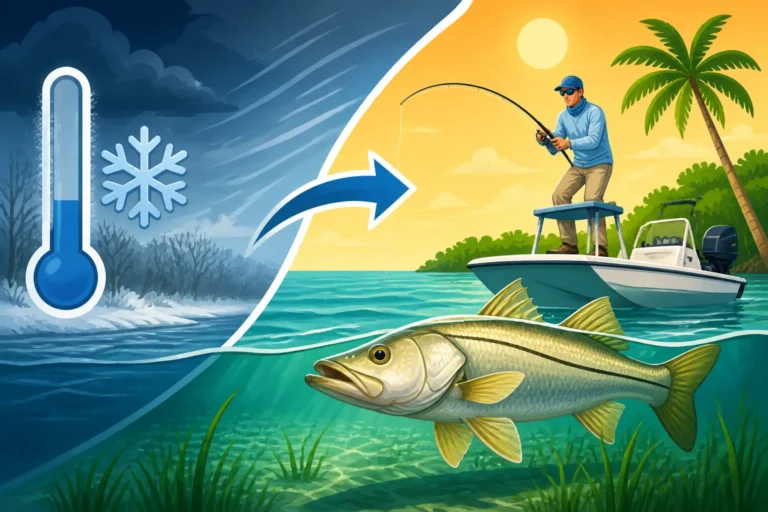
Hands down, if you're chasing a trophy largemouth on Lake Okeechobee, the period from December through February is often considered the absolute best. Why? This is when the water temperatures drop, triggering the bass to become more active in preparation for their spawning rituals. They start to move into shallower, protected areas, seeking warmer water and suitable bedding grounds.
During these months, you'll find bass gorging themselves, trying to pack on weight before the arduous spawning process. This means they are more aggressive and willing to hit a wider variety of baits. Cold fronts can certainly slow things down, but the periods between fronts, especially with stable, warming weather, can lead to explosive bites. Anglers often focus on the dense hydrilla mats, cattail lines, and reed beds along the lake's edges, particularly in areas like the North Shore, Indian Prairie Canal, or around Belle Glade. Flipping and pitching heavy jigs or soft plastics into these mats is a popular and highly effective technique. Slow-rolling spinnerbaits or using lipless crankbaits can also be productive in open grass lines. Many experienced anglers will tell you that if you want your best shot at a true giant, bundle up and hit the Big O during these cooler months. For more specific location insights, our guide on Best Bass Fishing Hot Spots on Lake Okeechobee, Florida is an indispensable tool.
Early Spring: Post-Spawn Action
Following the winter peak, March and April transition into the post-spawn period, which can still be incredibly productive. While many fish have already spawned, a significant portion will be recuperating or still finishing up their cycles, especially the bigger females. As the water warms further, bass activity remains high, but their focus shifts from spawning to replenishing their energy reserves.
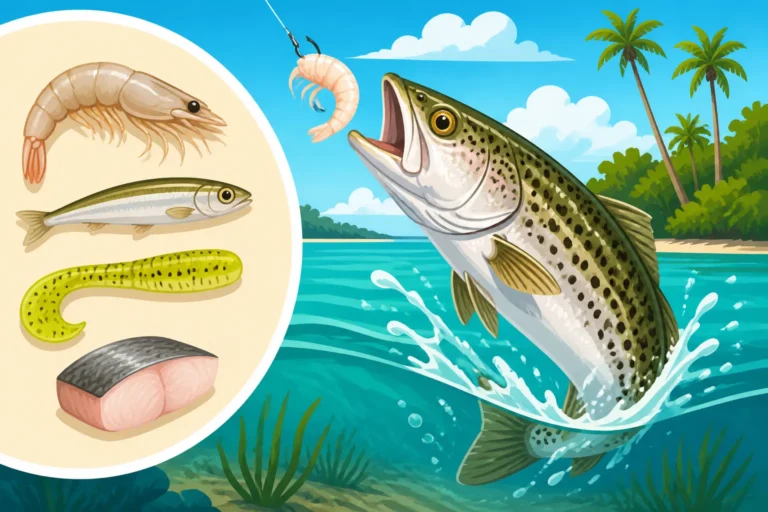
This is a fantastic time for topwater action in the mornings and evenings, as bass cruise the shallow flats looking for an easy meal. Buzzbaits, frogs, and walking baits can draw violent strikes. As the day progresses and the sun gets higher, bass often retreat to the shade of emergent vegetation or deeper edges, making Texas-rigged worms, Senkos, or creature baits pitched into cover very effective. The fish are still shallow and accessible, but their patterns might be a little more spread out than during the pre-spawn frenzy. This is also a time when many guides excel at finding the active fish, as they know the nuances of the lake's changing conditions. If you're considering a guided trip, checking out Best Fishing Guides for Lake Okeechobee Bass Fishing might give you an edge.
Lesser-Known Productive Months
While winter and early spring get most of the glory, Lake Okeechobee offers excellent bass fishing opportunities in other seasons too, provided you adjust your tactics. Don't dismiss these months; they can offer fantastic fishing with fewer crowds.
Late Spring and Early Summer: Deep Water and Early Mornings
As May and June roll around, the Florida heat really starts to kick in. The water temperatures climb, and the bass patterns begin to change dramatically. The shallow bite, which was so dominant earlier in the year, can become much tougher, especially during the middle of the day. However, this doesn't mean the fishing shuts down; it just means you have to adapt.
During late spring and early summer, the key is often to focus on deeper water or target the low-light hours. Bass will move to the deeper edges of hydrilla fields, shell beds, and submerged structure to find cooler, more oxygenated water. Crankbaits, Carolina rigs, and football jigs become go-to choices for probing these deeper zones. The early morning bite, right at dawn, can still be phenomenal, particularly with topwater lures or ChatterBaits fished over grass flats before the sun gets too high. This is also when bass might move into open water, following schools of shad or other baitfish, making a good fish finder invaluable. Even though it's getting warmer, if you're an early riser, these months can offer some fantastic action, and a good pair of polarized sunglasses, easily found on Amazon, can make all the difference in spotting bass cruising the shallows or identifying subtle changes in vegetation.
Fall: The Recovery and Feeding Frenzy
By October and November, the stifling summer heat begins to subside, and the bass on Lake Okeechobee start to recover from the stresses of the warmer months. As temperatures cool and shorter days arrive, the bass metabolism picks up, and they begin to feed aggressively in preparation for winter and the upcoming spawn. This period is often overlooked by anglers, but it can be incredibly rewarding.
During the fall, bass become more active throughout the day, chasing baitfish in the shallow to mid-depth areas. Spinnerbaits, swim jigs, and lipless crankbaits fished through grass beds are excellent choices. Topwater lures can still draw strikes, especially on cloudy days or during the early morning. The key here is that the fish are actively feeding and less stressed. They're not necessarily concentrated in specific spawning areas, but rather spread out and looking for food. This makes covering water and trying different techniques crucial. You'll want to make sure your tackle box is stocked with the right gear, perhaps some new topwater lures you picked up on Amazon, especially if you're targeting that early morning bite. For a deeper dive into the overall seasonal changes for fishing, check out our Florida Fishing Seasons Explained article.
Navigating the Off-Peak Months
Let's be real, Florida is hot. And Lake Okeechobee in the summer can feel like an oven. While the peak seasons offer consistent action, understanding how to fish during the slower periods means you can still find success and avoid the crowds.
Summer's Heat and Challenges
The months of July, August, and September are generally considered the toughest for bass fishing on Lake Okeechobee. The intense heat, high humidity, and sometimes lower oxygen levels in shallow water can make bass lethargic and less willing to bite during the day. This is when the phrase "dog days of summer" truly applies. If you're planning a trip during this time, you need to adjust your expectations and strategies significantly.
Bass will often seek refuge in deeper, cooler water, or burrow deep into the thickest vegetation mats where there's more shade and possibly better oxygen. They become much less active, preferring to ambush prey rather than actively chase it. Anglers often face the frustration of finding fish on their electronics but struggling to get them to commit to a lure. This is also when afternoon thunderstorms are very common, which can provide a temporary cooling effect and stir up feeding, but also necessitate caution and awareness of changing weather. To truly prepare for these conditions, our guide on How Hot Weather Affects Summer Fishing in Florida offers valuable insights.
How to Still Find Success
Even in the dog days of summer, it's absolutely possible to catch bass on Lake Okeechobee; you just need to be strategic. Here are some tips:
- Early Morning/Late Evening: This is your best bet. Get on the water before sunrise and fish until the sun gets high, or hit it again an hour or two before sunset. Bass will move shallower during these cooler periods to feed. Topwater baits, frogs, and swim jigs can be highly effective.
- Target Deep Cover: Focus on the deepest edges of vegetation, submerged hydrilla lines, or offshore structure like shell beds or humps. Techniques like deep-diving crankbaits, Carolina rigs, or slow-fished heavy jigs can entice bites from sluggish bass.
- Flipping and Pitching Thick Mats: When the sun is high, bass will often bury themselves deep inside dense vegetation mats. Flipping heavy tungsten weights with creature baits or big worms directly into these mats can trigger reaction strikes. You might only get a few bites, but they're often from bigger fish seeking refuge.
- Focus on Moving Water: Look for any areas with current, such as canal mouths, culverts, or points where water is moving. This often provides more oxygen and concentrates baitfish, making it attractive to bass.
- Hydration and Sun Protection: This isn't just a fishing tip, it's a safety one! Stay hydrated and wear appropriate sun-protective clothing, a wide-brimmed hat, and plenty of sunscreen. You can find excellent fishing shirts and sun hats designed for Florida's climate on Amazon.
| Month/Season | Primary Bass Activity | Best Techniques | Key Considerations |
|---|---|---|---|
| Dec – Feb | Pre-spawn, staging, heavy feeding | Flipping/Pitching (jigs, creature baits), Lipless Crankbaits, Slow-rolling Spinnerbaits | Prime time for trophy bass, cooler weather, cold fronts impact bite. |
| Mar – Apr | Spawn/Post-spawn, recuperating, shallow feeding | Topwater (frogs, walking baits), Senkos, Texas-rigged worms, ChatterBaits | Excellent action, many fish shallow, transition periods. |
| May – Jun | Post-spawn, moving to deeper cover, early morning bite | Deep-diving Crankbaits, Carolina Rigs, Jigs, Early Morning Topwater | Focus on deeper edges, low light; heat becomes a factor. |
| Jul – Sep | Summer patterns, seeking shade/cooler water, sluggish | Flipping thick mats, Deep crankbaits, Early/Late Topwater, Night fishing options | Toughest months, require patience & specific tactics; heat/storms. |
| Oct – Nov | Fall feeding, recovery, chasing baitfish | Spinnerbaits, Swim Jigs, Lipless Crankbaits, Topwater | Warming up, bass active, less crowded, good numbers. |
Ultimately, while the cooler months of December through April offer the most consistent and often the best chances for a trophy bass on Lake Okeechobee, every season holds its potential. The key is to be prepared, understand the fish's seasonal movements, and adapt your approach. Good luck out there on the Big O, and remember, a day fishing is always better than a day at work! If you're keen to learn more about the specific species, our comprehensive Florida Largemouth Bass Fishing Guide is a must-read.
Disclaimer
The information provided in this guide is for general informational purposes only and is subject to change. Fishing conditions, regulations, and fish behavior can vary greatly depending on real-time environmental factors, weather, and specific locations within Lake Okeechobee. Always consult the latest Florida Fish and Wildlife Conservation Commission (FWC) regulations before fishing. Exercise caution and practice safe boating and fishing techniques.