Best Month to Catch King Mackerel in Florida
If you've ever dreamt of battling a drag-screaming King Mackerel on the open Florida seas, you know the frustration of not knowing when to even start planning your trip. It feels like throwing darts in the dark, hoping to hit that sweet spot when these powerful fish are most abundant and aggressive. This guide will cut through the guesswork, helping you pinpoint the absolute best months to target King Mackerel in Florida, regardless of whether you're on the Gulf or Atlantic side.
Understanding King Mackerel Migration Patterns in Florida
King Mackerel, often simply called "kings" by local anglers, are migratory powerhouses. They don't just stay in one spot; they're constantly on the move, chasing baitfish and seeking out their preferred water temperatures. Understanding this annual dance is the first step to unlocking consistent King Mackerel action.
The Annual Cycle and Water Temperature Influence
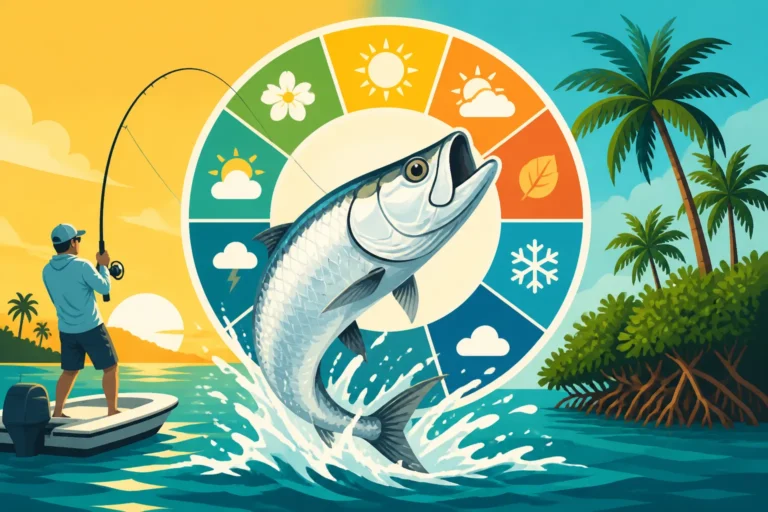
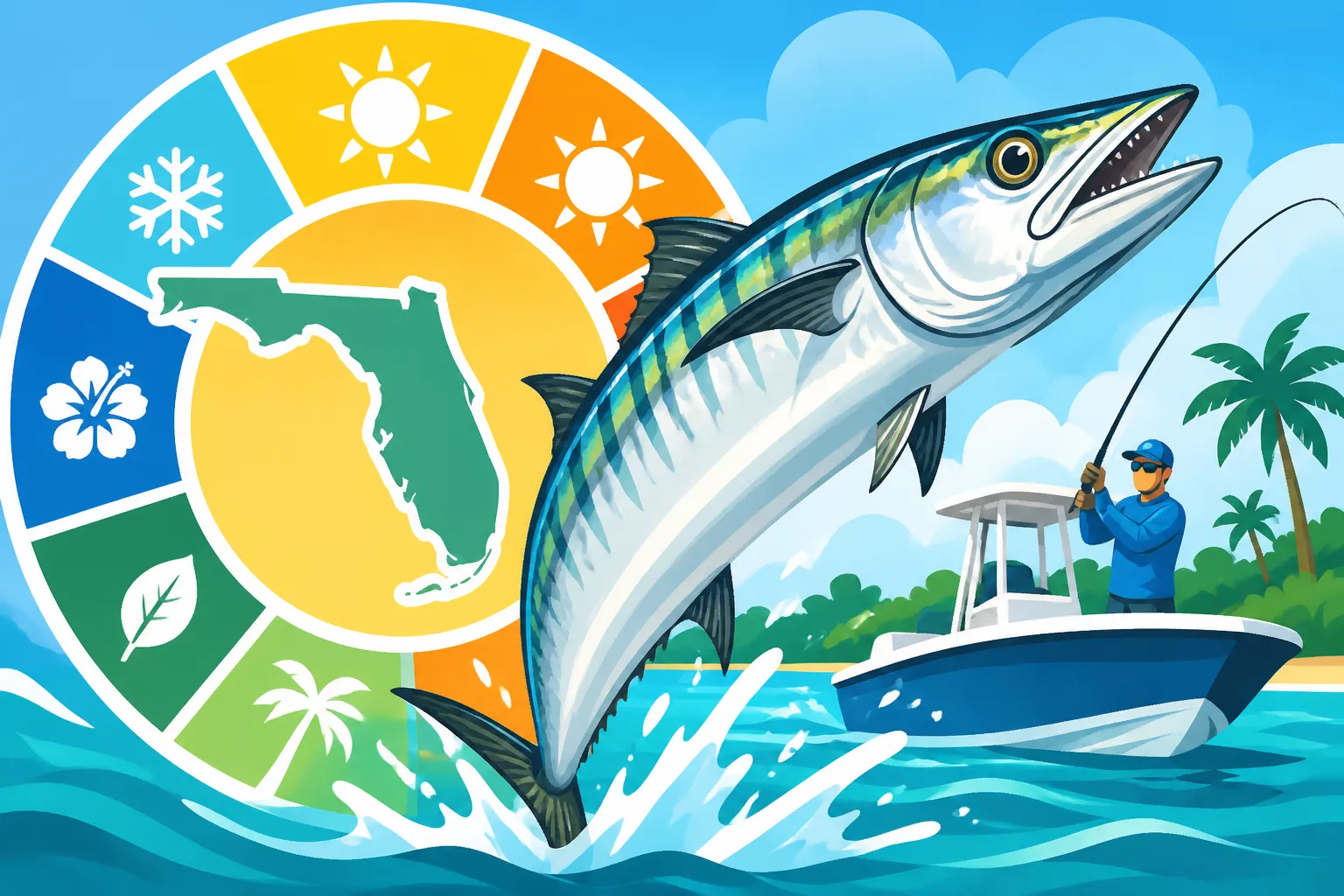
Think of King Mackerel as marine snowbirds, always gravitating towards comfortable temperatures. Their ideal range is generally between 68 and 72 degrees Fahrenheit. As water temperatures drop in the northern Gulf of Mexico and off the Atlantic coast in the fall, these fish begin their southward migration, heading towards the warmer waters of South Florida and the Florida Keys. Conversely, as spring arrives and waters warm up, they make their way back north. This consistent, predictable movement dictates when and where you'll find them in large numbers. It's a massive, cyclical event that drives the entire fishery, making timing absolutely crucial for success. If you're trying to figure out the broader picture for all species, our comprehensive guide on Florida Fishing Seasons Explained provides a fantastic overview of these movements throughout the year.
This migratory behavior isn't just about survival; it's about following the food. King Mackerel are voracious predators, and their movements are intrinsically linked to the baitfish migrations. When vast schools of menhaden, threadfin herring, or sardines move into an area, you can bet the kings won't be far behind. This creates predictable "runs" where the fishing can be nothing short of spectacular, with multiple hookups common as the fish feed aggressively. It’s not just a casual stroll; it’s a full-on pursuit, and knowing where the bait is will always put you in the best position to intercept the kings.
Regional Differences Across Florida's Coasts
Florida is a big state, and its lengthy coastline means that "peak season" for King Mackerel isn't a universal calendar date. What's hot in the Panhandle might be a shoulder season in Miami, and vice versa. Each coast and region experiences the King Mackerel run a little differently.
On the Gulf Coast, from the Panhandle down to Southwest Florida, the migration typically kicks off earlier in the fall as the northern Gulf waters cool. Areas like Destin and Panama City Beach will see a strong fall run starting in September, often continuing through November. As winter approaches, the fish continue their southward journey, concentrating off the coasts of Tampa Bay, Sarasota, Fort Myers, and eventually the Florida Keys. The spring run reverses this, with fish moving north from April through June, providing excellent opportunities for places like Clearwater and the Big Bend region. For those venturing further out, our guide on Florida Offshore Fishing Techniques dives into the methods needed for these deeper waters.
The Atlantic Coast has its own distinct pattern. The fall migration often begins in October in areas like Jacksonville and St. Augustine, intensifying as the kings move south past Cape Canaveral, Fort Lauderdale, and Miami through November and December. During the coldest months, a good number of kings can still be found in the warmer offshore waters of South Florida. The spring migration brings them back north, with action picking up in the southern half of the state around March and extending into May or June further north. Places like Sebastian Inlet and Port Canaveral become prime spots as the fish migrate up the coast. These regional nuances are vital to consider when planning your trip, as being in the right place at the right time is half the battle.
Peak Seasons for King Mackerel Fishing in Florida
While King Mackerel can be caught year-round in various parts of Florida, there are undeniably two prime seasons when the action truly ignites. These are often referred to as the "spring run" and the "fall run," and they represent the best windows of opportunity for anglers seeking consistent success.
Spring Run March to May
As the cool grip of winter loosens its hold and the sun begins to warm Florida's coastal waters, the King Mackerel begin their northward journey. This "spring run" typically kicks off in March in South Florida and gradually moves up the state's coasts, reaching Central and North Florida by April and May. It's a time of renewed activity as the kings, after spending the colder months in deeper, warmer southern waters, start to feed aggressively in preparation for spawning and their northern migration.
During these months, you'll find kings moving closer to shore, particularly around reefs, wrecks, and ledges where baitfish congregate. The water temperatures are rising into that sweet spot of 68-72°F, signaling prime conditions. Anglers will often target them by slow-trolling live baits like blue runners, threadfin herring, or mullet just off the beaches, around inlets, and over nearshore structure. The spring run is famous for producing impressive numbers of fish, though sometimes the average size might be slightly smaller than what you'd encounter during the fall run. Still, the sheer volume of fish makes it an incredibly exciting time to be on the water. If you're pondering the broader question of when to cast your line, our article on the Best Time of Year to Fish in Florida offers even more insights into seasonal angling across the state.
Fall Run September to November
Many seasoned anglers will tell you, without hesitation, that the fall run is the absolute best time to catch King Mackerel in Florida. This is when the fish are making their southward migration, feeding heavily to build up reserves for the winter, and often found in larger, more aggressive schools. The fall run typically begins in the Panhandle and northern Gulf Coast around September and works its way south through November, with South Florida enjoying excellent fishing into early winter.
What makes the fall run so spectacular? First, the fish are often larger. Many of the bigger "smoker kings" — those impressive specimens pushing 30, 40, or even 50+ pounds — are caught during this period. Second, the feeding frenzies can be incredible. As immense schools of baitfish move along the coast, the kings are right on their tails, creating explosive surface action that's a sight to behold. This is the time when tournaments often take place, reflecting the quality and quantity of fish available. Trolling or kite fishing with large live baits like goggle eyes, blue runners, or even small bonito can be incredibly effective. The energy on the water during the fall run is palpable, making it a bucket-list experience for any serious King Mackerel angler. Understanding these fish specifically can enhance your experience, and our Florida King Mackerel Fishing Guide offers a deeper dive into targeting them.
Summer and Winter Opportunities
While the spring and fall runs are peak seasons, that doesn't mean King Mackerel completely disappear during the hotter summer months or the cooler depths of winter. They just adjust their locations, requiring different strategies to find them.
In the summer, especially in the southern half of Florida, kings are still around but often move further offshore and into deeper waters. As surface temperatures climb, they seek out cooler thermoclines. This means expanding your search beyond nearshore reefs and wrecks to deeper ledges, offshore humps, and even along the edges of the continental shelf. Trolling deeper, perhaps with downriggers or planers to get your baits lower in the water column, becomes more crucial. Anglers might find them schooling around bait pods many miles offshore, often alongside other pelagic species like Mahi-Mahi. While the numbers might not be as high as during the runs, the fish caught can still be excellent quality. If you're curious about how the heat impacts fishing, our post on How Hot Weather Affects Summer Fishing in Florida offers additional tips.
During the winter, the majority of King Mackerel will have settled into the warmest waters of South Florida and the Florida Keys. Even here, they might hold in slightly deeper water than during the migrations. Anglers in areas like Miami, Fort Lauderdale, and Key West can still find good numbers, particularly offshore around reefs, wrecks, and temperature breaks. For the rest of the state, especially North Florida and the Panhandle, winter fishing for kings can be very slow, with only isolated catches. It's not impossible, but you'll be working much harder for fewer bites. Understanding how conditions change can be key; our guide on How Cold Fronts Affect Winter Fishing in Florida can help you prepare for those colder snaps.
Here's a quick reference table for King Mackerel peak seasons by region:
| Florida Region | Peak Spring Months | Peak Fall Months | Secondary Opportunities |
|---|---|---|---|
| Panhandle (Destin) | April – May | September – October | Limited Winter |
| Big Bend (Steinhatchee) | April – June | October – November | Limited Winter |
| Central Gulf (Tampa Bay) | March – May | October – December | Deeper offshore in summer |
| Southwest Gulf (Naples) | March – May | November – January | Deeper offshore in summer |
| Keys / South FL Gulf | February – April | December – February | Deeper offshore year-round |
| Northeast Atlantic (Jacksonville) | April – June | October – November | Limited Winter |
| Central Atlantic (Cape Canaveral) | March – May | October – December | Deeper offshore in summer |
| Southeast Atlantic (Miami) | March – May | November – January | Deeper offshore year-round |
Strategies for Targeting King Mackerel During Different Months
Catching King Mackerel consistently isn't just about showing up when they're around; it's about employing the right tactics for the conditions. These aggressive predators respond well to a variety of methods, but tailoring your approach to the specific month and location can dramatically improve your success rate.
Live Bait Techniques and Equipment
When it comes to King Mackerel, live bait is often king (pun intended!). Kings have a keen sense of smell and sight, and a frantic, injured baitfish swimming nearby is almost irresistible. The most common and effective live bait technique is slow-trolling. This involves idling your boat at a very low speed (1-3 knots) while dragging live baits behind you. The goal is to present the bait naturally, making it look like an easy meal. Popular live baits include blue runners, goggle eyes, threadfin herring, sardines, and finger mullet. Using a cast net or Sabiki rig to catch fresh bait on the day of your trip is often the most effective strategy.
Your equipment needs to be up to the task. King Mackerel are fast and powerful, known for their blistering runs. You'll want heavy spinning gear or conventional reels spooled with 20-30 lb monofilament or braided line. The most crucial component, however, is your leader. Kings have razor-sharp teeth capable of slicing through monofilament like butter. Therefore, a wire leader, typically 30-50 lb test, is absolutely essential. A good king mackerel rig usually consists of a small egg sinker (to keep the bait swimming naturally), a swivel, a short section of heavy monofilament or fluorocarbon (to prevent abrasion), and then the wire leader with a single J-hook through the nose of the bait and a "stinger" treble hook placed near the tail. For durable and reliable wire leader material, or even pre-made stinger rigs, you can find a wide selection on Amazon that will hold up to the kings' bite. Our specific guide on Do You Need Steel Leader for Florida Saltwater Fishing? reinforces the importance of this setup.
Trolling and Artificial Lures
While live bait is often the go-to, artificial lures and more active trolling methods can be incredibly productive, especially when fish are spread out or when bait is hard to find. Trolling at higher speeds (4-8 knots) with artificial lures allows you to cover a lot of ground, searching for actively feeding fish. This is particularly effective offshore or when targeting scattered schools.
Popular artificial lures for King Mackerel include large spoons (like Clark Spoons), lipped plugs (such as Bomber or Rapala X-Rap Magnums), and skirted trolling lures. These lures mimic baitfish and can draw strikes from aggressive kings. You might use planers or downriggers to get your lures down to specific depths where the fish are holding, especially when they're in deeper water during summer or winter. Using a "duster" or "sea witch" ahead of a dead cigar minnow or ballyhoo is another classic trolling setup that kings can't resist. For a beginner looking to stock up on a variety of effective lures without breaking the bank, browsing Amazon for fishing tackle can provide excellent options for all types of trolling setups. This method, along with others, is detailed in our general guide on Trolling Technique for Offshore Fishing.
Reading the Conditions: Tides, Weather, and Water Clarity
Beyond just the month, understanding the daily conditions is paramount for King Mackerel success. Kings are predatory, and their feeding behavior is heavily influenced by their environment.
Tides: For nearshore King Mackerel, moving tides are almost always better than slack tide. Strong tidal flows push baitfish, concentrating them into predictable areas like channel edges, inlets, and around structure. An outgoing tide, especially from a bay or estuary, can flush out a lot of bait, creating a buffet for hungry kings. Conversely, an incoming tide brings fresh, clean ocean water, which can also activate feeding. Paying attention to tide charts and planning your trip around strong tidal movements will put you in a better position to intercept feeding fish.
Weather: Stable weather patterns are generally preferred. Drastic cold fronts can push kings into deeper water or southward, making them harder to find. However, sometimes a slight drop in temperature can trigger a feeding frenzy as baitfish become more sluggish. Overcast days with a light chop can be fantastic, as the reduced light often encourages kings to feed aggressively closer to the surface. Always keep an eye on marine forecasts for wind and wave conditions, as comfortable and safe fishing is always the priority.
Water Clarity: King Mackerel are primarily sight feeders, so clear or slightly stained water is usually best. Murky, chocolate-milk-colored water, often caused by heavy rains or strong winds stirring up the bottom, makes it difficult for kings to spot their prey and can shut down the bite. They prefer cleaner, greener, or bluer water. If you encounter exceptionally dirty water, consider moving to a different area or further offshore to find cleaner conditions. These environmental factors are crucial to successful angling, regardless of the species you're targeting.
Disclaimer
Fishing conditions and regulations in Florida can change frequently. Always consult the latest rules and regulations from the Florida Fish and Wildlife Conservation Commission (FWC) before heading out on the water. This guide is for informational purposes only and does not constitute legal or professional advice.