Best Season to Book a Tarpon Charter in Florida
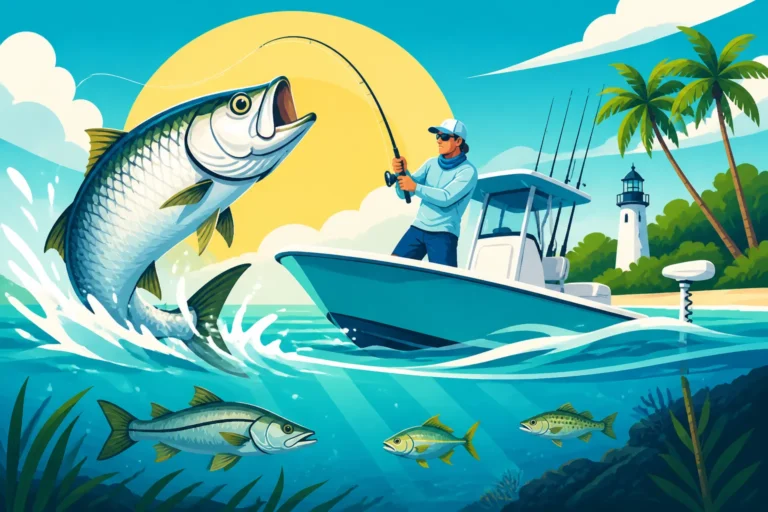
Ah, the mighty Tarpon! There's nothing quite like the electrifying fight of Florida's "Silver King." Many anglers dream of battling one of these acrobatic giants, but often wonder when the absolute best time is to book a charter for them. It can be confusing trying to line up your vacation with their elusive migration and feeding patterns, but this guide is here to shed some light on the optimal seasons and help you plan that unforgettable trip.
The Seasonal Dance of Florida's Silver King: Understanding Tarpon Behavior
To truly understand the best time to book a Tarpon charter in Florida, you first need to get a feel for the Tarpon themselves. These incredible fish are not just residents; they are travelers, and their movements dictate much of our fishing success. Florida's long coastline, from the Panhandle down to the Keys, provides a diverse range of habitats and migratory paths for these majestic creatures. Knowing when and why they move will greatly increase your chances of hooking into one.
The Grand Annual Migration
Tarpon undertake a spectacular annual migration along Florida's coasts. While there are always some resident fish to be found, especially in deeper backcountry waters, the sheer numbers of Tarpon available for anglers swell dramatically during certain times of the year. This migration is largely driven by spawning instincts and the availability of food. As water temperatures rise, Tarpon begin their journey, moving from their wintering grounds in the warmer southern waters up the Gulf and Atlantic coasts, eventually congregating in specific areas to spawn. This means that a "best season" isn't just about a specific month, but often a window of time where a particular region becomes a Tarpon hotspot. Understanding this movement is key to timing your trip perfectly.
Imagine thousands of these silver giants, some weighing over 200 pounds, rolling and gulping air on the surface, moving like a slow-motion parade just offshore or through the passes. This isn't just a fisherman's tale; it's a regular occurrence during the peak migration. They travel in large schools, often shadowing baitfish schools, making them a prime target for sight-fishing opportunities. Florida Tarpon Migration Timing is a whole topic in itself, delving into the specifics of these epic journeys. Whether you're casting a fly or tossing a live bait, encountering these migrating schools is what many anglers live for.
Factors Driving Tarpon Movement
Several environmental factors strongly influence when and where Tarpon can be found in Florida waters. The most significant of these is water temperature. Tarpon are warm-water fish, and their activity levels are highly dependent on the thermometer. As the mercury climbs in the spring, their metabolism increases, prompting them to move and feed more aggressively. Conversely, cold fronts can send them into a state of torpor or push them into deeper, warmer sanctuaries.
Beyond temperature, factors like tidal flows, moon phases, and baitfish availability play crucial roles. Strong tidal movements in passes and inlets concentrate bait, creating feeding opportunities that Tarpon are quick to exploit. During a new or full moon, tides are often stronger, which can sometimes kick-start a hot bite. And, of course, where the bait goes, the Tarpon usually follow. If you're on a charter and your guide is constantly checking the bait schools, you know they're focused on putting you on fish. A seasoned guide knows these patterns intimately, often relying on years of local knowledge to put you in the best position. For a general overview, Best Time of Year to Fish in Florida covers how these factors influence various species.
Peak Tarpon Action: Breaking Down the Best Seasons
Florida offers Tarpon fishing opportunities throughout much of the year, but there are distinct periods when the chances of a truly epic encounter dramatically increase. These peak seasons coincide with their major migratory pushes and spawning rituals, making them the target for most dedicated Tarpon anglers.
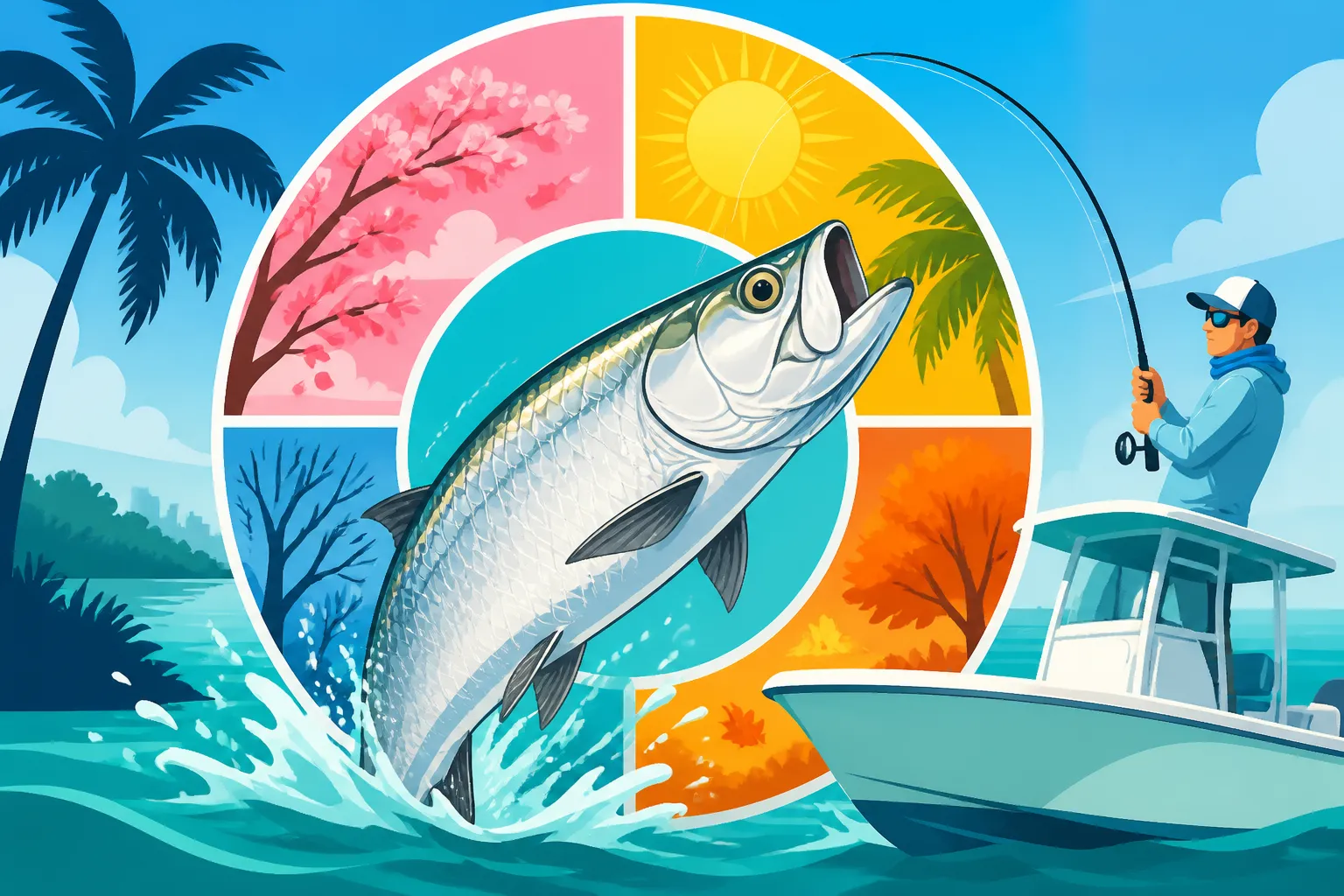
Spring (April – June): The Thrill of the Run
Hands down, if you're looking for the most consistent and exciting Tarpon action, the late spring months are your golden ticket. From late April through June, Florida experiences the height of the annual Tarpon migration. During this period, massive schools of Tarpon push north along both the Gulf and Atlantic coasts, making their way to spawning grounds.
The Florida Keys, particularly areas around Islamorada and Marathon, become world-renowned Tarpon fishing destinations. Anglers flock here to witness the "Tarpon Run," where hundreds, if not thousands, of fish can be seen rolling on the flats, in the channels, and around the bridges. Similarly, Boca Grande Pass on the Gulf Coast earns its title as the "Tarpon Capital of the World" during this season, with staggering numbers of fish staging in the pass before moving offshore to spawn. This is where you'll find intense action, whether you're sight-fishing with flies or pitching crabs to huge schools. It's a truly spectacular time, but also the busiest, so booking well in advance through a platform like FishingBooker is essential. The demand for experienced Tarpon guides during this window is incredibly high.
Charters during this time are often focused on the sheer volume of fish. Guides will be looking for rolling fish, pushing schools, or setting up drifts in high-traffic areas. The weather is generally pleasant, and the water is typically clear, making for fantastic sight-fishing opportunities. However, be prepared for company; you won't be the only boat out there. The competition can be fierce, but the rewards are often worth it. Knowing What Pound Test Line for Tarpon Fishing? will be crucial for these powerful fish.
Summer (July – August): Post-Spawn Opportunities
As the major migration tapers off around late June, many Tarpon have completed their spawning rituals and begin to disperse. However, the summer months of July and August still offer fantastic opportunities, especially for those targeting larger, post-spawn fish and resident populations. While the massive migratory schools might thin out, many large Tarpon remain in Florida's coastal waters, recuperating and feeding heavily.
Areas like Charlotte Harbor, the Everglades, and the backcountry of the Florida Keys still hold significant numbers of these powerful fish. The fishing during this time often shifts slightly from the intense sight-fishing of the migration to more methodical approaches, such as fishing strong tidal passes or deeper channels with live bait. The fish are still actively feeding, but they might be spread out more, requiring a guide with intimate knowledge of local patterns. You might not see as many "rolling" fish, but the ones you encounter can be absolute monsters.
Summer also means hotter weather and the possibility of afternoon thunderstorms, which can sometimes impact fishing plans. However, these storms often bring a cooling rain and can actually invigorate the bite afterward. For anglers willing to brave the heat, summer can offer less crowded waters and excellent chances at trophy Tarpon. It’s also a great time to explore specific regions like the Everglades Fishing Guide for Tarpon that inhabit the brackish and saltwater estuaries.
Fall and Winter: Resident Fish and the Dedicated Angler
While not typically considered "peak" Tarpon season for the general migration, the fall and winter months in Florida can still yield incredible results for the dedicated angler. This is primarily when you'll target resident Tarpon, especially in the warmest regions of South Florida and the Keys. These fish tend to be larger, more solitary, and often require a different approach.
As cooler temperatures arrive further north, the Tarpon either migrate south or push into deeper, warmer holes in bays, rivers, and canals. Finding these fish can be more challenging, as they don't school up in the same visible numbers as during the spring run. However, connecting with a "resident" Tarpon in its wintering grounds can be an incredibly rewarding experience. These fish are often huge, strong, and haven't seen as much angling pressure.
Targeting them often involves fishing warm-water discharges, deep channels, or brackish estuaries where temperatures remain stable. Patience and precision are key during these cooler months. A specialized guide who knows these specific wintering areas and patterns is invaluable. While the numbers might not be as high, the quality of the fish can be exceptional. For those interested in Fly Fishing for Florida Tarpon, these months can offer unique challenges and opportunities for a truly memorable catch. It’s definitely not for the faint of heart, but the thrill of fooling a wary winter Tarpon is unmatched.
Maximizing Your Tarpon Charter Success: What to Consider
Deciding on the "best" season for your Tarpon charter is only half the battle. To truly maximize your chances of success and ensure a fantastic experience, there are several other important factors you need to consider. These range from where you plan to fish to how far in advance you secure your guide.
Choosing the Right Location and Guide
Florida is a big state, and while Tarpon can be found along much of its coastline, certain regions are famous for specific types of Tarpon fishing at particular times. As mentioned, Boca Grande Pass and the Florida Keys are legendary during the spring migration. Other areas like Tampa Bay, Charlotte Harbor, and the Everglades offer diverse opportunities throughout different seasons. Your chosen location will heavily influence the style of fishing and the specific dates that are most productive.
Equally important is selecting the right guide. A skilled Tarpon guide isn't just someone who knows how to run a boat; they are experts in Tarpon behavior, local tides, bait patterns, and the specific techniques required to entice these often-finicky fish. When booking, especially for the peak spring season, ensure your guide specializes in Tarpon and has a proven track record. Platforms like FishingBooker allow you to read reviews and filter guides by species specialization, which can be incredibly helpful. Don't be afraid to ask about their experience during your chosen season and location. How to Choose a Florida Fishing Guide offers more detailed advice on making this critical decision.
Booking Smart: Timing and Preparation
Given the popularity of Tarpon fishing in Florida, especially during the spring migration, booking your charter well in advance is not just recommended, it's often essential. Top guides in prime locations can be booked up a year or more in advance. If you have specific dates or a particular guide in mind, start planning as early as possible. For the most popular windows in the Keys or Boca Grande, thinking six months to a year ahead is not unreasonable.
When you do book, clarify what's included in the charter price. Most guides provide all necessary tackle, bait, and often fishing licenses, but it's always good to confirm. Also, discuss what you should bring: appropriate clothing for sun and possibly rain, polarized sunglasses (crucial for sight fishing), sunscreen, and any snacks or drinks you'll want. Being prepared not only makes your trip more comfortable but also allows your guide to focus entirely on finding fish. Check out What to Bring on a Florida Fishing Charter for a comprehensive packing list.
| Season | Typical Months | Primary Target Fish | Key Fishing Areas | What to Expect |
|---|---|---|---|---|
| Spring Run | April, May, June | Migratory Tarpon | Florida Keys, Boca Grande Pass, Southwest Florida Coast | Peak numbers, intense sight fishing, high demand for charters, often requires booking 6-12 months in advance. Excellent chances for multiple hookups. |
| Summer | July, August | Post-Spawn Tarpon | Everglades, Charlotte Harbor, Florida Keys (backcountry) | Large, recuperating fish, more dispersed schools, less crowded than spring, hotter weather with afternoon storms. Excellent for dedicated anglers seeking trophy fish. |
| Fall | September, October | Resident Tarpon | South Florida, Keys (deeper channels, rivers) | Fewer numbers but often large resident fish. Less predictable, but can be very rewarding. Transition period as fish move to wintering grounds. |
| Winter | November – March | Resident Tarpon | Extreme South Florida (Miami, Everglades, Lower Keys) | Most challenging season; fish are in deeper, warmer holes. Highly dependent on weather fronts. Requires specialized knowledge to locate. Opportunities for very large, wary fish. |
In summary, while Tarpon can be caught year-round in certain Florida locales, the late spring offers the most consistent action and the highest numbers of fish due to the annual migration. Summer provides excellent opportunities for large, post-spawn fish in slightly less crowded waters, and for the truly dedicated, targeting resident Tarpon in the cooler months can yield impressive results, though it often requires more patience and specific local knowledge. The most important thing is to align your expectations with the season you choose and, crucially, to book an experienced guide well in advance to ensure the best possible shot at the "Silver King." How Long Is a Typical Full-Day Fishing Charter? or Half-Day vs Full-Day Fishing Charter Cost in Florida might also be helpful as you plan your trip duration and budget.
Disclaimer
This article is for general informational purposes only and does not constitute professional advice. Laws, prices and regulations vary by location and change over time. Consult a qualified professional for guidance on your specific situation.