Clearwater Fishing Charter Rates
Planning a fishing trip to Clearwater, Florida, can bring up a lot of questions, especially when it comes to budgeting for a charter. Many anglers, both seasoned and new, often feel overwhelmed trying to decipher the various pricing structures and what's actually included in that upfront cost. It’s tough to know if you're getting a fair deal or if you're missing hidden fees. This guide is here to shed some light on Clearwater fishing charter rates, breaking down what influences them so you can plan your ultimate angling adventure with confidence.
Understanding the Basics of Clearwater Fishing Charter Rates
When you start looking into Clearwater fishing charters, you'll quickly realize that there isn't one single price tag for every trip. The cost is a dynamic thing, influenced by a multitude of factors, much like booking a vacation or a special event. It’s not just about the boat ride; it’s about the entire experience, the expertise of your captain, and the specific kind of fishing adventure you’re embarking on. Understanding these foundational elements will help you navigate the options and make an informed decision that fits your angling goals and your wallet.
Half-Day vs. Full-Day Charters
One of the most significant factors affecting the rate of a fishing charter in Clearwater is the duration of your trip. You typically have the choice between a half-day or a full-day excursion, and the price difference is substantial, reflecting the increased time, fuel, and effort involved.
A half-day charter usually runs for about four to six hours. These trips are fantastic for families with younger children, beginners, or those who just want a taste of Florida fishing without committing to an entire day on the water. You'll still get a great chance to catch fish and enjoy the scenery, but the shorter duration naturally means a lower overall cost. It's a great entry point, allowing you to experience the thrill of a charter without breaking the bank. For many, a half-day is just enough to get their fill of angling action before heading back to shore to enjoy other Clearwater attractions.
Full-day charters, on the other hand, typically last anywhere from eight to ten hours. These longer trips offer a more immersive experience, allowing the captain to travel further, explore a wider variety of fishing grounds, and target a broader range of species. With more time on the water, your chances of encountering different types of fish, or even landing that trophy catch, often increase. While the cost is notably higher than a half-day trip, serious anglers or groups looking for a comprehensive fishing experience often find the extended time and increased opportunities well worth the investment. Half-Day vs Full-Day Fishing Charter Cost in Florida delves deeper into these options.
Private vs. Shared Charters
Another crucial distinction in charter pricing is whether you opt for a private trip or a shared, "head boat" experience. Each has its own set of advantages and price points, catering to different preferences and group sizes.
A private charter means you and your group (family, friends, etc.) have the entire boat and captain to yourselves. This offers unparalleled flexibility and personalization. You can often discuss specific target species, fishing locations, and even departure times with your captain, tailoring the trip exactly to your desires. The captain’s full attention is on your group, providing personalized instruction and assistance. Because you're essentially renting the entire vessel and the captain's expertise, private charters come with a higher base rate. However, when you divide that cost among several people, it can become quite reasonable, especially for a larger group. Many people use platforms like FishingBooker to compare private charter options and find the perfect fit for their group's size and budget.
Shared charters, also known as party boats or head boats, operate on a per-person basis. You pay for a spot on the boat, and you'll be fishing alongside other anglers who have also booked a spot. These are generally the most budget-friendly option, making them ideal for solo travelers, couples, or small groups who don't mind sharing the experience with others. While you lose the personalized attention and flexibility of a private charter, party boats can be a lively and social way to fish, often targeting common species like snapper, grouper, or kingfish in productive areas. These trips are a fantastic way to get out on the water without the higher cost commitment of booking a private boat. Private Charter vs Shared Charter Cost in Florida can help you weigh these choices.
Factors That Influence Charter Rates in Clearwater
Beyond the basic duration and exclusivity, many other elements contribute to the final price tag of a Clearwater fishing charter. These factors reflect the specialized equipment, experience, and operational costs involved in providing a quality angling adventure. Ignoring these details can lead to surprises, so let’s break down what really drives the numbers.
Type of Fishing: Inshore, Nearshore, or Offshore
The location and depth of your fishing adventure play a massive role in determining charter rates. Fishing closer to shore requires different equipment, fuel, and time compared to venturing far out into the Gulf of Mexico.
Inshore Fishing Charters: These trips focus on the calmer, shallower waters of Tampa Bay and the intricate network of estuaries, flats, and passes around Clearwater. Here, you'll be targeting species like snook, redfish, spotted seatrout, and often a variety of other shallow-water game fish. Inshore boats are typically smaller, lighter, and more agile, designed to navigate skinny water. The fuel consumption is generally lower, and the specialized tackle is often less heavy-duty than what's needed for offshore. As a result, inshore charters tend to be among the most affordable options. They're perfect for those who want a relaxing trip without dealing with rougher seas, and for anglers looking to hone their casting skills on challenging, spooky fish. If you're looking for specific inshore options, check out Florida Inshore Fishing Charter Guide.
Nearshore Fishing Charters: Bridging the gap between inshore and offshore, nearshore trips venture a few miles out from the coast, usually targeting artificial reefs, wrecks, and ledges in waters ranging from 30 to 90 feet deep. This opens up opportunities for species like Spanish mackerel, king mackerel, cobia, snapper, and sometimes smaller grouper. The boats used for nearshore fishing are often a bit larger and more robust than flats boats, capable of handling a moderate chop. Fuel costs increase slightly, and the tackle gets a bit heavier. The rates for nearshore charters typically fall in the mid-range.
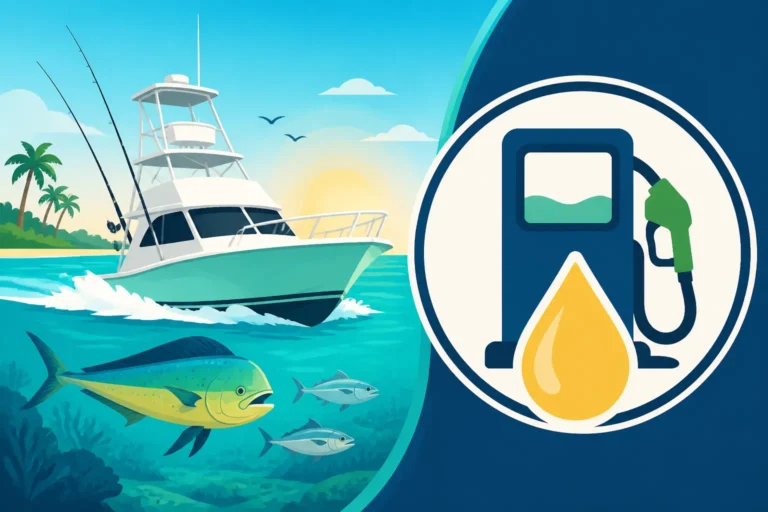
Offshore (Deep Sea) Fishing Charters: For the ultimate big-game experience, offshore charters head many miles into the Gulf, often to depths of hundreds of feet. Here, you're pursuing highly sought-after species such as gag grouper, red snapper, amberjack, mahi-mahi, and even sailfish. These trips demand larger, more powerful vessels equipped with advanced electronics, specialized heavy tackle, and significant fuel capacity. The increased distance, fuel burn, and the sheer power required to battle deep-water giants mean offshore charters are generally the most expensive option. However, the thrill of hooking a monster fish far from land is an experience many anglers consider priceless. If you're dreaming of epic battles, explore Florida Offshore Fishing Charter Guide.
Boat Size and Type
Just like cars, fishing boats come in all shapes and sizes, and their characteristics directly impact charter rates. A bigger, more specialized boat usually translates to a higher price point.
Flats Boats and Bay Boats: These are the workhorses of inshore and nearshore fishing. Flats boats are shallow-drafting vessels designed to sneak into very skinny water, often poled by the captain. Bay boats are a bit larger and more versatile, able to handle slightly choppier bay waters while still being able to fish relatively shallow. They are typically open-console designs, nimble and effective for targeting species like snook and redfish. Because they are smaller, require less fuel, and are easier to maintain, charters on these boats generally have lower rates. Many Clearwater flats guides will specify their boat type when advertising their services, often on booking platforms like FishingBooker.
Center Consoles and Express Cruisers: As you move into nearshore and offshore fishing, you'll see larger center console boats and even some express cruisers. These vessels are built for stability, speed, and comfort in open waters. They feature larger engines, more storage, often a head (restroom), and can carry more passengers safely. The investment in these boats, their upkeep, and the fuel they consume significantly drive up charter costs. The size and amenities they offer are essential for longer trips and rougher conditions, justifying their higher rates. What Size Boat Is Used for Offshore Charters in Florida? provides more context on these vessels.
Number of Anglers
Charter pricing structures often account for the number of people in your group, especially on private charters. While the base rate for a private boat might seem high for one or two people, it often includes a set number of anglers, with an additional per-person fee for each extra guest up to the boat's capacity.
Typically, most private charters in Clearwater accommodate up to four anglers comfortably. Some larger vessels might take six or even more, but these larger boats usually come with a higher base rate. The reason for this tiered pricing is simple: more anglers mean more bait, more tackle used, more wear and tear on equipment, and more time the captain spends assisting each person. Before booking, always confirm the maximum number of anglers allowed and any additional charges for extra people, so there are no surprises on the day of your trip. This information is usually clearly listed on charter listings on sites like FishingBooker.
Target Species
Believe it or not, the specific fish you want to catch can also influence the price of your charter. Some species require specialized gear, longer travel times, or particular knowledge that impacts the captain's preparation and effort.
Common Inshore Species: Targeting readily available species like spotted seatrout, redfish, or mangrove snapper within the bay generally won't significantly increase your charter rate. These fish are abundant in Clearwater's inshore waters and don't require overly complex setups.
Prized Game Fish: If your sights are set on trophy fish like tarpon, permit, or certain offshore pelagics, you might find the rates are a bit higher. Tarpon, for example, are migratory and require captains to track their movements, use specific live baits, and often employ intricate techniques. A Florida Tarpon Fishing Season Guide reveals the dedication needed for these magnificent fish. Similarly, going after elusive species like permit on the flats demands exceptional skill and patience from the captain. These specialized trips often reflect the higher level of expertise and dedication required.
Inclusions and Exclusions
What’s included in the quoted price can vary wildly from one charter to the next, and this is where many hidden costs can sneak up on unsuspecting anglers. Always clarify what you're paying for upfront.
Standard Inclusions: Most reputable Clearwater charters will include a few essentials:
- Captain's expertise and boat: This is the core of what you're paying for.
- Fishing gear: Rods, reels, and tackle appropriate for the target species are almost always provided.
- Bait: Live bait and/or artificial lures are typically included. However, some charters might charge extra for exceptionally large quantities of live bait, especially for specific target species.
- Fishing license: On most legitimate for-hire charters, the boat itself operates under a blanket license that covers all passengers. This means you generally don't need to purchase your own recreational fishing license for that specific trip. This is a huge convenience! Do You Need Your Own License for a Florida Charter? explains this in detail.
- Safety equipment: Life jackets, first aid, and other required safety gear are always on board.
Common Exclusions (and potential extra costs):
- Fuel surcharge: While many charters roll fuel into their price, some offshore trips, especially those that venture very far, might have a separate fuel surcharge depending on current prices. Always ask.
- Fish cleaning: Some captains will clean and bag your catch at no extra charge, while others might offer this service for a small fee or simply direct you to a local fish cleaning service on the docks.
- Food and drinks: You’re usually responsible for bringing your own snacks and beverages. Some premium charters might offer bottled water, but don't count on a full meal unless explicitly stated.
- Sunscreen and personal items: Bring your own!
- Gratuity for the captain/mate: This is a big one. Tipping is customary and expected in the charter fishing industry, usually 15-20% of the trip's cost if you had a good experience. How Much to Tip a Florida Fishing Guide? provides guidance. This is an additional cost that many people forget to budget for.
Specialized Charter Options and Their Price Implications
Clearwater's diverse waters offer more than just standard fishing trips. If you're looking for a unique angling experience, there are specialized charters that cater to specific techniques, times of day, or types of fish. These niche experiences often come with their own pricing considerations due to the extra effort, equipment, or unique timing involved.
Fly Fishing Charters
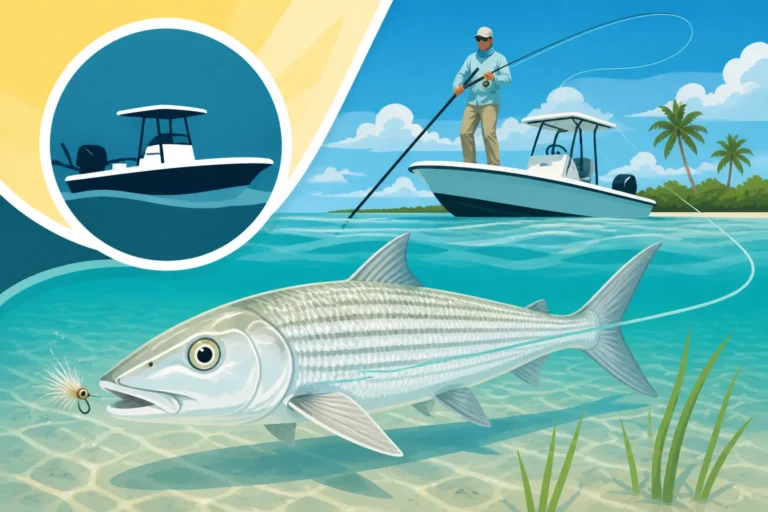
Fly fishing the shallow flats around Clearwater is a truly sublime experience, offering a challenging and rewarding way to target species like snook, redfish, and even tarpon. However, this specialized approach comes with a premium price tag.
Why the Higher Cost? Fly fishing charters often command higher rates for several reasons:
- Highly specialized gear: Fly rods, reels, and lines are delicate and expensive, and the captain must have a wide array of flies specific to local species and conditions. This equipment requires careful maintenance and replacement.
- Exceptional captain's skill: A fly fishing guide isn't just a boat driver; they are expert spotters, navigators, and instructors. They need to put you in precise position for a cast, anticipate fish movements, and often teach or refine your casting technique. This level of personalized guidance and expertise is invaluable.
- More intricate techniques: Fly fishing requires more patience and skill from the angler, and the guide's job is often to make that learning curve as smooth as possible.
- Often targeting specific, elusive species: Many fly fishing trips are dedicated to sight-fishing for spooky redfish on the flats or chasing migrating tarpon, which requires intense focus and knowledge of their habits.
If you're an avid fly angler or looking to try this challenging discipline, expect to pay more than for a conventional tackle trip, but the experience can be incredibly rewarding. Best Guides for Fly Fishing the Flats can help you find suitable options.
Night Fishing Charters
As the sun sets over the Gulf, a whole different world of fishing opens up, particularly for certain species that become more active under the cover of darkness. Night fishing charters offer a unique twist on the traditional daytime trip, and their rates reflect the specialized timing and conditions.
What Makes Night Charters Different?
- Targeting nocturnal feeders: Snook, tarpon, and certain snapper species often feed aggressively at night, especially around dock lights, bridge pilings, or channel markers where baitfish congregate. The captain needs to know these nocturnal hotspots.
- Specialized equipment: While much of the tackle is similar, captains often use additional lighting on the boat, and anglers might prefer glow-in-the-dark lures or special bait presentations.
- Less competition: Night fishing spots can sometimes be less crowded than their daytime counterparts, offering a more peaceful experience.
- Captain's unsociable hours: Guides are working outside of typical daylight hours, which can factor into their pricing.
Night fishing charters are an excellent choice for anglers seeking a different challenge and the chance to hook into some truly impressive fish. Their rates might be slightly higher than comparable daytime trips due to the specific timing and expertise required. Many anglers enjoy the cool evening breezes, especially during the warmer months, making for a comfortable and productive trip.
Specialty Charters (Spearfishing, Shark Fishing, Scalloping)
Clearwater also offers a variety of highly specialized charters that cater to specific activities beyond traditional rod-and-reel fishing. These include spearfishing, dedicated shark fishing expeditions, or even seasonal scalloping trips.
Spearfishing Charters: These trips take you to offshore reefs and wrecks, allowing you to harvest fish underwater with a speargun. They require a captain with extensive knowledge of dive sites, marine life, and safety protocols for divers. The boat often needs specialized gear for diving, and the trips can be physically demanding. Consequently, spearfishing charters generally carry a higher price tag due to the equipment, safety considerations, and specialized knowledge of the captain. Spearfishing Charter Requirements in Florida outlines what you'll need.
Dedicated Shark Fishing: While many charters might accidentally catch a shark, dedicated shark fishing trips specifically target these powerful predators. This often involves chumming, using heavy-duty gear, and sometimes fishing in specific deeper areas. The captain needs to be experienced in handling large, powerful fish safely. These trips can be exhilarating but often come with a slightly higher rate due to the specialized equipment and safety measures.
Scalloping Charters: A unique seasonal activity, especially popular in nearby areas like Crystal River, scalloping involves snorkeling in shallow grass flats to collect bay scallops. While not "fishing" in the traditional sense, some Clearwater guides might offer trips to these areas. These are often family-friendly and generally less expensive than fishing charters, focusing more on the recreational aspect and less on complex fishing techniques. However, they are strictly seasonal.
How to Find and Book a Clearwater Fishing Charter
Now that you have a better understanding of what influences charter rates, the next step is actually finding and booking the perfect trip for your Clearwater adventure. This process involves a bit of research, comparison, and clear communication to ensure a smooth and successful outing.
Online Booking Platforms
In today’s digital age, online booking platforms have become incredibly popular for finding and reserving fishing charters. They offer convenience, a wide array of choices, and often customer reviews to help you make an informed decision.
Pros of Online Platforms:
- Wide selection: You can browse numerous captains and boats in Clearwater, comparing their offerings side-by-side. Platforms like FishingBooker are excellent for this, providing a centralized hub of information.
- Detailed listings: Most listings include photos, boat specifications, target species, inclusions, rates, and availability.
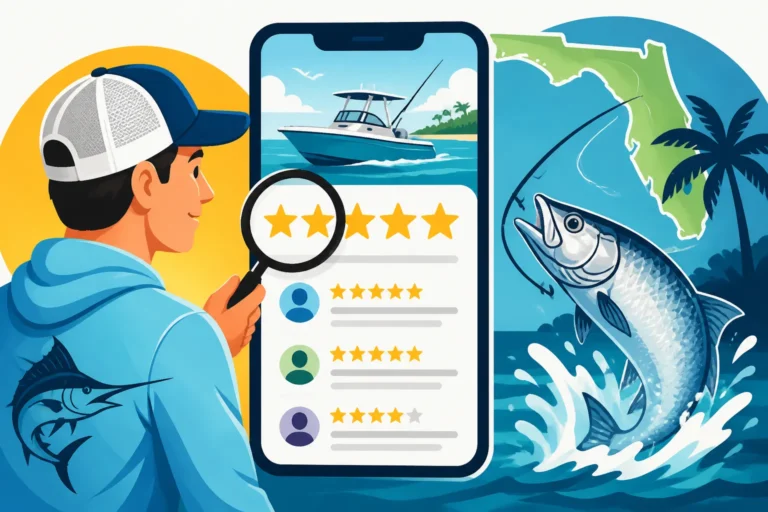
- Customer reviews: Real-world feedback from previous anglers can be incredibly valuable in assessing a captain's reputation and the quality of their trips. Look for consistent positive reviews about the captain's knowledge, friendliness, and ability to put clients on fish.
- Easy booking and payment: The process is streamlined, often allowing you to book and pay securely online.
- Transparency: Many platforms encourage captains to list all their inclusions and potential extra fees, reducing surprises.
Cons of Online Platforms:
- Commission fees: While often absorbed by the captain, some might factor this into their pricing.
- Less personal interaction initially: You might not get to speak directly with the captain until after booking, although most platforms allow for pre-booking questions.
When using platforms like FishingBooker, pay close attention to the details in each listing. Look beyond just the price and consider the captain's experience, the type of boat, and what others are saying about their trips. This will ensure you're choosing a charter that aligns with your expectations and budget. How to Book a Florida Fishing Charter Online offers more tips for this process.
Direct Booking with Captains
Another popular approach is to bypass booking platforms and contact captains directly. This can often lead to a more personal connection and, in some cases, potentially a slightly better rate, though it requires a bit more legwork on your part.
How to Find Captains Directly:
- Word-of-mouth: Ask locals, other anglers, or even staff at tackle shops in Clearwater for recommendations.
- Local marinas and bait shops: Many captains post business cards or flyers at these establishments.
- Captain's personal websites or social media: A quick online search for "Clearwater fishing guides" or "Clearwater fishing charters" will often reveal captains who manage their own online presence.
Pros of Direct Booking:
- Personal connection: You can speak directly with the captain, ask specific questions, and build a rapport before committing. This is great for custom trips or if you have specific needs.
- Potentially more flexibility: Captains might be more willing to negotiate dates or customize a trip when dealing directly.
- Support local businesses: Booking direct ensures more of your money goes directly to the captain.
Cons of Direct Booking:
- Less centralized information: You have to gather all the details (rates, availability, reviews) yourself from various sources.
- Payment logistics: You'll need to arrange payment directly with the captain, which might involve different methods.
- Fewer reviews in one place: You'll have to hunt for reviews across different platforms or rely on referrals.
Regardless of how you book, always ensure you have a clear understanding of the total cost, what's included, and the cancellation policy before you commit. Cancellation Policy for Florida Fishing Charters is an important read before finalizing any trip.
Seasonal Demand and Booking in Advance
The time of year you plan your Clearwater fishing trip can also subtly influence charter rates and certainly impact availability. Florida has distinct fishing seasons, and high demand often translates to fewer deals and quicker bookings.
Peak Seasons: Certain times of the year see a surge in tourism and optimal fishing conditions, leading to higher demand for charters. For Clearwater, this often includes spring (especially for tarpon migration) and parts of winter when the weather is ideal and "snowbirds" are in town. During these peak seasons, charter rates tend to be firm, and availability can become extremely limited, especially for popular captains. Booking well in advance—sometimes months ahead—is highly recommended if you plan to fish during these times.
Off-Peak Seasons: The summer months in Florida can be very hot, and while the fishing can still be fantastic (especially early mornings or late evenings), the overall demand might dip slightly. This can sometimes lead to captains offering minor discounts or having more flexible availability. Similarly, during hurricane season, while rates might not necessarily drop, captains might have more open dates and be more flexible due to the uncertainty of the weather.
Booking Advice: Always check the fishing reports for your desired time of year and consider booking your charter as far in advance as possible, especially if you have specific dates or a particular captain in mind. For popular times like spring break or major holidays, waiting until the last minute is a recipe for disappointment. Platforms like FishingBooker allow you to see availability far in advance, making it easier to secure your preferred date. How Far in Advance to Book a Florida Fishing Charter offers more guidance on timing.
Making the Most of Your Clearwater Fishing Charter Budget
Nobody wants to feel like they overpaid, but a cheap charter isn't always the best value. It's about finding the right balance between cost and the quality of experience. Here are some savvy ways to stretch your budget and ensure you get the most bang for your buck on your Clearwater fishing adventure.
Group Size and Cost Sharing
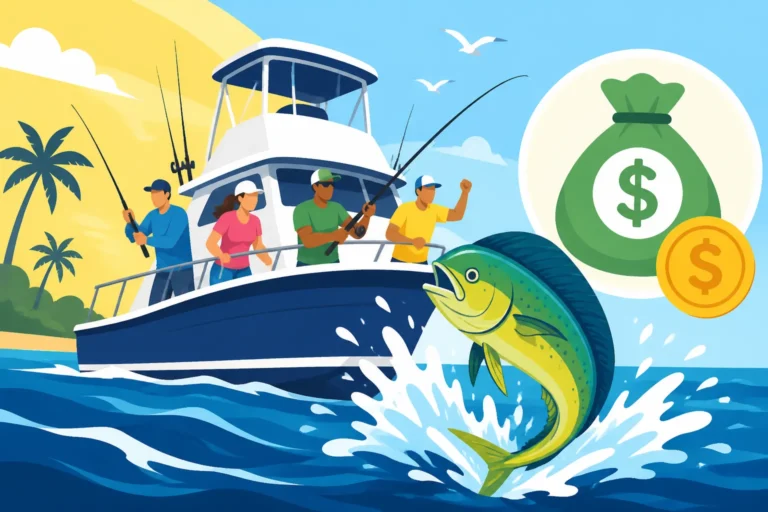
As we discussed, charter rates often remain the same whether you have two or four anglers on a private boat (up to its maximum capacity). This means that spreading the cost among more people can significantly reduce the per-person expense.
Strategies for Cost Sharing:
- Gather your friends and family: If you're traveling with a group, organizing a private charter together is a no-brainer. Splitting a $600 charter among four people (each paying $150) is far more affordable than one person covering the entire cost.
- Look for "split charters": Some captains or booking platforms facilitate "split charters" where individuals or small groups can sign up to fill a private boat with other strangers. This essentially turns a private charter into a shared experience, but with fewer people than a large party boat, offering a more intimate feel at a lower per-person rate. This is a fantastic way for solo anglers or couples to experience a private-style trip without paying the full price. Split Charter Cost Per Person in the Florida Keys offers some insight, and similar opportunities exist in Clearwater.
- Consider a shared party boat: If cost is your absolute top priority and you don't mind fishing with a larger group, a party boat is almost always the most economical choice per person.
By strategically thinking about your group size and who you can share the cost with, you can access higher-quality private charters that might otherwise seem out of budget.
What's Included vs. What You Provide
Understanding the inclusions and exclusions of your charter is key to preventing unexpected expenses. A seemingly cheaper charter might have hidden costs that quickly add up, while a slightly higher-priced one might include everything you need.
Questions to Ask/Consider:
- Is bait included? Most charters include live bait, but if you plan on using a lot or want specific premium baits, confirm it's covered.
- Are fishing licenses provided? As mentioned, most charters cover this, but it’s always good to double-check.
- Is fish cleaning offered, and is there a fee? Knowing this beforehand allows you to budget for it or make alternative plans.
- Do they provide a cooler with ice? Most do, but bringing your own small cooler with drinks and snacks is always a good idea. This saves you from relying on the captain for beverages or making an extra stop.
- What about sunscreen, hats, and sunglasses? These are usually on you, but crucial for a comfortable day on the water. Bring good quality, reef-safe sunscreen.
- Tipping: Remember that the tip for your captain and any mate is an additional cost. Budget for 15-20% of the charter price if you're satisfied with their service.
Being proactive and asking these questions upfront ensures you have a clear picture of the total financial commitment and can avoid any awkward surprises at the end of your trip. Don't be shy about clarifying details; reputable captains appreciate clear communication.
Off-Season Deals and Weekday Bookings
If your travel schedule is flexible, targeting the shoulder seasons or booking on weekdays can often lead to better deals and a more relaxed fishing experience.
Advantages of Off-Season/Weekday Booking:
- Lower demand, potentially lower rates: During slower times of the year, or on less popular weekdays, captains might be more inclined to offer slight discounts or be more flexible with pricing to fill their calendars. It's not a guarantee, but it's worth inquiring.
- Less crowded fishing spots: Fewer boats on the water means more peace and quiet, and potentially less pressure on prime fishing areas.
- More captain availability: You'll have a wider selection of captains and boat types to choose from, increasing your chances of booking your first choice.
- Better service: With fewer back-to-back trips, captains might be able to offer a slightly more relaxed pace or spend extra time helping you refine your technique.
Consider booking your Clearwater fishing trip during the week rather than on a bustling weekend, or aim for the transition periods between peak seasons. This strategic timing can not only save you some money but also enhance the overall quality and enjoyment of your angling adventure.
| Factor | Impact on Rate (Generally) | Notes |
|---|---|---|
| Duration | ||
| Half-Day (4-6 hrs) | Lower | Great for families, beginners, quick trips. |
| Full-Day (8-10 hrs) | Higher | More immersive, better chance for diverse species/trophies. |
| Type of Charter | ||
| Shared (Party Boat) | Lowest (per person) | Social, budget-friendly, less personalized. |
| Private (1-6 anglers) | Highest (base rate) | Personalized, flexible, cost-effective when split among group. |
| Fishing Type | ||
| Inshore | Lower | Calmer waters, lighter tackle, shorter travel. |
| Nearshore | Mid-range | Slightly further out, diverse species. |
| Offshore | Higher | Long travel, heavy tackle, larger boats, big game. |
| Boat Size/Amenities | ||
| Smaller Flats/Bay Boat | Lower | Nimble, shallow water access. |
| Larger Center Console | Higher | More comfortable, built for open water, more amenities. |
| Specialization | ||
| Fly Fishing | Highest | Specialized gear, high captain skill, specific targets. |
| Night Fishing | Higher | Unique timing, nocturnal species, specialized spots. |
| Spearfishing | Highest | Diving gear, specific knowledge of dive sites. |
| Inclusions | ||
| Basic (tackle, license) | Standard | Most charters include essentials. |
| Extra Services | Can add to cost | Fish cleaning, premium bait, sometimes fuel surcharge. |
| Demand | ||
| Peak Season/Weekends | Higher | Limited availability, firm pricing. |
| Off-Season/Weekdays | Potentially lower/flexible | More availability, chance for minor discounts. |
Disclaimer
This article is for general informational purposes only and does not constitute professional advice. Laws, prices and regulations vary by location and change over time. Consult a qualified professional for guidance on your specific situation.