Best Time of Year to Fish in Florida
One of the biggest head-scratchers for anyone planning a fishing trip to Florida, whether you're a local or just visiting, is figuring out when to go. It feels like everyone has a different opinion, and the sheer variety of fish and habitats can make it overwhelming. This comprehensive guide is here to cut through the noise, helping you pinpoint the best times of year to hit the water and what to expect from Florida's diverse and exciting fisheries.
Understanding Florida's Unique Fishing Calendar
Florida isn't just one big fishing ground; it's a tapestry of diverse ecosystems, from the Gulf Coast to the Atlantic, the Panhandle to the Keys, and countless freshwater lakes and rivers in between. Trying to figure out the "best" time to fish can feel like a fool's errand if you don't account for this incredible variety.
The "Fishing Capital of the World" Advantage
Florida proudly wears the title of "Fishing Capital of the World," and for good reason. With over 8,400 miles of coastline, more than 11,000 miles of rivers, streams, and waterways, and around 7,800 lakes, the fishing opportunities are truly boundless. This abundance means that no matter what time of year it is, something is biting somewhere. The trick isn't if you can fish, but what you can fish for and where you'll find them most active. Unlike many other states that have distinct "on" and "off" seasons, Florida offers year-round angling, provided you understand the nuances of each month. This constant activity makes it crucial to have a good grasp of the Florida Fishing Seasons Explained to truly maximize your experience.
Breaking Down the Seasons: More Than Just Four
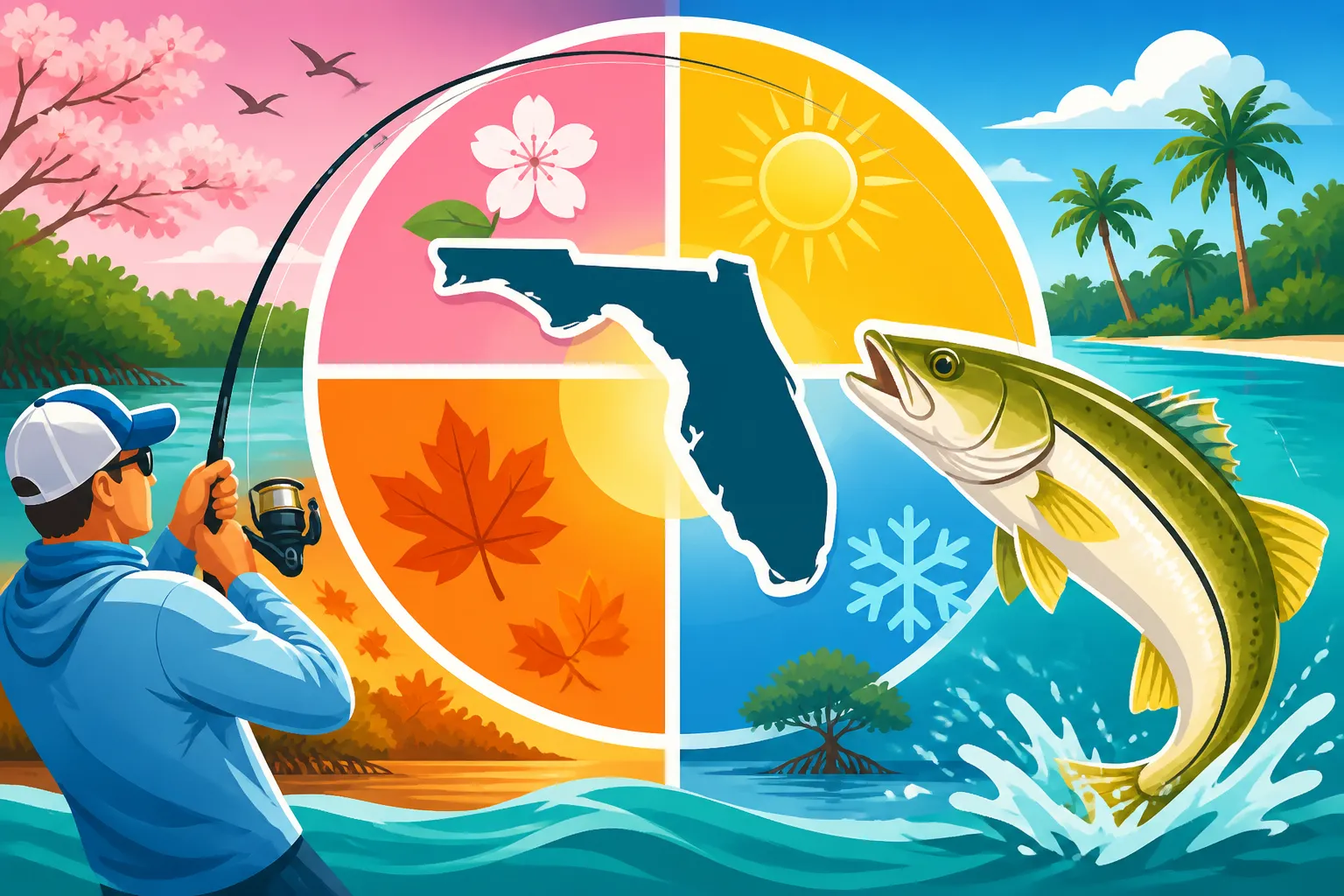
While we typically think of four seasons, Florida's climate often feels more like two: hot and hotter, with a few weeks of mild weather thrown in. However, for fishing purposes, it's more helpful to think of the calendar in terms of distinct biological cycles that impact fish behavior. These cycles are heavily influenced by water temperature, available forage, and spawning urges. For instance, the transition from winter to spring sees a surge in baitfish populations, which in turn ignites the feeding frenzy of larger predatory species. Similarly, fall migrations bring new challenges and rewards to both inshore and offshore anglers. Each period presents unique challenges and opportunities, requiring different tactics and target species, which we'll delve into in detail.
Freshwater vs. Saltwater Seasonality
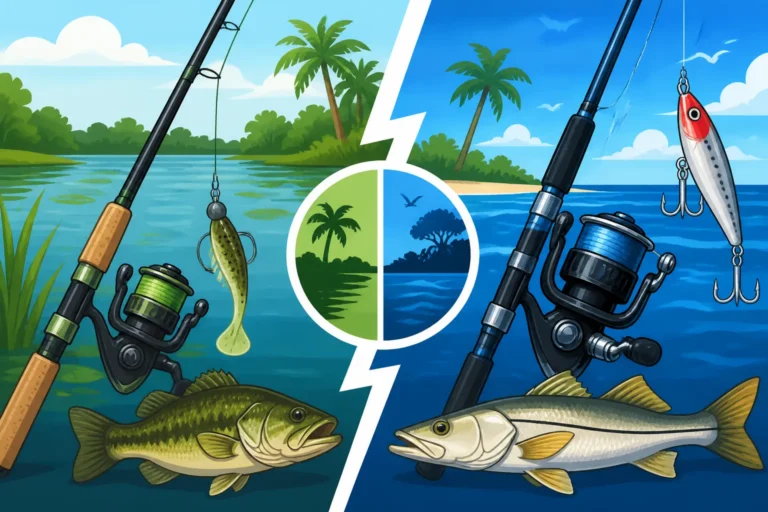
It’s easy to lump all Florida fishing into one category, but the seasonal patterns for freshwater and saltwater species can be vastly different. In saltwater, many species are highly migratory, following baitfish and temperature shifts along the coast or offshore. Snook, tarpon, and certain pelagic species like mahi-mahi are prime examples. Their presence in certain areas is often dictated by water temperatures and spawning cycles. For freshwater species like largemouth bass and crappie, while temperature still plays a huge role, their movements are more confined to specific lakes and rivers, often relating to spawning beds, submerged vegetation, or deeper channels. Understanding this fundamental distinction is key to successful planning. For instance, the Florida Freshwater Fishing License Rules will differ significantly from the Florida Saltwater Fishing License Rules, and so will the prime fishing times for their respective habitats.
Spring Fishing: The Awakening of the Waters (March – May)
Ah, spring in Florida! This is arguably one of the most beloved times for anglers across the state. The weather is usually near-perfect, a comfortable warmth without the oppressive humidity of summer, and the fish are shaking off their winter sluggishness, often with spawning on their minds.
Inshore Spring Spawners: Redfish and Trout Action
As water temperatures steadily climb into the 70s, the inshore flats of places like Tampa Bay, Charlotte Harbor, and the Indian River Lagoon come alive. This is prime time for species like redfish and spotted seatrout. They become incredibly active, feeding aggressively in preparation for or recovery from spawning. Redfish, known for their powerful runs, can be found tailing in shallow grass flats during high tide or schooling up in potholes when the tide drops. Live bait like shrimp or pilchards fished under a popping cork are deadly, as are various artificial lures you can easily find on Amazon, such as weedless soft plastics.
Spotted seatrout, on the other hand, love those expansive grass flats, often ambushing baitfish. Topwater lures early in the morning can be absolutely exhilarating, and later in the day, suspending twitchbaits or soft plastic jigs work wonders. This is a fantastic season for sight-fishing, especially on clear, calm mornings, giving you a real thrill as you spot your target before making the perfect cast. This heightened activity makes it an ideal time to learn about the Florida Redfish Fishing Guide and the Florida Spotted Seatrout Fishing Guide.
Offshore Opportunities: Pelagics Arrive
Spring also marks the arrival of migratory pelagic species to Florida's offshore waters. King mackerel start showing up in good numbers, especially along the reefs and wrecks of both coasts. Trolling with spoons or live bait is a popular and effective method. Further offshore, the first pushes of mahi-mahi (dolphin fish) can begin to appear, often congregating around weed lines and floating debris. This is when anglers start rigging up for bigger game, eager for the acrobatic fights these fish provide. It’s also a good time for bottom fishing for certain snapper and grouper species, though specific seasons and regulations for these can be tight, so always check the latest Florida Fishing Regulations and Bag Limits. Anglers seeking serious offshore action might start looking into booking a charter during this peak season.
Freshwater Bass: Post-Spawn Feasting
While the peak bass spawn usually happens in late winter/early spring, the post-spawn period in spring is fantastic for trophy largemouth bass. After the rigors of spawning, these fish are hungry and often aggressive, actively feeding to regain their strength. Lakes like Okeechobee, Toho, and Kissimmee are legendary for their bass fishing, and in spring, you’ll find bass relating to deeper grass lines, hydrilla beds, and shaded areas. Flipping jigs into heavy cover, throwing topwater frogs over matted vegetation, or slow-rolling spinnerbaits can be highly productive. This is an excellent time for those looking for a bucket-list bass, and knowing specific Florida Bass Fishing Techniques can give you a significant edge.
Summer Fishing: Heat, Storms, and Offshore Bounty (June – August)
Summer in Florida means heat, humidity, and often, afternoon thunderstorms. But don't let that deter you! While it presents unique challenges, summer also unlocks some incredible fishing opportunities, especially if you know how to work around the weather.
Battling the Heat: Early Mornings and Late Evenings
The biggest factor in summer fishing is the scorching heat. Fish, like people, tend to get lethargic in the midday sun. This means your best bet for inshore success is often to be on the water at dawn or to head out for a sunset bite. Species like snook, redfish, and trout will be active in cooler water, often found in shaded areas under mangroves, docks, or bridges. Throwing topwater lures in low light conditions can lead to explosive strikes. During the day, fish move to deeper channels, grass flats with good tidal flow, or near springs where cooler water seeps into the system. Early morning charters are extremely popular for a reason during this season, getting you out before the sun climbs too high.
Offshore Deep Drops and Pelagic Pursuits
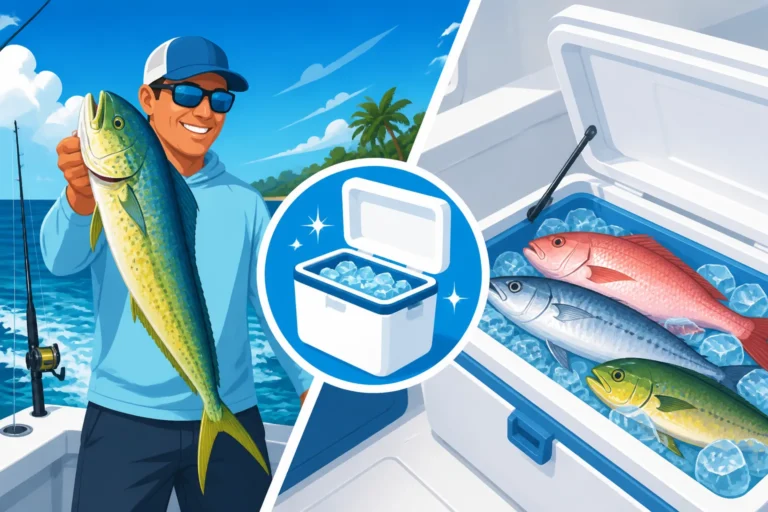
While inshore slows down mid-day, summer is arguably prime time for offshore fishing, particularly for pelagic species. Mahi-mahi are abundant, often found roaming open water or near sargassum weed lines in the Gulf Stream. Tuna, wahoo, and sailfish are also targeted further offshore. Trolling large baits or lures is the most common technique, sometimes for dozens of miles offshore. This is also a fantastic time for deep-dropping for snapper and grouper if you have the right equipment and know-how. The calm summer seas, though hot, often make for comfortable runs far offshore. Just be sure to watch the sky for those rapidly building afternoon thunderstorms and keep an eye on weather radar before you head out, and bring plenty of water – staying hydrated is crucial. Many anglers stock up on specialized offshore gear and insulated coolers from Amazon for these longer trips.
Freshwater Hydrilla and Topwater Explosions
In freshwater, summer means dense hydrilla and other submerged vegetation. Bass will often hide in this cover, using it for ambush points and protection from the sun. This is prime time for frog fishing and punching heavy mats with jigs and creature baits. Early mornings and late evenings also offer incredible topwater action in the open pockets of vegetation. While the heat can make midday tough, those willing to brave it and work the heavy cover can be rewarded with some truly massive bass. Crappie also school up in deeper water, often near brush piles and structure, making them a fun target with jigs and minnows.
Fall Fishing: The Migration Spectacle (September – November)
Fall in Florida is nothing short of magical for anglers. The oppressive summer heat begins to wane, water temperatures cool, and a massive influx of baitfish kicks off a feeding frenzy that draws in some of the state's most sought-after game fish.
The Mullet Run: A Feast for Predators
Perhaps the most iconic fall event is the annual mullet run. Billions of finger mullet migrate south along Florida’s Atlantic coast, creating a living buffet for every predatory fish imaginable. Snook, tarpon, redfish, jacks, bluefish, and king mackerel all gorge themselves on this plentiful food source. Anglers line beaches, inlets, and passes, throwing cast nets for fresh bait or mimicking the mullet with artificial lures. The sight of massive schools of mullet being obliterated by feeding fish is truly something to behold. This is a must-experience for any angler, especially those targeting snook and tarpon. It's during this time that permits for certain species like the Florida Snook Permit Requirements become even more crucial to ensure you're fishing legally.
Cooler Temps, Hotter Bites: Snook and Redfish Resurgence
As water temperatures continue to drop into the 70s and 60s, inshore species like snook and redfish become incredibly active again. They're still feeding heavily, putting on fat for the cooler winter months. Snook will often move out of their summer haunts into open bays and along beaches, while redfish continue to school up in large numbers on the flats. This is a fantastic time for both artificial lures and live bait. Anglers can find success walking the beaches with swimbaits, fishing outgoing tides in passes with live pilchards, or exploring productive grass flats with jigs. The weather is generally more pleasant, making for longer, more comfortable days on the water.
Offshore Migration Patterns
Offshore, fall sees its own migrations. King mackerel continue their southward journey, providing excellent action nearshore and offshore. Spanish mackerel are abundant closer to shore, offering fast-paced action on light tackle. Sailfish also start to show up in better numbers, particularly along the Atlantic coast, chasing baitfish. Wahoo, tuna, and mahi-mahi are still present, though their patterns might become a bit more spread out compared to summer. The cooler temperatures make for a more comfortable experience on offshore charters, and the variety of species available keeps things exciting. This seasonal shift is a critical component of the Florida Tarpon Fishing Season Guide.
Winter Fishing: Cold Fronts and Hidden Gems (December – February)
Winter in Florida is a tale of two extremes: beautiful, mild, sunny days followed by sharp cold fronts that can dramatically change the fishing landscape. Adapting to these changes is key to success during the cooler months.
Finding Warm Water Havens: Snook and Tarpon Challenges
When cold fronts push through, shallow waters cool rapidly, sending many inshore species scurrying for warmer sanctuary. Snook, being highly sensitive to cold, will often migrate to deeper residential canals, spring-fed rivers, power plant discharges, and other areas where water temperatures remain more stable or elevated. They become lethargic and less willing to chase, requiring slower presentations and precise bait placement. Similarly, tarpon will seek out deeper channels and warm-water pockets, often becoming less active. Fishing during these cold snaps can be challenging, but finding the right warm-water haven can lead to incredible, albeit slower, fishing. This can be one of the more frustrating times for anglers, but also one of the most rewarding if you crack the code.
Sheepshead and Pompano: Winter Delicacies
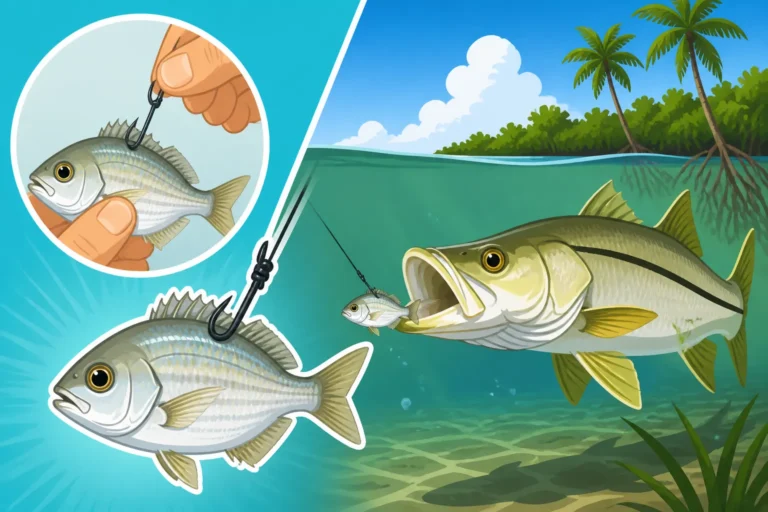
While snook and tarpon might be tougher, winter is prime time for other delicious species. Sheepshead, with their distinctive striped bodies and human-like teeth, become abundant around structures like docks, bridges, rock piles, and jetties. They are bait stealers, so small hooks and patient waiting are essential. Fiddler crabs, shrimp, and barnacles are their favorite snacks. Pompano, known for their delectable meat, also move into shallower waters, particularly along the surf and in inlets. Jigging small, brightly colored pompano jigs or using sand fleas for bait can lead to excellent catches. This is a great opportunity to target species that might be less prominent during other times of the year, offering a different kind of fishing challenge and a tasty reward for your efforts.
Freshwater Slow Downs and Deepwater Tactics
In freshwater, cold fronts can make bass fishing a bit tougher, but not impossible. Bass will often move to deeper holes, drop-offs, and submerged structure to escape the cold. Slow-moving baits like lipless crankbaits, jigs, and Texas-rigged worms worked meticulously along the bottom are effective. Crappie fishing, however, can remain excellent throughout the winter, especially in larger lakes. They school up tightly in deeper water around brush piles, submerged timber, and other structures. Using small jigs tipped with minnows or scented plastics is the go-to method. While the action might be slower, the chance to catch a cooler full of delicious crappie is a strong draw for many winter anglers.
Regional Variations: It's Not Just North vs. South
Florida's sheer size and diverse geography mean that "the best time to fish" can change dramatically depending on whether you're in Pensacola, Orlando, or Key West. Understanding these regional differences is crucial for planning your perfect trip.
Florida Panhandle: Gulf Coast Influences
The Florida Panhandle, stretching from Pensacola to Apalachicola, has a distinct Gulf Coast feel with cooler winters and a more pronounced seasonality than South Florida. In summer, offshore fishing for snapper, grouper, and king mackerel is phenomenal, while inshore estuaries like Pensacola Bay and Apalachicola Bay offer great redfish and trout action. Fall brings the famous "fall run" for king mackerel and Spanish mackerel closer to shore. Winters are colder, pushing many species offshore or into deeper channels, but speckled trout and redfish can still be caught with the right cold-water tactics. The Best Piers for Fishing Without a Boat in areas like Destin or Panama City Beach offer fantastic opportunities for land-based anglers during various seasons.
Central and Southwest Coasts: Estuary Empires
From Tampa Bay down to the Ten Thousand Islands, this region is an estuary paradise. It's renowned for its world-class snook, redfish, and spotted seatrout fishing. Spring and fall are often considered prime times, with abundant bait and active fish. Summer can be challenging due to heat and afternoon storms, but early mornings and late evenings are still productive. Winter sees fish seeking refuge in deeper canals and rivers when cold fronts hit, but on warm days, the bite can still be fantastic. Offshore, the Gulf of Mexico offers excellent snapper and grouper fishing, especially in deeper waters during the summer. Places like Charlotte Harbor and the Indian River Lagoon are especially productive during these transition months, and knowing the specifics of Best Flats Around Islamorada for Sight Fishing or similar local spots can make all the difference.
The Florida Keys: Tropical Paradise Year-Round
The Florida Keys offer a unique, year-round fishing experience due to their tropical climate. While there are seasonal peaks, you can pretty much target something fantastic any day of the year. Winter is phenomenal for sailfish offshore and permit, bonefish, and tarpon on the flats. Spring brings the peak tarpon migration, an event legendary among anglers. Summer is excellent for mahi-mahi, tuna, and marlin offshore, as well as snapper and grouper on the reefs and wrecks. Fall offers a mix of everything, often with lighter crowds. The Keys truly live up to their reputation for diversity and consistent action. If you're looking for a Florida Tarpon Fishing Season Guide, the Keys are often the epicenter.
Inland Freshwater: Lakes and Rivers
Florida's vast network of freshwater lakes and rivers, particularly in the central part of the state, offers world-class largemouth bass fishing. The "best" time often depends on whether you're chasing trophy bass or numbers. Spring, after the initial spawn, is fantastic for aggressive, hungry bass. Fall offers comfortable weather and active feeding. Summer can be productive with early morning topwater action and working heavy cover. Winter sees bass retreating to deeper water but can still yield big fish for patient anglers. Lakes like Lake Okeechobee, Lake Toho, and the St. Johns River are famous destinations, each with its own rhythm. For instance, knowing the Best Time of Year to Fish Lake Okeechobee is critical for a successful bass trip there.
Key Factors Influencing Fishing Success
Beyond the broad strokes of the calendar, several critical factors can make or break a fishing trip. Understanding these elements and how they interact with each other will turn a good angler into a great one.
Tides and Moon Phases: Nature's Schedule
For saltwater anglers, tides are perhaps the most crucial factor. Moving water stimulates fish activity by concentrating bait, washing out nutrients, and pushing fish into ambush points. Generally, the beginning and end of a moving tide (incoming or outgoing) are the most productive. The strength of the current is also influenced by the moon phase; new moons and full moons bring stronger "spring" tides with more significant water movement, often leading to more aggressive bites. Conversely, quarter moons result in weaker "neap" tides. Learning to read a tide chart and understanding how specific tides affect your chosen fishing spot is paramount. Inshore species like snook and redfish are particularly influenced by tidal flows, making Best Tides for Inshore Fishing in Florida essential knowledge.
Weather Patterns: Cold Fronts, Rain, and Wind
Florida's weather is famously unpredictable, and it dictates fish behavior more than almost anything else.
- Cold Fronts: As discussed earlier, sudden drops in temperature can shock fish, sending them to deeper, warmer water or making them lethargic. Fishing before a cold front can be fantastic as fish often feed aggressively ahead of the change, while fishing during or immediately after a front can be tough.
- Rain: Light, warm rain can sometimes improve fishing by cooling surface temperatures and washing bait into the water, particularly in freshwater. Heavy rain, however, can muddy the water, disperse bait, and make fishing difficult.
- Wind: Wind can be a friend or foe. A light breeze can create a ripple on the water, breaking up the surface and making it harder for fish to see you, which can be great for sight fishing. However, strong winds can make boat control difficult, stir up bottom sediments, create uncomfortable conditions, and make it hard to spot fish or feel bites. Always check the forecast before heading out, and consider how wind might affect your chosen location. Also, be mindful of events like How Red Tide Affects Fishing in Florida, as these environmental factors can shut down a bite faster than any cold front.
Water Temperature: The Ultimate Fish Indicator
Water temperature is the single most critical factor influencing fish metabolism, behavior, and location. Every species has an optimal temperature range for feeding, spawning, and general activity.
- Too Cold: When water temperatures drop below a species' comfort zone (e.g., snook struggling below 60°F), they become sluggish, stop feeding, and seek warmer refuge.
- Too Hot: Extremely high water temperatures (e.g., above 90°F in shallow flats) can reduce oxygen levels and stress fish, pushing them to deeper, cooler water.
- Just Right: The "sweet spot" temperature range often triggers aggressive feeding and makes fish easier to locate. For example, many inshore species are most active when water temperatures are in the high 60s to low 80s. Learning the preferred temperature ranges for your target species is invaluable and often dictates where they will be holding. Tools like water temperature gauges and even simple dive thermometers from Amazon can be indispensable for this.
Making the Most of Every Season
The beauty of Florida fishing is that there's always an opportunity to wet a line. The key is to embrace the seasonal changes and adapt your approach rather than trying to force a summer technique into a winter day.
Adapting Your Techniques and Tackle
Successfully fishing year-round in Florida means being a versatile angler. What works for snook in a hot summer mangrove may not work for a cold-front redfish on an open flat.
- Vary Your Lures and Baits: In warmer water, aggressive, fast-moving baits and topwater lures can be highly effective. In colder water, slow-moving jigs, live shrimp, or even dead bait can be more productive. Having a diverse tackle box is crucial.
- Adjust Your Presentation: Fish are often more active and willing to chase in warm water. In colder water, a slower, more deliberate retrieve is usually necessary to entice a strike from sluggish fish.
- Change Your Location: Don't expect to find fish in the same spots year-round. They will move based on temperature, tides, and bait availability. Be prepared to explore different depths, structures, and habitats as the seasons change. This might mean moving from shallow flats to deeper channels, or from open water to protected creeks.
Planning Ahead: Research and Flexibility
Preparation is the cornerstone of any successful fishing trip, especially in a state with as much variety as Florida.
- Do Your Homework: Before you go, research current conditions. Check local fishing reports, consult with tackle shops, and look at online forums. Many apps provide real-time water temperatures, tide charts, and even moon phase data.
- Consult Local Experts: Charter captains and experienced guides are invaluable resources. They spend every day on the water and know exactly what's biting and where. Even if you're not booking a trip, a quick chat at a local bait shop can yield a treasure trove of information.
- Be Flexible: Sometimes, despite all your planning, the fish just aren't cooperating. Or a sudden storm rolls in. Be ready to change your target species, fishing spot, or even postpone your trip if conditions aren't favorable. A bad fishing day is still better than a good day at work, but a flexible mindset can turn a potentially frustrating outing into a memorable one. Remember that even on a charter, conditions can change, and captains do their best to adapt, but fishing success isn't always guaranteed, making What to Bring on a Florida Fishing Charter an important read regardless of the season.
Safety First: Enjoying Florida's Waters Responsibly
Florida’s natural beauty is undeniable, but the environment can be unforgiving.
- Sun Protection: Year-round, the Florida sun is intense. Wear wide-brimmed hats, UV-protective clothing, and plenty of sunscreen. Reapply often.
- Hydration: Always bring more water than you think you'll need, especially during the warmer months. Dehydration can creep up quickly.
- Weather Awareness: Be vigilant about rapidly changing weather, particularly summer thunderstorms. Know how to operate your boat safely and have a plan for seeking shelter.
- Know the Regulations: Florida's fishing regulations change. Always check the current rules regarding size limits, bag limits, and closed seasons for your target species before you go. This includes mandatory permits for certain species like snook or lobster. Ignorance of the law is not an excuse. You can find comprehensive details in the Florida Fishing License Guide and the broader Florida Fishing Regulations and Bag Limits.
Seasonal Species Overview
To help you visualize the opportunities throughout the year, here's a quick overview of some popular Florida species and their peak activity times:
| Season | Primary Target Species (Saltwater) | Primary Target Species (Freshwater) | General Conditions |
|---|---|---|---|
| Spring | Snook, Redfish, Trout, Tarpon, King Mackerel, Mahi | Largemouth Bass (post-spawn), Panfish | Warm, pleasant weather; active fish |
| Summer | Mahi, Tuna, Wahoo, Snapper, Grouper, Tarpon | Largemouth Bass (heavy cover), Panfish | Hot, humid, afternoon storms; offshore best mid-day |
| Fall | Snook, Redfish, Tarpon, King Mackerel, Sailfish | Largemouth Bass (active), Crappie | Cooling temps, Mullet Run; high activity |
| Winter | Sheepshead, Pompano, Redfish, Trout (warm days) | Crappie, Largemouth Bass (deeper water) | Cold fronts possible; seek warm water havens |
As you can see, Florida offers a dynamic and exciting fishing calendar. With a little research and an adaptable mindset, you can find phenomenal fishing opportunities almost any time you choose to visit or explore.
Disclaimer
Fishing regulations, seasons, and local conditions can change rapidly. Always consult the latest Florida Fish and Wildlife Conservation Commission (FWC) guidelines and local advisories before heading out on the water. This guide provides general information and should not replace official sources.