Fishing License Reciprocity for Florida Neighboring States
It can be incredibly frustrating to plan a fishing trip to Florida, especially if you live in a neighboring state like Georgia or Alabama, and wonder if your home state's fishing license will cover you. The confusion around fishing license reciprocity across state lines is a common headache for anglers, potentially leading to fines if you're not careful. This guide will meticulously break down Florida's rules on fishing license reciprocity with its neighbors, ensuring you understand exactly what you need to legally cast your line.
Understanding Fishing License Reciprocity
When you're packing your fishing gear and heading to a new state, one of the first questions that pops into an angler's mind is usually about licensing. It's a fundamental part of responsible angling, but the rules can feel like a labyrinth.
What is Fishing License Reciprocity?
Fishing license reciprocity is essentially an agreement between two or more states that allows a resident of one state to legally fish in specific waters of another state using their home state's fishing license. Think of it like a mutual recognition program. The idea behind it is to simplify things for anglers who live near state borders and frequently fish in shared waterways, such as rivers or large lakes that span across state lines. Without reciprocity, you'd be forced to buy a separate license for each state, even if you're fishing in the same body of water, which can quickly add up in costs and administrative hassle. These agreements are often established to promote tourism and recreation, making it easier for people to enjoy shared natural resources without excessive red tape. However, they are typically very specific, applying only to certain bodies of water, and usually don't extend statewide.
The Reality of Florida's Approach
Florida, with its vast and diverse aquatic ecosystems, has a somewhat nuanced approach to fishing license reciprocity. While it's a popular destination for anglers from all over the country, and especially from its bordering states, Florida generally does not have blanket statewide reciprocity agreements with its neighbors. This means that if you're from Georgia or Alabama, for instance, and you plan to fish anywhere within Florida's extensive freshwater systems or saltwater coastlines, you will, in most cases, need to purchase a specific Florida fishing license.
The Florida Fish and Wildlife Conservation Commission (FWC) is primarily focused on managing and conserving Florida's unique natural resources, and their licensing structure reflects that. They require anglers to contribute to these conservation efforts directly through the purchase of a Florida fishing license. This revenue helps fund habitat restoration, fish stocking programs, enforcement, and public access improvements throughout the state. So, while it might seem inconvenient, it’s all part of the larger picture of maintaining the incredible fishing opportunities Florida offers. Understanding "Who Needs a Fishing License in Florida" is the first step to avoiding any misunderstandings.
Neighboring States: Georgia and Alabama
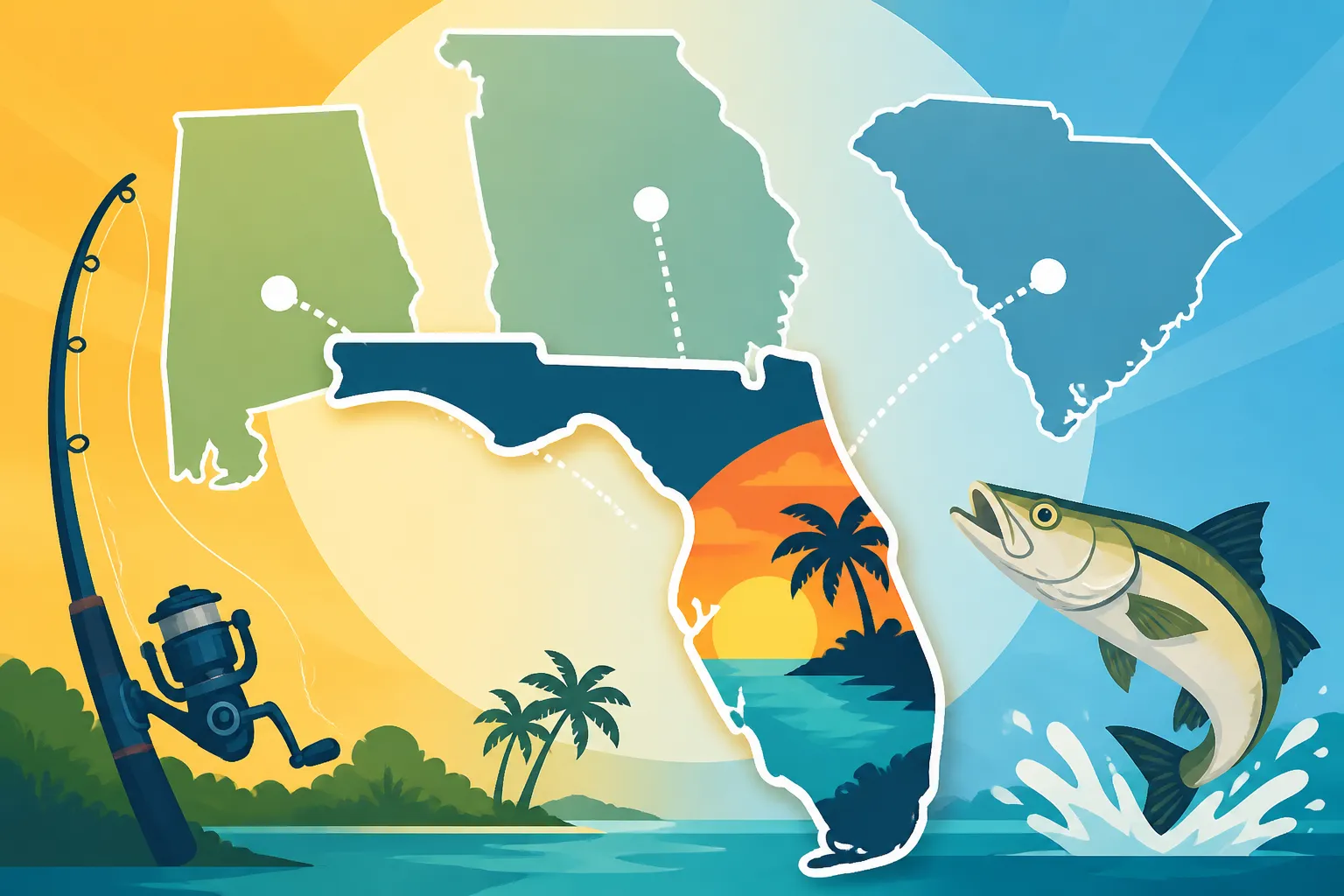
Florida shares land borders with two states: Georgia to the north and Alabama to the northwest. These border regions feature unique aquatic environments that sometimes necessitate specific agreements to facilitate fishing across state lines.
Florida's Border Waters with Georgia
The most significant shared waterway between Florida and Georgia is the St. Marys River. This picturesque river forms a considerable portion of the border between the two states, winding its way from its headwaters in the Okefenokee Swamp to the Atlantic Ocean near Fernandina Beach, Florida, and St. Marys, Georgia. Anglers on both sides of the river often enjoy its blackwater fishing for species like largemouth bass, catfish, and various panfish. Another crucial shared body of water is Lake Seminole, a large reservoir created by the Jim Woodruff Dam on the Apalachicola River, where the borders of Florida, Georgia, and Alabama converge. Lake Seminole is renowned for its excellent bass fishing, drawing anglers from all three states. The unique geographical nature of these waters means that special considerations for fishing licenses are often put into place to prevent confusion and facilitate recreational access. Without these specific agreements, an angler might be casting their line from a boat that drifts across an invisible state line, unwittingly violating licensing requirements.
Florida's Border Waters with Alabama
To Florida's west, the border with Alabama primarily runs through coastal areas and a few shared river systems. The most prominent shared body of water here is Perdido Bay, a beautiful estuary that separates the westernmost panhandle of Florida from southern Alabama. This bay is a popular spot for both saltwater and brackish water species, including redfish, speckled trout, and flounder. The Gulf of Mexico itself also serves as a shared fishing ground, with the official state line extending offshore. While the open Gulf might seem like a free-for-all, even here, jurisdictional lines are drawn, and knowing which state's waters you're in, particularly for federal water regulations, becomes important. Anglers often launch their boats from towns like Pensacola, Florida, or Orange Beach, Alabama, and traverse these waters regularly. The nuances of fishing these shared coastal and estuarine areas require careful attention to the specific rules regarding "Florida Saltwater Fishing License Rules" and "Florida Freshwater Fishing License Rules" as they relate to these border agreements.
Specific Reciprocity Agreements for Border Waters
While Florida doesn't offer blanket statewide reciprocity, it does have very specific agreements in place for certain shared border waters with both Georgia and Alabama. These agreements are crucial for anglers who frequent these areas.
St. Marys River and Lake Seminole Rules
For those who love fishing the scenic St. Marys River or the bountiful waters of Lake Seminole, there's good news regarding reciprocity between Florida and Georgia. On the St. Marys River, anglers holding a valid Georgia freshwater fishing license are permitted to fish in the Florida portions of the river, and conversely, those with a valid Florida freshwater fishing license can fish in the Georgia portions. This agreement extends to any tributaries of the St. Marys River that are also considered boundary waters. This simplifies things immensely, allowing anglers to focus on finding the best spots for bass or catfish without constantly worrying about which side of the river they're on.
Similarly, for Lake Seminole, a unique three-state agreement is in effect, but primarily between Florida and Georgia for freshwater fishing. An angler possessing a valid freshwater fishing license from either Florida or Georgia can fish throughout the Florida and Georgia portions of Lake Seminole, including its tributaries up to the first public road bridge or dam. However, it's vital to note that even with this reciprocity, anglers are expected to adhere to the fishing regulations, including bag limits and size restrictions, of the state in which they are actually fishing at that moment. This means a Georgia angler fishing in the Florida section of Lake Seminole must follow Florida's specific "Florida Fishing Regulations and Bag Limits" for freshwater species, and vice-versa. Always double-check current regulations from both states, as these can be updated periodically.
Perdido Bay and Gulf Waters Rules
The reciprocity agreements extend to the western border as well, specifically concerning Perdido Bay and certain nearshore waters with Alabama. In Perdido Bay, a long-standing agreement allows a resident of either Florida or Alabama, holding a valid resident recreational saltwater fishing license from their respective state, to fish in the shared tidal waters of Perdido Bay. This is particularly helpful for anglers who live around Pensacola or Orange Beach and frequently cross into either state's waters while pursuing species like redfish or speckled trout.
This agreement, however, typically does not extend far into the Gulf of Mexico. Once you venture beyond the immediate estuarine environment of Perdido Bay and into the open Gulf, the general rule of thumb is that you need to be licensed according to the state whose waters you are fishing in. For instance, if you launch from Alabama and fish exclusively in Florida state waters in the Gulf, you would need a Florida saltwater fishing license. It's crucial to understand the demarcation lines for state waters versus federal waters, and how far out Florida's jurisdiction extends. Always consult the latest FWC guidelines or the Alabama Department of Conservation and Natural Resources (ADCNR) to confirm the exact boundaries and requirements for these specific waters. The complexities of "Florida Saltwater vs Freshwater Fishing License" become even more apparent when dealing with these border waters, where tidal influence blurs the lines.
Here's a quick summary of the reciprocity agreements:
| Shared Waterway | Florida Border State | License Accepted | Specific Conditions |
|---|---|---|---|
| St. Marys River | Georgia | FL or GA Freshwater | Valid for the river itself and its boundary tributaries. Anglers must observe the fishing regulations (bag, size, season) of the state whose water they are currently fishing. |
| Lake Seminole | Georgia | FL or GA Freshwater | Valid for the Florida and Georgia portions of the lake and its boundary tributaries up to the first road bridge/dam. Anglers must observe the fishing regulations of the state whose water they are currently fishing. |
| Perdido Bay (tidal waters) | Alabama | FL or AL Saltwater | Valid for the tidal waters within Perdido Bay only. Anglers must observe the fishing regulations of the state whose water they are currently fishing. Does not extend far into the Gulf of Mexico. |
What Happens Beyond Reciprocal Waters?
It's easy to get excited about fishing opportunities, especially in a place like Florida, but it's equally easy to inadvertently cross a jurisdictional line and find yourself without the proper authorization. Understanding the limitations of reciprocity is key to a hassle-free trip.
Fishing in Non-Reciprocal Florida Waters
Beyond the specific reciprocal waters like the St. Marys River, Lake Seminole, and Perdido Bay, if you want to fish anywhere else in Florida – be it the legendary bass lakes of Central Florida, the vast saltwater flats of Tampa Bay, or the abundant offshore reefs of the Atlantic – you absolutely need a valid Florida fishing license. Your Georgia or Alabama license, no matter how comprehensive it is in your home state, will not cover you in these areas. This applies whether you're a resident of a neighboring state just visiting for a weekend or a "Snowbird" enjoying the Florida sunshine for months.
Florida maintains separate licensing requirements for freshwater and saltwater fishing, and often requires additional permits for certain species like snook or lobster. So, a Georgia freshwater license won't cut it for bass fishing on Lake Okeechobee, nor will an Alabama saltwater license be valid for catching redfish in the Indian River Lagoon. It's always best to err on the side of caution and secure the correct Florida license for the specific type of fishing and location you plan to enjoy. Many anglers find the "Florida Fishing License Guide" incredibly useful for navigating these requirements.
Consequences of Not Having the Right License
Fishing without the proper license in Florida, even if it's an honest mistake due to reciprocity confusion, can lead to some pretty significant headaches and financial penalties. Florida's law enforcement, including the FWC officers, takes licensing requirements seriously as they are fundamental to conservation efforts. If you're caught fishing without the required Florida license in non-reciprocal waters, or if you're not abiding by the specific conditions of a reciprocal agreement, you could face a citation.
The penalties typically start with a fine, which can vary depending on the specific violation and whether it's your first offense. These fines can range from a few hundred dollars up to more substantial amounts, especially if there are additional violations like exceeding bag limits or catching protected species. In some cases, repeat offenders or those involved in more serious violations might even face having their fishing gear confiscated or, in rare and extreme circumstances, criminal charges. Trust me, it's far cheaper and less stressful to buy the correct license upfront than to deal with the legal repercussions and fines later. We have a detailed guide on "What Happens If You Fish Without a License" that delves into these consequences more thoroughly.
How to Ensure You're Compliant and Where to Buy Licenses
Navigating fishing regulations can feel like a chore, but it's a vital part of being a responsible angler. Taking a few proactive steps can save you a lot of trouble down the line.
Checking the Latest Regulations
The world of fishing regulations isn't static; rules, seasons, and reciprocity agreements can and do change. That's why relying on outdated information or hearsay is a recipe for disaster. The absolute best way to ensure you're compliant is to consult the official sources for the latest regulations. For Florida, this means the Florida Fish and Wildlife Conservation Commission (FWC) website (MyFWC.com). They have comprehensive, up-to-date information on all licensing requirements, reciprocal agreements, and bag and size limits for both freshwater and saltwater species. Similarly, for Georgia, you'd check the Georgia Department of Natural Resources (DNR) website, and for Alabama, the Alabama Department of Conservation and Natural Resources (ADCNR).
Before any trip, especially one that might take you across state lines or into shared waters, make it a habit to visit these official sites. Many states also offer free regulation booklets you can pick up at bait shops, outdoor stores, or even download as PDFs. You might even find a physical copy of the FWC regulations on Amazon if you prefer a tangible reference to keep in your tackle box. Don't just skim; read carefully, paying close attention to any special notes about boundary waters or specific species.
Purchasing Florida Fishing Licenses
Once you've determined that you need a Florida fishing license, acquiring one is thankfully quite straightforward. The FWC offers several convenient ways to purchase your license.
The easiest and often preferred method for many anglers is to buy online directly through the FWC's GoOutdoorsFlorida.com website. This platform allows you to purchase various license types, including annual, five-year, freshwater, saltwater, and combination licenses, as well as any necessary endorsements like the Snook Permit or Lobster Permit. You can typically print a temporary license immediately and receive a permanent one by mail, or simply carry a digital copy on your phone using the "Florida GoOutdoors App Fishing License" which is incredibly convenient.
If you prefer an in-person transaction or need a license on the fly, you can also purchase Florida fishing licenses at most sporting goods stores, bait and tackle shops, Walmart, or any authorized license agent across the state. These locations usually have staff who can help clarify any questions you might have about the different license options. For example, local Bass Pro Shops or Dick's Sporting Goods stores are reliable places to pick up a license. Additionally, you can visit a county tax collector's office in Florida, where they can assist you with the purchase. The "How to Buy a Fishing License Online" and "Where to Buy a Florida Fishing License Near You" guides offer more specific details on these purchasing options. Remember, your fishing license is an investment in Florida's incredible natural resources, helping to ensure healthy fish populations for generations to come.
Planning Your Border Water Fishing Trip
Fishing near state borders can be a unique and rewarding experience, offering diverse fishing opportunities. But thoughtful planning is essential to make the most of your trip and stay within the rules.
Essential Gear and Bait for Border Fishing
When you're heading out to fish in Florida's border waters, whether it's the St. Marys River, Lake Seminole, or Perdido Bay, having the right gear is just as important as having the right license. The types of fish you'll encounter can vary widely depending on whether you're in freshwater, saltwater, or brackish estuaries, so your setup needs to be versatile or specialized. For instance, if you're targeting largemouth bass on Lake Seminole, you'll want a medium-heavy rod, a baitcasting reel spooled with 15-20 lb fluorocarbon or braided line, and a selection of bass lures like plastic worms, spinnerbaits, or topwater frogs. For the St. Marys, catfish anglers might prefer heavier tackle with cut bait or stink baits.
In Perdido Bay, shifting to saltwater species like redfish and speckled trout calls for a different approach. A medium-light to medium action spinning rod with a matching reel, spooled with 10-15 lb braided line and a fluorocarbon leader, is a common choice. Live shrimp, mud minnows, or artificial lures like soft plastic paddletails and popping corks are often highly effective. Regardless of your target, always ensure your gear is in good condition, and consider bringing extra tackle. Many experienced anglers stock up on essentials, from hooks and sinkers to line and lures, through convenient online retailers like Amazon before their trip to ensure they have everything they need without last-minute scrambling. Don't forget polarized sunglasses, a wide-brimmed hat, and plenty of water – Florida's sun can be intense!
Understanding Local Bag and Size Limits
This is a critical point that often trips up anglers, even with reciprocity agreements in place. While your reciprocal license might allow you to fish across state lines in certain waters, the rules for what you can keep (bag limits and size limits) always default to the regulations of the state you are physically fishing in at that exact moment. This means if you're a Georgia angler fishing in the Florida portion of Lake Seminole, you must adhere to Florida's freshwater bag and size limits for species like bass, crappie, and panfish. Conversely, if a Florida angler crosses into Georgia waters on the St. Marys River, they must follow Georgia's regulations.
The same principle applies to saltwater fishing in Perdido Bay. An Alabama angler in the Florida section of the bay needs to know Florida's saltwater regulations for redfish, speckled trout, and other species. These limits are designed to manage fish populations sustainably within each state's jurisdiction. Ignoring them, even accidentally, can lead to the same fines and penalties as fishing without a license. Always carry a copy of the current regulations, either digitally on your phone or a physical pamphlet, and know how to identify your catch and measure it accurately. Checking the "Florida Fishing Regulations and Bag Limits" guide before you head out is a non-negotiable step for any angler planning a trip to these fantastic shared waters.
Disclaimer
The information provided in this guide is intended for general informational purposes only and is subject to change. While we strive to provide accurate and up-to-date content, fishing regulations, license requirements, and reciprocity agreements can be modified by state wildlife agencies at any time. It is the responsibility of every angler to directly consult the official websites of the Florida Fish and Wildlife Conservation Commission (MyFWC.com), the Georgia Department of Natural Resources, and the Alabama Department of Conservation and Natural Resources before fishing in any border waters or within Florida. Always verify current rules and regulations to ensure compliance and enjoy a safe and legal fishing experience.