Florida Free Fishing Days
Oh, the sheer joy of planning a fishing trip to Florida, only to be hit with the perplexing maze of fishing license requirements! It’s a common frustration, isn't it? You just want to cast a line and enjoy the beautiful waters, but suddenly you're deciphering rules about saltwater vs. freshwater, residency, and specific permits. Well, breathe easy, because this comprehensive guide is here to shed light on one of the most delightful exceptions to those rules: Florida’s Free Fishing Days, helping you understand when and how you can enjoy the state’s incredible angling opportunities without reaching for your wallet.
Understanding Florida's Free Fishing Days Program
Florida is a paradise for anglers, boasting an incredible diversity of fish species and stunning natural environments, from tranquil freshwater lakes to vast, vibrant ocean waters. While the state's natural beauty and abundant fisheries are undeniable, the requirement to purchase a fishing license can sometimes be a barrier, especially for casual visitors, new residents, or families looking for an affordable day out. That's where the Florida Fish and Wildlife Conservation Commission (FWC) steps in with its fantastic Free Fishing Days program.
What are Free Fishing Days?
Florida's Free Fishing Days are specific, designated dates throughout the year when residents and non-residents alike can legally fish in specified waters without needing a valid Florida fishing license. This means you can grab your rod and reel, head to your favorite spot, and fish for a day (or a weekend, depending on the schedule) without the usual paperwork or fees. It's an incredible opportunity to experience the thrill of Florida fishing firsthand, completely free of charge. These days are carefully chosen to offer maximum accessibility and encourage participation, often aligning with popular fishing seasons or holidays.
Why Does Florida Offer Them?
The FWC, the state agency responsible for managing Florida's fish and wildlife resources, implements the Free Fishing Days for several important reasons, all centered around promoting outdoor recreation and fostering an appreciation for Florida's natural heritage. First and foremost, it's about accessibility. For many, the cost or perceived hassle of getting a license can prevent them from trying fishing. By removing this barrier, the FWC opens the doors to new anglers, potentially sparking a lifelong passion for the sport.
Secondly, these days serve as a fantastic educational tool. They allow people, especially families and children, to experience fishing firsthand, learning about local ecosystems, fish species, and responsible angling practices. This exposure often leads to a greater understanding and appreciation for conservation efforts. Finally, the program supports local economies by drawing more people to tackle shops, bait stores, and restaurants in fishing communities, even if they aren't directly buying a license on those specific days. It’s a win-win for everyone involved, from the casual angler to the small business owner.
Key Benefits for Anglers
The advantages of Florida’s Free Fishing Days for anglers are numerous and impactful. The most obvious benefit is the cost savings; not having to purchase a license, even a short-term one, can make a difference for a family budget. For those who are unsure about committing to a full annual license, these free days provide a no-risk trial period to see if fishing is truly for them. It's the perfect opportunity to try out different types of fishing, whether you're contemplating a trip to the Florida Keys Fishing Guide or wondering about Florida Largemouth Bass Fishing Guide techniques in a local lake.
Beyond the financial aspect, these days encourage exploration. Anglers can try out new spots or different types of fishing they might not typically pursue. It’s also an excellent way to introduce friends and family to the sport. Instead of asking them to buy a license for a single outing, you can invite them along for a stress-free day of casting and camaraderie. Many local bait and tackle shops, like those found around popular fishing destinations, often see an uptick in business on these days, as even experienced anglers might stock up on new lures or a fresh bucket of live bait from their local shop or even a quick order from Amazon.
Official Dates for Florida Free Fishing Days
Knowing the exact dates for Florida's Free Fishing Days is crucial for planning your license-free angling adventures. The FWC strategically schedules these days to coincide with periods when weather conditions are typically favorable, and various fish species are active, offering the best possible experience for participants. It's important to note that freshwater and saltwater free fishing days are usually scheduled separately, catering to the distinct environments and species found in each.
Annual Schedule Breakdown (Freshwater & Saltwater)
Florida typically offers two distinct sets of Free Fishing Days each year: one dedicated to freshwater fishing and another for saltwater fishing. These are generally spread across different months to give anglers opportunities throughout various seasons.
- Freshwater Free Fishing Days: These often occur in the spring, typically in April, when bass and other freshwater species are highly active and the weather is pleasantly mild. For instance, in recent years, the first weekend of April has been designated for freshwater fishing. This timing is ideal for those looking to explore the state’s numerous lakes, rivers, and ponds, perhaps trying their hand at catching largemouth bass or panfish. These dates are prime for families, as kids are often out of school or enjoying weekend activities. You might consider checking out a Florida Freshwater Fishing License Rules guide if you discover a passion for freshwater angling.
- Saltwater Free Fishing Days: Saltwater free fishing opportunities usually come a bit later in the year, often in June and sometimes in September, taking advantage of warmer waters and the influx of various inshore and nearshore species. The first Saturday and Sunday in June, for example, frequently serve as free saltwater fishing days. This period is fantastic for targeting redfish, trout, and snook in the estuaries, or perhaps trying your luck from a public pier or beach along the coast. It’s important to remember that while the license requirement is waived, all other regulations, like bag and size limits, still apply. For more details on these, you can always refer to the Florida Saltwater Fishing License Rules.
Here’s a typical schedule for Florida's Free Fishing Days. Please always confirm the most current dates directly with the FWC before planning your trip, as dates can occasionally be subject to change.
| Type of Fishing | Month (Typical) | Specific Dates (Example) | Notes |
|---|---|---|---|
| Freshwater | April | First Saturday & Sunday | Great for bass, panfish, and crappie. |
| Saltwater | June | First Saturday & Sunday | Ideal for redfish, trout, and various inshore species. |
| Saltwater | September | First Saturday | Another opportunity for coastal fishing, often around Labor Day. |
Upcoming Dates and Planning Ahead
Planning ahead is key to making the most of Florida’s Free Fishing Days. While the FWC generally follows a consistent annual pattern, it's always best practice to verify the dates on their official website (MyFWC.com) well in advance. Typically, the FWC announces the official dates for the upcoming year in late fall or early winter, giving anglers ample time to mark their calendars.
If you're thinking about taking advantage of these days, consider a few things:
- Weather: Florida weather can be unpredictable. Have a backup plan or flexibility in your schedule if a storm rolls in. A quick check of the forecast a few days before can help you decide whether to hit a freshwater lake or brave the coast.
- Crowds: Because these days are so popular, expect more people at public access points, boat ramps, and piers. Arriving early can help you secure a good spot.
- Gear: Even though the license is free, you still need your gear! Make sure your rods, reels, lines, and tackle are in good condition. If you're new to fishing, these days are perfect for borrowing a friend's setup or picking up an affordable starter kit from a retailer like Amazon.
Checking Official FWC Sources for Verification
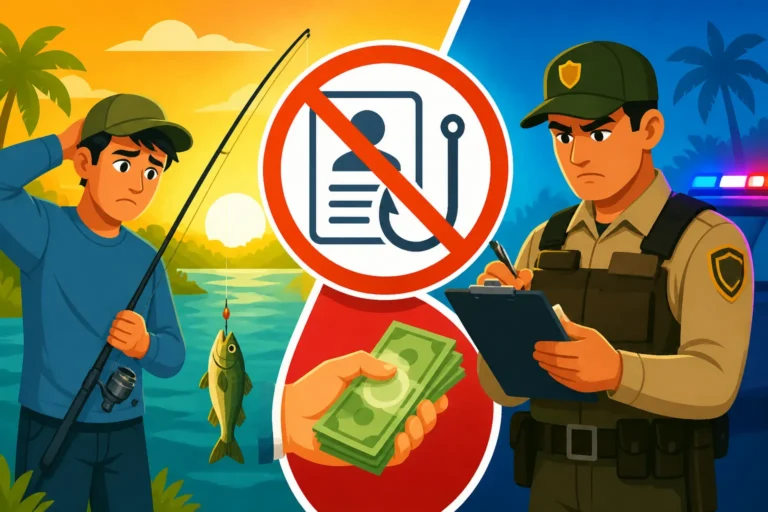
I cannot stress this enough: always, always verify the current official dates directly with the Florida Fish and Wildlife Conservation Commission (FWC). While I'm providing general information based on typical schedules, official dates are published on the FWC's website (MyFWC.com). You can usually find a dedicated section for "Free Fishing Days" or "License Exemptions" that will list the precise dates for the current year. This ensures you have the most up-to-date and accurate information, preventing any unfortunate misunderstandings with FWC officers who are out enforcing regulations. A quick search on their site before your planned outing can save you from a potential Penalty for Fishing Without a License in Florida if you accidentally fish on a non-free day.
Who Can Participate in Free Fishing Days?
One of the most appealing aspects of Florida's Free Fishing Days is their inclusivity. These designated periods are designed to open up fishing opportunities to a broad audience, fostering a love for the outdoors regardless of where you call home or your age. It's a truly welcoming initiative that aims to get everyone, from curious newcomers to seasoned anglers, out on the water.
Resident and Non-Resident Anglers
Unlike the standard Florida fishing license requirements, which differentiate significantly between residents and non-residents in terms of cost and available options, the Free Fishing Days program extends its benefits to everyone. This means that whether you've lived in Florida your whole life, are visiting from another state, or are an international tourist, you are equally welcome to participate without a license on these specific dates. This makes it an ideal opportunity for out-of-state visitors, often referred to as "snowbirds" or vacationers, to experience Florida's world-class fishing without the need to purchase a Florida Nonresident Fishing License Rules.
Imagine you're on a family vacation to Orlando or a trip to the beaches of Destin, and it happens to fall on a free fishing day. Suddenly, a simple stroll along a pier can turn into an exciting fishing adventure, introducing a new activity to your itinerary without any prior planning for licenses. This broad accessibility is a cornerstone of the FWC's effort to promote recreational fishing and showcase the state's natural beauty to as many people as possible.
Age Requirements and Exemptions
While the Free Fishing Days waive the license requirement for all ages, it's important to remember that Florida already has specific age exemptions for fishing licenses, even on regular days.
- Under 16: In Florida, children under 16 years of age are generally not required to have a recreational fishing license at any time, whether it's a free fishing day or not. This is a standing rule designed to encourage youth participation in fishing. So, if you're bringing kids along on a free fishing day, they're doubly exempt! You can learn more about this by checking out Florida Fishing License Age Requirements.
- Over 65: Florida residents aged 65 or older are also generally exempt from needing a recreational fishing license. They can fish year-round without one. So, while they can certainly enjoy the free fishing days, their exemption applies every day of the year.
The Free Fishing Days, therefore, primarily benefit adult resident anglers between the ages of 16 and 64, as well as non-resident anglers of all ages (except those under 16, who are already exempt). It's a simple way to expand participation without making the rules overly complicated, particularly for those who might not typically qualify for other exemptions.
Specific Water Body Considerations (State Parks, Private Ponds)
Even on Free Fishing Days, it's vital to be aware that certain specific rules might still apply depending on where you choose to fish. While the statewide recreational fishing license is waived, access rules for particular locations remain in effect.
- Florida State Parks: Many Florida State Parks offer fantastic fishing opportunities. On Free Fishing Days, you don't need a license to fish within the park boundaries. However, you will still need to pay any applicable park entrance fees. These fees are separate from fishing license requirements and contribute to the park's maintenance and facilities. You can usually find information on specific park rules and fees on the Florida State Parks website.
- Private Ponds: Fishing in a private pond that is entirely enclosed on private land, with no connection to public waters, generally does not require a state fishing license at any time, even on regular days. This is often the case for residential community ponds or farm ponds. So, while you're technically "fishing for free," this particular exemption isn't solely tied to the official Free Fishing Days. If you're unsure about a private pond, it's always best to verify with the property owner. For details, you can look into Florida Private Pond and Farm Pond Fishing Rules.
- Charter Boats/Fishing Piers: If you plan to fish from a licensed public fishing pier or on a licensed charter or party boat, you typically do not need to purchase your own individual fishing license, even on non-free fishing days. This is because the pier or boat itself holds a blanket license that covers its patrons. However, on Free Fishing Days, this becomes less of a concern since the individual license requirement is broadly waived. Still, it's good to know for future trips if you decide to try a charter. Always double-check with the specific pier or charter service beforehand, as their operational rules might differ.
The takeaway here is that Free Fishing Days simplify one major hurdle—the license—but don't automatically override all other location-specific access rules or fees. A little common sense and a quick check of local signage or websites for your chosen fishing spot will ensure a smooth and enjoyable outing.
What Fishing Regulations Still Apply?
This is a really important point to clarify: "Free Fishing Days" means free from the license requirement, but it absolutely does not mean free from all fishing regulations. The Florida Fish and Wildlife Conservation Commission (FWC) has a robust set of rules designed to protect fish populations, manage ecosystems, and ensure sustainable fishing for future generations. These conservation laws remain fully in effect, even on the designated free days. Ignoring them could lead to fines and legal trouble, turning your enjoyable free day into a costly mistake. It's like driving on a toll-free road; you don't pay the toll, but all the other traffic laws still apply!
Bag Limits and Size Limits Are Still Enforced
Even on Free Fishing Days, you must strictly adhere to all established bag limits and size limits for every species you target. These limits are critically important for conservation.
- Bag Limits: This refers to the maximum number of fish of a particular species that an individual angler can keep in a single day. For example, if the bag limit for spotted seatrout is a certain number, you cannot exceed that, regardless of how many you catch. Exceeding the bag limit can quickly deplete local fish populations and lead to serious penalties.
- Size Limits: This refers to the minimum and/or maximum length a fish must be to be legally harvested. Often, there's a "slot limit," meaning you can only keep fish within a specific size range (e.g., between 15 and 20 inches). Fish that are too small haven't had a chance to reproduce, and often, very large fish are also protected because they are prime breeders. Always carry a tape measure or a fishing ruler to ensure your catch meets the legal requirements before deciding to keep it. Release any fish outside the legal size limits immediately and carefully. You can find comprehensive details on all these rules in the Florida Fishing Regulations and Bag Limits guide.
FWC officers are still patrolling on Free Fishing Days. They are there to ensure everyone is enjoying the opportunity responsibly and that the state’s precious natural resources are being protected. They will check your catch for compliance with bag and size limits, just as they would on any other day.
Gear Restrictions and Prohibited Methods
Florida also has rules about the types of gear you can use and the methods you can employ to catch fish. These restrictions are in place to ensure fair chase, prevent overfishing, and protect habitats.
- Gear Types: Certain types of gear might be restricted in specific areas or for certain species. For instance, some areas might prohibit the use of treble hooks or require circle hooks when fishing with natural baits for certain species to reduce mortality. The use of certain nets or traps might also be regulated.
- Prohibited Methods: Dynamite, electrofishing, and poisons are, of course, strictly prohibited. Spear fishing also has its own set of rules and limitations, often requiring specific permits and only being allowed for certain species in designated areas. Understanding what you can't do is just as important as knowing what you can do. If you're new to fishing, sticking to a basic rod and reel setup with appropriate bait or lures is usually the safest bet.
- Catch and Release Practices: Even when catch-and-release fishing, proper handling of fish is essential to ensure their survival after release. This includes minimizing the time the fish is out of the water, wetting your hands before handling, using de-hooking tools, and avoiding dragging fish through sand or on abrasive surfaces. Practicing responsible angling ensures the health of the fishery for everyone.
Special Permits and Exemptions (Snook, Lobster, etc.)
Here's another critical distinction: while the general recreational fishing license is waived on Free Fishing Days, any special permits required for certain species are usually not waived. This includes highly regulated species that require an additional permit on top of your regular fishing license.
- Snook Permit: Snook are an iconic sportfish in Florida, highly prized for their fighting ability and delicious meat. Due to their popularity and sensitivity to environmental factors, snook fishing is heavily regulated, including specific seasons, bag limits, and size limits. In addition to a saltwater fishing license (which is waived on Free Fishing Days), anglers typically need a separate snook permit to legally harvest snook. This Florida Snook Permit Requirements is usually not waived on Free Fishing Days. If you plan to target snook, even on a free day, you should confirm the permit requirement.
- Lobster Permit: Similarly, if you're planning to go recreational lobster harvesting (either during the mini-season or regular season), you generally need a specific lobster permit in addition to a saltwater fishing license. This Florida Lobster Permit Requirements is also typically not waived during Free Fishing Days.
- Other Highly Regulated Species: Always check the FWC regulations for any species you plan to target that might fall under special management. These permits exist for a reason – to ensure the long-term health and viability of specific, often vulnerable, fish and invertebrate populations.
The golden rule for Free Fishing Days is: no license needed, but all other FWC regulations are still law. ignorance of the law is never an excuse, so a quick check of the current regulations on the FWC website before you head out is always a smart move.
Where to Go Fishing on Free Fishing Days
Florida offers an incredible array of fishing environments, and on Free Fishing Days, many of these become accessible without the need for a license. The key is knowing where to cast your line, especially if you're new to the area or new to fishing altogether. Whether you're drawn to the tranquility of freshwater lakes or the excitement of saltwater coasts, Florida has a spot for you.
Freshwater Hotspots for Beginners
If you're looking to introduce someone to fishing or just enjoy a relaxed day, Florida's freshwater spots are often perfect, especially on a free fishing day. They tend to be more sheltered, easier to navigate, and often yield consistent catches of smaller, feisty fish that are great for building confidence.
- Local Ponds and Canals: Many urban and suburban areas in Florida have public parks with ponds stocked with panfish (bluegill, bream) and even largemouth bass. These spots are usually easily accessible, often with fishing piers or bank access. Canals, particularly in South Florida, are also fantastic for catching a variety of species, including the introduced peacock bass, without needing a boat. These areas are typically calm and less intimidating than large open waters.
- Small Lakes and Rivers: Central and North Florida are dotted with countless small to medium-sized lakes and slow-moving rivers that are perfect for a quiet day. Lakes like Lake Tohopekaliga (Lake Toho) near Orlando, or parts of the St. Johns River, offer excellent opportunities for bass and panfish. These often have public boat ramps or designated fishing areas. Just make sure to check if any specific local rules or private property restrictions apply. For deeper dives, exploring a general Best Fishing Spots in Florida guide can give you more ideas.
- Fishing from Shore: For beginners, fishing from the shore eliminates the complexities of boat navigation and launching. Look for areas with grassy banks, submerged structures, or overhanging trees, as these provide cover for fish. A simple setup with a bobber and live bait (like worms or crickets) can lead to a lot of action and a memorable first-time experience.
Saltwater Access Points (Piers, Beaches, Public Access)
For those drawn to the salty air and the thrill of coastal species, Florida's shoreline offers countless options, particularly on Free Fishing Days. These spots are often bustling with activity and can yield a wide variety of fish.
- Public Fishing Piers: Florida boasts numerous public fishing piers along both the Gulf and Atlantic coasts. These piers are fantastic because they extend into deeper water, providing access to species you might not reach from the beach. Many piers even have bait shops, restrooms, and sometimes even restaurants right on site. Plus, many piers operate under a blanket license, meaning individual anglers don't typically need a license to fish from them, even on non-free fishing days. However, on Free Fishing Days, it becomes a non-issue entirely. Consider piers in places like St. Petersburg, Cocoa Beach, or Navarre Beach.
- Beaches for Surf Fishing: If you enjoy the rhythmic sound of waves and casting into the open ocean, surf fishing from public beaches is an excellent option. Pompano, whiting, and various species of baitfish are common catches. Look for areas with sandbars, troughs, or outflows where fish might congregate. A sturdy surf rod and a simple Pompano rig with shrimp or sand fleas are often all you need. Always be mindful of swimmers and beachgoers, especially during peak times.
- Public Boat Ramps and Docks: Even if you don't own a boat, many public boat ramps have associated docks or seawalls where shore fishing is permitted. These can be productive spots, offering access to deeper channels or structures that hold fish. Always respect boaters and keep clear of active launch areas.
- Causeways and Bridges: In many coastal cities, causeways and bridges offer fantastic access to saltwater fishing. Areas around bridge pilings often attract baitfish and predators like snook, redfish, and mangrove snapper. Be aware of traffic and ensure you're fishing from a safe, designated pedestrian area, if available.
Navigating Different Water Types (Inshore, Offshore, Lakes)
Florida’s diverse geography means a huge variety of water types, each with its own characteristics and fish species. Understanding these can help you pick the best location for your Free Fishing Day adventure.
- Inshore Waters (Estuaries, Bays, Flats): These are the shallow, protected waters close to shore, including mangrove-lined estuaries, vast grass flats, and sheltered bays like Tampa Bay or the Indian River Lagoon. Inshore fishing is incredibly popular for species like redfish, snook, and spotted seatrout. These areas are often accessible by kayak, small boat, or even wading, but many public access points also allow for shore or dock fishing. Learning about Florida Inshore Fishing Techniques can give you an edge.
- Offshore Waters (Gulf and Atlantic): Venturing offshore requires a boat capable of handling open water, and typically more specialized gear. While charter boats usually cover your license, if you're fishing on a private boat during a Free Fishing Day, the individual license requirement is waived. Offshore you can target species like snapper, grouper, king mackerel, and even mahi-mahi. However, always be mindful of federal waters regulations, which can differ from state waters.
- Lakes, Rivers, and Ponds: These freshwater bodies offer a calmer fishing experience. Lakes like Lake Okeechobee are renowned for trophy largemouth bass, while smaller ponds might hold plenty of bluegill for a fun family outing. Rivers like the St. Johns offer diverse habitats, from deep bends to lily pad fields. Remember, on freshwater free fishing days, you can explore any of these without a state license.
The key to choosing where to go is aligning your fishing goals with the available access points and water types. A family with young children might prefer a calm freshwater pond with a pier, while an experienced angler might seize the opportunity to explore a new saltwater flat. Regardless of your choice, be sure to respect the environment and other anglers.
Maximizing Your Free Fishing Day Experience
A "free" fishing day isn't just about saving money on a license; it's about making the most of a unique opportunity to connect with nature and enjoy the thrill of the catch. To truly maximize your experience, a little thoughtful preparation and adherence to responsible practices go a long way. This ensures not only your enjoyment but also the preservation of Florida's incredible fisheries for everyone.
Preparation is Key: Gear, Bait, and Sun Protection
Even if you're fishing for free, being well-prepared is paramount. Don't let a lack of essentials turn a potentially great day into a frustrating one.
- Gear Check: Before you head out, inspect your fishing rods and reels. Ensure your line isn't frayed, your knots are secure, and your reel operates smoothly. Bring a variety of tackle suitable for the species you're targeting. For example, if you're after panfish in a pond, light tackle with small hooks will be ideal. For saltwater, stronger lines and corrosion-resistant gear are essential. Many basic fishing kits, available at retailers like Amazon or local tackle shops like Bass Pro Shops, include a rod, reel, and a starter assortment of lures and hooks, making them perfect for beginners.
- Bait Selection: What bait you use can make all the difference. For freshwater, live worms, crickets, or artificial lures mimicking baitfish are usually effective. For saltwater, live shrimp, cut bait (like mullet or squid), or artificial lures such as soft plastics or spoons often work wonders. Check with a local bait shop near your chosen fishing spot for current recommendations, as bait preferences can vary seasonally.
- Sun Protection: Florida's sun is no joke, even on cloudy days. Pack and liberally apply high SPF sunscreen, wear a wide-brimmed hat, polarized sunglasses (they help you see fish better too!), and light, long-sleeved clothing with UPF protection. Dehydration is also a risk, so bring plenty of water or other hydrating drinks. A small cooler to keep your drinks and any kept fish chilled is also a smart move.
Family-Friendly Tips and Activities
Free Fishing Days are tailor-made for family outings. Introducing children to fishing can instill a lifelong appreciation for nature and provide wonderful bonding experiences.
- Keep it Simple and Fun: For kids, it's less about catching a trophy and more about the experience. Focus on spots where bites are frequent, even if the fish are small. Panfish in freshwater ponds are often perfect for this. Use simple rigs like a bobber, hook, and worm.
- Short Trips are Better: Young children have shorter attention spans. Plan for a two to three-hour trip rather than an all-day epic. You can always extend if everyone is having a blast.
- Involve Them in Everything: Let kids help bait hooks (if they're comfortable), cast (with supervision), and reel in fish. Teach them how to properly hold and release fish. Bring snacks, drinks, and maybe even a small toy or activity for when the bites slow down.
- Safety First: Ensure everyone, especially children, wears a life jacket if near or on the water. Teach them about casting safety and handling hooks. Having a small first-aid kit on hand is always a good idea.
- Educational Opportunities: Use the time to teach about fish species, their habitats, and the importance of clean water. Talk about the How Florida Fishing License Fees Fund Conservation and how respecting regulations helps protect these resources. It’s an informal classroom session on the water!
Responsible Angling and Conservation Practices
Participating in Free Fishing Days comes with a responsibility to uphold the principles of ethical and sustainable angling. We all want Florida's waters to remain vibrant for generations to come.
- Know and Follow the Rules: As discussed, all FWC regulations regarding bag limits, size limits, and gear restrictions remain in effect. Before you go, quickly review the specific rules for the species you plan to target and the area you'll be fishing. Ignorance is not an excuse for violations.
- Practice Catch and Release Properly: If you're not keeping fish (or are releasing fish outside legal limits), handle them with care. Use appropriate de-hooking tools, minimize their time out of the water, and support their body weight. If a fish is exhausted, revive it by gently moving it back and forth in the water until it swims away strongly.
- Leave No Trace: Pack out everything you pack in. This includes all trash, fishing line, bait containers, and any other litter. Discarded fishing line, in particular, can be deadly to wildlife. Use designated recycling bins if available, or take your waste home.
- Respect Wildlife and Other Anglers: Give wildlife their space. Be courteous to fellow anglers, whether they're on the shore, a pier, or a boat. Keep noise levels down, especially in quiet areas. Remember, we all share these precious resources.
- Report Violations: If you witness any fishing violations, such as someone keeping undersized fish or exceeding bag limits, report it to the FWC. You can usually do so discreetly via their hotline or app. This helps protect the resource for everyone.
By adhering to these responsible angling practices, you contribute to the health of Florida's fisheries and ensure that Free Fishing Days continue to be a positive experience for all.
Beyond Free Fishing Days: Understanding Your License Options
While Florida's Free Fishing Days are a fantastic perk, they are just a few days out of the year. For those who fall in love with angling after experiencing these free opportunities (and trust me, many do!), understanding Florida’s regular fishing license structure is the next logical step. Investing in a license is not just about legality; it's a direct contribution to the conservation and management of the very fisheries you enjoy.
Why Regular Licenses Matter
Purchasing a Florida fishing license does so much more than simply grant you permission to fish. The revenue generated from license sales is absolutely vital for the ongoing health and sustainability of Florida's fish populations and aquatic ecosystems.
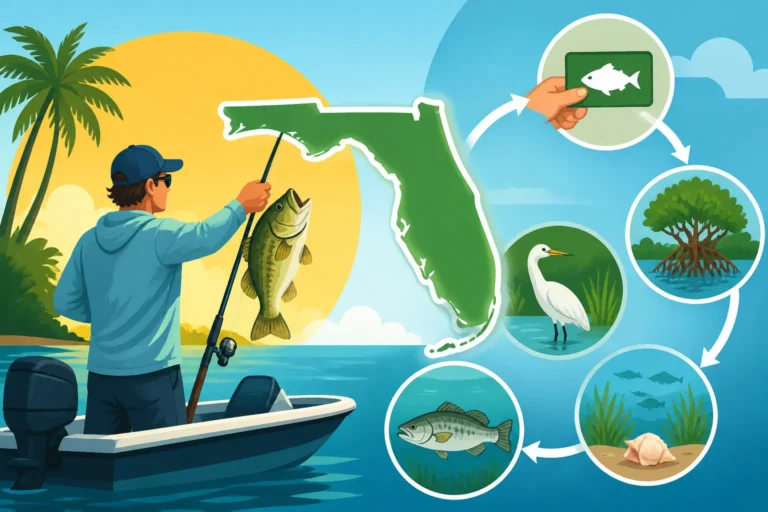
- Conservation Funding: A significant portion of your license fee goes directly to the FWC, funding critical conservation programs. This includes habitat restoration projects (like seagrass planting or artificial reef creation), fish stocking programs, scientific research into fish populations, and monitoring water quality. Without these funds, the incredible fishing opportunities Florida offers would quickly diminish. It directly supports the fish you want to catch!
- Management and Enforcement: License fees also help fund the FWC’s management efforts, including setting sustainable bag and size limits, monitoring seasons, and enforcing regulations. FWC officers, whose work is crucial in preventing poaching and overfishing, are largely supported by these funds. This ensures that the rules are followed, protecting the resource for everyone.
- Access and Education: Funds also contribute to maintaining public access points, such as boat ramps and fishing piers, and supporting educational programs that promote responsible angling.
- Federal Funding Match: Did you know that state license fees also enable Florida to receive federal matching funds under the Sport Fish Restoration Act? This means that every dollar you spend on a state license can unlock additional federal money for conservation, amplifying the impact of your contribution.
In essence, buying a fishing license is an investment in the future of Florida fishing. It's a way to ensure that the beautiful waters and abundant fish you experienced on a Free Fishing Day remain healthy and vibrant for years to come. If you're curious about the specifics, the Florida Fishing License Guide is an excellent resource.
Exploring Different License Types (Annual, 5-Year, Combo)
Florida offers a variety of fishing license options to suit different needs, whether you're a full-time resident, a seasonal visitor, or someone who enjoys both freshwater and saltwater adventures.
- Annual Licenses: These are the most common. You can purchase separate annual licenses for freshwater and saltwater fishing, or a combination license that covers both. For Florida residents, an annual freshwater license might cost around $17, while a saltwater license is similar. The combination license offers a slight discount compared to buying both separately. These are valid for 12 months from the date of purchase. For specific costs, you might refer to Florida Resident Annual Fishing License Cost or Florida Saltwater Fishing License Cost for Residents.
- 5-Year Licenses: For residents who are committed anglers, a 5-year license can offer convenience and a potential cost savings over buying annual licenses consecutively. This means less hassle with renewals.
- Combination Hunting and Fishing Licenses: If you're an outdoor enthusiast who enjoys both fishing and hunting, the FWC offers a combination license that covers both activities, often at a more economical rate than purchasing them individually.
- Short-Term Nonresident Licenses: For out-of-state visitors, Florida offers short-term nonresident options, such as 3-day or 7-day licenses, which are perfect for vacationers. These are often more expensive per day than annual resident licenses but provide flexibility for short trips. While you enjoyed the free days, if you return during a non-free period, these are your go-to options. You can find more details in Florida Nonresident Fishing License Types and Costs.
- Special Exemptions: Remember, Florida residents 65 and older and children under 16 are generally exempt from needing a recreational fishing license altogether. Additionally, there are specific exemptions for disabled residents and military personnel under certain conditions.
How to Purchase a Florida Fishing License
Getting a Florida fishing license is remarkably easy and convenient, thanks to several accessible options.
- Online: The quickest and most popular method is to purchase your license online through the FWC’s GoOutdoorsFlorida.com website. It's a user-friendly platform where you can select your license type, provide your information, and pay securely. You can then print your license or save a digital copy to your phone, ensuring you always have proof of purchase with you. This is by far the easiest way to get your Florida Fishing License Online.
- In Person: If you prefer a face-to-face transaction or need some guidance, you can purchase a license at various retail locations throughout the state. These include local bait and tackle shops, sporting goods stores (like Bass Pro Shops or West Marine), and even some county tax collector’s offices. Look for locations displaying the "GoOutdoorsFlorida" logo. This is a great option if you need to buy your license right before heading out, or if you prefer to chat with a local expert about fishing conditions. To find a location, search Where to Buy a Florida Fishing License Near You.
- By Phone: You can also purchase a license over the phone by calling the FWC customer service line. This can be a convenient option if you're away from a computer or retail location.
When purchasing your license, make sure to have your Florida driver's license or state ID ready if you're a resident, as proof of residency is required for resident pricing. Non-residents will need their state ID or passport.
Getting a fishing license is a small step that makes a huge difference. After experiencing the joys of a Free Fishing Day, many people discover a passion for fishing. Taking that next step to purchase a license allows you to continue exploring Florida's incredible waters while directly contributing to their preservation.
Disclaimer
Please note that fishing regulations, including dates for free fishing days, bag limits, size limits, and permit requirements, are subject to change by the Florida Fish and Wildlife Conservation Commission (FWC). While this guide provides comprehensive and current information based on typical FWC guidelines, it is your responsibility as an angler to always verify the most up-to-date regulations directly on the official FWC website (MyFWC.com) or by consulting their current printed regulations brochure before engaging in any fishing activities. This content is for informational purposes only and does not constitute legal advice.