Florida Youth Fishing License Rules
It can be confusing trying to figure out all the rules and regulations when you’re planning a fishing trip, especially when it comes to the little anglers in your life. Many parents and guardians wonder at what age their kids need a license, leading to unnecessary stress or even missed opportunities. This comprehensive guide will walk you through everything you need to know about Florida youth fishing license rules, ensuring your family's next angling adventure is smooth and enjoyable.
The Age When Florida Kids Don't Need a Fishing License
One of the most common questions I hear from families heading out to fish in Florida is about the age requirement for licenses. It's a valid concern, as rules can vary greatly from state to state, and nobody wants to inadvertently break the law. Thankfully, Florida makes it relatively straightforward for its youngest residents and visitors.
The Golden Rule: Under 16 is Free
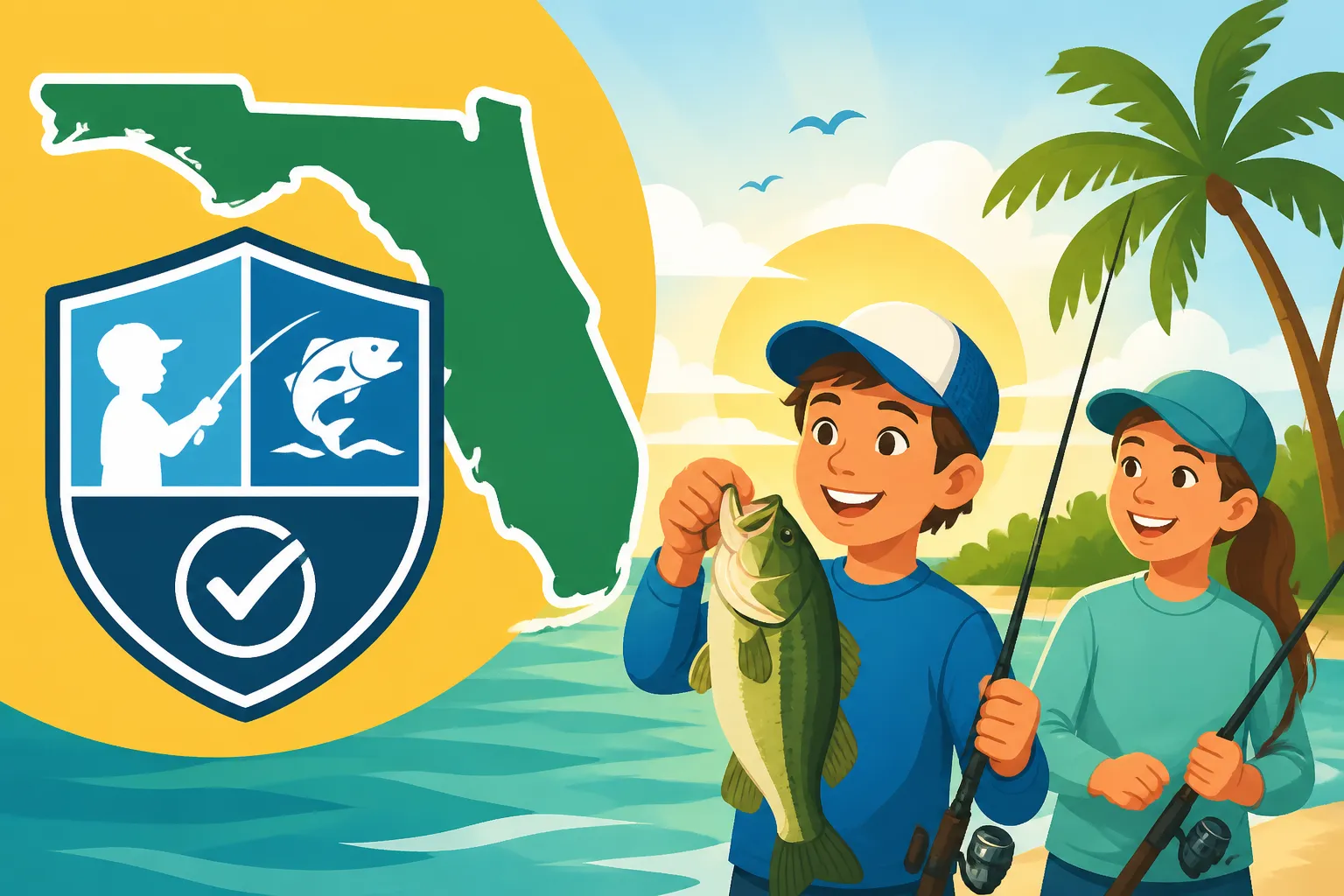
Let's clear the air right away with the best news: in Florida, children under the age of 16 are generally exempt from needing a recreational fishing license. This applies to both freshwater and saltwater fishing, which is fantastic news for families looking to introduce their kids to the joys of angling without the added bureaucratic step. So, if your little one is still celebrating single-digit birthdays or is anywhere up to their 15th year, they can cast a line without you having to buy an extra license for them. This exemption is a wonderful way for the state to encourage youth participation in outdoor activities and foster a love for fishing from an early age.
This means you can focus on the fun parts – teaching them how to bait a hook, cast their line, and the thrill of a first bite – rather than grappling with online forms or a trip to the tax collector. It’s truly a policy designed with family convenience in mind, allowing spontaneous fishing trips to be a reality. For a broader understanding of who needs one, you can also check out our guide on Who Needs a Fishing License in Florida.
Defining "Youth" for Fishing Licenses
When we talk about "youth" in the context of Florida fishing licenses, the Florida Fish and Wildlife Conservation Commission (FWC) sets a very clear boundary: anyone who has not yet reached their 16th birthday. The moment a child turns 16, they are legally considered an adult in the eyes of recreational fishing regulations and are then required to possess the appropriate licenses for their chosen fishing type, be it freshwater, saltwater, or a combination.
This clear cutoff helps eliminate ambiguity. It's not about being in high school, or able to drive, or any other social marker. It's strictly about that 16th birthday. Until then, they're good to go without a license. This age requirement is consistent across all recreational fishing activities within Florida's jurisdiction. Understanding this simple definition is key to avoiding any confusion as your child grows and develops their passion for fishing. Our article on Florida Fishing License Age Requirements delves deeper into these age-specific details.
Understanding the "Under 16" Rule in Practice
While the "under 16" rule seems simple on the surface, its practical application can sometimes raise a few more questions. Is it really universal? Are there any hidden catches? Let's dive into the specifics so you're fully prepared for any fishing scenario.
No License Required for Recreational Fishing
The broad exemption for those under 16 covers almost all recreational fishing activities within Florida. This means whether your child is dunking a worm in a local pond, casting for snook in an estuary, or trying their hand at surf fishing from the beach, they do not need a state fishing license. This incredible freedom applies to both residents and nonresidents alike. A child visiting Florida from another state, even if their home state requires a youth license, is still exempt from Florida’s requirements if they are under 16. This is a significant boon for tourist families planning a Florida vacation that includes fishing.
This exemption is one of the many Florida Fishing License Exemptions that help make fishing accessible. It truly simplifies things, allowing families to enjoy Florida's abundant waters without needing to juggle multiple licenses for various age groups. However, it’s crucial to remember that while the license is waived, all other fishing regulations, such as bag limits, size limits, and season closures, still apply to everyone, regardless of age. Teaching kids about these rules from a young age is an important part of responsible angling.
Federal vs. State Waters for Youth
Florida’s fishing jurisdiction extends to both state and federal waters, and it’s important to understand how the "under 16" rule applies in both. Generally, Florida state waters extend 3 nautical miles into the Atlantic Ocean and 9 nautical miles into the Gulf of Mexico. Beyond these boundaries lie federal waters. The good news is that the FWC's "under 16" exemption typically holds true across both state and federal waters for recreational fishing.
This means if you take your child on a short offshore trip into federal waters, as long as they are under 16, they still won't need a personal fishing license. This consistency provides peace of mind for parents planning a deep-sea adventure. However, for certain highly regulated species like Red Snapper, additional federal permits or regulations might exist for the vessel or trip leader, but these rarely apply to the individual youth angler's personal license requirement. Always double-check species-specific regulations if you're venturing far offshore or targeting highly regulated fish, as federal rules can sometimes be more complex.
Specific Scenarios for Young Anglers
Fishing can happen in many different environments, and sometimes the location or type of trip can add layers of complexity to licensing rules. Let's look at some specific situations and clarify how the youth fishing license rules apply.
Fishing from a Pier or Shoreline
Fishing from a pier or the shoreline is often a child's first introduction to the sport, offering easy access and a safe environment. Many Florida piers operate under a special pier license that covers everyone fishing from that specific structure. If a pier holds a valid pier license, then neither adults nor children need an individual fishing license to fish from it. It's a great setup for a family outing!
However, if you're fishing directly from the beach, a bridge, or a jetty that isn't covered by a specific pier license, the general rules apply. For children under 16, this means no license is required. For adults, if you are a Florida resident and only fishing from the shoreline (defined as land or a structure attached to land), you might be eligible for a Florida Free Shoreline Fishing License for Residents. But again, this doesn't apply to the kids – they're exempt regardless. Always check with the specific pier or local regulations, but for the most part, shoreline fishing is very welcoming to young, license-free anglers.
Fishing on a Charter Boat
Taking a charter boat out on Florida's waters is a fantastic way to experience guided fishing, often with a higher chance of success, especially for offshore species. A common concern for families is whether their child will need a license on a charter. Here’s the good news: most licensed for-hire charter boats operate under a vessel-wide fishing license that covers all passengers on board. This means that if you're fishing on a properly licensed Florida fishing charter, neither you nor your children will need individual fishing licenses.
The captain's license and the boat's license essentially act as the umbrella, covering everyone who steps aboard to fish. This applies to party boats, head boats, and private charters. It's one less thing to worry about when booking a trip, allowing you to focus on choosing the right charter for your family's adventure. Always confirm with your chosen charter captain, but generally, this rule makes charter fishing incredibly convenient for families with young children. Our detailed guide on Florida Charter Boat Fishing License Rules offers more insights into this topic.
Fishing Private Ponds
Private ponds can be a bit of a gray area for some, but Florida’s rules are quite clear and beneficial for young anglers. If you're fishing in a private pond that is entirely enclosed and has no connection to public waters, generally, no fishing license is required for anyone, regardless of age. This means if you have access to a friend's farm pond or a retention pond within a gated community that doesn't flow into larger rivers or lakes, your child (and you!) can fish without a license.
The key here is "entirely enclosed" and "no connection to public waters." If a pond or lake has a canal or stream that connects it to a larger public water body, then it is considered public water, and the standard licensing rules would apply. However, for truly private, self-contained ponds, it's a fantastic, stress-free environment for kids to learn and practice fishing. This exception also means that if your child is under 16, they certainly don't need a license to fish these private spots. To learn more about this specific scenario, you can read our article on Do You Need a License to Fish a Private Pond in Florida?.
Licenses for Older Teens and Young Adults
As your child grows and approaches their 16th birthday, the world of Florida fishing licenses shifts a bit. What was once free and easy suddenly requires a bit more planning. It's essential to understand this transition to ensure continuous compliance and responsible angling.
The 16th Birthday Milestone
The 16th birthday is a significant milestone for many reasons, and in Florida, it's also the day your child officially becomes an adult in the eyes of the FWC for fishing purposes. From this point forward, they are required to possess the same fishing licenses as any other adult angler. This can sometimes catch families off guard, especially if they've been enjoying years of license-free fishing. It's a good idea to mark this date on the calendar and plan ahead to purchase the necessary license.
This requirement is not meant to be a burden, but rather a way to ensure that all adult anglers contribute to the conservation and management of Florida’s invaluable fisheries. It’s also a perfect opportunity to teach your now-young adult about the importance of contributing to wildlife conservation. The cost of these licenses is quite reasonable, especially compared to many other recreational activities. For example, a Florida resident annual freshwater or saltwater license is typically around $17.00.
Different License Types for Young Adults
Once your child turns 16, they'll need to decide which type of license is most appropriate for their fishing habits. Florida offers several options, tailored to different fishing preferences and durations.
- Florida Resident Freshwater Fishing License: This covers fishing in all freshwater bodies – lakes, rivers, and ponds – within the state. If your teen is primarily interested in targeting bass, crappie, or panfish, this is the way to go.
- Florida Resident Saltwater Fishing License: For those who prefer the coast, targeting species like snook, redfish, trout, or offshore game fish, this license is essential. It covers all marine waters, including coastal rivers and bays that are tidally influenced.
- Florida Combination Freshwater and Saltwater Fishing License: This is often the most convenient and cost-effective option for young anglers who enjoy both types of fishing. Instead of buying two separate licenses, they can get one that covers all bases. This can also be a more economical choice in the long run.
- Special Permits: For certain regulated species like Snook or Lobster, additional permits may be required on top of the base saltwater license, even for young adults. These are often purchased as add-ons. Our articles on Florida Snook Permit Requirements and Florida Lobster Permit Requirements provide more specific details.
For non-resident young adults (16 and older), options include 3-day, 7-day, or annual licenses for either freshwater, saltwater, or combination. These typically cost a bit more than resident licenses. Deciding which license to get depends entirely on where and how often they plan to fish. You can find out more about these costs in our Florida Fishing License Costs and Fees guide. Getting a physical gift card from a place like Amazon or a tackle shop can be a thoughtful way to help your young angler acquire their first license, or you can buy it directly online.
Why These Rules Matter: Conservation and Future Generations
It might seem like a lot of rules, especially when it comes to transitions for youth, but every single regulation, including those pertaining to fishing licenses, serves a critical purpose. It's all about ensuring that Florida's incredible natural resources remain vibrant and healthy for generations to come.
Funding Fish Management
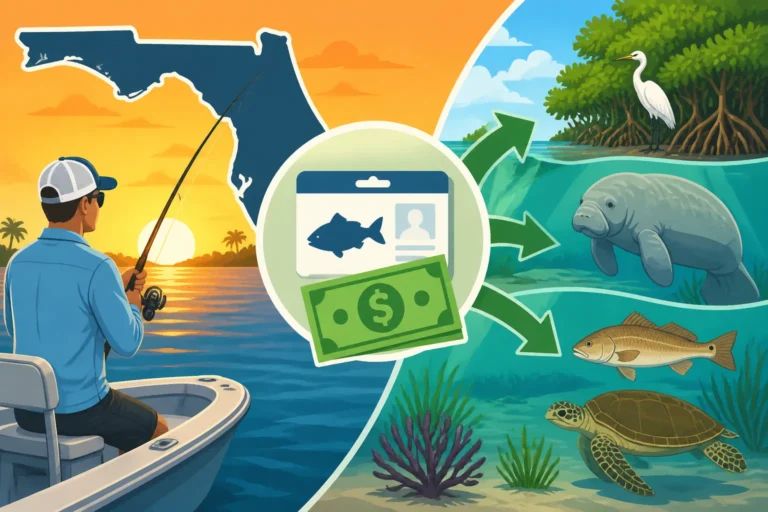
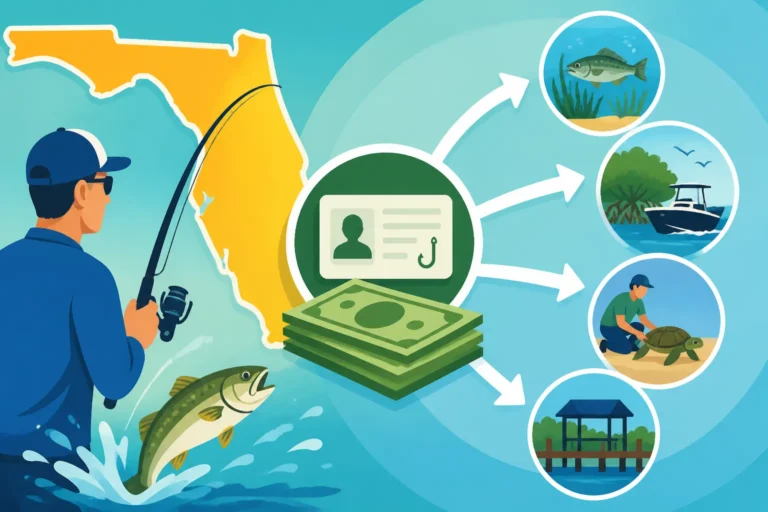
One of the most direct and impactful reasons for fishing license requirements, even for older teens, is financial. The revenue generated from the sale of Florida fishing licenses goes directly into vital conservation programs administered by the Florida Fish and Wildlife Conservation Commission (FWC). This funding supports a wide array of initiatives, including:
- Fish Stocking: Rearing and releasing millions of fish into freshwater lakes and ponds to enhance populations and improve angling opportunities.
- Habitat Restoration: Protecting and restoring critical fish habitats, such as seagrass beds, oyster reefs, and freshwater vegetation, which are essential for fish breeding, feeding, and shelter.
- Research and Monitoring: Conducting scientific studies to understand fish populations, migration patterns, and ecosystem health, informing sustainable management practices.
- Law Enforcement: Funding wildlife officers who patrol Florida's waters to ensure compliance with fishing regulations, protecting against poaching and overfishing.
- Public Access: Maintaining and developing boat ramps, fishing piers, and shoreline access points, ensuring everyone can enjoy Florida's fishing opportunities.
When your 16-year-old buys their first fishing license, they are directly contributing to these essential efforts. It's a small investment that yields massive returns in terms of maintaining healthy fisheries and ecosystems. This connection is profoundly explained in How Florida Fishing License Fees Fund Conservation.
Instilling Responsible Angling Habits
Beyond the financial contribution, the process of obtaining a fishing license, and understanding the rules that come with it, helps instill a sense of responsibility and stewardship in young anglers. When a child transitions from being an exempt angler to one who requires a license, it marks an important step in their journey as a conservationist.
It’s an opportunity for parents and mentors to teach them about the broader implications of their hobby:
- Understanding Regulations: Learning about bag limits, size restrictions, and closed seasons isn't just about avoiding a fine; it's about allowing fish populations to thrive and reproduce.
- Ethical Practices: Encouraging catch and release practices for certain species, minimizing stress on fish, and properly handling their catch are all aspects of responsible angling that can be taught.
- Environmental Awareness: Connecting the health of the fish to the health of the water they inhabit can foster a deeper appreciation for clean water and unpolluted environments.
By requiring licenses for young adults, Florida encourages a mindset where fishing isn't just a recreational pursuit but a responsible engagement with nature. It teaches them that being an angler comes with duties – to the fish, to the environment, and to future generations of fishermen.
How to Get a License for Youth When They Turn 16
Once your child hits that sweet sixteenth birthday, the process for getting their first official fishing license in Florida is pretty straightforward. The FWC has made it incredibly accessible, offering several convenient ways to purchase a license.
Online and In-Person Options
Florida provides multiple avenues to obtain a fishing license, catering to different preferences and situations. For young adults (16 and over) and their families, these options make the process hassle-free.
- Online Purchase: The most convenient method for many is purchasing a license directly through the Florida Fish and Wildlife Conservation Commission's GoOutdoorsFlorida.com website. It's a user-friendly platform where you can quickly select the desired license type (freshwater, saltwater, or combo, plus any necessary endorsements like Snook or Lobster), pay, and print your license or save it digitally to your phone. This is often the quickest way to get a license if you're planning a last-minute trip.
- In-Person Retailers: For those who prefer a face-to-face transaction or need to pick up some tackle at the same time, many authorized license agents across the state sell Florida fishing licenses. These include local bait and tackle shops, sporting goods stores like Bass Pro Shops or West Marine, and even some Walmarts. This option is great if you have questions or need some local advice. Our guide on Where to Buy a Florida Fishing License Near You provides more locations.
- County Tax Collector's Office: Your local county tax collector's office is also an authorized vendor for FWC licenses. This can be a good option if you're already there for other transactions, like vehicle registration, or if you prefer a government office setting.
- By Phone: You can also purchase a license over the phone by calling the FWC customer service line, which is another convenient option if you don't have internet access or prefer to speak with someone directly.
It's a good idea to discuss with your young angler which type of fishing they'll be doing most often so they can choose the right license. If they're unsure, a combination license is usually the safest bet.
Necessary Information for Purchase
Regardless of how you choose to purchase the license for your newly 16-year-old angler, you’ll need to provide some basic information. This helps the FWC accurately track license sales and ensures the integrity of the system.
Here’s what you’ll typically need:
- Proof of Identity: A valid driver's license, state ID card, or passport. For non-residents, a foreign passport or other official identification document will suffice.
- Proof of Residency (if applicable): To qualify for Florida resident rates, your child will need to show proof that they have resided in Florida for at least six continuous months. This could be a Florida driver's license, voter registration card, or other official documents. Students attending a Florida college or university often qualify for resident rates, even if their permanent home is out of state. You can find more details in Proof of Residency Needed for a Florida Fishing License.
- Date of Birth: To verify age and eligibility for specific license types.
- Current Address: For record-keeping and mailing purposes.
It’s always a good idea to have these documents handy before starting the purchase process. If you’re buying a license online, you’ll typically enter this information into the digital form. If purchasing in person, having the physical documents ready will speed up the transaction. Once purchased, your child's license is usually valid immediately, meaning they can hit the water right away! Just be sure to carry proof of the license while fishing, whether it's a printed copy, a digital version on their phone using the Florida GoOutdoors App, or the physical card.
| Age Group | License Requirement (Recreational Fishing) | Notes |
|---|---|---|
| Under 16 | No License Required | Applies to both freshwater and saltwater, residents and non-residents. |
| 16 and Older | License Required | Must purchase appropriate freshwater, saltwater, or combination license. Different rates for residents/non-residents. |
| All Ages | Special Permits | Endorsements like Snook or Lobster permits are required for specific species, regardless of age if a license is needed. |
| Pier Fishing | Often Covered by Pier License | If the pier holds a valid license, no individual license needed for any age. Check with the specific pier. |
| Charter Boat | Often Covered by Vessel License | Passengers on a licensed for-hire charter usually do not need individual licenses. Confirm with captain. |
| Private Pond | No License Required | If the pond is entirely enclosed and has no connection to public waters. |
Disclaimer
The information provided in this guide is for general informational purposes only and is not intended as legal advice. Florida fishing regulations, including youth license rules, can change. Always refer to the most current regulations published by the Florida Fish and Wildlife Conservation Commission (FWC) or consult directly with FWC officials or authorized license agents before engaging in any fishing activities.