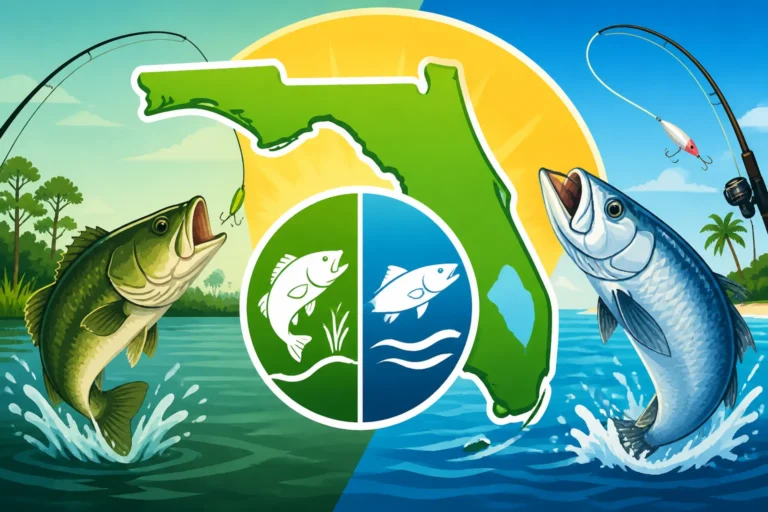
Where Does Florida Fishing License Money Go?
It’s a totally fair question, and one many of us anglers have pondered after purchasing our latest permit: exactly where does that hard-earned money for a Florida fishing license actually go? For a lot of folks, it can feel like your contribution simply disappears into the ether, leaving you to wonder if it truly makes a difference. You're not alone in that curiosity, and this guide is here to demystify the process, showing you how your license fees directly support the conservation and management of Florida’s incredible aquatic resources.
The Foundation: How License Fees Fuel Conservation
When you pay for a Florida fishing license, whether it's an annual freshwater, saltwater, or a combination license, that money doesn't just sit in a general state fund. Instead, it's primarily directed to the Florida Fish and Wildlife Conservation Commission (FWC), the state agency responsible for managing Florida's fish and wildlife resources. This funding mechanism is often referred to as the "user-pays, user-benefits" model, and it's a cornerstone of conservation efforts across the United States. Without these dedicated funds, many of the programs that protect our fishing future simply wouldn't exist.
Dedicated Funds for Aquatic Resource Management
Think about the sheer diversity and abundance of Florida's fishing opportunities. From the sprawling Everglades to the intricate networks of canals in South Florida, the vast expanse of the Gulf of Mexico, and the Atlantic Ocean, managing these ecosystems is a monumental task. Your license fees provide critical, direct funding for the FWC's work in maintaining fish populations, restoring habitats, and ensuring access for everyone. This isn't just about stocking fish in a pond; it's about comprehensive ecosystem health. For instance, without these funds, many of the efforts to monitor and manage species like snook and redfish, ensuring their populations remain healthy for future generations, would be severely hampered. It's a long-term investment, and every license purchase contributes to that future.
The Federal Aid in Sport Fish Restoration Act
Beyond state-level allocation, a significant portion of your fishing license dollars gets leveraged even further through federal programs. The Dingell-Johnson Sport Fish Restoration Act (now known as the Wallop-Breaux Amendment) is a fantastic example. This federal law levies an excise tax on fishing equipment and motorboat fuels. Here's the kicker: for a state to receive its share of these federal funds, it must contribute money from its own fishing license sales. So, when you buy a Florida Fishing License Guide, a portion of that fee enables Florida to access matching federal funds, often at a 3:1 ratio (three federal dollars for every one state dollar). This means your state license purchase is supercharged, providing even more resources for conservation than it would on its own. It's an incredibly effective system that multiplies the impact of every dollar.
Breaking Down the Buck: Specific Programs Funded by Your License
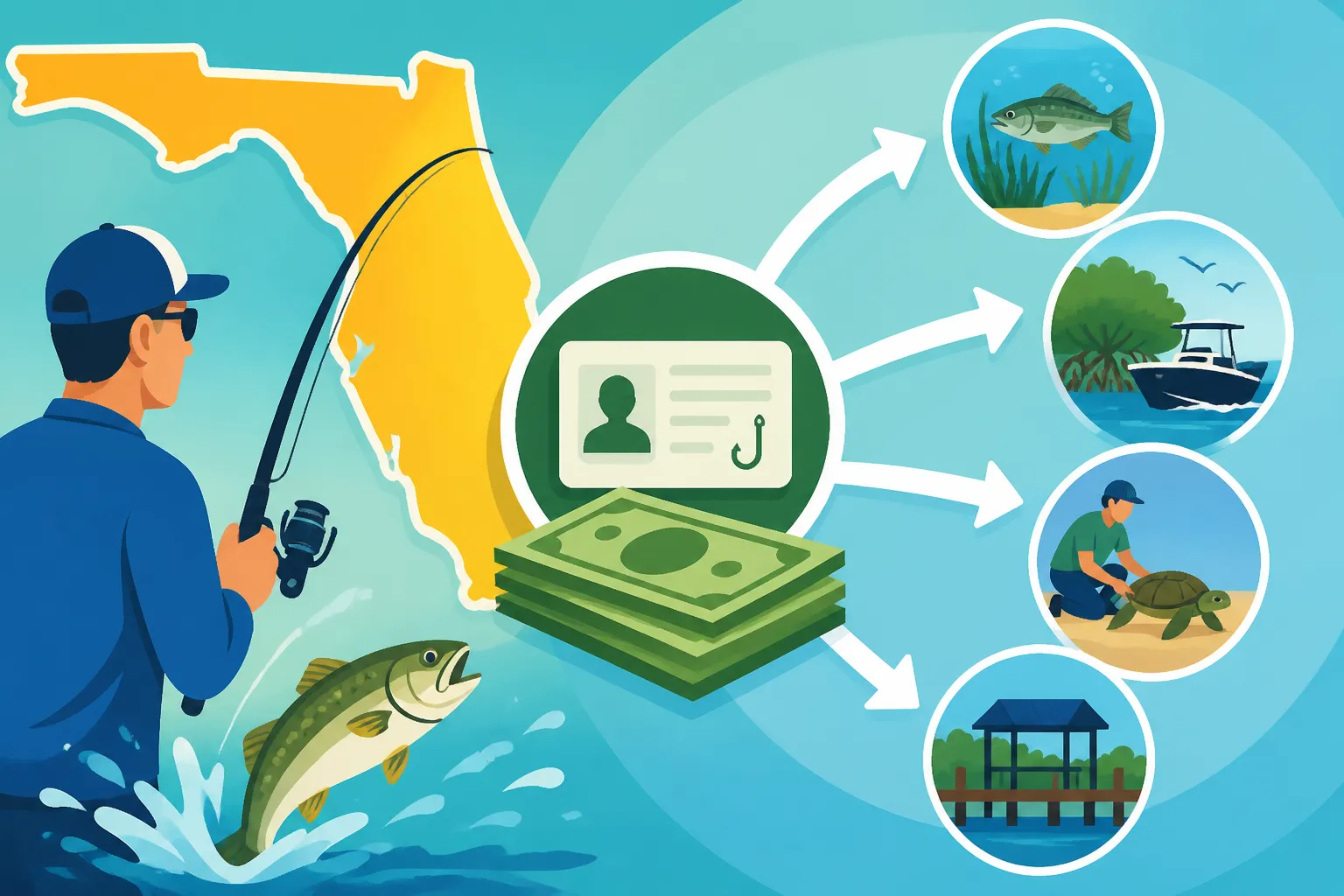
So, we know the money goes to the FWC and helps unlock federal funds, but what specifically do they do with it? The FWC utilizes these funds across a broad spectrum of programs, all designed to enhance and protect Florida's fisheries. It's not just one big pot; it's carefully allocated to different critical areas.
Habitat Restoration and Protection
One of the most vital uses of your license fees is for habitat work. Fish need healthy places to live, spawn, and feed. This includes everything from restoring oyster reefs in estuaries that act as nurseries for juvenile fish, to replanting seagrass beds that provide critical habitat, and even removing invasive species that threaten native ecosystems. Imagine an area like the Indian River Lagoon, which has faced significant environmental challenges. Funds are used for projects such as restoring salt marsh habitat or planting mangroves, which are vital for filtering water and providing shelter for many of the species we love to catch. These efforts directly translate into more vibrant ecosystems and, ultimately, more fish in the water. For anyone who enjoys fishing the flats, healthy seagrass and mangroves are non-negotiable, and your license helps ensure they thrive.
Research and Monitoring
Effective management isn't possible without good data. A significant portion of license funds goes directly into scientific research and monitoring programs. This involves biologists studying fish populations, tracking migration patterns, assessing reproductive success, and understanding the impacts of environmental changes. This data is crucial for setting Florida Fishing Regulations and Bag Limits that are biologically sound and sustainable. For example, when FWC biologists conduct surveys to determine the health of tarpon populations, or study the genetic makeup of redfish in different regions, it's your license dollars at work. This science helps ensure that the fishing opportunities we have today will be there for our children and grandchildren. They use this research to understand when certain species are spawning, which directly informs decisions like Florida Snook Closed Season Dates to protect vulnerable populations.
Law Enforcement and Compliance
Let's be honest, fishing rules are only effective if they're enforced. Another crucial allocation of license fees is to support the FWC's law enforcement division. These officers are out on the water and in the field, protecting our natural resources and ensuring everyone adheres to the rules. This includes checking for proper licensing – such as clarifying Who Needs a Fishing License in Florida – enforcing bag limits, preventing poaching, and responding to environmental crimes. If you've ever seen an FWC patrol boat or an officer checking licenses at a boat ramp, you're seeing your license money in action. This enforcement is vital because it ensures that those who play by the rules aren't disadvantaged by those who don't. It also protects vulnerable fish populations from overharvesting.
Public Access and Education
It's not just about fish; it's about people too! Your license fees help fund the creation and maintenance of public access points, boat ramps, fishing piers, and artificial reefs. These facilities are essential for anglers, especially those without private docks or large boats, to enjoy Florida's waters. Think about popular spots like the Skyway Fishing Pier State Park or numerous county parks with public boat ramps – these amenities often receive support from license funds. Additionally, FWC invests in educational programs to teach new anglers about responsible fishing practices, conservation ethics, and the importance of respecting our natural resources. They even provide materials online and at local events. If you're looking for gear or educational guides, remember you can often find a great selection, including detailed Florida fishing books, on platforms like Amazon. These resources help ensure that as more people discover the joy of fishing, they do so responsibly.
The Ripple Effect: Why Your License Matters Beyond Just Fishing
Beyond the direct programmatic allocations, your decision to purchase a fishing license in Florida has a broader impact on the state's economy and environmental health. It’s not just a transaction; it's an investment with far-reaching consequences.
Economic Contributions to Local Communities
Fishing is a huge industry in Florida, attracting millions of visitors and supporting countless local businesses. When you buy a fishing license, you're not just funding FWC; you're often contributing to a larger economic ecosystem. Think about the tackle shops, bait stores, boat dealerships, marinas, and local restaurants in coastal towns or near popular freshwater lakes. These businesses thrive when people are fishing. When you prepare for a trip, you might buy new rods, reels, or lures from a local shop or even online on Amazon, but the license fee is the fundamental permission slip that gets you out there. The revenue generated by license sales and subsequent angler spending supports jobs and local economies across the state, from Pensacola to Key West. This economic impact incentivizes elected officials to continue supporting strong conservation policies.
Ensuring Sustainable Fishing for Generations
Ultimately, the most profound reason your fishing license money matters is its role in ensuring sustainable fishing practices. Without the research, habitat restoration, and enforcement efforts funded by these licenses, Florida's incredible fisheries would quickly decline. We've seen it happen in other places where resources weren't properly managed. Your license fee is an active participation in a collective effort to preserve a beloved pastime and a vital natural resource. It helps maintain the delicate balance required for fish populations to thrive, ensuring that when you plan your next trip, perhaps referencing a guide on Best Fishing Spots in Florida, there will actually be fish to catch. It’s about being a responsible steward of the environment, doing your part to keep Florida the "Fishing Capital of the World."
License Types and Their Costs
Understanding the different types of licenses available can also illuminate how diverse the funding streams are. Whether you're a long-time resident or an out-of-state visitor, there's a license structured for your needs, each contributing to the FWC's mission.
| License Type | Primary Purpose | Contributes to |
|---|---|---|
| Resident Freshwater Annual | Fishing in Florida's lakes, rivers, and ponds. | Freshwater Conservation, FWC Operations, Federal Aid |
| Resident Saltwater Annual | Fishing in Florida's coastal waters, bays, and ocean. | Saltwater Conservation, FWC Operations, Federal Aid |
| Resident Combination Annual | Covers both freshwater and saltwater fishing. | Both Freshwater & Saltwater Conservation, FWC Operations, Federal Aid |
| Nonresident Annual (Fresh/Salt) | For visitors fishing in Florida's waters. | Conservation & Management for all anglers, FWC Operations, Federal Aid |
| Special Permits (Snook, Lobster) | Required in addition to a regular license for certain species. | Species-specific research, management, and enforcement (e.g., Florida Snook Permit Requirements) |
Each of these licenses, whether you grab a Florida Nonresident Annual Fishing License Cost or a simple annual resident permit, feeds into the system that protects our aquatic resources. When you look at the different options, like the Florida Fishing License Costs and Fees, it's clear that these are designed to provide access while simultaneously ensuring the funding needed for ongoing conservation efforts. You can often purchase these licenses conveniently online, learn How to Buy a Fishing License Online, or find a vendor Where to Buy a Florida Fishing License Near You.
Final Thoughts on Your Investment
So, the next time you renew your Florida Fishing License Renewal and Expiration or help a friend understand the Florida Resident Fishing License Rules, you can do so with confidence, knowing that your money isn't just disappearing. It's actively working to protect and enhance Florida's incredible fishing opportunities for everyone. It funds everything from the scientific studies that inform bag limits to the law enforcement officers who keep our waters safe, and the critical habitat restoration projects that ensure fish have a place to call home. Your contribution is a vital part of a comprehensive conservation strategy, directly benefiting the fish, the habitats, and the angling community we all cherish.
Disclaimer
The information provided in this guide is for general informational purposes only and is subject to change. While we strive to provide accurate and up-to-date content, fishing regulations, license requirements, and funding allocations are determined by the Florida Fish and Wildlife Conservation Commission (FWC) and can be modified. Always consult the official FWC website or contact them directly for the most current and authoritative information before planning your fishing activities.