Is It Legal to Keep a Sawfish in Florida?
Imagine you're out on the water, maybe poling through a shallow backcountry flat or casting near a mangrove shoreline, when suddenly you hook into something truly extraordinary. It's got power, it's got a unique profile, and then you see it – that unmistakable, long, toothed rostrum. You've just caught a sawfish, and your heart is probably pounding with excitement and perhaps a little trepidation. The immediate question that flashes through most anglers' minds is, "What do I do now? Can I keep this magnificent creature?" This guide is here to shed light on the strict regulations surrounding sawfish in Florida, what to do if you encounter one, and why these incredible fish are so heavily protected.
The Unique Magnificence of the Sawfish
Sawfish are truly unlike any other fish you're likely to encounter in Florida's waters, or anywhere else for that matter. Their most distinguishing feature, the elongated, flattened rostrum lined with sharp "teeth" (which are actually modified dermal denticles, similar to shark scales), gives them their name and serves as a powerful tool for hunting. These ancient fish are a captivating blend of shark and ray, belonging to the family Pristidae, and are often seen cruising shallow, murky waters, using their saw to stun prey or dig for crustaceans in the substrate.
What Makes a Sawfish a Sawfish?
Beyond their incredible saw, sawfish possess a flattened body typical of rays, but with gill slits located on their underside, much like a shark. They are slow-moving, bottom-dwelling predators, yet they can be surprisingly agile when they choose. Florida is historically known as one of the last strongholds for the smalltooth sawfish, one of the five species found globally. Seeing one is often a once-in-a-lifetime experience for many anglers, making that accidental hook-up feel both thrilling and daunting. Their presence in our waters speaks volumes about the health of the ecosystem, as they prefer clean, healthy estuaries and coastal areas.
Their Historical Range and Current Status
Historically, sawfish were much more widespread throughout Florida and the Gulf of Mexico, with records indicating they were once a relatively common sight. Over the last century, however, due to habitat loss, incidental capture in commercial fishing gear, and their unique rostrum making them a target for curiosity or fear, their populations have plummeted dramatically. They've been pushed to the brink, and today, the smalltooth sawfish is listed as critically endangered under the Endangered Species Act. This dire status is precisely why the regulations surrounding them are so stringent, aiming to give these incredible survivors a fighting chance to recover.
Understanding Sawfish Legality in Florida
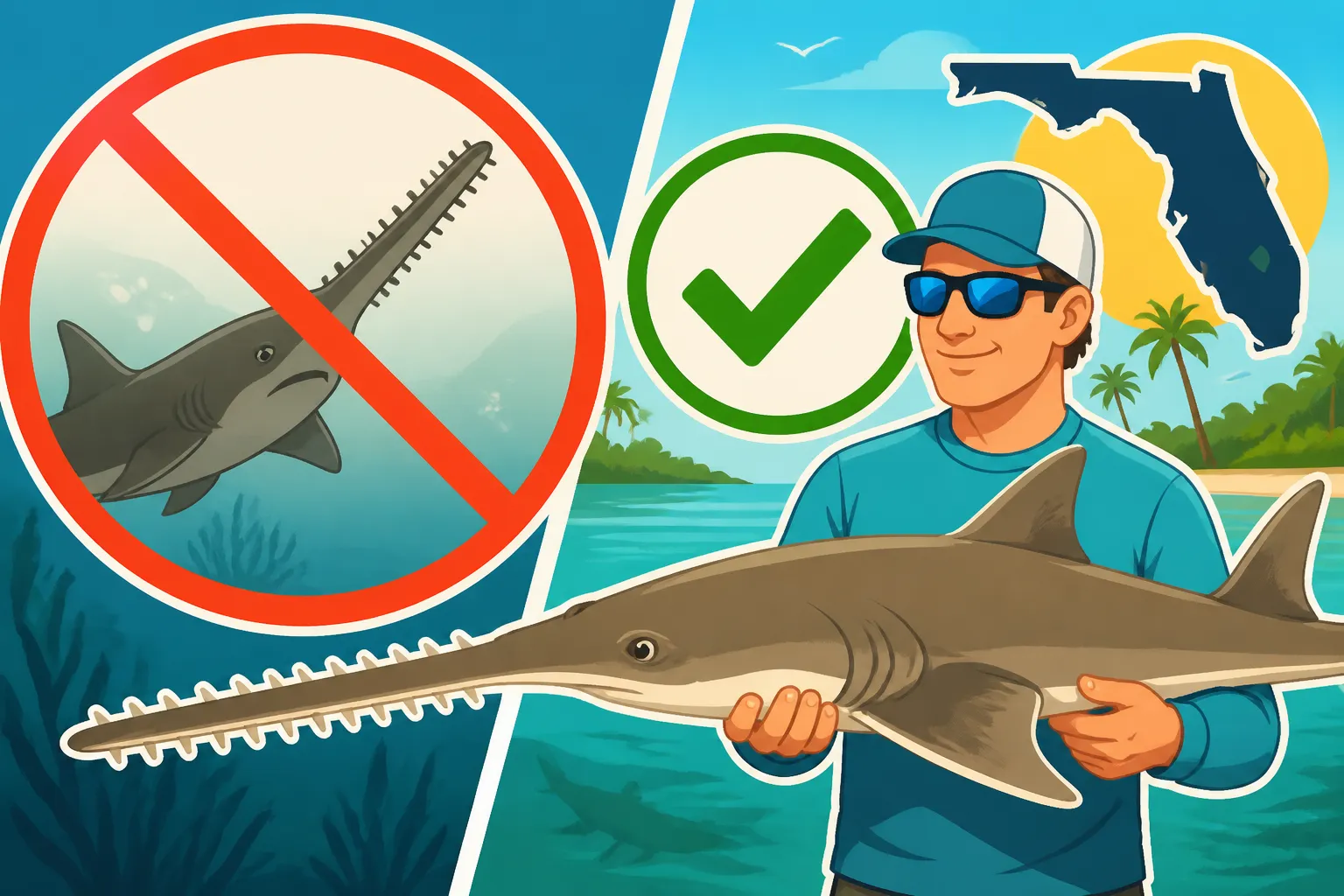
When it comes to sawfish in Florida, the rule is crystal clear and unequivocal: it is absolutely illegal to possess, harm, harass, or molest a sawfish. This isn't just a recommendation; it's a federal and state law with severe penalties for non-compliance. These regulations are in place because every single sawfish is critical to the survival of the species.
The "No Take" Rule: What It Means for Anglers
The "no take" rule for sawfish means exactly what it says: you cannot keep one, under any circumstances. This extends beyond merely landing one and taking it home. It also means you cannot intentionally target them, bring them out of the water, or cause them any undue stress or injury. For recreational anglers, an accidental catch requires immediate and careful release. This rule applies equally to all types of fishing – whether you're using conventional tackle, fly fishing, or even just cast netting for bait. There are no permits, no special seasons, and no exceptions for recreational anglers regarding possession. Florida Fishing Regulations and Bag Limits often highlight species that have strict limits or are entirely protected, and the sawfish sits firmly at the top of that latter list.
Penalties for Violating Sawfish Protection Laws
The consequences of violating sawfish protection laws are severe. Because they are federally protected, violations can lead to hefty fines, potential jail time, and the confiscation of fishing gear and vessels. These aren't minor infractions; they are serious offenses designed to deter any actions that could further endanger the species. Enforcement agencies, including the Florida Fish and Wildlife Conservation Commission (FWC) and the National Oceanic and Atmospheric Administration (NOAA) Fisheries, take these violations very seriously. It's a stark reminder that ignorance of the law is no excuse, and responsible angling means knowing what you're catching and how to handle it.
Accidental Catch Protocol: What to Do
Despite best intentions, sometimes an angler accidentally hooks a sawfish. It happens! When you're fishing in their habitat – shallow, often turbid waters – you might not even know what you've hooked until it's right up to the boat or shoreline. The key here is not to panic, and to follow a very specific set of guidelines to ensure the animal's safety and your compliance with the law.
Step-by-Step Release Instructions
If you find yourself in the unique situation of having accidentally hooked a sawfish, here’s what you absolutely must do:
- Do Not Remove it from the Water: This is perhaps the most critical rule. Sawfish are extremely vulnerable out of their aquatic environment. Their internal organs are not designed to support their weight in air, and being beached or pulled into a boat can cause severe, often fatal, internal damage. Keep the sawfish in the water at all times.
- Cut the Line Immediately if Necessary: If the hook is deeply ingested or in a position where removal would cause significant stress or injury to the fish, cut the line as close to the hook as possible. Don't try to retrieve expensive tackle at the cost of the sawfish's life. Having a good pair of long-handled wire cutters or a dehooking tool, perhaps one you picked up on Amazon, is an excellent item to have in your tackle box for situations like this.
- Handle with Extreme Care (or Not at All): Minimize physical contact with the sawfish. Avoid touching its eyes, gills, or the saw. If you absolutely must handle it to remove a hook, do so gently and as quickly as possible, ensuring it remains submerged. Never grab the saw! It's covered in teeth and is a weapon.
- Use Proper Dehooking Tools: If the hook is easily accessible in the mouth, use a long-nosed pliers or a dehooking tool to remove it. Again, keep the sawfish in the water. Quality dehookers, readily available on Amazon or at local tackle shops, are indispensable.
- Report the Sighting: This is incredibly important for conservation efforts. Organizations like the Florida Fish and Wildlife Conservation Commission (FWC) and NOAA Fisheries have programs to track sawfish sightings. Reporting your encounter, even an accidental catch and release, helps scientists understand their populations, movements, and health. You can usually find a dedicated hotline or online reporting form for protected species.
Essential Gear for Responsible Catch-and-Release
Being prepared can make all the difference in a sawfish encounter, or any other catch-and-release scenario. Having the right tools isn't just about efficiency; it's about minimizing stress and injury to the fish, which ultimately increases their survival chances.
- Long-handled Dehookers/Pliers: These allow you to remove hooks without getting your hands too close to sharp teeth or gills, and crucially, without removing the fish from the water. Look for stainless steel options for saltwater environments.
- Line Cutters: Heavy-duty line cutters, like those used for cutting braided fishing line, are essential for quickly severing the line if a hook cannot be safely removed.
- Measuring Tape (optional, but useful): While you shouldn't hold a sawfish out of the water to measure it, if you can estimate its length while it's still in the water, this data can be valuable for reporting.
- Camera (for documentation): If possible and safe to do so without delaying the release or stressing the fish, a quick photo can be great for your report, but prioritizing the fish's immediate release always comes first.
Remember, the goal is always immediate, safe release. For more general guidelines on how to best ensure the survival of released fish, you might want to read up on Catch and Release Best Practices for Snook – many of those principles apply broadly to all species, especially vulnerable ones.
Why Sawfish Protection Matters: A Deeper Dive into Conservation
The strict regulations around sawfish aren't just arbitrary rules; they are a critical component of a broader, multi-faceted conservation strategy aimed at preventing the extinction of this truly unique marine animal. Their plight serves as a powerful reminder of how human activities can impact even the most robust species.
The Role of Regulatory Bodies
Organizations like the FWC and NOAA Fisheries play a monumental role in protecting species like the sawfish. They conduct research, monitor populations, enforce regulations, and educate the public. Their efforts are data-driven, relying on scientific understanding of sawfish biology, habitat needs, and threats. This constant vigilance is why reporting your sawfish sighting is so crucial – every piece of information helps them build a clearer picture of sawfish distribution and health. Understanding Florida Fishing License Exemptions or other specific rules often comes directly from the guidance provided by these agencies.
Habitat Preservation and Restoration
Beyond direct protection from fishing, a huge part of sawfish conservation focuses on their habitat. Sawfish, particularly juvenile smalltooth sawfish, rely heavily on shallow, brackish estuaries, rivers, and mangrove habitats for nurseries and feeding grounds. These are precisely the areas often impacted by coastal development, pollution, and freshwater diversion. Efforts to restore and protect these vital ecosystems, such as preserving mangrove forests and improving water quality, directly benefit sawfish and countless other marine species.
Sawfish Conservation "Do's and Don'ts" Summary
To help clarify the dos and don'ts when it comes to sawfish, here’s a quick reference table:
| Action | What to Do | What NOT to Do |
|---|---|---|
| Accidental Catch | Keep the fish in the water; minimize stress. | Remove it from the water, beach it, or bring it into the boat. |
| Hook Removal | Use long-handled dehookers or cut the line as close to the hook as possible if deeply ingested. | Attempt to forcefully remove a deeply ingested hook; delay release for hook retrieval. |
| Handling | Avoid touching it; if necessary, be extremely gentle and keep it submerged. | Grab the saw; touch its eyes or gills; harass or "play" with the fish. |
| Reporting | Immediately report the sighting (even an accidental catch and release) to FWC or NOAA Fisheries. | Keep the encounter to yourself; assume someone else will report it. |
| Conservation Mindset | Learn about sawfish and other protected species; educate others on proper handling. | Intentionally target sawfish; spread misinformation about their protection status. |
| Gear Preparation | Carry dehookers, line cutters, and a camera (for quick, non-stressful photo for reporting purposes only). | Go fishing without proper release tools, especially in areas where sawfish might be present. |
This table serves as a quick guide for responsible interaction. Educational resources, often found through FWC, provide more extensive information.
The Future of Sawfish in Florida
The journey for sawfish recovery is a long one, but there's hope. Thanks to decades of dedicated conservation efforts, including the "no take" rules, habitat protection, and public awareness campaigns, there have been increasing reports of sawfish sightings, particularly juveniles, in their historical Florida habitats. This suggests that the population might slowly be on the rebound, a testament to what focused conservation can achieve. Every angler plays a role in this recovery. By adhering to the regulations, being prepared for accidental encounters, and spreading awareness, we all contribute to ensuring that these magnificent creatures continue to grace Florida's waters for generations to come.
Understanding fishing seasons like Florida Fishing Seasons Explained or specific permits like Florida Snook Permit Requirements is part of being a responsible angler, but knowing which species are entirely off-limits, like the sawfish, is paramount. Your vigilance on the water truly makes a difference.
Disclaimer
This article is for general informational purposes only and does not constitute professional advice. Laws, prices and regulations vary by location and change over time. Consult a qualified professional for guidance on your specific situation.