How Did Peacock Bass Get to Florida Canals?
Anyone who has spent time fishing the intricate canal systems of Southeast Florida has likely encountered the vibrant, aggressive, and undeniably beautiful peacock bass. But if you’re like many anglers, you’ve probably stopped to wonder, "How did these spectacular fish, with their unmistakable patterns and powerful fights, end up in Florida's freshwater canals?" It’s a valid question, as they certainly don't look like your typical Florida native. This guide will take a deep dive into the fascinating history of how peacock bass established themselves in the Sunshine State, addressing their origins, the reasons for their introduction, and their lasting impact on Florida's aquatic ecosystems and recreational fishing scene.
The Curious Case of the Peacock Bass in Florida
Imagine casting a lure into a suburban canal, expecting a largemouth bass, and instead hooking into a fish that looks like it swam straight out of the Amazon. That's the reality for countless anglers in South Florida, and it's a testament to a deliberate, albeit sometimes surprising, conservation effort.
Not Your Typical Florida Native
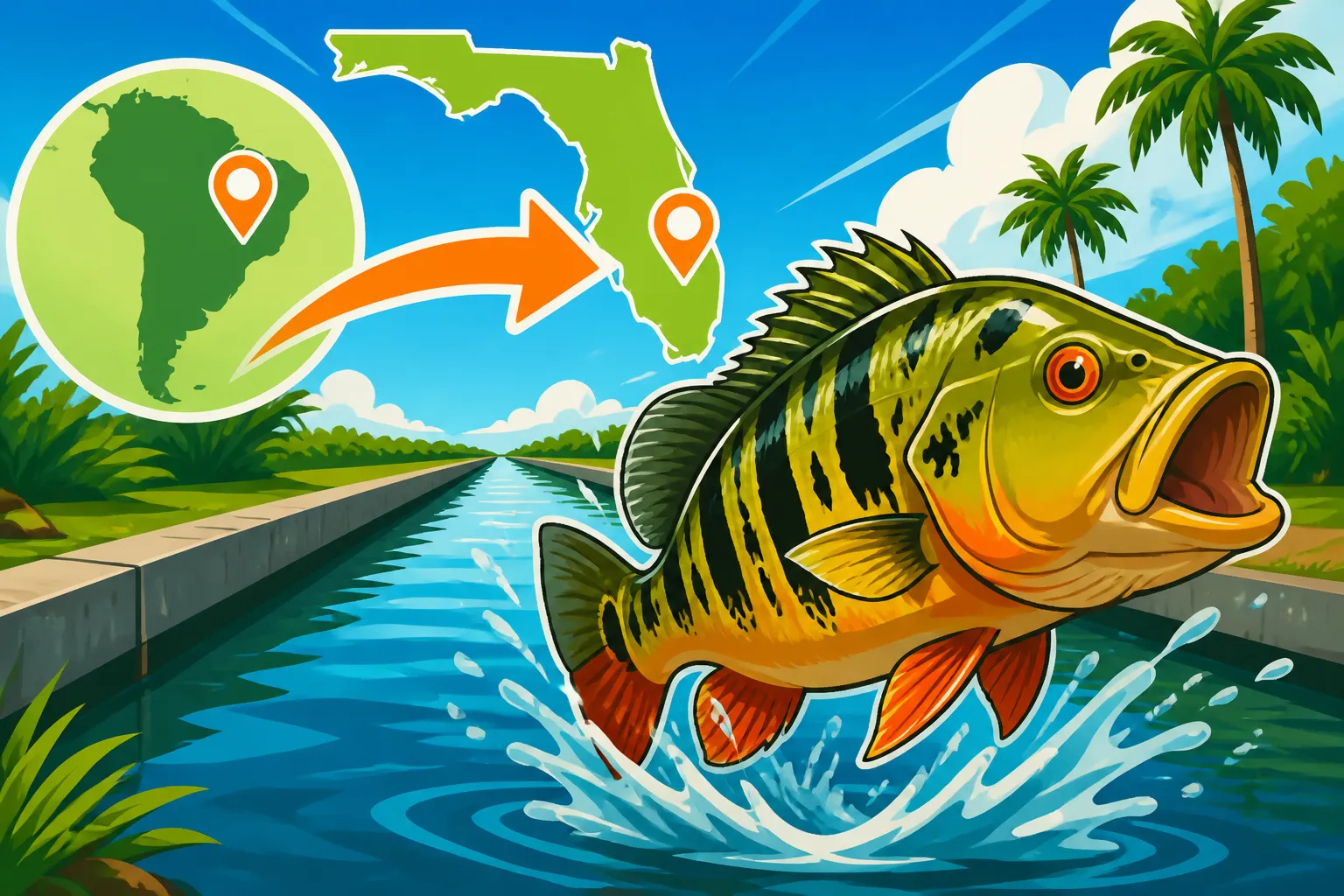
Let's be clear: peacock bass are not indigenous to Florida. Not by a long shot! Their true ancestral homes are the warm, slow-moving rivers and interconnected waterways of the Amazon and Orinoco basins in South America. We're talking Brazil, Venezuela, Colombia, and Peru – vast, tropical environments that are a world away from the developed landscapes of Miami-Dade or Broward counties. Their bright colors, distinctive "peacock eye" spot on the caudal fin, and aggressive demeanor set them apart from any native freshwater species you'd find in Florida, like the largemouth bass or various sunfish. It’s no wonder people scratch their heads in confusion, or sometimes awe, when they first encounter them. Their presence here is a unique chapter in Florida's ecological story, a direct result of human intervention rather than natural migration.
Why They Were Introduced
The decision to introduce a non-native species, especially one from an entirely different continent, is never taken lightly. In Florida's case, the primary driver behind bringing peacock bass into the canals was a specific ecological problem: an explosion of non-native, invasive cichlid species. Back in the 1960s and 70s, the canal systems of South Florida became overrun with various tropical aquarium fish that had either escaped or been released by irresponsible pet owners. Species like the spotted tilapia (Tilapia mariae) and black acara (Cichlasoma bimaculatum) were reproducing rapidly and outcompeting native fish for resources, disrupting the delicate balance of the ecosystem.
The Florida Fish and Wildlife Conservation Commission (FWC) faced a quandary. Traditional methods of control were proving ineffective, and they needed a biological solution. Their research led them to the peacock bass, a voracious predator known for its appetite for cichlids in its native range. The hope was that introducing peacock bass would help control the burgeoning invasive cichlid populations, reducing their impact on native species. Additionally, there was the exciting prospect of creating a new, vibrant sport fishery for anglers, adding another dimension to Florida's already rich fishing opportunities. It was a calculated risk, weighing the potential benefits against the risks of introducing another non-native species.
The Introduction Process: A Planned Strategy
This wasn't some accidental release or a few fish escaping from someone's backyard pond. The introduction of peacock bass into Florida's canals was a meticulously planned and executed strategy by the FWC, undertaken after years of careful study and consideration.
Who, When, and Where
The FWC was at the helm of this ambitious project. After extensive research into the potential ecological impacts and the suitability of Florida's climate, they proceeded with the introduction of peacock bass. The specific species chosen was the butterfly peacock bass (Cichla ocellaris), prized for its beauty and fighting prowess. The initial stocking events took place in 1984 and 1985. Thousands of juvenile peacock bass were released into the vast network of freshwater canals in Miami-Dade and Broward counties, primarily in the southeastern part of the state. These canals offered the ideal habitat: warm, slow-moving water, plenty of structure, and, crucially, an abundance of the invasive cichlids they were meant to target.
The selection of this region was not arbitrary. Southeast Florida's subtropical climate is unique, offering a warmer environment than much of the rest of the state, which was critical for the survival and reproduction of these tropical fish. The canals themselves, often interconnected and stable, provided the perfect environment for these new inhabitants to thrive. This strategic placement was key to the project's success and its containment. If you're looking for where to target these fish, you'll want to explore Best Canals for Fishing in South Florida and specifically Best Canals in Miami for Peacock Bass.
Monitoring and Management
Once the peacock bass were introduced, the FWC didn't just walk away. They implemented a robust monitoring program to track the population's growth, distribution, and, most importantly, their impact on both the invasive cichlids and native fish species. This ongoing research was crucial to ensuring the project was a success and didn't inadvertently create new ecological problems.
A significant finding from this monitoring was that the peacock bass's range is naturally limited by temperature. These are tropical fish, and prolonged exposure to cold water temperatures (typically below 60°F for extended periods) can be lethal. This biological limitation has served as a natural barrier, preventing them from spreading widely into central and northern Florida's freshwater systems, where winters can be colder. This has been a huge factor in the project's overall success, ensuring they remain largely confined to the warmest regions of the state.
To manage the burgeoning sport fishery, the FWC also established specific regulations for peacock bass, including size and bag limits. These regulations help maintain healthy populations while allowing anglers to enjoy the thrill of catching these unique fish. If you plan to fish for them, it's always wise to check current FWC guidelines, and remember that a valid Florida Freshwater Fishing License Rules is almost always required.
Ecological Impact and Angler Benefits
The introduction of peacock bass into Florida's canals has been a fascinating experiment in biological control and fishery enhancement. Now, decades later, we can assess its outcomes.
A Biological Success Story?
From an ecological standpoint, the introduction of peacock bass is largely considered a success story. They proved to be highly effective predators of the target invasive cichlid species. The canals that were once teeming with non-native tilapia and acara now show a much healthier balance, with peacock bass playing a vital role in keeping those populations in check. This has helped alleviate pressure on native forage fish and overall ecosystem health in those specific canal systems.
It’s important to note that concerns about their impact on native gamefish like largemouth bass have largely been unfounded. Peacock bass tend to prefer different habitats within the canal systems (often shallower, more structured areas) and primarily prey on smaller, slower-moving fish, including the abundant invasive cichlids. While they certainly compete for some resources, the direct negative impact on native gamefish populations has been minimal, especially when compared to the problems caused by the unchecked invasive cichlids they replaced as top predators. This nuanced interaction is why such introductions are typically preceded by years of scientific study.
A New Sportfishing Thrill
Beyond their ecological role, peacock bass have carved out a significant niche in Florida’s recreational fishing landscape. For anglers, they offer an incredible and unique experience. These fish are renowned for their aggressive strikes, often exploding on topwater lures with a ferocity that can startle even seasoned anglers. Once hooked, they put up a powerful, drag-screaming fight, combining speed and stamina that makes them a true challenge on light tackle.
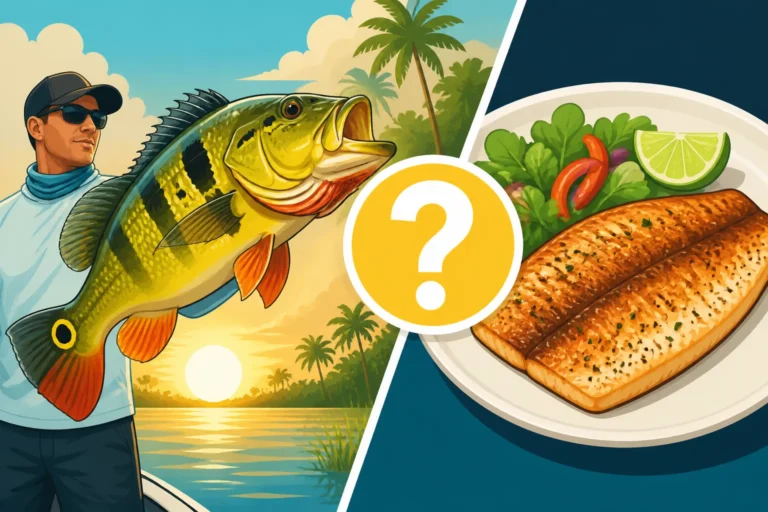
Their striking colors – often a vibrant gold, green, and orange, accented by dark bars and that distinctive "peacock eye" – also make them incredibly photogenic. They've become a bucket-list species for many freshwater anglers, drawing visitors from around the world to Florida's urban canal systems. It's a fantastic opportunity for folks who might not have a boat or want to venture far offshore. You can literally walk up to a canal bank in Miami, cast a line, and have a shot at catching a trophy peacock bass. This accessibility makes them incredibly popular, offering a unique urban fishing adventure that's hard to find elsewhere. Many guides specialize in targeting these beauties, offering guided trips to explore Where to Catch Peacock Bass in South Florida.
Fishing for Peacock Bass in Florida Canals
So, you're convinced and ready to try your hand at catching these South American transplants? Great! Here’s what you need to know to maximize your chances.
Where to Find Them
Peacock bass are creatures of habit and structure, and thankfully, Florida's canals offer plenty of both. As we've discussed, you'll find them almost exclusively in the canal systems of Southeast Florida, primarily in Miami-Dade, Broward, and Palm Beach counties. Think of places like the Miami metropolitan area, Fort Lauderdale, and West Palm Beach.
When you're walking or navigating these canals, look for key areas that provide cover and ambush points:
- Bridges and Culverts: The shaded areas beneath bridges and the turbulent water around culverts are prime locations. Fish love current and cover, and these spots offer both.
- Seawalls and Docks: Any interruption in the natural bank, especially concrete seawalls, boat docks, or even floating debris, will attract peacock bass. They use these structures to ambush prey.
- Canal Intersections and Bends: Where canals meet or make sharp turns, the current often changes, and baitfish can become disoriented. These are feeding zones for peacocks.
- Submerged Vegetation: While not as common in all canals, any patches of lily pads, hydrilla, or even sunken logs will hold fish.
- Warmer Water: Pay attention to water temperature. During cooler months or after cold fronts, they'll seek out the warmest water available, often in deeper pockets or areas with dark bottoms that absorb more solar heat. You can learn more about how temperatures affect fishing in Best Spots for Fishing in South Florida During Summer.
It's truly remarkable how accessible these fish are. Many of the best spots are literally within city limits, easily reached by foot or kayak.
Top Techniques and Baits
Peacock bass are aggressive predators, which makes them incredibly fun to catch. They react well to both live bait and a variety of artificial lures.
Live Bait
- Shiners: If you want to nearly guarantee a strike, live shiners are the way to go. Golden shiners, particularly wild-caught ones, are irresistible to peacock bass. Hook them through the lips or dorsal fin and let them swim naturally near structure. You can often buy these at local bait and tackle shops. Live Bait vs Artificial Lures for Florida Inshore Fishing discusses the pros and cons in more detail.
Artificial Lures
Peacock bass are known for their willingness to hit lures, making for an exciting visual strike.
- Topwater Lures: Poppers, walk-the-dog baits, and prop baits are incredibly effective, especially during low light conditions or when fish are actively feeding. The explosive strikes on the surface are unforgettable.
- Jerkbaits/Suspending Lures: These baits, often resembling small baitfish, are fantastic for mimicking injured prey. A twitch-twitch-pause retrieve can drive peacocks wild. Brands like Rapala or Bomber are popular choices.
- Small Crankbaits: Shallow-diving crankbaits that imitate a swimming baitfish work well, especially when retrieved erratically along canal banks or near drop-offs.
- Soft Plastics: Flukes, swimbaits, or even small worm imitations rigged weedless can be effective, particularly in areas with heavy cover. Products from companies like Z-Man or Keitech often do the trick. You can find a vast selection of these lures, from topwaters to soft plastics, available on Amazon.
The key with artificials is often an aggressive, erratic retrieve. These fish are ambush predators, and they respond well to baits that appear to be fleeing or distressed.
Gear Recommendations
You don't need heavy-duty offshore tackle to catch peacock bass, but a robust freshwater setup is recommended due to their powerful fights.
- Rod and Reel: A medium-light to medium power spinning rod (6'6" to 7' long) paired with a 2500-3000 size spinning reel is a versatile choice. For baitcasting enthusiasts, a similar power rod with a low-profile baitcaster works just as well. This kind of setup allows for accurate casting into tight spots along the canals.
- Line: Spool your reel with 10-20 lb braided line. Braid offers sensitivity, strength, and excellent casting distance. Given their sharp teeth (though not razor-sharp like a snook's), a fluorocarbon leader of 15-30 lb test is highly recommended to prevent cut-offs and offer some stealth in clear water. Tie it to your braid with a strong knot like an FG or Alberto.
- Other Essentials: A good pair of polarized sunglasses is indispensable for spotting fish and structure in the clear canal waters. Pliers or forceps for hook removal, and a measuring device to ensure you're compliant with FWC regulations are also good to have on hand. Don't forget sunscreen and a wide-brimmed hat, especially when fishing in the Florida sun. You can stock up on all your fishing essentials, from rods and reels to leaders and lures, through online retailers like Amazon.
When considering your approach, it's always good to compare tactics. For example, knowing the difference between Florida Largemouth Bass Fishing Guide techniques and those for peacock bass can greatly improve your success. While there are similarities, understanding the specific preferences of peacocks will give you an edge.
Comparison: Peacock Bass vs. Largemouth Bass in Florida Canals
While both are apex predators in Florida's freshwater systems and offer fantastic sport, they have distinct characteristics.
| Feature | Peacock Bass (Cichla ocellaris) | Largemouth Bass (Micropterus salmoides) |
|---|---|---|
| Origin | Amazon Basin, South America (Introduced) | Native to North America (including Florida) |
| Primary Habitat | Warm, clear canals in SE Florida, urban waterways | Diverse freshwater habitats: lakes, rivers, ponds, canals |
| Diet Preference | Primarily smaller fish, especially cichlids | Diverse: fish, crustaceans, frogs, insects, small mammals/birds |
| Fight Style | Aggressive, powerful, fast runs, acrobatic jumps | Strong, head shakes, deep dives, powerful surges |
| Appearance | Vibrant colors (gold, green, orange), distinct "eye" spot | Green to olive green, dark lateral line, large mouth |
| Cold Tolerance | Low (susceptible to cold snaps) | High (can tolerate wide temperature ranges) |
| Average Size | 1-5 lbs (can reach 10+ lbs in Florida) | 1-8 lbs (can reach 15+ lbs in Florida) |
| Fishing Method | Topwater, jerkbaits, live shiners, small crankbaits | Spinnerbaits, soft plastics, crankbaits, jigs, live shiners |
This table highlights why peacock bass have thrived in a specific niche and why they offer a unique angling experience distinct from chasing Florida's native trophy largemouth. They truly are a tropical marvel in an American setting, and understanding these differences is key to successful targeting. For a more comprehensive look at these incredible fish, check out our Florida Peacock Bass Fishing Guide.
In conclusion, the presence of peacock bass in Florida’s canals is not an accident but a testament to a calculated ecological strategy by the FWC. Introduced to combat invasive cichlids, these vibrant, hard-fighting fish have become a beloved sportfishing target, adding a unique Amazonian flavor to the Sunshine State's freshwater angling scene. Their success is a remarkable story of adaptation and thoughtful management, providing endless enjoyment for anglers and a healthier balance for some of Florida's urban waterways.
Disclaimer
This article is for general informational purposes only and does not constitute professional advice. Laws, prices and regulations vary by location and change over time. Consult a qualified professional for guidance on your specific situation.