When Does Florida Red Snapper Season Open in the Gulf?
One of the biggest head-scratchers for any angler planning a trip to the Gulf Coast of Florida is figuring out the elusive Red Snapper season. You've got your boat gassed up, your tackle box brimming, and your buddies are ready to go, but then you realize: when exactly can you fish for Red Snapper? It's a question that can spark a lot of confusion and frustration, as the dates aren't static and can change year to year. This guide is here to unravel that mystery, helping you understand when and why the Florida Red Snapper season opens in the Gulf, and how you can stay on top of the ever-changing regulations.
Understanding the Gulf of Mexico Red Snapper Season in Florida
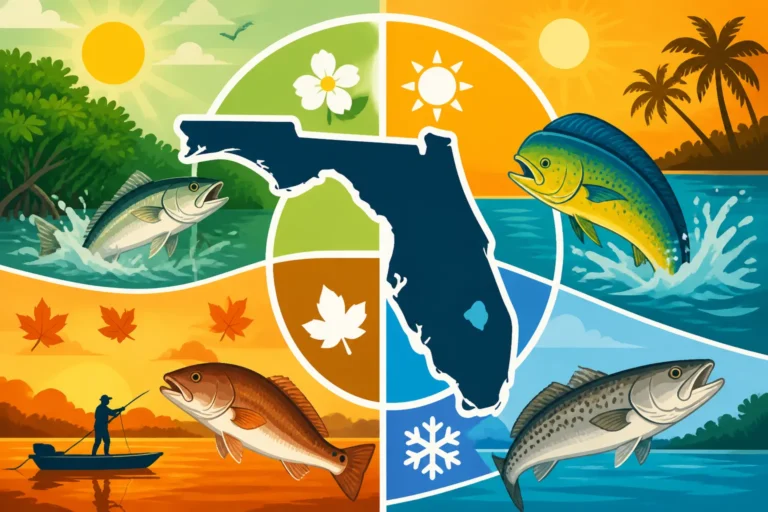
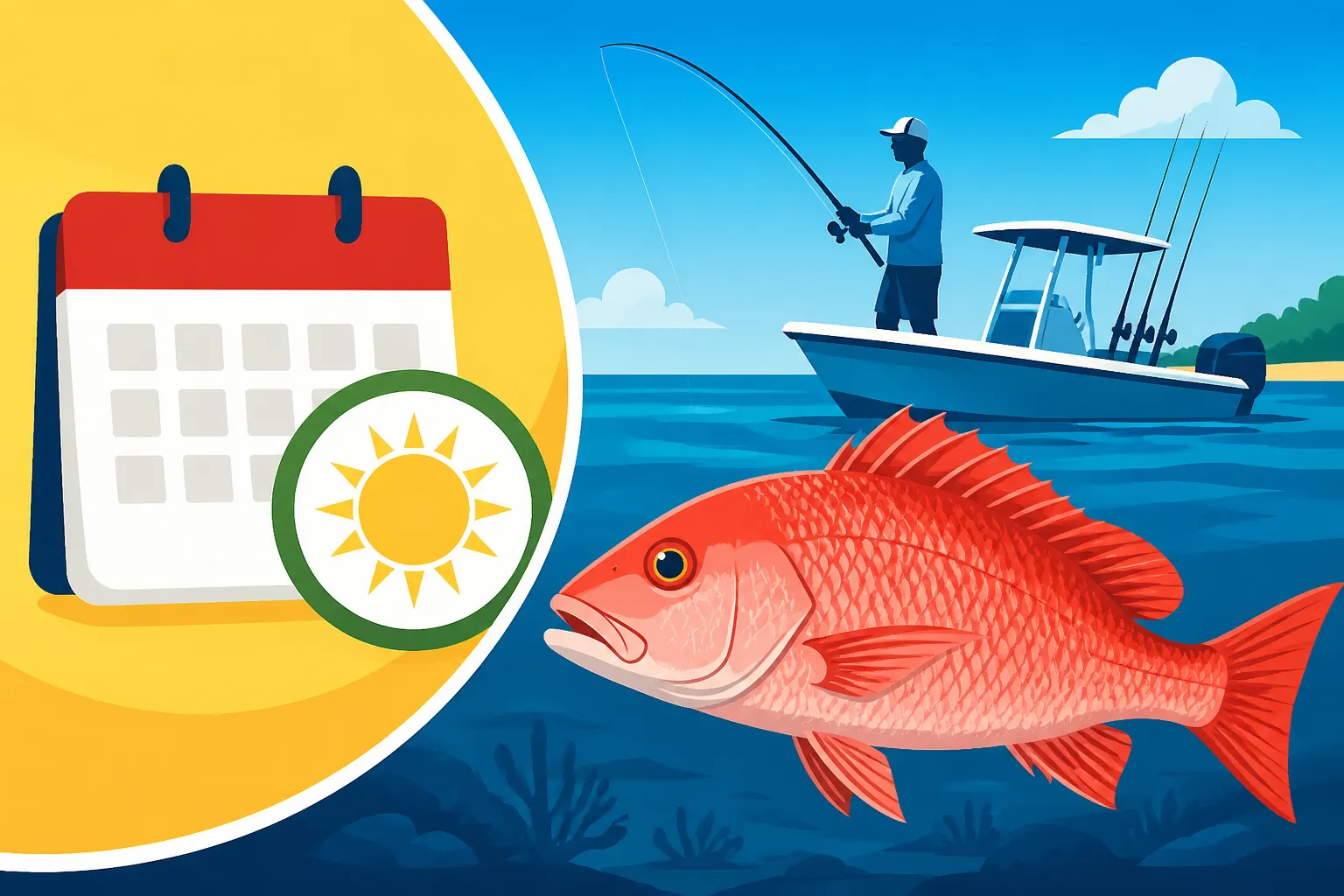
Alright, let's get right to it. The short answer to "When does Florida Red Snapper season open in the Gulf?" is: it varies every year, and it depends on whether you're fishing in state or federal waters. It's rarely a single, long stretch of time, but rather a carefully managed window that aims to balance recreational fishing opportunities with the conservation of this highly sought-after species. For private recreational anglers in recent years, the season typically opens around June 1st and lasts for a few weeks into July. For federally permitted for-hire vessels (think charter and headboats), their season often starts at the same time but usually extends a bit longer.
The Dynamic Nature of Red Snapper Season Dates
Unlike some other species with more predictable opening dates, Red Snapper season in the Gulf of Mexico is a bit of a moving target. It's not set in stone years in advance. Instead, it's determined annually by the Gulf of Mexico Fishery Management Council (Gulf Council) and the National Oceanic and Atmospheric Administration (NOAA) Fisheries, in conjunction with state wildlife agencies like the Florida Fish and Wildlife Conservation Commission (FWC). These agencies analyze stock assessments, catch data from previous years, and projections for the current year's harvest. This scientific approach ensures that Red Snapper populations remain healthy and sustainable for future generations of anglers.
Think of it like this: imagine you're planning a massive block party every year, but you only have a certain amount of food. You need to count how many people showed up last year, estimate how many might come this year, and then decide how long the party can run before you run out of snacks. That's essentially what the FWC and NOAA are doing with Red Snapper. The season length and specific dates are a direct result of these calculations, aiming to hit an allowable catch limit without overfishing. This is why you'll often see announcements for the upcoming season made in late spring, sometimes just weeks before the season actually begins, which can be tough for planning those dream trips.
Why Red Snapper Management is So Complex
The complexity of Red Snapper season dates stems from a few critical factors, primarily the robust recovery of the species and the differing management approaches between federal and state governments. Red Snapper were severely overfished in the past, leading to strict regulations and closures. Thanks to those conservation efforts, the population has rebounded significantly. While this is fantastic news, it also means more fish are available, and managing who catches what, and when, becomes even more challenging.
The sheer popularity of Red Snapper fishing also adds to the complexity. Everyone wants to catch these beautiful, delicious fish, from private boat owners to large commercial fleets and busy charter operations. Each of these groups has different needs and impacts on the stock. Furthermore, the Gulf of Mexico spans multiple states, each with its own state waters, which can sometimes lead to slightly different season rules. It's a constant balancing act to ensure fair access for all while prioritizing the long-term health of the fishery. This constant monitoring and adjustment are a testament to the dedication of agencies like the FWC in ensuring Florida's marine resources thrive.
Navigating Federal Versus State Waters for Red Snapper
One of the most crucial distinctions to grasp when planning your Red Snapper trip in Florida's Gulf waters is the difference between federal and state jurisdiction. This isn't just a technicality; it directly impacts when and where you can legally target Red Snapper. Many anglers, especially those new to Florida fishing, might not realize that the rules can literally change a few miles offshore.
Understanding Federal Waters and NOAA's Role
Federal waters in the Gulf of Mexico begin 9 nautical miles offshore from Florida's coast and extend out to approximately 200 nautical miles, where international waters begin. This vast area is primarily managed by NOAA Fisheries through the Gulf of Mexico Fishery Management Council. When you hear about the "federal Red Snapper season," they are referring to the dates when recreational and commercial fishing is allowed in these federal waters.
For instance, the 2024 federal recreational Red Snapper season for private recreational anglers in the Gulf opened on June 1st and closed on July 19th. For federally permitted for-hire (charter and headboat) operations, the season began June 1st and ended August 2nd. It's vital to remember that if you're venturing beyond 9 miles, these are the rules you must follow. These federal regulations are often the primary driver for how long and when the season runs, as the majority of the Red Snapper population resides in these deeper, offshore areas. Missing these details can lead to severe penalties, so always be sure of your location and the applicable rules.
Florida State Waters and FWC Regulations
Florida's state waters in the Gulf of Mexico extend from the coastline out to 9 nautical miles. Within this zone, the Florida Fish and Wildlife Conservation Commission (FWC) has jurisdiction. While the FWC often tries to align its state water Red Snapper season with the federal season to simplify things for anglers, there can be differences. Sometimes, the FWC may open state waters for a slightly longer period or on different dates if their own stock assessments and catch data suggest it's sustainable.
For example, in some years, Florida state waters might have a short, additional Red Snapper season in the fall or even extend slightly beyond the federal closure if the state's allocated quota hasn't been met. This flexibility allows Florida to manage its specific portion of the fishery effectively. It’s important to understand that if you’re fishing within 9 miles of the coast, you need to be aware of the Florida Saltwater Fishing License Rules and the specific Red Snapper regulations set by FWC for state waters. While the state season for Red Snapper generally mirrors the federal one, always double-check the FWC's official website for the most current information. It’s better to be safe than sorry!
Staying Informed About Red Snapper Season Changes
Given the ever-changing nature of the Red Snapper season, staying informed is paramount. Nobody wants to head out, hook into a gorgeous snapper, only to realize the season closed the day before. The frustration of doing everything right only to be caught off guard by a regulation change is a feeling many anglers know too well.
Official FWC and NOAA Resources
Your absolute best sources for the most accurate and up-to-date Red Snapper season information are the official channels. I can't stress this enough!
- Florida Fish and Wildlife Conservation Commission (FWC): The FWC website (MyFWC.com) is your go-to for Florida state waters regulations. They will announce the state season dates as soon as they are finalized. You can often sign up for email newsletters or follow their social media accounts to get real-time updates directly in your inbox or feed. This is also where you'll find information on Florida Fishing Regulations and Bag Limits for a whole host of other species.
- NOAA Fisheries and Gulf of Mexico Fishery Management Council: For federal waters information, you'll want to check the NOAA Fisheries website (fisheries.noaa.gov) and the Gulf Council's website (GulfCouncil.org). These sites provide detailed updates on federal season announcements, stock assessments, and management decisions that impact all Gulf states.
I highly recommend downloading the FWC's Fish|Hunt Florida app. It's a fantastic tool that puts all the regulations, including season dates and bag limits, right on your phone, even when you're offshore and don't have internet access. It's been a lifesaver for me more times than I can count!
Leveraging Local Knowledge and Fishing Communities
While official sources are non-negotiable, local knowledge can be incredibly valuable. Chatting with people who are on the water regularly can give you a pulse on the season.
- Local Bait and Tackle Shops: These shops are usually the first to know about local conditions and regulations. The folks behind the counter live and breathe fishing, and they're a fantastic resource for everything from what bait is working to when the Red Snapper season is expected to open or close. Many even post updates on their social media pages.
- Fishing Charters and Guides: Experienced Florida Fishing Guides and captains are constantly monitoring regulations because their livelihoods depend on it. If you're considering booking a trip, they'll be able to tell you definitively when they expect to target Red Snapper. They often provide valuable insights into specific dates and conditions.
- Online Fishing Forums and Social Media Groups: Florida has a vibrant online fishing community. Groups dedicated to Gulf fishing or specific regions (like Tampa Bay Fishing Guide) often have members who share information as soon as it's released or even speculate on upcoming changes. Just remember to verify anything you hear in these groups with official FWC or NOAA sources before you plan your trip!
Gearing Up for a Successful Red Snapper Season
Once you have those coveted season dates locked in, it's time to make sure you're properly equipped. Red Snapper are strong fighters, and you'll often be targeting them in deeper waters, which requires specific gear and knowledge beyond just the dates on the calendar.
Essential Gear for Gulf Red Snapper Fishing
Tackling Red Snapper requires robust gear that can handle their powerful runs and the depths they inhabit.
- Rods and Reels: You'll want a sturdy conventional or spinning rod, typically in the 6'6" to 7'6" range, with a medium-heavy to heavy action. Pair this with a reliable reel capable of holding at least 200-300 yards of 50-80 pound braided line. Many anglers prefer conventional reels for bottom fishing because of their cranking power and control when dropping heavy weights. Brands like Penn, Shimano, and Daiwa offer excellent options that can withstand the rigors of offshore fishing. You can often find great deals and a wide selection of these on Amazon.
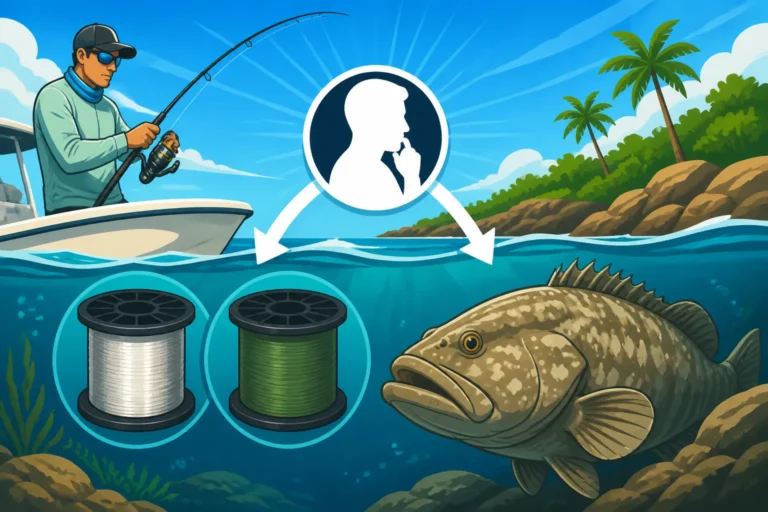
- Line and Leader: Braided line is king for Red Snapper due to its strength-to-diameter ratio and lack of stretch, which helps you feel those subtle bites in deep water. Use a fluorocarbon leader of 60-80 pounds to prevent abrasion on structure and increase stealth. Your leader should be at least 3-6 feet long.
- Terminal Tackle:
- Hooks: Circle hooks are mandatory when fishing for reef fish in federal waters of the Gulf of Mexico. This regulation helps reduce gut-hooking and improves the survival rate of released fish. Sizes from 7/0 to 9/0 are common for Red Snapper.
- Weights: Depending on current and depth, you'll need heavy sinkers, often anywhere from 4 ounces up to 1 pound or more. Pyramid or egg sinkers are popular choices.
- Rigs: A simple "knocker rig" or a standard "Carolina rig" with the weight above the hook is effective. Many anglers also use a "chicken rig" with multiple hooks to increase their chances.
- Bait: Red Snapper are not particularly picky eaters. Live or cut bait works wonders. Sardines, squid, threadfin herring, cigar minnows, and even chunks of larger baitfish like mullet are all excellent choices. For artificials, heavy jigs tipped with soft plastics can also be effective, especially when you're looking to weed out smaller fish.
Crucial Regulations Beyond Season Dates
Beyond just knowing Florida Red Snapper Season Dates, there are other critical regulations you must adhere to for Red Snapper, regardless of whether you're in state or federal waters.
- Size Limits: There's a minimum size limit for keeping Red Snapper. This is currently 16 inches total length for federal waters and often the same for Florida state waters, but always verify with FWC. This ensures that younger fish have a chance to mature and reproduce before being harvested.
- Bag Limits: There's also a daily bag limit, which dictates how many Red Snapper you can keep per person per day. This limit is typically two fish per person, but again, check the latest regulations. Exceeding the bag limit is a serious offense.
- Descending Devices: This is a huge one! If you're fishing for reef fish, including Red Snapper, in federal waters (and it's highly recommended in state waters too), you must have a descending device or venting tool onboard and readily available. Red Snapper suffer from barotrauma (the "bends") when brought up from deep water, causing their swim bladder to expand. A descending device allows you to return the fish to depth, increasing its survival chances. You can find various types of descending devices on Amazon, from simple weighted hooks to more elaborate release tools.
- Florida Fishing License Guide: Don't forget your Florida fishing license! Unless you're on a federally permitted for-hire vessel (where the boat typically covers the license), you will need a valid Florida Saltwater Fishing License to fish for Red Snapper. This applies to both residents and non-residents, so be sure you have the correct Florida Fishing License Costs and Fees before you head out.
Remember, fishing responsibly means knowing and following all regulations, not just the season dates. These rules are in place to protect the fishery, and by adhering to them, we all contribute to the health and abundance of Florida's incredible Red Snapper population.
Red Snapper Season Overview Table
To help keep things clear, here’s a quick overview of what you generally need to know about Red Snapper in Florida's Gulf waters. Please remember that season dates are highly variable and must be confirmed annually with FWC and NOAA.
| Regulation Category | Florida State Waters (0-9 nm offshore) | Federal Waters (9-200 nm offshore) | Notes |
|---|---|---|---|
| Managing Agency | Florida Fish and Wildlife Conservation Commission (FWC) | National Oceanic and Atmospheric Administration (NOAA) Fisheries, Gulf Council | State rules can differ slightly. |
| Minimum Size Limit | 16 inches total length (TL) | 16 inches total length (TL) | Always confirm current year's limit. |
| Daily Bag Limit | 2 fish per person | 2 fish per person | Always confirm current year's limit. |
| Hook Type | Circle hooks strongly recommended (often mandatory for certain species, always best practice) | Mandatory non-stainless steel circle hooks when fishing for reef fish with natural baits. | Promotes healthy release. |
| Descending Device/Venting Tool | Highly recommended onboard & readily available | Mandatory onboard & readily available | Crucial for survival of released fish from depth. |
| Season Dates | Varies annually, often aligns with federal season. Check FWC. | Varies annually. Check NOAA Fisheries & Gulf Council. | Typically opens around June 1st. |
| License Required | Yes, valid Florida Saltwater Fishing License (unless on for-hire vessel covering it) | Yes, valid Florida Saltwater Fishing License (unless on for-hire vessel covering it) | Even if fishing offshore. |
Disclaimer
Fishing regulations, including season dates, size limits, and bag limits, are subject to change by state and federal authorities. While every effort has been made to provide accurate and up-to-date information in this guide, it is ultimately the angler's responsibility to verify current regulations with the Florida Fish and Wildlife Conservation Commission (FWC) and NOAA Fisheries before engaging in any fishing activity. Always consult official sources for the most current rules.