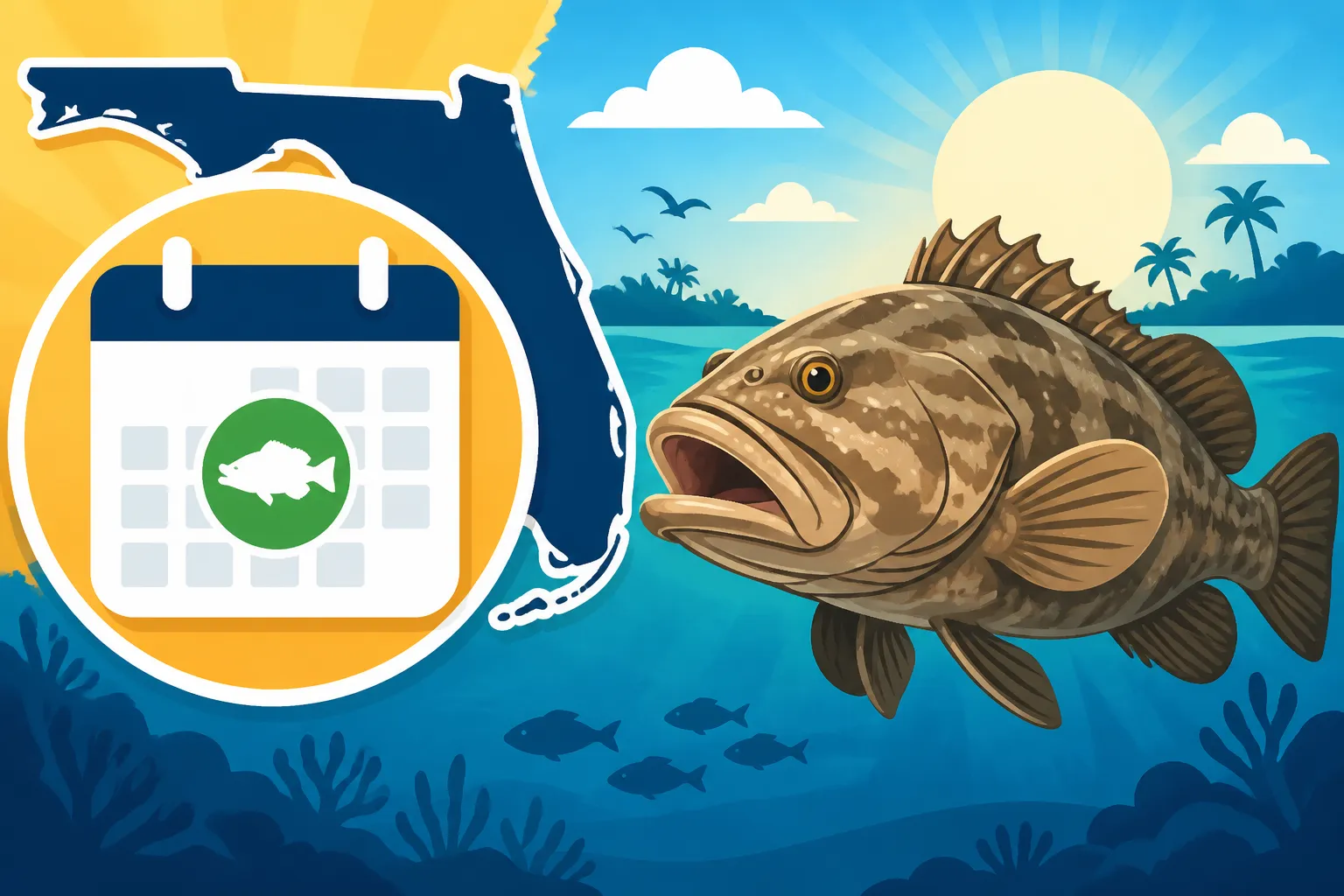
When Does Florida Gag Grouper Season Open?
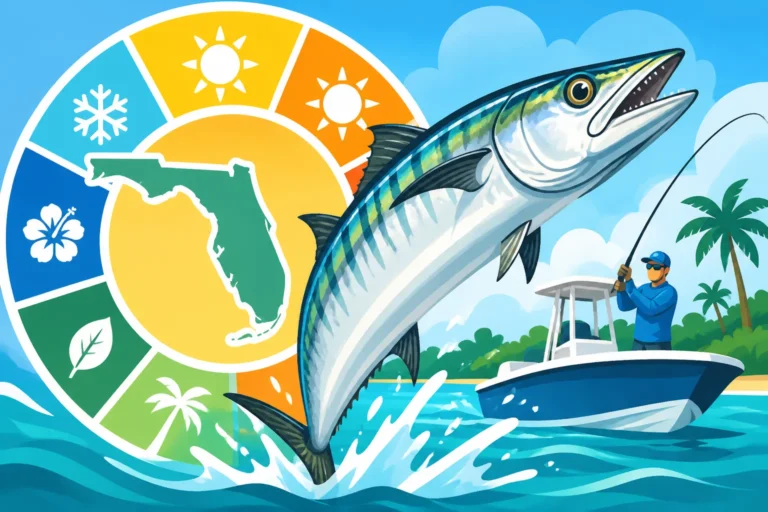
There's nothing quite as frustrating as planning a fishing trip, dreaming of those hard-fighting gag grouper, only to find yourself utterly confused about when you can actually keep one. Florida's fishing regulations, especially for popular species like gag grouper, can feel like a moving target. This guide is here to cut through the noise and explain when Florida gag grouper season typically opens, why it changes, and how you can stay informed so your next grouper trip isn't a regulatory headache.
The Shifting Sands of Gag Grouper Season
Ah, gag grouper. They're one of Florida's most prized catches, known for their powerful runs and delicious white meat. But unlike some other fish, their season isn't set in stone for years at a time. It can change annually based on scientific assessments and conservation efforts, making it tricky for even seasoned anglers to keep up. It's not uncommon to hear folks grumbling about how hard it is to nail down those dates!
Understanding the Florida Gag Grouper Season Dates Gulf of Mexico
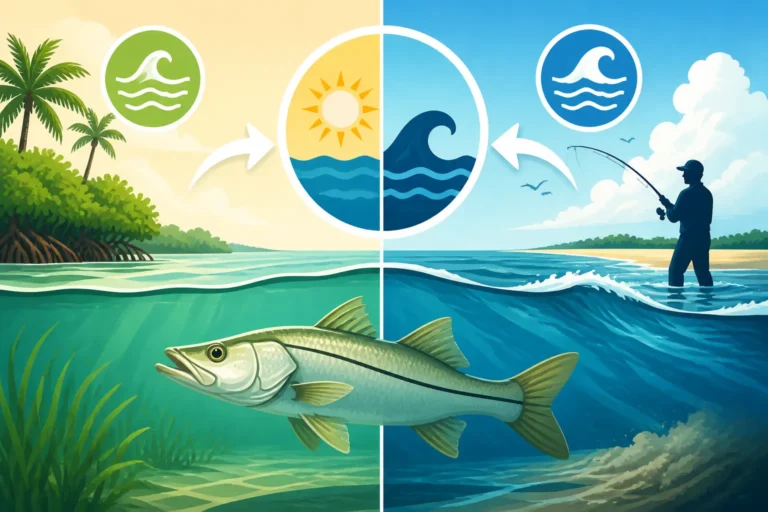
When we talk about gag grouper season in Florida, we almost always need to specify whether we're discussing the Gulf of Mexico or the Atlantic Ocean. The two coasts are managed very differently due to varying stock health and fishing pressure. For the vast majority of anglers, the Gulf of Mexico is where you’ll find open seasons for gag grouper, and even then, it's divided into state and federal waters.
Typically, the recreational season for gag grouper in Gulf of Mexico state waters opens on June 1st and runs through December 31st. State waters extend up to 9 nautical miles from shore. This long summer and fall season is when most recreational anglers hit the water in their personal boats or on a Florida Fishing Charter Guide to target these bottom dwellers. You can find many anglers heading out from popular spots like Clearwater, Destin, or the greater Tampa Bay area, eager to drop lines for gag grouper. Imagine heading out in early June, the waters warming, and that first powerful strike on your line – pure exhilaration! However, it's absolutely crucial to remember that these dates are often adjusted based on federal assessments.
Once you venture beyond 9 nautical miles into federal waters, the season structure can become even more complex. Historically, the federal water season in the Gulf for recreational gag grouper has also opened around June 1st but often closes earlier than state waters, sometimes as early as mid-August or even just a few weeks in the summer. These federal seasons are determined by NOAA Fisheries and the Gulf of Mexico Fishery Management Council, who conduct stock assessments to ensure the population remains healthy. This is similar to how they determine the ever-changing How NOAA Sets Florida's Red Snapper Season Length. If the harvest limits are met quickly, the season can close prematurely, leaving anglers with a short window. This is why it’s imperative to check the most current regulations right before you head out. A quick check on the FWC website or their handy GoOutdoors Florida app can save you a lot of grief and a potential fine. Many anglers, to prepare for their trips, will stock up on essential gear like heavy-duty fishing lines, stout rods, and various sinkers, which can all be conveniently found on Amazon, ensuring they're ready the moment the season opens.
Gag Grouper Season on Florida's Atlantic Coast
Now, let's talk about the Atlantic coast. If you're hoping to target gag grouper east of the Florida Keys and up the Atlantic seaboard, you might be in for a disappointment. The recreational season for gag grouper on Florida's Atlantic coast (including state and federal waters) has been closed for retention for several years now, and often for the foreseeable future. This means that if you catch a gag grouper while fishing in the Atlantic, you must immediately release it unharmed.
This closure is a critical conservation measure due to the significantly lower population numbers of gag grouper in the Atlantic compared to the Gulf. Scientists and fisheries managers have determined that the stock needs a lot more time to rebuild before recreational harvest can be sustained. While it's tough news for anglers who love fishing the Atlantic, it's a necessary step to ensure these magnificent fish can recover. You might still catch them, especially when targeting other species, but knowing you have to let them go is a key part of responsible angling on this coast. This drastic difference highlights why it's so important to understand Florida Fishing Regulations and Bag Limits based on your specific location.
Why Gag Grouper Seasons Are So Dynamic and Important
It might seem like a headache, all these changing dates and different regulations, but there's a really good reason for it: conservation. Florida's fisheries are incredibly popular, and without careful management, we'd quickly deplete our precious resources. The dynamic nature of the gag grouper season is a direct reflection of ongoing efforts to maintain healthy fish populations for future generations of anglers.
The Science Behind Gag Grouper Management
Fisheries management isn't just a shot in the dark; it's a complex science. For species like gag grouper, state and federal agencies like the Florida Fish and Wildlife Conservation Commission (FWC) and NOAA Fisheries are constantly conducting stock assessments. These assessments involve collecting data on population size, reproductive rates, age structure, and mortality. They look at things like how many fish are spawning, how many are being caught, and how quickly the population can replenish itself.
Gag grouper are relatively slow-growing and long-lived fish, and they form spawning aggregations, making them vulnerable to overfishing. Their specific life cycle means that it takes time for populations to rebound from declines. When these scientific assessments show that the population is struggling or not recovering as expected, the season lengths or bag limits (like those outlined in Gag Grouper Size and Bag Limits) are adjusted. Sometimes, this means a shorter season, and other times, as seen on the Atlantic, it means a complete closure. This data-driven approach, though sometimes frustrating for anglers, is absolutely vital to ensure that we'll still have gag grouper to fish for years down the line. It's all about balancing fishing opportunities with the health of the ecosystem.
Impact on Anglers and the Local Economy
The fluctuating gag grouper seasons, while necessary, certainly have a ripple effect. For individual anglers, it means that trip planning can be a challenge. Imagine booking a vacation to Florida in September, specifically hoping to go Florida Offshore Fishing Techniques for gag grouper, only to find out the federal waters season closed in August! This kind of uncertainty can make it hard to commit to travel plans or specific fishing charters.
For the local economy, particularly in coastal towns, these changes can be significant. Charter captains rely heavily on open seasons for popular species to fill their boats. When a season is shortened or closed, it can impact their bookings, bait and tackle shops, fuel sales, and even local restaurants and hotels. Many small businesses revolve around the angling industry. Guides might have to shift their focus to other species, like targeting snapper with a Bottom Fishing Technique for Snapper or focusing on king mackerel, if gag grouper season isn't open or is too short. It's a delicate balance where conservation sometimes means short-term economic adjustments, but ultimately aims for long-term sustainability for both fish and fishing-related businesses.
How to Stay Informed and Prepare for Gag Grouper Season
Given the dynamic nature of gag grouper regulations, staying informed is half the battle. You don't want to be caught off guard, either by missing an open season or, worse, by inadvertently violating a closure. Planning ahead and knowing where to get the most accurate, up-to-date information is key.
Essential Resources for Up-to-Date Regulations
The absolute best source for Florida fishing regulations is the Florida Fish and Wildlife Conservation Commission (FWC). They are the governing body for state water rules, and they closely coordinate with federal agencies for federal water regulations.
Here's how you can stay on top of things:
- FWC Website: This is your primary resource. The FWC maintains an incredibly detailed website with dedicated sections for saltwater fishing regulations, including specific species like gag grouper. Always double-check their "Recreational Regulations" pages.
- GoOutdoors Florida App: If you have a smartphone, this app is a game-changer. It provides real-time access to regulations, allows you to purchase and store your Florida Fishing License Guide, and even has a handy feature for reporting harvests. It’s like having a digital regulations manual in your pocket.
- Local Tackle Shops: Don't underestimate the power of local knowledge! Your local bait and tackle shop owners and employees are usually the first to know about regulation changes. They live and breathe fishing and often deal with these issues daily. They can also offer advice on the Best Time of Year to Fish in Florida for various species.
- NOAA Fisheries: For federal water rules, particularly in the Gulf, the NOAA Fisheries website is crucial. They publish official notices of season openings and closures, often with very short notice.
- Sign up for Email Alerts: Both FWC and NOAA Fisheries offer email notification services. Subscribing to these ensures you receive updates directly in your inbox as soon as they're announced. This is far more reliable than relying on word-of-mouth or outdated forum posts.
Being proactive means checking these sources just before your trip. A few minutes of research can save you a lot of trouble. Make sure to pack all your necessary gear, from quality braided line to durable hooks, which can easily be purchased through Amazon before your trip.
Gear and Techniques for Gag Grouper
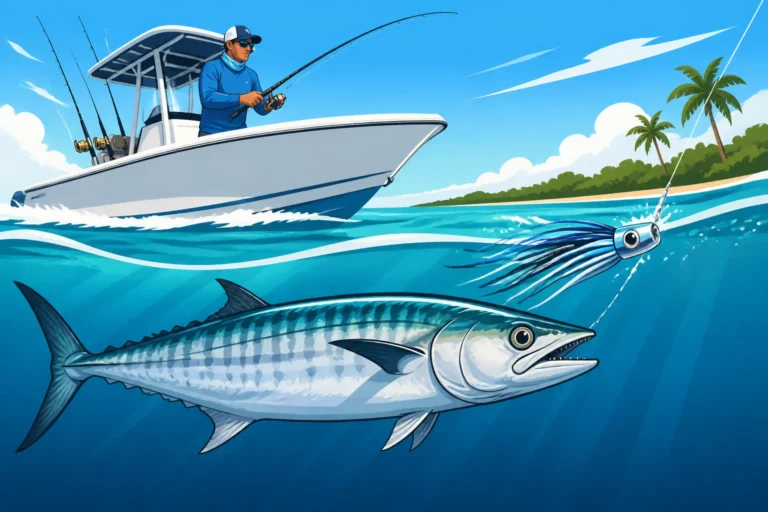
Once you know the season is open, it's time to get your gear in order! Gag grouper are structure-oriented fish, meaning they love to hang out around reefs, wrecks, rocky bottoms, and ledges. They are ambush predators and will quickly dart back into their structure once hooked, trying to "rock you up" (break your line on the structure). This means you need stout tackle.
For successful gag grouper fishing, consider the following:
- Heavy Rod and Reel: You'll want a heavy-action rod (often 50-80 lb class) paired with a robust conventional or spinning reel spooled with strong braided line (60-80 lb test). This gives you the backbone needed to pull them away from the structure quickly. Brands like Penn, Shimano, and Daiwa offer excellent options, and you can compare prices and features on Amazon before committing.
- Strong Leader Material: A fluorocarbon leader in the 60-100 lb range is essential. It's abrasion-resistant and less visible in the water.
- Heavy Sinkers: Depending on the current and depth, you'll need pyramid or egg sinkers ranging from 8 ounces to 2 pounds or more to get your bait down quickly to the bottom.
- Terminal Tackle: Use strong, sharp circle hooks (4/0 to 8/0 are common sizes) to reduce gut-hooking and ensure a solid hookset.
- Bait: Gag grouper love live baits! Pinfish, grunts, legal pilchards, and even legal sardines are excellent choices. Large cut baits, like bonita or mullet, can also be effective, especially when doing a Jigging Technique for Grouper.
- Location: Look for underwater structure using your boat's sonar. Artificial reefs, natural ledges, and wrecks are prime spots. Remember to always respect private spots and maintain safe distances from other anglers.
Successfully landing a gag grouper is incredibly rewarding. They are powerful fighters, and the thrill of pulling one up from the depths is unmatched. Just remember to always observe the current Florida Fishing Regulations and Bag Limits for not only gag grouper but any other species you might encounter.
Here's a quick look at the typical Gulf of Mexico seasons, but always verify current dates!
| Location | Typical Open Season (Recreational) | Key Considerations |
|---|---|---|
| Gulf of Mexico State Waters | June 1 – December 31 | Up to 9 nautical miles from shore. Check FWC for changes. |
| Gulf of Mexico Federal Waters | Often June 1 – August/September | Beyond 9 nautical miles. Highly variable; check NOAA. |
| Atlantic Coast | Closed for Retention | Release all caught gag grouper immediately. |
It's a lot to keep track of, but the joy of a successful grouper trip is worth the effort of staying informed. Whether you're planning for the current year or looking ahead to the next, responsible angling means knowing the rules.
Disclaimer
The information provided in this guide is for general informational purposes only and does not constitute legal advice. Fishing regulations in Florida, particularly for species like gag grouper, are subject to frequent change by the Florida Fish and Wildlife Conservation Commission (FWC) and federal agencies like NOAA Fisheries. It is the angler's sole responsibility to verify and comply with all current local, state, and federal fishing regulations before engaging in any fishing activity. Always consult the official FWC website (MyFWC.com) or the GoOutdoors Florida app for the most up-to-date and accurate information.