How Red Tide Affects Where You Can Fish
Oh, the dreaded red tide. If you've spent any time fishing in Florida, you've likely heard those two words whispered with a sigh, or seen the heartbreaking evidence firsthand. It's a real bummer when you've planned a fantastic fishing trip, perhaps even traveled quite a distance, only to find the waters murky, fish struggling, and that tell-tale cough in the air. It's not just an inconvenience; it can completely change where and how you can even think about casting a line. This guide is all about navigating those frustrating times, helping you understand how red tide impacts your fishing options, and giving you practical advice on where you might still find some success, or at least avoid the worst of it.
Understanding Florida's Red Tide Phenomenon
Before we can figure out where to fish, it's really important to grasp what exactly we're dealing with. Red tide isn't just a dirty patch of water; it's a living, breathing natural event with significant consequences.
What is Red Tide and How Does It Form?
In Florida, when we talk about "red tide," we're almost always referring to a harmful algal bloom caused by a microscopic organism called Karenia brevis. This isn't just any algae; it produces potent neurotoxins called brevetoxins. These tiny organisms are always present in Florida's waters at low concentrations, but under certain conditions – often a mix of nutrient availability, salinity, sunlight, and water temperature – they can reproduce rapidly, creating a bloom.
When these blooms become dense enough, they can discolor the water, sometimes appearing reddish-brown, hence the name "red tide." It's a natural phenomenon that has been documented for centuries, but its intensity and duration can vary wildly. Sometimes it's localized to a small area, other times it can span hundreds of miles along the coast, lingering for weeks or even months. The toxins released by Karenia brevis can become airborne, leading to respiratory irritation for humans, which feels a lot like an annoying allergy or even a mild asthma attack for some. It truly impacts more than just the fish.
The Immediate Impact on Marine Life
This is where the real heartache for anglers and nature lovers comes in. The brevetoxins produced by red tide are lethal to marine life, especially fish. As the bloom intensifies, fish ingest the toxins through their gills or by eating contaminated prey. The toxins attack their central nervous system, leading to disorientation, erratic swimming, and ultimately, death. This results in devastating fish kills, where you see countless dead fish floating on the surface or washing ashore. It's a truly depressing sight and a stark reminder of nature's power.
Beyond the visible fish kills, even fish that aren't immediately killed are stressed. Their immune systems can be compromised, they might struggle to find uncontaminated food, and their overall health declines. This direct impact on marine life means fewer fish, sick fish, and a generally unhealthy ecosystem, making any attempt at recreational fishing feel futile or even irresponsible in affected areas. It’s why knowing How Red Tide Affects Fishing in Florida is so crucial for any angler in the Sunshine State.
Direct Impact on Where You Can Fish
The most immediate question on any angler's mind during a red tide event is, "Where can I still go?" The answer largely depends on the severity and location of the bloom.
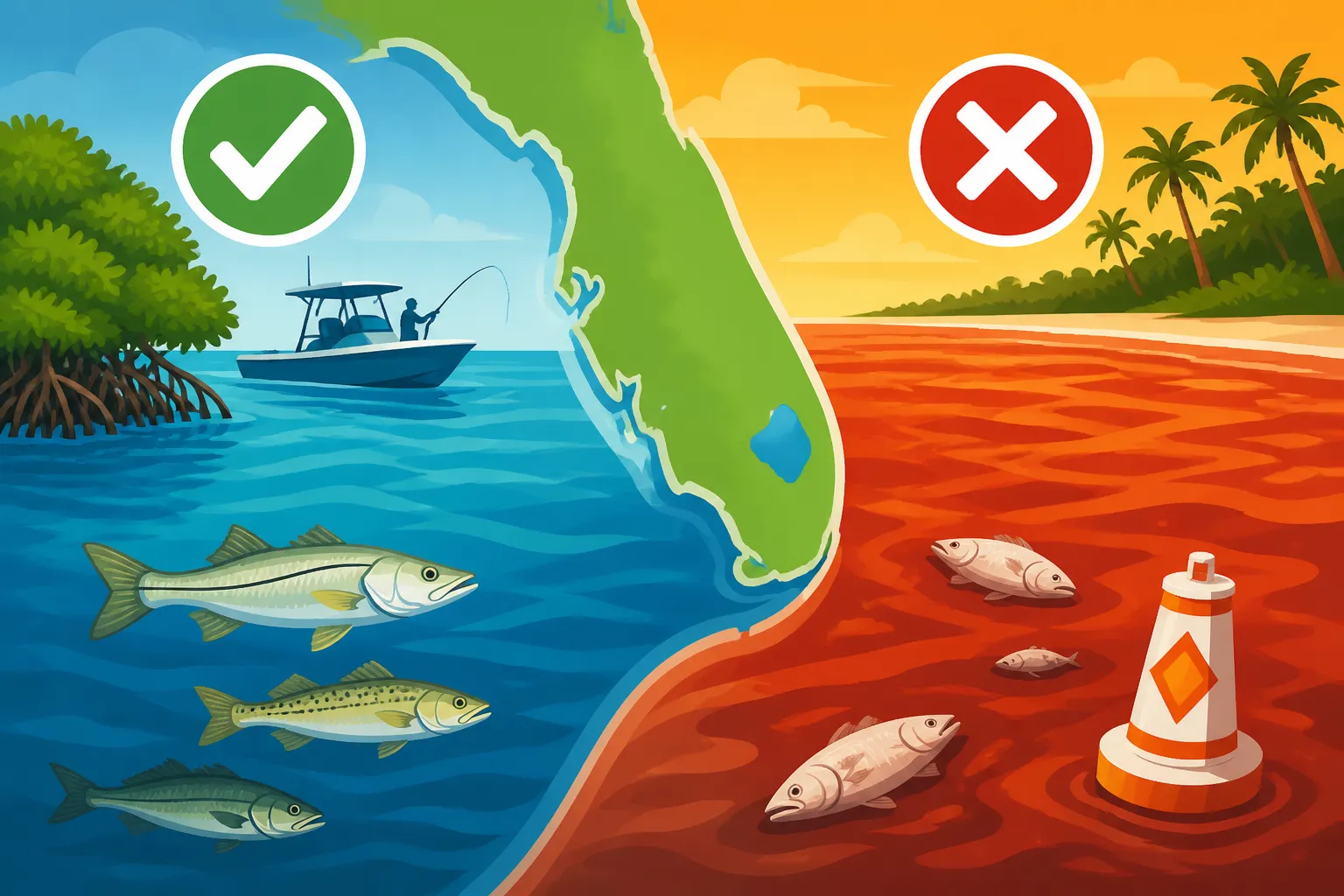
Saltwater Havens Become No-Go Zones
If you're typically an inshore angler, targeting species like snook, redfish, and trout in the shallow bays, estuaries, and along the beaches, a significant red tide event is going to throw a massive wrench in your plans. These are often the first and most heavily impacted areas.
- Beaches and Nearshore Waters: When red tide is severe, casting from the beach or wading into the nearshore surf is usually out of the question. The air quality can be terrible, causing coughing and burning eyes, and the presence of dead fish washing up makes for an unpleasant, if not hazardous, experience. Fish are either dead, fleeing, or too stressed to bite.
- Bays and Estuaries: These enclosed or semi-enclosed water bodies are particularly vulnerable as toxins can concentrate and persist. Popular fishing spots like Tampa Bay, Charlotte Harbor, or parts of the Indian River Lagoon can become ghost towns for game fish. Even if you don't see massive fish kills, the fish that remain are likely lethargic and not feeding. It's simply not productive, and honestly, not very enjoyable either, given the potential health risks and the environmental sadness.
Finding Refuge: Freshwater and Offshore Opportunities
While red tide devastates many saltwater environments, it doesn't mean your fishing gear needs to stay in the garage. There are often viable alternatives if you're willing to adapt.
- Go Freshwater: This is often the safest and most productive bet during a severe saltwater red tide. Karenia brevis is a saltwater organism and generally cannot survive in freshwater. Florida is absolutely brimming with fantastic freshwater fishing opportunities, from the massive Lake Okeechobee to countless smaller lakes, rivers, and canals throughout the state. You could pivot to targeting largemouth bass, peacock bass, crappie, or various panfish. These waters are completely unaffected by the marine red tide. Make sure you understand the difference in licenses, as you'll need a Florida Saltwater vs Freshwater Fishing License appropriate for your chosen waters.
- Head Offshore (Far Offshore): If you're determined to fish saltwater, your best bet might be to head significantly offshore. Red tide blooms typically concentrate in coastal and nearshore waters. As you move further out into the Gulf or Atlantic, past a certain depth and distance from shore, the water quality often improves dramatically. Think beyond state waters and into federal waters. This means targeting species like grouper, snapper, mahi-mahi, or king mackerel. However, this isn't an option for everyone, as it requires a larger boat, proper safety equipment, and the knowledge to navigate offshore conditions. Even then, sometimes offshore currents can push bloom-affected water further out, so checking current conditions is vital.
- Geographical Shifts: Red tide outbreaks are often localized. A bloom might affect the southwest coast, for example, while the southeast coast or the Panhandle remains relatively clear. It might be worth checking reports for other regions if you're willing and able to travel. This is where up-to-date information becomes your best friend.
Special Considerations for Pier and Shoreline Fishing
For many casual anglers, pier and shoreline fishing are popular, accessible ways to enjoy Florida's waters. Red tide throws a curveball into these plans.
- Piers: Public fishing piers can be tricky. While they offer access to deeper water than wading from the beach, they are still very much exposed to coastal conditions. If the red tide is causing respiratory irritation onshore, it will be even more noticeable on an exposed pier. Additionally, if fish kills are occurring in the immediate vicinity, you'll likely see affected fish struggling around the pilings. Many piers might even close during severe events due to public health concerns. However, some piers might extend far enough into clear water that they offer a slight reprieve, but this is less common for major blooms.
- Free Shoreline Fishing: Florida offers a Florida Free Shoreline Fishing License for Residents for those who fish only from the land or structures attached to the land. This is a fantastic option in normal times, but during red tide, these areas are often the hardest hit. You're typically fishing in shallow, nearshore waters that are directly impacted by the bloom. The air quality alone can make it unbearable, let alone the lack of biting fish. It's often best to seek alternatives when red tide is severe in your local shoreline areas.
Strategies for Fishing During a Red Tide Event
Dealing with red tide is about adaptation. You can't change the bloom, but you can change your approach to fishing.
Monitoring Conditions and Planning Your Trip
The absolute first step for any angler during a red tide event is to stay informed. Guessing or hoping for the best usually leads to disappointment.
- Official Reports Are Key: The Florida Fish and Wildlife Conservation Commission (FWC) provides daily red tide updates, often with maps showing concentrations of Karenia brevis and reports of respiratory irritation and fish kills. Checking these resources is paramount before you even think about heading out. You'll want to know How to Check Red Tide Conditions Before a Trip in real-time.
- Local Knowledge: Talk to bait shop owners, charter captains, and other local anglers. They often have the most up-to-the-minute, ground-level information about what's happening on the water. They can tell you if a specific bay is clear or if a particular offshore spot has been productive.
- Gear Up for Information: While not directly "fishing" gear, having reliable ways to access information is crucial. A good smartphone or tablet is essential. Consider a waterproof case, easily found on Amazon, to protect your devices on the water, allowing you to check updates even mid-trip if conditions change. Some anglers even use handheld anemometers, also available on Amazon, to check wind speed and direction, which can influence how airborne toxins travel.
Adapting Your Fishing Techniques
If you find a relatively clear area, you'll still need to adjust your tactics. Fish in these peripheral zones might be acting differently.
- Target Healthier Fish: Focus on species known to tolerate slightly less pristine conditions or those that are more migratory and might move out of affected areas quickly. Some species might be more resilient than others, though generally, most fish struggle.
- Bait and Lure Choices: Fish that are stressed or have been exposed to low levels of toxins might be less aggressive feeders. This could mean switching from fast-moving artificial lures to more subtle live bait. Presenting live shrimp or small baitfish on light tackle might entice a reluctant bite more effectively. Consult guides like Best Bait for Snook Fishing in Florida but be prepared to experiment.
- Depths and Structure: Fish might seek deeper, cooler, or more oxygenated water during a bloom. Target deeper channels, holes, or shaded areas around docks and mangroves that might offer some refuge. Look for areas with good tidal flow, as moving water can sometimes help disperse toxins, though it can also bring them in.
- Consider Catch and Release: If you do manage to catch fish, especially in areas that were recently affected or are borderline, consider practicing catch and release. Fish can retain toxins, and while typically not harmful to humans at recreational consumption levels, they might taste off, and releasing them allows them a better chance at full recovery. Always follow Catch and Release Best Practices for Snook and other species, being extra gentle if the fish seems stressed.
Safety Precautions and Post-Fishing Care
Your health and the health of your gear are important, even if the fish aren't biting.
- Personal Safety: If there's any respiratory irritation, wear a mask, especially if you have asthma or other respiratory issues. Eye protection can also help against airborne irritants. Keep a bottle of fresh water handy for rinsing eyes or throat. Sunscreen and hats, widely available on Amazon, are always a must in Florida, regardless of red tide, but especially if you're exposed on the water.
- Gear Cleaning: Red tide toxins can cling to your gear. After fishing, thoroughly wash down your boat, rods, reels, and tackle with fresh water and a mild soap. This helps prevent corrosion and removes any lingering toxins that could be transferred. Pay special attention to your fishing line and reels, as saltwater exposure can be harsh. Using a boat wash specifically designed to remove salt and grime, often found on Amazon, can be beneficial.
- Handling Fish (If Keeping): If you decide to keep fish from a red tide-affected area (after verifying it's safe and legal to do so), handle them with gloves. Remove guts promptly and clean the fish thoroughly. Be aware that consuming fish from heavily affected areas is not recommended. Check official advisories for consumption warnings.
The Aftermath: Fishing Post-Red Tide
Even when the reports show "low" or "no" red tide, the waters don't just magically return to normal overnight. The recovery process can take time.
Recovery of Ecosystems and Fish Populations
The resilience of Florida's ecosystems is remarkable, but they need time to heal after a major red tide event.
- Time for Nature to Rebound: After a bloom dissipates, it takes time for the environment to flush out residual toxins and for oxygen levels to return to normal. Fish populations, especially the resident ones, need to rebuild. This might mean reduced numbers for a season or two, or a shift in the dominant species in an area. Remember that Florida Fishing Seasons Explained are set for ideal conditions, and red tide can throw a wrench into typical expectations.
- Restocking and Repopulation: Some areas might see natural repopulation from fish migrating in from unaffected waters. Efforts by organizations like FWC to monitor and potentially assist in recovery are ongoing. It's a testament to how crucial a healthy marine environment is for Florida's economy and lifestyle.
- Identifying Productive Areas as Waters Clear
As the waters clear and conditions improve, how do you know where to start fishing again?
- Look for Signs of Life: The most obvious indicator is the absence of dead fish and respiratory irritation. Beyond that, look for baitfish activity, diving birds, and active marine mammals (like dolphins), which are all signs of a healthy food chain returning.
- Start with Key Foraging Grounds: Grass flats, oyster beds, and mangrove shorelines are vital habitats that often show signs of recovery first. These areas quickly attract baitfish, which in turn draw in larger predatory species. Check out resources on Best Fishing Spots in Florida for ideas of where these healthy habitats are located.
- Monitor Regulations: Sometimes, following a severe red tide, emergency regulations or temporary closures might be put in place to help stressed fish populations recover. Always check current Florida Fishing Regulations and Bag Limits before heading out, especially after an environmental event.
| Factor | During Severe Red Tide | Post-Red Tide Recovery | Normal Conditions |
|---|---|---|---|
| Water Clarity | Often murky, discolored (reddish-brown) | Gradually clearing, some residual turbidity possible | Generally clear, healthy water |
| Fish Health | Stressed, disoriented, fish kills common | Improving, fish may be sluggish initially | Active, healthy, feeding normally |
| Respiratory Irritation | High likelihood, coughing, burning eyes | Decreasing, may linger in pockets | Minimal to none |
| Best Fishing Zones | Freshwater lakes/rivers, far offshore (>20 miles) | Areas with strong tidal flow, healthy baitfish activity | Inshore flats, nearshore reefs, offshore wrecks |
| Bait/Lure Strategy | Live bait, subtle presentations, deeper water | Live bait, varied presentations, focusing on structure | Wide range of live bait and artificial lures |
| Safety Precautions | Masks, eye protection, thorough gear cleaning, caution | Continued monitoring, gear cleaning | Standard sun protection, hydration |
Dealing with red tide is never ideal, but understanding its nature and adapting your fishing plans can still lead to enjoyable and productive outings. It often means being flexible, prioritizing safety, and sometimes, simply shifting your focus from saltwater to Florida's incredible freshwater bounty.
Disclaimer
This article is for general informational purposes only and does not constitute professional advice. Laws, prices and regulations vary by location and change over time. Consult a qualified professional for guidance on your specific situation.