Florida Redfish Slot Limit Explained
It’s a common scenario: you’re out on the beautiful Florida waters, the sun is shining, and suddenly, you’ve got a feisty redfish on the line! The excitement quickly turns to a nagging question: "Can I keep this one?" Fishing regulations, especially the specifics around slot limits, can feel like a confusing maze. This guide is here to untangle the mystery of the Florida redfish slot limit, empowering you to fish responsibly and confidently.
Understanding the Redfish Slot Limit in Florida
When you hear "slot limit" for fish like redfish, it's not just some arbitrary number dreamed up by fisheries managers. It's a carefully designed conservation tool, and understanding it is key to being a responsible angler in Florida. The idea is simple: fish that are too small haven't had a chance to grow and reproduce, and fish that are too large are often the most prolific breeders, contributing significantly to the species' overall health. The slot creates a window for harvest, ensuring that the younger generations and the vital breeding stock are protected.
Imagine hitting the flats just outside Crystal River or poling through the grass beds of the Indian River Lagoon, and you hook into a gorgeous redfish. Your first thought might be its size. Is it a monster? Is it a juvenile? The slot limit guides your decision on whether that fish can come home with you for dinner or if it needs to be released to swim another day. It’s all about maintaining a healthy, thriving redfish population for everyone to enjoy, now and in the future.
The "Why" Behind Slot Limits
The concept of a slot limit isn't just about giving everyone a fair shot at catching dinner; it's deeply rooted in fisheries science and conservation. For a species like the redfish, which is highly sought after by recreational anglers, managing the population is a constant balancing act.
Think about it this way: the smaller redfish are still growing. They're learning to forage, avoiding predators, and developing into mature adults. If too many of these young fish are harvested, the future breeding population dwindles. On the other end of the spectrum, the really big redfish, often called "bull reds," are typically the most productive breeders. They produce a huge number of eggs, making them incredibly valuable to the health of the entire fishery. Taking too many of these large, mature fish could severely impact the species' ability to replenish itself. The slot limit creates a protected space for both the youngsters and the wise old breeders, leaving a middle ground for sustainable harvest. It's a proactive measure to ensure there are always plenty of redfish swimming in Florida's waters, providing great fishing for generations to come. This careful management is crucial for the long-term vitality of Florida's diverse marine ecosystems.
Florida's Current Redfish Slot Dimensions
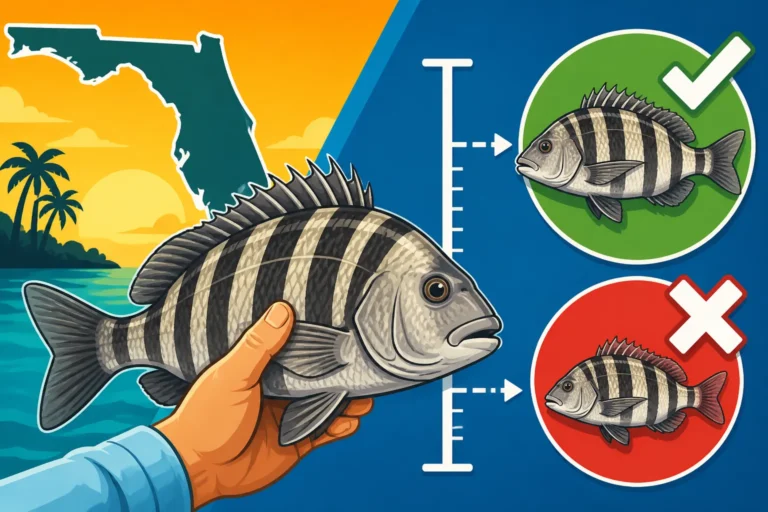
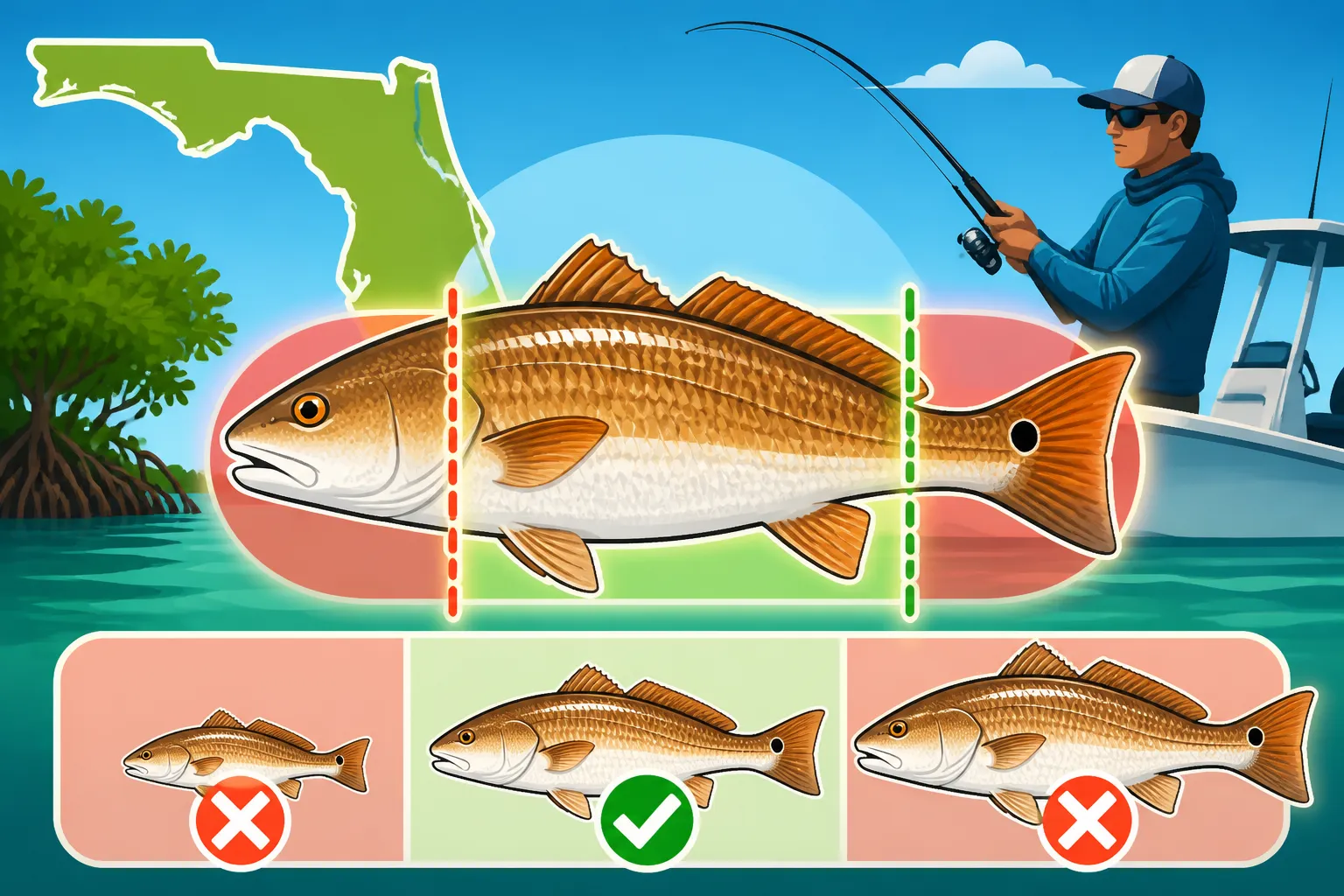
When you're out on the water, the redfish slot limit in Florida typically refers to a specific length range that a fish must fall within to be legally harvested. Generally, for redfish, this means your fish needs to be between 18 and 27 inches in total length. This 9-inch window is the sweet spot. Anything shorter than 18 inches needs to go back into the water, and anything longer than 27 inches, often those magnificent bull reds, also needs to be released. This protective measure is vital for the health and sustainability of the redfish population.
It is absolutely crucial to understand that these regulations can and do change. The Florida Fish and Wildlife Conservation Commission (FWC) constantly monitors fish populations, environmental factors, and angler harvest data. As such, it's your responsibility as an angler to always check the most current regulations before heading out. The FWC website or their official GoOutdoors Florida app are invaluable resources for up-to-the-minute information on all Florida Fishing Regulations and Bag Limits, including any regional adjustments or temporary closures. Staying informed is the best way to avoid unintentional violations and contribute to responsible fishing practices.
Daily Bag Limits and Regional Variations
Beyond the slot limit, it’s also critical to remember the daily bag limit. You might catch several redfish that fall within the legal slot, but that doesn't mean you can keep them all. The daily bag limit dictates how many fish of a particular species you can keep in a 24-hour period. This, combined with the slot limit, works to prevent overfishing and ensures more fish are available for future enjoyment. Ignoring either one can land you in hot water with FWC.
Florida is a vast state, from the Panhandle down to the Keys, and its diverse ecosystems mean that specific fishing rules can sometimes vary by region. What applies in Tampa Bay might be slightly different in the Indian River Lagoon or the Panhandle. It’s not a one-size-fits-all situation, and this regional nuance is a testament to the FWC's effort to manage local fish populations effectively. Always be aware of your location and verify the regulations for that specific area before you cast your line.
Individual Bag Limits for Redfish
For redfish in Florida, the individual bag limit is typically one fish per person per day. This means that even if you have an incredibly lucky day and catch multiple redfish that all fall perfectly within the 18-to-27-inch slot, you are still only legally allowed to keep one of them. The other slot-sized fish, no matter how tempting, must be carefully released. This singular daily limit, coupled with the slot, is a powerful tool for conservation, preventing any single angler from having too large an impact on the local redfish population.
Imagine you're fishing with a buddy near Jacksonville, and you both land a beautiful redfish, both measuring 22 inches – perfectly in the slot. Each of you can keep one fish. But if you were fishing alone and caught two, only the first one you decide to keep (and it must be within the slot) is legal to retain. The second, third, and so on, must be released. It's a simple rule, but one that's sometimes overlooked in the excitement of a good bite. Always keep this one-fish-per-day rule at the forefront of your mind when targeting redfish. It's a cornerstone of sustainable angling here in the Sunshine State.
Regional Regulations and Management Zones
Florida isn't just one big fishing zone; it's a mosaic of different habitats, and the FWC manages them with a keen eye on local conditions. This means that while the general slot limit of 18-27 inches and a one-fish-per-person bag limit are common, you might encounter specific regional regulations or management zones that have different rules for redfish. For instance, areas that have experienced environmental challenges, like prolonged red tide events or significant habitat loss, might have more restrictive rules, sometimes even temporary catch-and-release-only mandates for redfish.
These regional variations are put in place to help struggling populations recover or to protect particularly sensitive areas. It's not uncommon for certain bay systems or coastal counties to have slightly adjusted slot limits, different bag limits, or even seasonal closures specific to their waters. You can find detailed information on these nuances by visiting the FWC website or using their handy "Fish Rules" type apps which provide location-specific regulations. Before you even pack your cooler, take a few moments to verify the current Florida Redfish Size and Bag Limits for the exact body of water you plan to fish. This due diligence ensures you're always fishing legally and contributing to the health of Florida's incredible redfish fishery.
Proper Measurement and Handling for Redfish
You’ve battled a beautiful redfish, and it’s finally alongside the boat. Now comes the moment of truth: is it a keeper? This isn't a time for guesswork. Accurate measurement and careful handling, especially if you plan to release the fish, are paramount. An improperly measured fish can lead to legal issues, and a poorly handled fish might not survive to spawn another day. Investing in the right tools and knowing the proper techniques makes all the difference for both your fishing experience and the well-being of the fish.
Having a good, flat measuring device, like a reliable fish ruler, readily available on Amazon, is crucial. Forget trying to use a tape measure that flaps in the wind or relying on markings on your rod. Precision is key. Equally important is understanding that a redfish, even a tough one, is a living creature. Minimizing its stress during the measuring process and ensuring a safe release are vital components of ethical angling.
How to Measure Your Redfish Accurately
Measuring a redfish correctly is one of the most critical steps to ensure you're compliant with Florida's slot limits. It’s not just about getting "close enough"; it's about precision. Here's how to do it right:
First, always use a reliable, flat measuring device. A good quality fish ruler or measuring board, often made of durable plastic or aluminum, is essential. Avoid flexible tape measures or trying to eyeball it. These rulers are easily found at most tackle shops or online retailers like Amazon.
When you catch a redfish, gently lay it flat on the measuring device. Ensure its mouth is closed and pressed against the measuring stop. Crucially, the tail needs to be pinched to get the maximum total length. This means gently squeezing the tail lobes together so they form a single point, then noting the measurement at the very tip. Make sure the fish is calm and still for an accurate reading. If the fish is thrashing, wet your hands, support its body, and wait for it to settle before taking your measurement. Never try to measure a fish while it's still in the net or struggling aggressively. Being honest and accurate here can save you from a potential violation.
Catch and Release Best Practices
Many redfish caught, whether they're too big, too small, or simply the daily limit has been reached, will need to be released. Ensuring their survival after release is just as important as knowing the slot limit. Responsible catch and release practices minimize stress and injury, giving the fish the best chance to recover and thrive.
Start by minimizing the fight time. The longer a fish fights, the more exhausted it becomes, making it less likely to survive. Use appropriate tackle for the size of the fish you expect to encounter. Once landed, handle the fish as little as possible. Keep your hands wet to avoid removing the protective slime layer from the fish's skin. Support the fish horizontally, especially larger ones, by cradling its belly and supporting its head, never hanging it vertically by its mouth or gills. Avoid touching the gills or eyes. If the hook is easy to remove, use a dehooking tool or needle-nose pliers to extract it quickly. If the hook is deeply swallowed, it's often best to simply cut the line as close to the hook as possible; studies show many fish can expel or encapsulate hooks over time. For more general guidance on protecting your catch, you might find the article Catch and Release Best Practices for Snook helpful, as many of these principles apply across various inshore species. Finally, release the fish gently, headfirst, into the water, and if it appears sluggish, hold it upright, allowing water to flow over its gills until it swims away strongly under its own power.
What Happens If You Don't Comply?
It’s easy to get caught up in the excitement of fishing, but ignoring or misunderstanding the regulations can lead to serious consequences. The Florida Fish and Wildlife Conservation Commission (FWC) officers are out there on the water and at boat ramps, ensuring that everyone is adhering to the rules. Their job is not to ruin your day, but to protect Florida's valuable fisheries. Getting caught with an undersized, oversized, or over-the-limit redfish isn't just a minor slap on the wrist; it can result in significant fines and other penalties.
Imagine having a cooler full of fish and an FWC officer approaches your boat. They'll ask to see your fishing license (which, for residents, can often be obtained through systems like the Florida GoOutdoors App), and then they'll want to inspect your catch. If they find a redfish that's too small, too large, or you have more than your one-fish bag limit, that's when the fun stops. Ignorance of the law is never an excuse, and these regulations are in place for the long-term health of the species you love to pursue.
Penalties for Violating Redfish Regulations
Violating Florida's redfish slot and bag limits isn't just a minor inconvenience; it carries real legal consequences. FWC officers are trained to enforce these rules, and they take them seriously because they are fundamental to conservation. The penalties can vary depending on the severity of the infraction, but anglers should expect a range of punitive actions.
Typically, a first-time offense for possessing an illegal redfish can result in a significant monetary fine. These fines can quickly add up, easily reaching hundreds of dollars, sometimes even more, depending on factors like how many fish are in violation or how far out of the slot they are. Beyond the financial hit, the fish themselves will be confiscated, meaning you lose your catch. In some cases, particularly for repeat offenders or more egregious violations, you might be required to appear in court, which can lead to additional court fees, temporary suspension of fishing privileges, or even community service. While not specifically tied to redfish, understanding the general consequences of fishing outside the law can be gleaned from articles like Penalty for Fishing Without a License in Florida, which illustrates the seriousness of wildlife infractions. It's a costly lesson that's easily avoided by simply knowing and respecting the rules.
Avoiding Common Mistakes
The best way to avoid penalties and ensure you're fishing responsibly is to proactively prevent common mistakes. Many violations stem from simple oversight or misunderstanding, not malicious intent. By being diligent, you can enjoy your time on the water without the stress of potential legal issues.
First and foremost, always check the current regulations immediately before each fishing trip. Don't rely on what you remember from last year or what a buddy told you. Regulations for redfish, like many other species, can change seasonally or regionally based on FWC assessments. The official FWC website or app is your best friend here. Second, never guess on measurements. Invest in a proper measuring board and use it accurately every single time. A good, reliable measuring device is a small investment that pays huge dividends. For those who frequently fish with friends or family, taking a moment to educate them on the rules helps everyone stay compliant. It's not nagging; it's responsible angling. If you're ever in doubt about a fish's size or if you've already met your bag limit, the safest bet is always to practice catch and release. Having a set of digital scales, readily available on Amazon, might also help if you're trying to monitor your catch size or weight for personal records, though a ruler is king for slot limits. By taking these simple steps, you can focus on the joy of fishing and leave the worries behind.
Redfish Regulations at a Glance
To make things a little easier, here's a quick summary of the typical Florida redfish regulations. Remember, these are general guidelines, and it is always your responsibility to check the most current and specific regulations for your fishing location through the Florida Fish and Wildlife Conservation Commission (FWC) before you cast a line.
| Regulation Category | Standard Florida Redfish Rule (Subject to Change) | Important Notes |
|---|---|---|
| Slot Limit | 18 to 27 inches total length | Fish must measure within this range. Anything shorter than 18" or longer than 27" must be released unharmed. |
| Daily Bag Limit | 1 fish per person, per day | Even if you catch multiple slot-sized redfish, you are only legally permitted to keep one per angler per 24-hour period. |
| Season | Typically open year-round | While generally open, specific regional closures or temporary restrictions can occur, especially in areas recovering from environmental events. Always confirm current status for your fishing zone. |
| Gear | Legal recreational fishing gear | Ensure your tackle and methods comply with general Florida fishing regulations. No prohibited gear (e.g., snagging, certain nets). |
| License | Required | A valid Florida fishing license (saltwater) is required for most residents and non-residents aged 16 and over, unless specifically exempted. Refer to the Florida Fishing License Guide for detailed information. |
Knowing these basic guidelines is a fantastic start to understanding how to legally and responsibly target redfish in Florida. For a deeper dive into redfish habits, try reading a Florida Redfish Fishing Guide, which can help you understand these amazing fish even better. Don't forget that understanding What Do Redfish Eat? and knowing the Best Bait for Redfish Fishing in Florida can also significantly increase your success! And if you're curious about table fare, you might ask, Is Redfish Good to Eat?, and then explore Best Way to Cook Redfish for some culinary inspiration. These fish are a true gem of Florida's inshore waters, and by respecting the rules, we can ensure they remain so for generations to come. You may also be interested in Where Do Redfish Spawn in Florida? to understand more about their life cycle.
Disclaimer
This article is for general informational purposes only and does not constitute professional advice. Laws, prices and regulations vary by location and change over time. Consult a qualified professional for guidance on your specific situation.