What Do Redfish Eat?
If you've ever spent a frustrating day on the water, casting everything in your tackle box without a single bite, you know the feeling: what exactly are these redfish eating? It's a question that plagues even experienced anglers, because understanding a redfish's natural diet is the ultimate key to choosing the right bait or lure and turning a slow day into a successful one. This guide is here to unravel the mystery of the redfish menu, helping you crack the code to consistent catches in Florida's diverse waters.
The Core Diet: What Redfish Naturally Crave
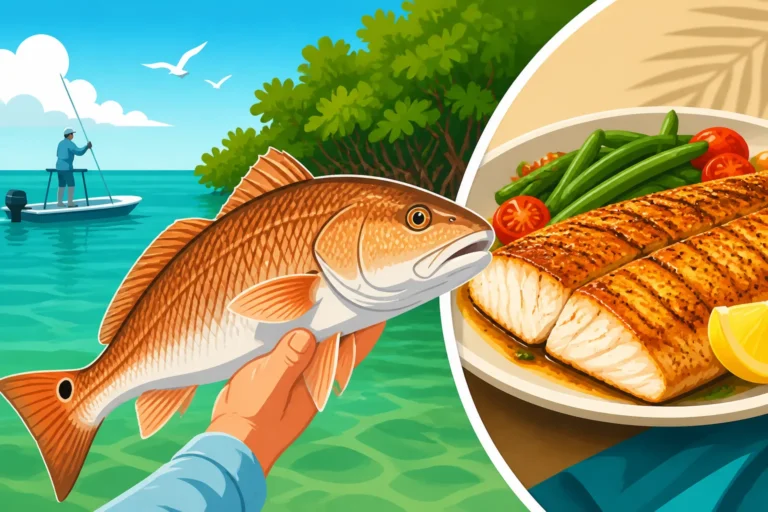
Redfish, also known as red drum, are incredibly adaptable eaters, but they definitely have their favorites. These powerful, bronze-hued fish are primarily bottom feeders, using their downturned mouths and keen sense of smell to root around in the sand and mud. Their diet is largely influenced by what's readily available in their estuarine and coastal habitats, but certain food groups consistently rank high on their list of preferred meals.
Crustaceans: The Redfish's Favorite Shellfish Buffet
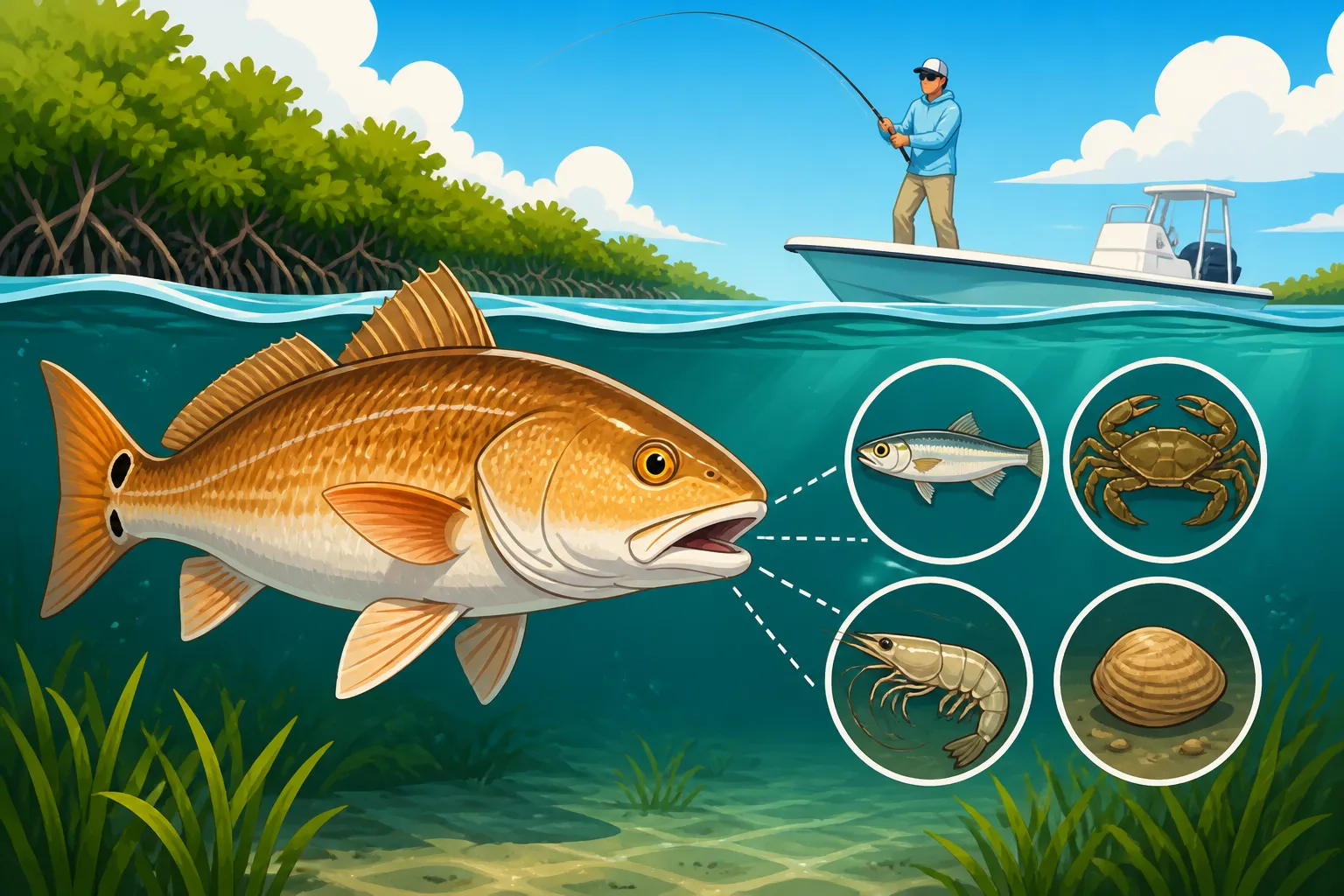
There's no denying it: redfish absolutely adore crustaceans. Think of them as the ultimate buffet for a redfish, packed with protein and easy to catch if you're a skilled bottom-dweller. Shrimp and crabs are, without a doubt, at the top of their culinary hierarchy. If you watch a redfish feeding in clear water, you'll often see them tailing, with their tails breaking the surface as their heads are down, rooting around for these delectable morsels.
Smaller shrimp, like those found darting through seagrass beds or along muddy shorelines, are a staple, especially for juvenile redfish. But even the biggest bulls won't pass up a juicy, live shrimp. Crabs are another massive draw. Fiddler crabs, blue crabs (especially smaller ones or those that have recently molted), and even stone crabs, if they can get their claws on them, are all fair game. Anglers who consistently catch redfish often swear by live shrimp and cut crab as their go-to baits, and for good reason—it's what the redfish are already hunting naturally. Understanding this preference is crucial for anyone looking to improve their redfish game. You can often find a good selection of artificial shrimp and crab lures on Amazon that accurately mimic these natural food sources.
Finfish: Opportunistic Predation
While crustaceans might be their bread and butter, redfish are certainly not above chasing down a good meal of finfish. They are opportunistic predators, meaning if a baitfish swims within striking distance and looks like an easy target, a redfish will take it. Their diet of finfish can vary significantly depending on the local ecosystem and the time of year.
Common baitfish that fall prey to redfish include mullet, pinfish, menhaden (pogies), pilchards, and killifish. In shallow grass flats, you'll often find redfish ambushing small schools of mullet or pilchards. They're not typically high-speed chasers like a mackerel, but they possess powerful bursts of speed to pounce on unsuspecting prey. Larger redfish, especially those moving into more open waters, will often target bigger baitfish. The presence of these baitfish often indicates a healthy ecosystem where redfish are likely to be present, making observation of bait schools a key part of locating your target. Learning How to Catch Shrimp for Bait in Florida can also give you a huge advantage.
Other Invertebrates: Mud Minnows and More
Beyond the big two of crabs and shrimp, redfish also have a varied diet that includes other invertebrates and smaller organisms they might encounter while foraging. Mud minnows, also known as killifish, are particularly important, especially in muddy, low-oxygen environments where they thrive. These hardy little fish are a perfect, easy meal for redfish poking around in the sediment.
Worms, small clams, and even juvenile conchs can sometimes be found in a redfish's stomach contents, indicating their broad, scavenger-like tendencies when it comes to finding food. They are not picky eaters when hungry, and if it's small enough to fit in their mouth and provides nutrition, they'll likely give it a try. This diverse palate is part of what makes redfish so resilient and widespread across Florida's coastlines. This also means that anglers can experiment with various natural baits, from live mud minnows to cut pieces of more unusual seafood, to see what sparks a bite on any given day.
Dietary Adaptations: How Age and Habitat Influence Redfish Eating Habits
The dining preferences of a redfish aren't static; they evolve as the fish grows and moves through different environments. A juvenile redfish tucked away in a shallow marsh has a very different menu from a large adult bull red cruising offshore. Understanding these shifts is crucial for anglers targeting specific sizes or fishing in particular locations.
Juvenile Redfish: Shallow Water Specialists
When redfish are juveniles, often found in the calm, nutrient-rich waters of mangrove estuaries, tidal creeks, and shallow grass flats, their diet is heavily skewed towards smaller, more accessible prey. These young reds are highly vulnerable to predators themselves, so they stick to protected areas where food is abundant and they can hide.
Their primary diet consists of tiny shrimp, small crabs like fiddlers and marsh crabs, and various aquatic insects and their larvae. They're also keen on small baitfish that share their nursery habitats, such as tiny mullet or minnows. Because they are often found in very shallow water, sometimes barely covering their backs, they've adapted to rooting around in the substrate for their meals. This means a presentation that mimics a small, scurrying crab or a flicking shrimp is often irresistible to these smaller fish. Anglers targeting slot-sized redfish in these areas should focus on smaller baits and lures.
Adult Redfish: From Estuaries to Open Water
As redfish mature and grow larger, their dietary habits expand, and they become more opportunistic predators capable of tackling bigger prey. While they never truly abandon their love for crustaceans, especially larger blue crabs, their diet starts to include a wider array of larger finfish. Big bull reds, those impressive fish often found congregating near inlets, passes, and even offshore wrecks, will actively hunt schools of mullet, ladyfish, and larger pinfish.
These larger fish are also less confined to the shallowest waters and will patrol deeper channels, oyster bars, and structure where larger baitfish tend to school. Their powerful tails and strong jaws allow them to engulf substantial meals. This shift means that anglers targeting trophy redfish might opt for larger live baits or substantial artificial lures that imitate bigger prey. The size and type of available forage in a particular area will dictate much of an adult redfish's diet, so observing local baitfish populations is always a smart move. What Do Redfish Eat? is heavily dependent on their current hunting grounds.
Seasonal and Environmental Factors
Redfish diets are also influenced by seasonal changes and environmental conditions. For instance, during cooler months, many baitfish may move to deeper, warmer waters or offshore, making them less available to inshore redfish. During these times, redfish might rely more heavily on resident crustaceans or less mobile prey. Conversely, during the warmer months, massive schools of baitfish like mullet might migrate through estuaries, offering an abundant, easy meal for redfish, leading them to prioritize finfish.
Water temperature plays a critical role too. When waters are very cold, redfish become lethargic and less inclined to chase fast-moving prey. They'll often seek out warmer, deeper pockets and feed on slower-moving, easily accessible items like dormant shrimp or crabs. Red tides or other environmental events can also impact the availability and health of their food sources, forcing redfish to adapt their diets or move to different areas. Being aware of these cycles and conditions can give you a significant advantage in predicting what redfish are feeding on. You can learn more about how seasons affect fishing in our Florida Fishing Seasons Explained guide.
Angler's Playbook: Matching Baits and Lures to Redfish Preferences
Knowing what redfish eat is one thing; putting that knowledge into practice is another. The real art of catching redfish lies in presenting baits and lures that convincingly mimic their natural food sources. This doesn't just mean using the right bait type, but also understanding how to present it in a way that triggers their predatory instincts.
Live Bait: Replicating Natural Food Sources
When it comes to live bait, you can't go wrong by offering redfish what they naturally eat. Live shrimp are, hands down, one of the most effective baits for redfish across all sizes and habitats. They are readily available at most bait shops and are a natural food source in almost every redfish habitat. Present them on a popping cork, a simple jig head, or free-lined to simulate a natural, struggling meal. This presentation is often irresistible.
| Natural Food Source | Recommended Live Bait | Common Rigging Technique | Key Benefit |
|---|---|---|---|
| Small Shrimp | Live Shrimp | Popping cork, Jig head, Free-lined | Irresistible to all sizes, highly available |
| Small Crabs | Fiddler/Blue Crab | Bottom rig, Jig head | Excellent for larger reds, durable |
| Mullet, Pinfish | Finger Mullet, Pinfish | Free-lined, Carolina rig | Targets bigger reds, natural movement |
| Mud Minnows | Killifish | Jig head, Simple sinker rig | Great for muddy, shallow areas |
Live crabs, particularly small blue crabs with their top shell removed or fiddler crabs, are another redfish magnet, especially for larger fish. Fiddler crabs are often found around oyster beds and muddy banks, prime redfish territory. Pinfish and finger mullet, rigged alive, are excellent choices for targeting bigger redfish, offering a hearty meal that mimics a common prey item. For those fishing in murky water or during low light, scented live baits can provide an added edge, as redfish rely heavily on their sense of smell. You can pick up essentials like a good selection of hooks and swivels on Amazon to prepare your live bait rigs.
Artificial Lures: Mimicking the Hunt
For anglers who prefer to throw artificials, the goal is still the same: imitate natural redfish food. Soft plastics are incredibly versatile and effective. Paddle tails, jerk shads, and curly tail grubs in colors like white, chartreuse, natural shrimp, or dark greens and browns can mimic shrimp, baitfish, or even small crabs. Rigged on a jig head, these can be bounced along the bottom or retrieved with a steady twitch, just like a fleeing shrimp or baitfish. Many top brands of soft plastics offer scent-enhanced versions which can be a huge advantage when fishing for scent-driven feeders like redfish.
Spoons, like a gold Johnson Silver Minnow, are timeless redfish lures. Their wobble and flash imitate injured baitfish, making them perfect for covering ground and drawing strikes. Topwater lures, such as walk-the-dog or popper-style baits, are thrilling to use during low light conditions or when redfish are actively feeding on the surface, mimicking fleeing baitfish or crustaceans. These can provoke aggressive strikes from territorial redfish. Integrating a variety of lure types into your tackle box ensures you're ready for any situation, and platforms like Amazon offer an endless selection to choose from. For a deeper dive into techniques, check out our Best Bait for Redfish Fishing in Florida article.
Scent and Presentation: Making Your Offer Irresistible
Beyond the type of bait or lure, how you present it and whether it has a scent can make all the difference. Redfish have an excellent sense of smell, which they use to locate food in murky water or when rooting along the bottom. Adding a fish attractant or using scented soft plastics can significantly increase your chances, especially on days when the bite is slow. Many anglers swear by brands that infuse their soft plastics with shrimp or crab scent.
Presentation is equally critical. For live shrimp or artificials mimicking them, a slow, deliberate retrieve with occasional pauses often works best, making it appear like an easy meal trying to hide. When using a jig head, imagine a shrimp or crab scurrying along the bottom, making short hops and stopping. For baitfish imitations, a steady retrieve with slight twitches can mimic a healthy swimming fish, while a more erratic retrieve might suggest an injured, easy target. Ultimately, paying attention to the local environment—what type of bait is present, how are the tides moving, and what structure are you fishing around—will help you refine your presentation and consistently fool those hungry redfish. Understanding What Do Redfish Eat? is only half the battle; knowing how to serve it up is the other.
Disclaimer
This article is for general informational purposes only and does not constitute professional advice. Laws, prices and regulations vary by location and change over time. Consult a qualified professional for guidance on your specific situation.