Florida Snook Slot Limit Explained
It's incredibly frustrating when you're out on the water, you hook into a beautiful snook, and then a cloud of doubt washes over you: "Is this fish legal to keep?" The regulations, especially around slot limits, can feel like a maze, leaving many anglers scratching their heads and worried about making an honest mistake. This guide is here to clear up all that confusion, breaking down Florida's snook slot limit rules so you can fish with confidence and respect for these incredible game fish.
Understanding Florida's Snook Slot Limit: What It Means for Anglers
The snook is one of Florida's most iconic and sought-after game fish, known for its powerful fights and delicious table fare. But with its popularity comes a responsibility to manage the species carefully, which is where the slot limit comes into play. It's not just a random set of numbers; it's a carefully designed conservation tool. Many anglers initially assume "slot limit" just means a minimum size, but it's much more nuanced than that.
The "Slot" Explained: Why It's Not Just About Minimum Size
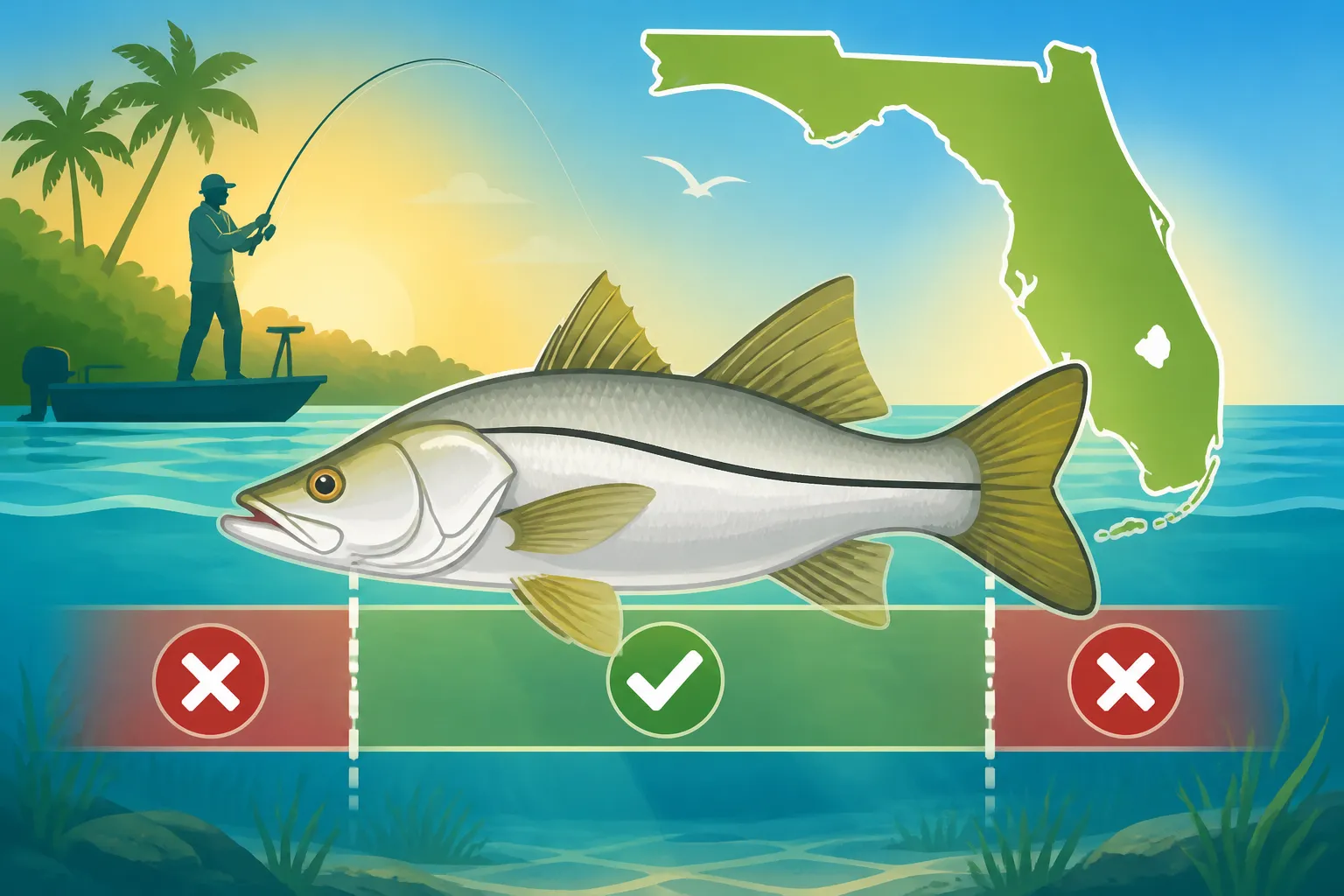
When we talk about a "slot limit" for snook in Florida, we're not just saying you can't keep fish under a certain size. We're saying you can't keep them under a certain size, and you can't keep them over a certain size. This creates a "slot" – a specific range of lengths within which a snook is legal to harvest. For example, if the slot limit is 28 to 33 inches, it means any snook shorter than 28 inches must be released, and any snook longer than 33 inches must also be released. Only those fish that fit precisely within that 28-to-33-inch window can be legally kept.
This might seem counterintuitive at first. Why would you want to release a really big fish? The answer lies in protecting the breeding stock. Those large, mature snook are often the most prolific spawners, contributing significantly to the species' overall health and population numbers. By releasing them, we ensure they can continue to reproduce and sustain the fishery for future generations. Similarly, releasing the smaller, juvenile fish gives them a chance to grow, mature, and eventually become part of that vital breeding population themselves. It's a strategy designed to foster a healthy, balanced ecosystem, and it’s a core part of Florida Snook Fishing Guide.
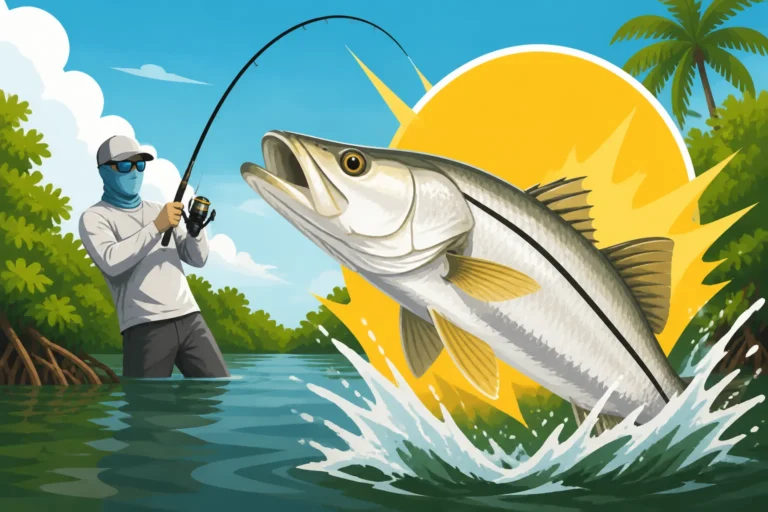
Imagine you're out on a flat, and you hook into a monster snook, a real "line-sider" that's pushing forty inches. Your heart is pounding, you land it carefully, and then you measure. If it's over the upper slot limit, say 33 inches, the thrill of the catch is still immense, but the responsible thing to do, and the legal requirement, is to gently release that magnificent fish back into the water. It’s about more than just a meal; it's about preserving the experience for everyone.
The Philosophy Behind Slot Limits: Conservation in Action
The slot limit system is a cornerstone of responsible fisheries management in Florida, particularly for species like snook that are highly prized by recreational anglers. The core idea is to protect the most vulnerable segments of the population: the young fish that haven't had a chance to reproduce yet, and the large, mature adults that are crucial for spawning. By concentrating harvest pressure on the middle-sized fish, the slot limit helps maintain a healthy age structure within the snook population.
Think of it like tending a garden. You wouldn't pull up all your tiny seedlings, and you wouldn't harvest all your prize-winning, seed-producing plants. Instead, you'd carefully select the healthy, mid-sized ones that are ready for harvest, leaving the others to grow or to continue their reproductive cycle. This same principle applies to snook. The state's fisheries managers, like the Florida Fish and Wildlife Conservation Commission (FWC), use scientific data on snook growth rates, reproduction cycles, and mortality to determine the most effective slot limits. This data-driven approach ensures that the regulations are not arbitrary but are tailored to promote the long-term health and abundance of the species.
This strategy is particularly important for a species like snook, which can be sensitive to environmental changes and fishing pressure. The conservation efforts funded by fishing license sales and tackle taxes (like those on items you might buy on Amazon, such as specialized snook lures or a quality measuring board) directly support the research and enforcement that make these slot limits effective. It’s a collective effort to ensure that the excitement of catching a snook remains a vibrant part of the Florida angling tradition for generations to come. This also ties into the broader Florida Fishing Regulations and Bag Limits which apply to many other species.
Regional Variations and Seasonal Closures: It's Not One-Size-Fits-All
One of the biggest pitfalls for anglers, and a common source of confusion, is the assumption that snook regulations are uniform across the entire state. Florida is a vast state with diverse ecosystems and differing pressures on its fish populations. What's legal on the Gulf Coast might be different on the Atlantic, and certain times of the year, snook fishing might be entirely closed. Understanding these variations is crucial for staying legal and contributing to conservation.
Atlantic vs. Gulf Coast: Key Differences You Need to Know
Florida's snook regulations are indeed divided by coast: the Gulf Coast and the Atlantic Coast. This geographical split is necessary because snook populations, their spawning habits, and the environmental conditions they face can differ significantly between these two vast bodies of water. The Gulf Coast, including areas like Tampa Bay, Charlotte Harbor, and the Everglades, has historically seen different fishing pressure and population dynamics compared to the Atlantic Coast, which stretches from the Keys up to the Georgia border. Therefore, the FWC often implements distinct slot limits and open seasons for each region.
For instance, the slot limit for snook might be 28-33 inches on the Gulf Coast, while the Atlantic Coast could have a slightly different range, perhaps 28-32 inches. These small differences can lead to big problems if you're not aware. Imagine you regularly fish the Indian River Lagoon on the Atlantic side, then decide to take a trip to the Ten Thousand Islands on the Gulf. If you don't check the specific regional rules, you could inadvertently keep an illegal fish. This is why always checking the most current regulations for your specific fishing location before you even cast a line is paramount. You can find up-to-date information on the FWC website or by using their Fish|Hunt FL app. It’s essential for anglers to know about Florida Snook Season Closures by Region to ensure compliance.
These regional differences highlight the FWC's adaptive management approach. They monitor snook populations on both coasts independently and adjust regulations as needed to respond to local conditions, ensuring that conservation efforts are effective and targeted. This commitment helps maintain healthy snook populations, whether you're sight fishing the clear flats of the Florida Keys or casting along the mangroves of Southwest Florida.
The Critical Role of Closed Seasons: Protecting Spawning Fish
Beyond the slot limits, snook fishing also has specific closed seasons, both on the Gulf and Atlantic coasts, and these are equally as important for the species' survival. Closed seasons are periods when it is completely illegal to harvest snook, regardless of their size. These closures typically coincide with critical times in the snook's life cycle, primarily their spawning periods.
Snook are aggregate spawners, meaning they gather in large numbers in specific areas, often near inlets or passes, to reproduce. During these times, they can be particularly vulnerable to fishing pressure. By closing the season, the FWC aims to minimize disturbance during spawning, allowing these fish to reproduce successfully and replenish future generations. Without these protective measures, concentrated fishing during spawning season could severely deplete snook populations. Is Snook Fishing Catch and Release Only Right Now? is a common question during these periods, and the answer is typically yes, for all snook.
Historically, specific months like May, June, July, and December, January, February have seen closures, though these can change. For example, Why Florida Closes Snook Season in Winter is often related to protecting snook from cold stun events, while summer closures are directly aimed at spawning. Even if you catch a snook perfectly within the legal slot during a closed season, you must release it immediately and unharmed. These periods are non-negotiable for conservation. Always consult the latest FWC regulations or signage at boat ramps and fishing piers to know if snook season is open or closed in your specific area. Ignoring these rules not only risks heavy fines but also undermines the collective effort to protect these magnificent fish.
Practical Application: How to Measure, Keep, and Release Snook Legally
So, you've hooked a snook, fought it to the boat, and now you need to determine if it's a keeper. This isn't just about guessing; it requires precision and a commitment to responsible angling practices. Knowing the correct way to measure and, more importantly, how to safely release fish that are out of the slot or caught during a closed season is paramount.
The Right Way to Measure Your Catch: Accuracy is Key
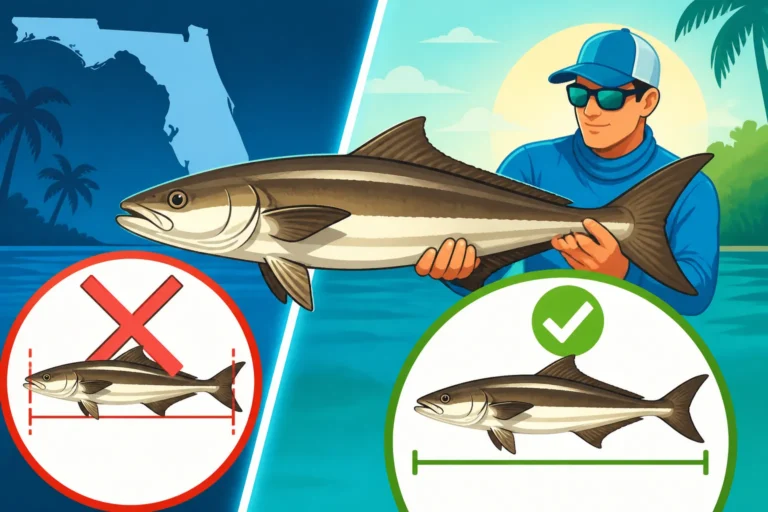
Measuring a snook correctly is critical for compliance with the slot limit. The FWC defines length as total length, which means measuring from the most forward point of the head to the farthest tip of the tail, with the tail pinched. This "pinched tail" method is important because it accounts for individual variations in tail shape and ensures a consistent measurement. You can't just lay the fish down and eyeball it; you need a proper measuring device.
A flat, rigid measuring board or tape measure is essential. Many anglers prefer a measuring board because it provides a stable surface and often has a built-in stop for the fish's nose, ensuring the measurement starts at the most forward point. You can find excellent, durable measuring boards and tapes on Amazon that are specifically designed for fishing and are marked with clear, easy-to-read increments. When you land a snook, quickly and gently place it on the measuring device. Ensure its mouth is closed and pressed against the start of the measure, and then gently pinch its tail to get the furthest point. If the fish is between, say, 28 and 33 inches (or whatever the current slot is for your region), it's a keeper. If it's outside that range, it's a release.
Always handle the fish with wet hands or a wet towel to protect its slime coat, which is vital for its health and disease resistance. Avoid dragging it on dry surfaces or touching its eyes and gills. Speed and gentleness are your best allies here. The quicker you can measure and make your decision, the less stress the fish endures, increasing its chances of survival upon release.
Best Practices for Catch and Release: Ensuring Survival
For every snook that fits the slot and is kept, many more are caught and released. Whether it’s an undersized juvenile, an oversized breeder, or a snook caught during a closed season, proper catch and release techniques are vital for the health of the fishery. A poorly released fish is often a dead fish, negating all the conservation efforts behind slot limits and closed seasons. The FWC has clear guidelines and recommends specific practices outlined in resources like Catch and Release Best Practices for Snook.
Here’s a quick guide to effective catch and release:
- Minimize Fight Time: Use appropriate tackle that can land the fish relatively quickly, reducing exhaustion. A prolonged fight can leave a snook too stressed to recover.
- Use Circle Hooks: If fishing with natural bait, use non-stainless, non-offset circle hooks. These hooks typically lodge in the corner of the fish's mouth, making them much easier to remove and greatly reducing the chance of gut-hooking, which is often fatal.
- Handle with Care: Keep the fish in the water as much as possible. If you must remove it for a quick measure or photo, do so quickly and support its body horizontally, never vertically by the jaw or tail, as this can damage internal organs and its spine. Wet your hands or use a wet glove to protect its protective slime coat.
- Quick Hook Removal: Use de-hooking tools, like long-nose pliers or a dedicated de-hooker, to quickly and cleanly remove the hook. If the hook is deeply ingested and difficult to remove, cut the line as close to the hook as possible. Non-stainless hooks will eventually rust out.
- Revive if Necessary: If the snook appears sluggish or disoriented after the fight, hold it gently in the water, facing into a mild current. Move it slowly back and forth to force water over its gills until it regains strength and can swim away on its own. Don't just toss it back; make sure it's strong enough to swim off powerfully.
Practicing these techniques ensures that your passion for snook fishing aligns with the necessary conservation goals, allowing you to enjoy the sport while also protecting the species.
Consequences of Non-Compliance: Why Knowing the Rules Matters
The rules and regulations around snook are not merely suggestions; they are legally binding mandates designed to protect a valuable natural resource. Ignoring them, whether intentionally or out of ignorance, carries significant consequences. Understanding these repercussions can serve as a powerful motivator to always stay informed and compliant.
What Happens If You Keep an Undersized or Oversized Snook?
The repercussions for violating Florida's snook slot limit can be quite severe. Law enforcement officers, primarily FWC patrol officers, are regularly on the water and at boat ramps, checking catches. If you are found in possession of a snook that is either undersized or oversized – meaning it falls outside the legal slot – you could face significant penalties. These penalties are typically classified as non-criminal infractions or second-degree misdemeanors, but don't let that fool you into thinking they're minor.
A common penalty involves substantial fines, which can quickly add up. For example, keeping an illegal snook might result in a base fine for the violation itself, plus additional fines per illegal fish. In some cases, the court might also impose court costs and restitution for the value of the fish. Beyond the financial hit, there's also the potential for the seizure of your fishing gear, including rods, reels, and even your boat, depending on the severity and circumstances of the violation. A pattern of violations could lead to the suspension or revocation of your fishing privileges, meaning you wouldn't be allowed to fish in Florida waters at all.
This isn't just a slap on the wrist. These are serious consequences designed to deter illegal harvest and reinforce the importance of conservation. It's far better to err on the side of caution – when in doubt, release the fish. The FWC takes these rules seriously because the health of the snook population depends on angler compliance. For a broader understanding of legal repercussions, you can refer to What Happens If You Keep an Undersized Fish in Florida?.
The Broader Impact of Ignoring Regulations
While the individual penalties are certainly a deterrent, the broader impact of widespread non-compliance is even more concerning. When too many anglers disregard slot limits, bag limits, or closed seasons, the cumulative effect can be detrimental to the entire snook population. This can lead to:
- Declining Fish Stocks: If too many juvenile fish are kept, fewer will grow to reproductive maturity. If too many large breeding fish are removed, the overall reproductive output of the population decreases, leading to fewer snook in the future.
- Reduced Fishing Opportunities: If snook populations decline due to overharvest, fisheries managers may be forced to implement even stricter regulations, shorter seasons, or even complete closures. This impacts everyone, making it harder for all anglers to enjoy the sport.
- Ecological Imbalance: Snook play an important role in the marine ecosystem as predators. A decline in their numbers can have ripple effects throughout the food web, affecting other species and the overall health of Florida's coastal waters.
- Erosion of Public Trust: When anglers knowingly violate regulations, it can create a negative perception of the fishing community and undermine the cooperative spirit needed for effective conservation.
Every snook caught and every decision made about its legality contributes to the larger picture. By understanding and adhering to the slot limits and other regulations, you're not just avoiding a fine; you're actively participating in the vital effort to ensure that Florida's snook fishery remains robust and vibrant for years to come. Whether you're using live bait or the latest soft plastic lures found on Amazon, responsible angling starts with knowing and following the rules.
Snook Slot Limit and Regional Variations Summary
To help clarify the regional specifics, here's a general overview of how snook slot limits can be broken down. Remember, these are examples, and you must always check current FWC regulations before fishing, as they are subject to change based on scientific data and management needs.
| Regulation Aspect | Gulf Coast Example (Check Current FWC) | Atlantic Coast Example (Check Current FWC) | Purpose |
|---|---|---|---|
| Slot Limit (Inches) | 28 – 33 inches | 28 – 32 inches | Protects juvenile and mature breeding fish. |
| Bag Limit (Per Angler) | One fish per person, per day | One fish per person, per day | Prevents overharvest by individual anglers. |
| Closed Seasons | Varies (e.g., Dec-Jan, May-Aug) | Varies (e.g., Dec-Jan, June-Aug) | Protects fish during cold weather and spawning. |
| Gear Restrictions | Snook stamp required, no gigging, etc. | Snook stamp required, no gigging, etc. | Ensures ethical and sustainable harvest methods. |
Always consult the official Florida Fish and Wildlife Conservation Commission (FWC) website or download their app for the absolute latest and most accurate information regarding snook regulations in your specific fishing zone. The rules can be intricate, and staying informed is the best way to ensure a rewarding and legal fishing experience. Don't forget, a specialized pair of pliers you might pick up from Amazon can make hook removal faster and safer for the fish, especially for those you intend to release.
Disclaimer
This article is for general informational purposes only and does not constitute professional advice. Laws, prices and regulations vary by location and change over time. Consult a qualified professional for guidance on your specific situation.