Florida King Mackerel Fishing Guide
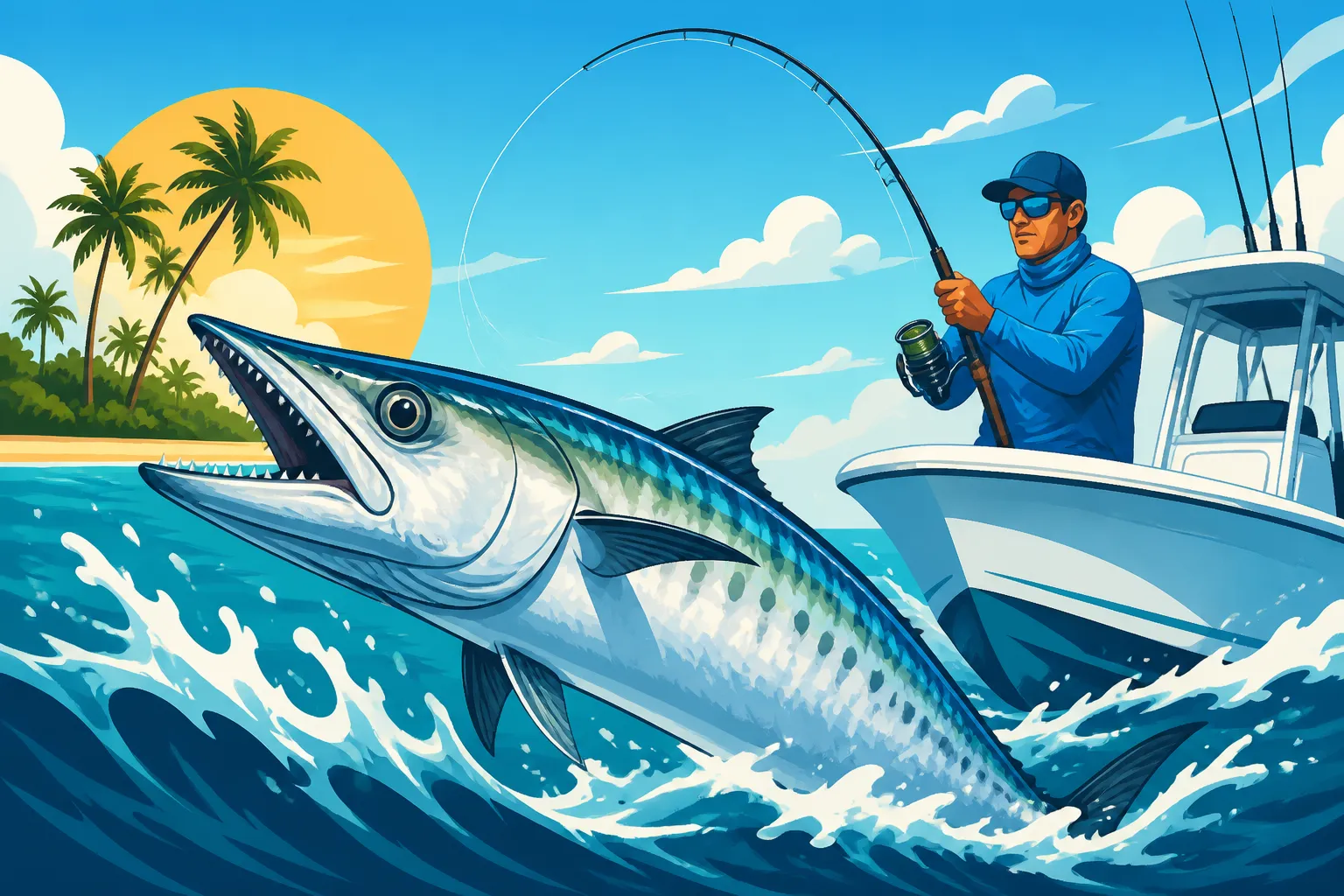
Few things get an angler's blood pumping quite like the screaming run of a king mackerel as it strips line off your reel. But if you’ve ever tried to target these toothy speedsters in Florida, you know it can be a hit-or-miss affair if you don’t understand their habits and the best techniques to catch them. This comprehensive guide is here to unravel the mysteries of king mackerel fishing in the Sunshine State, offering practical advice and seasoned tips to boost your success.
Understanding King Mackerel in Florida
King mackerel, often affectionately called "kings" or "smoker kings" for their incredible speed and the way they'll make your reel smoke, are a highly sought-after pelagic species in Florida. They represent the thrill of offshore fishing, combining fierce fights with excellent table fare when handled correctly. Knowing their biology and preferred habitats is your first step to consistently finding them.
King Mackerel Biology and Habitat
King mackerel (scientific name: Scomberomorus cavalla) are sleek, torpedo-shaped predators built for speed. They belong to the mackerel family and are characterized by their iridescent bluish-green backs fading into silvery sides, a distinct lateral line that drops sharply below the second dorsal fin, and a formidable set of razor-sharp teeth. Unlike their smaller cousins, the Spanish mackerel, kings lack spots on their sides (though juveniles might have faint ones that disappear with age). They can grow to impressive sizes, with large "smoker kings" often weighing over 30 pounds, and some even pushing into the 60-pound range or more!
These fish are migratory, constantly on the move in search of baitfish and favorable water temperatures. They prefer clear, open waters, typically found in coastal areas, around offshore wrecks and reefs, along ledges, and near strong current lines. You’ll rarely find them lurking in shallow, murky backwaters. They are highly attuned to temperature, favoring waters generally between 68 and 78 degrees Fahrenheit, which dictates their movement up and down Florida’s coasts throughout the year.
Why Florida is a King Mackerel Hotspot
Florida's unique geography, with its extensive coastline bordering both the Gulf of Mexico and the Atlantic Ocean, coupled with the warm currents of the Gulf Stream and a vibrant baitfish population, makes it an absolute paradise for king mackerel. From the Panhandle down to the Florida Keys and up the Atlantic seaboard, kings migrate through these waters, offering year-round fishing opportunities in different regions. The sheer abundance of natural and artificial reefs, ledges, and shipping channels provides ideal ambush points for these apex predators.
The consistency of warm water, particularly along the Gulf Stream on the Atlantic side, means kings are almost always accessible if you know where and when to look. Anglers flock to Florida for the chance to hook into these powerful fish, knowing that whether it’s spring, summer, fall, or even a mild winter, there’s usually a bite happening somewhere in the state. This makes Florida a premier destination for those looking to experience the adrenaline rush of king mackerel fishing. You'll find many reputable Florida Offshore Fishing Charter Guide services specializing in kingfish.
Identifying King Mackerel
Distinguishing king mackerel from their close relatives, the Spanish mackerel, is crucial not only for proper identification but also for adhering to Florida Fishing Regulations and Bag Limits, as their size and bag limits differ. The most obvious difference is size; kings are much larger on average. However, smaller kings can sometimes be confused with larger Spanish mackerel.
The key identification features are:
- Size: Kings are generally much larger, with adults usually over 2-3 feet long and weighing 10+ pounds. Spanish mackerel rarely exceed 2-3 pounds.
- Lateral Line: King mackerel have a distinctive lateral line that makes a sharp dip below the second dorsal fin. Spanish mackerel have a lateral line that gradually curves down.
- Spots: Adult king mackerel typically have no spots on their sides. Spanish mackerel have prominent yellow-gold spots on their sides, which are more elongated than round. Juvenile kings might have faint spots, but they usually fade as the fish grows.
- First Dorsal Fin: The front part of the first dorsal fin on a king mackerel is dark. On Spanish mackerel, it is usually uniformly dark.
- Mouth/Teeth: Both have sharp teeth, but a king mackerel's mouth is more imposing, clearly designed for slicing through bait.
It’s always a good idea to refresh your knowledge on Difference Between King Mackerel and Spanish Mackerel to ensure you're correctly identifying your catch and staying within legal limits.
Florida King Mackerel Fishing Seasons and Best Times
Fishing for king mackerel in Florida is largely dictated by their migratory patterns and water temperatures. While they can be caught year-round in various parts of the state, certain seasons and conditions offer much better chances of success. Understanding these patterns is key to planning a productive trip.
Seasonal Migration Patterns in Florida
King mackerel are highly migratory. In the spring, as water temperatures warm, they begin moving north along both the Gulf and Atlantic coasts of Florida. On the Atlantic side, this migration brings them close to shore from South Florida up towards Jacksonville. They follow the baitfish schools, often staging around major inlets and nearshore reefs. On the Gulf side, the spring migration sees them moving north from the Keys and Southwest Florida, populating central and northern Gulf waters.
During summer, kings are widespread throughout Florida's offshore waters, from the Panhandle to the Keys. While some large "smoker" kings can still be found closer to shore, many will move further offshore to deeper, cooler waters. Fall marks their southern migration as temperatures begin to drop. This is often considered one of the absolute best times to target king mackerel, especially along the Atlantic coast, as large schools of baitfish, like mullet and pogies, stream south, bringing hungry kings right into striking distance of beaches and piers. In winter, most kings will be found in the warmer waters of South Florida and the Florida Keys, though deep offshore wrecks further north can still hold scattered fish. If you're wondering about the optimal window, Best Month to Catch King Mackerel in Florida is typically during these spring and fall migrations.
Ideal Weather and Water Conditions
King mackerel are opportunistic feeders, but certain conditions undeniably make them more active. They tend to prefer clear, clean water, so areas affected by heavy rain runoff or algae blooms might not be as productive. Look for distinct color changes in the water, often indicating current lines where baitfish congregate – and kings follow.
Weather-wise, stable conditions are generally preferred. A light chop on the water can actually be beneficial, as it breaks up the surface and makes it harder for baitfish to spot predators, while also helping your boat drift or troll effectively. Strong cold fronts can push kings offshore or make them less active, especially in shallower waters. Conversely, a prolonged period of warm, sunny weather after a cold snap can really turn them on. Pay attention to water temperature; a consistent range of 68-78°F is often the sweet spot. You might also find these details useful in the broader Florida Fishing Seasons Explained guide.
Best Time of Day for King Mackerel
Like many predatory fish, king mackerel often feed most aggressively during periods of low light. This means early morning, just after sunrise, and late afternoon, leading up to sunset, are frequently the most productive times. During these hours, baitfish are often more active near the surface, and the kings are in full hunting mode.
However, kings can and will bite throughout the day, especially if there's a strong current, a moving bait school, or if you're fishing a deep structure. On bright, sunny days, they might descend to deeper depths, so adjusting your bait presentation or trolling depth becomes important. Tides also play a role, particularly in nearshore areas and around inlets. Moving tides, whether incoming or outgoing, concentrate baitfish and create current, which kings love. It's all about finding that nexus of active bait and good current.
Essential Gear for King Mackerel Fishing
Having the right gear is non-negotiable when targeting king mackerel. These fish are powerful, fast, and boast a mouth full of razor-sharp teeth. Undergunned tackle often results in heartbreak – or, more accurately, bite-offs and lost fish. Investing in quality equipment will pay dividends in successful catches.
Rods, Reels, and Line Selection
For king mackerel, you'll want a medium-heavy to heavy conventional or spinning setup. The choice often comes down to personal preference and fishing style, but both can be highly effective.
- Rods: Look for rods in the 7-8 foot range, with a fast to moderate-fast action. This length provides good casting distance (especially important for free-lining or pier fishing) and ample leverage for fighting big fish. A powerful backbone is essential to handle the king's initial blistering runs and subsequent head shakes. Many anglers prefer fiberglass or composite rods for their durability and shock absorption.
- Reels:
- Conventional Reels: Many seasoned kingfish anglers swear by conventional reels for trolling or live baiting, especially those with a good lever drag system. They offer superior cranking power and line capacity. Look for models in the 20-30 lb class, capable of holding 300+ yards of line. Popular choices often have smooth, consistent drag systems that won't falter under pressure.
- Spinning Reels: For casting lures, throwing live baits, or those who prefer the simplicity of spinning gear, a heavy-duty spinning reel in the 6000-8000 size range is appropriate. Ensure it has a robust drag and can hold plenty of line.
- Line: Spool your reel with 20-40 lb monofilament or braided line.
- Monofilament: Monofilament offers good shock absorption and is more forgiving than braid. Its stretch can be an advantage when a king makes its initial blistering run.
- Braided Line: Braid offers superior sensitivity, incredible strength-to-diameter ratio, and virtually no stretch. This allows for longer casts and more direct contact with the fish. If using braid, a top shot of 50-100 feet of monofilament (30-50 lb test) can provide some shock absorption and make tying knots to swivels easier. Regardless of your main line, you'll need a short section of heavy monofilament or fluorocarbon leader (40-80 lb) tied to a small, strong swivel, followed by a wire leader.
For specific recommendations, check out a guide like Best Rod and Reel Setup for Florida Offshore Fishing, which will cover gear capable of handling other pelagics too. You can find a fantastic selection of reputable brands like Shimano, Penn, and Daiwa on Amazon to suit various budgets and preferences.
Lures, Baits, and Rigging Techniques
King mackerel are visual predators with a keen sense of smell, making both artificial lures and live bait highly effective.
- Artificial Lures:
- Spoons: Large, flashy trolling spoons (like Clark Spoons) are incredibly effective when trolled behind a planer or downrigger. They imitate fleeing baitfish and can draw strikes from aggressive kings.
- Plugs/Hard Baits: Deep-diving or lipped plugs, often called "cigarette plugs" for their shape, mimic larger baitfish. They can be trolled at various speeds and depths.
- Jigs: Heavy jigs can be effective when fishing around structure, especially if you spot kings on your sonar. Vertical jigging can entice a strike.
- Dusters/Skirts: These colorful skirts, often rigged in front of a baitfish or a dead ribbonfish, add flash and vibration, making your presentation more appealing.
- Live Bait: This is often the most productive method, especially for larger "smoker" kings.
- Pilchards, Threadfin Herring, Sardines: These smaller baits are excellent for free-lining or slow-trolling.
- Blue Runners, Goggle Eyes, Speedos: Larger, tougher baits that are great for bigger kings, especially when fishing rougher conditions or around strong currents.
- Mullet: Both live and dead finger mullet can be effective, especially during the fall mullet run.
- Baitfish Presentation: When live baiting, it's crucial to keep your baits healthy and lively. A good baitwell is essential.
- Rigging: Given their razor-sharp teeth, a wire leader is absolutely essential.
- Kingfish Rig: A standard kingfish rig consists of a short section of multi-strand wire leader (e.g., 40-60 lb test) tied to a small, strong swivel, followed by a main hook and one or two "stinger" hooks. The stinger hooks are typically treble hooks, attached to the main hook via a short piece of wire, ensuring that even if the king short-strikes the bait, it's still likely to get hooked. The main hook goes through the bait's nose or mouth, and the stinger hooks trail back along the bait's body.
- Leaders: Keep your wire leaders as light as possible while still being effective. Too heavy, and you might spook the fish; too light, and you risk a bite-off. Many anglers use pre-made wire leaders available on Amazon or at local tackle shops.
Safety and Essential Accessories
King mackerel fishing often takes you offshore, sometimes at high speeds, and handling these fish requires caution.
- Safety Gear: Always have appropriate safety gear on board, including life jackets for everyone, a first-aid kit, flares, and a VHF radio.
- De-hooking Tools & Gloves: Kings have extremely sharp teeth. Never put your bare hands near a king mackerel's mouth. Long-nosed pliers or a de-hooking tool are crucial for removing hooks safely. Heavy-duty gloves can also offer some protection.
- Gaff: A gaff is almost essential for landing larger king mackerel quickly and efficiently. Choose one with a sharp hook and a sturdy handle.
- Cooler & Ice: Kings are fantastic eating fish, but they need to be bled immediately and put on ice to preserve their quality. A large cooler packed with plenty of ice is a must. Check out Best Way to Keep Fish Fresh on a Boat for more details on proper fish handling.
- Sun Protection: Florida sun is intense. Sunscreen, a wide-brimmed hat, sunglasses, and long-sleeved shirts are critical for comfort and safety.
- Electronics: A good fish finder/chartplotter combination can be invaluable for locating bait schools, identifying structure, and marking productive fishing spots.
Top Techniques for Catching Florida King Mackerel
King mackerel can be caught using a variety of methods, but some techniques are consistently more productive, especially from a boat. Understanding these will significantly increase your chances of success.
Trolling for Kings
Trolling is arguably the most popular and effective method for covering water and finding active king mackerel. It involves dragging baits or lures behind a moving boat at a controlled speed.
- Speed and Depth: Kings are fast swimmers, so a trolling speed of 4-8 knots is generally effective, though sometimes slower or faster speeds can trigger bites. Experiment to see what works on a given day. Depth control is critical. Use planers, downriggers, or heavy trolling weights to get your baits to the desired depth. Kings often feed higher in the water column, especially early morning or late evening, but might go deeper during midday or when the sun is high.
- Spreader Bars and Birds: To create more commotion and attract attention, some anglers use spreader bars or "bird" teasers that splash on the surface, mimicking a school of baitfish or birds working over them.
- Baits and Lures for Trolling: Dead cigar minnows, ballyhoo, or ribbonfish rigged on a wire leader with stinger hooks are prime choices. Artificial lures like large spoons (e.g., Clark Spoons behind a planer) and deep-diving plugs are also highly effective. Varying your spread with different baits/lures and depths can help you dial in on what the kings are hitting.
- Pattern and Structure: Troll around known structures like wrecks, reefs, and ledges. Also, pay attention to depth contours and any changes in water color or temperature that might indicate a current rip. Don't be afraid to make wide turns or figure-eights, as these changes in speed and direction can often trigger a strike. For a deeper dive into this method, consult Trolling Technique for Offshore Fishing.
Live Bait Fishing with Kites or Free-Lining
When kings are finicky or concentrated in a particular area, live bait fishing can be deadly. It presents a natural, struggling meal that is hard for a king to resist.
- Free-Lining: This is often done from a drifting or slow-trolling boat, or even from a large pier or bridge. Simply hook a lively baitfish through the nose or back, attach it to a wire leader, and let it swim freely. You can add a small sinker if you need to get it down a bit, but the goal is for the bait to swim naturally. This method works exceptionally well when kings are feeding on the surface or near the top of the water column. Keep a watchful eye on your bait, as a king mackerel strike can be sudden and violent.
- Kite Fishing: Kite fishing is a more advanced technique that is incredibly effective for presenting live baits on the surface, especially when conditions are calm. The kite keeps your bait struggling on the surface, creating irresistible splashes that kings often target. It also keeps your line out of the water, minimizing line shy issues. This method allows you to cover a wide area without spooking fish with your boat. It's particularly popular for targeting larger "smoker" kings that might be more wary of boats. You’ll need specialized kites, release clips, and a little practice, but the results can be phenomenal.
- Chumming: When stationary, deploying a chum bag full of ground fish or cut bait can draw kings closer to your boat. The scent trail can attract them from a distance, making them more likely to find your free-lined live baits. Many anglers keep a steady stream of small live baits or pieces of cut bait going out with the chum to simulate an active feeding frenzy.
Pier and Bridge Fishing for Kings
Don't have a boat? No problem! Florida offers incredible opportunities to catch king mackerel from large fishing piers and certain bridges, particularly during the spring and fall migrations.
- Location and Timing: Look for long, deep-water piers that extend into the ocean or Gulf, often near shipping channels or artificial reefs. The Sunshine Skyway Fishing Pier, Jacksonville Beach Pier, and Anglin's Fishing Pier are just a few examples. Timing is everything; target the spring and fall migrations when kings move closer to shore. Early mornings and late afternoons are prime times.
- Techniques from Shore:
- Live Baiting: This is the most popular and effective method. Anglers often use cast nets to catch local baitfish like pilchards or threadfin herring right from the pier. These are then free-lined or fished under a balloon or large float to keep them in the strike zone.
- King Rigs: The same wire-leader kingfish rigs used from boats are employed here. You'll need a heavy-duty setup to cast these rigs effectively and fight a powerful king from a stationary platform.
- Casting Spoons/Jigs: If kings are busting bait on the surface within casting distance, throwing large spoons or heavy jigs can elicit strikes. Retrieve them quickly to mimic fleeing baitfish.
- Considerations: Fishing from a pier or bridge comes with its own challenges. You need to be mindful of other anglers, especially when fighting a fish that can run hundreds of yards. A long-handled pier gaff is essential for landing fish. Also, be aware of any local regulations regarding fishing from these structures, as they may differ from general Florida Saltwater Fishing License Rules.
Florida King Mackerel Regulations and Conservation
Fishing for king mackerel in Florida comes with specific rules and regulations designed to manage the species sustainably. As responsible anglers, it's our duty to understand and adhere to these guidelines to ensure healthy fish populations for generations to come.
Size and Bag Limits
Regulations for king mackerel can vary slightly between the Gulf of Mexico and the Atlantic Ocean zones, and they can also change over time based on stock assessments and management decisions. It's absolutely critical to check the latest regulations before you head out. These details are often updated annually by the Florida Fish and Wildlife Conservation Commission (FWC).
Generally, there will be:
- Minimum Size Limit: King mackerel must be at least a certain length (e.g., 24 inches fork length in some regions). Fork length is measured from the tip of the nose to the fork in the tail.
- Bag Limit: There is usually a daily bag limit per person (e.g., two king mackerel per person per day). This limits the number of fish an individual angler can keep in a 24-hour period.
- Vessel Limit: Sometimes, there is also a vessel limit, which caps the total number of king mackerel that can be kept by all anglers on a single boat, regardless of how many people are fishing.
Always consult the most current FWC regulations. A quick search for "Florida FWC King Mackerel Regulations" will usually direct you to the official source. You can also find comprehensive information in resources like Florida Bag Limit for King Mackerel. Remember, ignorance of the law is no excuse, and penalties for violations can be significant.
Conservation Efforts and Sustainable Practices
The health of the king mackerel fishery is a priority for state and federal agencies. Conservation efforts often involve:
- Size and Bag Limits: As mentioned, these are primary tools to prevent overfishing and allow fish to reach reproductive age.
- Stock Assessments: Scientists regularly assess king mackerel populations to understand their health and inform management decisions.
- Habitat Protection: Protecting the coastal and offshore habitats where kings feed and spawn is crucial.
- Angler Education: Educating anglers on proper handling, catch-and-release techniques, and the importance of adhering to regulations is a continuous effort.
As anglers, we play a vital role in conservation. Practice selective harvesting, meaning only keeping what you need and releasing healthy fish that are within the legal slot. Consider participating in citizen science programs or reporting unusual catches to the FWC. Every action we take helps ensure a thriving fishery.
Handling and Releasing King Mackerel
If you decide to release a king mackerel, proper handling is key to its survival. Kings are tough fish, but rough handling can significantly reduce their chances of survival post-release.
- Minimize Fight Time: Fight the fish as quickly as possible to avoid exhausting it too much.
- Wet Hands/Gloves: If you need to handle the fish directly, wet your hands or wear wet gloves to protect its slime coat, which is vital for disease prevention.
- De-hook Carefully: Use a de-hooking tool or long-nosed pliers to remove hooks quickly and gently. If the fish is deeply hooked, especially in the gills or throat, cut the line as close to the hook as possible. Don't try to rip the hook out, as this will cause more damage.
- Support the Fish: If you lift the fish for a quick photo, support its body horizontally. Never hold a large king mackerel vertically by its jaw or tail, as this can damage its internal organs and spine.
- Revive If Necessary: If the fish seems sluggish, hold it gently in the water, facing into the current, and move it back and forth to force water over its gills until it regains strength and swims away on its own.
- Safety First: Always remember those sharp teeth! Use extreme caution when handling a king mackerel, whether keeping or releasing it.
Preparing Your King Mackerel Catch
King mackerel are renowned for their fighting ability, but they also make for excellent table fare when handled properly. Their firm, flavorful meat is versatile and can be prepared in numerous ways.
Field Dressing and Storage
The key to delicious king mackerel is immediate and proper care after the catch. Kings have a darker, bloodier meat compared to some other fish, and if not handled correctly, it can develop a strong, "fishy" taste.
- Bleed Immediately: As soon as you land a king mackerel, bleed it. Cut the gills or the artery just behind the pectoral fin. This removes much of the blood, which contributes to the stronger flavor, and significantly improves the taste and texture of the meat. Let it bleed out thoroughly, perhaps by hanging it over the side of the boat or placing it in a designated bleeding bucket.
- Ice Down: After bleeding, get the fish on ice as quickly as possible. A full cooler of ice is not optional; it's essential. The colder you keep the fish, the better the quality of the meat will be. Lay the fish flat on ice, ensuring it's completely surrounded.
- Filleting: Filleting a king mackerel requires caution due to its sharp teeth and bony structure near the head. Use a sharp, flexible fillet knife. You'll want to remove the "bloodline" – the darker, sometimes reddish meat that runs down the center of the fillet – as this is another source of stronger flavor. Trim it out carefully.
- Storage: Once filleted and cleaned, rinse the fillets with cold, fresh water and pat them dry. Store them in airtight bags or vacuum-sealed packages. They will keep in the refrigerator for a day or two, or in the freezer for several months. For optimal flavor and texture, use them within a few weeks of freezing. For more general advice on preparing fish, consider looking into guides like How to Fillet a Snapper.
Cooking King Mackerel
King mackerel is a relatively fatty fish, which makes it great for grilling, smoking, and baking. The fat helps keep the meat moist and flavorful.
- Grilling: This is one of the most popular ways to prepare king mackerel. Cut the fillets into steaks, brush with olive oil, season with salt, pepper, garlic, and your favorite herbs (lemon pepper or blackened seasoning works wonders). Grill over medium-high heat until flaky, about 3-5 minutes per side, depending on thickness. The slight char from the grill adds a fantastic dimension of flavor.
- Baking: Baking is another healthy and easy option. Place fillets on a baking sheet, top with butter, lemon slices, herbs, and a sprinkle of paprika. Bake at 375°F (190°C) until cooked through and flaky, typically 15-20 minutes.
- Smoking: King mackerel is absolutely phenomenal when smoked. The rich, oily meat takes to smoke beautifully, creating a tender, flavorful dish. Smoke low and slow with your favorite wood chips (hickory, apple, or pecan are great choices) until the internal temperature reaches a safe level and the meat is flaky.
- Frying: While often grilled or baked, smaller, thinner fillets of king mackerel can also be fried. A light breading or batter will give it a nice crisp texture. Just be mindful of overcooking, as it can dry out quickly.
- Ceviche: For a fresh, zesty option, thinly slice king mackerel fillets (ensure they are very fresh and properly handled) and marinate them in lime or lemon juice with diced red onion, cilantro, and jalapeño. The acidity "cooks" the fish, creating a refreshing appetizer.
King mackerel's robust flavor stands up well to bolder seasonings. Don't be shy with marinades, rubs, or sauces that complement its richness. It's a true prize, both for the fight and for the plate!
Disclaimer
This article is for general informational purposes only and does not constitute professional advice. Laws, prices and regulations vary by location and change over time. Consult a qualified professional for guidance on your specific situation.