Florida Gag Grouper Minimum Size
There’s nothing quite like the adrenaline rush of hooking into a powerful Gag Grouper in Florida’s abundant waters. You fight hard, bring it to the boat, and then comes that crucial moment of truth: is it a keeper? Navigating Florida's fishing regulations, especially minimum size limits, can feel like a labyrinth, leaving many anglers frustrated and uncertain. This comprehensive guide will untangle the rules surrounding the Florida Gag Grouper minimum size, helping you fish confidently, legally, and sustainably, ensuring those incredible moments on the water can continue for generations.
Why Minimum Size Limits Matter for Gag Grouper
When you’re out on the water, excited about your catch, it can be easy to focus only on the immediate thrill. But those seemingly arbitrary size limits are actually a cornerstone of healthy fish populations. They’re not there to make your life harder; they’re designed to protect the very resource we all love to pursue. Understanding the "why" behind these rules often makes them much easier to accept and follow.
The Biology Behind the Regulation
Gag Grouper, like many other prized bottom fish in Florida, have a fascinating life cycle that makes minimum size limits particularly critical. These fish are protogynous hermaphrodites, which is a fancy way of saying they start their adult lives as females and later transition into males. This unique characteristic is a huge factor in why regulations are so important. Females typically mature and begin spawning around 3 to 5 years of age. They need to reach a certain size before they can successfully reproduce and contribute to the next generation of Gag Grouper.
If we were to harvest all the smaller fish, we would be primarily removing the younger females from the population before they’ve had a chance to spawn. This drastically impacts the reproductive potential of the entire stock. Think of it like a fruit tree: if you pick all the fruit when it’s small and green, you never get to enjoy the ripe, mature fruit, and the tree doesn't get to drop seeds for future seasons. By allowing Gag Grouper to reach a minimum size, we're giving them a chance to complete their crucial role in the ecosystem, ensuring there are plenty of fish for tomorrow's anglers.
Conservation and Sustainable Fishing
The Florida Fish and Wildlife Conservation Commission (FWC) sets these size limits based on extensive scientific research, stock assessments, and population modeling. Their goal is to maintain a sustainable fishery, meaning there are enough fish in the water to support both recreational and commercial fishing without depleting the population. It's about finding that delicate balance.
It’s true, it can sometimes feel like a chore to measure every single fish you catch, especially when the bite is hot, or you're wrestling a feisty Gag to the boat. However, every time you conscientiously measure a fish and release an undersized one, you're directly participating in the conservation efforts that keep Florida's waters teeming with life. This commitment to responsible angling helps fund and inform the very regulations that protect these species. In fact, the money from your Florida Fishing License Guide often goes directly to these conservation programs. This collective effort ensures that Florida remains a premier fishing destination, year after year.
Understanding the Current Florida Gag Grouper Minimum Size
One of the biggest sources of confusion for anglers targeting Gag Grouper is the perception that regulations vary wildly across different parts of Florida. While some rules, like season dates and bag limits, certainly do differ, the minimum size for Gag Grouper actually remains consistent across a wide swath of Florida’s waters.
Gulf vs. Atlantic Regulations
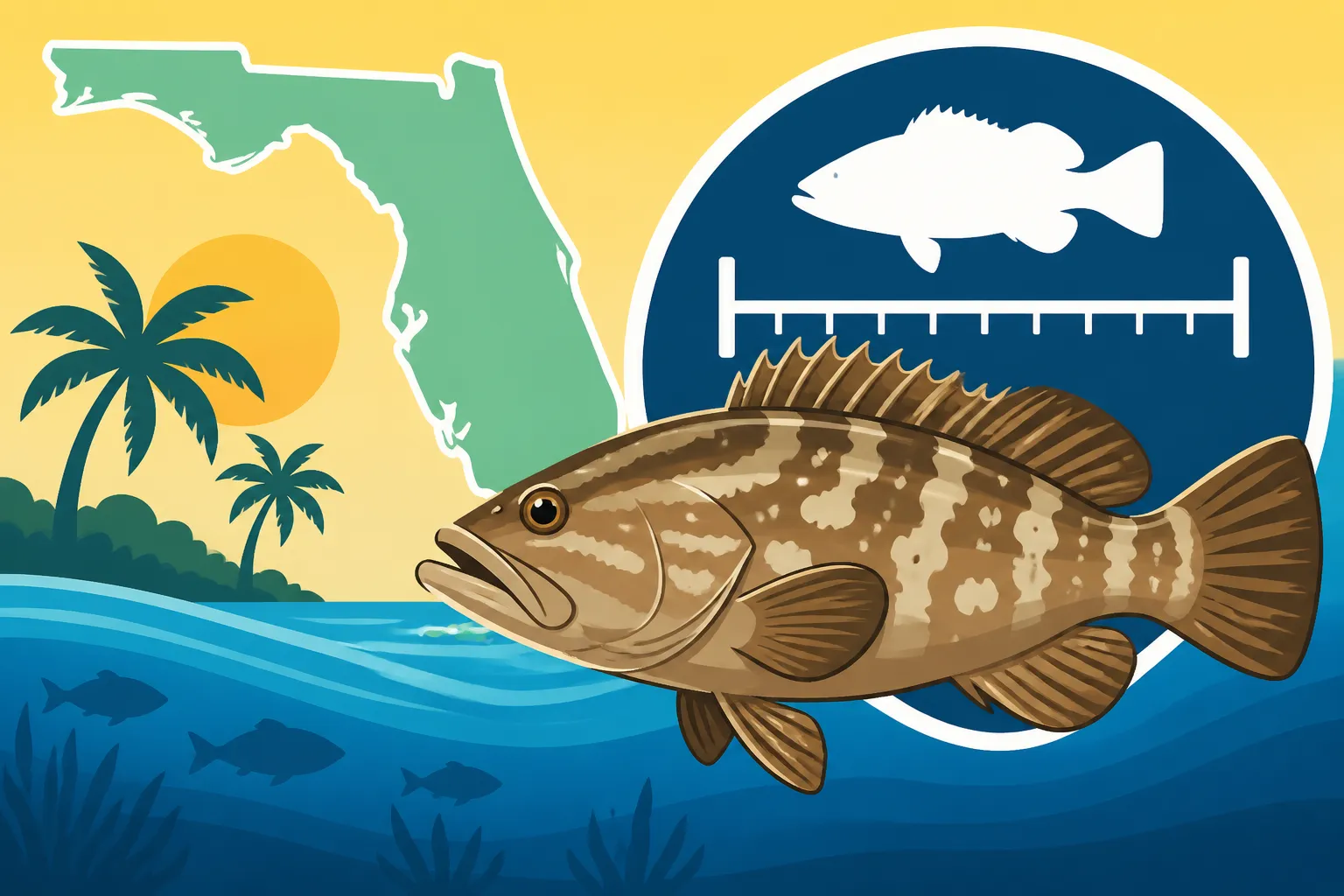
Here's the often-misunderstood truth about Gag Grouper minimum size: for recreational fishing, the minimum size limit for Gag Grouper is 24 inches total length in both state and federal waters of the Gulf of Mexico and the Atlantic Ocean. That's right, 24 inches across the board!
This consistency can be a relief, as many anglers often stress about different sizes depending on whether they're fishing off Clearwater in the Gulf or out of Stuart on the Atlantic coast. The confusion often stems from the fact that other regulations, such as Florida Gag Grouper Season Dates and Gag Grouper Size and Bag Limits, do frequently differ between the Gulf and Atlantic. For instance, the daily bag limit for Gag Grouper might be two fish per person per day in the Gulf, while it's often reduced to one fish per person per day in the Atlantic. These varying rules for other aspects of the fishery often lead people to believe the minimum size is also different, but for Gag Grouper, it’s a standard 24 inches total length. Always remember that while the minimum size is consistent, it's vital to check all regulations for your specific region before you head out.
How to Accurately Measure Your Catch
Knowing the minimum size is one thing; accurately measuring your fish when it’s flopping around on the deck is another. Getting this wrong can lead to serious consequences, so here’s a step-by-step guide to make sure you're always spot-on:
- Prepare Your Measuring Device: Before you even start fishing, have a reliable measuring device ready. A simple measuring tape can work, but specialized fish measuring boards or rulers are much easier and more accurate. Many anglers find products available on Amazon to be incredibly useful for their durability and clear markings. Lay it flat on a stable surface, ideally where it won't be exposed to too much sun or heat.
- Land the Fish Carefully: Once you've successfully brought the Gag Grouper to the boat, handle it gently but firmly. If you plan to release it, minimize its time out of the water.
- Place the Fish on the Device: Lay the fish flat against your measuring device. The nose of the fish should be against the "zero" mark or the end-stop of your measuring board.
- Close the Mouth and Pinch the Tail: This is where "total length" comes in. The FWC defines total length as the straight-line distance from the most forward point of the head to the farthest tip of the tail with the tail compressed or squeezed together. Make sure the mouth is closed, and gently, but firmly, pinch the tail fins together to get the maximum length measurement. Avoid bending the fish; keep it as straight as possible.
- Read the Measurement: Take a clear reading at the farthest point of the pinched tail. If it’s exactly 24 inches or longer, congratulations, you've got a keeper (assuming season and bag limits allow)! If it's even a fraction under, it’s a short fish and must be released.
It's better to be overly cautious than to mismeasure and end up with a citation. When in doubt, let it go.
What Happens If You Catch an Undersized Gag Grouper?
So, you’ve reeled in a beautiful Gag Grouper, measured it, and it's just a hair shy of the 24-inch minimum. It’s a moment of mixed emotions – excitement for the fight, but disappointment that it’s not a keeper. What you do next is absolutely crucial, not just for your wallet, but for the health of the fishery.
The Importance of Immediate Release
Catching an undersized fish and realizing it's short is a bummer, no doubt. We've all been there, admiring a feisty young Gag and wishing it was just a little bit bigger. However, the most responsible and ethical action is immediate release. The quicker you return that fish to the water, the higher its chances of survival. Here are some best practices for releasing undersized Gag Grouper:
- Minimize Handling: Reduce the amount of time the fish is out of the water. If possible, measure it while it’s still in a net in the water.
- Wet Your Hands: Always wet your hands before touching the fish. Dry hands can remove the fish's protective slime coat, making it vulnerable to infection.
- Use Dehooking Tools: Keep dehooking tools readily accessible. A long-nosed pliers or a specialized dehooker allows you to remove the hook quickly and with minimal damage, especially if the fish is hooked deep.
- Support the Fish: If you must hold the fish for a quick photo, support its weight horizontally, ideally with one hand under its belly and another gripping the lower jaw. Avoid holding it vertically by the jaw alone, as this can damage its internal organs.
- Revive If Necessary: If the fish seems sluggish or disoriented, gently hold it in the water, facing into the current, allowing water to flow over its gills. Once it kicks its tail vigorously, it's ready for release.
By following these steps, you're giving that undersized Gag Grouper the best possible chance to grow, mature, and contribute to future spawns. Your actions directly impact the long-term health of the species.
Penalties for Non-Compliance
Let’s be blunt: fishing without adhering to regulations, especially keeping undersized fish, can lead to significant consequences. Ignorance of the law is never an excuse in the eyes of the Florida Fish and Wildlife Conservation Commission (FWC). Their officers are constantly patrolling Florida's vast waterways, ensuring that anglers are complying with the rules.
If you are caught with an undersized Gag Grouper, you could face a range of penalties. This often starts with a civil infraction, resulting in a substantial fine. In more egregious or repeat offenses, especially if you have multiple undersized fish, the penalties can escalate to criminal charges, potential confiscation of your gear (including your boat in severe cases), and even suspension of your fishing privileges. FWC officers are dedicated to protecting Florida's natural resources, and they take these violations seriously. To avoid these stressful and costly situations, always double-check the rules, measure every fish, and release anything that doesn't meet the legal requirements. It's also critical to have your Florida Fishing License Exemptions in order and understand all aspects of the Florida Fishing License Guide.
Staying Updated on Gag Grouper Regulations
Florida's fisheries are dynamic, and so are the regulations designed to manage them. What was true last year, or even last season, might have changed. Relying on outdated information is a common pitfall that can lead to unintentional violations.
Why Regulations Change
Fishing regulations aren't set in stone; they are living documents that evolve based on a wealth of information. The FWC continually monitors fish populations through scientific stock assessments, which evaluate the health and abundance of species like Gag Grouper. Factors such as reproductive success, fishing pressure (both recreational and commercial), and environmental conditions all play a role. For example, events like significant red tides can impact fish populations, leading to temporary closures or adjusted bag limits. Knowing How Red Tide Affects Fishing in Florida is crucial for responsible angling.
These changes are not arbitrary; they are the result of ongoing research, public input, and careful consideration by fishery managers. The goal is always to ensure the long-term health and sustainability of the resource. While it can sometimes be frustrating to keep up with the shifting rules, remember that these adjustments are made to protect the fishing opportunities we all cherish.
Best Resources for Current Information
With regulations subject to change, knowing where to find the most accurate and up-to-date information is paramount. Here are your go-to sources:
- FWC Website (MyFWC.com): This is the ultimate authority. The Florida Fish and Wildlife Conservation Commission's official website is regularly updated with all current regulations, season dates, bag limits, and any emergency closures. Make it a habit to check their "Saltwater Fishing Regulations" section before every fishing trip, especially if you haven't been out in a while or are venturing to a new area.
- The FWC Fish Rules App: For convenient, on-the-go access, the FWC's official Fish Rules app is an invaluable tool. It uses your phone's GPS to show you the regulations specific to your exact location, instantly clarifying size and bag limits, and season dates. It's a game-changer for many anglers and can prevent mistakes.
- Local Bait and Tackle Shops: These local hubs are treasure troves of information. The staff and regular customers often have real-time knowledge of local conditions and any recent regulatory changes. They’re also great places to pick up local tips and tricks for your Florida Grouper Fishing Guide adventure.
- Reputable Fishing Guides: If you're planning a guided trip, your Florida Fishing Charter Guide will be intimately familiar with all current regulations. They rely on this knowledge to operate legally and ensure their clients have a successful and compliant trip. Don't hesitate to ask your captain about the rules before you head out.
By proactively seeking out current information, you empower yourself to be a responsible, legal, and ultimately more successful angler.
Here’s a quick overview of key Gag Grouper regulations to keep in mind:
| Regulation | Gulf State & Federal Waters | Atlantic State & Federal Waters |
|---|---|---|
| Minimum Size | 24 inches Total Length | 24 inches Total Length |
| Bag Limit | 2 per person per day | 1 per person per day |
| Season | Check FWC website for current dates | Check FWC website for current dates |
Disclaimer
This article is for general informational purposes only and does not constitute professional advice. Laws, prices and regulations vary by location and change over time. Consult a qualified professional for guidance on your specific situation.