Florida Bag Limit for Mangrove Snapper
There's nothing quite like the thrill of feeling that distinct tug on your line, especially when you know it might be a feisty mangrove snapper. These opportunistic feeders are a blast to catch and absolutely delicious, making them a top target for many Florida anglers. However, the world of fishing regulations can feel like a tangled mess of lines, leaving many of us scratching our heads about what we can legally keep. This guide is here to untangle the specifics of Florida's mangrove snapper bag limits, helping you enjoy your time on the water without worrying about breaking the rules.
Understanding Florida's Mangrove Snapper Bag Limit
The Florida Fish and Wildlife Conservation Commission (FWC) sets these limits with conservation in mind, ensuring that future generations can also enjoy the bounty of our waters. For mangrove snapper, the rules are pretty straightforward, but it's crucial to understand them before you head out. These fish are common in both nearshore and offshore habitats, often found around structures like docks, bridges, and reefs, making them accessible targets for many types of anglers.
The Core Mangrove Snapper Bag Limit
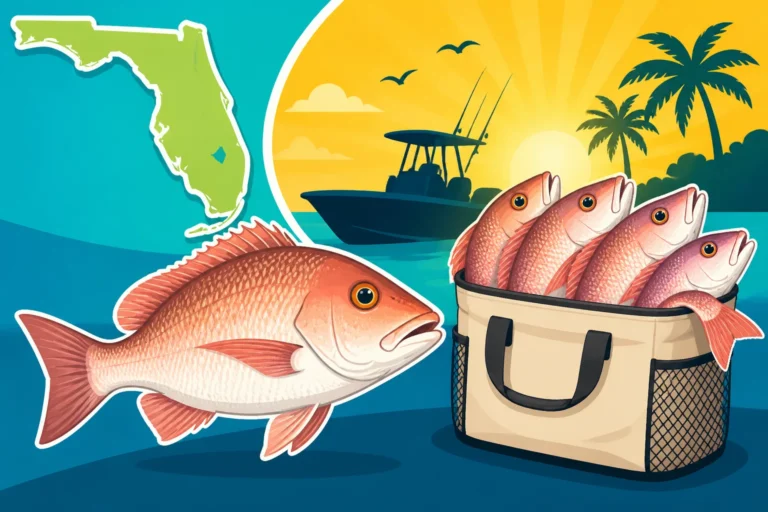
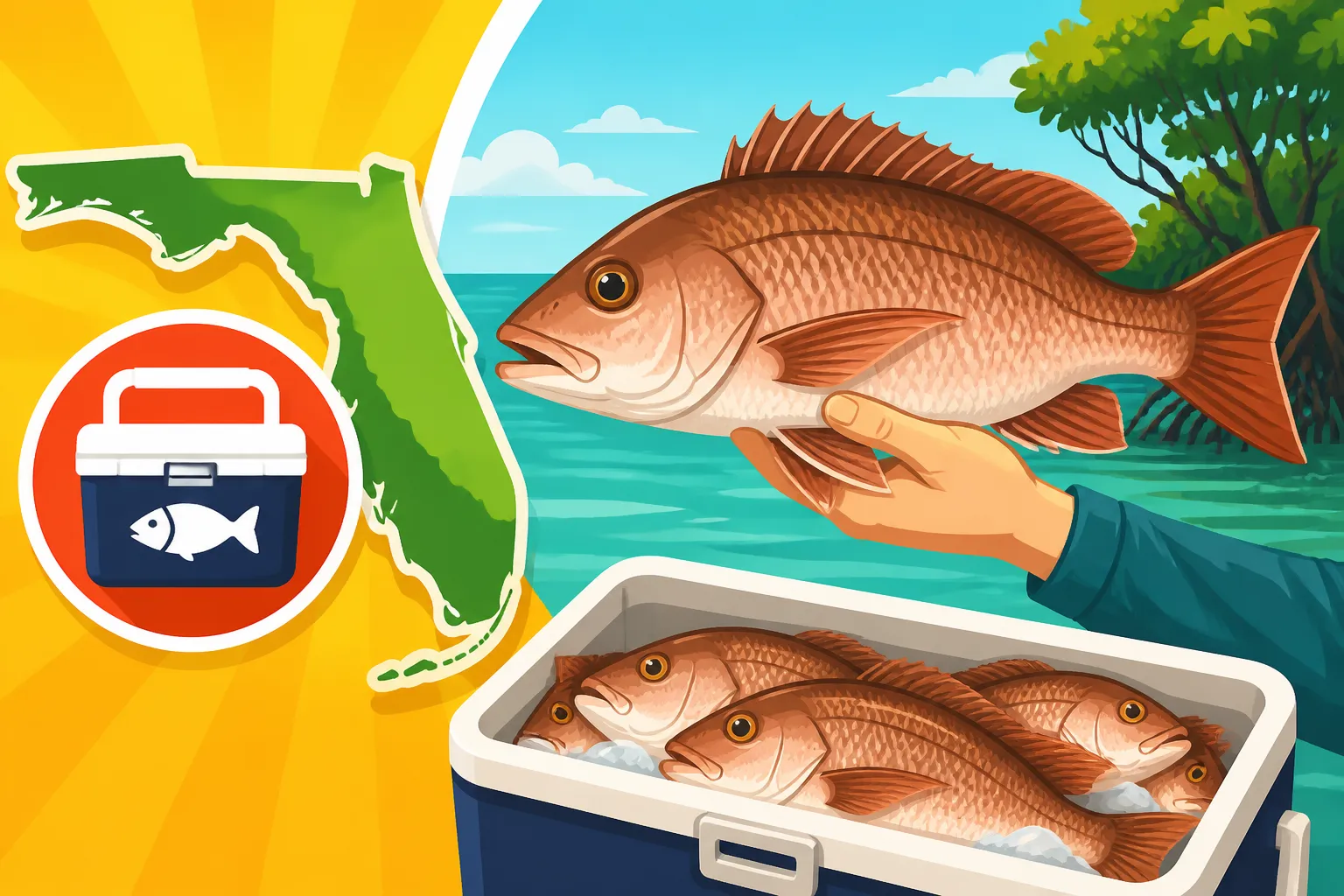
The fundamental rule for mangrove snapper in Florida is designed to allow for recreational harvest while protecting the population. For recreational anglers, the daily bag limit for mangrove snapper is typically 5 fish per person per day. This means that no matter how many you catch, you cannot keep more than five mangrove snapper in a single day. This limit applies to all Florida waters, both state and federal, unless otherwise specified by emergency rules or specific regional closures.
Beyond the number, there's also a size requirement. Any mangrove snapper you keep must meet a minimum size limit. This is usually 10 inches total length. "Total length" means measuring from the most forward point of the head to the farthest tip of the tail, with the tail compressed or squeezed together. This minimum size ensures that fish have a chance to mature and reproduce before they are harvested, contributing to a healthy population. Imagine catching a bunch of smaller ones, thinking they're legal, only to find out they're too short – that's a real bummer, and it can lead to a citation. Always carry a reliable measuring device! You can find a good, durable fish ruler or measuring tape on Amazon to keep with your tackle.
Why These Limits Are So Important
It's easy to look at bag limits and feel like they're just another hurdle between you and a cooler full of fish, but they serve a vital purpose. These regulations are scientifically determined to prevent overfishing and maintain healthy fish populations. Mangrove snapper are a cornerstone of Florida's marine ecosystem, serving as both predator and prey. Without sensible limits, their numbers could decline, impacting not only the fishing experience but the entire marine food web. Think of it this way: every fish that gets to grow to maturity and reproduce contributes to more fish for everyone in the long run.
Beyond the ecological impact, adhering to bag limits also maintains the integrity of the sport itself. When everyone follows the rules, it fosters a sense of responsibility and respect for the natural resources we're so fortunate to enjoy. It also helps in funding conservation efforts through the sale of fishing licenses. How Florida Fishing License Fees Fund Conservation is a topic close to our hearts, as these funds directly support the research and enforcement that keep our fisheries thriving.
How to Correctly Measure Your Mangrove Snapper
Measuring a fish correctly is non-negotiable when it comes to bag limits. An incorrect measurement can turn a legal catch into an illegal one in a flash. For mangrove snapper, remember, it's "total length." Here's how to do it right:
- Lay the fish flat: Place the fish on its side on a flat surface, such as a measuring board or a boat deck with a ruler.
- Mouth closed: Gently close the fish's mouth. The measurement starts from the tip of the jaw.
- Tail compressed: Pinch or squeeze the tail fin lobes together. This compresses the tail to its maximum length.
- Read the measurement: Read the length from the tip of the jaw to the farthest point of the compressed tail.
It’s a common mistake to just lay the fish on the ruler and take a quick glance, especially when the fish is still flopping around. Always take your time, and if there's any doubt, release the fish. A slight mismeasurement can mean the difference between a delicious dinner and a hefty fine. Having a sturdy, clearly marked measuring device is key. Many anglers attach a stick-on ruler to their cooler or boat, or carry a foldable one from a reputable brand you can find on Amazon.
Navigating Common Mangrove Snapper Regulations
While the core bag and size limits for mangrove snapper are fairly consistent, there are nuances and additional rules that anglers need to be aware of. Florida's waters are vast and varied, and some regulations reflect the complexity of managing different fisheries across state and federal jurisdictions. It’s always a good idea to check the most current regulations before each trip, as rules can change seasonally or in response to stock assessments.
The Aggregate Snapper Bag Limit
Here's where it can get a little tricky for anglers targeting a mixed bag of snapper species. Florida has what's called an "aggregate bag limit" for certain snapper species. This means that while you might have a specific limit for mangrove snapper (5 fish), there's also an overarching limit that applies to a combination of different snapper species. The common aggregate bag limit is usually 10 snapper per person per day, which can include a mix of gray (mangrove), lane, and yellowtail snapper, among others.
This means if you've caught your five mangrove snapper, you can still catch and keep up to five more snapper of other species (like lane or yellowtail snapper), as long as those other species also meet their individual size limits and their individual bag limits aren't exceeded. For example, if lane snapper has a 10-fish individual limit and 8-inch minimum, and you caught 5 mangrove snapper, you could theoretically keep up to 5 lane snapper, bringing your total to 10. However, if you caught 6 mangrove snapper, you would be over your mangrove snapper limit, even if your total snapper count was under 10. It's like a nested set of rules, so always keep both the species-specific and the aggregate limits in mind. This is explained further in the Florida Mangrove Snapper Fishing Guide and also in general Florida Fishing Regulations and Bag Limits.
Understanding Federal vs. State Waters
Florida's fishing regulations can also differ depending on whether you're in state or federal waters. Generally, state waters extend 3 nautical miles into the Atlantic Ocean and 9 nautical miles into the Gulf of Mexico. Beyond these lines, you're in federal waters. While for mangrove snapper, the recreational bag and size limits often align between state and federal regulations, this isn't always the case for all species. For instance, species like red snapper have dramatically different seasons and regulations depending on whether you're in state or federal waters.
It's a good practice to know where these boundaries lie, especially if you plan on venturing offshore. Many GPS units and chart plotters can display these lines, giving you real-time information about your location. When in doubt, always default to the more conservative (stricter) regulation. This topic is covered in depth in State Waters vs Federal Waters Fishing Rules in Florida. Ensuring you have the correct Florida Saltwater Fishing License Rules is also vital, as different licenses might apply or certain endorsements could be required for federal waters.
When Limits Might Change: Staying Informed
Regulations are not set in stone; they are dynamic and can change. Factors like stock assessments, environmental conditions (such as red tide events), or unexpected population fluctuations can lead to adjustments in bag limits, size limits, or even temporary closures. The FWC is the primary authority for setting and enforcing these rules in Florida.
It's your responsibility as an angler to stay current. Here's how:
- FWC Website: The official FWC website is the most reliable source for the latest regulations. They update it regularly.
- GoOutdoorsFlorida App: FWC has an app that can provide instant access to regulations, which is super handy when you're out on the water. Florida GoOutdoors App Fishing License also has functionality for licenses.
- Local Bait Shops: These places are often hubs of local fishing knowledge, and the staff usually knows the current rules.
- Reputable Fishing Charters/Guides: If you're fishing with a professional, they should certainly be up-to-date on all current regulations.
Ignoring changing regulations, even unknowingly, is not an excuse for non-compliance. A quick check before each trip can save you a lot of grief and potential penalties.
The Consequences of Exceeding Bag Limits
Nobody wants to deal with a run-in with law enforcement when they're trying to enjoy a peaceful day of fishing. Unfortunately, violations of bag and size limits are taken seriously by the FWC and can result in significant penalties. Understanding these consequences is a powerful motivator to always stay within the legal framework.
Penalties for Violations
Fishing without proper licenses or exceeding bag limits are common violations that can lead to a range of penalties. For a first offense involving bag or size limits for species like mangrove snapper, you're typically looking at a non-criminal infraction, similar to a traffic ticket. This means:
- Fines: The most common penalty is a monetary fine. These fines can vary depending on the severity of the violation (e.g., how many fish over the limit, or how undersized they were). It could be a few hundred dollars, which certainly puts a damper on your fishing budget.
- Forfeiture of Catch: Any illegally caught fish will likely be confiscated. Not only do you lose your catch, but you still have to pay the fine.
- Points Against Your Fishing License: Repeated violations or more serious offenses can lead to points against your fishing license, potentially leading to suspension or revocation. This means you could temporarily lose your privilege to fish in Florida.
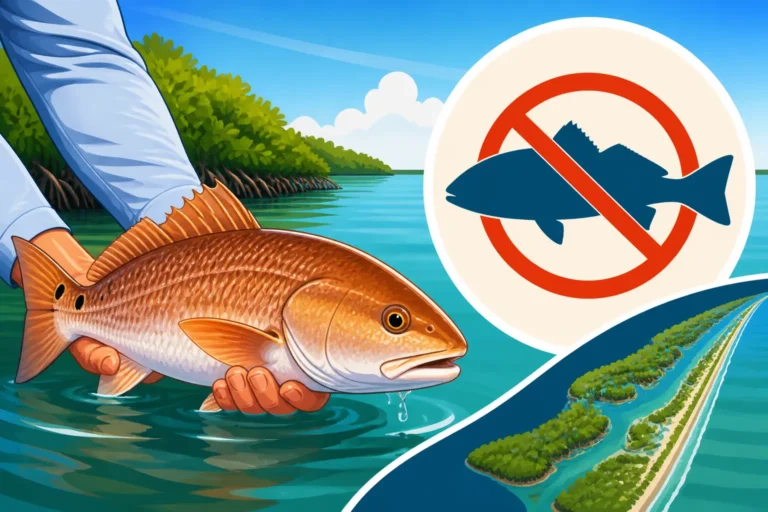
For more egregious or repeated violations, or if combined with other offenses like fishing without a license (you can find more info on What Happens If You Fish Without a License), the penalties can escalate to criminal misdemeanors, which can involve court appearances, higher fines, and in rare cases, even jail time. It's just not worth the risk. Always aim to release any fish that are undersized or put you over your limit immediately and safely. This is discussed in more detail in Penalty for Fishing Without a License in Florida and How Much Is a Fishing Without a License Fine in Florida?.
The Importance of Personal Responsibility
Ultimately, the responsibility for knowing and adhering to Florida's fishing regulations falls squarely on the individual angler. While it's true that rules can sometimes seem complicated or change frequently, ignorance is not a valid defense. Every time you cast a line into Florida waters, you're making a commitment to be a responsible steward of its natural resources.
By respecting the bag limits, size limits, and seasons, you're contributing to sustainable fishing practices. You're ensuring that the mangrove snapper population remains healthy and vibrant, allowing for continued enjoyment for yourself and others. It's part of the angler's unspoken code – fish ethically, fish responsibly, and always err on the side of conservation. So, before your next trip out, take a moment to double-check the FWC regulations, ensure your measuring tape is handy, and go enjoy the incredible fishing Florida has to offer!
Disclaimer
This article is for general informational purposes only and does not constitute professional advice. Laws, prices and regulations vary by location and change over time. Consult a qualified professional for guidance on your specific situation.