Florida Gag Grouper Season Dates
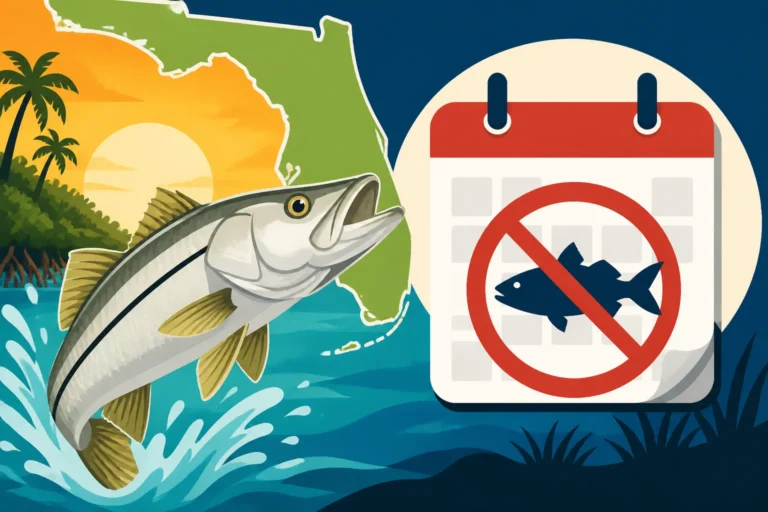
One of the most common frustrations among Florida anglers, myself included, is trying to keep up with the ever-changing and often complex fishing regulations. Nowhere is this more apparent than with the highly sought-after Gag Grouper. Their season dates can feel like a moving target, varying not just year by year but also between the Gulf and Atlantic coasts. This comprehensive guide will untangle those complexities, helping you understand the current Gag Grouper season dates and crucial related rules so you can fish with confidence and stay on the right side of the law.
Understanding the Nuances of Florida Gag Grouper Season
Catching a Gag Grouper is a badge of honor for many Florida anglers, but knowing when you can legally keep one is half the battle. These impressive fish are managed meticulously, and for good reason. Their populations require careful monitoring to ensure healthy stocks for future generations of anglers.
Why Gag Grouper Seasons Differ by Region
It might seem confusing to have different rules for the Gulf and Atlantic sides of Florida, but there’s a solid scientific basis for it. The Gag Grouper populations in the Gulf of Mexico and the Atlantic Ocean are largely distinct, meaning they don't interbreed extensively between the two bodies of water. This separation leads to different stock assessments, which are essentially scientific surveys that gauge the health and abundance of a fish population.
The Florida Fish and Wildlife Conservation Commission (FWC) and federal agencies like NOAA Fisheries conduct these assessments, looking at factors like spawning success, fishing pressure, and environmental conditions. Because the Gulf and Atlantic populations can experience different pressures and recover at different rates, the management strategies – including season dates, size limits, and bag limits – are tailored to each specific region. It's a localized approach designed for maximum effectiveness in conservation.
The Importance of These Regulations for Anglers
These regulations aren't just arbitrary rules designed to make your life harder; they are vital conservation tools. By setting specific seasons, FWC and federal managers aim to protect Gag Grouper during critical periods, such as their spawning aggregations. Allowing these fish to reproduce successfully before being harvested helps ensure a sustainable population for years to come. Imagine if everyone fished during peak spawning times; the population could crash, leading to much longer closures or even a complete moratorium on fishing for the species.
For anglers, understanding and adhering to these rules is paramount. Not only does it contribute directly to the health of the fishery, but it also keeps you out of trouble. Getting caught with an undersized Gag Grouper or one during a closed season can lead to significant fines, confiscation of gear, or even more severe penalties. Ignorance of the law is generally not considered an excuse. Knowing the rules is just as important as knowing how to tie a knot or cast a line, protecting both the fish and your fishing future. For a broader overview of state regulations, check out our guide on Florida Fishing Regulations and Bag Limits.
Decoding Gulf of Mexico Gag Grouper Season Dates
The Gulf of Mexico is a prime spot for Gag Grouper, drawing countless anglers to its waters. However, its season can feel a bit like a jigsaw puzzle, with pieces for state and federal waters, and even some specific county exceptions.
Recreational Season Overview for Gulf Waters
For most of the Gulf of Mexico, the recreational Gag Grouper season in Florida state and federal waters typically opens on June 1st and runs through December 31st. This means that from January 1st through May 31st, Gag Grouper are generally off-limits for recreational harvest in these areas. This consistent closure across both state (up to 9 nautical miles offshore) and federal waters (beyond 9 nautical miles) simplifies things for many anglers, but remember that regulations can always shift, so it’s always best to double-check.
Now, here's where it gets a little more specific. In a few panhandle counties—namely Franklin, Wakulla, Jefferson, and Taylor—the recreational season often has a different schedule. Historically, these counties have had an earlier spring opening, sometimes from April 1st to June 30th, in addition to a fall season from September 1st to December 31st. This unique timing is often due to specific localized stock conditions or fishing patterns in those areas. It's crucial, if you're fishing in these particular counties, to verify the exact dates before you drop a line. The FWC website is your best friend here, or you can even keep up with updates through the Florida GoOutdoors App Fishing License on your phone.
Commercial Season and Other Considerations in the Gulf
While most recreational anglers focus on their own seasons, it’s worth noting that commercial Gag Grouper seasons in the Gulf of Mexico operate under entirely separate rules and often different timings. These seasons are typically managed through quotas, trip limits, and specific gear restrictions, reflecting the different scale and impact of commercial fishing.
Beyond the recreational vs. commercial distinction, understanding the difference between State Waters vs Federal Waters Fishing Rules in Florida is vital for Gag Grouper, especially if you venture offshore. While the season dates for Gag Grouper are often harmonized between state and federal waters in the Gulf, this isn't always the case for all species. Federal waters are managed by NOAA Fisheries, while state waters are managed by FWC, and while they strive for consistency, slight variations can occur. Additionally, always be mindful of the minimum size limit for Gag Grouper, which is generally 24 inches total length in the Gulf. The bag limit is typically 2 fish per person per day, but this falls under the larger aggregate bag limit for grouper, meaning you can't just catch two gag grouper and then two red grouper if the aggregate limit is four. Our dedicated guide on Gag Grouper Size and Bag Limits offers a deep dive into these specifics.
Navigating Atlantic Gag Grouper Season Dates
The Atlantic side of Florida, with its distinct currents and diverse marine life, offers a different experience for Gag Grouper enthusiasts. Consequently, the regulations here, while similar in principle, have their own specific calendar.
Recreational Season Overview for Atlantic Waters
For those fishing the Atlantic coast of Florida, whether in state or federal waters, the recreational Gag Grouper season generally opens on May 1st and closes on December 31st. This provides a substantial window for anglers to target these delicious bottom dwellers. Similar to the Gulf, this means that from January 1st through April 30th, Gag Grouper are off-limits for recreational harvest in the Atlantic. This unified approach for state and federal waters along the Atlantic helps to streamline compliance for recreational anglers.
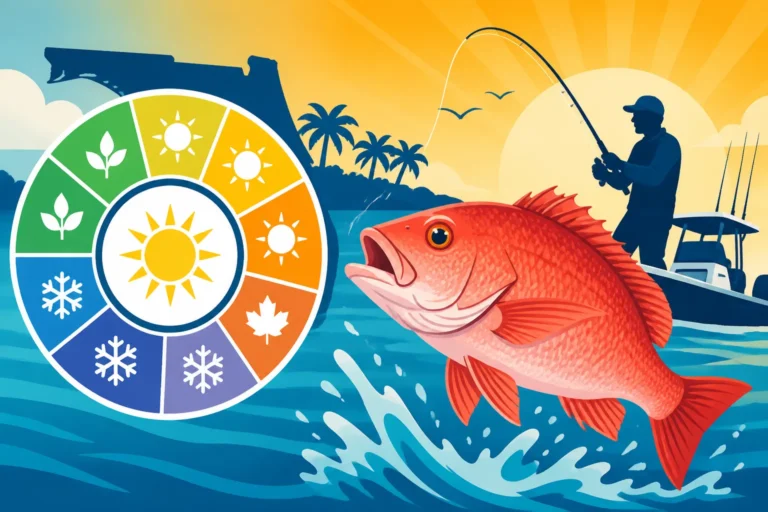
It’s important to acknowledge that like all federal and state fisheries, these dates are subject to change based on ongoing stock assessments and management decisions. Factors such as a particularly strong or weak spawning year, or updated population models, can influence future season adjustments. Therefore, a quick check with FWC or NOAA Fisheries closer to the season opening is always a smart move. When you're out there, remember that while you're focused on Gag Grouper, other species might be in season, making it a great time to catch a variety of fish. For more on what to expect, read up on Best Time of Year to Fish in Florida.
Atlantic-Specific Rules and Challenges
While the Atlantic Gag Grouper season tends to be a bit more straightforward than its Gulf counterpart in terms of regional variations, there are still specific rules to keep in mind. The minimum size limit mirrors the Gulf at 24 inches total length, ensuring that fish have had a chance to mature and reproduce. However, the recreational bag limit for Gag Grouper in the Atlantic is typically 1 fish per person per day. This is a key difference from the Gulf and contributes to the overall Atlantic aggregate grouper bag limit, which is generally 3 fish per person per day. So, while you might catch other grouper species, you can only keep one Gag Grouper on any given day.
Managing highly migratory species like Gag Grouper along the Atlantic coast presents unique challenges, as these fish often move across state and even international boundaries. This necessitates coordination between Florida, other Atlantic states, and federal councils to ensure consistent management. These regulations impact everyone from individual private boat owners to those utilizing Florida Charter Boat Fishing License Rules for their offshore adventures. Every angler plays a role in the health of the fishery, and adhering to these specific Atlantic rules is crucial for its long-term viability.
Practical Advice for Gag Grouper Anglers
Keeping track of regulations and fishing responsibly is just as important as having the right bait. Here’s how you can stay informed and ensure you’re doing your part for conservation.
Essential Resources for Staying Up-to-Date
In the dynamic world of fishing regulations, relying on old information is a recipe for disappointment, or worse, a citation. The absolute best place to get the most current and accurate Gag Grouper season dates and rules is directly from the source. The Florida Fish and Wildlife Conservation Commission (FWC) website (MyFWC.com) is your primary resource. They update their recreational regulations frequently, often with detailed explanations. Bookmark it on your phone or computer.
Another invaluable resource is NOAA Fisheries, particularly for federal water regulations. While FWC often harmonizes state rules with federal guidelines, it's good to cross-reference. Beyond websites, consider subscribing to FWC's email newsletters or alerts. These often provide timely notifications about regulation changes, public workshops, or important conservation news. Local bait and tackle shops are also fantastic sources of real-time, ground-level information. They often have printed regulation summaries and hear about changes as soon as they’re announced. And don't forget the convenience of digital tools; the Florida GoOutdoors App Fishing License can also be a quick way to look up rules while you're on the water.
Best Practices for Catching and Releasing Out-of-Season Gag Grouper
Sometimes, you just can't help it – a Gag Grouper might hit your line even when it's out of season, or it might be undersized. In these situations, responsible catch and release practices become critically important for the fish’s survival. The goal is to minimize stress and injury. First and foremost, handle the fish as little as possible. If you can, de-hook it while it's still in the water without removing it from the net.
If you must bring it aboard, always use wet hands or a wet towel to handle it, protecting its slime coat. Have appropriate de-hooking tools readily available, like long-nose pliers or a de-hooker, to quickly remove hooks. Circle hooks are highly recommended, as they significantly reduce gut-hooking, making release much more successful. For fish caught in deeper waters, the risk of barotrauma (due to the rapid change in pressure) is high. Signs of barotrauma include a distended belly, bulging eyes, or stomach protruding from the mouth. In these cases, a descending device is crucial. These devices (which you can find on Amazon or at any good tackle shop) allow you to safely return the fish to the depth from which it was caught, re-inflating its swim bladder and increasing its chances of survival. Knowing how to identify a Gag Grouper vs Red Grouper is also crucial for compliance.
Comparing Gag Grouper to Other Florida Grouper Species
Florida is a grouper paradise, home to numerous species, each with its own charm and, you guessed it, its own set of regulations. Distinguishing Gag Grouper from their cousins is key to responsible angling.
Distinguishing Gag Grouper from Similar Species
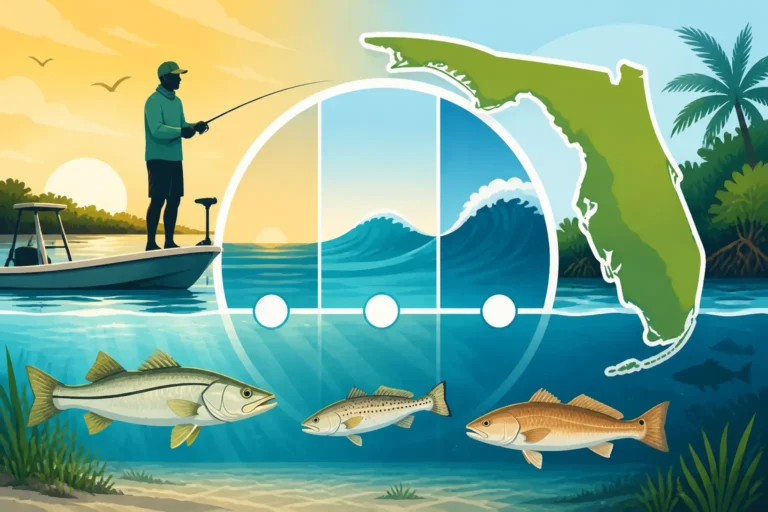
Gag Grouper are often confused with other shallow-water grouper species, particularly Black Grouper and Red Grouper. Here's how to tell them apart:
- Gag Grouper: They typically have a brownish-gray body with worm-like markings that extend onto their fins. A key identifier is their distinctly straight, or slightly concave, jawline. When you look at their mouth, the upper jaw extends further back than the lower jaw, but the overall line of their mouth is relatively flat, lacking the prominent arch you'll see in some other grouper. Their tail fin is usually square or slightly emarginate (slightly indented).
- Black Grouper: These often have more rectangular, dark blotches on a lighter background, and sometimes a bronze sheen. Their most distinguishing feature is a strongly arched jawline, giving them a more "gaping" appearance when their mouth is closed. Their tail is typically square.
- Red Grouper: Easily identifiable by their reddish-brown color, often with white spots, and a prominent "pitting" or indentation along their lateral line (the sensory line running along their side). Their mouth is generally smaller, and their tail fin is typically straight or slightly convex.
Accurate identification is not just for bragging rights; it's critical for legal compliance, as each species has different size limits, bag limits, and seasons. If you're unsure, it's always safer to release the fish or assume it's the species with the most restrictive rules. To hone your identification skills, check out our guide on How to Identify a Gag Grouper vs Red Grouper.
A Quick Look at Other Grouper Season Dates
While Gag Grouper often get a lot of attention, Florida's waters are teeming with other delicious grouper. It's important to remember that each of these species can have its own specific season dates, size, and bag limits. For instance, Red Grouper in the Gulf of Mexico are often open year-round, making them a popular target when Gag Grouper are out of season. However, they still have a minimum size limit and a daily bag limit that contributes to the overall aggregate grouper limit. Black Grouper seasons, particularly in the Gulf, often align with Gag Grouper seasons, but with a stricter bag limit.
There are also species like Scamp, Yellowfin Grouper, and Goliath Grouper (which are strictly catch-and-release and heavily protected). The complexity is why having a copy of the current FWC regulations handy, either digitally or physically, is essential for any serious Florida angler. Understanding these differences is part of being a knowledgeable and responsible fisherman. For a more detailed breakdown of all things grouper, our Florida Grouper Season Guide is an excellent resource.
Here’s a quick overview of typical recreational seasons and limits for some popular Florida grouper:
| Grouper Species | Gulf Recreational Season (Typical) | Atlantic Recreational Season (Typical) | Minimum Size Limit (Florida) | Bag Limit (Florida) |
|---|---|---|---|---|
| Gag Grouper | June 1 – Dec 31 (varies in some counties) | May 1 – Dec 31 | 24 inches total length | 2 per person per day (within 4-grouper aggregate in Gulf), 1 per person per day (within 3-grouper aggregate in Atlantic) |
| Red Grouper | Year-round | Year-round | 20 inches total length | 2 per person per day (within aggregate) |
| Black Grouper | June 1 – Dec 31 | May 1 – Dec 31 | 24 inches total length | 1 per person per day (within aggregate) |
(Please note: These dates and limits are typical and subject to change by FWC and NOAA Fisheries. Always verify current regulations before fishing.)
Remember that having the right gear, like a good quality rod and reel setup specifically designed for offshore bottom fishing, can make all the difference when targeting these strong fish. You can find a wide selection of suitable equipment, from heavy-duty conventional reels to sturdy grouper rods, on Amazon. Pairing your gear with knowledge about Florida’s Florida Fishing License Guide and Florida Saltwater Fishing License Rules will ensure you’re ready for a great day on the water. Even for those just starting out, knowing the regulations is step one. If you ever have questions about specific gear, like the Best Rod and Reel Setup for Florida Offshore Fishing, there are plenty of resources available.
Disclaimer
Fishing regulations, season dates, and bag limits in Florida are set by the Florida Fish and Wildlife Conservation Commission (FWC) and federal agencies, and they are subject to change. While every effort has been made to provide accurate and up-to-date information in this guide, it should not be considered the definitive legal source. Always consult the official FWC website (MyFWC.com) and NOAA Fisheries for the most current regulations before heading out to fish. The author and publisher are not responsible for any personal injury or regulatory violations that may occur as a result of relying on the information presented herein.