Florida Grouper Fishing Guide
Florida is a true angler's paradise, but few fish offer the thrill and challenge quite like grouper. These powerful, bottom-dwelling fish are notoriously difficult to pull from their rocky lairs, and understanding the nuances of their behavior, the ever-changing regulations, and the specific gear needed can feel like cracking a secret code. This comprehensive guide is here to demystify Florida grouper fishing, helping you land these prized catches with confidence and compliance.
Understanding Florida Grouper: Species and Identification
Before you even think about dropping a line, it's absolutely crucial to know your grouper. Florida waters are home to several species, and each comes with its own set of rules regarding size limits, bag limits, and open seasons. Misidentifying a grouper can lead to serious fines or even the loss of your fishing privileges. It's not just about what you catch, but what kind you catch!
Gag Grouper (Black Grouper)
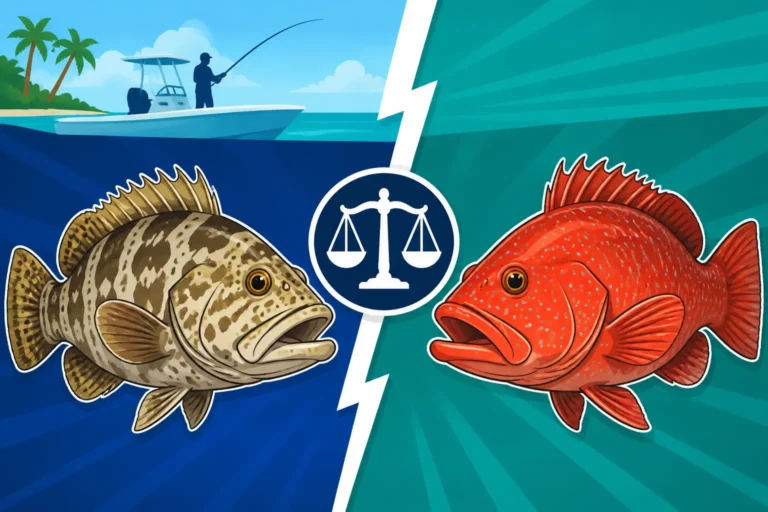
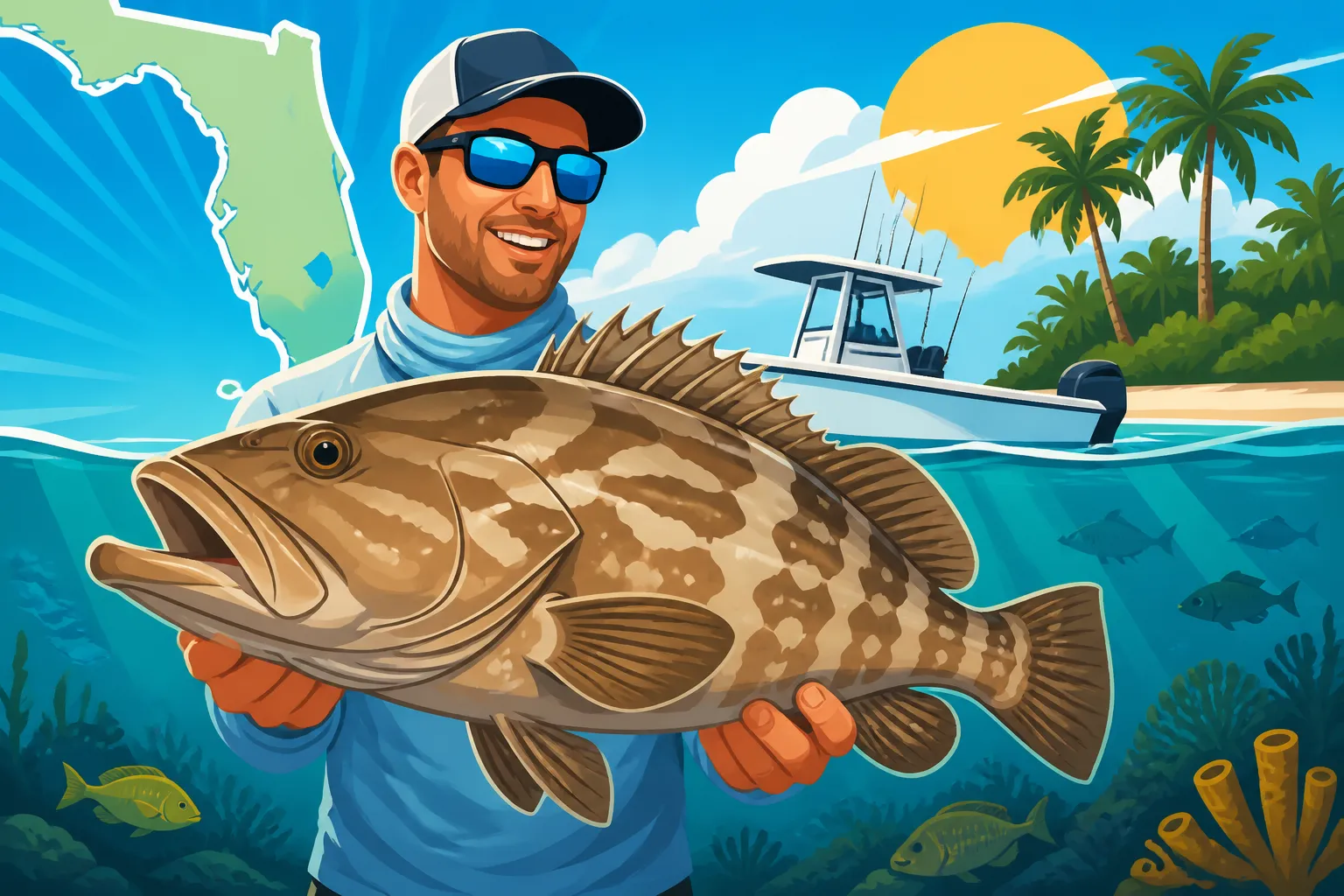
The Gag Grouper, often affectionately called a "black grouper" by seasoned anglers, is one of the most popular and sought-after species in Florida. They are known for their strong fighting ability and delicious white, flaky meat. Identifying a gag grouper can sometimes be tricky for beginners, as their coloration can vary depending on their habitat, ranging from light gray to dark brown with worm-like markings. A key characteristic is their distinctly notched tail fin, which differentiates them from some other species. They also have a straight, rather than convex, profile to the preopercle (the bone forming the rear and bottom of the cheek). Gags are often found lurking around rocky ledges, wrecks, and artificial reefs in both nearshore and offshore waters, especially on the Gulf Coast. Their preference for structure makes them incredibly challenging to extract once hooked, often resulting in a nail-biting tug-of-war.
Red Grouper
Red grouper are another staple of the Florida fishing scene, easily recognizable by their reddish-brown bodies, often covered in white spots and blotches. They typically have a more rounded, robust body shape compared to the gag grouper. Unlike the gag's notched tail, the red grouper usually has a square or slightly rounded tail fin. One of the most telling features is a distinct dark "lip" around their mouth, which can look almost painted on. These fish are generally found in shallower offshore waters than gags, preferring hard bottom, coral reefs, and rocky patches, particularly those with good cover. They don't typically grow as large as gags, but they offer excellent table fare and are a consistent target for many recreational anglers. Their habitat preference can make them a bit easier to target for those new to offshore fishing, as they don't always dive directly into the most unforgiving structure like gags often do.
Scamp Grouper
Often considered one of the best-eating grouper species, the scamp grouper is highly prized by those lucky enough to catch them. They have an elongated body, similar to a gag, but are generally lighter in color—often a pale tan or gray with dark spots or lines that can look like a series of dashes. A crucial identifier is their very long, filamentous third dorsal spine, which is noticeably longer than the other dorsal spines. Their tail fin is typically deeply concave or crescent-shaped. Scamp grouper prefer deeper waters, usually found around offshore ledges, drop-offs, and wrecks, especially in the Gulf of Mexico. They are known for their incredibly sweet and delicate flesh, making the effort to find and catch them well worth it. Because they inhabit deeper waters, targeting scamp often requires heavier gear and a good understanding of offshore currents and structure.
Other Common Grouper Species
Beyond the big three, Florida's diverse marine environment hosts several other grouper species that anglers might encounter. While not all are legal to keep or as common, understanding them is part of being a responsible and informed angler.
- Black Grouper (Mycteroperca bonaci): Though often confused with gag grouper due to similar appearances and the "black grouper" nickname, the true black grouper is a distinct species. They tend to be darker, with more defined, box-like dark blotches on their sides, compared to the gag's worm-like markings. Their caudal (tail) fin is typically straight or slightly concave, without the deep notch of a gag. They can grow quite large and are powerful fighters, found in similar habitats to gags but often in slightly deeper waters. Proper identification is important as regulations can vary.
- Goliath Grouper (Epinephelus itajara): This magnificent giant is unmistakable due to its immense size, often exceeding several hundred pounds. They have a mottled brown and yellow coloration, a large mouth, and a rounded tail fin. Goliath grouper are strictly protected in Florida and cannot be harvested. Catch and release is mandatory, and they must be handled with extreme care, ideally without removing them from the water. Catching one is an incredible experience, but knowing the rules for handling and releasing them safely is paramount.
- Warsaw Grouper (Hyporthodus nigritus): Another deepwater behemoth, Warsaw grouper can reach impressive sizes, though not quite as gargantuan as goliaths. They are dark brown to reddish-brown, with a distinct, elongated second dorsal spine. Like many deepwater species, they are often found on deep wrecks, oil rigs, and rocky ledges far offshore. Regulations on Warsaw are often very stringent due to their slow growth rate and deepwater habitat.
- Snowy Grouper (Hyporthodus niveatus): Found in similar deepwater habitats to Warsaw grouper, the snowy grouper is characterized by its dark brown body covered in distinct white spots, particularly on younger fish. As they mature, the spots may fade, but the overall coloration remains dark. They are another prized catch for deep droppers due to their excellent meat.
- Yellowfin Grouper (Mycteroperca venenosa): These beautiful fish are named for the distinctive yellow margins on their fins, especially the pectoral fins. Their bodies are typically olive or grayish-brown with irregular, pale blotches and spots. They are often found around coral reefs and rocky areas in the southern parts of Florida, including the Florida Keys, and offer a great fight and good eating.
Understanding these distinctions is not just academic; it's fundamental to legal and responsible fishing in Florida. Keep a good fish identification guide or a marine biology app handy, especially when starting out, or simply refer to the Florida Fishing Regulations and Bag Limits for a quick check.
Florida Grouper Seasons and Regulations
Navigating the rules and regulations for grouper in Florida can be one of the most challenging aspects of targeting these fish. Seasons, size limits, and bag limits are subject to change and often vary significantly between the Gulf of Mexico and the Atlantic Coast. These rules are put in place by regulatory bodies like the Florida Fish and Wildlife Conservation Commission (FWC) and the National Oceanic and Atmospheric Administration (NOAA) Fisheries to ensure sustainable fish populations for future generations. Ignoring them is not an option, and ignorance is rarely an excuse in the eyes of the law.
Gulf of Mexico Grouper Seasons
The Gulf of Mexico is a major hub for grouper fishing, particularly for gag and red grouper. However, the seasons here are often dynamic and can be quite complex, influenced by stock assessments and federal management strategies.
- Gag Grouper: The season for gag grouper in the Gulf typically opens in the summer (often June 1st) and may extend through the end of the year, though specific dates can vary annually and sometimes even close early if quotas are met. This is a highly anticipated season for many anglers, as gags are such a strong fighter and a delicious meal. It’s absolutely critical to verify the current season dates before planning your trip, as closures can sometimes be announced with relatively short notice.
- Red Grouper: Red grouper usually have a more consistent and longer season in the Gulf, often open for most of the year, with potential short closures. This makes them a more reliable target throughout different times of the year, especially for charter boats. Again, always check the current year's regulations.
- Other Gulf Grouper (Scamp, Black, Yellowfin, etc.): Many other grouper species in the Gulf, like scamp, black grouper, and yellowfin, often fall under a broader "shallow water grouper" complex, which tends to have a relatively open season, but always with specific size and bag limits. Deepwater species like snowy and Warsaw grouper have their own, often much shorter, seasons, typically in very specific months. The intricacies of these rules mean that a quick online search for "Gulf of Mexico grouper season" before heading out is not just recommended, it's essential.
Atlantic Coast Grouper Seasons
The Atlantic Coast of Florida operates under a different set of regulations compared to the Gulf. This is primarily due to distinct fish populations and different management strategies.
- Gag Grouper: The Atlantic gag grouper season often differs significantly from the Gulf season. Historically, it has been open for a portion of the year, but the specific windows can be quite tight. Many anglers find Atlantic gag grouper fishing challenging due to these shorter seasons and often deeper-water habitats compared to some Gulf populations.
- Red Grouper: Similar to the Gulf, Atlantic red grouper may have a more extended season, but again, it’s not always identical to the Gulf. They are a popular target for offshore anglers from Jacksonville down to the Florida Keys.
- Other Atlantic Grouper (Black, Scamp, Yellowfin, etc.): Much like the Gulf, the Atlantic also groups several species into management categories. Scamp, black grouper, and yellowfin grouper often have seasons that run for much of the year, but always with specific size and bag limits. Deepwater species like snowy and Warsaw grouper also have very limited seasons on the Atlantic side. Knowing whether you're fishing in state or federal waters is also paramount, as federal waters often have different, usually more restrictive, seasons and limits. You'll need to know State Waters vs Federal Waters Fishing Rules in Florida to be fully compliant.
Size and Bag Limits for Key Grouper Species
Beyond seasons, size and bag limits are non-negotiable. These limits are designed to protect younger fish and ensure enough mature fish are left to reproduce, safeguarding the future of the fishery.
| Species | Minimum Size Limit (Gulf) | Minimum Size Limit (Atlantic) | Bag Limit (Gulf) | Bag Limit (Atlantic) | Special Notes |
|---|---|---|---|---|---|
| Gag Grouper | Check FWC/NOAA | Check FWC/NOAA | Check FWC/NOAA | Check FWC/NOAA | Highly regulated, seasonal closures common. |
| Red Grouper | Check FWC/NOAA | Check FWC/NOAA | Check FWC/NOAA | Check FWC/NOAA | More consistent season, but limits apply. |
| Scamp Grouper | Check FWC/NOAA | Check FWC/NOAA | Check FWC/NOAA | Check FWC/NOAA | Often part of "shallow water grouper" aggregate. |
| Black Grouper | Check FWC/NOAA | Check FWC/NOAA | Check FWC/NOAA | Check FWC/NOAA | Often part of "shallow water grouper" aggregate. |
| Yellowfin Grouper | Check FWC/NOAA | Check FWC/NOAA | Check FWC/NOAA | Check FWC/NOAA | Often part of "shallow water grouper" aggregate. |
| Goliath Grouper | Catch & Release Only | Catch & Release Only | 0 (Protected) | 0 (Protected) | Do NOT remove from water. Strictly protected. |
| Warsaw Grouper | Check FWC/NOAA | Check FWC/NOAA | Check FWC/NOAA | Check FWC/NOAA | Very restrictive, deepwater species. |
| Snowy Grouper | Check FWC/NOAA | Check FWC/NOAA | Check FWC/NOAA | Check FWC/NOAA | Very restrictive, deepwater species. |
Always check the latest FWC and NOAA Fisheries regulations before your trip, as these numbers are subject to change.
For gag grouper, for instance, you'll find a specific minimum size, and anything under that has to go back immediately. The same goes for bag limits – you can only keep a certain number of fish per person per day. It’s also common for aggregate bag limits to apply, meaning you can only keep a certain total number of grouper from a combination of species, even if you haven't hit the individual limit for each. This is particularly true for "shallow water grouper" complexes. Always carry a measuring device and be ready to release undersized fish promptly and carefully. Gag Grouper Size and Bag Limits and Red Snapper Size and Bag Limits are specific examples of the detailed regulations you need to know.
Prime Grouper Fishing Spots in Florida
Knowing where to find grouper is half the battle. These ambush predators prefer structure, and Florida's extensive coastline, artificial reefs, and natural hard bottoms provide countless opportunities. You won't find grouper schooling in open water; they'll be hiding, waiting for an unsuspecting meal to swim by. This means you need to get your bait right in their living room.
Gulf Coast Hotspots
The Gulf Coast of Florida is renowned for its excellent grouper fishing, with vast expanses of hard bottom, ledges, and artificial reefs stretching from the Panhandle down to the Everglades.
- Nearshore Reefs and Ledges: Many areas, particularly off the central and southwest Gulf Coast (think Clearwater, Sarasota, Fort Myers), have productive nearshore reefs and ledges within 20 miles of shore. These spots can hold good numbers of red grouper, especially in depths of 40-90 feet. Publicly accessible numbers for many of these reefs are available online or through local bait and tackle shops. You'll often find these areas marked by a slight rise on your bottom finder, indicating rocky outcrops or coral formations.
- Deepwater Pinnacles and Wrecks: For larger gag grouper, scamp, and the more elusive deepwater species like snowy and Warsaw, you'll need to venture further offshore, sometimes 50-100 miles or more. The "Middle Grounds" off the Big Bend area, and numerous wrecks and artificial reefs scattered throughout the Gulf, are legendary for their grouper populations. These deeper structures provide substantial habitat for large fish, but they also require more robust vessels and specialized deep-dropping gear. A good chart plotter with up-to-date waypoint information is invaluable here.
Atlantic Coast Hotspots
While often overshadowed by the Gulf for sheer numbers of grouper, the Atlantic Coast offers fantastic opportunities, particularly for larger gags, black grouper, and yellowfin, especially as you head south toward the Keys.
- The Ledge and Reef Lines: From Jacksonville down through South Florida, the Atlantic boasts a distinct "ledge" system and numerous natural reef lines. These run parallel to the coast, often starting within a few miles of shore and dropping off into deeper waters. Areas off St. Augustine, Sebastian Inlet, Fort Lauderdale, and Miami are prime grouper territory. The depths can vary from 60 feet to several hundred feet, offering a diverse range of grouper species depending on the specific depth and structure.
- Offshore Wrecks and Artificial Reefs: Like the Gulf, the Atlantic also has a robust program of artificial reef deployments, along with historical wrecks. These provide excellent habitat for grouper. For instance, the waters off Fort Pierce or Jupiter often hold formidable gags and black grouper around these structures. Knowing the exact coordinates of these wrecks and reefs is critical, as a few yards can make all the difference between a barren drop and a productive one. Local knowledge, often gained from reputable charter captains, is priceless. You might even find some useful spots covered in a Florida Offshore Fishing Charter Guide.
Reefs, Wrecks, and Ledges
Regardless of whether you're fishing the Gulf or the Atlantic, understanding the habitat is key. Grouper are structure-oriented fish, and these three types of features are their preferred homes.
- Reefs: Natural coral reefs, especially in South Florida and the Keys, are teeming with marine life, including various grouper species. They provide shelter, ambush points, and a ready food source. Fishing around reefs requires precision to avoid snagging the delicate coral, but the rewards can be significant.
- Wrecks: Sunken ships, planes, and other debris create artificial reefs that become magnets for grouper. The complex structure provides countless hiding spots. When fishing wrecks, try to position your boat up-current and allow your bait to drift naturally into the structure. Be prepared for cut-offs, as grouper will try to "rock you" (cut your line on the wreck).
- Ledges and Drop-offs: These are underwater topographical changes where the seafloor suddenly drops in depth. Ledges are essentially underwater cliffs, and the current often concentrates baitfish along these breaks, attracting hungry grouper. Running parallel to a ledge while deploying baits at different depths is a common and effective strategy. Your fish finder will be your best friend in locating these subtle yet highly productive features. Learning to read your electronics to identify hard bottom and ledges is a skill that will dramatically increase your success rate.
Essential Gear and Tackle for Grouper Fishing
You wouldn't bring a butter knife to a sword fight, and you certainly shouldn't bring light tackle to a grouper fight. These fish are powerful, aggressive, and master escape artists when it comes to wrapping your line around structure. Having the right gear isn't just about catching the fish; it's about giving yourself a fighting chance and minimizing the risk of losing a valuable catch.
Rods, Reels, and Line Selection
The foundation of your grouper setup needs to be robust.
- Rods: Look for heavy-action rods, typically 6 to 7.5 feet in length. The extra length can give you leverage when trying to pull a grouper away from a wreck, but too long can be cumbersome on a boat. The rod should have a strong backbone to muscle fish, but enough tip sensitivity to detect subtle bites. Many anglers prefer conventional (level-wind) rods for grouper fishing because of their power and direct cranking force, though heavy-duty spinning gear is also popular, especially for lighter grouper or those fishing in shallower depths.
- Reels: Conventional reels are often favored for their superior drag systems and line capacity, both crucial when battling a powerful grouper in deep water. A good quality conventional reel with a strong drag (at least 20-30 lbs of drag pressure) and a high line capacity (holding 300+ yards of 60-80 lb braid) is ideal. Brands like Penn, Shimano, and Daiwa offer excellent options that are widely available, including on platforms like Amazon. For spinning setups, choose a large, heavy-duty saltwater spinning reel that can handle similar line capacities and drag pressures.
- Line: Braided line is the overwhelming choice for grouper fishing due to its incredible strength-to-diameter ratio and zero stretch. The lack of stretch allows you to feel even the slightest tap in deep water and provides instant hook-setting power. Most grouper anglers opt for 60-80 lb braided line. If you're targeting truly enormous fish in deep water, you might even bump up to 100 lb test. The thin diameter of braid also helps in reducing current drag, allowing your bait to get down to the bottom faster and stay there more effectively. Don't skimp on your line; it's the direct connection to your trophy.
Terminal Tackle: Hooks, Leaders, and Weights
This is where the direct battle takes place, so every component needs to be top-notch.
- Hooks: Circle hooks are mandatory for most grouper fishing in Florida (and highly recommended even where not strictly required) as they significantly reduce gut-hooking, improving the survival rate of released fish. Choose strong, sharp, corrosion-resistant circle hooks appropriate for the size of your bait and target fish, usually ranging from 6/0 to 12/0. Brands like Mustad, Owner, and Gamakatsu are popular choices for their quality and strength.
- Leaders: Monofilament or fluorocarbon leaders are essential to prevent the grouper's abrasive mouth from cutting your main line and to provide some shock absorption. For serious grouper, you'll want heavy leaders, typically 80-150 lb test. The length can vary, but generally 3-6 feet is a good starting point. Fluorocarbon leaders are less visible in the water and more abrasion-resistant, making them a favorite for many. Connect your braid mainline to your leader with a strong knot like an FG knot or an Albright special.
- Weights: Getting your bait to the bottom, especially in strong currents, requires heavy sinkers. "Bank" or "egg" sinkers are common, ranging from 8 ounces up to several pounds (yes, pounds!). The amount of weight depends entirely on the depth and current. It's a good idea to have a range of weights on board, as conditions can change. For deep dropping, specialized lead cannonballs or heavy jigs might be used. You can find a wide variety of these essential terminal tackle items on Amazon, allowing you to stock up before your next trip.
Essential Accessories and Safety Gear
Beyond the rod and reel, a few key accessories will make your grouper fishing safer and more efficient.
- Gloves: Heavy-duty fishing gloves protect your hands from line cuts, hook punctures, and the rough scales of fish.
- Pliers/De-hooker: Long-nose pliers or a specialized de-hooker are crucial for safely removing hooks, especially from toothy fish or those you intend to release. A gaff might be necessary for larger keeper fish, but only if you are experienced and know how to use it safely and ethically.
- Fish Bag/Cooler: A large, insulated fish bag or cooler with plenty of ice is essential for keeping your catch fresh, especially on a long day offshore.
- First Aid Kit: Accidents happen, and a well-stocked first aid kit is a must on any boat.
- Marine Radio/EPIRB: For offshore trips, reliable communication and safety equipment like a VHF radio and an Emergency Position-Indicating Radio Beacon (EPIRB) are non-negotiable.
- Sun Protection: Florida sun is no joke. Wide-brimmed hats, long-sleeve shirts, and plenty of sunscreen are vital. Check out the "Outdoor Recreation" section on Amazon for high-SPF clothing and hats.
Having a Best Rod and Reel Setup for Florida Offshore Fishing will truly make a difference when battling these tough fish.
Effective Techniques for Catching Grouper
Grouper are formidable opponents, and they require more than just dropping a line overboard. You need strategic approaches to entice them, hook them, and—most importantly—pull them out of their structure-laden homes before they break you off.
Bottom Fishing Techniques
This is arguably the most common and effective method for targeting grouper. It involves presenting your bait directly on or near the seafloor where grouper reside.
- Standard Bottom Rig: A basic but highly effective rig involves a sliding sinker above a swivel, then a leader, and finally a circle hook. This allows the fish to pick up the bait without immediately feeling the weight of the sinker. The key is to get your bait down to the bottom, keep it there, and feel for those distinct "thumps" that indicate a grouper bite. Once you feel a bite, don't jerk the rod; simply let the rod load up as the fish eats, and then begin reeling steadily to set the circle hook.
- "Knocker" Rig: This variation has the sinker sliding directly down to the eye of the hook, hence "knocking" against it. It offers a very direct feel and is excellent for fishing right in heavy structure where you need to feel every bump and bite. The challenge with a knocker rig is that a grouper can use the sinker as leverage against you if it wraps around structure.
- Leader Length and Presentation: Experiment with leader length. Sometimes a shorter leader (1-2 feet) is better in heavy current or tight structure, while a longer leader (3-5 feet) might give your bait a more natural presentation. The goal is always to keep your bait tantalizingly close to the structure without getting instantly snagged. How to Bottom Fish for Snapper shares similar principles that can be applied to grouper.
Jigging and Vertical Fishing
Jigging is a more active and often highly effective technique, especially when grouper are aggressively feeding or when you're looking to cover more vertical ground over a wreck.
- Vertical Jigs: Heavy metal jigs, often referred to as "vertical jigs" or "speed jigs," are dropped to the bottom and then retrieved with a series of quick lifts and drops, mimicking an injured baitfish. This technique can be exhausting but immensely rewarding, as grouper often strike jigs with incredible force. Matching the jig weight to the depth and current is crucial to ensure it reaches the bottom and maintains a vertical presentation.
- Bucktail Jigs: These traditional jigs, often tipped with a piece of natural bait like squid or a fish strip, can also be very effective. They offer a more subtle presentation than a speed jig and are often fished with a slower, lifting-and-dropping motion. They are particularly good for red grouper.
- Technique is Key: With jigging, it’s not just about the lure; it’s about the motion. Different grouper species, and even individual fish, can respond to various jigging cadences. Some days they want a fast, erratic retrieve; other days, a slow, methodical lift and drop is the ticket. Experiment until you find what works. The immediate hook-up with jigging means you have to be ready to reel like crazy the second you feel a bite to pull that fish away from the structure.
Trolling for Grouper
While not as common as bottom fishing, trolling can be a productive method for grouper, especially gag grouper, in certain conditions. This usually involves using diving plugs or lipped lures that can reach significant depths.
- Deep Diving Plugs: Lures like the Rapala X-Rap Magnum or Bomber CD series are designed to dive deep, often 20-50 feet or more, depending on the lure and trolling speed. These are typically trolled over hard bottom, ledges, or along the edges of reefs. The vibration and flash of the lure often trigger aggressive strikes.
- Downriggers: For even greater depths, downriggers are employed. These devices use heavy weights to take your lure down to a precise depth, far deeper than a diving plug could reach on its own. The lure is clipped to the downrigger line and released when a fish strikes. Trolling with downriggers allows you to present baits at specific depths over structure where grouper are holding.
- Speed and Location: Trolling speed is critical, usually slow, around 3-5 knots. The most important aspect is to troll over known grouper habitat. This method is often most effective when you have a good understanding of the bottom contours and can precisely navigate your boat to keep the lures in the strike zone. It's a great way to cover ground and find actively feeding fish that might not be right on the bottom.
Baiting Strategies: Live vs. Artificial for Grouper
What you put on your hook is just as important as where you put it. Grouper are opportunistic predators, but they definitely have preferences. Understanding the pros and cons of live bait versus artificial lures can significantly impact your success rate.
Top Live Baits for Florida Grouper
Live bait is often considered the gold standard for grouper fishing, especially for the more discerning fish in pressured areas. The natural movement and scent are hard for a grouper to resist.
- Pinfish: These small, spiny fish are arguably the most popular and effective live bait for grouper in Florida. They are readily available, tough, and grouper absolutely love them. Hook them through the lips or dorsal fin for a lively presentation. Pinfish can be caught with sabiki rigs over grass flats or purchased from bait shops.
- Grunts: Another excellent live bait, grunts are hardy and have a strong scent trail. They are often caught incidentally while targeting other species or can be found in similar habitats to pinfish. They are particularly good for larger grouper.
- Sardines/Threadfin Herring: While smaller and more delicate than pinfish or grunts, schools of sardines or threadfin herring can often be found nearshore and make fantastic chum and bait. Hook them through the nose and send them down. They are a common food source for many predatory fish, including grouper.
- Spanish Sardines: Similar to regular sardines, but often a bit larger, Spanish sardines are another go-to live bait for their oily nature and effectiveness.
- Mullet: Larger finger mullet or even bigger live mullet can be excellent for targeting trophy-sized grouper, especially in shallower nearshore waters.
- Squid and Cut Bait: While not "live," fresh squid strips or chunks of fish (like bonito, mackerel, or even grouper belly strips from a legal catch) are very effective dead baits, especially when current is strong and live bait might get twisted. They offer a strong scent and can be very durable on the hook.
Regardless of the live bait, keeping it lively in a good baitwell is paramount. A healthy baitfish fluttering on the bottom is much more attractive than a lethargic one.
Best Artificial Lures and Jigs
Artificials offer advantages in terms of durability, variety, and the ability to cover ground quickly. While live bait might often outfish artificials, the right lure on the right day can be just as productive.
- Vertical Jigs: As mentioned in the techniques section, heavy metal jigs are fantastic for active fishing. Brands like Hogy, Shimano (Butterfly Jigs), and Aftco offer excellent deep-dropping jigs that come in various weights, colors, and profiles. Choose jigs with good quality hooks, or be prepared to replace them with stronger ones. These are readily available on Amazon.
- Hard-Bodied Diving Plugs: For trolling, deep-diving plugs from companies like Rapala, Bomber, and Yo-Zuri are highly effective. Look for models that can reach the desired depth and have a strong lip to withstand the rigors of grouper strikes.
- Soft Plastics and Bucktails: While less common for targeting trophy grouper in deep water, large soft plastic paddle tails on heavy jig heads or bucktail jigs can be deadly for red grouper and smaller gags, especially when tipped with a strip of cut bait. These offer a more subtle presentation and are excellent for probing shallower reefs or hard bottom patches.
- Color Selection: When it comes to artificials, color can sometimes make a difference. Natural baitfish colors (silver, white, greenback) are always a good starting point. However, in low light or deep water, brighter colors like chartreuse or pink can sometimes trigger strikes. It often comes down to experimentation on any given day.
Sourcing and Keeping Bait
Having a reliable source of bait and knowing how to keep it healthy is critical for a successful grouper trip.
- Catching Your Own Bait: Many anglers prefer to catch their own live bait using sabiki rigs (for pinfish, sardines) or small cast nets (for mullet, pilchards). This saves money and ensures you have the freshest bait. Knowing How to Cast Net for Live Bait is a valuable skill. Look for bait schools on your sonar or visually near channel markers, grass flats, or around piers.
- Purchasing Bait: Local bait and tackle shops are a convenient source for live pinfish, grunts, or frozen squid and chum. Call ahead to ensure they have what you need.
- Baitwell Management: A good livewell with strong aeration and plenty of fresh, circulating water is essential for keeping live bait healthy throughout the day. Avoid overcrowding your baitwell, and consider adding a block of ice (freshwater ice, not saltwater) in very hot weather to keep the water temperature down, which can prolong the life of your bait. You can find quality baitwells and accessories, like aerators and pumps, on Amazon, which can be a real lifesaver for those long days on the water.
Handling Your Catch: From Hook to Table
The moment of truth arrives when you finally get a grouper to the boat. How you handle that fish – whether you're keeping it for dinner or releasing it – is crucial for both conservation and your enjoyment. Respect for the resource is paramount.
Catch and Release Best Practices
Not every fish you catch will be a keeper. It might be undersized, out of season, or simply a species you don't wish to keep. Proper catch and release techniques maximize the fish's survival chances.
- Minimize Fight Time: The longer a fish fights, the more exhausted it becomes, reducing its chances of survival after release. Use appropriately heavy tackle to bring the fish to the boat as quickly as possible without "horsing" it.
- Careful Handling: Avoid touching the fish's gills or eyes. If possible, keep the fish in the water while de-hooking. If you must bring it aboard, use wet hands or a wet towel to hold it, as dry hands can remove the fish's protective slime layer.
- De-hook Quickly: Have your de-hooking tools (long-nose pliers, de-hooker) readily accessible. Remove the hook as gently and quickly as possible. If the fish is deeply gut-hooked and you're using a circle hook, it's often best to cut the line as close to the hook as possible rather than trying to remove it, as this can cause more internal damage.
- Ventilate (for deepwater species): Grouper caught from deep water often suffer from barotrauma (swim bladder expansion) due to the rapid change in pressure. Signs include a distended belly, bulging eyes, or stomach protruding from the mouth. For legal keeper fish, proper venting (puncturing the swim bladder with a specialized tool) or using a descending device (which takes the fish back down to depth) is critical for their survival if released. This is a skill that takes practice and should be learned before attempting it on a fish you intend to release.
- Revive the Fish: Hold the fish gently by the lower jaw or tail in the water, facing into the current. Move it back and forth gently to push water over its gills until it regains strength and can swim away on its own. Don't just toss it back; ensure it's ready. Check out general Catch and Release Best Practices for Snook which can be adapted for grouper.
Cleaning and Filleting Grouper
Once you've decided to keep a legal grouper, the next step is to prepare it for cooking. Grouper is highly prized for its firm, white, flaky flesh, and proper cleaning will ensure the best possible meal.
- Keep it Cold: Immediately after landing, dispatch the fish humanely and place it on ice in a cooler. Keeping the fish cold is the single most important factor for preserving its quality and flavor.
- Filleting: Filleting a grouper is similar to other large fish. Lay the fish on its side, make a cut behind the pectoral fin, down to the backbone. Then, cut along the top of the backbone from head to tail. Once you reach the tail, turn the knife and slide it along the ribs, separating the fillet from the rib cage. Repeat on the other side.
- Skinning: Most people prefer to skin grouper. Lay the fillet skin-side down, make a small cut at the tail end to grasp the skin, and then slide your knife between the skin and the flesh, working your way towards the head.
- Pin Bones: Some grouper fillets may have a small line of pin bones. These can be removed with pliers or by cutting a small "V" shape around them. For visual learners, there are countless excellent video tutorials online showing How to Fillet a Grouper.
Cooking and Enjoying Grouper
Grouper is incredibly versatile in the kitchen, lending itself to a wide variety of cooking methods. Its mild, sweet flavor and firm texture make it a favorite for many.
- Grilling: Grouper fillets are fantastic on the grill. Marinate them lightly or simply brush with olive oil, salt, pepper, and a squeeze of lemon. Grill until flaky.
- Baking/Broiling: A simple baked or broiled grouper with butter, herbs, and lemon is a classic. You can also make a delicious grouper parmesan or a Mediterranean-style baked grouper with tomatoes and olives.
- Frying: For a crispy treat, grouper can be breaded and fried. This is particularly popular for making fish sandwiches or fish tacos. Just be careful not to overcook, as it can dry out quickly.
- Sautéing: Sautéing grouper in a pan with butter or olive oil and your favorite seasonings is another quick and easy way to prepare it. A light flour dredging can give it a nice golden crust.
- Ceviche: For the freshest possible taste, grouper can be used in ceviche. The acidity of citrus juice "cooks" the fish, creating a refreshing and flavorful dish perfect for a hot Florida day. Just make sure the fish is incredibly fresh and handled properly.
- Pairings: Grouper pairs wonderfully with lighter, citrus-based sauces, fresh herbs, and a side of roasted vegetables or a fresh salad. It's a fish that truly shines with simple preparations, allowing its natural flavor to come through.
Enjoying your grouper catch is the culmination of your efforts, from understanding the species and regulations to selecting the right gear and executing the perfect technique. Happy fishing!
Disclaimer
This article is for general informational purposes only and does not constitute professional advice. Laws, prices and regulations vary by location and change over time. Consult a qualified professional for guidance on your specific situation.