How Many Trout Can You Keep in Florida?
It’s a common scenario: you’re out on Florida’s gorgeous waters, the bite is on, and you’re reeling in beautiful spotted seatrout one after another. Your cooler is starting to look good, but then that nagging question pops into your head: "How many of these beauties can I actually keep?" The rules can feel like a moving target, especially with different regions and changing seasons, and it's frustrating to try and keep up. This guide is here to clear up the confusion, explaining Florida's specific regulations for spotted seatrout so you can fish confidently and legally.
Understanding Florida's Spotted Seatrout Regulations
When you're chasing spotted seatrout in Florida, it’s not just about how many you can catch; it's about understanding the specific rules designed to protect this incredibly popular species. These regulations are vital for ensuring healthy fish populations for generations to come, and knowing them means you’re doing your part as a responsible angler.
Why Regulations Matter for Trout Populations
Imagine a world where everyone kept every single fish they caught, regardless of size or how many they reeled in. Our waters would be barren in no time, and the vibrant ecosystems that support these fish would suffer irrevocably. That’s why regulations exist – they're not there to make fishing difficult, but to preserve the very resource we all love. For spotted seatrout, a species that thrives in our coastal grass flats and estuaries, managing harvest is crucial. They are a staple of both recreational and sometimes commercial fishing, and their numbers can be sensitive to environmental changes and fishing pressure.
The Florida Fish and Wildlife Conservation Commission (FWC) works tirelessly, using scientific data and public input, to set these rules. They look at population trends, spawning success, and overall habitat health to determine limits that allow fish to reproduce and grow, maintaining a sustainable fishery. Without these carefully considered limits, we'd see a rapid decline in trout numbers, making it harder for everyone to enjoy the sport. It's a balancing act, ensuring anglers can enjoy their day on the water while safeguarding the future of the species.
The Basic Bag Limit for Spotted Seatrout
Let's get down to the core of it: how many spotted seatrout can you put in your cooler each day? In Florida, the daily bag limit for spotted seatrout is generally five fish per person, per day. This is a statewide limit, meaning whether you're fishing the Indian River Lagoon or Tampa Bay, you're usually looking at that five-fish maximum for each licensed angler on board. It's important to understand that "bag limit" refers to the number of fish an individual angler can possess at any one time, including those in your cooler, livewell, or on a stringer.
This isn't just a suggestion; it's a hard and fast rule. If you have four friends on your boat, and each of you catches five legal trout, you could collectively have 25 fish in the cooler. But if one person hits their five-fish limit, they need to stop keeping trout for the day. You can continue fishing, but any additional trout caught by that individual must be immediately and carefully released. This helps spread the harvest fairly among anglers and prevents any single person from depleting a localized population.
Regional Differences: East Coast vs. West Coast Rules
One of the trickiest parts about Florida fishing regulations is that they aren't always uniform across the entire state. Sometimes, specific regions have different rules to account for localized stock assessments or unique environmental factors. While the five-fish bag limit for spotted seatrout has been a fairly consistent statewide rule, always double-check the specific regulations for the area you plan to fish.
Florida is generally divided into three major management zones for spotted seatrout: the Western Panhandle, the Big Bend, and the Northeast/Southeast regions. These zones can sometimes have different open seasons, bag limits, or even slot limits, especially if a specific area's trout population is struggling or thriving. For example, rules might vary significantly if you're fishing the waters near Jacksonville compared to the vast flats of the Big Bend or the productive estuaries of Southwest Florida. The FWC website or the Florida GoOutdoors App Fishing License is your best friend here, providing up-to-the-minute details for your exact location. A quick check before you head out can save you a lot of headache and ensure you're compliant with the most current local rules. You'll find these nuances highlighted in resources like the Florida Fishing Regulations and Bag Limits.
The Spotted Seatrout Slot Limit Explained
Beyond just the number of fish you can keep, Florida also employs something called a "slot limit" for spotted seatrout. This regulation is incredibly important for maintaining healthy populations and is often where anglers get a little tripped up, so let's break it down thoroughly.
What is a Slot Limit and Why Does it Exist?
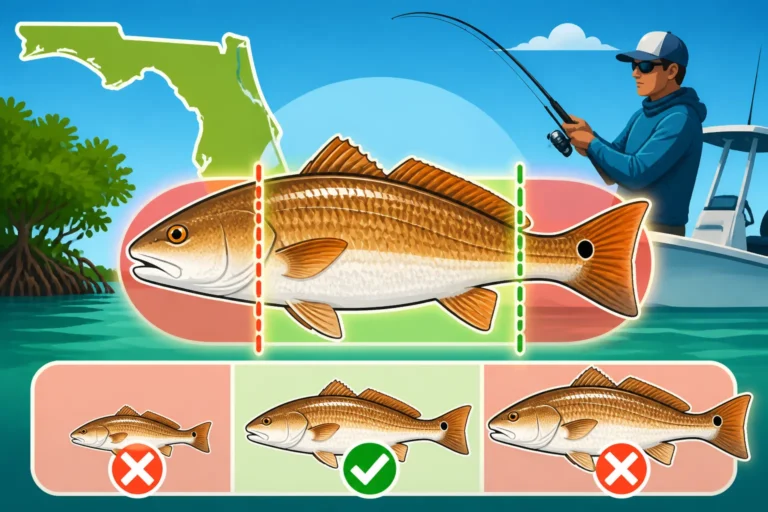
A slot limit is a conservation tool that dictates a specific size range, or "slot," within which fish must fall to be legally harvested. Any fish caught that is either too small (undersized) or too large (oversized) must be immediately released, unharmed. The core idea behind a slot limit is biological:
- Protecting Juveniles: By requiring undersized fish to be released, the FWC ensures that young trout have a chance to grow to maturity and contribute to the spawning population. These small fish are the future of the fishery.
- Protecting Large Breeders: The upper end of the slot protects the largest fish, which are typically the most prolific spawners. These "brood stock" fish produce the most eggs and contribute significantly to the genetic health and overall numbers of the species. By letting them go, you’re essentially ensuring more baby trout for years to come.
Think of it as a biological sweet spot. You're allowed to keep the fish that are mature enough to have spawned but haven't yet reached their prime breeding years, or those that are abundant enough that their removal won't significantly impact the overall population's health. This approach is much more nuanced than a simple minimum size limit and is considered a highly effective management strategy for species like spotted seatrout, as discussed in detail in guides like Spotted Seatrout Size and Bag Limits.
Current Slot Limit for Spotted Seatrout in Florida
For spotted seatrout in Florida, the general slot limit is 15-19 inches total length. This means that any spotted seatrout you intend to keep must measure at least 15 inches from the tip of its nose to the end of its tail, and no more than 19 inches.
Let's put this into practice:
- You reel in a beautiful trout that measures 14 inches. You must release it. It's too small.
- You catch another trout that measures 17 inches. Perfect! This one falls within the slot and can be kept, assuming you haven't hit your daily bag limit.
- Then you hook into a monster, a true trophy trout that measures 20 inches. As tempting as it might be, this one must also be released. It's over the slot limit and is likely a valuable breeder.
Understanding this specific range is non-negotiable. It’s not just about getting caught; it’s about making sure these beautiful fish continue to thrive. This limit is often consistent across the state, but remember, the FWC can and does adjust regulations based on scientific data, so checking current rules is paramount.
Harvesting One Overslot Fish: A Special Provision
Here's where it can get a little more complex, and it’s a provision that sometimes applies to spotted seatrout, though it's crucial to always verify current FWC rules. In some Florida zones, anglers are permitted to keep one fish over the 19-inch slot limit, per vessel, per day. This means that if you and your buddies are fishing on the same boat, only one of you (or one fish from the collective catch of the boat) can be larger than 19 inches, even if multiple anglers are fishing.
Let's illustrate:
- You're fishing with three friends. Each of you catches three trout within the 15-19 inch slot, bringing your total to nine slot fish. All good.
- Later in the day, your friend catches a 22-inch trout. This is an overslot fish. Because of the "one per vessel" rule (if applicable in your fishing zone), this fish can be kept.
- Then, you catch a 21-inch trout. Even though it's a magnificent fish, the "one overslot per vessel" limit has already been met by your friend's catch. Your 21-inch trout must be released.
This "one overslot per vessel" rule is a special allowance, often put in place to give anglers a chance at a trophy while still heavily protecting the large breeding fish. It’s also often subject to regional and seasonal closures or changes, so please, before you plan on keeping an overslot fish, confirm that this specific provision is active for your fishing area and time of year. Don't rely on old information; regulations can change.
Practical Tips for Staying Within Trout Limits
Adhering to Florida’s spotted seatrout regulations isn't just about reading the rules; it's about incorporating practical habits into your fishing routine. A little preparation and mindful angling can make all the difference, ensuring you're compliant and contributing to conservation.
Measuring Your Catch Accurately
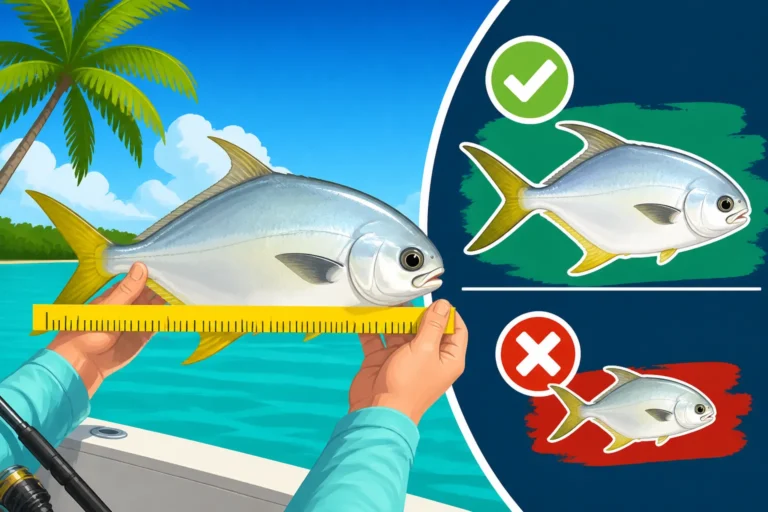
There's nothing worse than getting back to the dock, only to realize that the fish you kept was just barely undersized or over the slot limit. To avoid this, accurate measurement is key.
- Invest in a good measuring device: Forget trying to eyeball it or using a flimsy tape measure. Get yourself a sturdy, flat measuring board. These are often made of plastic or aluminum, have clear markings, and some even feature a raised end to butt the fish's nose against for a precise measurement. You can find excellent, durable measuring boards on Amazon that fit neatly in your boat or tackle box.
- Measure nose to tip: The official FWC rule for measuring fish length is usually from the most forward point of the head to the farthest tip of the tail, with the tail pinched to give the maximum length. Lay the fish flat on your measuring board, butt its nose against the raised end (if your board has one), and gently squeeze the tail fins together to get the longest possible measurement.
- Measure immediately: Don't wait until you're back at the dock. As soon as you catch a fish and decide it's a potential keeper, measure it. If it’s outside the legal slot, release it quickly. This minimizes stress on the fish and prevents accidental violations.
The Art of Catch and Release
Since a good portion of your trout catches will likely fall outside the legal slot, mastering proper catch and release techniques is essential. It's about giving those fish the best possible chance of survival once they swim away.
- Wet hands are a must: Before handling any fish you intend to release, wet your hands. Dry hands can remove the fish's protective slime coat, leaving it vulnerable to infection.
- Minimize air exposure: Fish can't breathe air. Keep them in the water as much as possible. If you need to take a quick photo, do it in seconds, holding the fish horizontally and supporting its belly.
- Use appropriate tackle: Circle hooks are fantastic for trout, as they tend to hook fish in the corner of the mouth, reducing gut hooking. Using a dehooking tool, which you can also find on Amazon, allows for quick and easy hook removal without excessive handling of the fish.
- Resuscitation: If a fish looks sluggish or stressed before release, gently hold it in the water, facing into the current, and move it back and forth to force water over its gills. Only release it when it shows signs of strength and can swim away on its own.
- Consider the conditions: On extremely hot days, or if a fish has been in a long fight, its chances of survival might be lower. Be mindful of these factors and consider releasing even legal fish if you’re concerned about their health. For more detailed advice, check out Catch and Release Best Practices for Snook which shares similar principles applicable to trout.
Staying Informed with FWC Resources
The single most important tip for staying within trout limits – and any fishing regulation in Florida – is to always, always check the current rules before you go fishing. Regulations change. They can be updated seasonally, due to population assessments, or in response to environmental events like red tide.
- FWC Website: The Florida Fish and Wildlife Conservation Commission (myfwc.com) is the official source for all regulations. Their website is comprehensive and updated regularly.
- GoOutdoors Florida App: This free app (available for both iOS and Android) is a lifesaver. You can purchase your Florida Fishing License Guide directly through it, access your license digitally, and most importantly, look up current regulations based on your exact location. It's like having a digital rulebook in your pocket.
- Printed Guides: Many bait shops, tackle stores, and FWC offices offer free printed copies of the Florida fishing regulations. It's a good idea to have one on your boat or in your tackle box as a backup.
- Local Bait Shops and Guides: These folks are often incredibly knowledgeable about local regulations and any recent changes. Don't hesitate to ask them for advice.
By making it a habit to consult these resources, you ensure you're always fishing legally and responsibly. This diligence is crucial, especially when considering regional specifics or the "one overslot" rule. Remember, ignorance of the law is not an excuse.
The Consequences of Exceeding Trout Limits
Nobody wants to have their fantastic day on the water turn sour, but violating fishing regulations, even unintentionally, can lead to serious repercussions. Understanding these consequences isn't just about fear; it's about appreciating the importance of the rules and making sure you avoid a costly mistake.
Penalties for Violating Fishing Regulations
Fishing without adhering to bag limits, slot limits, or season closures is not just a minor infraction in Florida. It's a violation of state law, and the penalties can range from significant fines to more severe legal actions.
- Monetary Fines: This is the most common consequence. Fines for exceeding bag limits or keeping undersized/oversized fish can be substantial. These aren't just a slap on the wrist; they are designed to be a deterrent. For instance, keeping one undersized or overslot fish might result in a fine that easily outweighs the value of the fish itself. For more details on fines, you can refer to resources like What Happens If You Keep an Undersized Fish in Florida?.
- Confiscation: Wildlife officers have the authority to confiscate illegal fish, and in some cases, your fishing gear or even your vessel could be seized, especially for repeated or severe violations. Imagine losing your rod, reel, or even your boat because you didn't measure properly!
- Court Appearances: Depending on the severity of the violation, you might be issued a citation that requires a mandatory court appearance. This means not only a fine but also the loss of your time, potential legal fees, and the stress of dealing with the legal system.
- Suspension of Fishing Privileges: In more egregious cases, or for repeat offenders, your fishing license could be suspended or revoked, meaning you wouldn't be able to fish legally in Florida for a specified period. This is a tough pill to swallow for anyone who loves spending time on the water.
These penalties are in place to underscore the seriousness of protecting our natural resources. A friendly wildlife officer on patrol isn't just looking for bad guys; they're ensuring everyone plays by the rules to protect the shared fishery.
Ethical Angling and Conservation
Beyond the legal ramifications, there's a strong ethical component to respecting fishing regulations. Every angler plays a role in the broader conservation effort, and our choices on the water directly impact the health of the ecosystem.
- Protecting the Resource for Future Generations: When you adhere to bag and slot limits, you're actively contributing to the sustainability of spotted seatrout populations. You're ensuring that your children, grandchildren, and other anglers will have the same opportunities to enjoy catching these beautiful fish.
- Maintaining Ecological Balance: Each species, including the spotted seatrout, plays a vital role in Florida's marine and estuarine ecosystems. Overfishing a single species can have ripple effects throughout the food web, potentially harming other species and the overall health of the environment.
- Setting a Good Example: As an angler, you're often seen as an ambassador for the sport. When you openly and proudly follow regulations, you set a positive example for others, especially younger anglers who are just learning the ropes. Conversely, flaunting rules or bending them sends the wrong message and undermines conservation efforts.
- The Spirit of the Sport: For many, fishing is about more than just catching fish; it's about the experience, the challenge, and the connection to nature. Responsible angling, which includes respecting limits, aligns perfectly with this spirit, fostering a deeper appreciation for the fish and their habitat.
By understanding both the legal penalties and the ethical responsibilities, you can ensure your time on Florida's waters is not only enjoyable but also contributes positively to the long-term health of our beloved spotted seatrout fishery. This commitment is part of what makes Florida such a premier fishing destination year-round. For tips on maximizing your angling experience while respecting the ecosystem, articles like Best Time of Year to Fish in Florida and Best Bait for Trout Fishing in Florida offer valuable insights.
Summary of Florida Spotted Seatrout Regulations
To help keep everything clear, here's a quick reference table for the general spotted seatrout regulations in Florida. Remember, these are general guidelines, and it is imperative to check current FWC regulations for your specific fishing zone and date before heading out.
| Regulation Type | General Statewide Rule (Always Verify!) | Key Details |
|---|---|---|
| Daily Bag Limit | 5 fish per person, per day. | This is the maximum number of legal-sized spotted seatrout an individual angler can keep in a 24-hour period. Applies to fish in possession (cooler, livewell, stringer). |
| Slot Limit | 15-19 inches total length. | Any spotted seatrout kept must measure within this range from the tip of the nose to the pinched tail. Fish smaller than 15" or larger than 19" (unless overslot rule applies) must be immediately released. |
| Overslot Provision | 1 fish over 19 inches allowed per vessel, per day (check regional validity). | This special provision, if active in your zone, allows one single spotted seatrout per boat (not per angler) to be harvested even if it exceeds the 19-inch upper slot limit. This fish counts towards the overall vessel's limit, and no other overslot fish can be kept by anyone on that vessel that day. |
| Regional Variations | Rules can vary by management zone (Western Panhandle, Big Bend, Northeast/Southeast). | Always check the FWC website or the GoOutdoors Florida app for the most current regulations for your specific location and dates, as seasons and limits can change. |
| Closed Seasons | May apply in specific regions or at certain times of the year. | Some areas may have specific closure periods for spotted seatrout to protect spawning fish or aid recovery. Confirm before planning your trip. |
Disclaimer
This article is for general informational purposes only and does not constitute professional advice. Laws, prices and regulations vary by location and change over time. Consult a qualified professional for guidance on your specific situation.