Is Grouper Good to Eat?
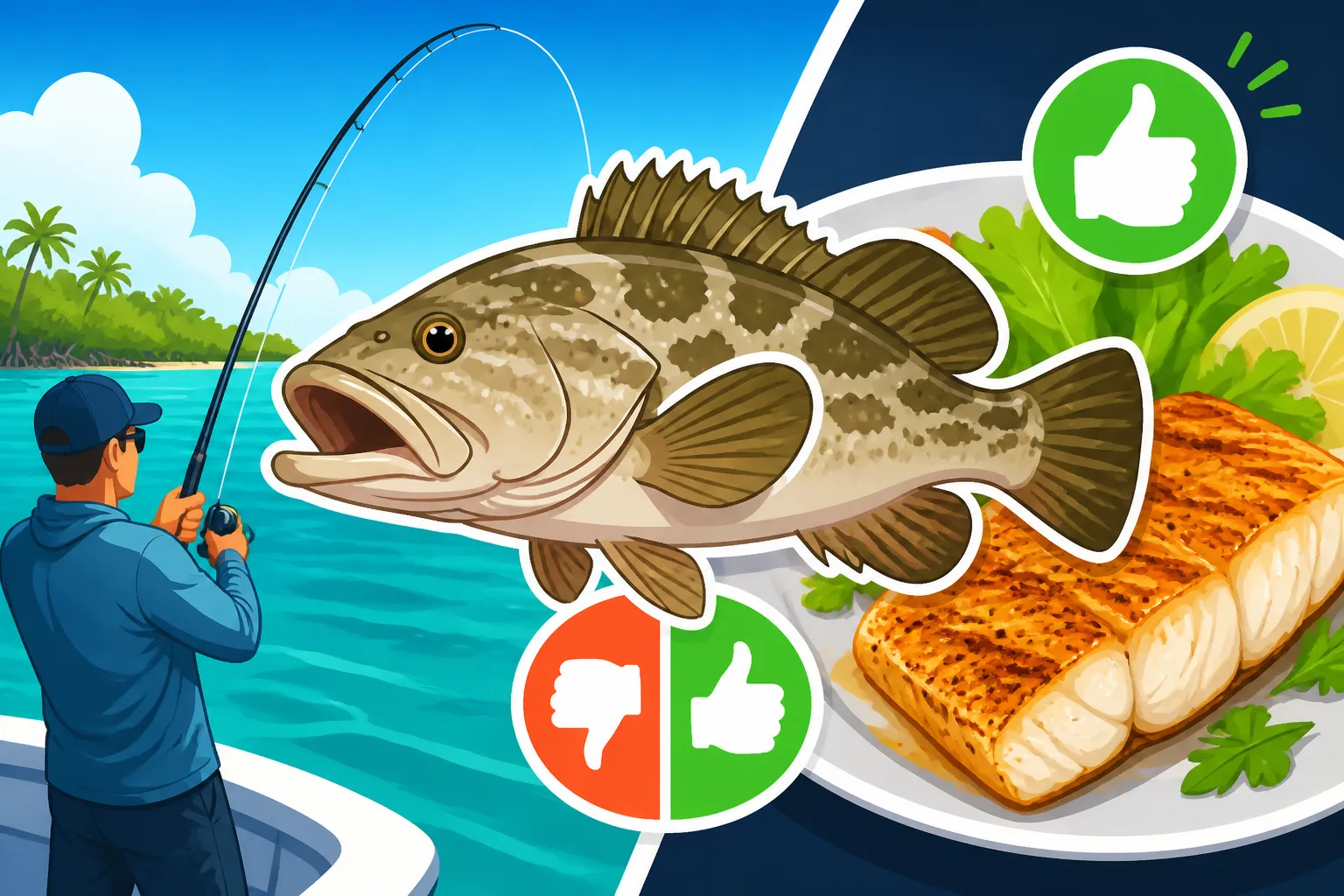
If you've ever cast a line in Florida's abundant waters, chances are you've dreamed of reeling in a grouper. And if you've been lucky enough to land one, the next thought that often pops into your head is, "Is grouper good to eat?" The answer, my friend, is a resounding yes! This guide is going to dive deep into why grouper is such a highly prized delicacy, not just in Florida, but across the culinary world, and how you can prepare it to truly savor its exquisite flavor.
The Allure of Florida Grouper on the Plate
There’s a reason why grouper consistently ranks high on restaurant menus and in the hearts of seafood lovers. It’s not just its impressive size or the fight it puts up on the line; it’s the incredible eating experience it offers. When you're talking about fresh Florida seafood, grouper is truly in a league of its own.
What Makes Grouper So Desirable?
Imagine biting into a piece of fish that's flaky, yet firm, with a mild, sweet flavor that's never overpowering. That's grouper for you. Its flesh is snow-white and lean, holding up beautifully to a variety of cooking methods without falling apart. Unlike some oilier fish, grouper has a delicate flavor that absorbs seasonings and sauces wonderfully, making it incredibly versatile in the kitchen. It’s not "fishy" in the way some people might fear, which makes it a fantastic choice even for those who are a bit hesitant about seafood.
The texture is perhaps one of its most celebrated characteristics. It's substantial enough to feel satisfying but still melts in your mouth. This combination of mild taste and firm, flaky texture means it’s a crowd-pleaser, whether you're serving it to seasoned seafood aficionados or introducing it to someone new. You can find many recipes that really highlight this delicate balance, from simple preparations that let the natural flavor shine to more complex dishes where it plays a starring role.
A Look at Different Grouper Species and Their Culinary Nuances
Florida is home to a fantastic array of grouper species, and while they all share that desirable "grouper" quality, there are subtle differences in their taste and texture that true connoisseurs appreciate. Knowing these nuances can help you pick the perfect fish for your next meal or even influence which species you target during your next fishing adventure.
- Red Grouper: This is often considered the "gold standard" by many. Red grouper typically has a slightly sweeter flavor and a finer, softer flake compared to some of its cousins. Its mildness makes it incredibly versatile, and it's a favorite for pan-searing or baking. When you're thinking of that classic "grouper sandwich," chances are it's red grouper you're imagining.
- Gag Grouper: Also known as black grouper in some areas, the Gag grouper is another popular choice. Its flesh is firmer and has a bit more texture than red grouper, with a robust flavor that's still mild but slightly richer. This firmness makes it an excellent candidate for grilling or even deep-frying, as it holds together exceptionally well. For those who like a bit more bite to their fish, Gag grouper is an ideal selection. You might want to check out the Gag Grouper Size and Bag Limits to ensure you're fishing responsibly.
- Black Grouper: Often confused with Gag grouper (and sometimes called "Black Grouper" itself), the true Black Grouper is highly regarded for its large flakes and very firm texture. It has a distinctive, rich flavor that stands up well to bolder seasonings. This fish is a true heavyweight, both on the line and on the plate, and is fantastic grilled or used in heartier preparations.
- Scamp Grouper: If you ever get your hands on a Scamp grouper, consider yourself lucky! These are often considered among the best-tasting of all grouper species. Scamp has a wonderfully delicate, almost buttery flavor and a very fine, flaky texture that's incredibly tender. It's often the priciest grouper on the market for a reason. Simple preparations are best for Scamp, allowing its superior qualities to truly shine.
Regardless of the specific species, the common thread is that delightful combination of mildness, sweetness, and firm, flaky meat. It's this consistency in quality that makes grouper such a beloved catch and culinary ingredient throughout Florida and beyond.
Preparing Your Grouper for the Best Flavor
Catching a beautiful grouper is only half the battle; knowing how to properly prepare it is where the magic truly happens. Getting it from the water to your plate with its pristine flavor intact is crucial. There's nothing quite like a fresh-caught grouper, and a few key steps will ensure your culinary efforts are rewarded.
Freshness is Key: From Boat to Table
The single most important factor in how good your grouper will taste is its freshness. We've all had that less-than-stellar seafood experience, and it almost always comes down to how long it's been since the fish was caught and how it was handled. For grouper, just like any other premium fish, rapid cooling and proper storage are paramount. As soon as that beautiful fish comes aboard, it should be iced down immediately. A cooler full of ice is your best friend. This quick drop in temperature prevents spoilage and maintains the integrity of the flesh.
When you're handling fish destined for the dinner table, try to minimize stress to the fish after it's caught. A quick, humane dispatch followed by immediate icing helps preserve both flavor and texture. If you're on a Florida Fishing Charter Guide, your captain will likely have this down to a science. Once home, if you're not cooking it right away, keep it on ice in the fridge or vacuum seal and freeze it. Freezing properly means less freezer burn and a better eating experience later on. Remember, the less time at room temperature, the better!
Essential Cleaning and Filleting Tips
Cleaning and filleting a grouper might seem a bit daunting, especially if you're new to it, but with the right tools and a little practice, you'll be a pro in no time. A sharp filleting knife is non-negotiable here; it makes the job safer and much more efficient. Many anglers swear by a flexible, sharp 7-inch or 8-inch blade, which you can easily find on Amazon. Some even find an electric filleting knife to be a game-changer, especially for larger fish.
Here’s a basic breakdown of the process:
- Scaling (Optional): Many people remove the skin, but if you prefer to cook it with the skin on (which can add flavor and crispiness), you'll need to scale it first. Hold the fish firmly by the tail and scrape against the scales with a scaler or the back of your knife.
- Gutting: Make an incision from the vent to the gills along the belly, taking care not to puncture the entrails. Remove all internal organs and rinse the cavity thoroughly under cold water.
- Filleting: Lay the fish on its side on a clean cutting board. Make an incision behind the gill plate, down to the backbone. Turn your knife flat against the backbone and carefully slice along it, working your way towards the tail. Use your other hand to gently pull the fillet away from the bone as you cut. Flip the fish over and repeat on the other side.
- Rib Removal: Once you have the fillets, you'll see the rib bones. Carefully cut around them or use a flexible knife to slice them out.
- Skinning (if desired): Lay the fillet skin-side down. Hold the tail end firmly with one hand. Angle your knife slightly downward, just above the skin, and make a small incision to separate a corner of the flesh from the skin. Then, with a firm grip on the separated skin, use your knife to saw back and forth, keeping the blade angled slightly towards the skin, as you pull the skin away from the fillet. This leaves you with a clean, boneless, skinless fillet.
Always rinse your fillets one last time and pat them thoroughly dry with paper towels before cooking. Excess moisture can prevent a good sear and dilute flavors. This detailed attention to cleaning ensures you're left with beautiful, ready-to-cook pieces of grouper.
Popular Cooking Methods for Florida Grouper
One of grouper's greatest strengths is its adaptability. Its firm, white flesh holds up to a variety of cooking methods, each bringing out different aspects of its delightful flavor and texture. Whether you're a seasoned chef or a home cook looking for simple, delicious seafood, grouper won't let you down.
Pan-Seared Perfection
This is arguably one of the most popular and easiest ways to cook grouper, especially when you have fresh fillets. Pan-searing creates a beautiful golden crust while keeping the inside moist and flaky. The key is a hot pan and not overcrowding the fillets. You'll want a heavy-bottomed pan, like cast iron, for the best results.
Start by patting your grouper fillets completely dry. Season generously with salt, black pepper, and maybe a little garlic powder or your favorite fish seasoning blend. Heat a couple of tablespoons of olive oil or butter (or a combination) in your pan over medium-high heat until it just starts to shimmer. Place the fillets in the hot pan, skin-side down first if you left the skin on, or presentation-side down if skinless. Cook for 3-5 minutes per side, depending on thickness, until golden brown and cooked through. The fish should flake easily with a fork when done. Finish with a squeeze of fresh lemon juice and a sprinkle of chopped parsley. This method truly allows the natural, sweet flavor of the grouper to be the star. For more simple preparations, you could even grab a specific seafood seasoning blend from Amazon to elevate the flavor.
Grilling and Baking for a Healthy Option
If you're looking for a lighter, healthier way to enjoy grouper, grilling and baking are fantastic choices. Both methods lock in moisture and flavor without adding much fat, making them perfect for a fresh catch.
Grilling
Grilling grouper gives it a lovely smoky char and a firm texture. The trick here is to prevent it from sticking and drying out. Marinating your fillets for 20-30 minutes in a light mixture of olive oil, lemon juice, fresh herbs (dill, parsley, or cilantro work well), and a dash of white wine can work wonders. If you're concerned about sticking, a grilling basket can be a lifesaver. Preheat your grill to medium-high. Lightly oil the grates or the basket. Place the marinated grouper on the grill and cook for about 4-6 minutes per side, or until it reaches an internal temperature of around 145°F and flakes easily. Be careful not to overcook, as grilled fish can dry out quickly. This method is perfect for a warm Florida evening, perhaps after a day spent fishing for Florida Grouper Fishing Guide species.
Baking
Baking is incredibly forgiving and produces consistently tender, moist grouper. It's a great option for larger groups or when you want minimal hands-on time. You can bake grouper fillets in a simple preparation or create "en papillote" (in parchment paper) packets with vegetables and herbs for a steamed effect. For a straightforward bake, preheat your oven to 400°F. Place seasoned fillets on a lightly greased baking sheet or in a shallow baking dish. You can top them with a pat of butter, a slice of lemon, and a sprinkle of paprika for color. Bake for 12-18 minutes, depending on thickness, until cooked through. Covering the dish loosely with foil for the first part of baking can help retain moisture.
The Deep-Fried Classic
No discussion of eating grouper would be complete without mentioning the iconic deep-fried grouper sandwich, a staple of Florida cuisine. There’s something undeniably satisfying about the crispy, golden batter giving way to the tender, flaky fish inside.
To achieve that perfect golden crunch, you'll need a good batter and hot oil. A classic beer batter made with flour, cornstarch, baking powder, and a light lager works beautifully. Alternatively, a simple flour-and-egg dredge followed by a seasoned breadcrumb coating will also yield excellent results. For safety and consistency, a deep fryer or a large, heavy-bottomed pot filled with a neutral oil (like peanut, canola, or vegetable) is recommended. You'll want your oil temperature to be around 350-375°F.
Cut your grouper fillets into smaller, manageable portions if desired. Dip them thoroughly in your chosen batter, allowing any excess to drip off. Carefully lower the fish into the hot oil, ensuring not to overcrowd the pot, which would drop the oil temperature too much. Fry for 4-6 minutes, turning occasionally, until the batter is golden brown and crispy, and the fish is cooked through. Use a slotted spoon or spider to remove the fish and place it on a wire rack over paper towels to drain excess oil. Serve immediately with tartar sauce, coleslaw, and a fresh bun for the ultimate Florida grouper sandwich experience.
Responsible Consumption and Sustainability
Enjoying the delicious bounty of Florida's waters comes with a responsibility to ensure these resources remain healthy for future generations. As a passionate angler and cook, I know how tempting it is to just focus on the catch, but a little awareness goes a long way.
Understanding Bag Limits and Seasons
Florida has carefully established regulations to protect its fish populations, including various grouper species. These regulations include specific bag limits (how many fish you can keep) and size limits (minimum and sometimes maximum lengths), as well as open and closed seasons. These rules are put in place by the Florida Fish and Wildlife Conservation Commission (FWC) to prevent overfishing and allow fish populations to reproduce and grow.
It's absolutely essential to stay informed about the current regulations before you head out on the water. A quick search for Florida Grouper Season Guide will give you the latest information. For example, some species of grouper have specific closed seasons to protect them during spawning, ensuring that they can reproduce successfully. Ignoring these rules not only risks fines but, more importantly, harms the very fish populations we all love to target. Always have a measuring device on hand and know how to properly measure your fish to ensure it meets the legal size requirements.
Supporting Sustainable Fishing Practices
Beyond just following the rules, embracing sustainable fishing practices is crucial. This means doing your part to minimize your impact on the marine environment. If you're targeting a species that's catch-and-release only or you've already met your bag limit, practicing proper catch and release techniques is vital. This includes minimizing handling time, using appropriate tackle to reduce fish exhaustion, and ensuring fish are revived properly before release.
Consider using circle hooks when bait fishing, as they are less likely to gut-hook fish, increasing their survival rate upon release. Also, when purchasing grouper from a seafood market or restaurant, don't hesitate to ask about its origin. Supporting local fishermen who adhere to sustainable practices helps promote the long-term health of our fisheries. By being mindful both on the water and at the dinner table, we can all contribute to keeping Florida's grouper populations thriving.
Disclaimer
This article is for general informational purposes only and does not constitute professional advice. Laws, prices and regulations vary by location and change over time. Consult a qualified professional for guidance on your specific situation.