Why Snook Are Protected During Cold Weather
There's nothing quite like a crisp Florida morning, but for many anglers, the arrival of genuine cold weather often brings a knot of worry, especially when it comes to our beloved snook. These incredible game fish, synonymous with the Sunshine State, are surprisingly vulnerable to even a slight dip in water temperatures, leading to critical protections. This guide is here to unravel the mystery of why snook are protected during cold weather, helping you understand their delicate nature and how you can be a part of their vital conservation.
Understanding Snook Physiology and Cold Stress
Snook are truly special fish, but their tropical origins mean they aren't built for chilly conditions. Unlike some other species that can tolerate a wide range of temperatures, snook are extremely sensitive to cold, and prolonged exposure can be devastating. It’s not just an inconvenience for them; it’s a matter of survival.
Why Cold Water is a Threat to Snook
Imagine yourself without a coat in a blizzard – that's a bit like what cold water feels like to a snook. Snook are stenothermal, meaning they can only survive within a narrow range of temperatures. When water temperatures drop below a certain threshold, typically around 55-60 degrees Fahrenheit, their metabolic processes slow down dramatically. They become lethargic, their immune systems weaken, and their ability to feed, escape predators, or even regulate basic bodily functions is severely compromised. It’s a full-body shutdown that can quickly turn fatal.
Think about it: during a warm spell, snook are dynamic, ambushing predators, bursting with energy. But when the cold hits, they seek out warmer pockets of water, often crowding into canals, creeks, or deep residential basins where the water might be a few degrees warmer. Even then, if the cold persists, these thermal refuges might not be enough. Their body temperature mirrors the water around them, and if that water gets too cold for too long, they simply can't recover. This vulnerability is why specific rules, like those outlined in the Florida Snook Season Guide, are so crucial during cooler months.
Signs of Cold Stress in Snook
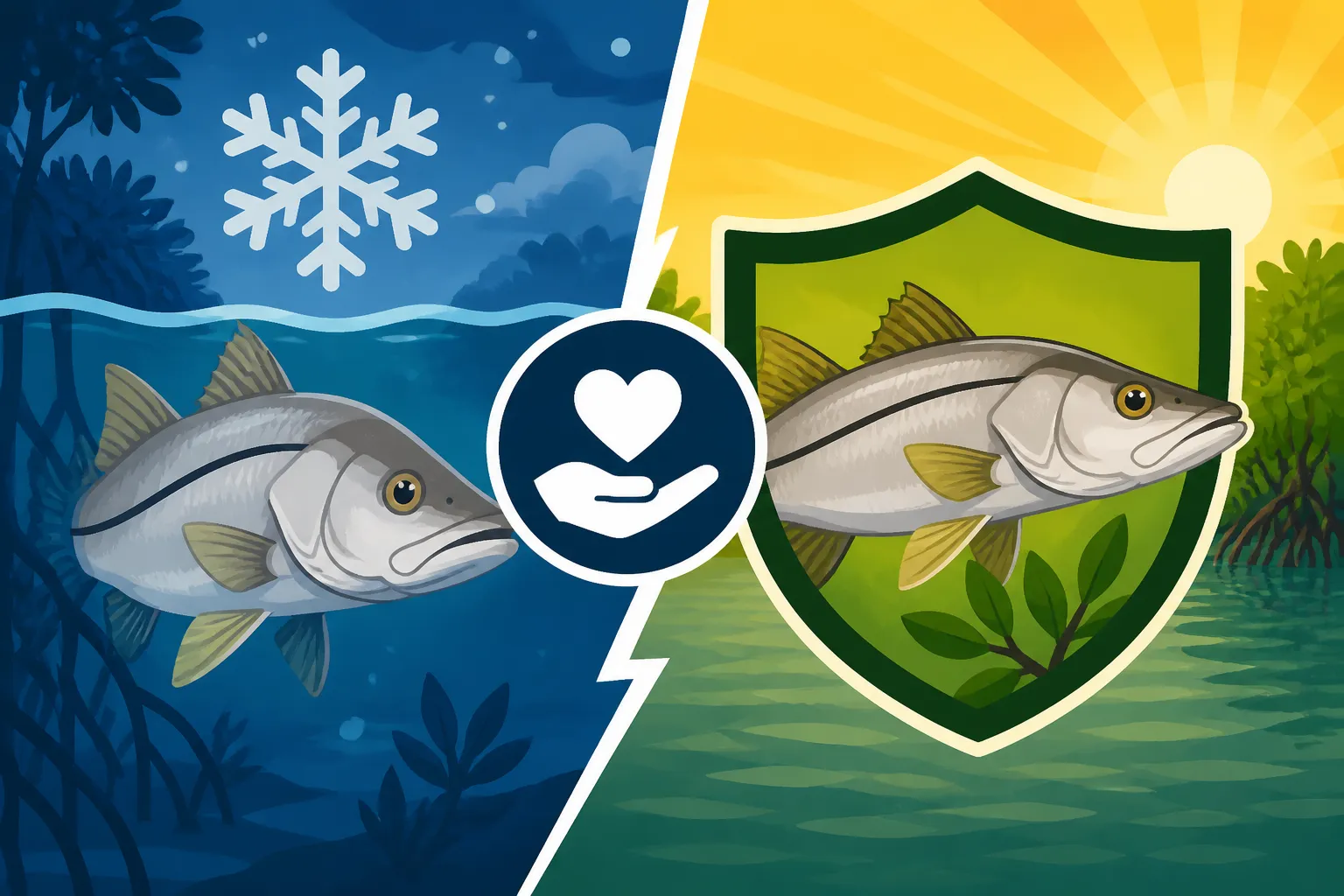
As an angler, recognizing the signs of cold stress in snook is incredibly important. These aren't just fish that are a bit sluggish; they're in genuine distress. A snook suffering from cold stress, often referred to as "cold-stunned," might exhibit several tell-tale signs. They'll often appear disoriented, swimming slowly, erratically, or even on their sides. Their color might seem duller than usual, and they might lose their characteristic dark lateral line.
In severe cases, you might see them floating lifelessly near the surface or washed up on shore. These are often the fish that couldn't find adequate refuge or were exposed to dangerously low temperatures for too long. If you're out fishing and see snook behaving this way, it's a clear sign that conditions are critical, and it's best to leave them undisturbed. Even if they appear to be moving, their chances of survival significantly decrease if they're handled or stressed further. Protecting these fish means understanding these visual cues and acting responsibly.
The Impact of Cold Snaps on Snook Populations
Florida is known for its sunshine, but every now and then, a brutal cold front sweeps through, dropping temperatures to alarming lows. For snook populations, these events are more than just a passing inconvenience; they can be catastrophic, wiping out thousands of fish and setting back conservation efforts for years.
Historical Cold Weather Events and Their Devastation
Florida has a history of devastating cold weather events that have severely impacted snook. While we often think of hurricanes as the big threat, a prolonged freeze can be just as, if not more, destructive to cold-sensitive species like snook. We've seen periods where successive cold fronts dropped water temperatures into the low 40s and even upper 30s in some shallow areas. During these times, reports of massive snook kills aren't uncommon, with thousands of dead fish washing ashore. These aren't isolated incidents; they're stark reminders of the vulnerability of snook.
These events don't just kill individual fish; they can decimate entire year classes or even mature breeding populations. This makes it incredibly difficult for the species to rebound, as it takes years for younger fish to grow to a reproductive size. Following such a freeze, the numbers of large, trophy-sized snook can noticeably plummet, impacting both the ecosystem and the local fishing economy. This long-term impact is why regulations like Florida Snook Season Closures by Region are so vital, aiming to give the species a chance to recover.
Long-Term Recovery Challenges
The recovery of snook populations after a severe cold snap is a slow and arduous process. It's not like simply turning off a faucet and then turning it back on. Snook are relatively long-lived fish, and it takes several years for them to reach sexual maturity and contribute to spawning. If a major cold event wipes out a significant portion of the breeding stock, it can take a decade or more for the population to return to healthy levels. This challenge is further complicated by other environmental factors like habitat loss and water quality issues.
During these recovery periods, every surviving snook becomes critically important. This is why strict adherence to regulations, particularly concerning catch-and-release, becomes paramount. Anglers play a huge role in ensuring that the fish that do make it through a cold stun are given every chance to survive and reproduce. Without these protections and the cooperation of the fishing community, the long-term viability of snook populations would be in constant jeopardy. Understanding What Happens to Snook During a Cold Snap? helps emphasize the delicate balance.
How Florida Protects Snook During Cold Weather
Recognizing the extreme vulnerability of snook, the state of Florida has implemented specific rules and measures designed to protect these fish when temperatures drop. These regulations are not just arbitrary; they are scientifically based efforts to safeguard the species during its most perilous times.
Seasonal Closures and Regulatory Measures
The most direct way Florida protects snook during cold weather is through seasonal closures. Typically, snook season has specific closure periods, often including the winter months, specifically to shield them from fishing pressure when they are most susceptible. These closures mean that even if you catch a snook, you must release it immediately and unharmed. These rules apply whether you're fishing from a boat, pier, or the shoreline. The goal is to minimize stress on fish that are already struggling to survive the cold.
These closures are part of broader Florida Fishing Regulations and Bag Limits that consider various factors, including water temperature and spawning seasons. The exact dates and regions for snook closures can vary, and it's always critical for anglers to check the latest regulations before heading out. Sometimes, emergency closures might even be enacted if an unusually severe or prolonged cold front is predicted or occurs. These measures are designed to give snook the best possible chance to survive the cold and contribute to future spawning efforts.
Catch-and-Release Best Practices During Cold Stuns
Even when snook season is open, if you encounter cold-stressed fish, practicing proper catch-and-release techniques becomes even more critical. During a cold stun, snook are extremely fragile. Their immune systems are depressed, and their energy reserves are depleted. Any additional stress from being caught, handled, or kept out of the water for too long can easily push them past their breaking point, even if they swim away initially.
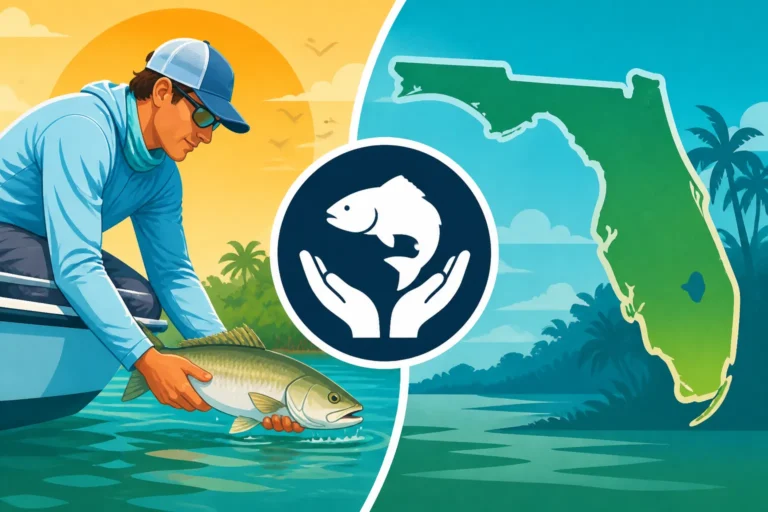
This is why the mantra "handle with care" is amplified during cold weather. Avoid targeting snook if the water is very cold, as the act of fighting them can be fatal. If you do accidentally catch one, bring it in quickly, handle it gently with wet hands, and release it as fast as possible. Don't lift them vertically by the jaw; support their body horizontally. Cut the line if the hook is deep, rather than trying to remove it. You can find more detailed guidance in Catch and Release Best Practices for Snook. Even seemingly minor interactions can have major consequences for a cold-stunned fish.
The Role of Anglers in Snook Conservation
Anglers are often the first line of defense and critical partners in snook conservation. By understanding and adhering to the regulations, and by actively practicing responsible fishing, we directly contribute to the survival and recovery of snook populations. This isn't just about following rules; it's about being an ethical steward of Florida's natural resources.
It also means speaking up. If you see others violating cold weather snook regulations or mishandling fish, reporting it to the proper authorities helps protect the resource for everyone. Education is another powerful tool; sharing knowledge about snook vulnerability and best practices with fellow anglers, especially those new to Florida fishing, helps foster a community committed to conservation. The success of snook protection during cold weather truly depends on the collective actions of thousands of individuals who care about these magnificent fish.
What Anglers Can Do to Help
Being a responsible angler during cold weather goes beyond just knowing the rules; it's about actively adapting your approach to minimize harm to snook. Your actions can make a real difference in the survival rate of these incredible fish when they are at their most vulnerable.
Identifying Safe Fishing Conditions
The absolute best thing you can do for snook during cold weather is to avoid fishing for them when conditions are risky. But how do you know what's safe? It largely comes down to water temperature and recent weather patterns. If there's been a significant cold front, especially one that has lingered for several days or dropped air temperatures below freezing overnight, the water is likely too cold for snook to handle additional stress.
A good rule of thumb is to check local water temperature readings. Many marine apps and local weather reports provide this data. If the water temperature in the areas you plan to fish is consistently below 60 degrees Fahrenheit, it's generally best to target other species or postpone your snook fishing until conditions warm up. Remember, snook will often concentrate in warmer, deeper pockets like canals or discharge areas during a freeze, but even there, they are fragile. Targeting them in these "refuges" can do more harm than good, as they are already stressed. Consider exploring How Cold Fronts Affect Winter Fishing in Florida for more insights.
Essential Gear for Cold Weather Snook Fishing
If you do decide to fish for snook during colder periods, and regulations allow, having the right gear is crucial – not just for you, but for the fish. While it might seem counterintuitive, using appropriate gear can help minimize the stress on a cold-stunned snook if you happen to hook one. This means having tackle that is strong enough to quickly bring in a fish without an overly prolonged fight, which exhausts them.
For example, a medium-heavy rod with a reliable reel spooled with 20-30 lb braided line and a strong fluorocarbon leader (say, 30-50 lb) would be a good Best Rod and Reel Setup for Florida Inshore Fishing. This allows you to land the fish quickly. Having a de-hooking tool and a large, knotless rubberized net is also essential for safe, minimal-contact release. You can find excellent options for these on Amazon, ensuring you have high-quality tools that won't further injure a delicate fish. Similarly, a good pair of polarized sunglasses, available from Amazon, can help you spot lethargic fish that you should avoid targeting.
| Tool / Item | Purpose for Cold Weather Snook Fishing |
|---|---|
| De-hooking Tool | Quickly and safely remove hooks with minimal fish handling. |
| Knotless Rubberized Net | Supports the entire fish, preventing scale and slime coat damage. |
| Proper Leader (fluoro) | Strong enough to prevent break-offs, ensuring quick landing. |
| Heavy Enough Tackle | Reduces fight time, minimizing exhaustion for stressed fish. |
| Water Thermometer | Helps identify unsafe water temperatures to avoid fishing. |
| Warm, Waterproof Gear | Keeps angler comfortable, allowing focus on fish safety. |
Reporting Cold-Stunned Fish
Your eyes on the water are invaluable to conservation efforts. If you encounter large numbers of dead or dying snook due to cold weather, it's incredibly important to report it to the Florida Fish and Wildlife Conservation Commission (FWC). These reports help FWC assess the severity of the cold event's impact on snook populations and can inform future management decisions, including potential emergency closures.
When reporting, try to include as much detail as possible: the exact location, the approximate number of fish, the size range, and any observed behaviors. Taking photos (without handling live fish) can also be helpful. This information allows biologists to quickly respond and gather data, which is vital for understanding the long-term health of the snook fishery. Even if you're not directly fishing, just observing and reporting can be one of the most impactful ways to contribute to Florida Snook Fishing Guide efforts, helping ensure these magnificent fish continue to thrive in our waters for generations to come. Having a reliable waterproof phone case, readily available on Amazon, can help you take and send these critical photos safely and quickly.
Disclaimer
This article is for general informational purposes only and does not constitute professional advice. Laws, prices and regulations vary by location and change over time. Consult a qualified professional for guidance on your specific situation.