Florida Snook Fishing Guide
Florida's waters hold a special kind of magic for anglers, but few experiences are as exhilarating and, at times, frustrating, as chasing the elusive snook. Many passionate fishers spend years trying to unlock the secrets of these powerful, intelligent fish, often returning home with stories of "the one that got away." This comprehensive guide is here to demystify snook fishing in the Sunshine State, offering you the insights and strategies needed to consistently find and land these incredible game fish, transforming those near misses into triumphant catches.
The Allure of Florida Snook: Why These Fish Capture Anglers' Hearts
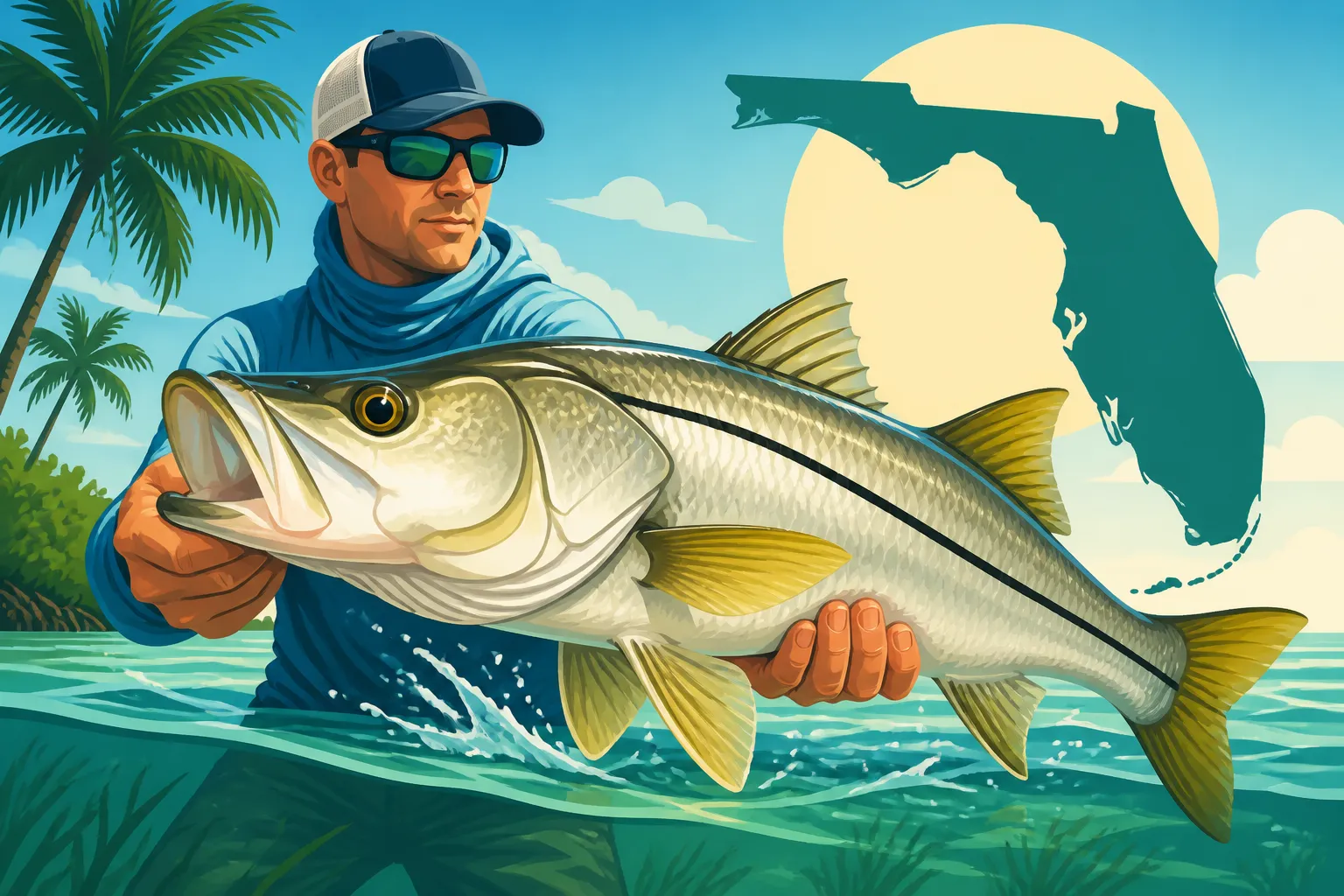
There's something truly captivating about the snook. Perhaps it's their stunning silver flanks marked by that iconic black lateral line, or maybe it's the explosive, acrobatic fight they put up once hooked. Whatever it is, the common snook ( Centropomus undecimalis) holds a revered status among Florida's inshore species, drawing anglers from around the globe to experience its thrill.
What Makes Snook So Special?
For many, the snook isn't just a fish; it's an obsession. They are known for their incredible strength, often making blistering runs and leaping spectacularly out of the water, challenging even the most experienced anglers. Unlike some other species that might offer a more predictable fight, a snook can surprise you with unexpected changes in direction and surges of power that test your tackle and your resolve. Catching a snook, especially a large one, feels like a true accomplishment because you know you've outsmarted a truly formidable opponent. Their beauty, combined with their fighting spirit, makes them a prime target for both recreational anglers and seasoned professionals. They also thrive in Florida's diverse habitats, from mangrove estuaries to sandy beaches, making them accessible yet consistently challenging.
Beyond the fight, snook are also celebrated for their table fare. When legally harvested and properly handled, their white, flaky meat is delicious. However, due to their popularity and the importance of conservation, many anglers, myself included, practice catch and release for these magnificent creatures, ensuring future generations can enjoy the same thrilling encounters. It’s a balance of appreciation for their fighting prowess and their role in our delicate ecosystem.
A Glimpse into Snook Biology and Habitat
Snook are truly adaptable fish, thriving in a variety of coastal environments. They are euryhaline, meaning they can tolerate a wide range of salinities, which is why you'll find them not just in pure saltwater but also far up brackish rivers and even occasionally in freshwater canals connected to the coast. This ability to move between different water types is a significant factor in their survival and distribution across Florida. They're also protandric hermaphrodites, meaning most snook begin life as males and later transition to females, usually when they reach a larger size. This unique reproductive strategy plays a crucial role in the health and sustainability of their populations.
Their preferred habitats are typically characterized by structure and ambush points. Think mangrove shorelines, oyster bars, dock pilings, bridge fenders, rock piles, and submerged vegetation. These areas provide cover from predators, a place to ambush unsuspecting baitfish, and often, warmer water in cooler months. In the cooler winter months, you'll find them migrating into deeper canals and rivers where water temperatures are more stable. During the warmer summer months, they often venture out to the beaches and passes for spawning. Understanding these biological needs and habitat preferences is key to predicting where they might be at any given time.
Understanding Snook Behavior and Feeding Habits
Snook are opportunistic predators with a keen sense for baitfish. Their diet primarily consists of mullet, pilchards, sardines, pinfish, and shrimp. They are ambush predators, meaning they often wait patiently in cover before exploding onto their prey with incredible speed and accuracy. This behavior is why fishing around structure is so effective; you're essentially placing your bait in their "strike zone." Their powerful jaws and large mouth are perfectly adapted for gulping down prey whole.
They are most active during periods of strong water movement, typically around changing tides, which concentrates bait and makes it easier for them to hunt. Low light conditions – dawn, dusk, and night – are also prime feeding times, especially for larger snook, as the reduced visibility gives them an advantage over their prey. However, a cloudy day or choppy water can sometimes provide similar conditions, spurring a daytime bite. Understanding these feeding patterns and behavioral quirks is paramount to planning a successful snook outing.
Navigating Florida's Snook Seasons and Regulations
Fishing for snook in Florida isn't just about technique; it's also about respecting the rules designed to protect this incredible species. The Florida Fish and Wildlife Conservation Commission (FWC) meticulously manages snook populations through specific seasons, size limits, and bag limits, which can sometimes vary by region. Keeping up with these regulations is not just good practice; it's absolutely essential for sustainable angling.
Critical Season Dates and Regional Variations
Florida's snook seasons are carefully set to protect them during their spawning periods and when they are vulnerable to cold weather. Generally, snook fishing is closed during parts of the winter and summer to coincide with these critical times. The state is divided into different management zones – the Atlantic Coast, the Gulf Coast (including Everglades National Park), and a special Indian River Lagoon-St. Johns River area – each with its own specific season dates. This means that a snook you can keep on one side of the state might be out of season on the other. It's vital to check the current FWC regulations for the specific region you plan to fish before you ever cast a line. For example, the Gulf Coast and Atlantic Coast often have different opening and closing dates for snook season, particularly during the summer. You can find detailed information on Florida Snook Closed Season Dates to plan your trip accordingly.
These closures are not arbitrary; they are based on scientific data regarding snook spawning aggregations and cold stress vulnerability. During a cold snap, snook become lethargic and can be susceptible to cold kills, so fishing is typically prohibited to prevent further stress on the population. Similarly, during the peak summer spawning months, closures allow these fish to reproduce undisturbed. Always verify the current dates, as they can be adjusted based on stock assessments and environmental conditions.
Florida Snook Size and Slot Limits Explained
Beyond just open seasons, snook also have a strict slot limit, which means you can only keep fish that fall within a very specific size range. This is different from a minimum size limit or a maximum size limit; it’s a range that aims to protect both juvenile fish, allowing them to grow and reproduce, and the larger, older breeding stock, which are critical for the health of the overall population. For example, a typical slot limit might be between 28 and 33 inches. Any snook shorter than the minimum or longer than the maximum must be immediately released unharmed. This practice ensures that the most reproductively valuable fish remain in the water to contribute to future generations. You can learn more about these specific requirements by looking into Florida Snook Size and Slot Limits.
Measuring a snook correctly is also crucial. Always lay the fish flat on a measuring device, with its mouth closed and touching the stop, and measure to the tip of the tail. Handle the fish gently and quickly during this process to minimize stress. Getting this measurement right isn't just about compliance; it's about being a responsible angler who contributes to the long-term viability of the species. Misidentifying or improperly measuring a fish can lead to penalties, but more importantly, it can harm the very populations we love to fish.
Understanding Bag Limits and Conservation Efforts
In addition to size and season limits, there's also a bag limit, which dictates how many legal-sized snook you can keep per person per day. Typically, this is a very conservative number, often just one fish per angler per day. This low bag limit underscores the FWC's commitment to snook conservation and acknowledges their status as a prized game fish. It’s not about filling a cooler; it’s about the quality of the fishing experience and the long-term health of the fishery. Understanding How Many Snook Can You Keep in Florida? is part of being a well-informed angler.
It's also important to remember that all snook harvested must have a snook permit, in addition to your regular Florida fishing license, unless you are exempt. This permit helps fund critical research and management programs specifically focused on snook. Every time you purchase a fishing license or a snook permit, you're directly contributing to the conservation efforts that keep Florida's fisheries healthy. These funds support habitat restoration, scientific studies, and enforcement of regulations, all of which are vital for ensuring that snook populations thrive. Respecting these regulations is our collective responsibility as anglers.
Timing is Everything: Best Moments to Target Snook
While snook can be caught year-round in Florida, knowing when and where to find them makes all the difference. Their behavior is heavily influenced by seasonal changes, daily light cycles, and especially, the movement of tides. Becoming a truly successful snook angler means becoming a student of these natural rhythms.
Seasonal Patterns: When Snook are Most Active
Florida's climate dictates much of the snook's seasonal movements. In the warmer months, roughly from late spring through early fall, snook are typically more active and widespread. This is often their spawning season, and they'll migrate to passes, inlets, and nearshore beaches. During this time, they are often aggressively feeding and can be found in shallower waters, making them a prime target for sight fishing. The summer months offer exciting opportunities, but remember to check for Florida Snook Closed Season Dates as these periods often coincide with spawning closures.
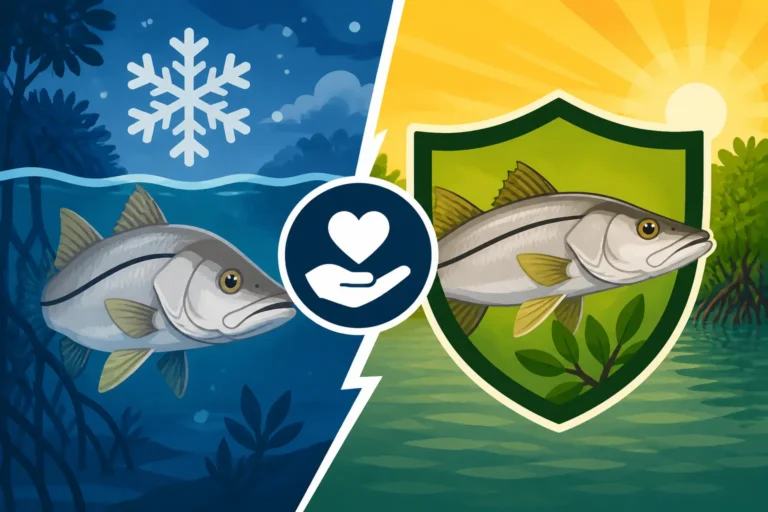
As temperatures begin to drop in late fall and winter, snook seek refuge in warmer waters. They'll move deep into brackish rivers, canals, residential docks, and power plant outflows. These areas offer thermal refuge from cold fronts, which can be deadly to snook if water temperatures drop too low. During these cooler periods, their metabolism slows, and they become less active, often requiring a slower presentation of baits and lures. The fishing can still be excellent, but it demands a different approach than the warmer months.
Mastering the Tides and Water Movement
Tides are arguably the single most important factor when targeting snook, especially in inshore and estuarine environments. Snook are ambush predators, and moving water concentrates baitfish, pushing them through choke points where snook can easily lay in wait. An incoming or outgoing tide, particularly when it's strong, can create these feeding opportunities. The "slack tide" – the period of minimal water movement between high and low tide – is often the slowest for snook fishing, as bait disperses and snook become less aggressive. For detailed understanding, checking Best Tides for Inshore Fishing in Florida is highly recommended.
The optimal tide phase can vary depending on the specific location. For instance, in a narrow mangrove creek, an outgoing tide might flush bait out of the mangroves, creating an ideal ambush scenario for snook staging at the mouth of the creek. Conversely, on a grass flat adjacent to a deep channel, an incoming tide might bring bait onto the flat, drawing snook up to feed. Experienced anglers often keep detailed logs of successful outings, noting the tide stage, moon phase, and water conditions to identify patterns for their favorite spots. Observing how current interacts with structure is key to pinpointing snook holding spots.
The Influence of Weather and Water Temperature
Beyond tides, weather and water temperature play a significant role in snook behavior. Snook are sensitive to cold water; temperatures below about 60°F can make them sluggish and even lead to cold stunning. This is why winter fishing often focuses on areas with deeper, more stable water or warmer outflows. Conversely, extremely hot water can also make them less active during the brightest parts of the day, prompting them to feed more during low light hours. A sudden drop in barometric pressure, often preceding a cold front, can sometimes trigger a feeding frenzy, while a stable, high-pressure system might make them more predictable.
Cloud cover and wind can also affect the bite. Overcast days reduce light penetration, encouraging snook to feed longer into the day. A chop on the water's surface can break up light, making it harder for snook to spot lures, but also harder for baitfish to spot predators, sometimes enhancing the bite. Strong winds, however, can make boat control difficult and muddy up the water, often making fishing more challenging. Always check the weather forecast, including wind direction and temperature, as part of your fishing plan.
Tried-and-True Techniques for Catching Florida Snook
Snook are challenging, but they're not impossible. Success often comes down to matching your technique to the conditions and their behavior. Whether you prefer the natural allure of live bait, the versatility of artificial lures, or the finesse of fly fishing, there's a method that will bring you face-to-face with a fighting snook.
The Art of Live Bait Fishing for Snook
Live bait is, hands down, one of the most effective ways to catch snook, especially larger, more wary fish. The natural movement and scent of live bait are often irresistible. The most common and productive live baits include pilchards (greenbacks), sardines, mullet, and shrimp. The key is to present them naturally and to use healthy, frisky bait. You'll need a cast net or a bait trap to gather your own, or you can often purchase them from local bait shops. Keeping your bait alive and vigorous in a well-aerated livewell is crucial. For more details on what works best, check out Best Bait for Snook Fishing in Florida.
When fishing with live bait, presentations can vary. Free-lining a pilchard with a small circle hook (size 1/0 to 3/0, depending on bait size) near structure is incredibly effective. Sometimes, a tiny split shot or an unweighted jig head is needed to get the bait down a little deeper or to help it fight the current. When targeting snook under docks or around bridge pilings, a well-placed shrimp or a smaller pilchard can draw them out. The key is subtlety; you want the bait to look and act as naturally as possible, mimicking an easy meal for a lurking snook.
Excelling with Artificial Lures and Plugs
While live bait is a consistent producer, the thrill of catching a snook on an artificial lure is unmatched for many anglers. It feels like a true victory of skill and presentation. Topwater plugs are phenomenal for explosive strikes, especially during low light conditions around dawn and dusk. The sight of a snook blowing up on a walking bait or popper is truly unforgettable. Subsurface lures like soft plastic paddletails, jerkbaits, and twitchbaits are also incredibly effective. Colors can vary, but natural baitfish patterns, white, and chartreuse are perennial favorites. You can find a vast selection of these on Amazon, ready for your next outing.
Jigs, especially bucktail jigs or those tipped with soft plastic tails, are versatile and can be fished effectively around structure, bounced off the bottom, or retrieved through the water column. The retrieve is critical when using artificials. Snook often prefer a retrieve that mimics an injured or fleeing baitfish – erratic twitches, pauses, and sudden bursts of speed. Experiment with different retrieves until you find what triggers a strike. Don't be afraid to try different lure types; sometimes a subtle change in action or profile is all it takes. For targeting those surface feeders, be sure to investigate Best Lure for Topwater Snook Fishing.
The Challenge and Reward of Fly Fishing for Snook
Fly fishing for snook is perhaps the most challenging, yet ultimately most rewarding, way to pursue this species. It requires excellent casting skills, precise presentation, and a keen eye for spotting fish. Snook on the fly are often targeted on shallow flats, around mangrove edges, or near dock lights at night. The most effective flies are typically baitfish imitations like Deceivers, Clouser Minnows, and EP Flies, usually in white, chartreuse, or natural colors. The size of the fly should match the prevalent bait in the area. If you're looking to explore this niche, a Florida Fly Fishing Guide can offer broader insights.
A typical setup for snook fly fishing involves an 8 to 10-weight fly rod, matching reel, and a weight-forward floating line. A stout leader system, often with a 40-60 lb fluorocarbon butt section tapering down to a 20-30 lb bite tippet, is essential to withstand the snook's abrasive mouth and powerful runs. The key to success is getting the fly to the fish quickly and accurately, often into tight spots under mangroves or docks. Once hooked, a snook on a fly rod provides an unmatched fight, testing both angler and gear to their limits.
Essential Gear for Your Snook Fishing Adventures
Having the right tackle can make all the difference when you hook into a powerful snook. Their explosive runs and head shakes demand gear that can withstand abuse and provide the necessary leverage to turn a strong fish away from cover. Investing in quality equipment will save you frustration and increase your chances of landing these magnificent fighters.
Choosing the Right Rod and Reel Setup
For most inshore snook fishing, a medium-heavy spinning rod or baitcasting rod, typically 7 to 7.5 feet long, is an excellent choice. This length provides good casting distance while still offering enough power to control a fighting fish and pull it away from structure. A fast action rod tip allows for accurate casting and sensitive bite detection, while a strong backbone gives you the leverage needed for the fight. For a general overview, Best Rod for Inshore Fishing in Florida provides great advice.
Matching this with a reliable 4000 to 5000 size spinning reel or a robust baitcasting reel is ideal. Look for reels with smooth drag systems that can handle strong, sustained runs. Corrosion resistance is also a major factor, given the saltwater environment. A sturdy reel foot and a comfortable handle are details that contribute to a better fishing experience. While it's easy to get overwhelmed by options, many reputable brands offer excellent rod and reel combos that are perfect for snook fishing, and you can often find great deals on Amazon.
Line, Leader, and Terminal Tackle Essentials
Your choice of fishing line is critical for snook. Most anglers opt for braided line as their main line, typically 20 to 40 lb test. Braid offers incredible strength, sensitivity, and casting distance with a small diameter. The lack of stretch in braid also means you feel every bump and bite, which is crucial for soft-biting snook or when fishing artificials. However, braid's lack of abrasion resistance means you absolutely need a strong fluorocarbon leader. For detailed guidance, check out What Pound Test Line for Snook Fishing?.
A fluorocarbon leader, ranging from 30 to 60 lb test, is attached to your braid via a strong knot like an FG knot or an Albright knot. Fluorocarbon is nearly invisible underwater and, more importantly, is highly abrasion-resistant, protecting your line from snook's rough mouths and sharp gill plates, as well as barnacle-covered pilings. The length of your leader can vary, but 2 to 4 feet is a good starting point. For hooks, use strong, sharp circle hooks (size 1/0 to 4/0) for live bait, and ensure your jig heads are also robust. Swivels are generally avoided with snook to maintain a stealthy presentation, with anglers often tying leader directly to lures or hooks.
Must-Have Accessories and Tools
Beyond your rod, reel, line, and hooks, a few essential accessories will make your snook fishing trips more productive and ethical. A good pair of pliers or braid cutters is indispensable for cutting line, crimping sleeves, and removing hooks. A reliable measuring tape or bump board is crucial for accurately measuring your catch against the slot limits. A fish gripper or lip gaff is highly recommended for safely handling snook, especially larger ones, minimizing harm to both the fish and yourself. Avoid handling large snook by the gill plate if you intend to release them, as this can cause internal damage.
Polarized sunglasses are non-negotiable for sight fishing, allowing you to cut through the glare on the water and spot lurking snook or schools of bait. A wide-brimmed hat and sun-protective clothing are also vital for long days under the Florida sun. Finally, a well-stocked tackle box with a variety of lures, extra hooks, leader material, and necessary tools will ensure you're prepared for any situation the snook fishing grounds throw your way. Make sure to have a few extra topwater plugs and soft plastics; you can always replenish your stock through Amazon.
Where to Find the Silver King: Prime Florida Snook Hotspots
Florida is a snook paradise, but even in paradise, some spots are better than others. Understanding the types of environments snook prefer and identifying key structures within those areas will significantly increase your success. From the Gulf Coast to the Atlantic, the opportunities are abundant if you know where to look.
Key Regions Known for Abundant Snook
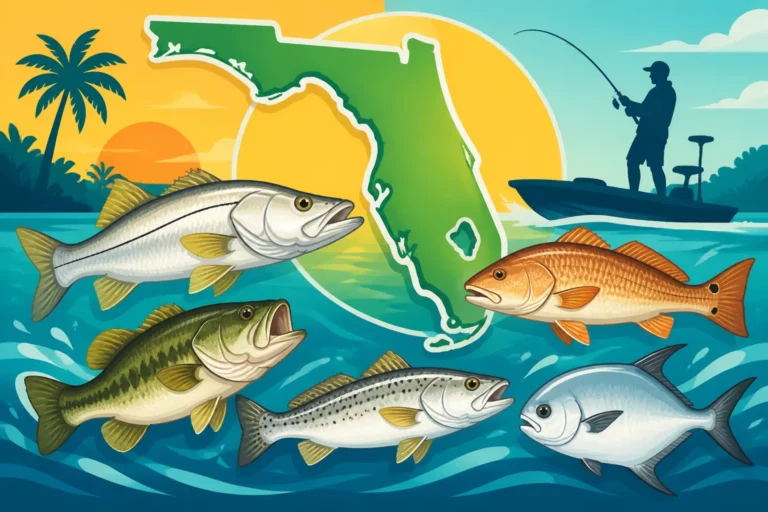
Snook are distributed throughout Florida's coastal waters, but some regions are particularly renowned for their healthy populations and trophy-sized fish. On the Gulf Coast, areas like Tampa Bay, Charlotte Harbor, the Ten Thousand Islands, and the Everglades offer expansive mangrove estuaries, grass flats, and countless creeks that are prime snook habitat. The calm, warm waters of these regions provide ideal conditions for snook to thrive. The Everglades Fishing Guide highlights one such prime location.
On the Atlantic Coast, the Indian River Lagoon system, including Mosquito Lagoon and Sebastian Inlet, is famous for its large snook, often referred to as "linesiders" due to their prominent lateral line. Further south, the intricate canal systems of Miami and Fort Lauderdale, along with the numerous inlets and passes, also hold significant numbers of snook. When considering Where Do Snook Live in Florida?, these areas frequently come up as top contenders for a reason. Each region has its unique characteristics, but the common thread is abundant bait, protective structure, and suitable water temperatures.
Specific Habitat Structures to Target
Snook are creatures of structure, always looking for an ambush point or a place to escape strong currents. Inshore, this means targeting mangrove shorelines, oyster bars, dock pilings, bridge fenders, and rock piles. When fishing mangroves, focus on points, cuts, and small creeks where current sweeps bait. Around docks and bridges, cast parallel to the structure, allowing your bait or lure to drift naturally with the current, or skip it deep underneath the shade. These structures provide shade, cover, and a constant flow of food.
Out on the open flats, look for potholes, sand bars, and grass edges, which act as highways for baitfish. Nearshore, passes, inlets, and jetties are prime locations during spawning season, as snook stack up to feed on the abundant bait flushed in and out with the tides. Beaches with troughs and sandbars can also hold snook, especially during the morning and evening hours, as they patrol for baitfish. Learning to "read the water" and identify these productive structures is a skill that develops with experience and keen observation.
Shoreline, Kayak, and Boat Fishing Strategies
Snook can be effectively targeted from various platforms, each offering its own advantages. Shoreline fishing can be incredibly productive, particularly along beaches, piers, and jetties. Early mornings and late evenings are prime times, as snook move closer to shore to feed. Stealth is often key, making long casts and moving slowly to avoid spooking fish. For those who prefer to explore from land, even a basic Florida Shoreline Fishing License Explained can unlock numerous opportunities.
Kayak fishing provides unparalleled access to shallow, tight spaces that boats can't reach, such as narrow mangrove tunnels and shallow backcountry flats. The quiet nature of a kayak allows anglers to get incredibly close to wary snook without spooking them. Light tackle and precise casting are paramount from a kayak. Boat fishing, whether from a flats skiff or a bay boat, offers the most versatility, allowing you to cover vast areas, access offshore inlets, and quickly move between multiple spots. Each platform demands a slightly different approach, but the common goal remains: present your bait or lure effectively to where the snook are holding.
Responsible Angling: Protecting Florida's Snook Population
As anglers, we have a responsibility to protect the resources we cherish. Snook populations, while healthy in many areas, are constantly under pressure from environmental factors and fishing pressure. Practicing responsible angling techniques is not just about following the law; it's about ensuring that future generations can enjoy the same thrilling snook fishing experiences we do today.
The Importance of Catch and Release
Given the snook's status as a prized game fish and the strict regulations surrounding their harvest, many anglers choose to practice catch and release exclusively. This conscious decision significantly reduces fishing mortality and allows more fish to reproduce and grow to trophy sizes. Every released snook contributes to the overall health and abundance of the population, securing the future of the fishery. Even during open seasons, releasing snook, especially larger breeding females, is a highly respected practice.
Catch and release is particularly crucial for snook because of their unique biology and vulnerability. Large snook are almost always female and are the most prolific spawners. Protecting these "brood stock" fish is essential for robust recruitment of new fish into the population. By releasing these larger specimens, we directly contribute to the sustainability of the species. It's a testament to an angler's commitment to conservation, prioritizing the health of the fishery over a single meal.
Proper Snook Handling for Their Survival
If you do choose to release a snook, or if you catch one outside the slot limit or season, proper handling is paramount to its survival. Minimize the time the fish is out of the water. Handle the fish with wet hands or a wet towel to protect its protective slime coat. If possible, avoid bringing the fish into the boat, especially if it's a larger specimen. Instead, use a de-hooker or pliers to remove the hook while the fish is still in the water, or alongside the boat. The less physical stress and air exposure a snook endures, the higher its chance of survival. For a deeper dive into best practices, read Catch and Release Best Practices for Snook.
When taking a quick photo, support the fish horizontally with both hands, one under the belly and one near the tail, to avoid damaging its internal organs or spine. Never hang a snook vertically by its jaw or gill plate. If the fish is exhausted from the fight, hold it gently in the water, facing into a mild current, until it regains its strength and swims away on its own. This might take a few minutes, but it's a critical step to ensure a successful release. Always be prepared to properly handle your catch before you even cast your line.
Contributing to Snook Conservation
Beyond individual catch and release practices, there are broader ways to contribute to snook conservation. Supporting organizations dedicated to marine habitat protection and restoration, like the Florida Fish and Wildlife Conservation Commission (FWC), is vital. The purchase of your fishing license and snook permit directly contributes funds to these initiatives, helping to maintain healthy ecosystems that snook rely on. Understanding How Florida Fishing License Fees Fund Conservation reveals the direct impact of your contributions.
Advocating for responsible development, participating in local clean-up efforts, and educating fellow anglers about best practices also play a significant role. Reporting any poaching or violations to FWC law enforcement helps protect snook from illegal activities. By taking an active role in conservation, we ensure that the "Silver King" continues to thrive in Florida's waters, providing countless hours of enjoyment for generations of anglers to come.
Common Snook Fishing Questions Answered
Many anglers, especially those new to targeting snook, often have similar questions. Let's tackle some of the most frequently asked ones to help you feel more confident on the water.
| Question | Answer |
|---|---|
| Do I need a special permit for snook? | Yes, in addition to your regular Florida fishing license, you generally need to purchase a snook permit unless you are exempt. This permit helps fund snook research and management. |
| What's the best time of day for snook? | Low light conditions are often best: dawn, dusk, and night. Snook are ambush predators and use the cover of darkness to their advantage. Overcast days can also extend the bite into daylight hours. |
| Can snook be caught in freshwater? | Yes, snook are euryhaline and can tolerate a range of salinities. You can find them far up brackish rivers and even in freshwater canals, especially during colder months when they seek thermal refuge. |
| What's the best knot for leader to braid? | The FG knot is widely considered one of the strongest and most streamlined knots for connecting braid to fluorocarbon leader, allowing it to pass smoothly through rod guides. The Albright knot is another popular and reliable option. |
| Is it okay to keep a snook for dinner? | Yes, during the open season and if the fish falls within the legal slot limit and bag limit for your region, you can keep a snook. However, many anglers practice catch and release, especially for larger breeding fish, to support conservation efforts. |
| What happens if I catch a snook out of season? | Any snook caught out of season, or outside the legal slot limit, must be immediately and carefully released unharmed. Keeping a snook illegally can result in significant fines and penalties. |
Understanding the Snook Permit
It's common for anglers to initially overlook the snook permit, assuming their regular saltwater fishing license covers everything. However, the snook permit is a separate, mandatory endorsement for anyone wishing to harvest snook in Florida waters, with some exemptions for certain license types or age groups. This isn't just an extra fee; it's a targeted contribution. The revenue generated from these permits goes directly towards specific snook research, habitat protection, and management programs. It's a critical component of the FWC's strategy to ensure snook populations remain healthy and robust for the enjoyment of all anglers.
For instance, studies funded by these permits might track snook migration patterns, assess spawning success, or investigate the impacts of environmental changes on their populations. This scientific data is then used to inform future regulations, ensuring they are based on the most current understanding of the species. So, when you purchase that snook permit, know that you're directly investing in the future of Florida's snook fishery, making a tangible difference for these incredible fish.
Navigating Cold Weather Snook Fishing
Cold weather presents a unique challenge for snook anglers. These tropical fish are highly susceptible to cold stress, and during severe cold fronts, they will seek out warmer, deeper waters, often congregating in canals, residential docks, and power plant outflows. Their metabolism slows dramatically, making them lethargic and less inclined to chase fast-moving baits or lures. This doesn't mean fishing is impossible; it just requires a different approach. Slow, methodical presentations are key. Think slow-rolling soft plastics, bumping jigs along the bottom, or gently presenting live shrimp.
Furthermore, fishing during extreme cold snaps is often prohibited by emergency FWC rules to protect vulnerable fish. Even when open, proper catch-and-release techniques become even more critical in cold water. Minimizing the fish's time out of the water and ensuring a gentle release helps prevent further stress and increases its chances of survival. Always prioritize the fish's well-being over a quick photo opportunity in these delicate conditions.
The Role of Moon Phases and Solunar Tables
While tides are the primary driver of snook activity, many experienced anglers also pay close attention to moon phases and solunar tables. The gravitational pull of the moon influences tides, and extreme tides (new moon and full moon) often correspond with more aggressive feeding periods. These "moon tides" can create stronger currents, flushing more bait and activating snook. Solunar tables, which predict periods of increased animal activity based on lunar and solar positions, are also consulted by some, suggesting specific "major" and "minor" feeding times throughout the day.
While not as critical as understanding basic tide charts, factoring in moon phases and solunar predictions can give you an edge, especially on days when the bite is slow. Many fishing apps and online resources incorporate this data, making it easy to check before your trip. Ultimately, it’s about combining all available information – tide, weather, water temperature, and lunar influence – to build the most comprehensive fishing plan possible.
Disclaimer
This article is for general informational purposes only and does not constitute professional advice. Laws, prices and regulations vary by location and change over time. Consult a qualified professional for guidance on your specific situation.