Is Permit Fishing Catch and Release in Florida?
Navigating the nuanced world of Florida fishing regulations can feel like trying to untangle a particularly stubborn fishing line. Many anglers, especially those new to Florida's incredible flats fishing scene, often wonder about the specific rules surrounding certain prized species, and permit definitely fall into that category. Is permit fishing truly catch and release in the Sunshine State, or are there exceptions? This comprehensive guide is here to unravel the mystery around permit fishing in Florida, particularly whether it's strictly catch and release, and what that means for ethical anglers.
Permit Fishing in Florida: Understanding the Basics
Permit are, without a doubt, one of Florida's most sought-after game fish. Known for their incredible strength, wary nature, and stunning beauty, they present a significant challenge to even the most seasoned anglers. They frequent shallow, clear water flats and can be incredibly difficult to fool, making a successful catch a truly memorable experience. This unique combination of challenge and reward is precisely why their conservation is so crucial, and why specific regulations are in place to protect them.
The Allure of Permit: Why Anglers Love Them
Imagine stalking across pristine, sun-drenched flats, the water so clear you can see every ripple on the sandy bottom, hoping to spot that tell-tale dark shape or a flashing tail. That's the essence of permit fishing. These fish are finicky eaters, incredibly spooky, and possess an uncanny ability to refuse even the most perfectly presented fly or bait. When you do manage to hook one, prepare for an epic fight. They are notoriously strong, making long, blistering runs that test both angler and tackle to their limits. It's this high degree of difficulty and the sheer thrill of the battle that elevates permit to legendary status among saltwater fly and light-tackle enthusiasts. This doesn't just make them a great target; it makes them a vital part of Florida's unique angling culture.
Permit's Sensitive Nature: A Challenge for Conservation
Beyond their angling appeal, permit are also quite sensitive to environmental changes and fishing pressure. They reproduce relatively slowly compared to some other popular species, making their populations more vulnerable. Their preferred shallow water habitats, like seagrass beds and sandy flats, are also crucial ecosystems that support a vast array of marine life. Overfishing or improper handling could have significant long-term impacts on their numbers and the health of these delicate environments. Recognizing this vulnerability, wildlife management agencies have implemented protective measures to ensure that future generations can continue to experience the thrill of chasing these magnificent fish. This foresight is why you'll find that their regulations lean heavily towards conservation.
Florida's Specific Regulations for Permit
So, let's get down to the brass tacks: what are the actual rules for permit fishing in Florida? The Florida Fish and Wildlife Conservation Commission (FWC) has established a robust set of guidelines that prioritize the health of the permit population. While a general Florida Fishing License Guide is always your first stop for any fishing activity in the state, understanding species-specific rules is paramount for ethical angling.
The Strict Catch-and-Release Mentality
For most recreational anglers, permit fishing in Florida is, for all intents and purposes, a catch and release endeavor. The regulations are designed to strongly encourage, and in many cases, mandate, the immediate release of these fish. This isn't just a suggestion; it's a core principle of responsible permit fishing. The sheer thrill of the catch and the challenge of fooling such a wary fish are considered the primary rewards, rather than taking the fish home for dinner. This philosophy helps ensure that these populations remain healthy and abundant for everyone to enjoy for years to come.
Bag and Size Limits for Keepable Permit
Now, here's where the nuance comes in, and it's vital to pay close attention, as these rules are highly specific and designed to be restrictive. While the overarching theme is catch and release, there are incredibly limited circumstances under which a recreational angler may keep a permit. However, these are so tight that most anglers will never meet them, nor should they actively plan to.
Here’s a breakdown of the typical regulations you'd see, which can vary by specific region and may change, so always check the latest FWC guidelines:
| Regulation Type | Details |
|---|---|
| Size Limit | Permit must be between 11 and 22 inches fork length to be legally harvested. This "slot limit" protects both juvenile fish that haven't had a chance to reproduce and large, mature breeding adults. Fish outside this slot (under 11 inches or over 22 inches) must be immediately released. |
| Bag Limit | The recreational bag limit is usually one permit per person per day, with a vessel limit of two permit. This is an extremely low limit, underscoring the species' protected status. Compare this to the Florida Redfish Size and Bag Limits which, while also restrictive, are often less stringent than permit. |
| Gear Restriction | In federal waters off Florida's Atlantic coast, the use of gear other than hook and line is typically prohibited for permit. While not a blanket rule for all state waters, it highlights the careful approach to this species. |
| Exclusion Zone | There are often specific zones, such as certain areas of Biscayne National Park, where permit fishing is strictly catch and release, regardless of size or bag limits, or where harvest is entirely prohibited. Always check local signs and regulations for any specific area you plan to fish. |
Given these very tight restrictions – a specific slot, a single fish per person, and a low vessel limit – it's clear that the intent is for harvest to be a rare exception rather than the rule. Most dedicated permit anglers embrace this and focus entirely on the challenge and joy of the catch, releasing every fish unharmed.
Special Considerations for Gear and Techniques
Beyond the catch limits, the FWC also has considerations regarding how permit are fished, particularly concerning their well-being. Using appropriate gear, for instance, helps ensure a healthy release. Light tackle and fly fishing are popular methods for permit, and choosing the right rod and reel setup is crucial. When shopping for gear, you can find a wide range of suitable options, from specialized fly rods to sturdy spinning gear, readily available on retailers like Amazon.
Circle hooks are often recommended or even required in certain areas for certain species, as they tend to hook fish in the corner of the mouth, reducing gut-hooking and improving survival rates. While not always mandated specifically for permit, it's a best practice that many responsible anglers adopt, especially when using natural baits like crabs or shrimp. Always refer to the latest Florida Fishing Regulations and Bag Limits for all species to stay fully informed.
Best Practices for Catch and Release Permit Fishing
Since most permit fishing is catch and release, mastering proper handling techniques is just as important as knowing how to hook one. A poorly handled fish is less likely to survive, negating the conservation efforts. Responsible angling for permit goes beyond simply abiding by Florida Saltwater Fishing License Rules; it extends to how you interact with the fish once it's on the line and in your hands.
Minimizing Stress and Handling Time
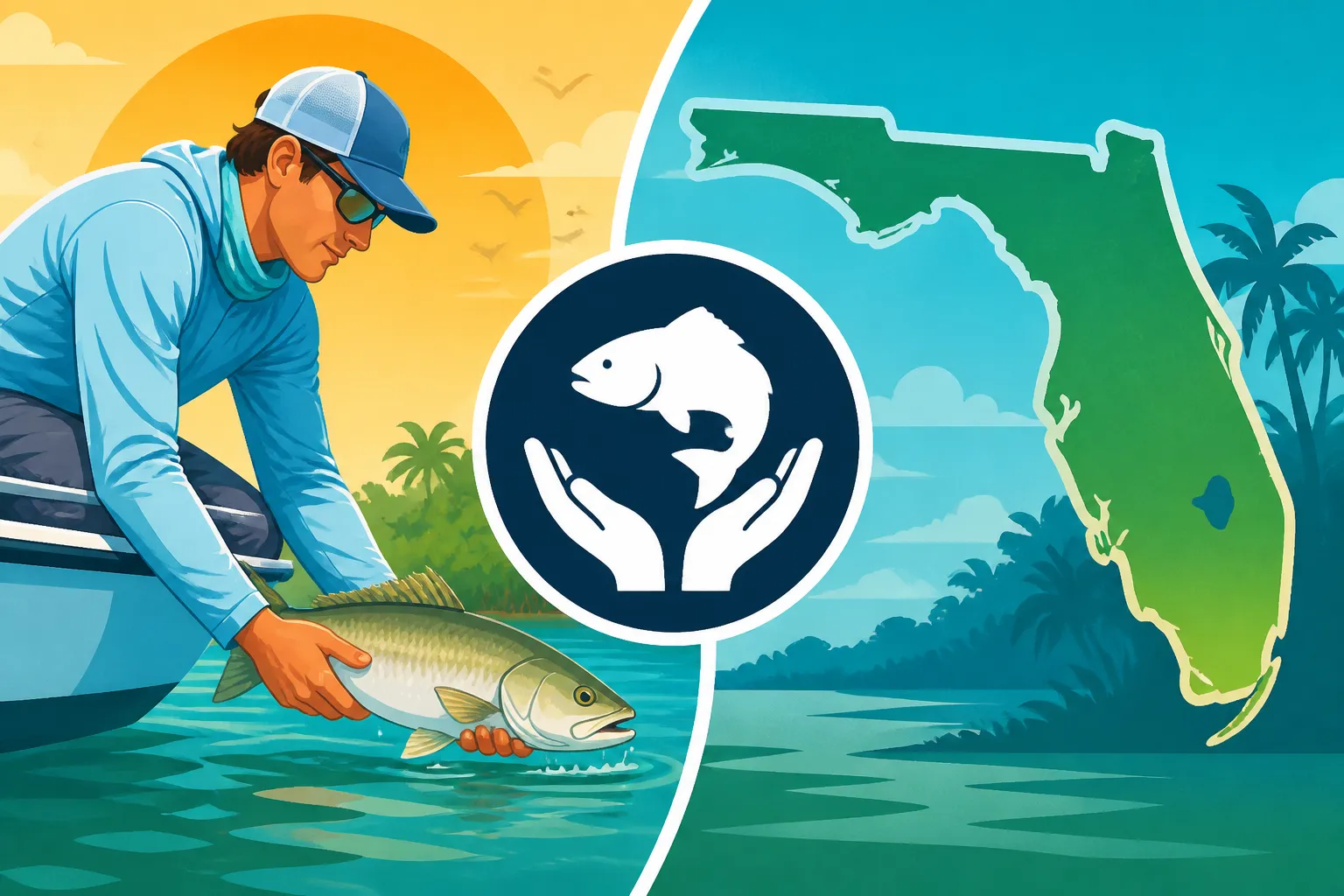
The key to a successful catch and release is to minimize the stress on the fish. This starts from the moment you hook it. Fight the fish efficiently but don't overplay it to exhaustion. Use appropriate tackle that allows you to land the fish quickly. Once alongside the boat or on the shore, avoid dragging the fish over rough surfaces.
Here are some quick tips:
- Keep them wet: Whenever possible, keep the permit in the water, especially if taking a quick photo. Their gills need water to breathe, and exposing them to air for too long causes immense stress.
- Support their weight: If you must lift a permit out of the water, always support its entire body horizontally. Never hold it vertically by the jaw or tail, as this can damage its internal organs and spine.
- Gentle handling: Use wet hands or a wet towel to handle the fish, as dry hands can remove the fish's protective slime layer, making it more susceptible to disease.
- Quick photos: If you're going for a photo, be quick. Have your camera ready, snap a few shots, and get the fish back in the water immediately.
- Proper dehooking: Use appropriate dehooking tools to remove the hook quickly and cleanly. Long-nosed pliers and specialized dehookers are indispensable. You can find excellent, durable sets on Amazon that will last through many fishing trips.
Essential Gear for Responsible Release
Having the right tools at your disposal makes all the difference in ensuring a healthy release. These items should be part of every permit angler's tackle box. For example, specific dehooking devices are designed for rapid removal of hooks, particularly useful when targeting fish like permit that might have small, delicate mouths. Similarly, a specialized pair of knot-tying pliers can make quick work of cutting leaders for deeply-hooked fish, allowing for the fastest possible return to the water.
- Dehookers/Pliers: Long-nosed pliers or a specialized dehooking tool are crucial for removing hooks quickly and safely, especially if the hook is not easily accessible.
- Landing Net (Rubberized): If you use a net, opt for one with rubberized, knotless mesh. This type of net is much gentler on the fish's slime coat, fins, and scales compared to traditional knotted nylon nets, which can cause abrasions and remove protective layers.
- Heavy Leaders: Using a heavier fluorocarbon leader, like those commonly used for Florida Snook Fishing Guide, can help prevent break-offs, which leaves gear in the fish and reduces its survival chances. It also allows you to fight the fish more aggressively, shortening the fight time.
- Water-Friendly Camera: For those cherished photos, a waterproof camera or phone case ensures you can capture the moment without unnecessary delays in getting the fish back into the water.
Why These Regulations Matter: The Future of Permit Fishing
The strict regulations around permit fishing, predominantly advocating for catch and release, aren't arbitrary. They are a direct response to the ecological needs of the species and the desire to preserve Florida's incredible angling heritage. Every angler plays a role in this conservation effort, whether they realize it or not. Understanding the 'why' behind the rules fosters a deeper respect for the environment and the fish we pursue.
The Ecological Role of Permit
Permit are more than just a trophy fish; they are an integral part of the shallow water ecosystem. As predators, they help maintain the balance of prey species on the flats. Their presence indicates a healthy, thriving environment with abundant food sources and good water quality. When permit populations decline, it can be a sign of broader ecological issues within these critical habitats. Protecting permit, therefore, isn't just about protecting one species; it's about safeguarding the entire intricate web of life that makes Florida's flats so vibrant and productive. This also impacts other species often found in the same areas, like those covered in the Florida Bonefish Fishing Guide.
How Anglers Contribute to Conservation
Every angler who practices responsible catch and release, adheres to bag and size limits, and respects the vulnerable nature of permit contributes directly to their conservation. By minimizing stress, reducing handling time, and using appropriate gear, we ensure that the fish we catch have the best possible chance of survival, allowing them to return to the population, grow, and reproduce.
This commitment to conservation is why organizations like Bonefish & Tarpon Trust (BTT) have done extensive research on species like permit, bonefish, and tarpon, advocating for management practices that protect these valuable resources. They promote ethical angling guidelines, scientific research, and habitat preservation. When you support sustainable fishing practices, you're not just following the rules; you're actively investing in the future of Florida fishing. By making conscious choices, from the gear you buy (which you can often research on sites like Amazon for ethical sourcing and durability) to your on-the-water behavior, you become a steward of these incredible natural resources. This collective effort ensures that the exhilarating experience of sight fishing for permit remains a possibility for generations to come.
Permit Fishing Regulations Summary
To help clarify the core regulations, here's a quick reference table. Remember, these are general guidelines and always subject to change, so consulting the FWC's official website or regulations handbook is paramount before any fishing trip.
| Category | Regulation Details |
|---|---|
| Harvest Intent | Primarily Catch and Release for most recreational anglers. The focus is on the angling experience and conservation. |
| Size Limit (Harvest) | 11-22 inches fork length. Any fish outside this slot (under 11" or over 22") MUST be released immediately. |
| Bag Limit (Harvest) | One (1) permit per person per day. Vessel limit of two (2) permit per day. This is a very restrictive limit, emphasizing conservation. |
| Gear Restrictions | Hook and line only in federal waters off the Atlantic coast. Use of circle hooks often recommended or required for certain bait applications to reduce gut-hooking. |
| Special Zones | Certain areas, like parts of Biscayne National Park, may have stricter catch and release only rules or outright harvest prohibitions. Always check local regulations for specific fishing spots. |
| Required License | A valid Florida saltwater fishing license is required for residents and non-residents unless specifically exempted. Refer to Who Needs a Fishing License in Florida for more details. |
| Best Practices | Minimize handling time, keep fish wet, support body horizontally, use wet hands, quick photos, proper dehooking tools. See Catch and Release Best Practices for Snook for similar advice. |
In essence, while there are very narrow allowances for keeping a permit in Florida, the spirit and practice of permit fishing in the state are overwhelmingly centered on ethical catch and release. This approach safeguards this magnificent species for the enjoyment of future generations of anglers.
Disclaimer
This article is for general informational purposes only and does not constitute professional advice. Laws, prices and regulations vary by location and change over time. Consult a qualified professional for guidance on your specific situation.