Minimum Size for Keeping a Pompano in Florida
There’s nothing quite like the thrill of feeling that unmistakable thump on your line, reeling in a beautiful Florida pompano, and seeing that shimmer of silver and gold as it breaks the surface. It’s a moment every angler cherishes. But then, as it lands in your cooler or on the deck, a question instantly pops into your mind: "Can I actually keep this one?" It’s a common moment of uncertainty, and knowing the specific rules is crucial not just for staying legal, but for doing your part to protect Florida's incredible fisheries. This comprehensive guide will walk you through everything you need to know about the minimum size requirements for keeping a pompano in Florida, so you can fish with confidence and respect for the resource.
Understanding Florida Pompano Regulations
Florida's fishing regulations are designed to ensure the health and sustainability of our fish populations, and pompano are no exception. These rules can sometimes feel a bit overwhelming, but they're incredibly important. When it comes to pompano, the regulations specifically address minimum size, bag limits, and even gear restrictions, all to protect this highly sought-after species. It's not just about avoiding a fine; it's about being a responsible angler who contributes to the future of Florida fishing.
The Statewide Minimum Size Limit
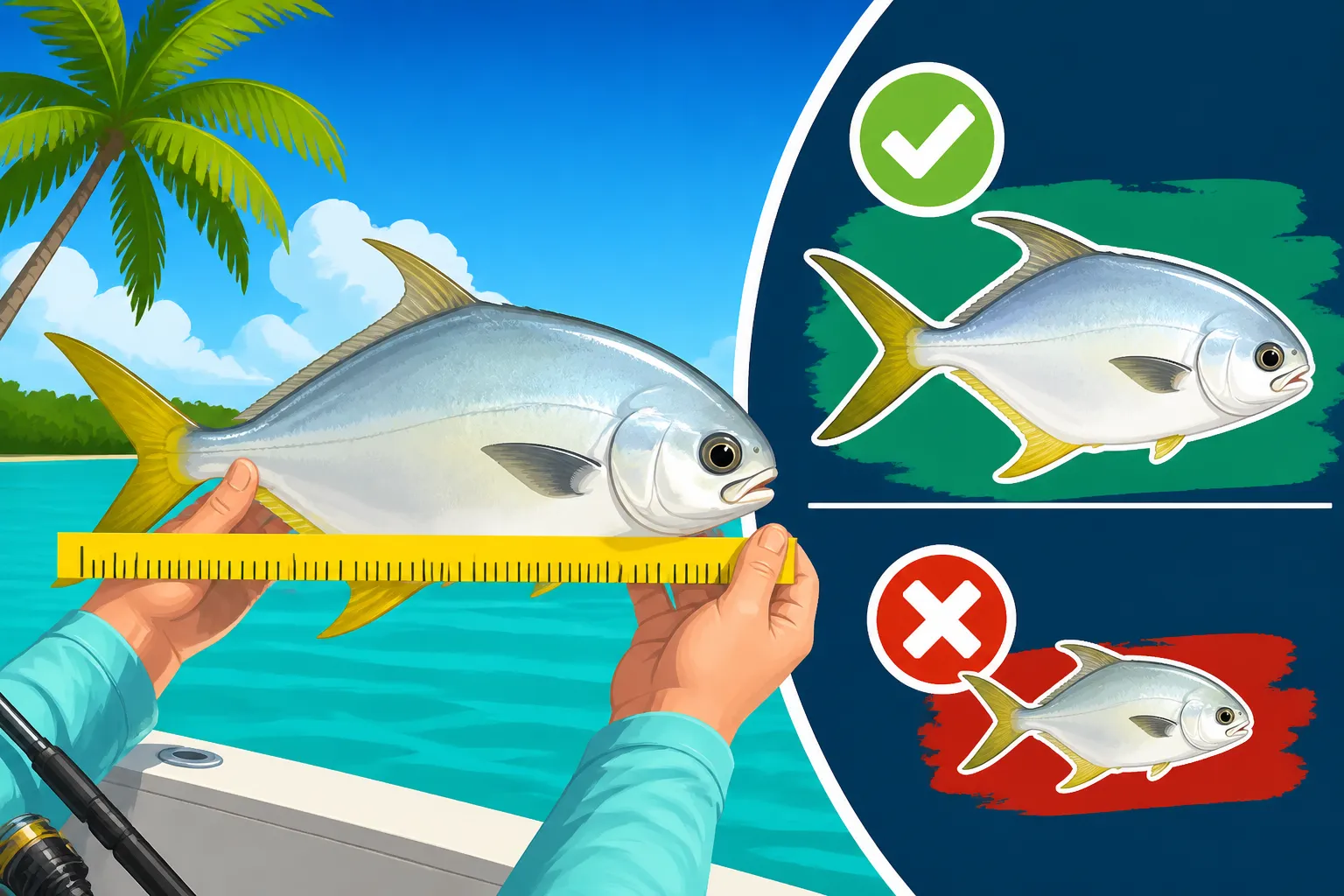
Let's get straight to the heart of the matter: in Florida, if you're lucky enough to catch a pompano, it needs to meet a specific length requirement before you can legally keep it. The current minimum size for keeping a pompano is 11 inches, measured from the tip of the nose to the fork of the tail. This "fork length" measurement is standard for many species, and it’s important to understand exactly how to do it correctly.
Why 11 inches, you ask? This isn't just a random number plucked out of thin air. This minimum size limit is carefully determined by fisheries biologists who study the growth rates and reproductive cycles of pompano. The goal is to allow most pompano to reach sexual maturity and have at least one spawning cycle before they're harvested. This ensures that the population can reproduce and replenish itself, keeping our pompano fisheries abundant for generations to come. Imagine if everyone kept every small pompano they caught; it wouldn't take long for the population to dwindle. These rules are truly for the greater good of all anglers. You can learn more about general rules in our Florida Fishing Regulations and Bag Limits guide.
Daily Bag Limits for Pompano
Beyond the minimum size, there's also a daily bag limit for pompano that's important to remember. You are allowed to keep a maximum of 6 pompano per person per day. This limit works hand-in-hand with the minimum size requirement to manage the overall harvest. Even if you're catching plenty of legal-sized fish, you still can't go over this daily personal limit.
Sometimes, especially during strong runs or when you find a hot spot, it can be tempting to keep going once you've hit your limit. But resisting that urge is part of being a conservation-minded angler. Think of it this way: every fish you release that's within the slot or over your bag limit gets to live another day, potentially grow larger, and certainly contribute to future spawning events. It’s a simple act that has a huge positive impact on the health of the fishery. Plus, knowing your limits beforehand helps you plan your trip and avoid any accidental violations.
How to Accurately Measure Your Pompano
One of the most common reasons anglers accidentally break regulations isn't defiance, but simply a mistake in measurement. It's easy to misjudge a fish's length when it's flopping around or when you're excited. Taking a moment to measure correctly can save you a lot of headache and ensure you’re doing right by the fish.
Tools for Precise Measurement
You absolutely need a reliable measuring device on your boat, kayak, or even if you're fishing from shore. Forget guessing! A simple, sturdy measuring tape or a dedicated fish ruler is your best friend. Many tackle shops and even online retailers like Amazon offer specialized measuring boards or adhesive rulers designed for boats. These are fantastic because they usually have a solid stop at one end, allowing you to easily butt the fish's nose against it for a perfect start to your measurement.
When choosing a ruler, look for one that is clearly marked and durable, as it will inevitably get wet and perhaps a little slimy. A good quality ruler will have bold, easy-to-read numbers that won't fade over time. Some anglers even use a small, compact tape measure they carry in their tackle box, but dedicated fish rulers are generally easier to use with a live, wet fish. Make sure your measuring device is long enough to cover not only pompano but other species you might target, as different fish have different size requirements.
The Nose-to-Fork Measurement Technique
This is the critical part for pompano. Remember, it's nose-to-fork. Here’s how you do it correctly, step-by-step:
- Lay the Fish Flat: Gently lay your pompano on its side on a flat surface, such as a measuring board, cooler lid, or a wet towel. Make sure it's as straight as possible, not bent or curled.
- Position the Nose: Place the tip of the fish's nose firmly against the zero end of your measuring device. It needs to be flush against the stop or the very beginning of the tape.
- Compress the Tail (If Needed): While pompano tails are naturally forked, for some species, you might need to gently squeeze the tail lobes together to achieve the maximum length. For pompano, you're looking for the length to the fork or V-shaped indentation of the tail. Don't stretch the fish or pinch the tail beyond its natural relaxed state.
- Read the Measurement: Look at where the deepest part of the "V" in the tail meets the ruler. That's your fork length. Make sure your eyes are directly above the measurement mark to avoid parallax error, which can cause you to read it incorrectly.
- Quick Decision: If the measurement is 11 inches or greater, congratulations, you've got a keeper! If it's even a hair under, it must be immediately and carefully released.
Practicing this technique, even with fish you don't intend to keep, can make you much more efficient and accurate when it counts. It’s also wise to handle the fish as little as possible to minimize stress, especially if you plan to release it. Wet your hands before handling to protect their protective slime coat. For more on handling, check out Catch and Release Best Practices for Snook.
The Importance of Pompano Conservation
Fishing isn't just a hobby; it's a connection to nature, and with that connection comes a responsibility. Understanding why these size and bag limits exist helps us appreciate the bigger picture of conservation and how our individual actions contribute to the health of Florida's marine ecosystems.
Protecting Spawning Stocks
The minimum size limit for pompano, as well as many other species, is primarily designed to protect the fish until they have had a chance to reproduce. Pompano typically reach sexual maturity around 9 to 10 inches in length. By setting the minimum size at 11 inches, the regulations aim to ensure that a significant portion of the population gets to spawn at least once, if not multiple times, before they become eligible for harvest. This is absolutely critical for maintaining healthy and robust fish populations.
If anglers were to harvest smaller, immature pompano, it would reduce the number of fish capable of contributing to the next generation. Over time, this could lead to fewer fish overall, smaller average sizes, and a decline in the fishery that impacts everyone, from recreational anglers to commercial fishermen. It's a long-term strategy that pays dividends for future fishing enjoyment. Our article on How Florida Fishing License Fees Fund Conservation delves deeper into these efforts.
Ensuring Future Generations of Anglers
Imagine trying to teach your kids or grandkids to fish, only to find that the waters are barren or the fish are few and far between. It’s a sad thought, right? Conservation efforts, including size and bag limits for species like pompano, are not just about protecting the fish themselves; they’re about safeguarding the angling heritage and ensuring that future generations have the same incredible opportunities we do.
When you adhere to the regulations, you're not just following a rule; you're making an active contribution to that future. You're helping maintain a balanced ecosystem where pompano thrive, providing sport and food for years to come. This sense of stewardship is a hallmark of responsible angling, and it’s something every angler should take pride in. Many anglers enjoy pursuing specific species; for those interested, our Florida Pompano Fishing Guide offers more in-depth information.
Consequences of Non-Compliance
It's tempting to think that a single undersized fish won't make a difference, or that no one will notice. But fisheries enforcement officers are out there, and they take these regulations seriously for all the conservation reasons we've discussed. Getting caught with an undersized pompano can lead to some pretty significant consequences.
Fines and Penalties
The penalties for violating fishing regulations in Florida can vary depending on the severity of the offense, your past record, and the discretion of the enforcing officer. However, even a first offense for an undersized fish can result in a fine. These fines can quickly add up, easily costing you hundreds of dollars. It's certainly a lot more expensive than taking a minute to properly measure your catch!
Beyond monetary fines, you could also face other repercussions, such as seizure of your catch, or even more serious charges for repeated offenses. It’s not a situation anyone wants to be in, and it's easily avoidable by simply knowing and following the rules. Think of it as an expensive lesson that's much better learned by reading this guide than by experience on the water. For a broader understanding of legal consequences, you might want to read our Penalty for Fishing Without a License in Florida article.
Impact on Your Fishing Privileges
While less common for a single undersized fish, repeated or egregious violations could potentially lead to the suspension of your fishing license. Imagine having your privilege to fish revoked because you couldn't be bothered to measure a pompano correctly. For passionate anglers, losing the ability to hit the water is a devastating blow.
This is a reminder that fishing is a privilege, not an inherent right. We share the waterways and the resources, and that comes with a responsibility to uphold the rules that protect those resources for everyone. Always err on the side of caution. If there's any doubt about a fish's size, release it. It's better to be safe than sorry, and it's certainly better for the fish. For those who frequently fish, ensure you're aware of What Happens If You Keep an Undersized Fish in Florida.
Essential Tips for Pompano Anglers
Catching pompano is a fantastic experience, and a little preparation can make your trips even more successful and compliant. From the gear you use to how you handle your catch, every detail matters.
Gear for Success and Compliance
Having the right gear isn't just about catching fish; it's about being prepared to follow the rules once you do. Here’s what I always make sure to have on hand:
- Reliable Measuring Device: As discussed, a dedicated fish ruler or measuring tape is non-negotiable. I personally keep a durable, bright-colored measuring board right in my tackle box that's easy to spot and clean. You can find excellent options on Amazon.
- Needle-Nose Pliers or Dehooker: These are essential for safely removing hooks, especially if you're planning to release fish. The less stress on the fish, the better its chances of survival.
- Wet Towel or Fish Gripper: A wet towel can help you safely handle a slippery pompano without damaging its slime coat. A lip gripper can also be useful for holding the fish steady for a quick measurement, but be gentle.
- Appropriate Tackle: Pompano have small, delicate mouths, so matching your hook size and tackle is important for a good hookset and minimizing injury. Using smaller, sharp circle hooks can help with easy hook removal, especially when targeting Florida Pompano Fishing Guide.
- Cooler with Ice: If you're keeping legal-sized pompano, getting them on ice quickly is crucial for preserving their quality and taste. There’s nothing worse than catching beautiful fish only for them to spoil because you weren’t prepared.
Best Practices for Catching and Releasing Pompano
Even if you're aiming for keepers, you'll inevitably catch some undersized pompano that need to go back into the water. Knowing how to handle them properly ensures their survival.
- Minimize Fight Time: Pompano are strong fighters, but try to land them as quickly as possible to reduce exhaustion. This is especially important for smaller fish that need to be released.
- Handle with Care: Always wet your hands before touching a fish. Dry hands can remove the fish's protective slime coat, making it vulnerable to disease. Avoid touching their gills or eyes.
- Quick Measurement: Get that measurement done as quickly and efficiently as possible. The less time the fish is out of the water, the better.
- Proper Release: If the fish is undersized, simply unhook it and gently place it back into the water. If it seems sluggish, hold it upright in the water and move it back and forth to force water over its gills until it regains its strength and swims away on its own. Never just toss a fish back into the water; always ensure it's revived and ready to swim off.
- Understand the Environment: Pompano are often caught while Best Rigs for Surf Fishing in the surf or from piers. Be mindful of conditions and quickly release any fish that don't meet the size requirements.
By following these simple guidelines, you not only stay within the law but also become a valuable steward of Florida’s amazing marine life. Happy fishing, and may your pompano be legal-sized and plentiful!
Summary of Pompano Regulations
To help you keep track of these essential details, here's a quick reference for Florida pompano regulations:
| Regulation Type | Requirement | Notes |
|---|---|---|
| Minimum Size | 11 inches | Measured from the tip of the nose to the fork of the tail (fork length). |
| Bag Limit | 6 per person per day | Applies to legal-sized fish only. |
| Measurement | Use a reliable ruler or measuring device. | Ensure the fish is laid flat and measured nose-to-fork accurately. |
| Purpose | Conservation | Protects spawning stocks and ensures future angling opportunities. |
| Penalties | Fines, potential license suspension | Consequences for non-compliance are significant. |
Always double-check the latest regulations from the Florida Fish and Wildlife Conservation Commission (FWC) website before heading out, as rules can change. This table provides a good snapshot, but direct consultation with the official FWC resources is always the smartest move.
Disclaimer
This article is for general informational purposes only and does not constitute professional advice. Laws, prices and regulations vary by location and change over time. Consult a qualified professional for guidance on your specific situation.