Florida Bag Limit for Sheepshead
Oh, the elusive sheepshead! There's nothing quite like the thrill of feeling that subtle tug on your line, knowing you've hooked into one of these striped bandits. But let's be honest, figuring out exactly what you can and can't keep can be a real headache, right? Florida's fishing regulations can feel like a labyrinth, and nobody wants to inadvertently break the rules. This guide is here to clear up all that confusion specifically about the Florida bag limit for sheepshead, so you can fish with confidence and enjoy your time on the water without worry.
Understanding Florida's Sheepshead Bag Limit
When you're out there on the water, targeting sheepshead, the last thing you want is to be guessing about how many you can take home. These regulations are put in place for a good reason – to keep our fisheries healthy and ensure there are plenty of fish for future generations to enjoy. It's all about striking that balance between recreational enjoyment and conservation.
The Statewide Recreational Bag Limit
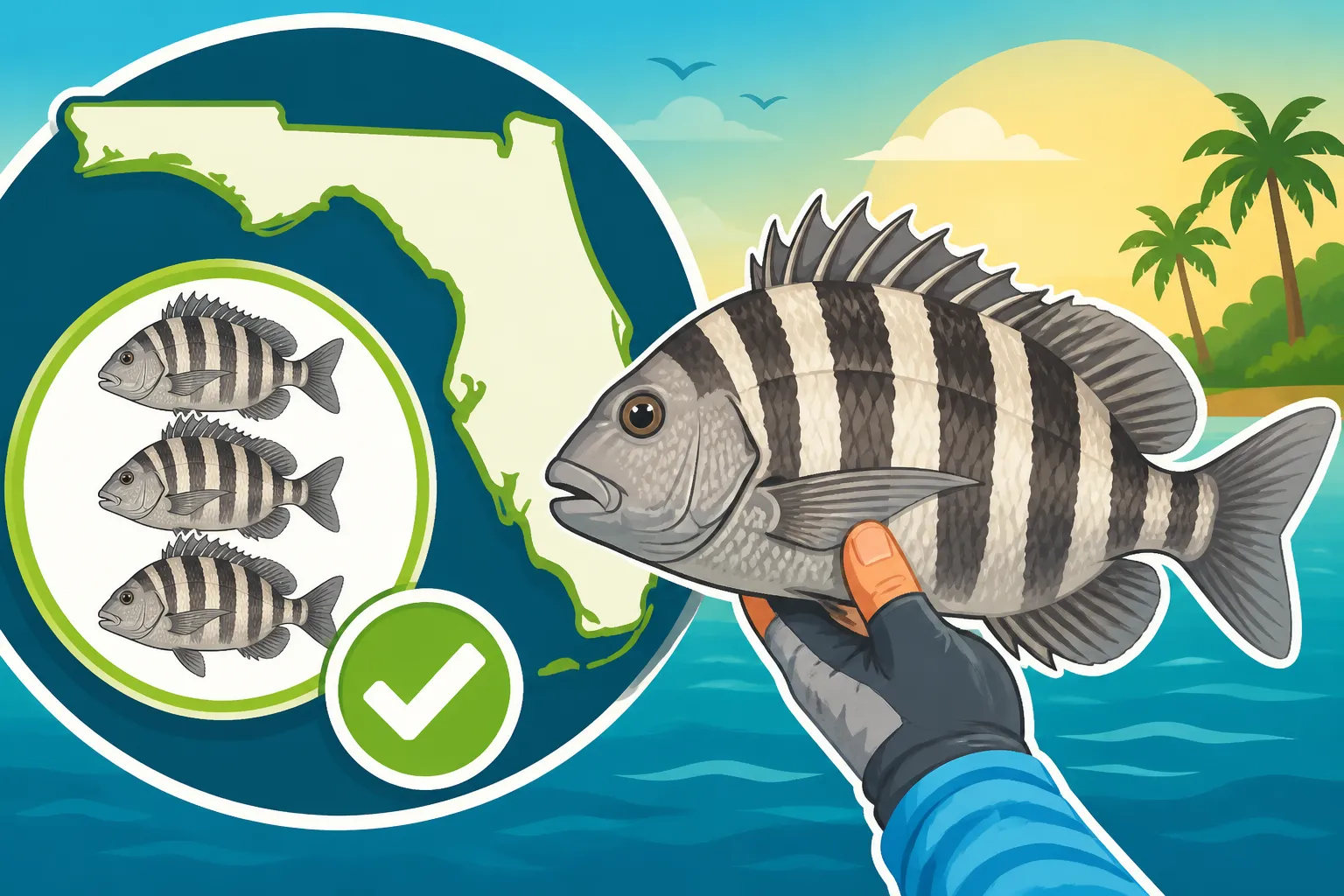
So, let's get right to it. For recreational anglers in Florida, the statewide bag limit for sheepshead is generally ten fish per person, per day. That's a pretty generous limit, allowing you to bring home a nice cooler full of these delicious fish. However, it's absolutely critical to remember that this limit is often paired with a minimum size requirement. While the bag limit dictates how many, the size limit dictates how big they need to be. Typically, sheepshead need to be at least 12 inches total length, measured from the tip of the snout to the tip of the tail, to be considered legal to keep. You can find reliable measuring devices, often made for fishing, on sites like Amazon, which can be a real lifesaver when you're on the boat trying to quickly and accurately measure a wriggly fish. Always double-check the latest regulations with the Florida Fish and Wildlife Conservation Commission (FWC) as rules can sometimes change or have regional exceptions, although sheepshead regulations tend to be fairly consistent statewide.
Why Bag Limits Exist
It's easy to sometimes feel restricted by fishing regulations, but these rules, including the bag limit for sheepshead, are truly the backbone of sustainable fishing. Imagine if everyone could take as many fish as they wanted, whenever they wanted. Our precious marine ecosystems, including vital species like the sheepshead, would quickly become depleted. Bag limits are a scientific tool designed to manage fish populations, allowing enough fish to survive, reproduce, and grow, thus ensuring a healthy stock year after year. It's a way for all of us, as anglers, to contribute to the conservation efforts that keep Florida's waters teeming with life. Think of it as investing in your future fishing trips – by respecting these limits today, you're guaranteeing a vibrant fishery tomorrow. Understanding How Florida Fishing License Fees Fund Conservation can also provide a deeper appreciation for why these limits are so important.
How to Ensure You're Complying with Sheepshead Regulations
Compliance isn't just about avoiding a fine; it's about being a responsible angler. It’s about knowing the rules and having the right tools and mindset to follow them. Taking a few proactive steps before and during your trip can make all the difference.
Measuring Your Catch Accurately
The most common mistake, after not knowing the bag limit, is mismeasuring a fish. That "looks about right" guess can land you in hot water. To accurately measure a sheepshead, lay the fish flat on a measuring board or tape measure, with its mouth closed, and measure from the tip of the snout to the tip of the tail. Don't pinch the tail, just let it lie naturally. Many anglers find it helpful to have a dedicated measuring device, often a plastic or aluminum board with clear markings, right on their boat or in their tackle box. These are super handy for quick, indisputable measurements. A simple search on Amazon for "fish measuring board" will show you tons of options that will make this process foolproof. Remember, if it's borderline, it's always better to err on the side of caution and release it. This simple act of responsible measuring helps protect the fish and keeps you compliant with the Florida Fishing Regulations and Bag Limits.
The Role of a Valid Florida Fishing License
Before you even worry about bag limits or measuring fish, you need to make sure you're legally allowed to fish in the first place! For most recreational anglers targeting sheepshead, a valid Florida saltwater fishing license is required. There are some exceptions, of course – for instance, if you're fishing from a licensed pier or a charter boat that covers licenses for its passengers. But for the vast majority of us heading out on our own, whether from a boat, kayak, or the shore, that license is non-negotiable. Not having one can lead to significant penalties, including fines. Getting your license is usually pretty straightforward, and it's a small price to pay for the privilege of enjoying Florida's amazing fisheries. Make sure to check out our Florida Fishing License Guide for all the details, including Florida Saltwater Fishing License Rules and information on Who Needs a Fishing License in Florida.
Common Mistakes and How to Avoid Them
Even experienced anglers can sometimes slip up, especially with so many species and regulations to keep track of. Being aware of the most common pitfalls can help you steer clear of trouble and enjoy a smooth, legal fishing trip.
Misidentifying Your Catch
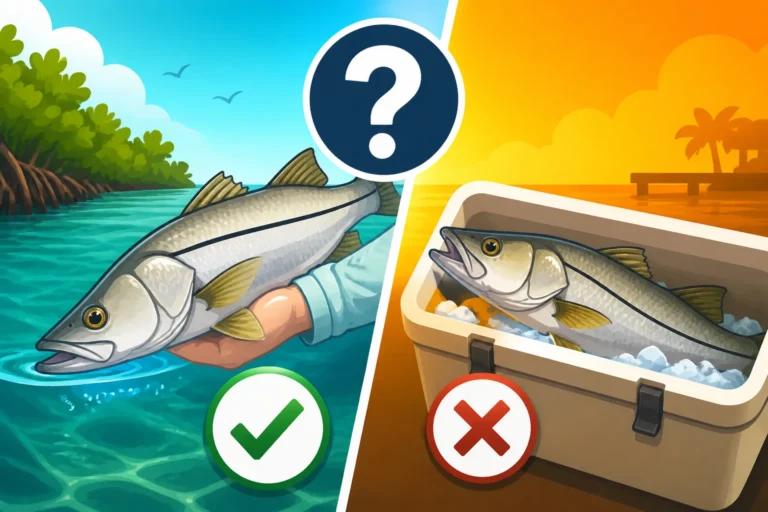
Sheepshead have a very distinct look with their vertical black and white stripes and human-like teeth, making them fairly easy to identify. However, other striped fish like black drum or even juvenile tripletail could potentially be confused if you're not paying close attention, especially in murky water or low light. The problem is, these other species often have completely different size and bag limits. For example, Florida Snook Size and Slot Limits are vastly different from sheepshead, and if you accidentally keep a snook thinking it's something else, you could face hefty consequences. Always take a moment to positively identify your catch before placing it in your cooler. If you're ever unsure, snap a picture and consult a reliable fish identification guide, or just release the fish. It's always better to be safe than sorry!
Forgetting Regional or Seasonal Variations
While sheepshead bag and size limits are quite consistent statewide, it's crucial to understand that many other species in Florida do have regional closures or seasonal changes. For instance, snook seasons vary by region, and gag grouper have specific opening and closing dates depending on whether you're fishing the Gulf or Atlantic coast. When it comes to sheepshead, the primary variation you might encounter relates to specific local ordinances, though these are rare for the species. The biggest thing is to not assume that just because sheepshead limits are simple, all other species are too. Always make it a habit to check the FWC website or use their handy "Fish Rules" app before every fishing trip to ensure you're up-to-date on all applicable regulations for every species you might encounter. This due diligence can save you a lot of headaches and keep you far away from a Penalty for Fishing Without a License in Florida or for keeping illegal fish.
Responsible Angling for Sheepshead
Fishing is more than just catching fish; it's about being a steward of our natural resources. Responsible angling practices ensure that our favorite pastime remains viable and enjoyable for everyone, for many years to come.
Catch and Release Best Practices
Sometimes you'll catch a sheepshead that's too small, or maybe you've already met your bag limit and want to keep fishing for sport. In these scenarios, knowing how to properly catch and release is paramount. Sheepshead are generally pretty hardy, but mishandling can still cause unnecessary stress or injury. Here are a few tips:
- Minimize handling: Try to keep the fish in the water as much as possible. If you must handle it, do so gently with wet hands or a wet towel to protect its slime coat.
- Use the right tools: A de-hooker or needle-nose pliers can quickly remove hooks, especially if the fish has swallowed the bait. Circle hooks are excellent for reducing gut hooking.
- Support the fish: If you lift a sheepshead for a photo, support its weight horizontally, especially if it's a larger fish. Avoid holding it vertically by its mouth or gills, as this can damage its internal organs.
- Revive if necessary: If the fish seems sluggish, gently hold it upright in the water and move it back and forth to force water over its gills until it regains strength and swims away on its own.
- Consider de-pressurizing: For sheepshead caught in deeper water, they might suffer from barotrauma (swim bladder expansion). While less common with sheepshead than with deeper-water species, having a venting tool or fizzing needle on hand and knowing how to use it safely can be a game-changer if you notice a distended belly or bulging eyes.
Following these practices ensures that any released fish has the best chance of survival. For more in-depth knowledge, exploring general Catch and Release Best Practices for Snook can offer transferable tips for other species like sheepshead.
Planning Your Trip Around Regulations
The best way to avoid any regulatory surprises is to plan your fishing trip with regulations in mind. Before you even pack your cooler or load up your tackle, take a few minutes to review the current FWC rules. Are there any seasonal closures for other species you might accidentally catch? What are the current bag and size limits for sheepshead? If you’re heading out with friends or family, make sure everyone in your party is aware of the limits. It’s not just about what you catch; the collective catch of your group also matters for certain regulations. If you're planning to target sheepshead specifically, consider the best conditions for them. For example, sheepshead are often found around structures like docks, pilings, and bridges, so knowing Best Spots to Catch Sheepshead Around Docks can help you focus your efforts. Having the right bait, like fiddler crabs or shrimp (which you can often get locally or even sometimes through fishing supply stores on Amazon), will also help ensure you're targeting sheepshead effectively and not accidentally catching non-target species. A little preparation goes a long way in ensuring a legal, enjoyable, and successful fishing adventure.
Florida Sheepshead Regulations Summary
To help keep things clear, here's a quick overview of the key regulations for sheepshead in Florida. Remember, this is a general summary, and it's always best to consult the FWC for the most current and official information.
| Regulation Type | Details | Important Notes |
|---|---|---|
| Bag Limit | 10 fish per person, per day | Applies to recreational anglers statewide |
| Minimum Size | 12 inches total length | Measured from tip of snout to tip of tail, mouth closed |
| License Needed | Yes, a valid Florida saltwater fishing license (for most anglers) | Exemptions exist for licensed piers, charters, and specific groups |
| Open Season | Open year-round | Generally no closed season, but always verify |
| Common Gear | Light to medium tackle, small hooks, live bait (shrimp, fiddler crabs) | Effective for targeting sheepshead around structures |
Disclaimer
This article is for general informational purposes only and does not constitute professional advice. Laws, prices and regulations vary by location and change over time. Consult a qualified professional for guidance on your specific situation.