Where Do Tarpon Spawn in Florida?
It's a question that has puzzled anglers and scientists alike for decades: where exactly do tarpon, those magnificent "Silver Kings," go to spawn in Florida? You've probably heard the whispers, the theories, and maybe even seen some speculative maps. It’s frustrating when you love a species so much and yet a fundamental part of its life cycle remains shrouded in mystery. The truth is, while we've learned a tremendous amount about tarpon over the years, their precise spawning grounds are still largely a deep-sea secret. This guide will dive into what we do know about their elusive spawning habits, where the juveniles begin their lives, and what it all means for our efforts to conserve these incredible fish.
The Elusive Nature of Tarpon Spawning
For such a prominent and beloved game fish, the details of tarpon spawning remain remarkably enigmatic. It’s not like bass, where you can easily spot them on beds in a shallow lake. Tarpon are ocean wanderers, and their reproductive ritual takes them far from the coastal waters where we typically encounter them.
Why it's a Biological Mystery
Imagine trying to track an animal that can swim hundreds of miles, congregate in vast, deep oceanic environments, and then release eggs and sperm that are microscopic. That’s the challenge researchers face when trying to pinpoint tarpon spawning. These fish are highly migratory, moving between different regions of the Gulf of Mexico, the Atlantic, and the Caribbean throughout their lives. When it's time to spawn, they head to open ocean, often in deep water, where direct observation is incredibly difficult, expensive, and frankly, a bit like finding a needle in a haystac. We know they do it, of course, because of the tiny, transparent leptocephalus larvae that eventually drift back towards our shores, but catching the adults in the act is another matter entirely.
General Spawning Habits and Timing
While the exact locations are a mystery, we have a pretty good understanding of when tarpon spawn and some of the environmental cues that trigger this vital event. Generally, tarpon spawning activity ramps up from late spring through early fall, typically peaking in the summer months. Think May to August or September. This timing coincides with warmer ocean temperatures and often with specific moon phases, like the new or full moon, which are known to influence tidal currents and potentially aid in egg and larval dispersal. These aggregations, often in the hundreds or even thousands, are usually miles offshore, in depths that provide safety from many predators and ideal conditions for their eggs to develop. This period of intense activity is crucial, and it’s why understanding their movements and protecting them is so important for the future of the species.
Known Offshore Spawning Grounds
Even without precise GPS coordinates for individual spawning events, scientists have pieced together a general picture of where tarpon are likely conducting their most intimate life processes. It’s all about the big picture and the currents.
The Gulf Stream Connection
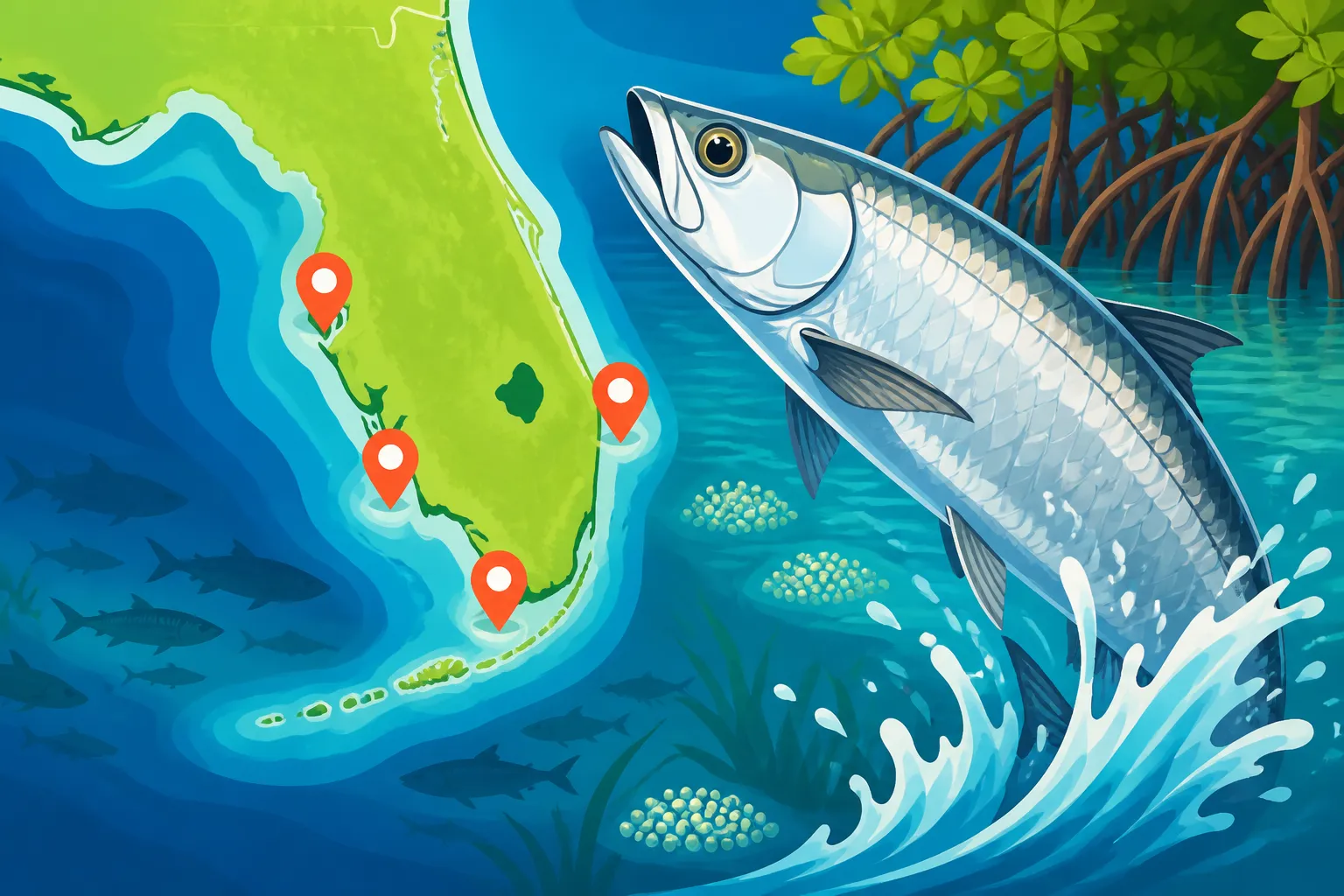
One of the most widely accepted theories for where tarpon spawn in Florida focuses heavily on the powerful ocean currents, particularly the Gulf Stream. These incredible fish are believed to utilize the strong, warm waters of the Gulf Stream and its associated eddies in both the Gulf of Mexico and the Atlantic Ocean. Think of these currents as a natural highway, providing stable conditions and a means for their eggs and larvae to travel great distances. Florida Tarpon Migration Timing is closely linked to these currents.
In the Gulf of Mexico, especially off the central and southwestern coasts of Florida, scientists believe tarpon gather in deeper continental shelf waters where these currents are influential. Similarly, on Florida's Atlantic coast, the main flow of the Gulf Stream likely serves as a key area. These aren't precise "spots" you can mark on a chart and cast a line; rather, they are broad oceanic zones where conditions align for successful reproduction. The sheer scale of these areas makes detailed observation incredibly challenging.
Deep Water Congregation
When tarpon go to spawn, they aren't hanging out in the shallow flats where you might normally sight fish them with light tackle. Instead, they move to deeper, open waters, often several miles offshore. This deep-water congregation serves several purposes: it provides a degree of safety for the large, vulnerable breeding adults, and the stable oceanic conditions at these depths are more conducive to the delicate process of egg and larval development.
These offshore areas are vast, sometimes beyond the typical range of recreational fishing boats, except for those specifically targeting offshore species. The tarpon gather, perform their elaborate courtship rituals, and release millions of eggs and sperm into the water column. The fertilized eggs then drift with the currents, a journey that marks the beginning of the next generation of Silver Kings. When you're dreaming of fishing for the legendary Florida Tarpon Fishing Guide, remember these fish have undertaken an incredible journey just to get to their prime feeding grounds.
The Journey of Juvenile Tarpon
While the spawning act itself is offshore and largely unseen, the journey back to Florida's coast and the subsequent development of juvenile tarpon are better understood, and critically important.
Larval Development and Migration
Once tarpon eggs are fertilized in the open ocean, they hatch into what are known as leptocephalus larvae. These larvae are truly remarkable – they are incredibly thin, flat, and transparent, almost like a willow leaf, making them virtually invisible in the water. This unique morphology helps them evade predators as they drift with the ocean currents, often for weeks or even months. They ride these currents, including the Gulf Stream and its offshoots, slowly making their way back towards the shallower, nutrient-rich coastal waters of Florida.
This passive migration is a key survival strategy. The currents act as a dispersal mechanism, spreading the tiny larvae over wide areas and reducing the chances of a single catastrophic event wiping out a whole year's class. It’s a testament to the ocean's intricate systems and the tarpon's adaptation to them. Understanding this larval stage underscores why broader ocean health, not just coastal clean-up, is vital for tarpon.
Nursery Habitats in Florida
Once the leptocephalus larvae transform into more recognizable juvenile tarpon, usually only a few inches long, they seek out specific habitats to grow and mature. This is where Florida's intricate network of shallow, brackish water environments becomes absolutely critical. These "nursery habitats" are typically:
- Mangrove Estuaries: The dense root systems of mangroves provide an incredible labyrinth of protection from predators and a rich feeding ground for young tarpon. They are sheltered from strong currents and offer warmer, calmer waters.
- Tidal Creeks and Backwater Ponds: These often secluded areas, with fluctuating salinity, are ideal. Think of the hidden pockets deep within the Everglades or remote coastal marshes.
- Canals and Ditches: Yes, even man-made canals and drainage ditches, especially those with some vegetation and connection to larger water bodies, can serve as temporary homes for juvenile tarpon.
These areas, often characterized by low oxygen levels and high temperatures, are inhospitable to many of the larger predators that would otherwise feast on young tarpon. This sacrifice of comfort for safety allows the juveniles to grow rapidly, feeding on small fish and invertebrates. Places like the Ten Thousand Islands in Southwest Florida or the sprawling Indian River Lagoon on the East Coast are prime examples of extensive nursery habitats. Ensuring the health of these vital coastal ecosystems is paramount for the continued success of the tarpon population. You can sometimes find excellent polarized sunglasses for spotting these smaller fish on Amazon.
Implications for Anglers and Conservation
Knowing what we do (and don't) know about tarpon spawning has profound implications for how we interact with these fish and how we work to protect them.
Catch and Release Importance
Because tarpon are long-lived and relatively slow to reach reproductive maturity, the protection of adult fish is paramount. When these majestic fish aggregate in large numbers prior to their offshore spawning journey, they are particularly vulnerable. Florida Tarpon Fishing Season Guide regulations are designed to reflect their reproductive cycles and migratory patterns. This is why Florida has strict catch-and-release rules for tarpon in many areas, and when harvest is allowed (for a single tarpon with a tag, primarily for state records), it's highly regulated.
Every tarpon you release successfully, particularly a large, mature female or male, contributes directly to the future of the species. Proper catch-and-release techniques, such as minimizing fight time, keeping the fish in the water as much as possible, and using dehooking tools, are not just good practice; they are essential conservation efforts. You can find excellent dehookers and other release tools, often recommended by guides, on Amazon to ensure a healthy release. Remember, the fish you release today might be the one that spawns offshore next year, perpetuating the cycle.
Protecting Nursery Habitats
While we can't directly protect offshore spawning grounds in the same way we can a coral reef, we can certainly safeguard the critical nursery habitats where juvenile tarpon spend their formative years. These shallow, brackish ecosystems – the mangroves, estuaries, and tidal creeks – are constantly under threat from coastal development, pollution, and habitat degradation.
Protecting these areas means advocating for responsible land use, supporting initiatives that restore mangrove forests, and working to reduce runoff and pollution into our waterways. Without healthy nurseries, even the most successful offshore spawning event won't translate into a robust adult population. It's a chain, and every link is vital. Understanding the importance of these habitats is also key to appreciating efforts like those discussed in How Florida Fishing License Fees Fund Conservation, as these funds often go towards protecting crucial ecosystems.
Here's a quick overview of the tarpon life cycle, from spawning to maturity:
| Life Stage | Location | Key Characteristics |
|---|---|---|
| Spawning | Deep, open ocean (Gulf Stream, continental shelf) | Late spring to early fall, often around moon phases. Parents release eggs/sperm. |
| Leptocephalus Larva | Open ocean, drifting with currents | Transparent, leaf-shaped, passive drift for weeks/months, avoiding predators. |
| Juvenile Tarpon | Shallow, brackish coastal nursery habitats | Mangrove estuaries, tidal creeks, backwater ponds, low oxygen, rapid growth. |
| Sub-Adult/Adult | Inshore and nearshore coastal waters | Migratory, feeding on baitfish, growing larger, eventually migrating offshore to spawn. |
The more we learn about the tarpon's incredible journey, from a microscopic egg drifting in the open ocean to a massive Silver King battling anglers in our shallows, the more we appreciate the complexity and interconnectedness of our marine environments. Every piece of information, even the acknowledgment of what remains unknown, helps us become better stewards of this magnificent fishery. So, the next time you feel the pull of a tarpon on your line, remember the epic journey it has already made, and the secret life it leads far beyond our sight. Always check local regulations, as details like Florida Snook Permit Requirements or Florida Lobster Permit Requirements can vary by species and location, highlighting the complexity of Florida’s fishing rules.
Disclaimer
This article is for general informational purposes only and does not constitute professional advice. Laws, prices and regulations vary by location and change over time. Consult a qualified professional for guidance on your specific situation.