Why Goliath Grouper Are Protected in Florida
Oh, the magnificent Goliath Grouper! Many anglers, especially those new to Florida's incredibly diverse waters, often feel a mix of awe and bewilderment when they encounter one of these absolute behemoths. You’ve probably seen pictures or even had a heart-stopping moment when one of these colossal fish appears from the depths, and the immediate question that pops into mind is, "Can I keep it?" The answer, unequivocally, is no, and understanding why these gentle giants are protected is crucial for every responsible angler. This guide will dive deep into the fascinating world of the Goliath Grouper, explain their vital role in our marine ecosystem, and detail the history and ongoing reasons behind their protected status in Florida.
The Majestic Giants of Florida's Waters: An Introduction to Goliath Grouper
There's something truly primal about seeing a Goliath Grouper in its natural habitat. They are the undisputed heavyweights of the reef, possessing a presence that commands respect, and sometimes, a little bit of fear! Their sheer size can be startling, but beneath that imposing exterior lies a creature of immense ecological importance.
Unmistakable Presence and Ecological Role
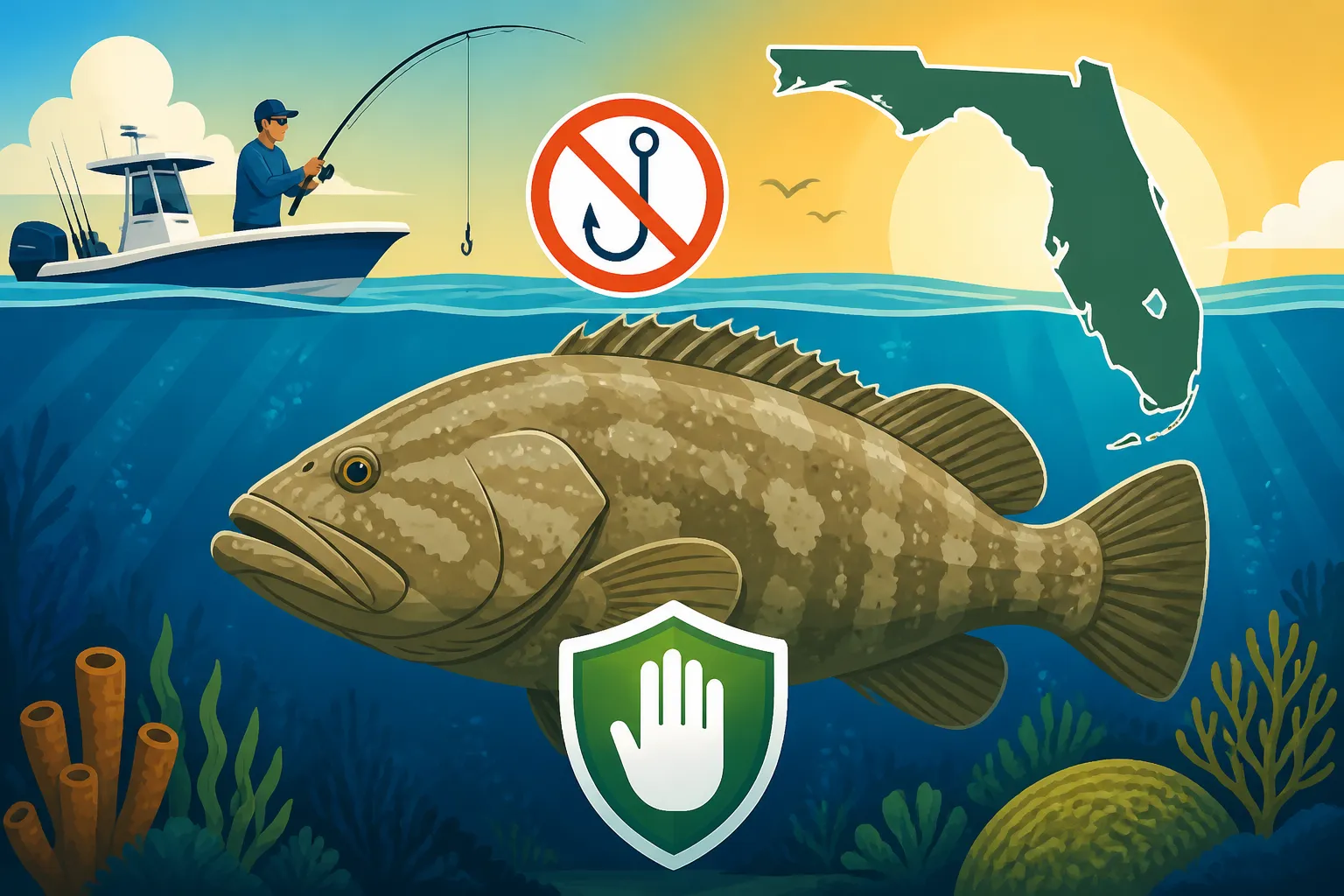
Imagine reeling in what you think is a decent snapper, only to have your rod nearly ripped from your hands as a refrigerator-sized shadow emerges from the gloom, engulfing your catch in one swift gulp. That's a classic Goliath Grouper encounter for many Florida anglers! These fish are truly giants, often reaching lengths of over eight feet and weighing in excess of 800 pounds. Their mottled brown and yellow coloration helps them blend into rocky ledges, wrecks, and mangrove roots, making them stealthy ambush predators despite their enormous bulk. They have a massive head, small eyes relative to their body, and a cavernous mouth that can inhale unsuspecting prey. These fish aren't just big; they're incredibly long-lived, with some individuals estimated to live for 50 years or more.
Their preferred habitats include deep ledges, artificial reefs, shipwrecks, and even the intricate root systems of mangrove forests, especially when they're younger. They're often seen lurking near structure, patiently waiting for a meal to swim by. While they might look sluggish, they can accelerate with surprising speed to ambush prey. Many divers and snorkelers have had the unforgettable experience of coming face-to-face with a curious Goliath Grouper, observing them in their natural, serene state. You can find these incredible fish both in the Gulf of Mexico and along Florida's Atlantic coast, thriving in the warmer, shallower waters compared to many other deep-sea grouper species.
As apex predators in their ecosystems, Goliath Grouper play a crucial role in maintaining the balance of marine life. They don't just eat anything; they're particularly fond of slower-moving fish, crabs, and even smaller sharks. By preying on these creatures, they help control populations and keep the food chain healthy. Think of them as the gentle custodians of the reef, ensuring that no single species overpopulates and that the entire community remains robust. Their presence is a sign of a healthy, vibrant marine environment. Without them, prey species could proliferate unchecked, potentially outcompeting other organisms and disrupting the delicate balance.
Another fascinating aspect of their life cycle is their reproduction. Goliath Grouper are protogynous hermaphrodites, meaning they start their lives as females and can later transition into males. This slow reproductive strategy, combined with their tendency to aggregate in large groups to spawn, makes them particularly vulnerable to fishing pressure. These spawning aggregations, which can consist of dozens of massive fish, become easy targets for fishermen if not protected, further highlighting the need for their current regulations. Learning about Florida Fishing Regulations and Bag Limits can help put their specific protections into context with other species.
The History of Their Decline
It's hard to imagine now, but there was a time when Goliath Grouper weren't protected. In fact, they were once a highly sought-after commercial and recreational target. Anglers would proudly display their massive catches, and commercial fishermen found them easy to locate in their predictable aggregation sites. Unfortunately, this popularity proved to be their downfall. Back in the day, these fish were often considered a nuisance or a "trash fish" by some, due to their size and the difficulty they presented when targeting other species. This perception, coupled with a lack of understanding about their life history, led to unregulated exploitation.
The species suffered immense pressure from both commercial and recreational fishing throughout the mid-20th century. Their impressive size made them a trophy catch for recreational anglers, while their large fillets made them commercially desirable. Harpoon fishing and spearfishing also contributed significantly to their decline. The problem was exacerbated by their biological characteristics: they're long-lived, slow to mature, and reproduce only once a year in specific, predictable locations. These spawning aggregations, which gather in large numbers, made them incredibly vulnerable to overfishing. A single fishing trip could decimate a significant portion of a local breeding population, leaving little hope for quick recovery.
Adding to the fishing pressure, their critical habitats were also facing increasing threats. Coastal development led to the destruction of mangrove forests, which serve as vital nursery grounds for juvenile grouper. Pollution and changes in water quality further stressed their populations. All these factors combined created a perfect storm that pushed the Goliath Grouper to the brink. By the late 1980s and early 1990s, their numbers had plummeted so dramatically that conservationists and scientists raised serious alarms, leading to urgent calls for protective measures. This dire situation made it clear that drastic action was needed to save these iconic fish from potential extinction.
Why Strict Protection Measures Became Absolutely Essential
The decision to protect the Goliath Grouper wasn't made lightly; it was a response to an alarming decline that threatened the very existence of the species in Florida and beyond. Scientists and wildlife managers had to act decisively to reverse the damage caused by decades of intense fishing pressure and habitat loss.
The Scientific Basis for Endangered Status
The alarm bells started ringing loud and clear when scientific stock assessments revealed a shocking decline in Goliath Grouper populations. The Florida Fish and Wildlife Conservation Commission (FWC), along with federal agencies like the National Oceanic and Atmospheric Administration (NOAA) Fisheries, conducted extensive research. These studies showed that the species' reproductive capabilities simply couldn't keep pace with the rate at which they were being harvested. Their slow growth rate, late maturity (they often don't start reproducing until they are 5-7 years old), and reliance on specific, vulnerable spawning sites meant that every fish removed from the population had a disproportionately negative impact.
Scientists also discovered the critical vulnerability of their spawning aggregations. When large numbers of Goliath Grouper gather to reproduce, they become extremely susceptible to targeting. Imagine a community meeting where everyone important is in one spot – if that spot is compromised, the whole community suffers. This is what happened to Goliath Grouper. These natural behaviors, which are essential for their survival, ironically made them easy targets for human exploitation. The data unequivocally demonstrated that without immediate and stringent protection, the species was on a trajectory toward local extinction, if not complete disappearance. This comprehensive scientific backing provided the undeniable evidence needed to implement protective measures.
The critical need for intervention couldn't be overstated. The designation of "critically endangered" or "protected" status isn't just a label; it's a desperate plea from the scientific community to prevent irreversible loss. It signifies that a species is facing an extremely high risk of extinction in the wild. For Goliath Grouper, this meant not only regulating fishing but also working to protect and restore their vital habitats. The FWC, as the primary agency responsible for managing Florida's fish and wildlife resources, took the lead in implementing these protective measures, recognizing the severe threat to the state's marine biodiversity.
The Specific Regulations: No Take, All Release
So, what exactly do these protections mean for you, the angler? It's pretty straightforward: it is illegal to harvest, possess, or land a Goliath Grouper in Florida waters. This isn't a "slot limit" where you can keep fish within a certain size range, or a "closed season" where you can fish for them at other times. This is a complete ban on taking them. If you accidentally catch one, which happens surprisingly often given their curiosity and opportunistic feeding habits, you must release it immediately and unharmed. This "no take, all release" rule is strictly enforced to ensure that every Goliath Grouper has the best chance of survival and contributes to the recovery of its population.
The penalties for violating these regulations are significant and can include hefty fines, confiscation of fishing gear, and even jail time. Law enforcement, including the FWC and federal authorities, takes these violations very seriously. This stern approach reflects the critical status of the species and the importance of its recovery. It's not about being punitive, but about safeguarding a vital component of our marine heritage. Anglers need to be acutely aware of these rules before heading out onto Florida's waters. Ignorance of the law is never an excuse.
This stringent approach differs significantly from the regulations for many other popular species in Florida. For instance, you might encounter specific size and bag limits for redfish or snook, or seasonal closures for grouper or snapper. Florida Gag Grouper Season Dates and Florida Red Snapper Season Dates illustrate how other species are managed with specific harvest windows. For Goliath Grouper, however, there are no open seasons, no minimum or maximum sizes to keep, and no bag limit other than zero. This categorical "no take" rule is a testament to the severity of their decline and the unwavering commitment to their restoration.
While there was a recent discussion and limited harvest opportunity in specific state waters, it's critical to understand that the overwhelming majority of Goliath Grouper remain under strict "no harvest" rules. Anglers should always assume Goliath Grouper are fully protected and prepare for immediate and careful release. Any change to their protected status is usually highly publicized and extremely limited, so the best practice is to always treat them as a protected species.
Navigating Goliath Grouper Encounters as an Angler
Hooking a Goliath Grouper is an unforgettable experience, whether you intended to or not. They are incredibly powerful, and even smaller individuals can put up a fight that will test your tackle and your stamina. Knowing how to handle these encounters responsibly is paramount for their survival and for avoiding legal trouble.
Best Practices for Accidental Catches and Safe Release
First and foremost, never intentionally target Goliath Grouper. While they are often found around the same structures as other popular species, actively trying to hook one is not advisable, not just for their protection, but for the safety of both angler and fish. If you do accidentally hook one – which, let’s be honest, can happen when fishing around wrecks or deep holes – it's crucial to be prepared for a fast, ethical release. The goal is to minimize stress and physical harm to the fish.
Using heavy tackle is actually beneficial when you might encounter a Goliath Grouper. While you might be fishing for snapper or grouper, having a strong rod, reel, and heavier leader will allow you to land the fish quickly. A prolonged fight on light tackle can exhaust the Goliath, making its chances of survival after release much lower. Think of it like this: a quick, powerful fight is better than a drawn-out struggle for both you and the fish. Many experienced anglers use gear that can handle the unexpected power of a large fish, knowing that anything can bite in Florida's waters.
Having the right tools on hand is non-negotiable. A long-nosed dehooker is essential. This tool allows you to remove the hook without ever lifting the fish out of the water or putting your hands near its powerful jaws. You can find excellent dehookers on platforms like Amazon or at local tackle shops. A good pair of heavy-duty gloves is also a smart idea, just in case you need to handle the leader or if the fish gets closer than anticipated. Avoid using gaffs or landing nets that are too small, as these can severely injure the fish.
When you bring the Goliath Grouper alongside the boat, keep it in the water as much as possible. These fish are incredibly heavy, and lifting them out of the water, especially larger ones, can cause internal damage due to their weight pulling on their organs. This is sometimes called "barotrauma" when fish brought up from deep water can't equalize pressure. Even if the fish is caught in shallower water, holding it horizontally with proper support is critical if it must be briefly out of the water for a quick photograph, but the best practice is to keep it submerged. Remove the hook gently, facing the head away from your body, and allow the fish to swim away on its own power. Never try to "revive" them by towing them backward; allow them to regain strength in the current. These Catch and Release Best Practices for Snook also apply to other large, sensitive species and are good guidelines to follow for any accidental protected species catch.
The Importance of Documentation and Reporting
While Goliath Grouper are protected, many anglers still want to capture the moment of such an impressive encounter. It is perfectly acceptable to take a quick photograph, but always prioritize the fish's well-being. Get your shot quickly, with the fish in the water if possible, and then release it. Remember, showing respect for the fish and the regulations will ensure these giants continue to thrive. A good waterproof camera can be invaluable for these quick, in-water photos.
Beyond personal memories, your encounters can actually contribute to conservation efforts. If you witness someone actively harming a Goliath Grouper, attempting to harvest one, or notice unusual behavior (like a distressed fish), it’s vital to report it. Contact the FWC’s Wildlife Alert Program immediately. These reports are crucial for law enforcement to investigate potential violations and for scientists to monitor the health of the population. Every piece of information helps paint a clearer picture of their recovery.
Furthermore, some research organizations welcome citizen science contributions. You might find opportunities to report sightings, provide photos, or even note specific locations where you've seen Goliath Grouper. This informal data collection can supplement formal research and provide valuable insights into their distribution and behavior. Staying informed and engaged as an angler isn't just about catching fish; it's about being a steward of our natural resources. You can often find informational pamphlets or guides on Florida marine life, some of which are available for purchase on Amazon, that can help you identify species and understand local regulations.
The Future of Goliath Grouper: A Conservation Success Story in Progress
The story of the Goliath Grouper is a powerful testament to what focused conservation efforts can achieve. From the brink of collapse, their populations are showing signs of rebounding, offering hope for a more balanced marine ecosystem.
Signs of Recovery and Ongoing Challenges
Thanks to nearly three decades of strict protection, there is undeniable evidence that Goliath Grouper populations are recovering in Florida waters. Divers and anglers are reporting more frequent sightings, and scientists are observing an increase in numbers and a broader distribution of these fish. This comeback is a celebrated victory for marine conservation and highlights the effectiveness of sound management policies combined with angler compliance. It’s a remarkable turnaround for a species that was once so severely depleted.
However, this recovery isn't without its complexities and ongoing debates. The increase in numbers has led to discussions about the possibility of limited, highly regulated harvests in the future. Some argue that a very carefully managed, limited take could provide economic benefits to local communities and help manage interactions with other fisheries, as larger groupers can sometimes take fish off anglers' lines. Others vehemently oppose any harvest, fearing that even a small opening could undermine years of conservation work and push the species back towards jeopardy. It's a delicate balance, and any potential changes would undergo rigorous scientific review and public input processes.
Despite the positive trends, challenges remain. Continued habitat degradation, especially in vulnerable coastal nursery areas like mangroves, still poses a threat. Water quality issues, red tide events, and other environmental stressors can also impact their health and reproductive success. Illegal harvesting, though less common, is always a concern that FWC actively monitors. Therefore, continued vigilance and adherence to existing regulations are absolutely crucial to ensure that the recovery trend continues upwards. Understanding How Florida Fishing License Fees Fund Conservation gives insight into how these resources are supported.
How Anglers Contribute to Their Long-Term Survival
As anglers, we have a profound responsibility and a significant role to play in the long-term survival of Goliath Grouper. The most critical contribution is simply adhering to the "no take, all release" regulation. Every single fish released unharmed contributes to the species' recovery and ensures that future generations can marvel at these incredible creatures. Our actions on the water directly impact their future.
Beyond compliance, educating fellow anglers, friends, and family about the importance of Goliath Grouper protection is invaluable. Many people are still unaware of their protected status or the ecological role they play. A simple conversation about responsible angling practices, the beauty of these giants, and why they need our help can go a long way. Sharing knowledge helps foster a culture of conservation within the fishing community.
Supporting reputable conservation organizations that focus on marine habitats and species protection also makes a difference. These organizations often conduct vital research, advocate for sound policies, and work to restore critical ecosystems. Finally, staying informed about the latest scientific findings and management discussions is crucial. The more we understand, the better equipped we are to make responsible decisions and contribute to the ongoing success story of the Goliath Grouper.
By understanding and respecting the protected status of the Goliath Grouper, we not only ensure the survival of an iconic species but also reaffirm our commitment to preserving the rich biodiversity of Florida's marine environment. Their journey from near extinction to a thriving presence is a powerful reminder of the impact our collective actions can have on the natural world.
Goliath Grouper Protection at a Glance
| Feature | Description |
|---|---|
| Species Name | Epinephelus itajara |
| Maximum Size | Up to 8 feet in length; over 800 pounds |
| Lifespan | Up to 50 years or more |
| Habitat | Wrecks, reefs, rock ledges, bridge pilings, mangrove estuaries |
| Ecological Role | Apex predator, helps maintain ecosystem balance by preying on slower-moving fish and crustaceans. |
| Protected Status | Federally protected since 1990; state protection in Florida implemented around the same time. Classified as "Critically Endangered" by the IUCN. |
| Fishing Regulations | NO TAKE. All harvest, possession, or landing is prohibited. Catch and release only. It is illegal to remove them from the water, gaff them, or harpoon them. |
| Accidental Catch | Use heavy tackle to land quickly. Dehook quickly and gently while keeping the fish in the water. Use a long-handled dehooking tool. Avoid holding vertically. |
| Penalties | Significant fines, potential jail time, confiscation of gear. |
| Conservation Outlook | Populations are showing signs of recovery in Florida thanks to protection, but habitat loss and other environmental factors remain ongoing challenges. Continued angler compliance is vital. |
Disclaimer
This article is for general informational purposes only and does not constitute professional advice. Laws, prices and regulations vary by location and change over time. Consult a qualified professional for guidance on your specific situation.