Are Goliath Grouper Legal to Keep in Florida?
There's a certain awe that comes with encountering a Goliath Grouper in Florida's waters. These colossal fish are truly magnificent, a prehistoric spectacle that can take your breath away. But for many anglers, especially those new to the Sunshine State, a big question often looms: are Goliath Grouper legal to keep in Florida? This guide is here to clear up that confusion, diving deep into the regulations, the reasons behind them, and what every angler needs to know to respect these gentle giants while enjoying Florida's incredible fishing opportunities.
The Current Legal Status of Goliath Grouper in Florida
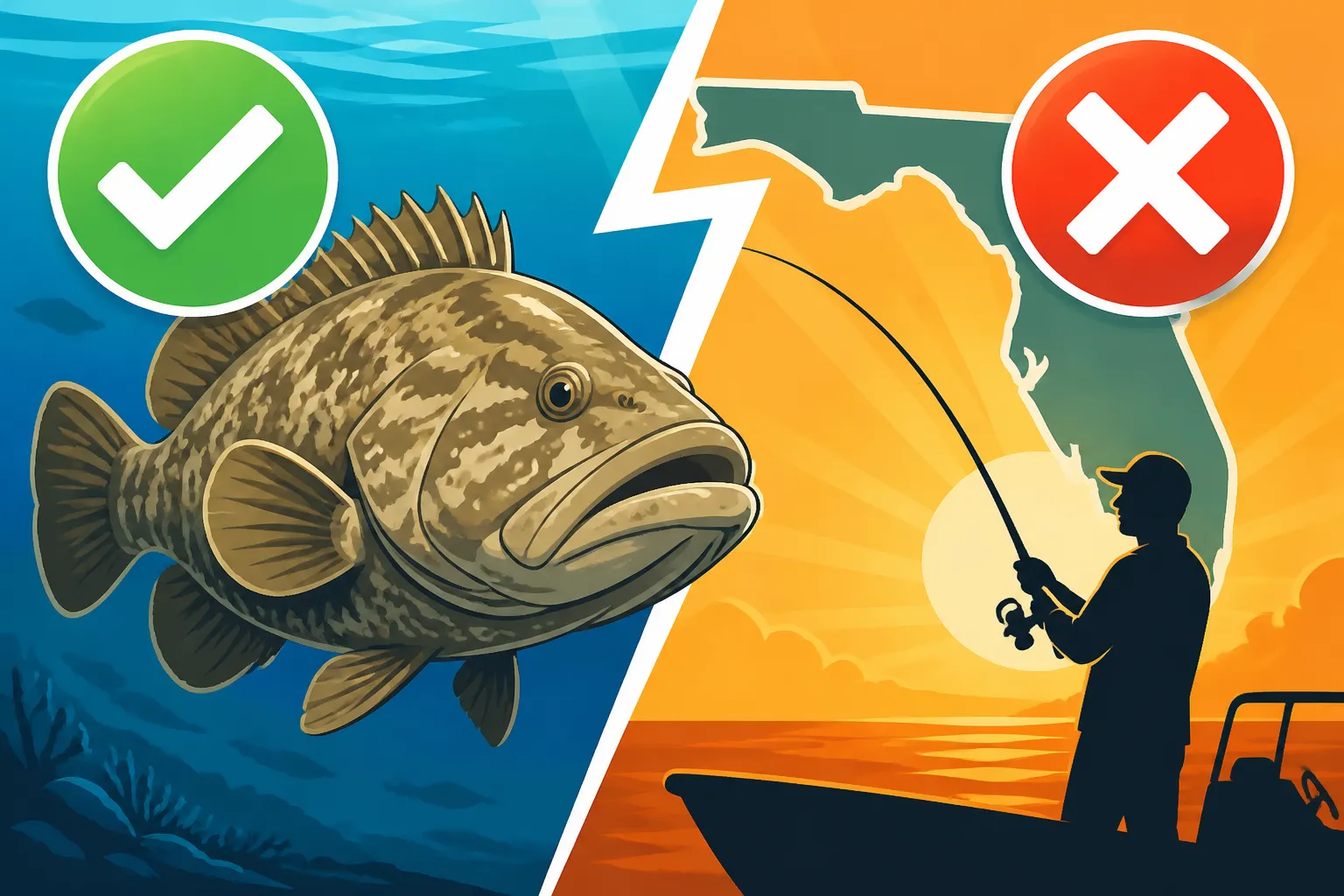
Let's cut right to the chase, because this is often the first thing on an angler's mind when they hook into one of these behemoths. The simple, unequivocal answer to whether Goliath Grouper are legal to keep in Florida is no. For many years now, and continuing into the foreseeable future, Goliath Grouper are strictly a catch-and-release species throughout Florida's state and federal waters.
This regulation isn't just a suggestion; it's a mandatory rule enforced by the Florida Fish and Wildlife Conservation Commission (FWC). You can't harvest them, you can't possess them, and you certainly can't bring one aboard your boat. This might come as a surprise to some, especially if you’ve heard whispers about past changes or future proposals, but as of right now, the rules are clear. The immense size and power of these fish make them an unforgettable catch, but that experience must always end with their safe return to the water. Understanding these rules is critical, much like understanding all the other Florida Fishing Regulations and Bag Limits for various species you might encounter.
Why Goliath Grouper Are a Protected Species
The decision to protect Goliath Grouper didn't happen overnight, nor was it made lightly. Their protected status is the result of a long history of overfishing coupled with biological factors that make them particularly vulnerable. Back in the day, these fish were commercially harvested, and their slow-moving, inquisitive nature made them relatively easy targets for spear fishermen and commercial anglers alike. Their populations plummeted, reaching critically low levels by the late 20th century.
What makes Goliath Grouper so susceptible to overfishing? For starters, they are incredibly long-lived and slow to mature. It can take many years for a Goliath Grouper to reach reproductive age, meaning that even a few years of heavy fishing pressure can decimate a generation before they ever have a chance to reproduce. They also aggregate in predictable spawning locations, making them even more vulnerable during these crucial periods. Protecting them has allowed their populations to slowly begin to rebound, providing a vital ecological balance to Florida's diverse marine habitats, especially around reefs and wrecks where they serve as apex predators.
Catch-and-Release Only: What That Really Means
When the FWC states that Goliath Grouper are catch-and-release only, they mean it in the strictest sense. It's not just about not taking them home; it's about minimizing harm and ensuring the fish has the best possible chance of survival once released. This means you can’t haul them onto the deck for a quick photo, drag them onto the beach, or lift them by their gills or jaw. The immense weight and delicate internal organs of these fish simply cannot handle that kind of stress out of the water.
The regulations require immediate release. If you accidentally hook a Goliath, you are expected to fight it efficiently, bring it alongside the boat, remove the hook (preferably while it's still in the water), and release it as quickly as possible. This strict protocol is designed to reduce the physical trauma and stress that can lead to post-release mortality. Ignoring these guidelines isn't just bad angling practice; it can lead to significant fines and penalties, similar in principle to the consequences for other fishing infractions like those described in What Happens If You Fish Without a License.
| Aspect | Guideline | Why it Matters |
|---|---|---|
| Retention | Strictly prohibited. | Goliath Grouper are a protected species; possession is illegal. |
| Handling | Keep fish in water at all times. Avoid removing from the water. | Their massive weight can cause internal injury and organ damage when lifted. |
| Release Speed | Immediate release required after hook removal. | Minimizes stress, exhaustion, and physical trauma, increasing survival chances. |
| Gear | Use heavy tackle to reduce fight time. | Longer fight times lead to greater exhaustion, making the fish more vulnerable. |
| Hook Removal | Use appropriate dehooking tools (e.g., long-nose pliers, dehookers) while in water. | Reduces injury to the fish and helps avoid harm to the angler. |
| Photographs | Quick photos only, with fish fully in the water. | Minimizes time out of its natural environment, prevents injury from handling. |
| Violations | Subject to significant fines and legal penalties. | Ensures compliance with conservation laws critical for species recovery. |
Special Considerations for Goliath Grouper Encounters
So, you're out on the water, maybe targeting snapper or grouper, and suddenly your rod doubles over with something truly enormous. It's a Goliath! While thrilling, this moment requires quick thinking and responsible action. These fish are powerful, and while you can't keep them, the encounter itself is a privilege that comes with the responsibility of ensuring their well-being. This is where your angling skills and conservation ethics truly come into play.
Many anglers might be used to bringing fish into the boat for photos or measurement, but that simply isn't an option with a Goliath. Imagine trying to lift a refrigerator-sized fish out of the water; it's just not practical or safe for either you or the fish. Having the right approach and tools ready can make all the difference in turning a potentially stressful situation into a successful, ethical catch-and-release experience. Remember, the goal is always to send them back healthy and strong, allowing them to continue their important role in the ecosystem.
Best Practices for Catch and Release to Ensure Survival
Catching a Goliath Grouper is a fight you won't soon forget. These fish are incredibly strong, and they'll test your tackle and your stamina. To ensure the best chance of survival for the fish, it’s crucial to use heavy tackle. This means stout rods, powerful reels, and heavy line, which helps you land the fish as quickly as possible. A prolonged fight can completely exhaust a Goliath, leaving it vulnerable to predators or unable to recover properly. Think about the kind of gear you'd use for big offshore species, and you're on the right track; in fact, much of the advice in a Best Rod and Reel Setup for Florida Offshore Fishing guide would apply here.
Once you've brought the fish alongside the boat, the real work begins. The absolute golden rule is: keep the fish in the water. Do not attempt to lift a Goliath Grouper into the boat. If you need to remove the hook, use a long-handled dehooking tool or heavy-duty pliers. Sometimes, the hook might be too deep, or the fish is too large to safely handle. In such cases, if it's a J-hook, you might carefully cut the leader as close to the hook as possible. If it's a circle hook (which is highly recommended for these powerful fish), they often hook in the corner of the mouth, making removal much easier. Companies like Amazon offer a wide array of specialized dehookers that can be invaluable in these situations, allowing for quick, safe hook removal without needing to bring the fish aboard. Always support the fish horizontally in the water if you need to steady it, ensuring water flows over its gills, aiding in its recovery before release. These are similar principles to Catch and Release Best Practices for Snook, though scaled up significantly due to the sheer size of the fish.
The Importance of Photographing Responsibly
We all love to capture that epic moment, especially when you've just wrestled with a fish the size of a small car. However, with Goliath Grouper, this needs to be done with extreme care and respect for the animal. The desire for a trophy photo often conflicts with the fish's well-being. The key here is quickness and keeping the fish submerged.
If you absolutely must get a photo, do so with the fish entirely in the water. Get down to its level. Have your camera ready so you can snap a few shots the moment it's alongside. Avoid lifting the fish even partially out of the water. If you must support it for a photo, keep its body fully submerged and support it horizontally by the belly, never vertically by the head or gills. Lifting these massive fish by the jaw can dislocate their spine and cause severe, often fatal, internal damage. Remember, the true trophy isn't the picture itself, but the knowledge that you’ve responsibly released a magnificent creature, contributing to the health of Florida's marine environment.
Understanding the Future of Goliath Grouper Management
While Goliath Grouper are currently strictly catch-and-release, the conversation about their management is dynamic and ongoing. The FWC continually monitors fish populations, and public input plays a significant role in future decisions. It's a complex issue with passionate advocates on all sides, reflecting the diverse values people place on these incredible fish. As an angler, staying informed about these discussions is a part of being a responsible steward of our marine resources.
The protection of Why Goliath Grouper Are Protected in Florida has been successful in allowing their populations to recover from historic lows. However, recovery brings new considerations, and the FWC must balance conservation goals with the desires of the angling public. It's a delicate dance, ensuring the species continues to thrive while acknowledging different perspectives within the fishing community.
The Debate Over Limited Harvest Opportunities
There's an ongoing, often heated, debate about the possibility of a limited, highly regulated harvest of Goliath Grouper. On one side, many anglers and some commercial interests argue that the population has recovered sufficiently to allow for a small, controlled take, perhaps through a lottery system or a very limited season, similar to how highly sought-after species are managed in other areas. They suggest that carefully managed opportunities could provide economic benefits and allow anglers to experience the thrill of harvesting such a magnificent fish, while still ensuring the long-term health of the species.
On the other side, many conservation groups and concerned anglers strongly advocate for the continued full protection of Goliath Grouper. They point to the species' slow growth, late maturity, and vulnerability to overfishing as reasons to maintain the current catch-and-release status. They argue that even a limited harvest could set a dangerous precedent or prove difficult to manage effectively, potentially reversing the decades of conservation success. The FWC has explored various options, and while proposals for limited harvest have been discussed, the current status remains strictly protected, reflecting the cautious approach to managing such an iconic and ecologically important species.
How Anglers Can Contribute to Conservation Efforts
As responsible anglers, we all have a role to play in the conservation of Goliath Grouper and all of Florida's incredible fish species. Beyond adhering to the strict catch-and-release regulations, there are several ways you can actively contribute to their continued protection and the health of their habitats. One of the most important things you can do is report any observed violations of the Goliath Grouper regulations. If you see someone illegally harvesting, mistreating, or removing a Goliath from the water, contacting the FWC’s Wildlife Alert Program is crucial. This helps enforcement agencies protect the species.
Furthermore, participating in citizen science programs or surveys can provide valuable data to fisheries managers. Many organizations collect data on Goliath Grouper sightings, size estimates, and even genetic samples to better understand their populations and movements. By engaging in these efforts, you directly contribute to the scientific understanding that informs future management decisions. Finally, simply practicing ethical angling, educating fellow fishermen about proper handling techniques, and advocating for healthy marine environments helps ensure that future generations can also experience the awe of encountering these magnificent giants in Florida's waters. Learning about Florida Fishing Seasons Explained and other regulations shows a commitment to the overall health of our fisheries.
Disclaimer
This article is for general informational purposes only and does not constitute professional advice. Laws, prices and regulations vary by location and change over time. Consult a qualified professional for guidance on your specific situation.