How to Choose a Florida Fishing Guide
Trying to pick the perfect Florida fishing guide can feel like searching for a needle in a haystack, especially with so many amazing options scattered across the Sunshine State. It's not just about finding someone with a boat; it's about finding the right someone who understands your fishing dreams, whether it's battling a trophy tarpon or creating unforgettable family memories. This comprehensive guide is here to cut through the confusion and equip you with everything you need to confidently choose a Florida fishing guide that's truly the best fit for your next adventure.
Understanding Your Fishing Goals
Before you even start looking at guides, the most important first step is to sit down and honestly evaluate what you really want out of your fishing trip. Florida offers such a diverse range of angling opportunities that without a clear vision, you might end up on a deep-sea trip when your heart was set on shallow flats, or vice-versa. Taking a moment to define your goals will narrow down your search considerably and prevent disappointment.
What Kind of Fishing Experience Are You Looking For?
Florida is a vast state with thousands of miles of coastline and countless freshwater lakes and rivers, each offering unique fishing experiences. Are you dreaming of the thrill of sight-fishing for redfish on crystal-clear flats? Perhaps you envision yourself battling a monstrous grouper in the depths of the Gulf, or maybe you're keen on the explosive topwater action of largemouth bass on a serene freshwater lake.
It's crucial to distinguish these experiences. An inshore guide, specializing in the shallow bays and estuaries, will have a completely different setup, boat, and skill set than an offshore captain who navigates miles out into the open ocean. Similarly, a fly fishing specialist will offer a vastly different approach and require different skills from you compared to a conventional tackle guide focused on bait fishing. If you're bringing young children, a family-friendly charter focused on consistent action and ease might be a better choice than a hardcore trophy hunt that demands patience and advanced techniques. Consider the pace, the scenery, and the level of physical exertion you're comfortable with. Do you want a laid-back cruise with a few bites, or an intense, non-stop fishing marathon? Your answer will dictate the type of guide you seek.
Target Species and Locations
Florida is home to an incredible array of fish, both freshwater and saltwater. Each species has its preferred habitats, feeding patterns, and best times to be caught. It's a common mistake to assume all guides can effectively target all species in all locations. For instance, a guide who specializes in peacock bass in the urban canals of Miami will likely not be the best choice for catching snook in the Everglades.
Similarly, the location you choose heavily influences the available species and techniques. The Florida Keys are renowned for tarpon, bonefish, and permit, while Lake Okeechobee is a mecca for trophy largemouth bass. The Panhandle offers fantastic deep-sea opportunities for snapper and grouper, and the Indian River Lagoon is famous for its redfish and seatrout. Once you've identified your target species, you can then focus on guides who operate in the prime habitats for those fish. Many guides will proudly display their specialization on their websites or booking profiles, often with photos of successful trips featuring those specific fish. Don't hesitate to ask a potential guide about their primary target species and how much experience they have with the fish you're hoping to catch.
Types of Florida Fishing Guides and Charters
Knowing the different categories of fishing guides available in Florida is essential for making an informed choice. Each type caters to specific preferences, locations, and target species, offering distinct experiences on the water.
Inshore and Flats Guides
These guides operate primarily in the shallow, nearshore waters of Florida's coasts, including bays, estuaries, mangrove fringes, and expansive grass flats. They typically use smaller, more maneuverable boats like skiffs or bay boats, designed to navigate skinny water without spooking fish. The experience with an inshore or flats guide is often characterized by sight-fishing – actively looking for fish in clear water before making a cast. This can be incredibly thrilling and visually engaging.
Target species for inshore guides often include popular sportfish like snook, redfish, spotted seatrout, and tarpon, especially juvenile tarpon in the backcountry. These trips are fantastic for anglers who enjoy active casting, precise presentations, and the challenge of stalking fish. They are also often more protected from rough seas, making them a good option for those prone to seasickness or families with younger children looking for a calmer day on the water. An experienced inshore guide knows the intricate network of channels, oyster bars, and grass beds where these fish hide and feed, and they understand the nuances of tides and currents that dictate fish behavior in these environments. If you're looking for a personal, hands-on casting experience, an inshore or flats guide is likely your best bet.
Offshore and Deep Sea Charters
For those who crave the vastness of the open ocean and the thrill of battling powerful pelagic and reef species, an offshore or deep sea charter is the way to go. These trips venture miles offshore into deeper waters, often beyond the sight of land. Boats used for these excursions are significantly larger and more robust, designed to handle rougher seas and equipped with advanced navigation and fish-finding technology.
On an offshore trip, you might be trolling for fast-moving species like mahi-mahi, wahoo, king mackerel, or sailfish, or bottom fishing over reefs and wrecks for formidable grouper, snapper, or amberjack. The duration of these charters typically ranges from half-day (4 hours) to full-day (8+ hours), with longer trips allowing for travel to more distant and productive fishing grounds. The experience is often less about casting and more about reeling in powerful fish from great depths. While exhilarating, offshore trips can be physically demanding and are more susceptible to weather conditions, meaning they can be canceled due to high winds or rough seas. Be sure to discuss the typical depths fished and target species with your potential captain, as well as the Florida Offshore Fishing Charter Guide for more details.
Freshwater Guides (Lakes and Rivers)
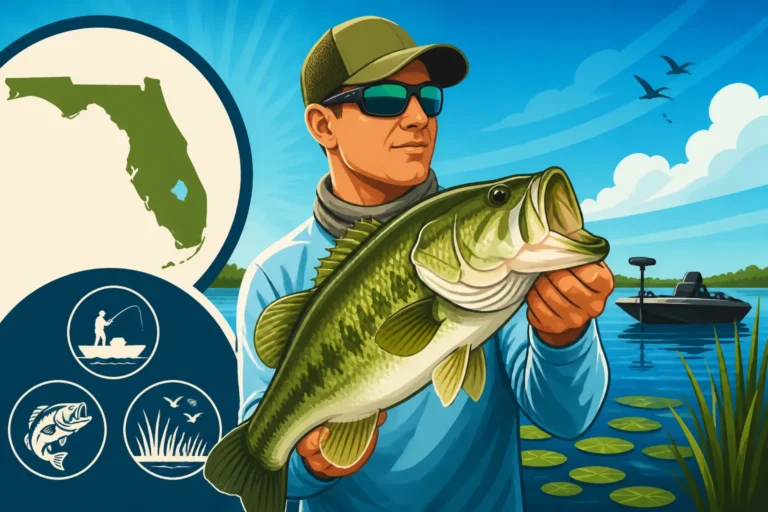
Don't let Florida's extensive coastline overshadow its incredible freshwater fishing opportunities. The state boasts thousands of lakes, rivers, and canals teeming with various species. Freshwater guides primarily focus on these inland waters, offering a different but equally rewarding angling experience. The most popular target for freshwater guides is the iconic largemouth bass, especially the trophy-sized "Florida Strain" bass that can reach impressive weights. Lakes like Okeechobee, Toho, and Kissimmee are world-renowned for their bass fishing.
Beyond bass, freshwater guides can also target species like crappie (speckled perch), bluegill, catfish, and even exotic species like peacock bass and clown knifefish in certain South Florida canal systems. These guides typically operate from specialized bass boats or comfortable pontoon boats, depending on the target species and location. Freshwater trips often involve techniques like flipping, pitching, casting various lures, and sometimes live bait presentations. The scenery can range from dense cypress swamps to open water lakes, offering a tranquil escape from the bustling coasts. If you're a bass enthusiast or simply prefer the calm of inland waters, a dedicated freshwater guide is your ideal choice. You might want to explore Florida Bass Fishing Guide Services for specific options.
| Guide Type | Typical Boat Type | Primary Target Species | Key Experience Features |
|---|---|---|---|
| Inshore/Flats | Skiff, Bay Boat | Snook, Redfish, Trout, Tarpon (juvenile) | Sight-fishing, light tackle, calm waters, active casting |
| Offshore/Deep Sea | Center Console, Sportfish | Grouper, Snapper, Mahi-Mahi, Kingfish, Sailfish | Trolling, bottom fishing, heavy tackle, open ocean thrills |
| Freshwater | Bass Boat, Pontoon Boat | Largemouth Bass, Crappie, Bluegill, Catfish | Lure casting, live baiting, calm lakes/rivers, scenic |
Essential Questions to Ask Your Potential Guide
Once you have a clearer idea of the type of fishing you want to do, it’s time to start talking to potential guides. Don't be shy! A good guide expects questions and will appreciate your thoroughness. These questions are crucial for ensuring you find a match that aligns with your expectations and budget.
Guide's Experience and Specialization
You're investing your time and money into this trip, so you want to ensure your guide is knowledgeable and competent. Start by asking about their overall experience. How long have they been guiding specifically in the area you plan to fish? A guide with decades of experience in the Florida Keys might be fantastic there, but less so if you're trying to fish the Panhandle. Local knowledge is paramount in fishing, as tides, currents, bait movements, and fish habitats can vary dramatically even within a few miles.
Beyond general experience, inquire about their specialization. Do they primarily focus on specific species like tarpon or snook, or do they offer a broader range? Do they prefer certain techniques, such as fly fishing, artificial lures, or live bait? If you have a strong preference, ensure their style matches yours. For instance, if you're keen on catching a trophy redfish on fly, you wouldn't want to book a guide who mainly trolls for kingfish. Ask about their most successful trips, what kind of fish they've been catching lately, and how they adapt to changing conditions. A seasoned guide will be able to speak confidently about their local waters and demonstrate a deep understanding of fish behavior.
What's Included and What to Bring?
This is where expectations can often diverge, leading to frustration on the day of your trip. Before you book, get a clear understanding of what the charter fee covers and what you're expected to provide. Most reputable guides will supply all necessary fishing gear, including rods, reels, and tackle, as well as bait and a cooler with ice. Many will also cover the required fishing licenses for everyone on board, meaning you won't need to purchase your own Florida Fishing License Guide for the trip. However, it's always best to confirm this, especially if you're fishing with a large group.
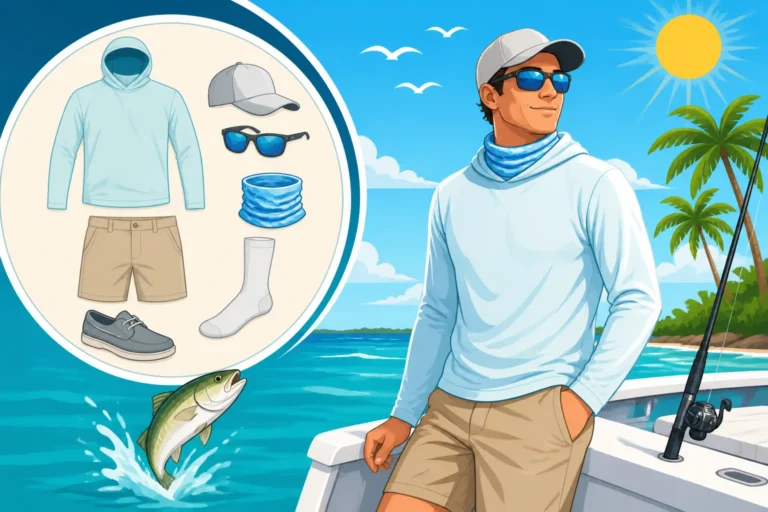
On the flip side, clarify what you need to bring. Essentials typically include sunscreen (non-spray is often preferred to protect boat surfaces), a hat, polarized sunglasses (crucial for spotting fish in clear water), appropriate clothing for the weather, and any personal food and drinks you desire. Some guides may provide bottled water, but don't assume. If you have a specific lucky lure or a favorite rod, ask if you can bring it. Knowing these details upfront will help you pack appropriately and avoid any surprises. Our What to Bring on a Florida Fishing Charter article can give you a good checklist to work from.
Pricing, Deposits, and Cancellation Policies
Understanding the financial aspects of your trip is paramount. Fishing charter costs can vary widely based on duration (half-day vs. full-day), type of fishing, location, and the guide's reputation. Don't be afraid to ask for a detailed breakdown of costs. Does the quoted price include fuel? Are there any hidden fees or surcharges? Clarify if the price is per person or for the entire boat. Many charters operate on a per-boat basis, which can be more economical for small groups. If you're looking to save some money, consider a Half-Day vs Full-Day Fishing Charter Cost in Florida or ask about shared charters if available, though these offer less flexibility.
Deposits are standard practice for securing your booking. Understand how much is required and the method of payment. More importantly, get a clear explanation of the cancellation policy. Florida weather, while usually beautiful, can be unpredictable, with sudden thunderstorms or strong winds impacting safety and fishing conditions. What happens if the guide has to cancel due to weather? Will you receive a full refund or can you reschedule? What if you need to cancel? How much notice is required to avoid losing your deposit? A transparent guide will have a fair and clearly stated cancellation policy. Don't forget to inquire about Tipping Etiquette for Florida Fishing Guides as well, as this is a customary part of the overall cost.
Researching and Vetting Guides
Once you have a short list of potential guides, it's time to dig a little deeper. The internet has made researching and vetting services incredibly accessible, allowing you to gain insights from other anglers' experiences.
Online Resources and Booking Platforms
In today's digital age, online platforms are invaluable tools for finding and comparing fishing guides. Websites like FishingBooker are fantastic resources because they aggregate a vast number of licensed captains in various locations, providing detailed profiles, photos, and often real-time availability. You can filter guides by location, type of fishing (inshore, offshore, freshwater), target species, and even boat size. This allows you to quickly narrow down options that match your initial goals.
Beyond just listings, these platforms often serve as a central hub for essential information. Many guides will have their pricing, what's included, and their cancellation policies clearly outlined on their profile pages. Using a reputable booking platform can also offer an added layer of security and convenience, as they often handle the booking and payment process, and sometimes even offer customer support if issues arise. They're designed to make the process smoother, from initial search to final booking confirmation.
Reading Reviews and Testimonials
Customer reviews are perhaps the most powerful tool in vetting a fishing guide. Just like you'd read reviews for a restaurant or a hotel, scrutinize the feedback left by previous clients. Look beyond just the star rating. Read the actual comments to get a sense of the guide's personality, their teaching style (if you're a beginner), their patience, and how they handle various situations, including slow fishing days.
What specific aspects do people praise? Do they mention the guide's knowledge, the cleanliness of the boat, the quality of the gear, or their ability to make the trip fun for kids? Conversely, pay attention to any recurring negative comments. Were there issues with communication, safety, or hidden costs? A few less-than-stellar reviews are normal, but a pattern of complaints about the same issue should be a red flag. Remember that reviews on dedicated fishing platforms or the guide's own website might be more specific and relevant than general travel sites. Look for recent reviews to get an up-to-date picture of their service.
Word-of-Mouth and Local Recommendations
While online reviews are powerful, there's still immense value in old-fashioned word-of-mouth recommendations. If you know friends, family, or colleagues who have fished in Florida, ask them about their experiences and if they have any guides they'd recommend (or avoid!). Personal recommendations often come with a level of trust and insight that online reviews, however detailed, sometimes can't provide.
Furthermore, if you're already in Florida or plan to visit before booking, spend some time at local bait and tackle shops, marinas, or even waterfront restaurants. These are hubs for local anglers and guides. The folks working at a bait shop often have their finger on the pulse of the local fishing scene and can offer invaluable, current advice on who's hot and who's not. They might recommend a particular guide known for their expertise in a certain area or for a specific type of fish. Engaging with the local fishing community can uncover hidden gems or confirm the reputation of a guide you're considering.
The Importance of a Good Fit and Communication
Beyond finding a skilled angler, the personal dynamic between you and your guide is paramount. A fishing trip is often several hours long, and spending that time with someone you don't mesh with can dampen even the best fishing day.
Matching Personalities and Expectations
Think about it: you'll be spending anywhere from four to eight hours, or even longer, in a confined space with your guide. Their personality can dramatically influence your experience. Do you prefer a quiet, stoic guide who lets the fishing do the talking, or someone more outgoing and conversational, full of stories and jokes? If you're bringing kids, you'll want a guide who is patient, engaging, and enthusiastic about teaching. If you're a seasoned angler, you might appreciate a guide who treats you as an equal partner in the fishing process, rather than someone who dictates every move.
It's also about managing expectations. A good guide will communicate realistic expectations about the fishing conditions, what species are biting, and what techniques they'll be using. They won't promise you a trophy catch, because fishing is unpredictable. Instead, they'll promise effort, knowledge, and a safe, enjoyable day on the water. Be honest about your own skill level and what you hope to achieve. If you're a beginner, say so! A good guide will tailor the trip to ensure you have a positive learning experience. Ultimately, the goal is not just to catch fish, but to have a memorable and enjoyable day, and a good personality match is key to that.
Pre-Trip Communication
The relationship with your guide begins long before you step onto their boat. Clear and proactive communication leading up to your trip is vital for its success. Once you've tentatively decided on a guide, reach out to them. Discuss the planned date, time, and meeting location. Ask about current fishing conditions – sometimes the fishing changes between your booking date and your trip date, and a good guide will be transparent about this. They might suggest a slight change in target species or fishing grounds based on recent reports or weather forecasts.
Confirm what you need to bring and what they will provide one last time. Discuss any specific preferences you have, such as wanting to focus on fly fishing, or if you prefer catch-and-release over keeping fish for dinner. This is also the time to communicate any special needs, such as mobility issues, dietary restrictions, or if you have children who might need extra attention. A guide who responds promptly, clearly, and enthusiastically to your inquiries is likely to be a professional and attentive guide on the water. Lack of communication or vague answers before the trip can be a red flag, indicating potential issues down the line.
Legalities and Safety
When choosing a fishing guide, ensuring they are properly licensed and prioritize safety is not just a recommendation; it's a non-negotiable requirement. This protects both you and the guide, and ensures a professional, secure outing.
Licensing and Insurance
In Florida, any captain operating a vessel for hire, transporting passengers on navigable waters, must hold a valid U.S. Coast Guard (USCG) Captain's License. This isn't just a piece of paper; it signifies that the individual has met rigorous requirements, including passing exams on navigation, rules of the road, safety, and first aid, and has accumulated documented sea time. It means they are certified to safely operate a commercial vessel. Asking to see a guide's USCG license (or at least confirming they possess one) is perfectly acceptable and advisable. Our article What Is a USCG Captain's License? can provide more context on these important credentials.
Furthermore, a professional fishing charter should carry appropriate commercial liability insurance. This protects both the guide and their clients in the unlikely event of an accident or unforeseen circumstances. While no one wants to think about accidents, knowing that your guide is insured provides peace of mind. Don't hesitate to ask if they are insured. A legitimate guide will be transparent about their licensing and insurance. Unfortunately, there are unlicensed operators who try to cut corners, but booking with them puts you at significant risk, as they may not have the necessary training or coverage in case of an emergency. Always ensure you're booking with a reputable, legally compliant operation. Are Florida Fishing Guides Licensed by the State? delves deeper into this topic.
Safety Protocols and Equipment
A good fishing guide prioritizes the safety of their clients above all else. Before booking, you might inquire about their safety protocols. Do they conduct a pre-trip safety briefing? Are life jackets readily accessible and clearly visible for all passengers, including properly sized ones for children? Are they equipped with essential safety gear like a first-aid kit, fire extinguisher, flares, and a marine radio or satellite communication device? These are standard requirements for USCG-inspected vessels and professional operations.
Beyond the mandatory equipment, consider the guide's overall approach to safety. Do they check weather forecasts diligently and make conservative decisions about heading out in marginal conditions? Do they have a plan for medical emergencies? Are they competent in handling their vessel and navigating difficult waters? While you might not grill them on every single detail, a guide who speaks confidently about their safety practices and has a well-maintained boat generally demonstrates a commitment to client welfare. Your safety is paramount, and a responsible guide will never compromise it for the sake of a fishing trip.
Red Flags to Watch Out For
While most Florida fishing guides are reputable and dedicated professionals, it's wise to be aware of potential red flags that could indicate a less-than-ideal experience. Knowing what to look for can save you from frustration, disappointment, or even unsafe situations.
Unlicensed or Uninsured Operators
This is arguably the biggest red flag and one that you should never ignore. As mentioned earlier, any captain taking paying passengers on Florida waters must hold a valid U.S. Coast Guard (USCG) Captain's License and carry appropriate commercial insurance. If a potential "guide" cannot or will not provide proof of their USCG license or assure you of their insurance coverage, walk away immediately.
Operating without these essential credentials is not only illegal but also incredibly dangerous. An unlicensed operator hasn't undergone the rigorous training, testing, or background checks required by the Coast Guard. They may lack fundamental knowledge of maritime safety, navigation rules, or emergency procedures. Furthermore, without commercial insurance, you and your party would be completely unprotected in the event of an accident or injury. While an unlicensed guide might offer a slightly cheaper trip, the risks involved are simply not worth any perceived savings. Your safety, and the legality of your fishing trip, should always be your top priority.
Vague Pricing or Hidden Fees
Transparency in pricing is a hallmark of a professional and trustworthy business. Be wary of guides who are evasive about their rates, provide vague estimates, or don't clearly outline what is and isn't included in the stated price. A common tactic for less scrupulous operators is to quote a low base price, only to surprise you with additional charges at the end of the trip for "fuel surcharge," "bait fees," "tackle usage," or even "fish cleaning" – services that are typically included in a standard charter fee.
Before you commit, get a clear, itemized understanding of the total cost. Ask if taxes are included, if there's an additional charge for using certain types of bait or tackle, or if there's a premium for targeting specific, harder-to-catch species. While some legitimate charters might have fuel surcharges for longer offshore trips due to fluctuating gas prices, this should always be communicated upfront and clearly explained. If you feel like you're being led on or can't get a straightforward answer about the final cost, it's a strong indicator that you should look elsewhere.
Overly Aggressive Sales Tactics or Guarantees
Fishing is an activity deeply intertwined with nature, and as such, it's inherently unpredictable. While a great guide can maximize your chances of success through skill and knowledge, no ethical guide can ever truly "guarantee" you'll catch a specific fish, a certain number of fish, or a fish of a particular size. If a guide makes outlandish promises or guarantees a "limit catch" of a sought-after species, especially if it sounds too good to be true, it likely is. This kind of aggressive sales talk can set unrealistic expectations, leading to disappointment.
Be cautious of guides who put excessive pressure on you to book quickly, claim "limited time offers" that seem to reappear constantly, or badmouth other local guides excessively. While healthy competition exists, professional guides typically focus on promoting their own merits rather than disparaging others. A trustworthy guide will present their experience, their boat, and their approach clearly, then let you make an informed decision without undue pressure or impossible promises. They understand that a positive overall experience, regardless of the exact fish count, is what brings clients back.
Making the Final Decision
After all your research, questions, and vetting, you've likely narrowed down your choices to one or two top contenders. Now it's time to make that final leap and book your unforgettable Florida fishing adventure.
Trust Your Gut Feeling
Sometimes, after all the logical analysis, reading reviews, and comparing prices, the final decision comes down to intuition. You might have spoken to several guides, all of whom seemed competent and professional, but one conversation just felt right. Perhaps their enthusiasm was contagious, their answers were particularly clear, or their personality simply resonated with you. Don't underestimate the power of your gut feeling. A fishing trip is meant to be enjoyable and relaxing, and feeling a sense of comfort and trust with your chosen guide from the outset is a huge predictor of a successful and positive experience.
Conversely, if something feels off, even if you can't quite pinpoint why, it might be a subtle red flag. Maybe their tone was dismissive, or their responses felt rushed. If you have any lingering doubts or unease, it's perfectly okay to reconsider. There are many fantastic guides in Florida, and you deserve to feel completely confident and excited about your choice. Remember, you're not just booking a service; you're embarking on an experience, and the right guide makes all the difference.
Confirming Your Booking
Once you've made your decision, the final step is to confirm your booking officially. This usually involves paying a deposit and receiving a confirmation from the guide or booking platform. Double-check all the critical details:
- Date and Time: Ensure the date and time are exactly what you agreed upon.
- Meeting Location: Confirm the precise marina, dock, or ramp where you will meet your guide. Don't rely on memory; get a specific address or GPS coordinates.
- Total Cost and Payment: Reconfirm the final price and any outstanding balance due on the day of the trip. Clarify accepted payment methods (cash, card, Venmo, etc.).
- Contact Information: Make sure you have the guide's direct phone number for any last-minute questions or if you encounter delays on the day of the trip.
- What to Bring/What's Provided: A quick recap of essentials to bring and what the guide supplies can prevent any morning-of scrambling.
Many guides will send a confirmation email or text message outlining all these details. Keep this information handy. If you booked through an online platform like FishingBooker, ensure you receive confirmation through their system as well. With everything clearly confirmed, you can now eagerly anticipate your Florida fishing adventure, knowing you've done your homework and chosen the best guide for your journey!
Disclaimer
This article is for general informational purposes only and does not constitute professional advice. Laws, prices and regulations vary by location and change over time. Consult a qualified professional for guidance on your specific situation.