Florida Offshore Fishing Charter Guide
There's nothing quite like the boundless horizon and the deep blue expanse of the open ocean calling your name. For many anglers, the dream of battling a monstrous game fish far from shore is a powerful draw, but the logistics of heading out into Florida's vast offshore waters can feel incredibly daunting. This comprehensive guide is designed to demystify Florida offshore fishing charters, helping you understand what to expect, how to choose the right trip, and ultimately, how to turn that deep-sea dream into a thrilling reality.
What Exactly is Offshore Fishing in Florida?
When folks talk about "fishing in Florida," it can mean everything from casting a line into a quiet freshwater pond to chasing tarpon in the Everglades. But offshore fishing, well, that's a whole different ballgame. It's about venturing beyond the protective embrace of the coast, past the inshore bays and nearshore reefs, into the truly deep blue water where the big pelagic species roam and the ocean floor drops dramatically.
Defining "Offshore" in the Sunshine State
In Florida, "offshore" generally refers to fishing anywhere from a few miles to many, many miles out into the Gulf of Mexico or the Atlantic Ocean. It's not about how deep the water is right under the boat, necessarily, but more about the distance from land and the type of environment you're in. While "nearshore" might involve fishing artificial reefs or wrecks in 30-60 feet of water a few miles out, true offshore fishing typically takes you to depths of hundreds or even thousands of feet. Think about it: you're looking for underwater structures like ledges, drop-offs, and deep-water wrecks that might be 20, 30, 50 miles or more from the nearest land mass.
This distinction is important because it dictates everything from the size of the boat you'll need, to the kind of fish you'll encounter, and the techniques you'll employ. You won't be sight-fishing for redfish on a grass flat when you're 50 miles out in the Atlantic; instead, you'll be trolling for mahi-mahi or dropping baits hundreds of feet down for grouper. The waters are often choppier, the ride can be longer, and the fish are often much, much larger and more powerful.
Why Florida is a Prime Offshore Destination
Florida's unique geography makes it an absolute paradise for offshore anglers. With coastlines on both the Gulf of Mexico and the Atlantic Ocean, we're essentially a massive fishing pier extending into two entirely different marine ecosystems. This means incredible diversity in target species and fishing conditions, depending on which side of the state you're fishing from and the time of year.
On the Atlantic side, the Gulf Stream, a powerful ocean current, runs relatively close to shore, particularly in South Florida. This brings warm, nutrient-rich water and a parade of highly migratory species like sailfish, tuna, wahoo, and mahi-mahi right into striking distance. For those looking for fast-paced action and colorful, acrobatic fighters, the Atlantic often delivers. Meanwhile, the Gulf of Mexico offers extensive stretches of continental shelf with countless natural and artificial reefs, providing prime habitat for colossal bottom-dwellers like various species of grouper, snapper, and amberjack. While pelagic species are also present, the Gulf is often renowned for its robust reef fishing opportunities. This dual-coast advantage truly sets Florida apart, offering an unparalleled range of offshore fishing experiences for every type of angler.
Why Book an Offshore Fishing Charter?
The thought of heading out miles into the ocean can be exhilarating, but also a little overwhelming. You might be wondering if you should just rent a boat or try to go out on your own. For offshore fishing, especially if you're not an experienced deep-sea captain, booking a charter isn't just a convenience; it's often the smartest, safest, and most productive way to experience the thrill of the deep blue.
Expertise and Equipment at Your Fingertips
Let's be honest, offshore fishing requires specialized knowledge and gear that most recreational anglers simply don't have lying around. Your typical bass boat or bay boat isn't going to cut it when you're chasing tuna 30 miles offshore. Charter captains spend their entire lives on these waters; they know the secret spots, the migration patterns, the best baits, and the most effective techniques for different species and conditions. They understand how to read the water, locate bait schools, and interpret weather patterns that could turn a good day into a nightmare. You're not just paying for the boat; you're paying for decades of accumulated wisdom.
Beyond their expertise, charters come fully loaded with all the heavy-duty gear you'll need. We're talking about robust offshore rods and reels, specialized tackle for trolling, bottom fishing, or deep dropping, downriggers, outriggers, livewells full of prime bait, and sophisticated electronics like fish finders, radar, and GPS that are essential for navigating and finding fish far from land. Trying to acquire all this equipment yourself would be an astronomical investment, making the cost of a charter a remarkable value proposition when you consider the resources provided.
Safety First on the Open Ocean
The open ocean is a beautiful, powerful, and sometimes unforgiving place. Safety should always be your number one priority when venturing miles from shore. This is where a professional offshore fishing charter truly shines. Charter boats are regulated by the U.S. Coast Guard (USCG) and are required to carry a full complement of safety equipment, far beyond what a private boat owner might possess. This includes life rafts, EPIRBs (Emergency Position Indicating Radio Beacons), VHF radios, first-aid kits, and PFDs (Personal Flotation Devices) for everyone on board.
More importantly, your captain is a highly trained and licensed professional, often holding a USCG Master Captain's license. They are experts in seamanship, navigation, emergency procedures, and weather forecasting. They know when it's safe to go out, and more importantly, when it's not. If unforeseen circumstances arise, you have an experienced professional at the helm who knows exactly how to handle the situation, ensuring your safety and peace of mind throughout the trip. This level of security is almost impossible to replicate on a self-guided trip unless you yourself are a seasoned maritime professional.
Access to Prime Fishing Grounds
One of the biggest advantages of an offshore charter is the direct access it grants you to the most productive fishing grounds. These aren't just random spots on a map; they are often closely guarded secrets, passed down through generations of captains or discovered through years of trial and error. These prime locations include natural reefs, artificial wrecks, underwater ledges, distinct changes in bottom contour, and areas where currents create nutrient upwellings that attract baitfish and, consequently, game fish.
Many of these spots are too far or too challenging to reach for the average recreational boater, especially without the right vessel and navigation equipment. A charter captain, on the other hand, has the boat, the fuel, and the GPS coordinates to get you there efficiently and safely. They'll take you where the fish are biting, whether it's trolling along a weedline in the Gulf Stream for mahi-mahi or dropping baits on a specific wreck known to hold amberjack. This significantly increases your chances of a successful and memorable trip compared to blindly searching for fish on your own.
Understanding Offshore Charter Types and Boats
Just like there's a difference between a canoe and a cruise ship, there's a wide range of vessels and trip styles when it comes to offshore fishing charters. Knowing what kind of experience you're looking for will help you choose the perfect fit for your deep-sea adventure.
Center Consoles vs. Sportfishers
When you look at offshore fishing charter boats, you'll generally see two main types dominating the scene: center consoles and sportfishers. Both are designed for serious offshore work, but they offer different experiences.
-
Center Consoles: These are incredibly popular in Florida for good reason. They're typically 25 to 40+ feet long, with the helm located in the center of the boat, allowing for 360-degree fishability. They are fast, agile, and often equipped with multiple powerful outboard engines, meaning they can get to the fishing grounds quickly. This speed can be a huge advantage for covering more ground or outrunning a pop-up storm. Center consoles usually have plenty of deck space for casting, fighting fish, and moving around. While some larger models offer a small cabin or head (bathroom) in the console, they are generally open-air boats, which means you're more exposed to the elements. They are fantastic for a dynamic fishing experience, from trolling to bottom dropping, and are very versatile. Many charter operations, especially those focusing on more intimate group sizes, will run with high-quality center consoles like those from Pursuit Boats or Regulator Marine.
-
Sportfishers: These are the grand dames of the offshore world, easily recognizable by their towering flybridges and large, often enclosed, cabins. Sportfishers typically range from 35 to over 70 feet and are usually powered by large inboard diesel engines. They offer a much more comfortable and stable ride, especially in rougher seas, thanks to their weight and deep-V hulls. The enclosed cabin provides shelter from sun, rain, and spray, often with air conditioning, sleeping berths, and full galleys – a true luxury on longer trips. The elevated flybridge gives the captain an incredible vantage point for spotting fish, bait schools, and weedlines. Sportfishers are often preferred for serious tournament fishing, longer excursions, or when comfort is a top priority, especially when trolling for billfish or covering vast distances offshore. Think brands like Hatteras or Viking Yachts for these impressive vessels.
Half-Day, Full-Day, and Multi-Day Trips
The duration of your offshore charter will significantly impact the experience, the distance you can travel, and the types of fish you can target.
-
Half-Day Charters: Typically 4-6 hours, half-day trips are a great option for beginners, families with younger children, or those with limited time or budget. They usually focus on fishing closer to shore, perhaps 5-15 miles out, targeting species that are more readily accessible. While still considered offshore, these trips might lean more towards nearshore wrecks and reefs, or chasing fast-moving pelagic species that happen to be cruising closer to the coast. The trade-off is less travel time and potentially fewer opportunities for the truly massive, far-ranging game fish. You'll still get a taste of offshore excitement without the full commitment.
-
Full-Day Charters: Ranging from 8-12 hours, full-day trips are the most popular choice for dedicated offshore anglers. This extended time allows the captain to run much further offshore, often 20-60+ miles, to reach prime fishing grounds. You'll have ample time for trolling, bottom fishing, or deep dropping, giving you the best chance to encounter a wider variety of species, including larger pelagics and trophy bottom fish. With more fishing time, you can often try different techniques and locations throughout the day, maximizing your opportunities. This is generally the recommended option for a serious offshore fishing experience.
-
Multi-Day Trips (Overnight/Extended): These are serious expeditions, lasting 24 hours or more. Multi-day trips are for the most avid and adventurous anglers, venturing hundreds of miles offshore to target highly migratory species like tuna or swordfish in their deep-water haunts. You'll spend the night on the boat, often drifting with lines out for swordfish or running to distant fishing banks. These trips offer unparalleled opportunities for monster catches and a truly immersive offshore experience, but they come with a higher price tag and require a significant commitment. They are not for the faint of heart or those prone to seasickness.
Private Charters vs. Shared Experiences (Party Boats)
Deciding between a private or shared charter depends heavily on your budget, group size, and desired fishing experience.
-
Private Charters: This is when you book the entire boat for your group, and only your group. You have the captain's undivided attention, and you can often tailor the trip to your specific preferences – target species, fishing techniques, or even departure times within reason. Private charters offer the most personalized experience, allowing for a more intimate and flexible adventure. You'll pay for the entire boat, regardless of how many people are in your party (up to the boat's legal capacity, often 6 passengers for many USCG-inspected vessels). This can be more expensive per person if you have a small group, but it provides unmatched freedom and a focused fishing experience. Looking for a private charter is a great way to ensure you get the exact kind of Florida Offshore Fishing Charter Guide experience you're dreaming of.
-
Shared Charters (Party Boats/Head Boats): These are a more budget-friendly option, especially for solo anglers or small groups who don't want to pay the full cost of a private boat. On a party boat, you pay per person (or per "head") and share the vessel with many other anglers, sometimes 20, 40, or even more. The fishing experience is less personalized; the captain will typically take everyone to the same productive spots, and you'll all be fishing side-by-side. While you might not get individual attention, party boats are a fantastic way to experience offshore fishing without breaking the bank. They are usually larger, very stable vessels, and can be a lot of fun with a lively crowd. Just be prepared for less elbow room and a "one-size-fits-all" approach to the fishing plan.
| Charter Type | Group Size | Personalization | Cost (Per Person) | Typical Focus | Comfort & Amenities |
|---|---|---|---|---|---|
| Private (Half) | 1-6 Anglers | High, flexible | Medium-High | Nearshore, specific species, quick trip | Good, less travel time, private head |
| Private (Full) | 1-6 Anglers | High, flexible | High | Offshore, diverse species, ample time | Good, more travel, private head, cabin on sportfishers |
| Shared (Party) | 10-50+ Anglers | Low, fixed plan | Low-Medium | Bottom fishing (grouper, snapper) or trolling | Varies, can be crowded, basic amenities |
| Multi-Day | 1-6 Anglers (Private) | Very High, immersive | Very High | Pelagics (tuna, swordfish), extreme distance | High, often full amenities, overnight bunks, galley |
Popular Offshore Species You Can Target
One of the most exciting aspects of Florida offshore fishing is the incredible diversity of species you can encounter. From lightning-fast pelagics to powerful bottom-dwellers, there's a fish out there to challenge every angler.
Pelagic Powerhouses: Mahi-Mahi, Wahoo, Sailfish, King Mackerel
These are the speed demons and acrobats of the open ocean, often found in the upper water column, chasing baitfish in schools or along current lines and weedlines.
-
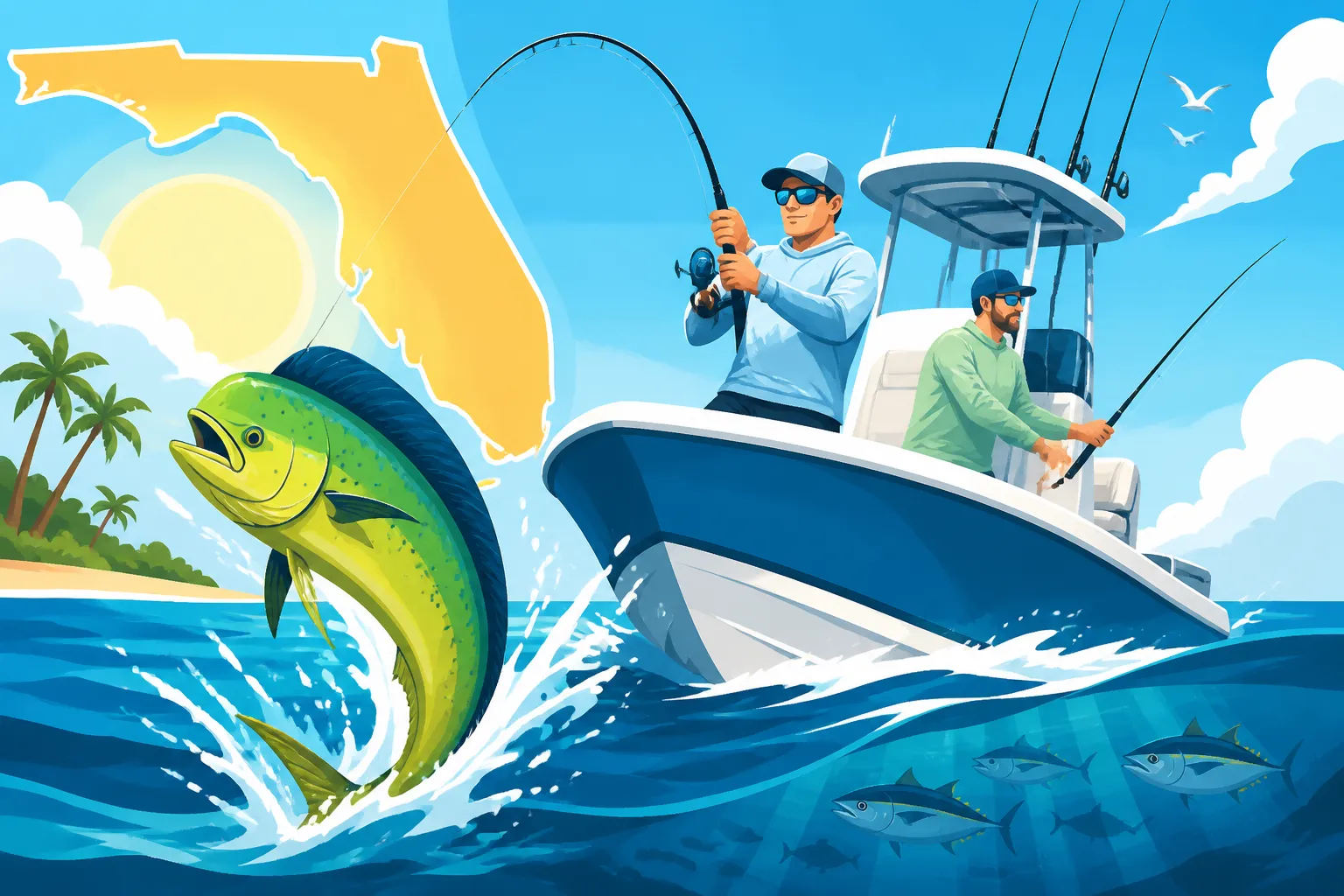
Mahi-Mahi (Dolphin Fish): Known for their vibrant, iridescent colors and aggressive feeding habits, mahi-mahi are a favorite target. They're often found around floating debris, weedlines (especially sargassum), and current edges in blue water. They're incredibly fun to catch, putting up spectacular aerial fights, and are absolutely delicious on the dinner plate. When you find one, there's often more, making for fast and furious action. For more in-depth info, check out our Florida Mahi Mahi Fishing Guide.
-
Wahoo: These torpedo-shaped speedsters are among the fastest fish in the ocean. They are known for their blistering runs and razor-sharp teeth. Wahoo often lurk around structure, current breaks, or deep reefs and pinnacles, but can also be caught trolling offshore. Catching a wahoo often requires heavy tackle and specialized high-speed trolling techniques, making them a true trophy catch for many anglers. They are also highly prized for their firm, white meat.
-
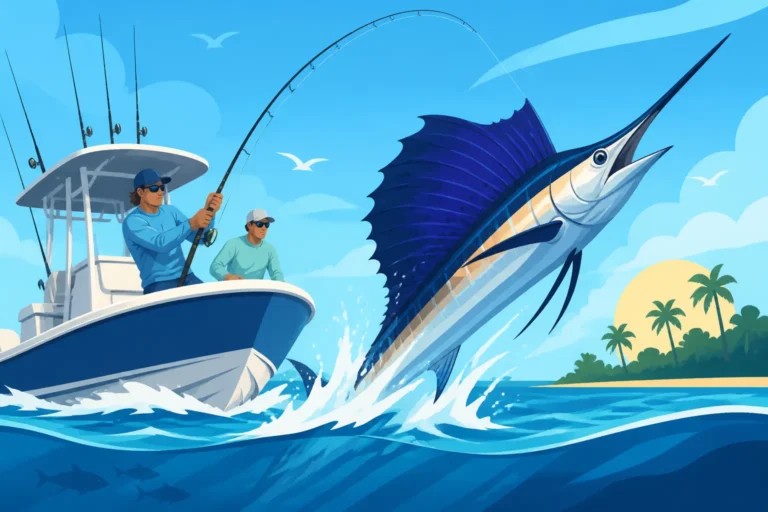
Sailfish: Florida is famous for its sailfish, particularly on the Atlantic coast where they migrate in large numbers during cooler months. These magnificent billfish are incredible fighters, leaping and "tail-walking" across the surface when hooked. They are almost universally a catch-and-release species, admired for their beauty and sporting qualities. Trolling live baits or artificial lures, and kite fishing, are popular methods for targeting these majestic fish.
-
King Mackerel (Kingfish): A staple of Florida offshore fishing, especially in the Gulf and along the Atlantic coast. Kings are powerful, fast-striking fish known for their drag-screaming runs. They often feed on schools of baitfish, and you'll typically find them patrolling near reefs, wrecks, and current edges. Trolling with live bait (like pilchards or threadfin herring) or spoons is highly effective. They are excellent game fish and decent table fare, though best eaten fresh.
Bottom-Dwelling Beasts: Grouper, Snapper, Amberjack
When you want to pull something big and powerful from the depths, you turn your attention to the impressive array of fish that call Florida's offshore reefs and wrecks home.
-
Grouper: Florida boasts several species of grouper, including gag grouper, red grouper, black grouper, and scamp, among others. These powerful fish live on or near the bottom, often around rocky ledges, coral reefs, and wrecks. They are renowned for their initial "head-shake" and powerful dive back into their rocky hideouts, making it a true test of strength and skill to pull them up. Bottom fishing with live or cut bait is the primary technique. Grouper are highly prized for their firm, white, delicious meat. Always be sure to check current regulations as seasons and size limits vary by species and region. Our guide to Florida Grouper Season Guide is a great resource.
-
Snapper: Like grouper, Florida offers a fantastic variety of snapper species offshore, with Red Snapper often being the most sought-after (when in season). Other popular species include vermilion snapper, mangrove snapper (also found inshore), lane snapper, and mutton snapper. Snapper are found on similar bottom structures as grouper, though often in slightly different areas or depths. They are generally caught using bottom fishing techniques with cut bait, squid, or live pilchards. All snapper species are excellent eating, and like grouper, anglers must pay close attention to the always-changing seasons, bag limits, and size restrictions. For specific details on the highly anticipated Red Snapper season, check out our Florida Red Snapper Season Guide.
-
Amberjack: Known as "reef donkeys" for a reason, amberjacks are incredibly strong and aggressive fighters. They often school around deep wrecks, artificial reefs, and ledges. When hooked, they'll pull like a freight train, offering an exhausting but exhilarating battle. Jigging with heavy metal jigs or dropping live baits (like pinfish or blue runners) are effective methods. While not considered prime table fare by all, smaller amberjacks can be decent to eat, and they certainly offer an unforgettable fight.
The Ultimate Challenge: Swordfish and Tuna
For the truly adventurous and patient angler, Florida's deep waters offer the ultimate prizes: swordfish and various tuna species.
-
Swordfish: The "gladiator of the sea," swordfish are perhaps the most challenging and coveted offshore catch. These powerful billfish inhabit incredibly deep waters during the day, often thousands of feet down, and move shallower at night to feed. Targeting swordfish typically involves specialized deep-dropping techniques during the day or drifting with glow-in-the-dark baits at night. These are often multi-day or dedicated full-day trips due to the travel time and specialized nature of the fishing. The fight is legendary, and their meat is considered among the finest available.
-
Tuna: While not as abundant as in some other global destinations, Florida's offshore waters, particularly on the Atlantic side and in the deeper Gulf, can produce various tuna species, including blackfin tuna, skipjack tuna, and occasionally even yellowfin tuna. Blackfin tuna are a common and highly prized catch, known for their powerful runs and excellent sashimi-grade meat. They often school around offshore humps, ledges, and temperature breaks. Trolling with lures or live bait, or chunking with cut bait, are effective methods for targeting tuna. Catching a large tuna is a true test of an angler's stamina and tackle.
What to Expect on Your Offshore Adventure
Embarking on an offshore fishing trip is an experience unlike any other. Knowing what to expect, from preparations to techniques, can make your day on the water much smoother and more enjoyable.
Pre-Trip Preparations and What to Bring
Proper preparation is key to a successful and comfortable offshore charter. While your captain provides the boat, tackle, and expertise, there are a few things you'll need to handle yourself.
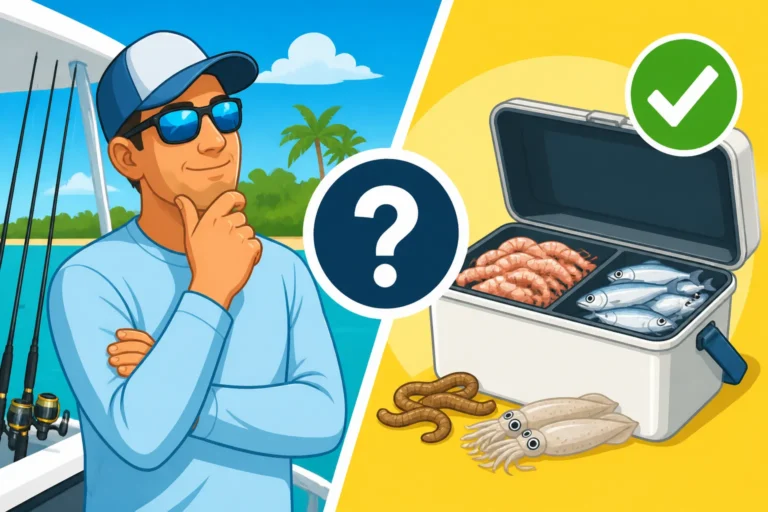
First, sun protection is paramount. The sun reflecting off the water can be intense, even on cloudy days. Pack plenty of high-SPF sunscreen, a wide-brimmed hat, sunglasses (polarized are a huge plus for spotting fish), and lightweight, long-sleeved shirts with UPF protection. Many anglers opt for buff-style face and neck gaiters for added coverage. Secondly, bring a cooler with plenty of drinks and snacks. Offshore trips can be long, and staying hydrated and fueled is important. Pack water, Gatorade, soft drinks, sandwiches, and whatever other snacks you prefer. Just remember that space on a boat can be limited, so don't overpack.
Consider bringing non-slip, closed-toe shoes for safety on a wet deck. While the boat typically has a blanket fishing license that covers everyone on board, it's always a good idea to confirm if you need to purchase a personal Florida Fishing License Guide ahead of time, especially if you're going on a private charter where licenses might vary. Most Florida charters operate under a vessel-wide license, but it's wise to double-check. Finally, think about any personal medications, especially if you are prone to seasickness – we'll cover that in more detail later. For a comprehensive checklist, our article What to Bring on a Florida Fishing Charter offers some fantastic advice.
Common Offshore Fishing Techniques
Offshore captains employ a variety of techniques depending on the target species, conditions, and preferences of the anglers. You'll likely encounter one or more of these methods during your trip.
-
Trolling: This is perhaps the most iconic offshore fishing technique, especially for pelagic species like mahi-mahi, wahoo, sailfish, and king mackerel. The boat moves at a slow, steady speed, dragging multiple lines with artificial lures, natural baits (like ballyhoo), or a combination of both behind it. Outriggers are often used to spread the lines out, covering a wider area and preventing tangles. The idea is to mimic baitfish swimming through the water, enticing strikes from predatory game fish. When a fish hits, the reel screams, and it's all hands on deck! Trolling can cover a lot of water and is often effective for finding scattered schools of fish.
-
Bottom Fishing/Deep Dropping: As the name suggests, these techniques target fish that live near the ocean floor, such as grouper, snapper, and amberjack. Bottom fishing typically involves dropping weighted lines with baited hooks straight down to reefs, wrecks, or ledges. Live bait, cut bait, or squid are common choices. Deep dropping is a specialized form of bottom fishing that targets fish in extremely deep water (hundreds to thousands of feet) using electric reels and heavy weights. Both methods require patience and a good feel for the bite, but the reward is often a powerful fight and excellent table fare.
-
Kite Fishing: A highly specialized and exciting technique, primarily used for sailfish and sometimes tuna on the Atlantic coast. Kites are flown from the boat, suspending live baits (often goggle eyes or pilchards) just on or near the water's surface, away from the boat's shadow. This presents the bait in a very natural, panicked manner, driving sailfish crazy. When a fish strikes, the line pops out of the release clip on the kite, and the battle begins. It's a visual and thrilling method, but it requires calm conditions and an experienced crew to manage multiple kites and lines.
Fish Handling, Regulations, and Filleting
When you reel in a prize, knowing how to properly handle it is crucial, both for conservation and for preparing your catch.
First, your captain and crew are experts at safely bringing fish aboard, whether it's gaffing a large mahi-mahi or carefully de-hooking a sailfish for release. They will guide you on how to pose for photos quickly and respectfully. Secondly, it's imperative to understand that fishing regulations in Florida are strict and enforced. Every species has specific size limits (minimum and sometimes maximum), bag limits (how many you can keep), and open/closed seasons. Your captain will be well-versed in all current regulations and will ensure your trip adheres to them. If a fish is undersized, out of season, or you've reached your bag limit, it must be released. It's also important to follow Catch and Release Best Practices for Snook and other species if the intent is to let them go.
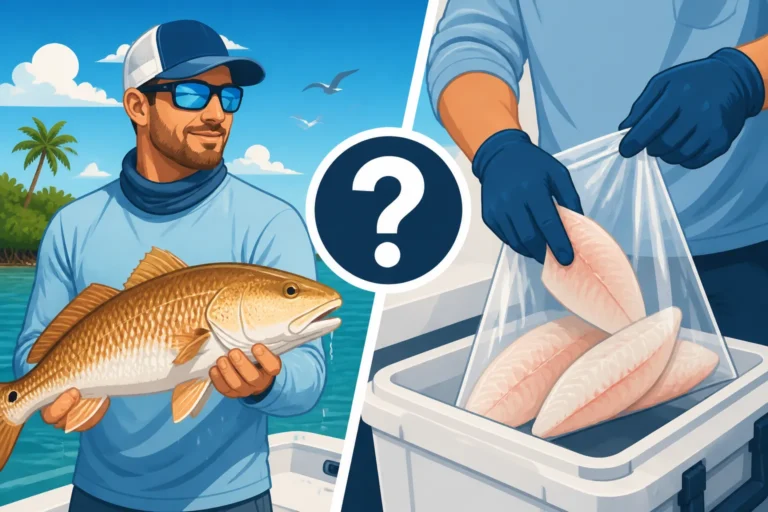
Finally, after a successful day, most offshore charters offer fish cleaning and filleting services at the dock. The crew will expertly clean and bag your catch, preparing it for your ride home. This service is often included in the charter price or available for a small additional fee (which is a great opportunity to tip your mate!). You'll leave with pristine fillets ready for your grill or freezer, a delicious reward for your hard work on the water.
Choosing the Right Offshore Charter
Selecting the perfect offshore fishing charter can feel like a big decision. With so many options in Florida, how do you narrow it down? Focusing on a few key factors will help you find the ideal trip for your group.
Factors to Consider: Location, Target Species, Price
These three elements form the core of your charter selection process and are often interconnected.
-
Location: Florida is a big state, and offshore fishing varies dramatically from one region to another. Are you dreaming of the deep blue Atlantic out of Miami or Fort Lauderdale, known for its sailfish and mahi-mahi? Or perhaps the productive Gulf of Mexico waters off Destin or Clearwater, famous for grouper and snapper? Maybe the legendary fishing of the Florida Keys, where anything is possible? Your desired location will dictate the species available, the typical weather patterns, and the style of fishing. Consider where you're staying or where you want to travel to, and research the local fishing scene. Each region has its own charm and specialties. For example, if you're heading to the Keys, checking out Key West Fishing Charter Rates can give you an idea of what to expect for that specific region.
-
Target Species: What do you want to catch? This is often the most important question. If you're dead set on catching a giant grouper, you'll want a charter that specializes in bottom fishing in the Gulf. If a high-flying sailfish is your goal, an Atlantic trolling charter is likely your best bet. Some charters are highly specialized (e.g., dedicated swordfish trips), while others are more general, offering a mix of trolling and bottom fishing. Be clear with the captain about your angling ambitions. Sometimes, the available species will also depend on the time of year and current regulations, so be flexible and open to alternatives if your dream fish is out of season.
-
Price: Offshore fishing charters are an investment, and prices can vary widely based on boat size, trip duration, location, and the captain's reputation. Half-day trips are generally the most affordable, while full-day and multi-day excursions will naturally cost more. Remember to factor in potential extras like fuel surcharges, bait costs (though often included), and, importantly, the tip for the mate and captain. Don't always go for the absolute cheapest option; a slightly higher price often reflects a more experienced captain, better equipment, or a more comfortable boat. Think about Florida Fishing Charter Cost Guide and how different trip lengths, like Half-Day vs Full-Day Fishing Charter Cost in Florida, can impact your budget.
Researching Captains and Boats
Once you have a general idea of location, target species, and budget, it's time to dive into researching specific charters. This is where you'll find the difference between a good trip and a truly great one.
Start by looking for reputable charter operations in your chosen area. Online reviews on platforms like Google, TripAdvisor, and specialized fishing sites are invaluable. Pay attention to what past clients say about the captain's demeanor, the condition of the boat and equipment, the crew's professionalism, and, of course, their fishing success. A truly great captain isn't just a fish-finder; they're also a great host, educator, and ensure a fun, safe atmosphere.
Don't hesitate to contact several different charters. Ask questions about their experience, their typical fishing methods, what's included in the price, and their boat's specifications. Inquire about the boat's size, its safety equipment, and how many anglers it can comfortably accommodate. A good captain will be happy to answer your questions and help you decide if their charter is the right fit. Remember, you're looking for a licensed and insured operation with a captain who holds a valid USCG license – this is non-negotiable for your safety.
Booking Your Trip
With your research complete, it's time to secure your offshore adventure! The booking process is usually straightforward, but a few tips can help.
Most reputable charters will require a deposit to hold your date, with the remaining balance due on the day of the trip. Always get confirmation in writing, detailing the date, time, price, what's included, and the cancellation policy. This protects both you and the charter operator. It's especially important to understand their weather cancellation policy, as offshore trips are highly dependent on favorable sea conditions.
Many anglers find online booking platforms incredibly convenient for finding and booking charters. Websites like FishingBooker are excellent resources, allowing you to browse numerous charters in different locations, compare prices, read reviews, and book directly. These platforms often provide detailed information about each boat and captain, making the selection process much easier. When using such platforms, always communicate any specific requests or questions you have directly to the captain well in advance of your trip to ensure everyone is on the same page. Booking early, especially for peak seasons or popular holidays, is always a good idea to ensure you get your preferred dates and captain.
Key Considerations for a Successful Offshore Trip
Beyond the fishing itself, there are several practical aspects to consider that can significantly impact the overall enjoyment and success of your Florida offshore fishing charter. Addressing these upfront will help you have a fantastic experience.
Weather and Seasickness Management
The weather and sea conditions are arguably the biggest variables in offshore fishing. The captain will always make the final call on whether conditions are safe to go out, as your safety is paramount. However, even on a safe day, rough seas can lead to seasickness, which can quickly ruin a trip for anyone affected.
If you are prone to seasickness, or even if you're not sure, it's always best to take preventative measures. Over-the-counter medications like Dramamine or Bonine are popular choices, but they often work best if taken the night before and again an hour before your trip, allowing them to get into your system. Motion sickness patches, like Scopalamine, are another effective option, available by prescription. Eating a light, non-greasy meal before heading out, staying hydrated, focusing on the horizon, and getting plenty of fresh air on deck can also help. Avoid reading or focusing intently on things inside the boat. Discuss your concerns with your captain; they've seen it all and can offer tips. It's far better to prevent seasickness than to suffer through it. For more detailed advice, read our guide on How to Avoid Seasickness on a Florida Fishing Charter.
Tipping Etiquette and Guide Appreciation
Just like in other service industries, tipping is customary and highly appreciated on fishing charters. Your mate and captain work incredibly hard to ensure you have a safe, productive, and enjoyable day on the water. They spend hours preparing for your trip, rigging baits, cleaning the boat, and ensuring all equipment is in top shape. During the trip, the mate is constantly working – baiting hooks, gaffing fish, untangling lines, answering questions, and keeping the deck tidy.
A standard tip for the mate is typically 15-20% of the total charter price, assuming they provided excellent service. If the captain also acted as the primary guide (common on smaller private charters without a separate mate), then the tip can be directed towards them, or split if there are multiple crew members. While it's not mandatory to tip the captain directly (as they own the business), it's a thoughtful gesture if they went above and beyond. Always present the tip in cash, directly to the mate, at the end of the trip. This gesture acknowledges their hard work and dedication. Our guide on Tipping Etiquette for Florida Fishing Guides offers more specific advice on this important topic.
Understanding Catch and Release vs. Keeping Your Catch
Before your trip, it's a good idea to discuss with your captain whether your primary goal is to catch fish for the dinner table or to focus on sport and catch-and-release. Many anglers want to bring home some fresh fillets, and that's perfectly fine, provided all catches adhere to strict Florida Fish and Wildlife Conservation Commission (FWC) regulations regarding size, bag limits, and seasons.
However, some species, like sailfish and tarpon, are often (or always) catch-and-release only in Florida, celebrated purely for their sporting value. Other times, you might encounter a species that is technically legal to keep, but you've already filled your bag limit, or it's a particularly large specimen that the captain suggests releasing for breeding stock. A good captain will educate you on responsible angling practices and help you make informed decisions. Many charters actively promote conservation and teach proper catch-and-release techniques to minimize stress on the fish. Being open to catch-and-release, even if you planned on keeping fish, shows respect for the marine environment and helps ensure healthy fisheries for future generations.
Regional Offshore Hotspots in Florida
Florida's extensive coastline offers a multitude of fantastic offshore fishing opportunities. While the core techniques remain similar, each region has its unique characteristics, target species, and famous fishing grounds.
Florida Panhandle: Destin, Panama City Beach
The Florida Panhandle, often called the "Emerald Coast," is legendary for its offshore fishing, particularly out of ports like Destin and Panama City Beach. Destin, in particular, proudly holds the title of "The World's Luckiest Fishing Village," and for good reason.
- Deep Water Access: The continental shelf drops off relatively quickly in this region compared to other parts of the Gulf, meaning deep water is more accessible without extremely long runs. This translates to more fishing time for anglers.
- Abundant Reefs and Wrecks: The Panhandle boasts an incredible array of natural limestone reefs, ledges, and countless artificial reefs and wrecks. These structures provide prime habitat for bottom-dwelling species.
- Target Species: This region is world-renowned for its grouper (red, gag, scamp) and snapper (red, vermilion, mangrove). During their respective seasons, these species are a primary target. Pelagic species like king mackerel, Spanish mackerel, mahi-mahi, and even cobia are also frequently caught, especially when trolling near structures or current breaks. For those venturing further offshore, amberjack are plentiful around deeper wrecks. The annual Destin Fishing Rodeo in October draws anglers from across the globe, showcasing the incredible catches possible here.
Gulf Coast: Clearwater, Fort Myers, Naples
Stretching from the central Gulf coast down to Southwest Florida, this region offers a diverse offshore fishery characterized by vast expanses of continental shelf and numerous reefs.
- Clearwater/St. Petersburg: Known for its extensive artificial reef system and productive natural bottom, this area is a bottom fisherman's paradise. Expect excellent grouper and snapper fishing, often requiring significant runs offshore to reach the prime spots. King mackerel are also a strong seasonal target, especially in spring and fall.
- Fort Myers/Naples (Southwest Florida): The offshore waters here combine excellent reef fishing with opportunities for pelagic species. The grouper and snapper bite remains strong, but you'll also find king mackerel, cobia, and mahi-mahi when trolling or targeting specific structures. The proximity to the Dry Tortugas and other deeper water allows for more specialized trips targeting tuna and even swordfish for those willing to make the long run. The area around Boca Grande Pass, while famous for tarpon, also has some excellent offshore grounds nearby.
- Unique Features: The shallow, expansive nature of the Gulf shelf means captains often have to travel further to find significant depth changes or large concentrations of fish, making full-day charters highly recommended. However, the sheer volume of habitat translates to a consistent and productive fishery for those who make the journey.
Atlantic Coast: Fort Lauderdale, Miami, Sebastian Inlet
Florida's Atlantic coast offers a dramatically different offshore experience, heavily influenced by the mighty Gulf Stream.
- Gulf Stream Proximity: From Fort Lauderdale and Miami southward, the Gulf Stream runs incredibly close to shore, sometimes just a few miles out. This deep, warm current acts like a highway for highly migratory pelagic species.
- Sailfish Capital: South Florida is world-renowned as a premier destination for sailfish. During the cooler months, vast numbers of these magnificent billfish congregate, offering incredible sportfishing opportunities, often using kite fishing or live bait trolling.
- Pelagic Powerhouses: In addition to sailfish, the Atlantic coast is a hotspot for mahi-mahi (dolphin fish), wahoo, and various tuna species (especially blackfin). These fish are often caught trolling along weedlines, current rips, and temperature breaks.
- Bottom Fishing: While pelagics dominate, excellent bottom fishing for snapper (mutton, lane, vermilion) and various grouper species is also available on offshore reefs and wrecks. Deep dropping for swordfish is also a significant fishery, particularly off the southeastern coast.
- Sebastian Inlet (Central Atlantic): Further north, Sebastian Inlet is famous for its inshore and nearshore fishing, but offshore, it provides access to strong runs of king mackerel, mahi-mahi, and seasonal cobia on structures and current breaks. The offshore bottom fishing also holds its own for various snapper and grouper.
Florida Keys: Key West, Islamorada
The Florida Keys, a string of islands extending into the Atlantic and Gulf, offer a truly unique and diverse offshore fishing environment.
- Double Access: The Keys have immediate access to both the shallow, expansive waters of the Gulf and the deep, rich waters of the Atlantic, often just a short run apart.
- Deep Water, Close to Shore: On the Atlantic side, the continental shelf drops off sharply, bringing extremely deep water within a few miles of the reef line. This means you can be fishing for large pelagics in blue water very quickly.
- Target Species: The Keys are a year-round paradise for offshore anglers. Expect fantastic mahi-mahi runs, especially in spring and summer, when they chase flying fish. Wahoo are seasonal but caught frequently, particularly around moon phases. Sailfish are a major draw, especially in the winter months. Marlin and tuna (blackfin, skipjack, occasional yellowfin) are also common targets.
- Reef and Wreck Fishing: The extensive coral reef system and numerous wrecks hold an incredible abundance of grouper (black, gag, red) and snapper (mutton, yellowtail, mangrove). These bottom fish are a staple of Keys offshore charters.
- Swordfish Capital: Islamorada, in particular, has earned a reputation as a world-class destination for swordfish, with both daytime deep-dropping and nighttime trips proving highly productive. The Keys offer an unparalleled variety, making it a dream destination for any offshore enthusiast.
Disclaimer
This article is for general informational purposes only and does not constitute professional advice. Laws, prices and regulations vary by location and change over time. Consult a qualified professional for guidance on your specific situation.